As artificial-intelligence infrastructure scales rapidly, memory chip manufacturers are redirecting advanced capacity toward the high‑bandwidth memory used in data centers. Even as total wafer output grows, this shift constrains the supply of automotive‑grade DRAM (dynamic random-access memory) and NAND (not and) flash memory, particularly for legacy automotive memory generations, according to data compiled by Mobility Global’s E/E & semiconductor service.
For automakers and Tier 1 suppliers, the result is a tighter, more competitive environment where access matters as much as demand. Automotive DRAM supply is increasingly tight and prices reflect it. Legacy memory types such as DDR4 (double data rate fourth generation) and its low-power LPDDR4 variety, widely used in infotainment and ADAS (advanced driver assistance systems), saw price increases of around 70% year‑over‑year in early 2026. Another significant increase is expected by early 2027.
Supply concentration compounds the challenge. Roughly 90% of global automotive DRAM production is controlled by a small group of manufacturers including Micron, Samsung, and SK Hynix. When these suppliers prioritize AI‑related demand, automotive customers have limited alternatives.
With that as a backdrop, earlier this month Micron announced a series of strategic customer agreements with automotive Tier 1 suppliers and ecosystem partners looking to lock in a consistent supply of memory and storage chips over the extended vehicle lifecycles. Qualcomm, Visteon, Harman, Joynext, Denso, Astemo, and Hyundai Mobis are making continuity and reliability of memory and storage a crucial priority for vehicle production and delivery at scale.
According to Micron, automotive OEMs rely on memory and storage solutions to support next-generation in-vehicle infotainment, advanced driver assistance, and connectivity systems—as well as increasing levels of intelligence in the vehicle.
The agreements are designed to support long-term access to advanced memory and storage solutions as the automotive industry shifts toward increasingly sophisticated AI-enabled vehicles. They provide Micron and its automotive partners with greater visibility for optimized production planning as well as increased collaboration on future memory and storage requirements. By establishing greater certainty around supply and pricing, the agreements support investments in the technology development, qualification and manufacturing capacity required for future vehicle platforms.
Ford and General Motors agreements
These supplier deals followed two high-profile automaker agreements Micron made with Ford and General Motors earlier in the month. Both are supported by Micron’s ongoing investments to expand and localize manufacturing for automotive customers, including its expansion of advanced DRAM production at its Manassas, VA, fab. Its $2 billion investment to modernize there, which began production earlier this year, provides the longevity and supply output valuable to long product life cycles, improved supply predictability, and helps ensure product continuity across the industry.
The chipmaker is increasing output of key automotive memory solutions with capacity expansions designed to support long product life cycles and ensure sustained supply for critical production programs. These investments are part of Micron’s broader efforts to scale supply responsibly in line with accelerating global demand for memory and storage, supporting the broader automotive ecosystem and strengthening critical U.S. infrastructure.
“As vehicles become more intelligent and data-intensive, the importance of advanced memory and storage continues to grow, making collaboration and long-term supply increasingly important,” said Sanjay Mehrotra, Chairman, President and CEO of Micron Technology. “Through supply assurance, deep technology collaboration, and continued investment in manufacturing capacity, we are helping enable consistent, long-term support for Ford’s next-generation vehicle production as demand for advanced memory continues to grow.”
Through its agreement with Micron, GM will secure the supply of LPDRAM, NOR (not or), and UFS (universal flash storage) NAND products. In addition to the committed supply in the agreement, the partners will continue to collaborate on future memory and storage technology requirements essential for the next generation of vehicles. This includes deep technology collaboration to align on future product definition, system-level optimization, and the qualification of advanced memory technologies to support GM’s next generation of vehicle architectures and roadmaps.
According to Micron, enhanced customer experiences through local compute that support AI-enabled in-cabin experiences and ADAS/autonomy are driving the importance for advanced memory and storage in this industry. In particular, it says that memory and storage are the unsung heroes of autonomous driving.
Whether it’s the memory subsystem associated with sensor fusion processing, path planning, or the storage subsystem used by the black-box data recorder, these components all play a key role in autonomous driving. The range of memory and storage devices needed include SSDs (solid-state drives), NAND flash, NOR flash through low-power DRAM, and GDDR6 (graphics double data rate 6).
Micron claims industry leadership in automotive memory solutions like GDDR6, the bandwidth of which enables higher levels of autonomy to be realized in a practical footprint that is viable for deployment in the automobile. GDDR6 is a fundamental technology for AI compute engines that is qualified to operate in the high temperatures and harsh conditions associated with driving.
$250 billion investment in U.S.
More broadly, Micron also announced this month that it is accelerating its planned U.S. fab and technology investments and increasing its expected spend to more than $250 billion through 2035, driven by surging demand for memory in the AI era.
Micron anticipates that the increase in investments will support its long-term goal of producing 40% of its DRAM in the U.S. while creating additional good-paying direct and indirect jobs. The expanded investment reflects Micron’s confidence in its technology leadership and continued demand for its leading-edge memory products.
“The Trump Administration is committed to achieving unrivaled American leadership in AI, microelectronics, and the full semiconductor supply chain—and milestones like this one show we are turning that commitment into reality,” said U.S. Chief Technology Officer Ethan Klein. “Micron’s $250 billion U.S. investments in leading-edge memory manufacturing and R&D will directly power the next generation of American innovation, and we are proud to see that future taking shape right here on American soil.”
The announcement came as Micron celebrated the first concrete pour milestone at its Clay, NY, site, which marks the transition from site preparation to vertical construction.
The New York project is the cornerstone of Micron’s U.S. investment plan. The company said it is also making rapid progress in Idaho, with first wafer output expected in mid-calendar 2027 for the first fab and late calendar 2028 for the second. Earlier this year, it launched initial production in Virginia of its 1α (1-alpha) DDR4 technology, supporting customers’ long-life-cycle product needs in auto, industrial, medical, aerospace, and defense markets.
Together, these projects are expected to create more than 90,000 jobs and advance U.S. economic and national security goals.
“As we build the capacity, workforce and supplier base needed for the AI era, we are creating opportunities for New York businesses, skilled trades and communities to grow with us,” said Manish Bhatia, Micron Executive Vice President of Global Operations. “What we are building here will contribute to a thriving semiconductor hub in Central New York, complementing Micron’s existing sites in Idaho and Virginia.”
-

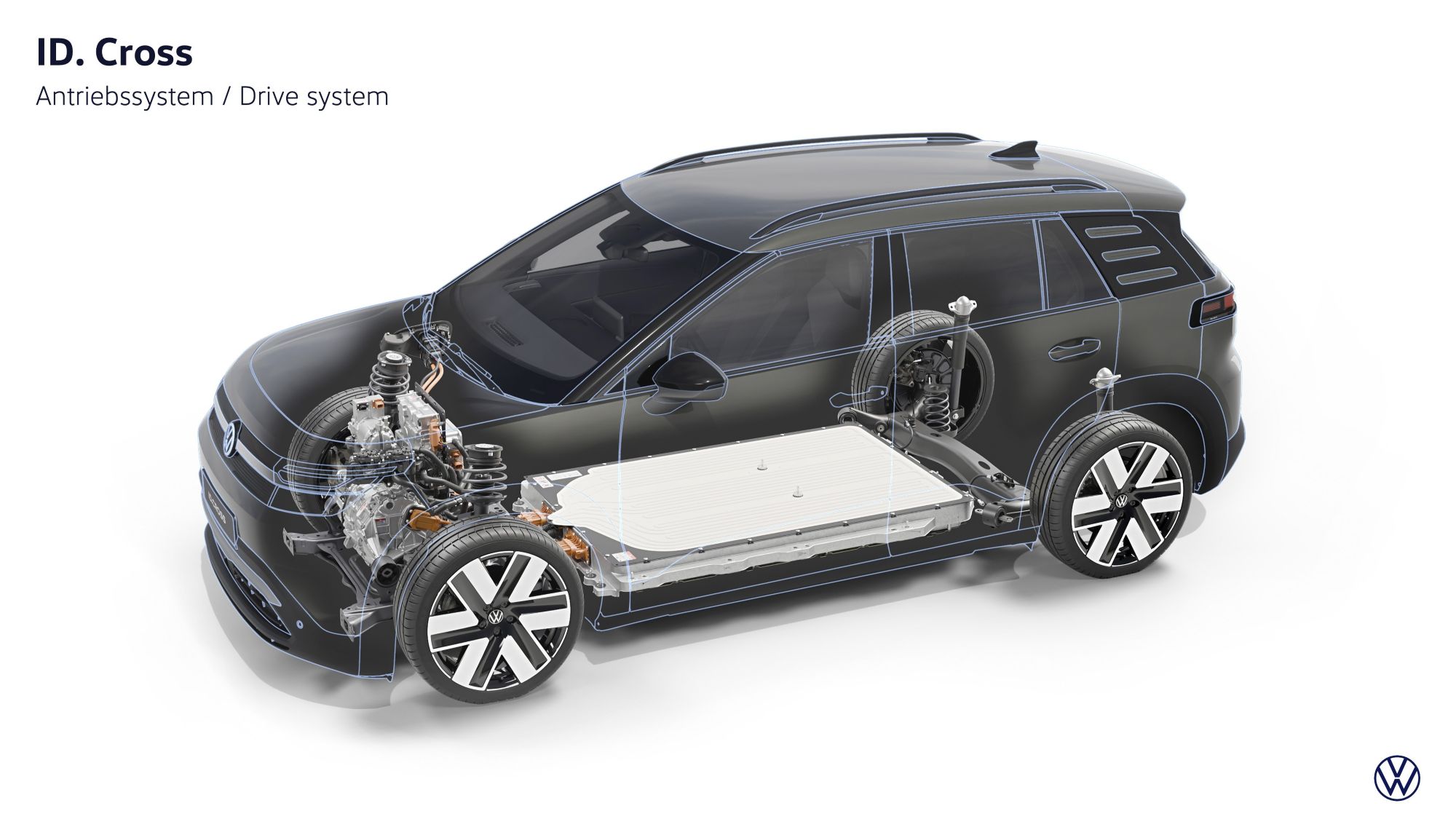
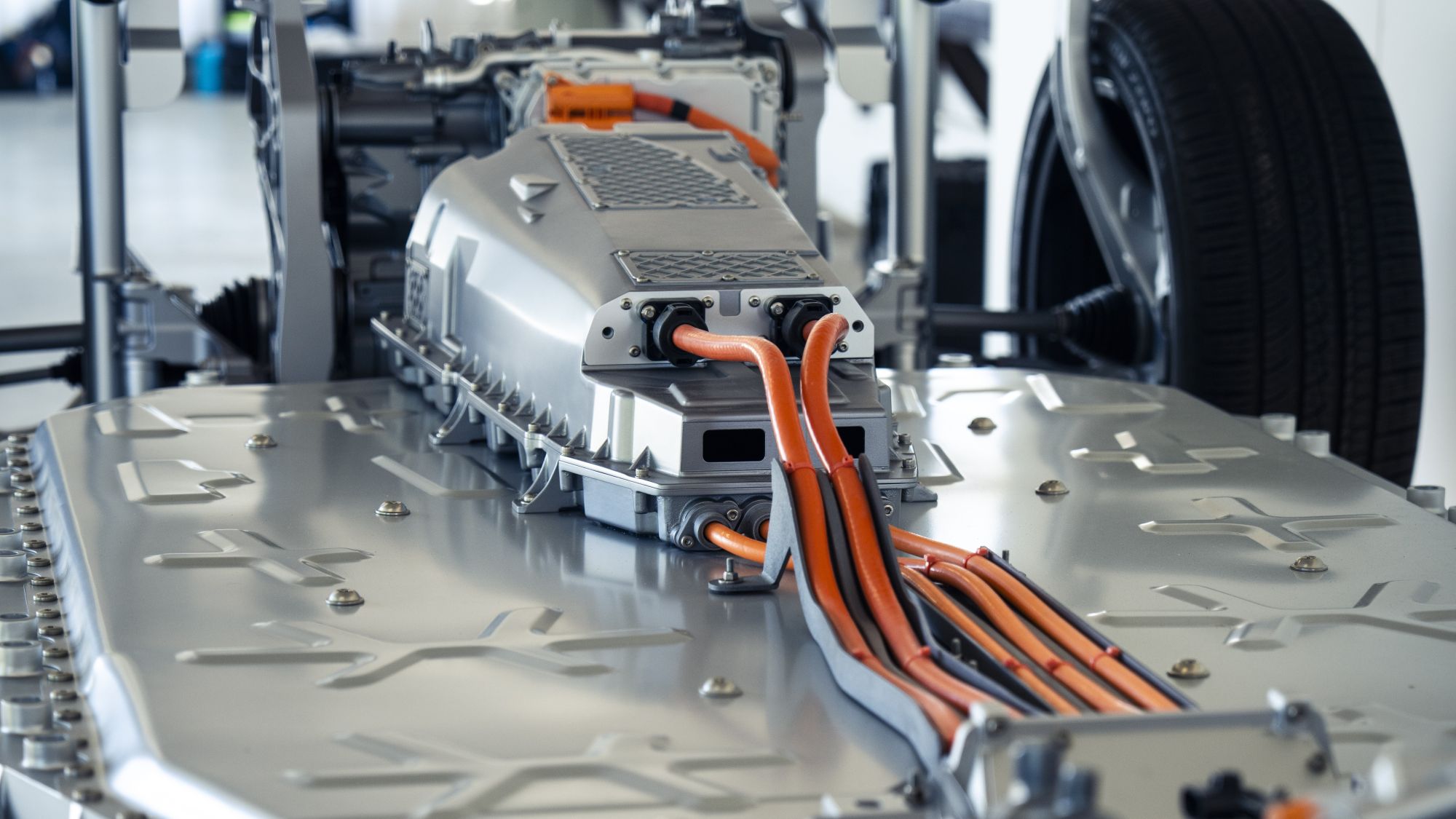
- Future Fords like the Universal Electric Vehicle Platform could benefit from Micron memory and storage chips.
-

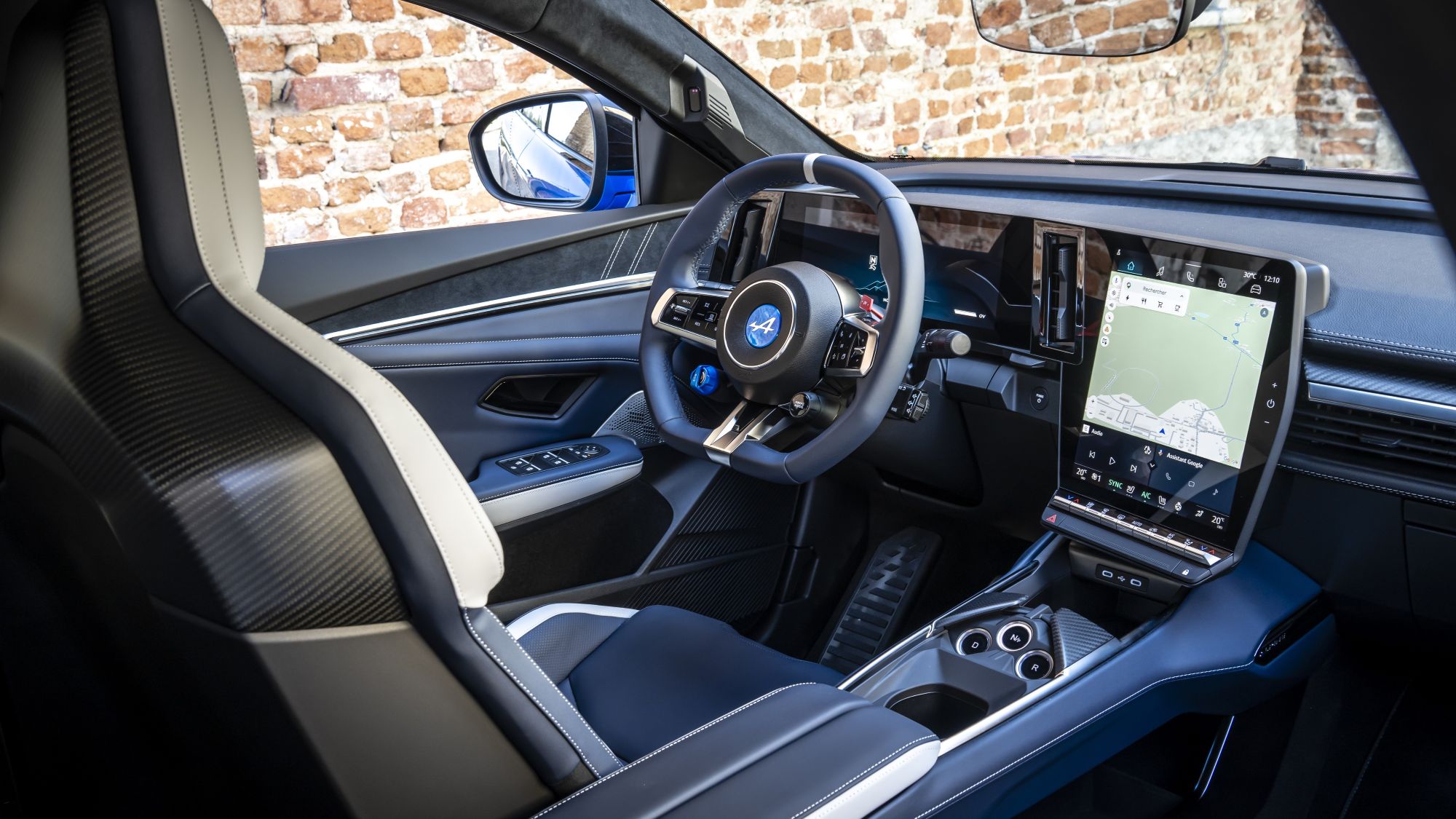
- Micron signs deal with GM for auto memory and storage chips.
-

- Sanjay Mehrotra at Micron Technology’s Clay, NY, site.
-

- Micron Technology in Manassas, VA.