After a significant presence at the 2026 Paris Motor Show, Paris-based automotive supplier Valeo has been busy recently as it expands its software-focused autonomous-driving capabilities and offerings to automotive OEMs around the world through new collaborations and partnerships.
Last week, Valeo announced plans to develop automotive-grade high-performance compute platforms based on the Nvidia Hyperion reference sensor and compute architecture, along with the Nvidia Halos safety system, for Level 4 autonomous vehicles and robotaxis. Earlier this month, Valeo announced a collaboration with KE:SAI (Kyutai Ellis Scalable Autonomous Intelligence), a German open science lab, to develop a fully reproducible, generalist AI driving system for autonomous vehicles.
The new initiative with Nvidia will combine Valeo’s automotive integration expertise with Nvidia’s centralized compute architectures to accelerate the deployment of safe, scalable, and software-defined vehicle (SDV) systems.
“Our work with Nvidia marks a significant milestone in our mission to make autonomous driving a safe, scalable reality,” said Marc Vrecko, CEO of Valeo’s Brain Division. “By seamlessly integrating Nvidia’s advanced compute power into our next-generation platforms, we are delivering the flexible, centralized intelligence vehicle manufacturers require to redefine the driving experience and meet the evolving demands of tomorrow’s intelligent vehicles.”
“Valeo’s expertise in high-performance computing, vehicle integration and automotive-scale industrialization will help automakers adopt Nvidia Hyperion and Nvidia Halos at production scale,” said Rishi Dhall, Vice President of Automotive at Nvidia. “Together, Nvidia and Valeo are providing the AI performance, functional safety and scalability needed to accelerate the development of Level 4 autonomous vehicles and robotaxis.”
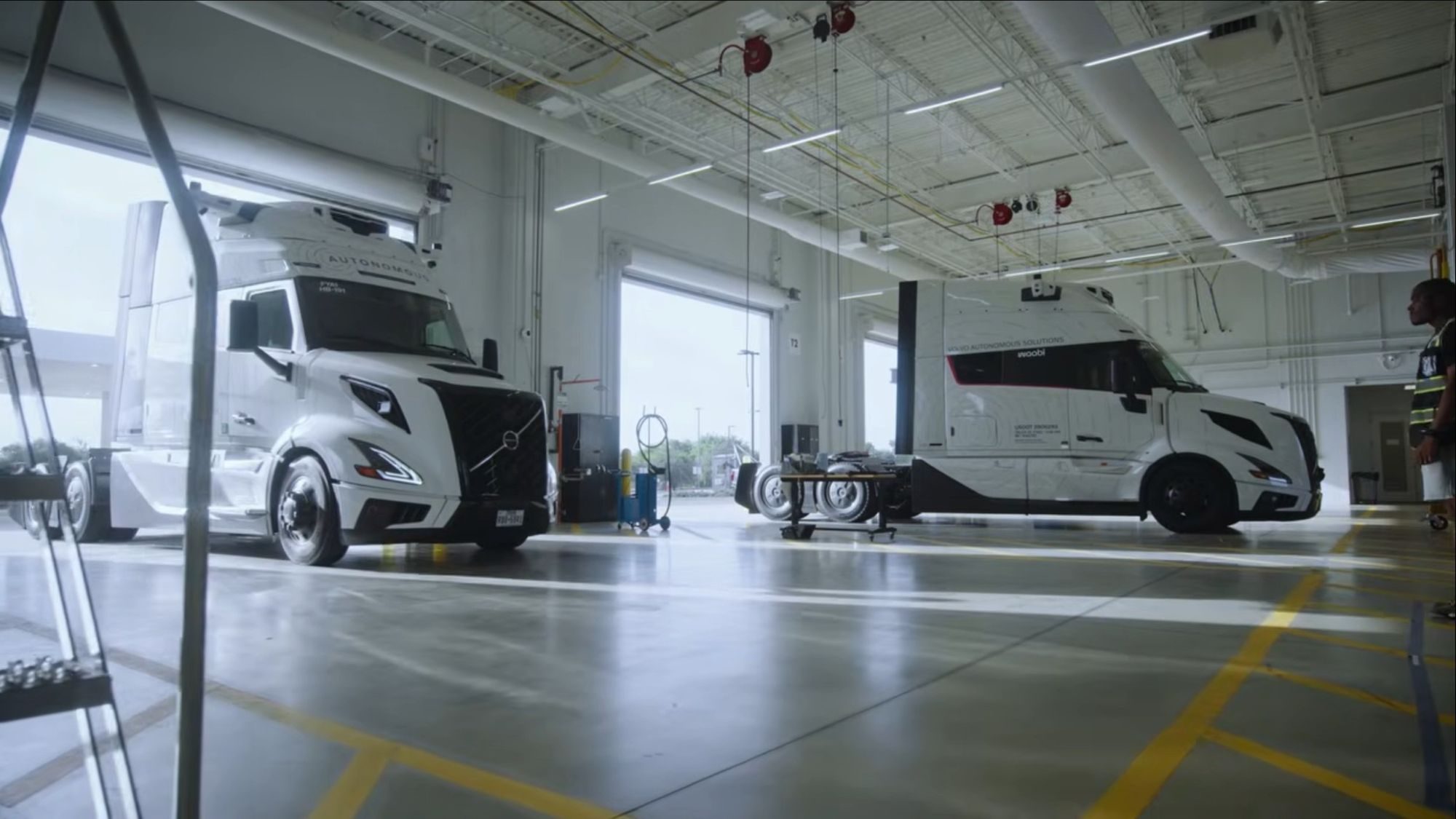
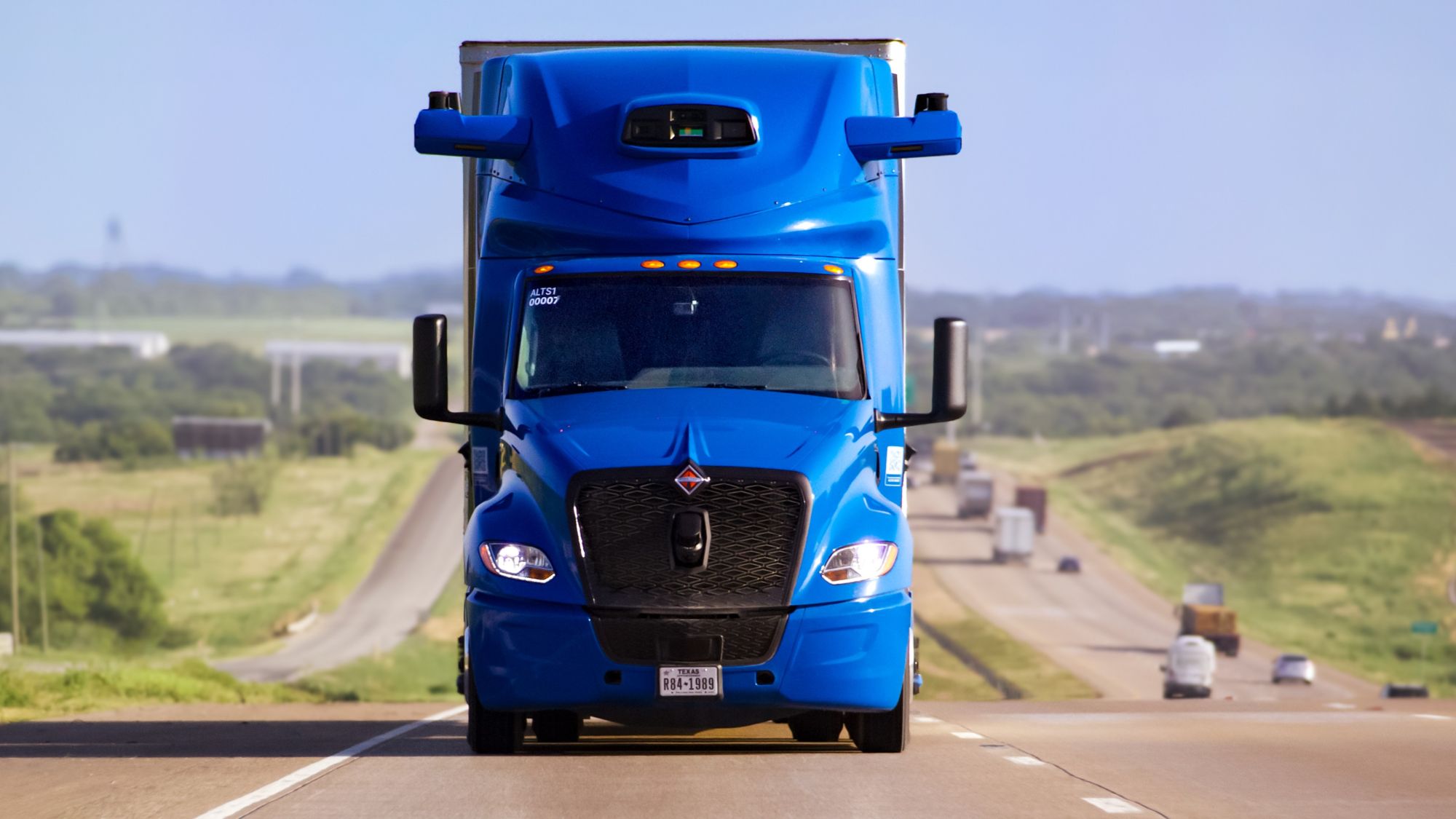
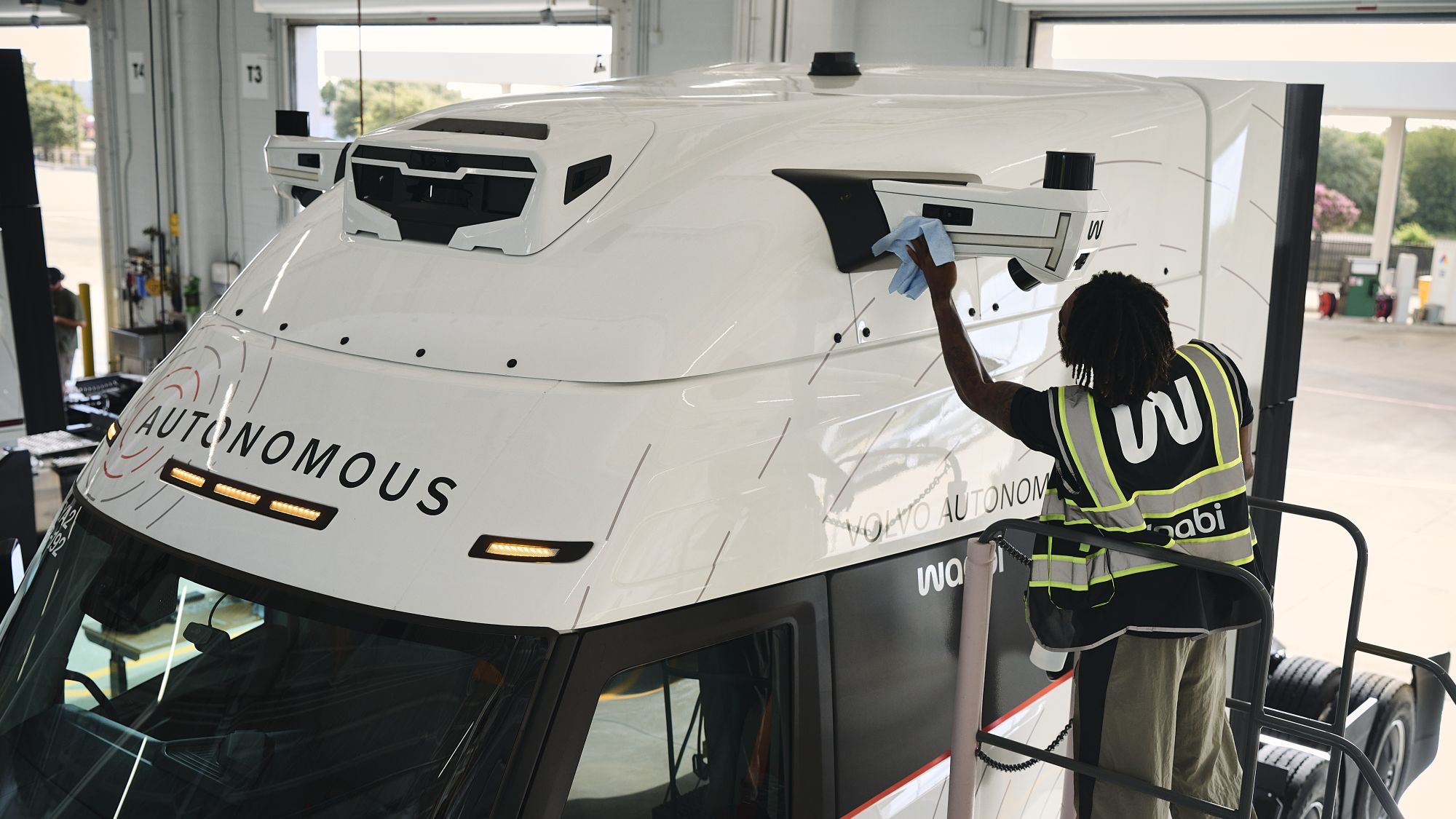
Valeo said building on the dual Nvidia Drive AGX Thor architecture within Nvidia Hyperion will enable the French supplier to provide the advanced AI (artificial intelligence) performance and redundancy required for several Level 4 autonomous driving applications, including passenger vehicles, autonomous trucking, and robotaxis.
According to Valeo, the KE:SAI program is intended to elevate performance across all major public driving benchmarks, and to release every component (code, trained models, and datasets) as open source. The goal is to build a strong foundation for democratizing self-driving technology and physical AI. Findings will be shared openly through publications and suppliers, and researchers will be able to reproduce the results, build on the model, and benchmark their own systems against a common reference.
“This open-science collaboration with KE:SAI marks a strategic milestone for Valeo and the broader European automotive ecosystem,” said Vrecko. “By combining our deep industrial and technological expertise in autonomous driving with world-class open-source research, we are establishing a shared foundation to accelerate the development of physical AI and democratize next-generation self-driving technologies.”
“For language models, open source compressed years of progress into months, yet frontier physical AI is still largely closed,” said Andreas Geiger, CEO of KE:SAI. “Valeo shares our belief that open foundations create more innovation than any closed system ever could. Everything we develop will be open. Every step forward is a step forward for everyone.”
The collaboration involves two of Europe’s leading teams in autonomous driving research, based in Paris and Tübingen: valeo.ai, Valeo’s AI research lab, which offers open-source models and publications, such as DrivoR and VaVAM, that are widely used in the community, and the KE:SAI founding team, known for their open benchmarks and driving stacks such as KITTI, NAVSIM, and TransFuser. The partnership’s ambition is to strengthen European and worldwide automotive ecosystems by giving automakers, suppliers, and research labs a built-in-Europe, open, and shared foundation for autonomous driving systems.
Valeo said its new collaboration with KE:SAI will also solve a unique problem currently facing the mobility industry. According to the French supplier, physical AI is widely considered the next frontier of artificial intelligence, but leading efforts, including those in self-driving, remain largely closed, with nearly every driving model deployed in the automotive industry being proprietary. Automakers and suppliers have no shared, open foundation on which to build, compare, and improve autonomous driving systems, leaving them dependent on technology they cannot inspect, adapt, or reproduce.
At the same time, important research questions regarding efficiency and generalization remain open, according to Valeo. Finding approaches that will make physical AI work reliably at scale requires exploring a range of ideas that can’t be pursued by a single lab alone. Developing in the open allows researchers across institutions to test, challenge, and build on the work.
Importantly, the effort brings academic and industrial research closer together, enabling rapid progress everybody can participate in. This partnership aims to push open-source autonomous driving research towards the frontier as others have achieved in the LLM (large language model) space.
The new partnership between Valeo and KE:SAI aims to build one compact AI model that can drive different vehicles, with different sensors, in different environments. Development teams will begin by training on large-scale real-world driving recordings, with a model that is designed to transfer across different sensor and camera configurations.
From there, the model will go beyond what recorded driving alone can teach. Through reinforcement learning in simulation and learned world models, it will be exposed to rare and safety-critical situations that are scarce or absent in real-world data.
Valeo did not release a specific timeline for either collaboration.
-

- Valeo’s Liquid Cooled Compute Unit will be built on the Nvidia Hyperion architecture.
-

- Valeo teamed with KE SAI to make autonomous driving software open.