Kosmera, the high-performance electric vehicle (EV) brand spun off by the Chinese smart-home and consumer electronics giant Dreame, has revealed some details to Futurride on the development of a next-generation electric powertrain.
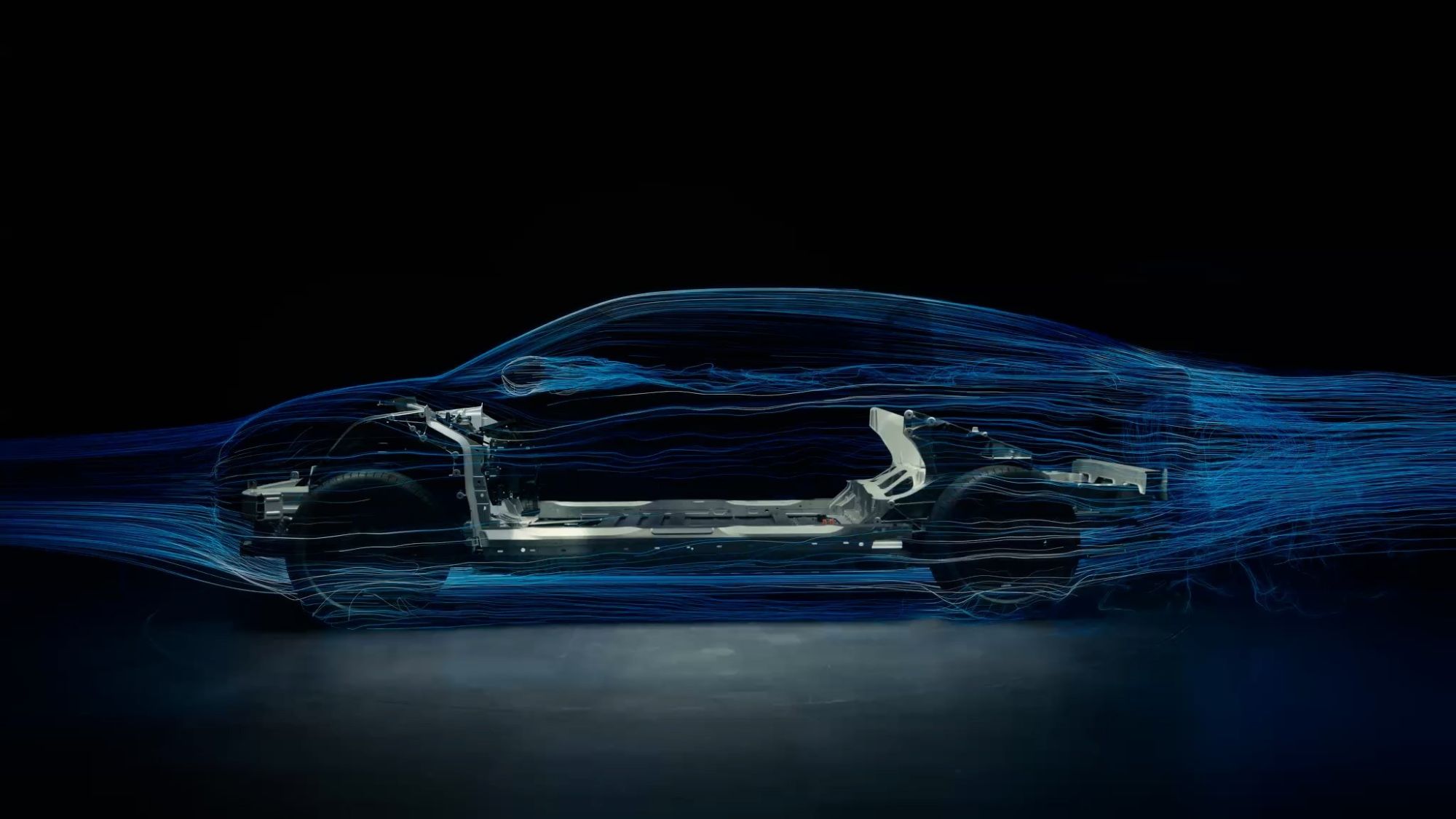
Company engineers are targeting more than 3000 hp built around a four-motor distributed-drive architecture and a 1200-V electrical system. Developed by Axion Power Technology, the automaker’s internal propulsion research unit focused on electric drivetrain development, the system is designed to prioritize sustained performance, thermal stability, and vehicle control at extreme power levels of up to 2320 kW (3156 hp).
The architecture is currently in pre-development, with patent filings in progress. Rather than focusing on just peak output, Kosmera says its development emphasizes power density, thermal stability, and controllability under sustained load conditions.
“Peak power alone is no longer a meaningful benchmark in high-performance electric systems,” said Qingwei Gong, Head of Advanced Powertrain at Kosmera and Axion Power Technology. “The real challenge is how you sustain, control, and translate that power into usable performance. Our focus is not only higher output, but a different definition of electric performance—one built on power density, system integration, and repeatability under extreme conditions.”
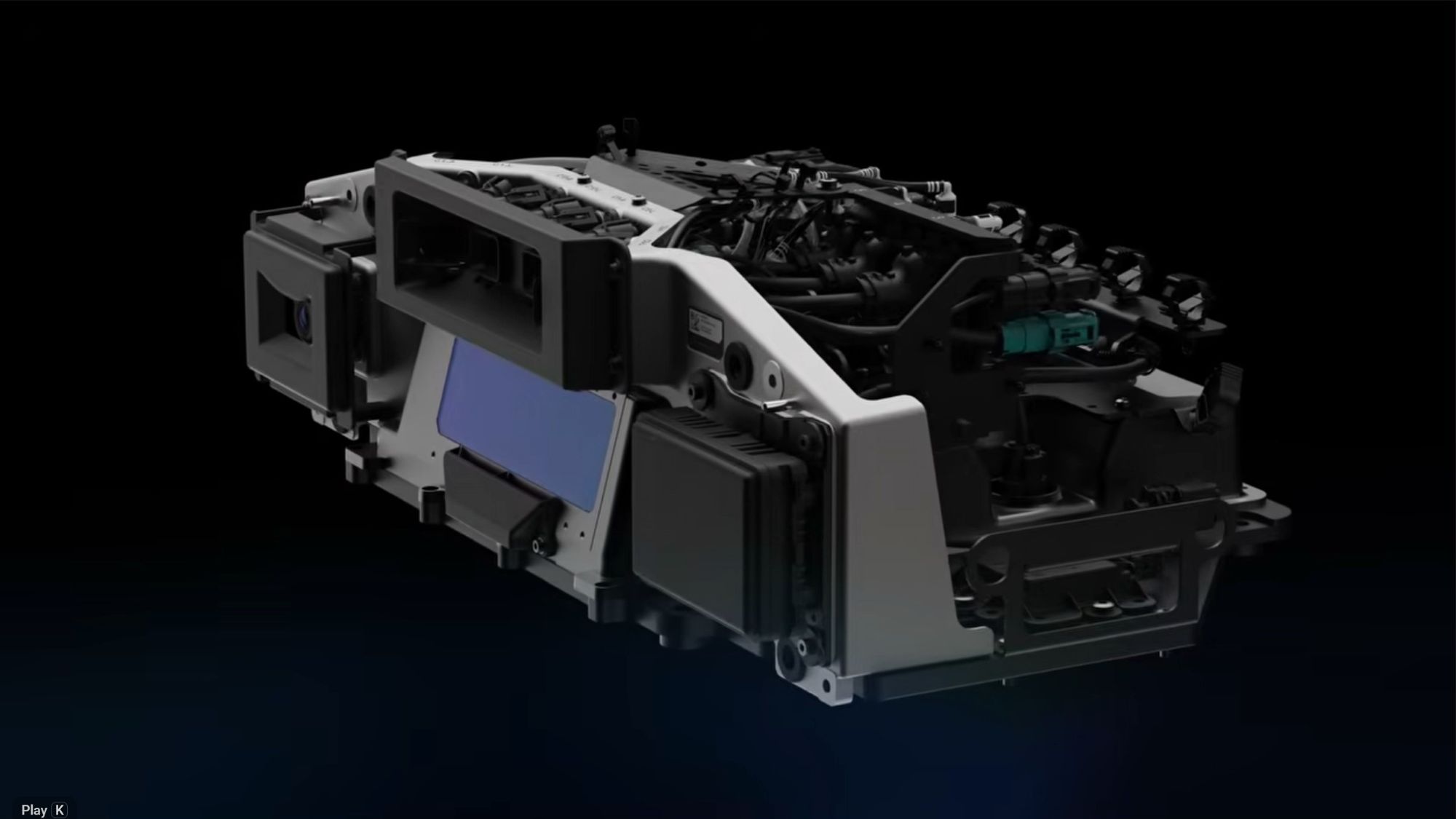
The propulsion system uses dual-motor modules on both front and rear axles to enable full-wheel torque vectoring. The targeted peak power for the HyperDrive quad-rotor permanent magnet synchronous dual-motor system is 1160 kW per axle. It uses SiC (silicon carbide) inverter power electronics and a carbon-fiber-reinforced rotor design. The wheel-end rotational speed target is above 4000 rpm.
“As an engineering target, with a wheel specification of at least 20 inches, that wheel-speed envelope corresponds to a theoretical vehicle-speed capability above 500 km/h,” said Arden Wang, a spokesperson for Kosmera. “It’s intended as a powertrain and system capability target rather than a claimed production vehicle top speed. The broader objective here is less about chasing a headline number and more about validating sustained high-speed performance, thermal management, and controllability under extreme conditions.”
At the core of the system is an axial-flux motor architecture with a targeted power density of up to 60.5 kW/kg. Axial-flux designs are increasingly studied in performance EV applications due to their compact size and higher torque density compared with traditional radial-flux machines.
Company engineers are evaluating a quad-rotor, dual-stator configuration intended to improve torque continuity and reduce performance degradation under prolonged high-load operation. The system uses magnesium-aluminum alloy die-cast structures combined with carbon-fiber reinforcement to improve mechanical stability at high rotational speeds.
Kosmera said it is also developing proprietary thermal management, bearing systems, and magnetic flux control technologies, which are included in ongoing patent filings.
Its 1200-V-class electrical architecture is being explored to reduce current loads and improve thermal efficiency. The company says that automakers and EV developers are increasingly exploring 1000-V+ electrical architectures and multi-motor distributed drive systems to improve efficiency, performance stability, and thermal management in high-output electric platforms.
The system’s development is intended for potential use in future Kosmera vehicles, including its planned two-seat hypercar and GT models. The architecture is designed with scalability in mind and may be adapted for other vehicle platforms and evaluated for potential external licensing.
The GT prototypes
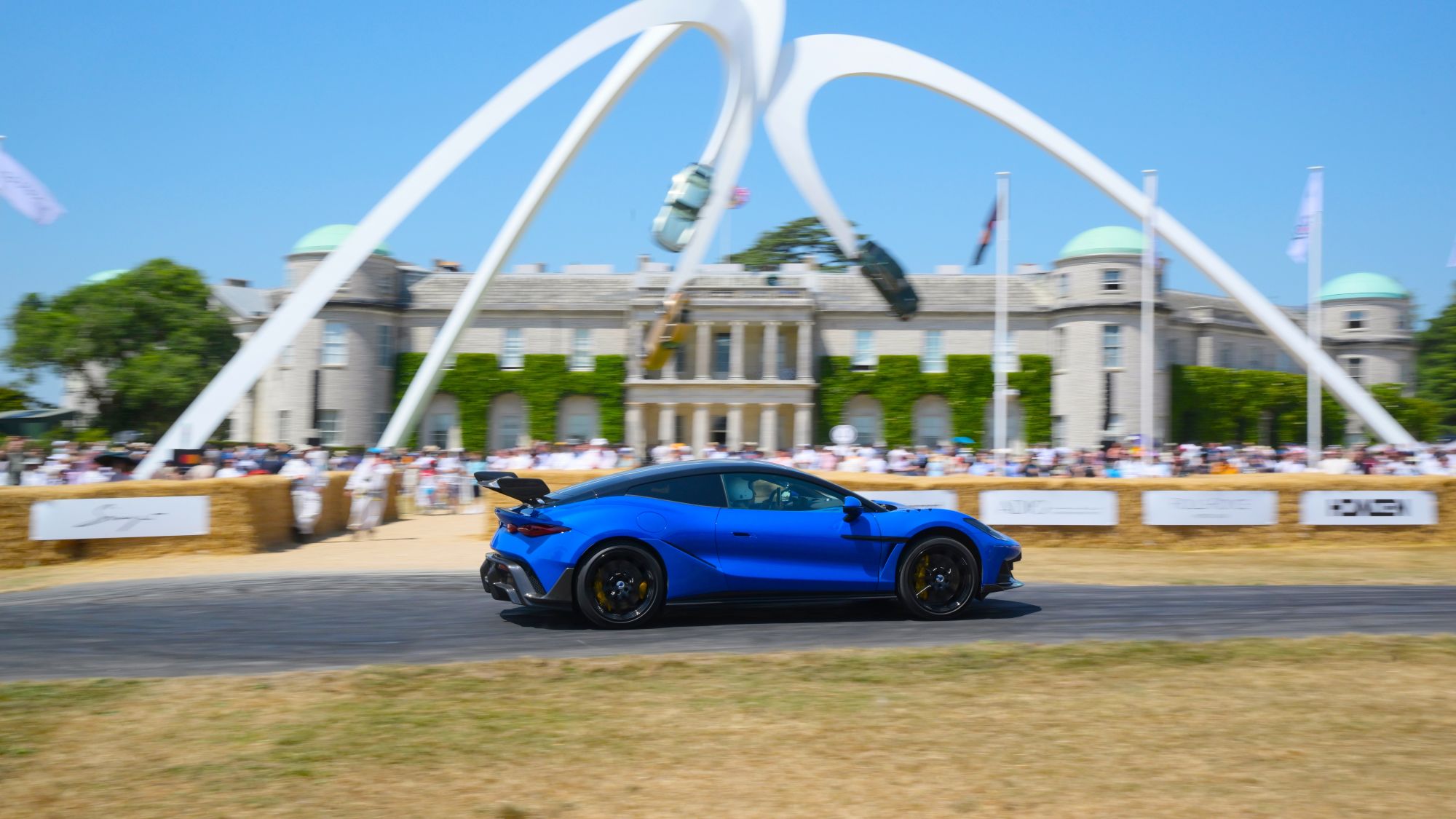
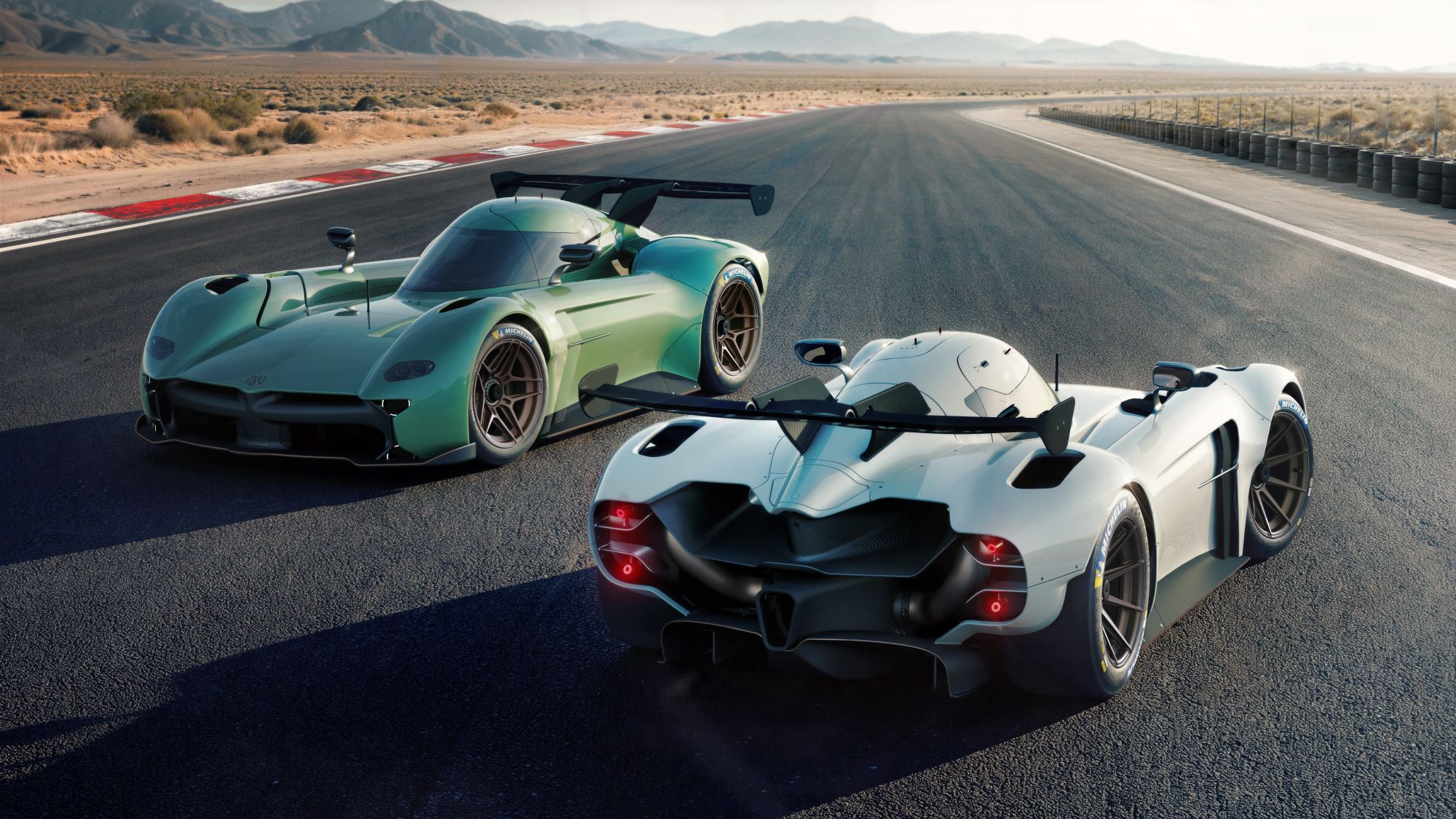
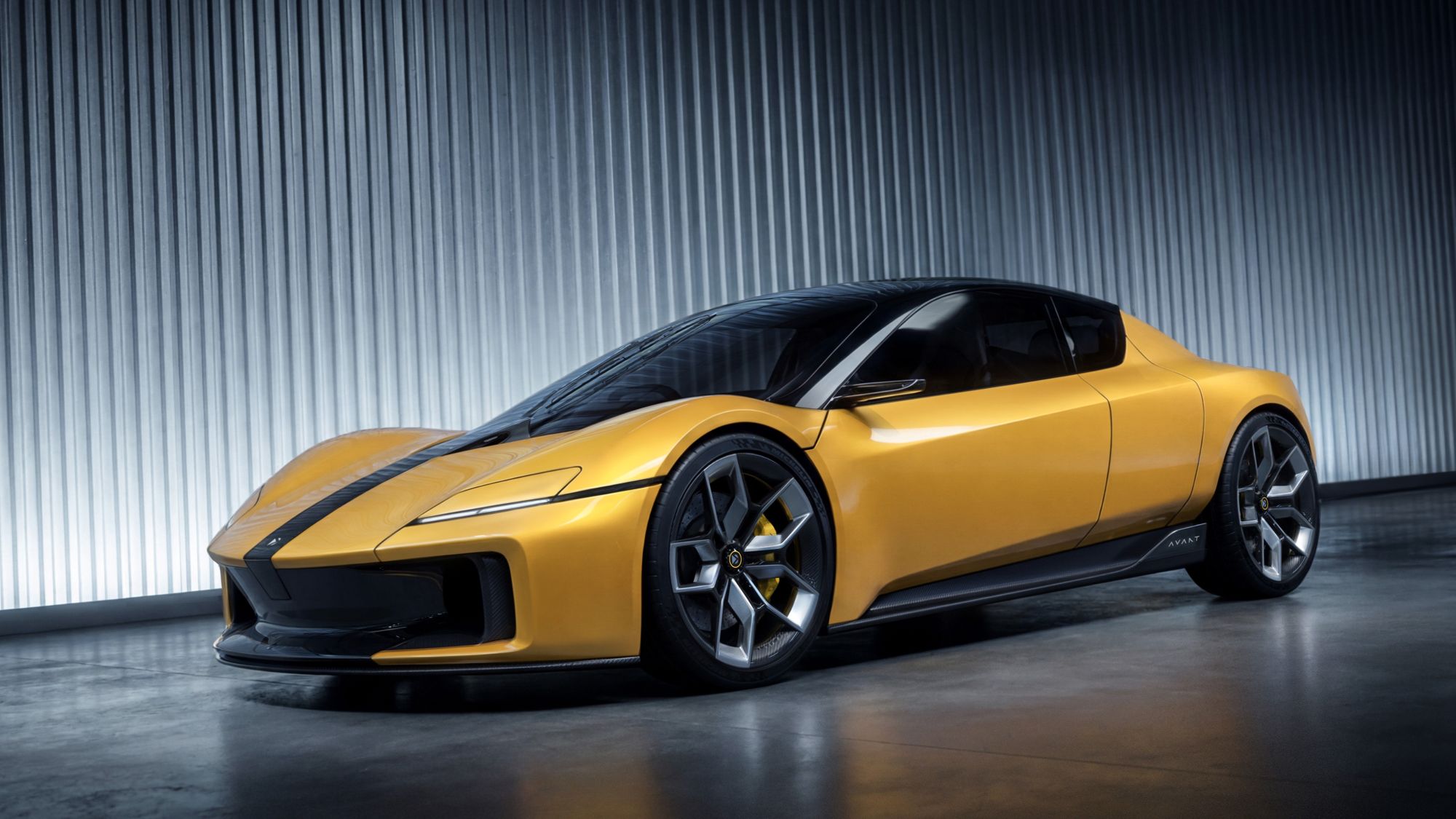
In March, Kosmera presented its hypercar prototype called Star Matrix at AWE (Appliance & Electronics World Expo) 2026 in Shanghai, marking the brand’s latest public appearance in Asia. That followed the global January debut at CES 2026 in Las Vegas of the company’s first two prototypes, the Star Matrix and Star Razer high-performance GTs, with the static display vehicles showcasing exterior and interior styling.
Planned for “dual-mode mastery,” the prototypes are engineered to deliver high comfort for daily use alongside extreme track performance. They are designed to incorporate a revolutionary active linear motor suspension system, which is planned to seamlessly transition between a smooth “zero-sensation” ride and a rigid, race-ready chassis setup. The chassis is planned to use steer-by-wire and aerospace-grade composites and 3D-printed metals, aiming for exceptional torsional stiffness.
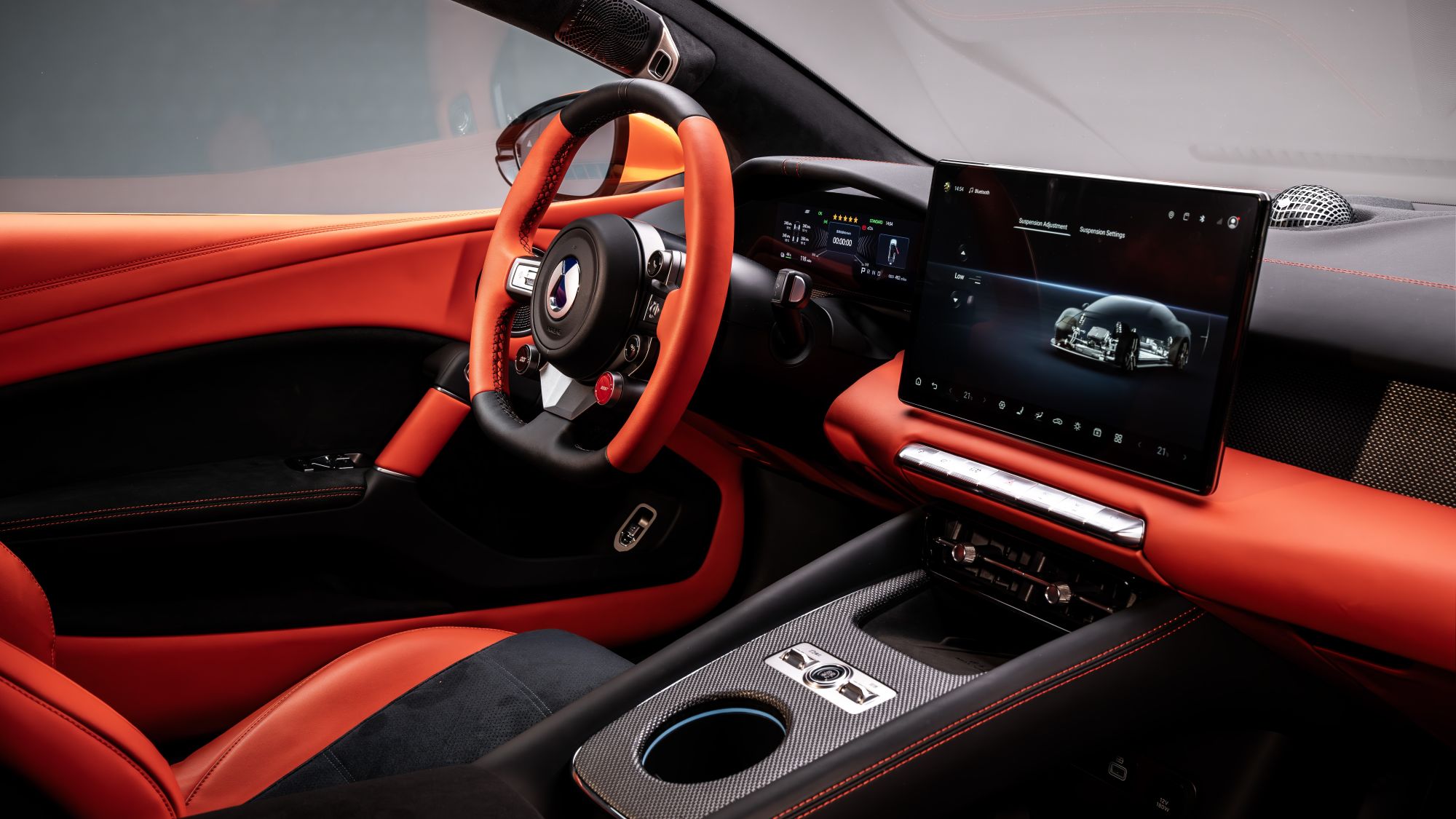
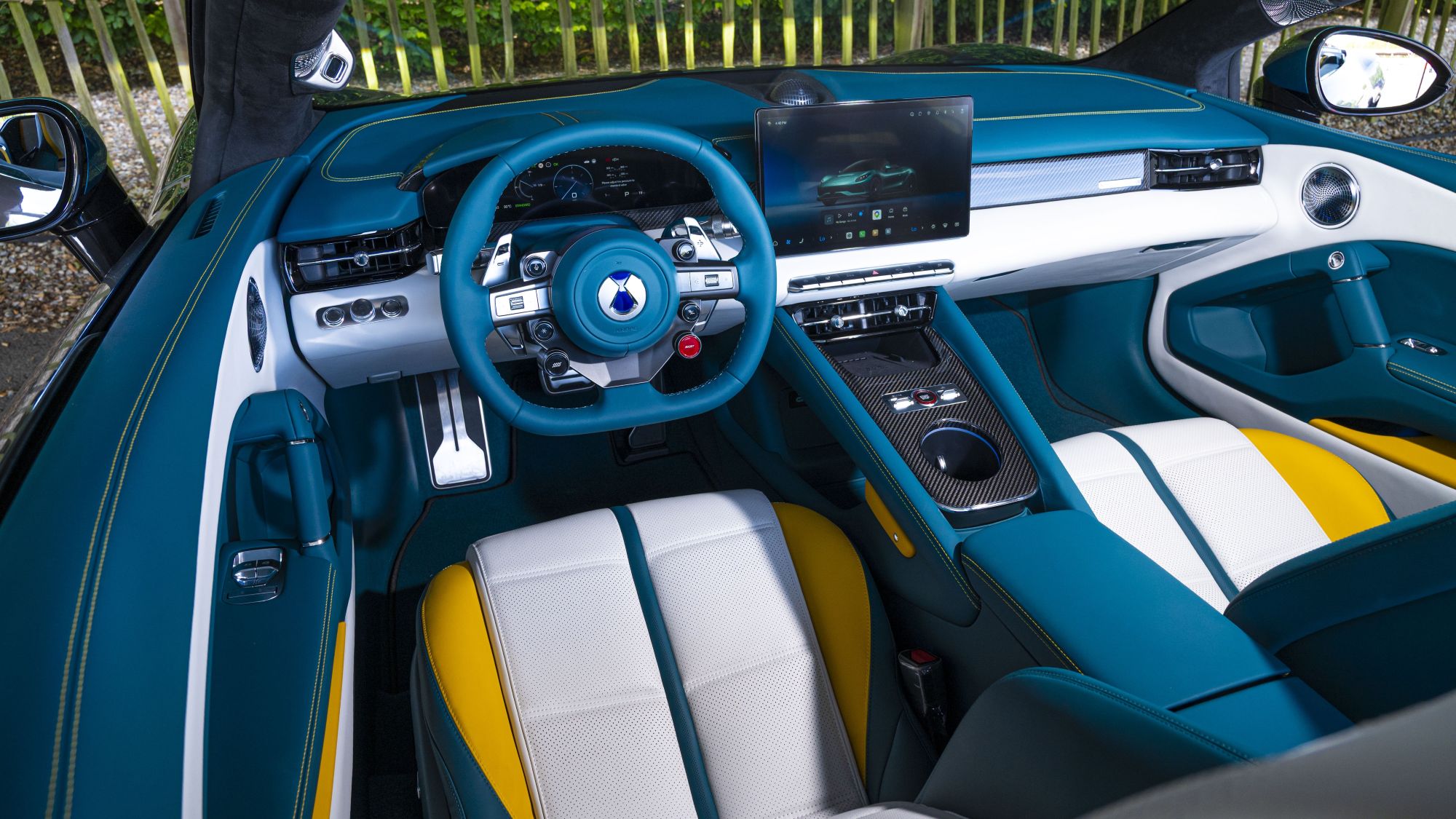
At AWE, the company said the Star Matrix includes a forward-looking exploration of AI- and AR-driven driving intelligence, positioning the vehicle as not only a high-performance machine but also as an evolving, human-centered mobility interface. Rather than positioning intelligence as an added feature, Kosmera frames AI as a foundational layer of vehicle architecture, shaping how drivers perceive, decide, and interact with performance. At the heart of the car is Kosmera’s AI Coach and AR Assistance driving system and intelligent interaction architecture.
“Driving at the highest level has always required skill, instinct, and courage,” said Winter Chen, CEO of Kosmera. “With AI Coach + AR Assistance, we are building a system that understands both the machine and the human—making performance more accessible and intelligence more intuitive.”
The company says that, unlike traditional driver-assistance systems that operate in the background, its AI Coach functions as a real-time driving companion. The system continuously interprets vehicle dynamics, road and environmental conditions, and driver behavior and state. Through augmented reality visualization, essential guidance is projected directly into the driver’s field of view, transforming complex data into intuitive, actionable insight.
In high-performance scenarios, the AI Coach dynamically generates optimal racing lines, braking points, and cornering guidance based on real-time conditions and vehicle capability. By visualizing these decisions through AR overlays, Star Matrix aims to reduce the learning curve of high-performance driving, enhance driver confidence and controllability, and enable more consistent and repeatable performance. The system is designed not to replace the driver, but to augment capability, allowing human skill and machine intelligence to operate in harmony.
Beyond the track, the AR Assistance extends into daily and long-distance driving scenarios. The system supports road and blind-spot awareness, fatigue monitoring, risk alerts and hazard prediction, and clear visualization of key navigation and safety data. By translating complex situational analysis into predictable visual guidance, Kosmera aims to reduce cognitive load while increasing situational awareness.
Following its showcase at AWE, Kosmera will continue refining the dynamic development program for Star Matrix as part of its long-term ambition to redefine the relationship between driver and machine in the era of intelligent mobility.
The company and roadmap
The company has origins from 2007, when the Founder led development of one of China’s earliest quad-rotor UAVs, evolving in 2011 to autonomous driving and EVs development, and later High-Speed Motor Breakthroughs. In 2017, the company launched a 100,000 rpm-class digital motor, transferring aerospace-grade motor control and algorithms into consumer robotics applications.
The automotive product portfolio roadmap uses one technology platform for “multiple vehicle expressions.” While the two GT prototypes were shown at CES, Kosmera’s current product planning defines several vehicle directions. In addition, the company is planning for a collection-grade hypercar, a brand and technology flagship in extremely limited volume and highly handcrafted, and a future luxury SUV program.
For the two-seat hypercar, Kosmera is keeping most details under wraps for now, but one product idea Wang shared with Futurride is the exploration of how AI could make extreme-performance driving more approachable.
“One concept under exploration is an AI driving coach,” he said. “You can think of it as a race-engineering layer that provides real-time guidance through an AR interface. For experienced drivers, that could mean recommendations around braking points, corner exits, and line optimization; for drivers with less track experience, it could help build confidence and shorten the learning curve.”
Different operating modes are being considered, from a more supportive road-oriented setup to a full-performance track mode with richer real-time feedback.
“At a broader level, our thinking is that performance cars shouldn’t become harder to drive as they become more capable,” concluded Wang. “We’re interested in using software, AI, and human-machine interaction to make extreme performance easier to understand, easier to control, and ultimately more enjoyable.”
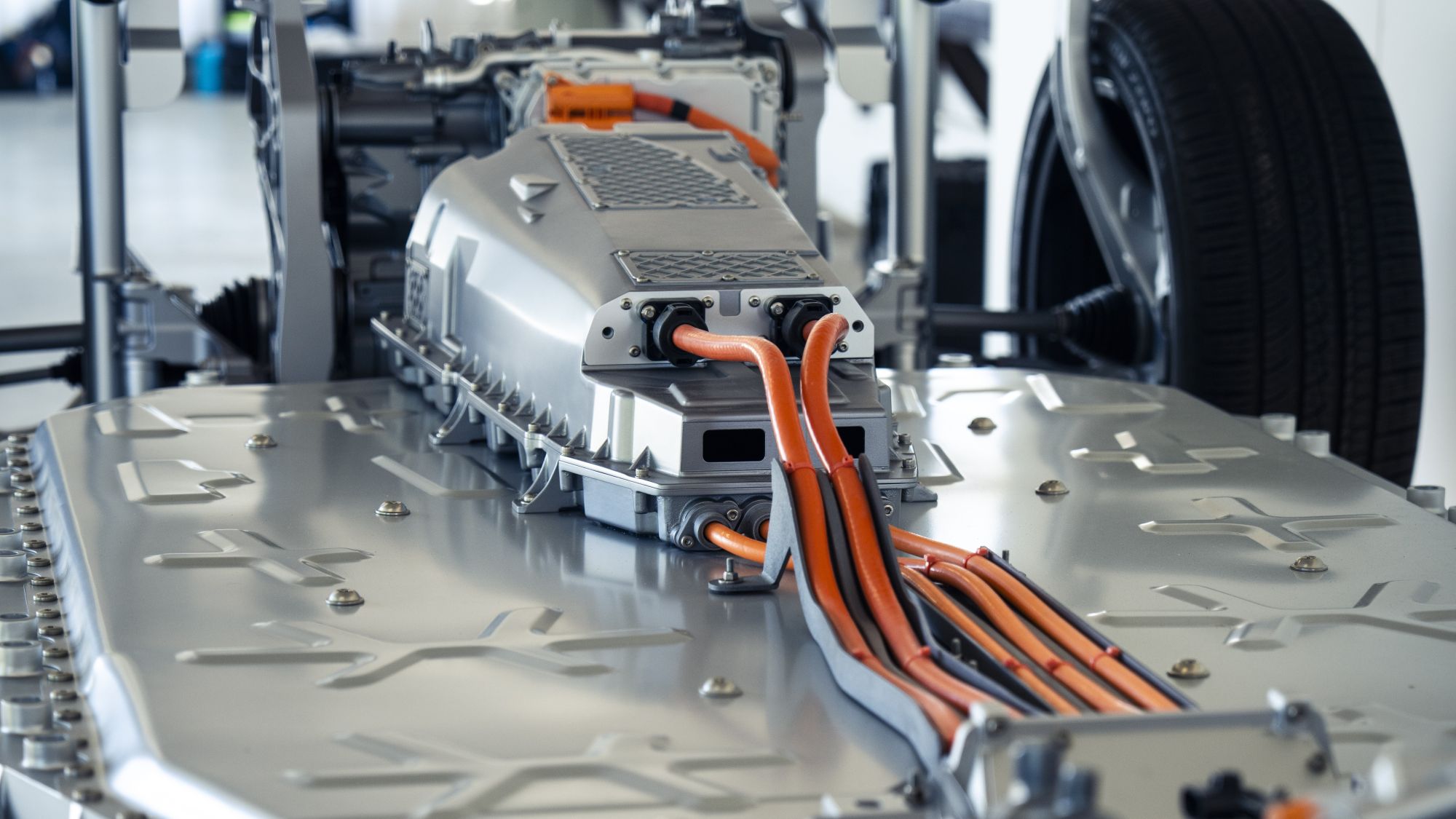
Among the most interesting of the core technologies in the product pipeline is the HyperCore high-performance battery. Key details are a peak discharge rate greater than 2500 kW, a pack efficiency of 85% in the CTP4.0 + frame design, and ultra‑fast charging from 10% to 80% in less than 7 min from the 1200-V platform at 6C charging.
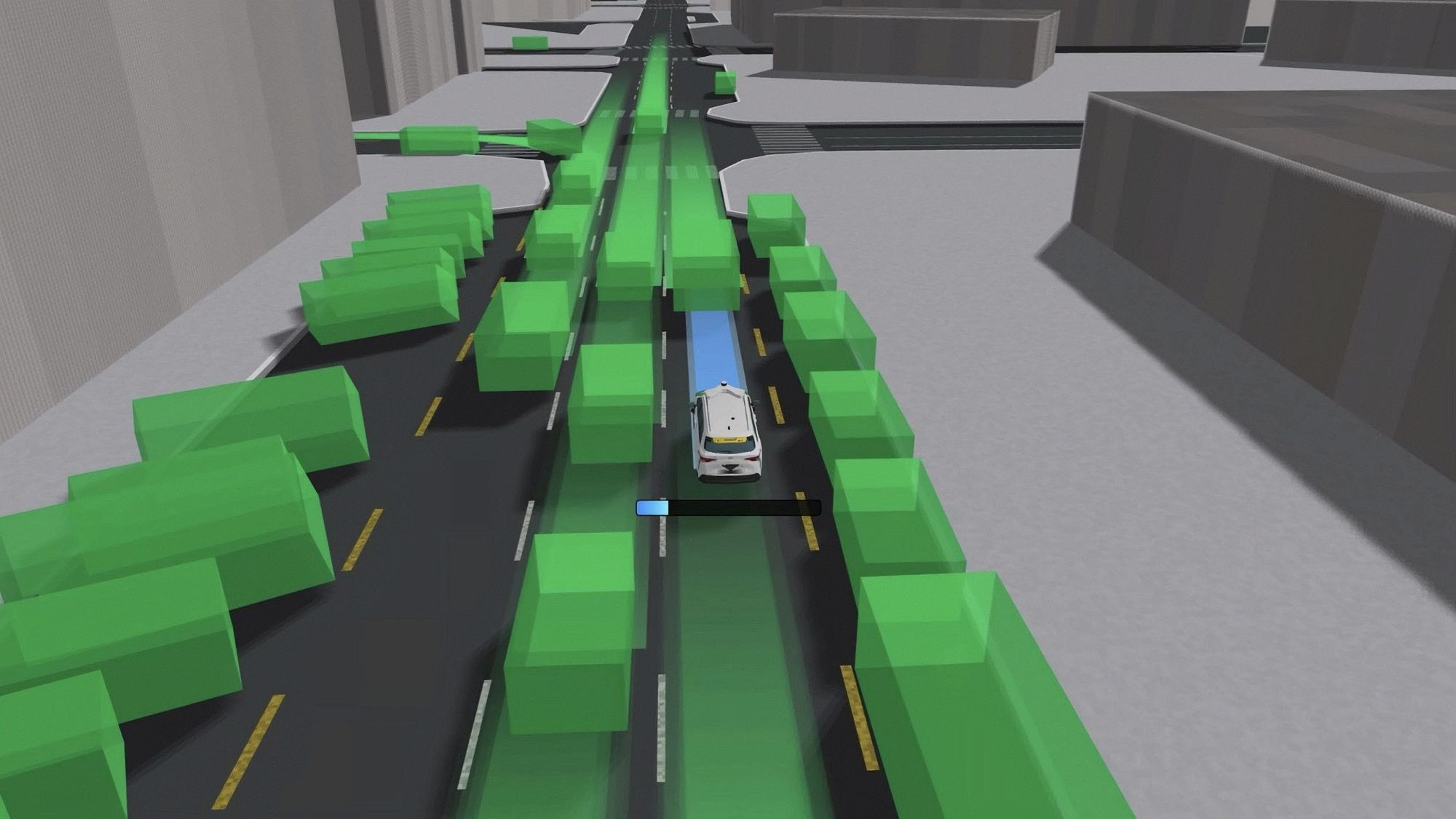
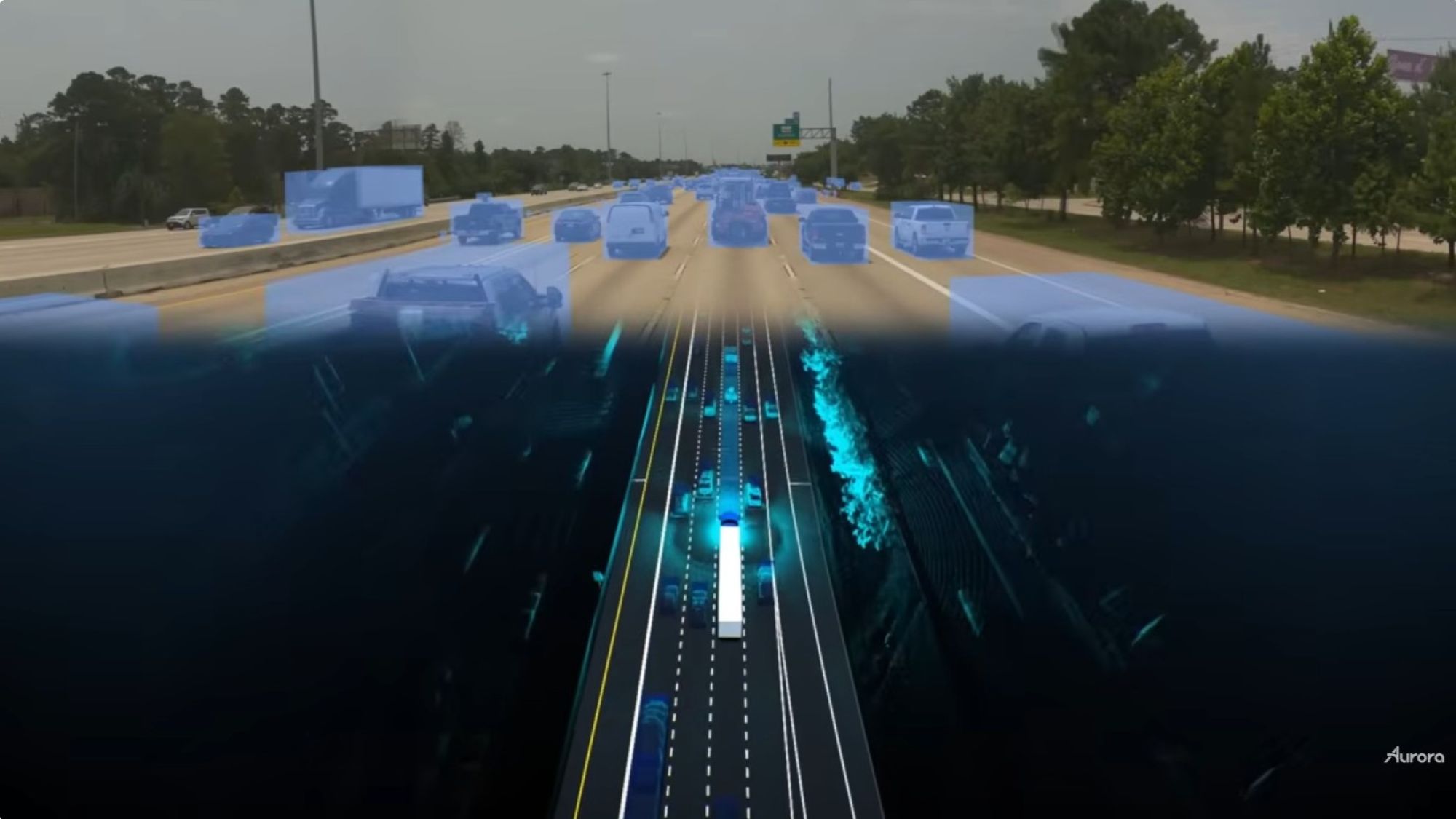
Its HyperPilot VLA + world model autonomy plan, from perception to decision, is powered by an end-to-end world model, reacting faster than humans and driving more smoothly than even expert drivers. Using physics-based simulation and high-accuracy prediction, it plans on intelligent driving, moving from reacting to what happens to anticipating what comes next. From track to city, plans call for full safety coverage and one system for every scenario.
-

- Kosmera Star Matrix with more than 3000 hp render.
-

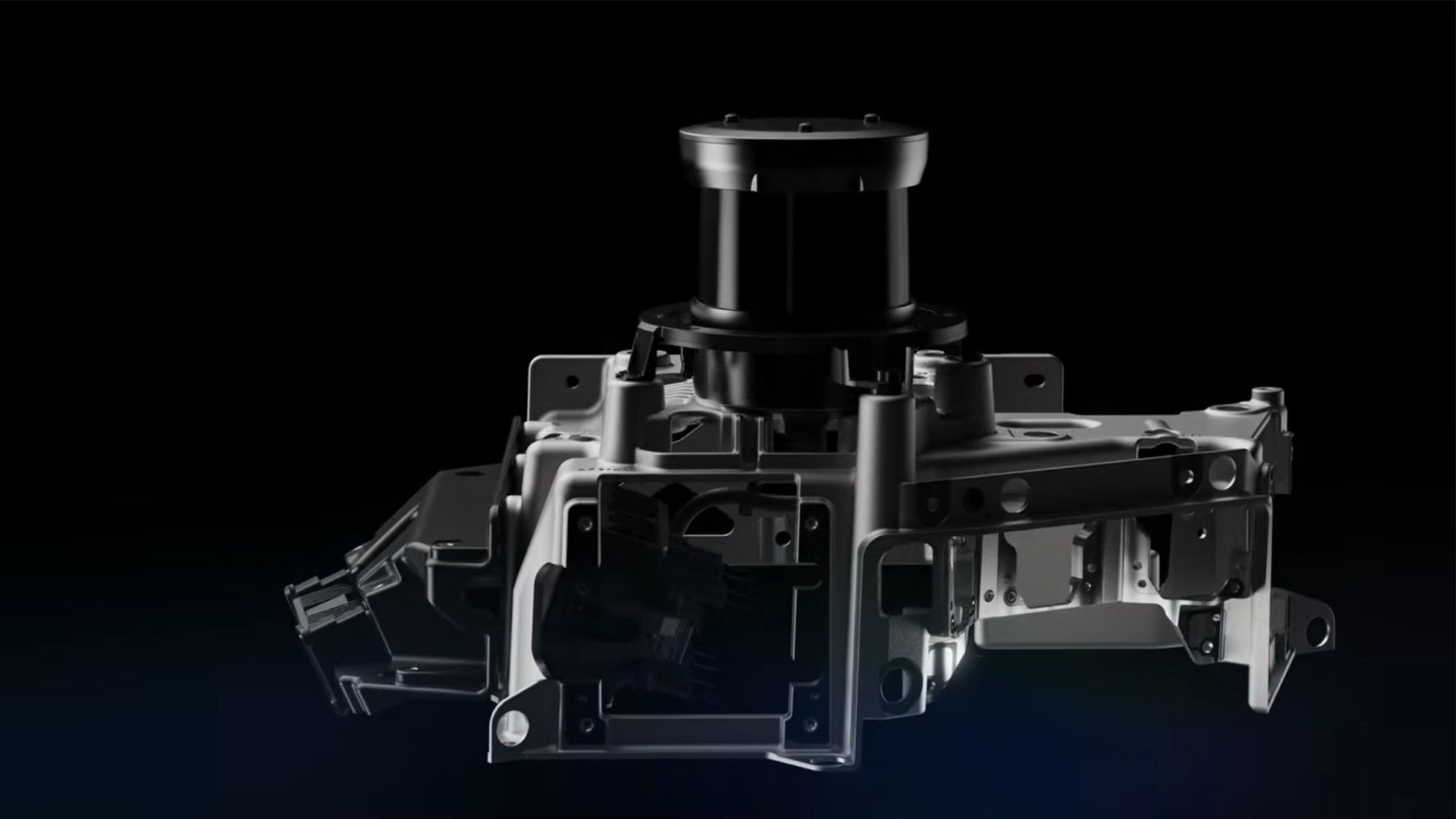
- Kosmera HyperDrive quad-rotor axial-flux motor.
-

- Kosmera Star Matrix top render.
-

- Kosmera Star Matrix rear side render.
-

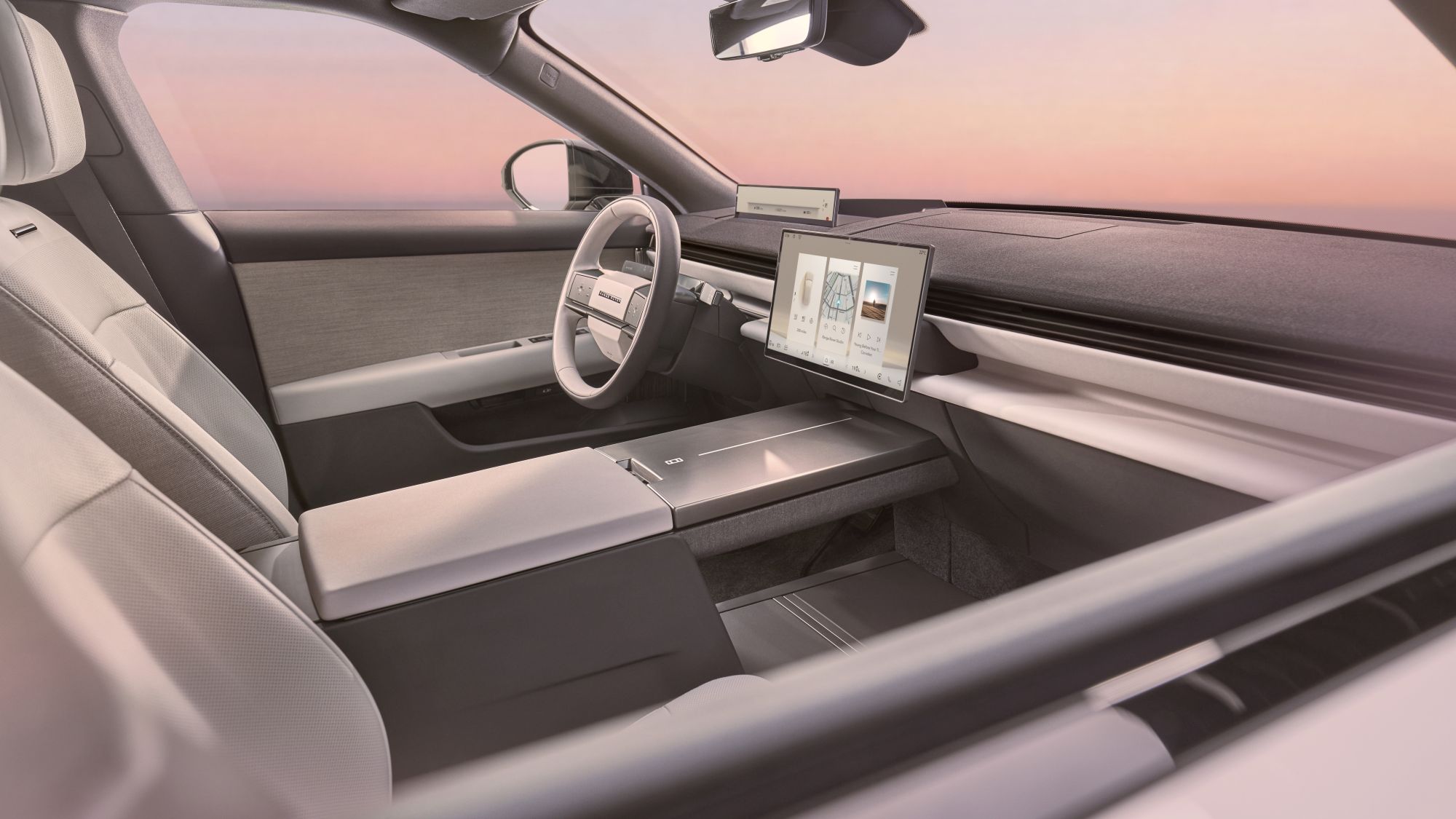
- Kosmera Star Matrix dashboard at AWE.
-

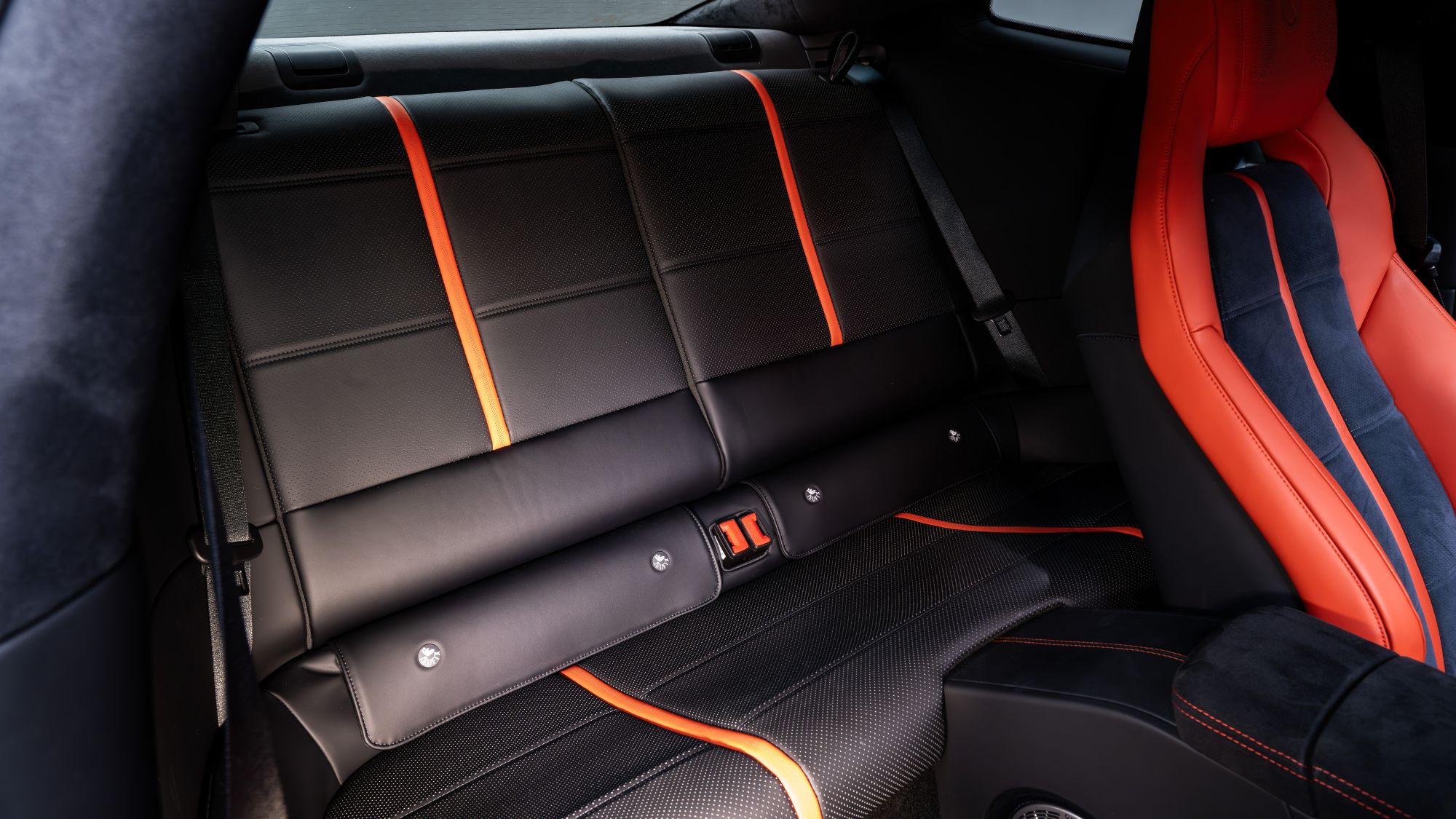
- Kosmera Star Matrix rear seating.
-

- Kosmera Star Razer front side render.
-

- Kosmera Star Razer rear overhead render.
-

- Kosmera Star Razer overhead render.
-

- Kosmera’s future product portfolio, according to its roadmap.

-

- Kosmera HyperPilot VLA and world model.