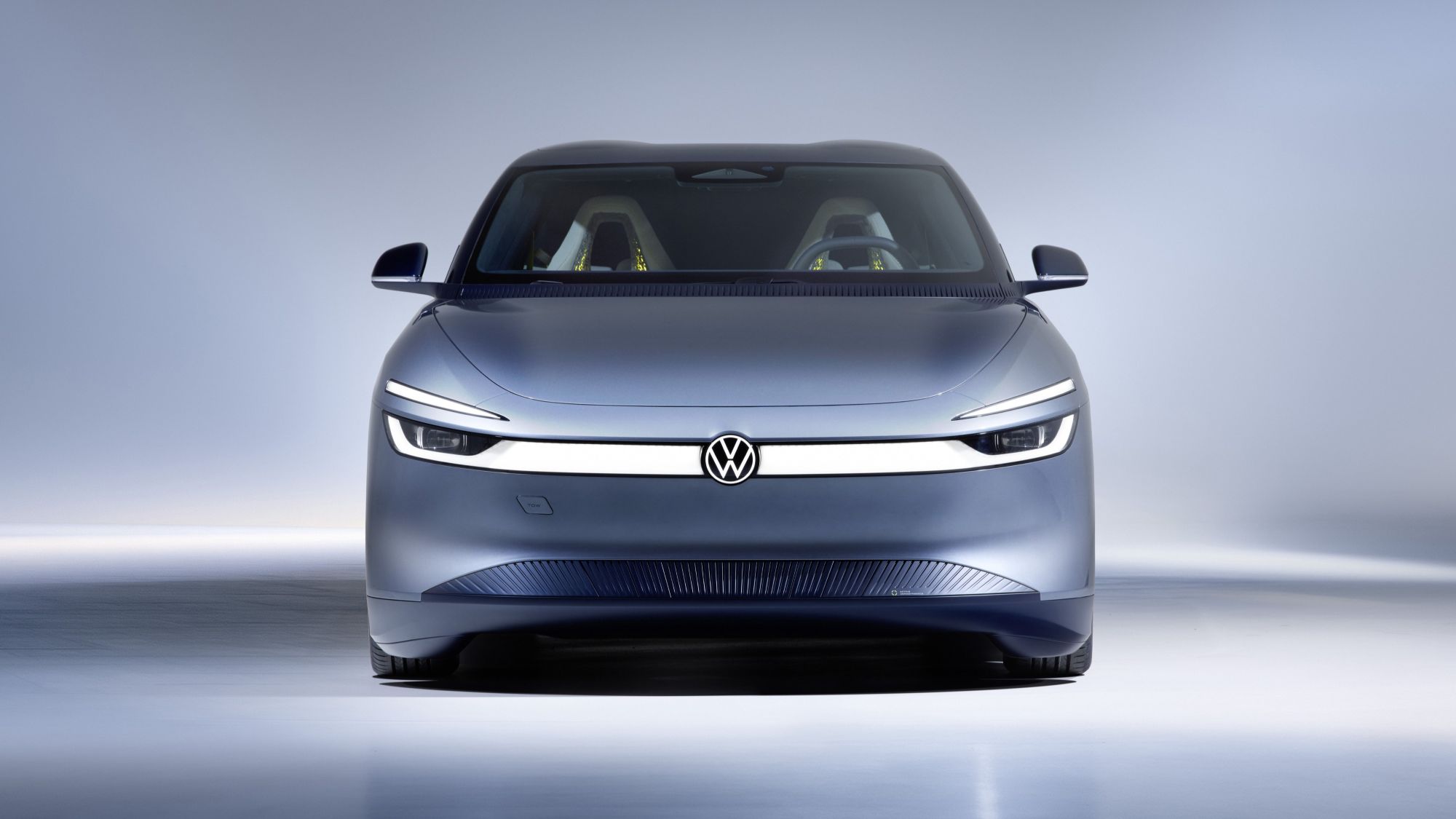
In New York City earlier in this week, Jaguar unveiled its long-awaited Type 01 luxury electric four‑door GT, with large‑scale digital displays in Times Square, Dumbo, and the Lower East Side, and an exclusive gathering at Storied in West Chelsea. At the reveal, Actor Florence Pugh was announced as Jaguar’s inaugural brand ambassador for its new era, and there was an exclusive live performance by singer-songwriter Sienna Spiro.
The Type 01 represents a reboot for the company and its vehicles. It was designed, engineered, and will be built in the UK, with orders opening in early 2027 and prices starting at £130,000.
“Jaguar Type 01 is the first production car to showcase our new creative philosophy of exuberant modernism,” said Andrew Wheel, Design Development Director at JLR. “With Type 01, we wanted to create something where every journey is an occasion, from how it looks to how it drives and how it makes occupants feel.”
First ‘exuberant modernism’ Jaguar
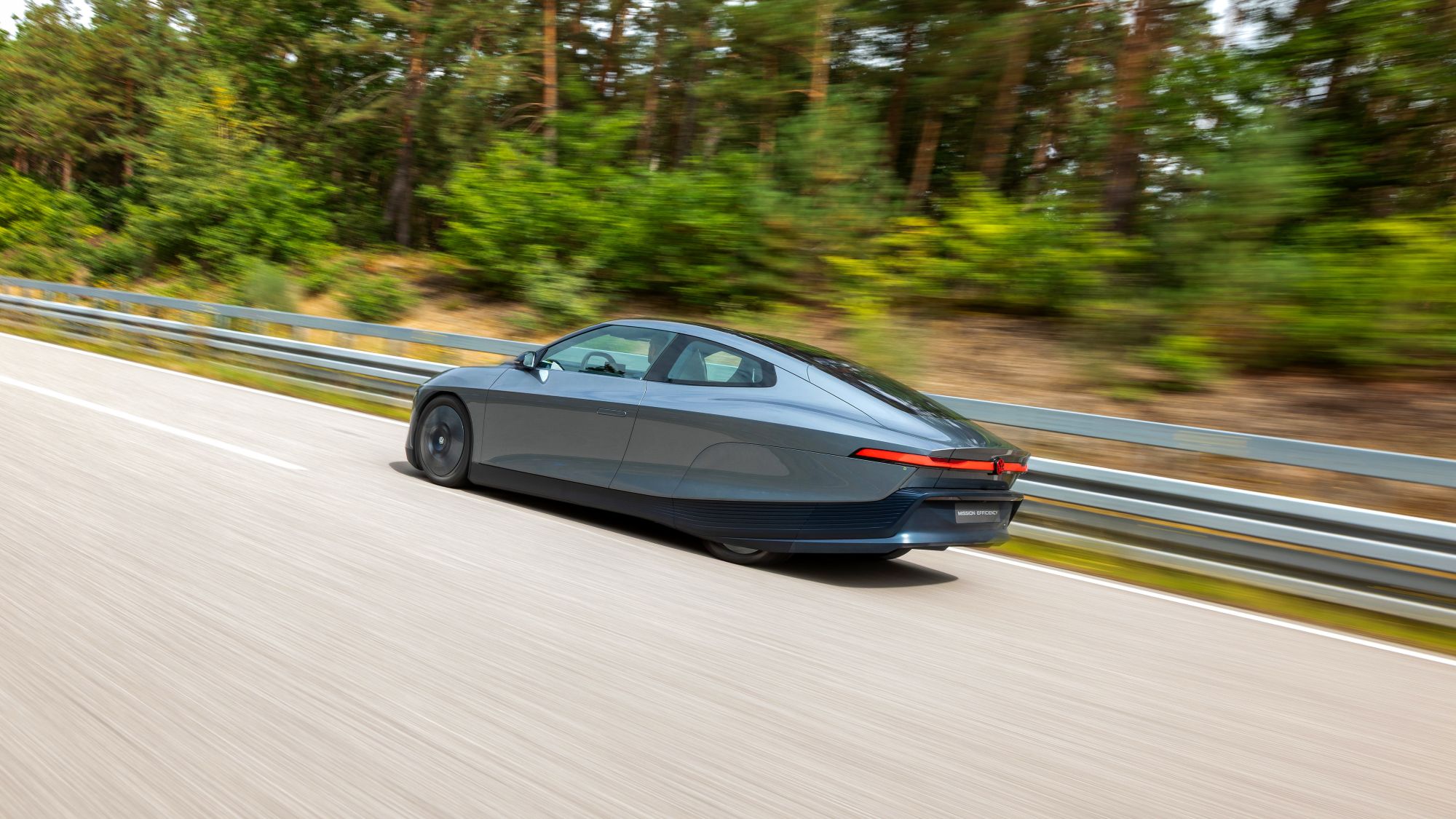
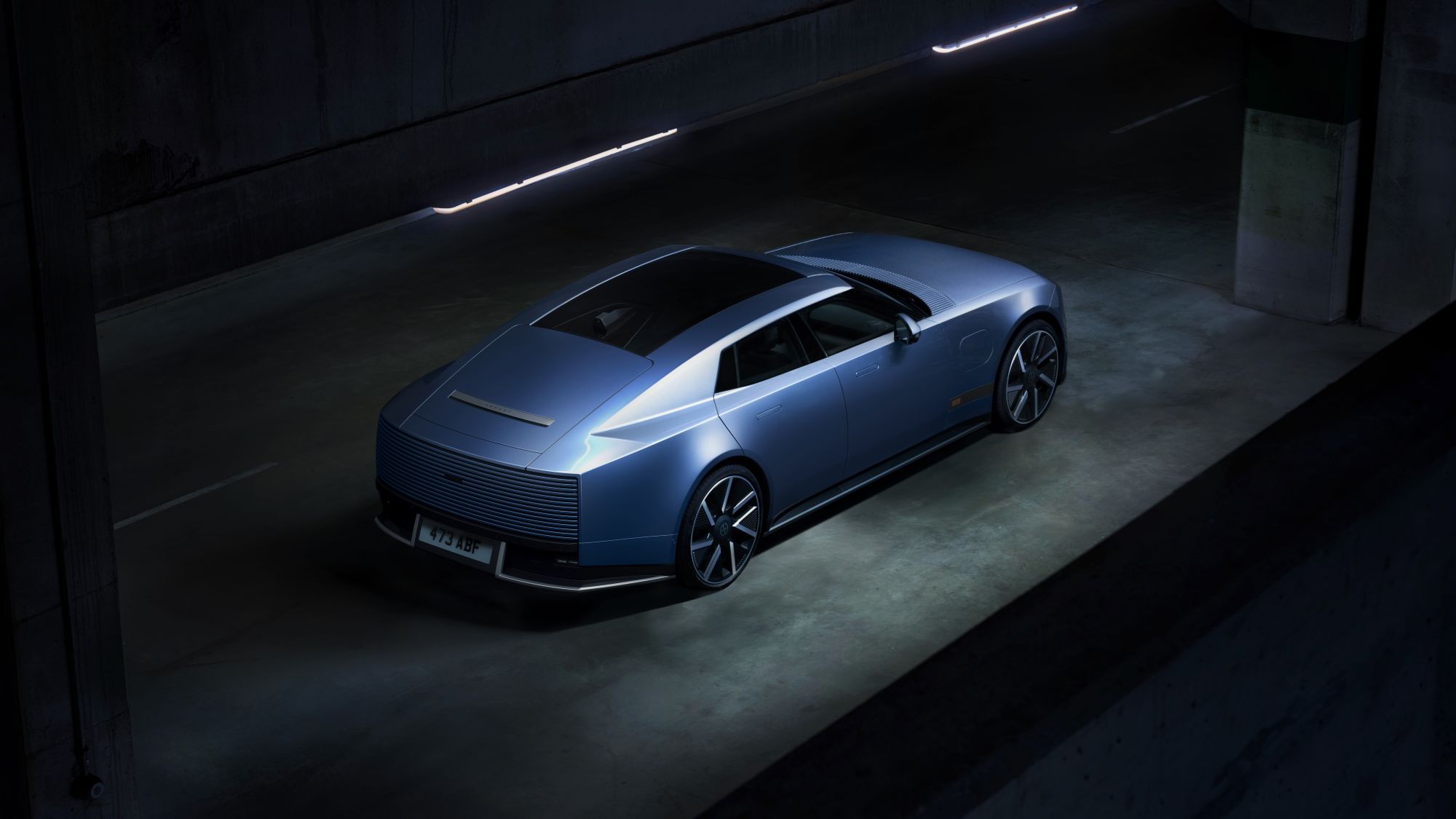
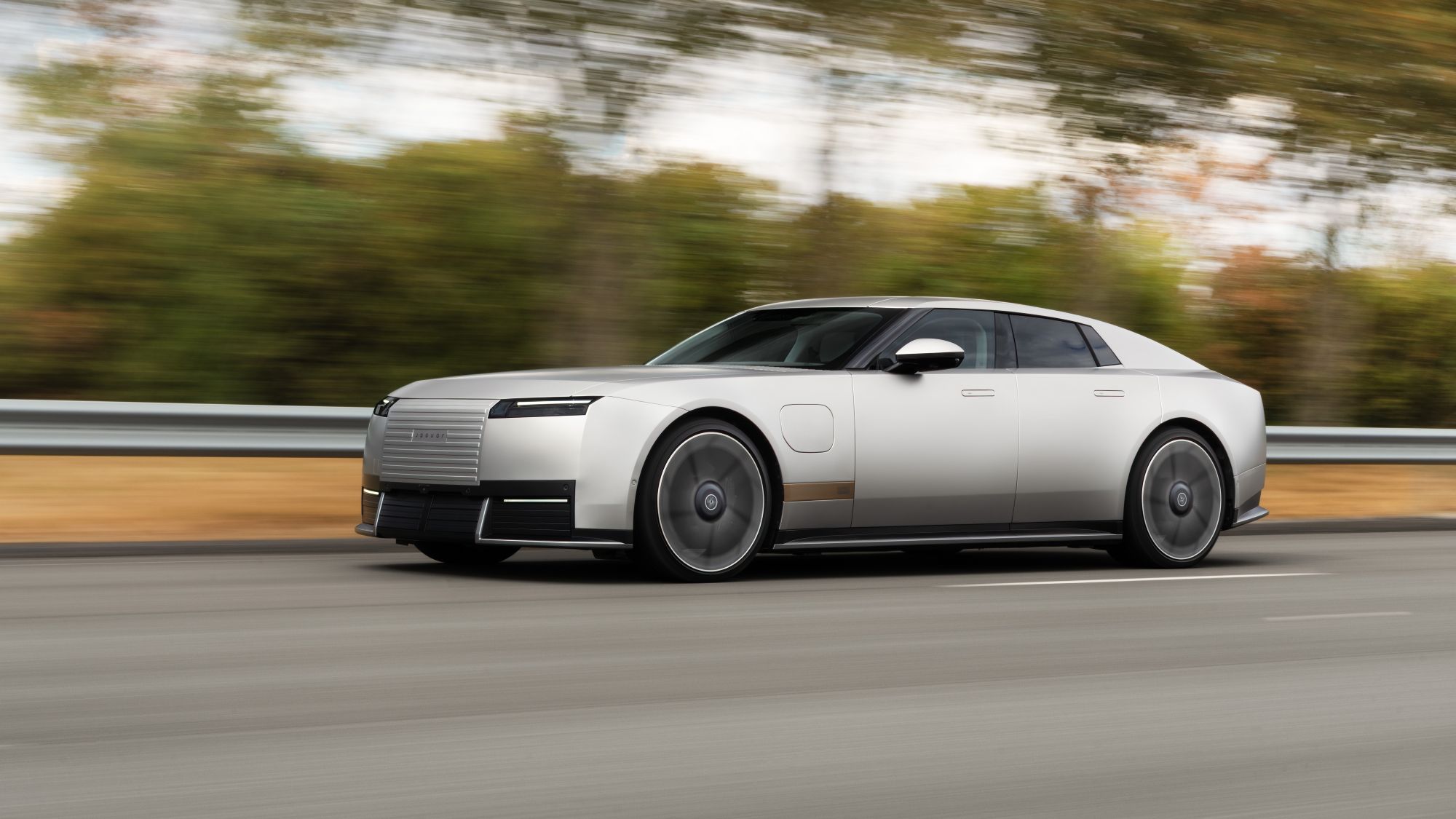
Key exterior design elements are the low profile, short front overhang, long hood, and extended rear overhang. The large flat hood is said to be an engineering marvel, formed from a single body pressing bonded to an innovative subframe to meet refinement and design goals.
The dynamic profile measures 5235 mm (206.1 in) long, 2021 mm (79.6 in) wide, and 1403 mm (55.2 in) tall, on a 3200-mm (126.0-in) wheelbase. Curb weight is 2700 kg (5952 lb).
The standard 23-in wheel/tire diameter (21s are optional) is more than half of the car’s height. The wheels feature a patent-pending lightweight wheel inserts optimized for airflow.
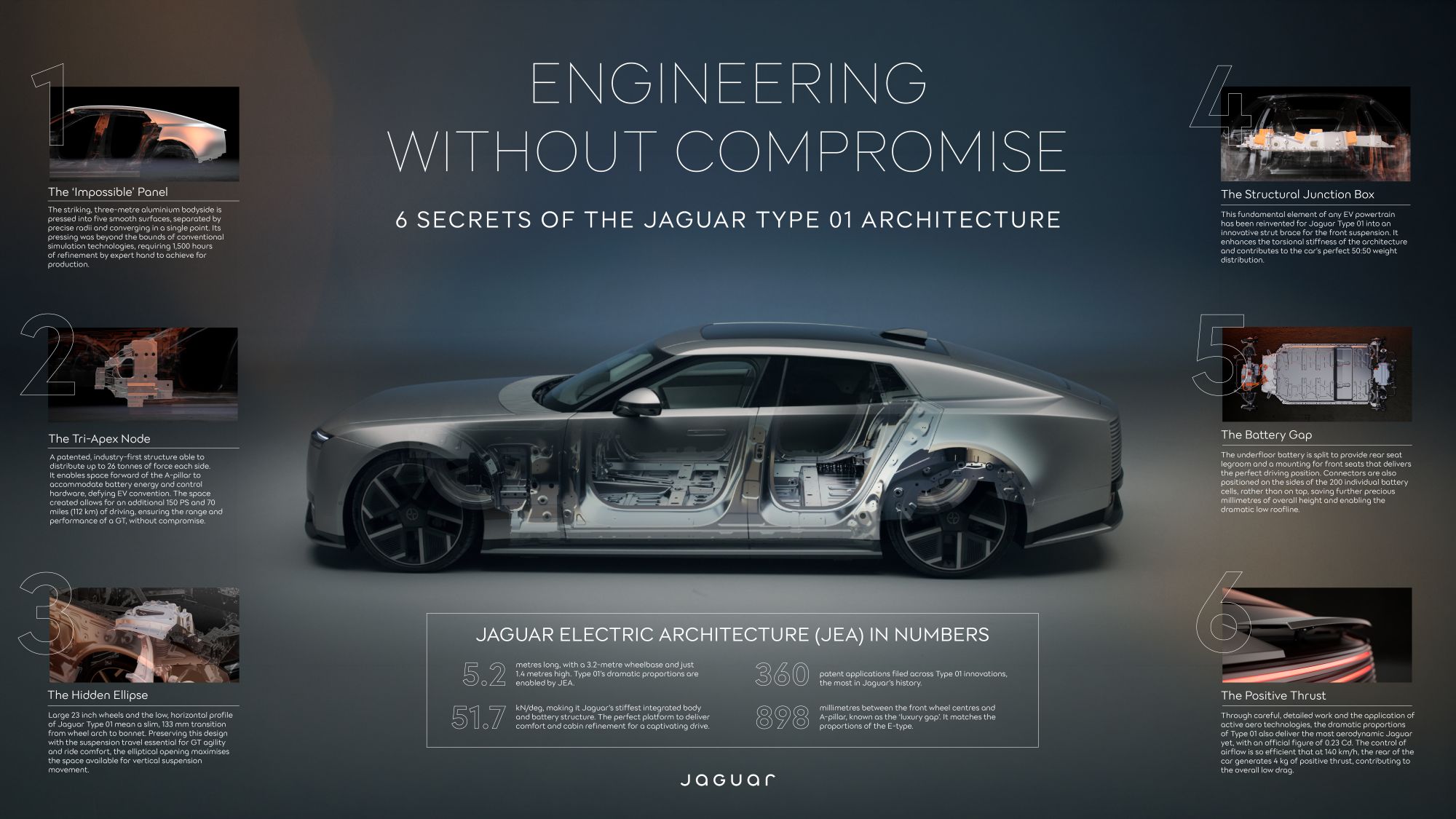
A large front axle centerline to front door distance is a signature of Jaguar’s past and unusual among EVs. It measures 898 mm (35.4 in) and makes up 17% of the car’s total length—almost the same as for the classic E-Type.
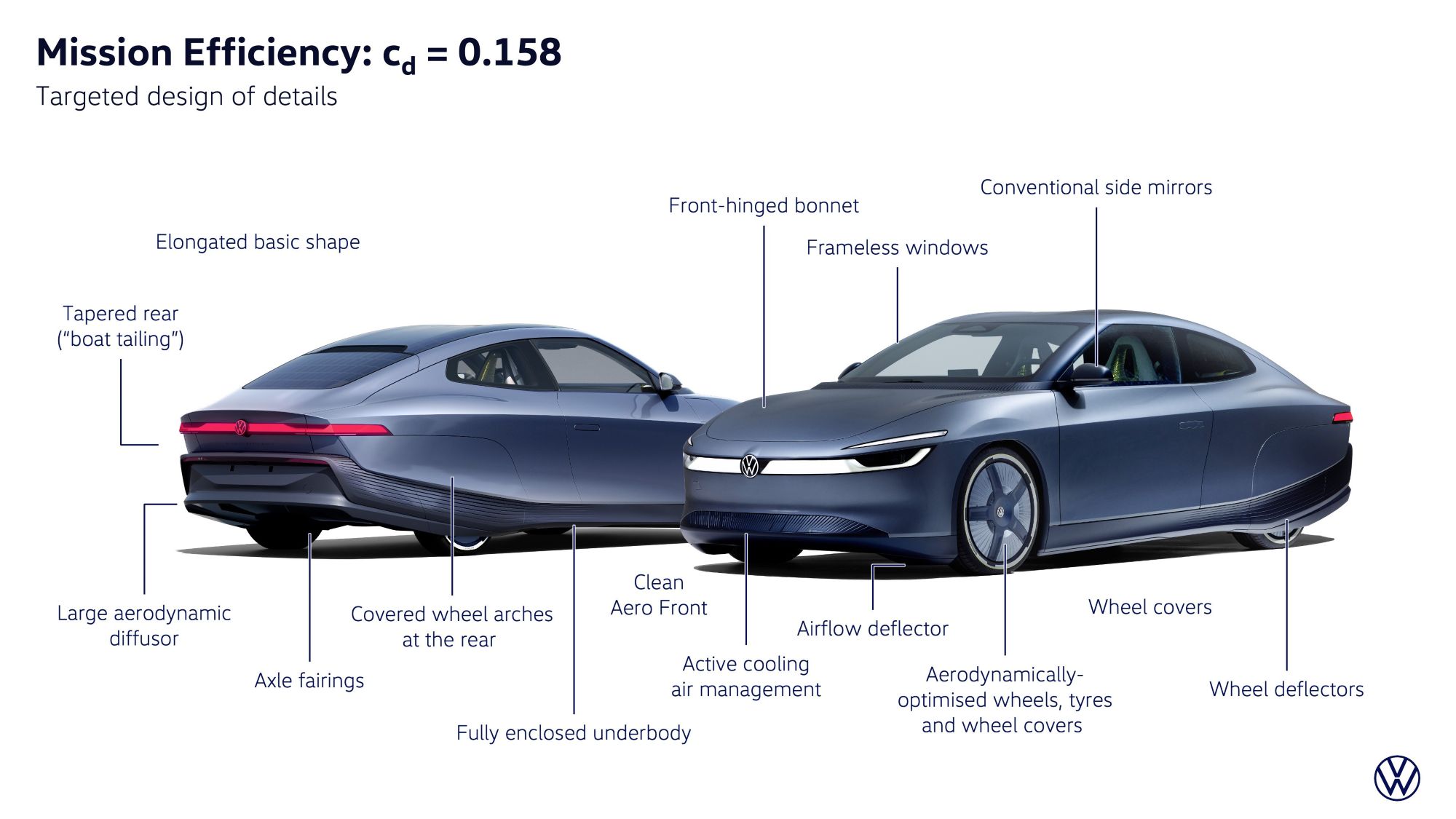
Type 01 is the most aerodynamic Jaguar ever, with a Cd (drag coefficient) of 0.23. Designers and engineers performed more than 7000 wind-tunnel tests to optimize aerodynamic efficiency, with “hidden technology and precision refinements” helping to preserve the original design vision.
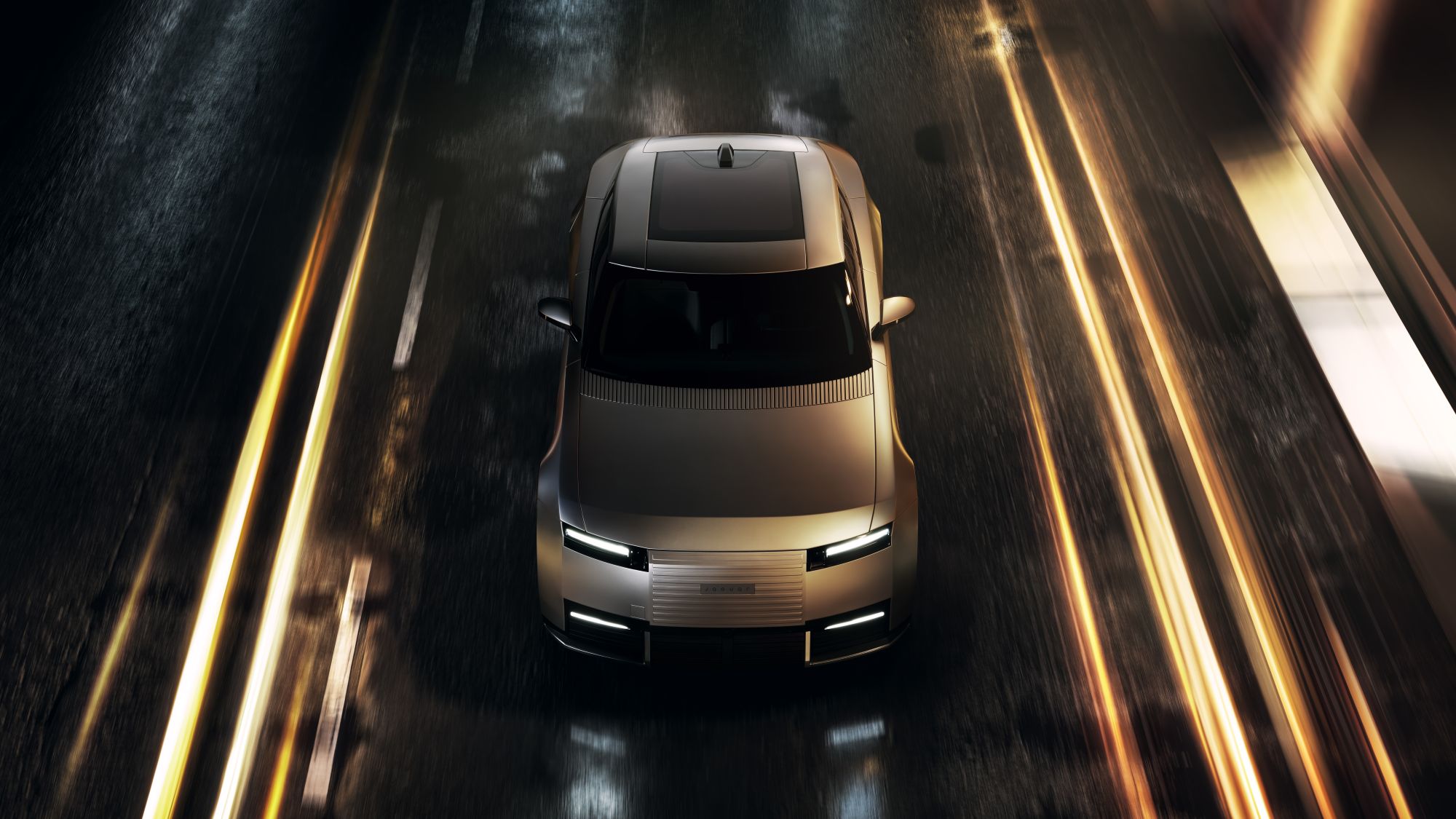
“The front of Type 01 is all about presence,” said Alexey Andreev, Exterior Design Lead at JLR. “Defined by the four-light signature, the new face of Jaguar is instantly recognizable, even when approaching from a distance. Thanks to the new JEA architecture, we are able to place visual emphasis on the width of the car with the lamps, which are positioned high and to the outermost corners. At the rear, clean uninterrupted surfaces highlight the sculpted shoulders and create a solid, monolithic stance, which accentuates the unmistakable horizontal strikethrough.’’
The main HD LED headlights, which feature a welcome projection, are the slimmest ever for Jaguar, measuring just 84 mm (3.3 in) high and each having 17,000 pixels.
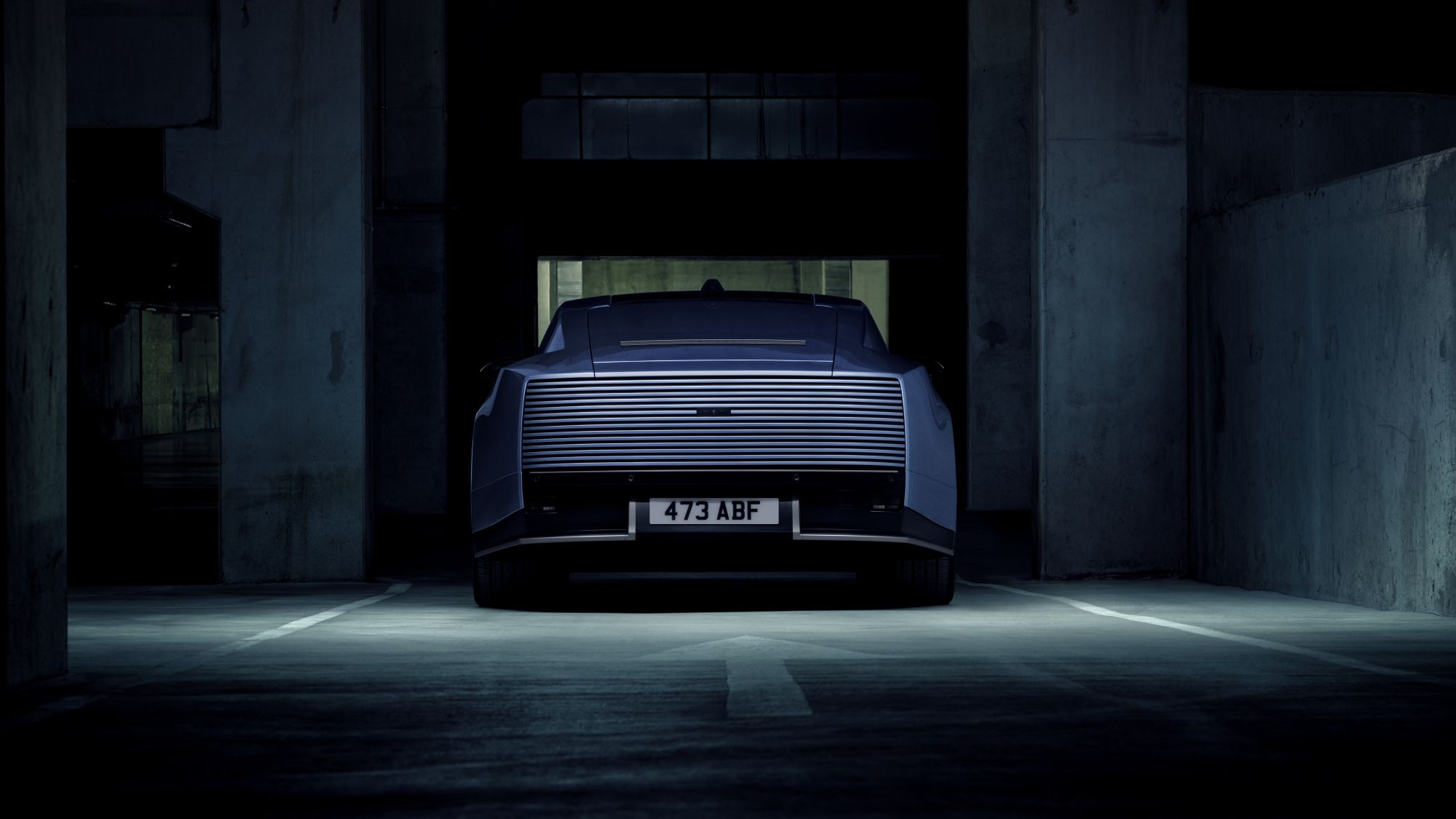
In the rear are a solid, glassless tailgate and hidden-until-lit, full-width rear lights embedded in the horizontal strikethroughs, now a key visual graphic for the Jaguar brand.
The Type 01 comes in five gloss and two satin exterior colors. Customers seeking more individuality can opt for the Chromatic Moments collection, limited to 60 examples globally, with a choice of two exclusive paints.
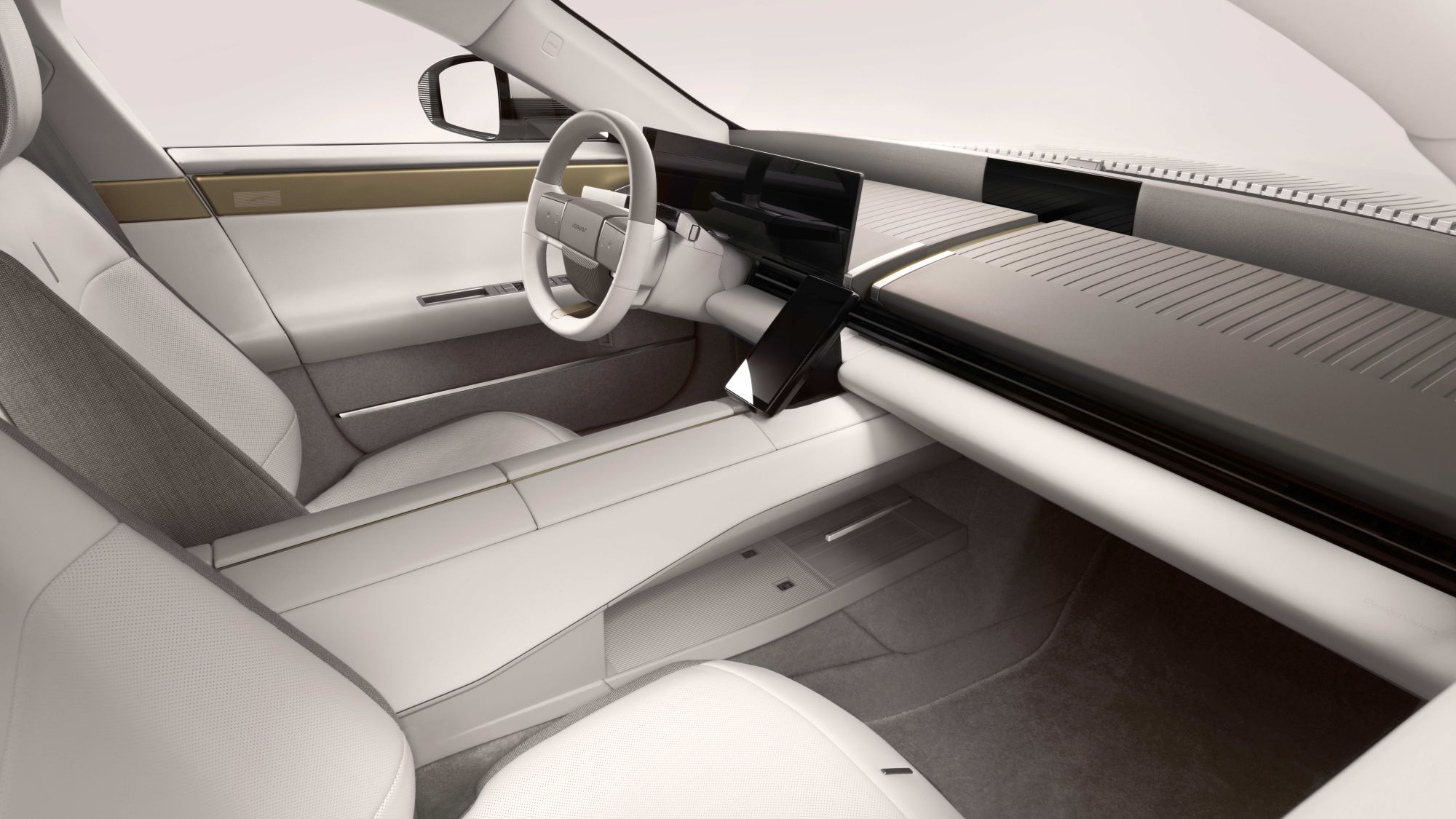
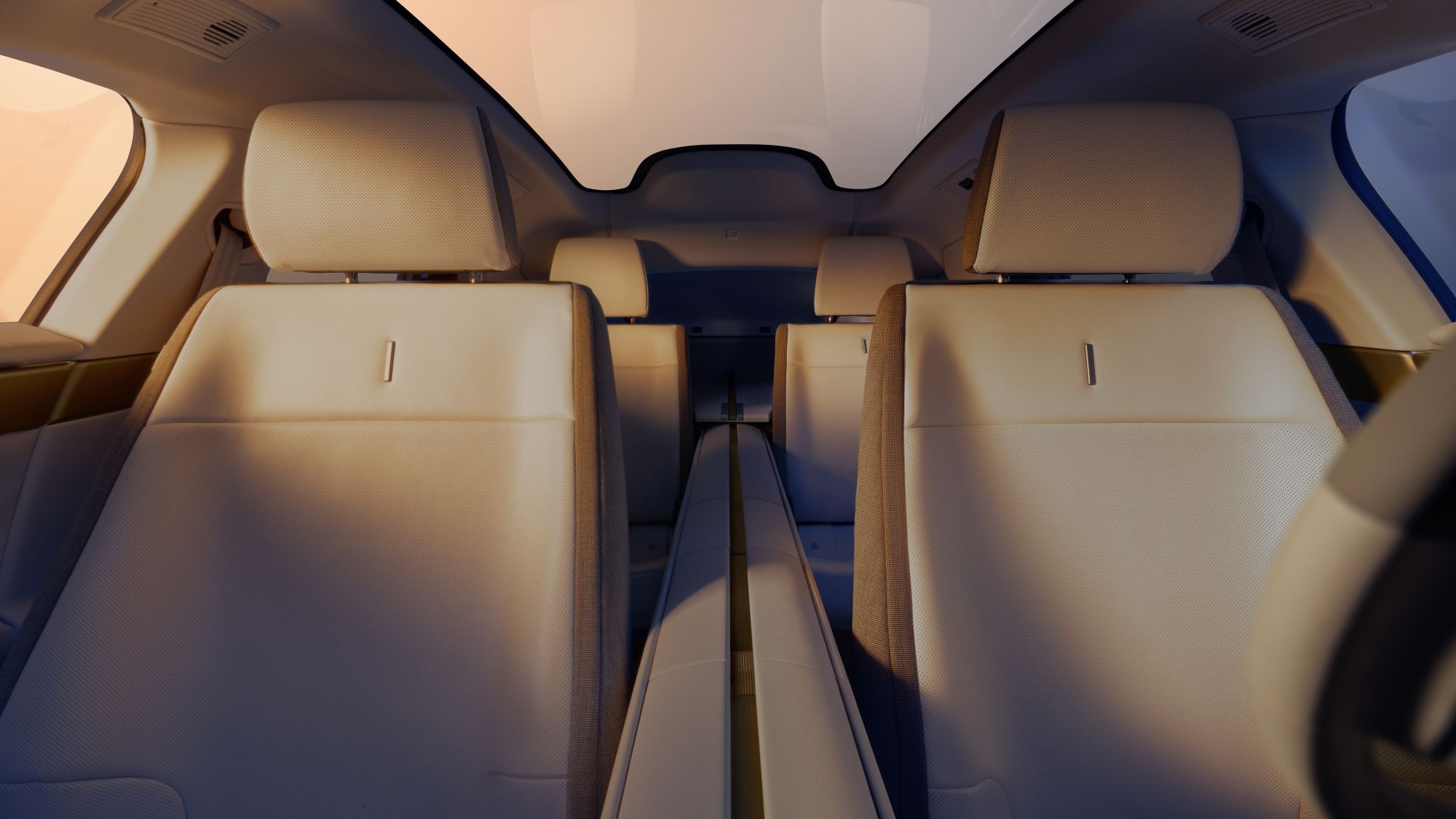
The interior is defined by a low GT seating position with four individual seats.
“Type 01 emphasizes its dramatic longitudinal nature through the central spine—an architectural statement that creates four individual spaces,” said Andy Hart-Barron, Interior Design Director at JLR. “The arrangement of clean surfaces, materials, and hidden-until-needed technology fuse with the low seating position to provide a cosseting and confidence-inspiring experience on both calm and spirited driving occasions.”
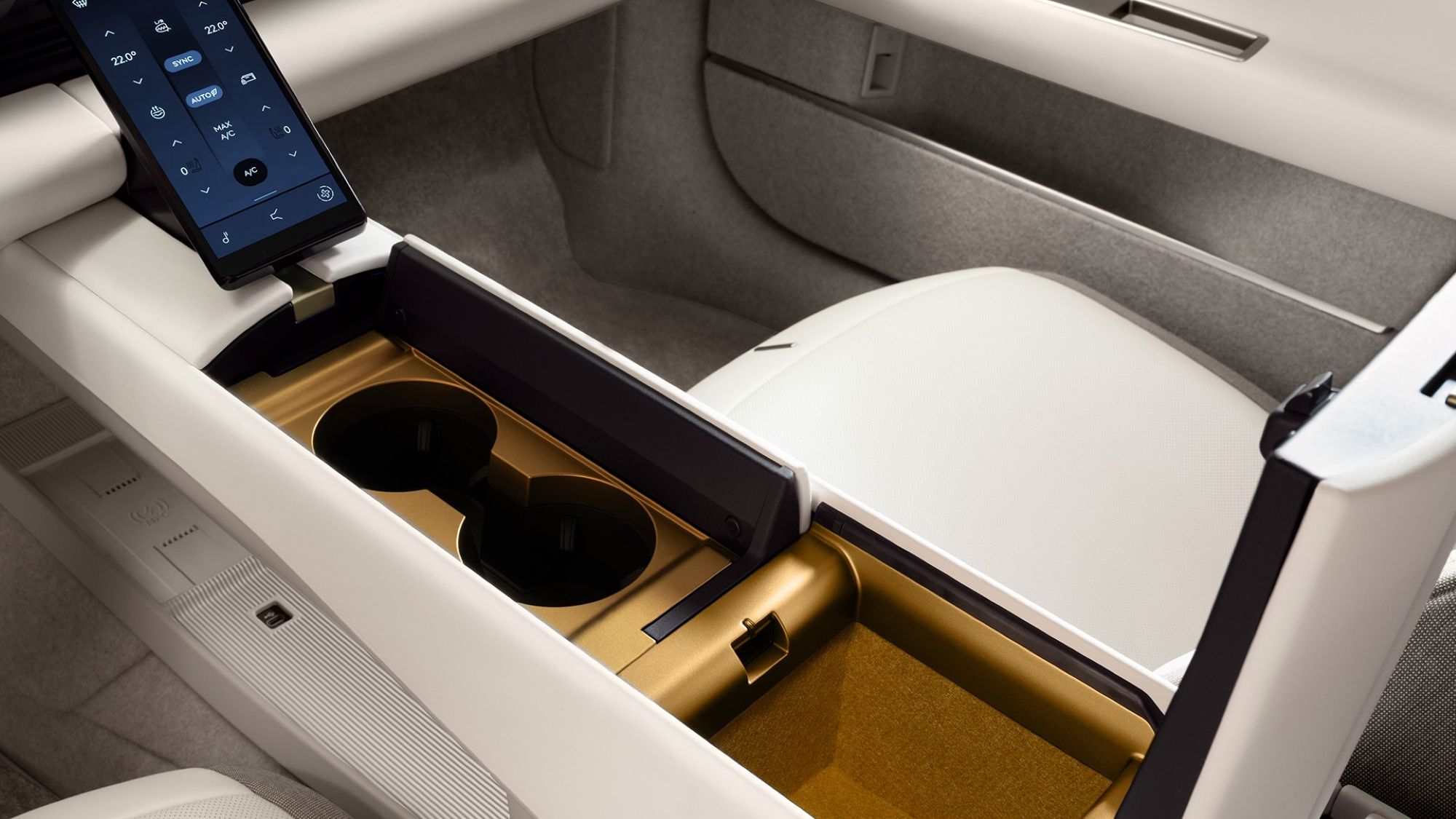
Those hidden-until-needed technologies include concealed cupholders, deployable air vents, pull-out storage compartments, customizable pinstripe ambient lighting, and colorful stowage. The powered tailgate rises to reveal over 450 L (15.9 ft³) of load space, expanding to 1000 L (35.3 ft³) with the rear seats folded.
“Colors set the atmosphere, rich textures provide the depth, and the brass-inspired finishers create the character,” said Mary Crisp, Chief Materiality Designer at Jaguar. “We have taken a tactile and architectural approach to the Type 01 interior. Luxurious textiles that delight at every touch and a palette inspired by travertine stone combine to create a cossetting and contemporary environment.”
The furniture-inspired seating features minimal seams and ingot detailing for a contemporary look. Material highlights are a wool-blend Kvadrat DuoWeave textile that wraps around and encases leather or an Ultrafabrics NeoGrain lightweight material inspired by architectural interiors. The textile flooring, which includes recycled materials, wraps into the lower doors and pillar trims.
Delivering two characters—performance and refinement
Jaguar says the Type 01 represents two distinct characters in one car, with deep reserves of power and refined comfort. It is said to drive like no other EV, distilling the defining characteristics of the finest Jaguars of the past for a new generation. The software, hardware, and propulsion are the result of more than 200,000 h of testing and tuning.
“At its best, Jaguar has always delivered two characters—performance and refinement,” said Matt Becker, Vehicle Engineering Director at JLR. “Type 01 marks a step-change in our technical ambitions, with innovative in-house electric propulsion technologies that combine with the car’s unique proportions, low center of gravity, and 50:50 weight distribution.’’
Drive modes include Jaguar, Dynamic, Efficient, and Ice & Snow, with more personalization allowed by a Curated mode. Jaguar mode reflects the core DNA of comfort and composure. Dynamic mode directs up to 87% output to the rear axle, stiffens the air springs, and sharpens steering and throttle inputs. Surface Progress Control, a low-speed cruise-control-style feature, automatically adjusts drive modes in slippery conditions.
“This is a capable luxury grand tourer, agile at low speeds and stable at higher speeds—a car that rotates around your hips, with confidence-inspiring steering and carefully tuned suspension which provide a wide dynamic bandwidth as you progress through the different driving modes,” said Jon Darlington, Architecture Chief Engineer at Jaguar.
The car’s new JEA body architecture, with a torsional rigidity of 51.7 kN/degree, makes this Jaguar’s stiffest integrated body and battery structure ever. It provides a good foundation for engineers of the double wishbone front and integral link rear suspension to optimize handling, comfort, and cabin refinement.
The dynamic air suspension with switchable volume air springs and twin-valve active dampers adapts ride height at higher speeds to improve efficiency. The system monitors the road and adjusts the dampers 1000 times a second to balance comfort and handling.
A low center of gravity, 60 mm (2.4 in) below the driver hip point, aids dynamics, and a 50:50 weight distribution helps maintain composure when cornering.
Though 5235 mm long, the car’s 11.5-m (37.7-ft) turning circle and low-speed maneuverability are compact-car-like. All-wheel-steering is the enabler, turning the rear axle up to six degrees, out-of-phase or in-phase with the front wheels, for easy urban driving and secure handling at higher speeds, respectively.
The car’s blend of performance and refinement is also aided by a custom tire developed with Pirelli. Available in all-season, winter, and summer compounds, the P Zero tires are optimized for the car, with a large contact patch that generates up to 0.94-g lateral acceleration.
For optimum traction, precision, and control, for example, when accelerating on low-grip surfaces, Integrated Traction Management reduces the torque reaction time at each wheel from 100 ms to as little as 1 ms using learnings from Jaguar TCS Racing’s high-fidelity all-wheel-drive control software.
Three settings—high, medium, and low—vary the level of brake regeneration, including a single-pedal mode. All Type 01’s systems are fully integrated using Bosch’s VDC 2.0 software. A predictive stability system was developed in collaboration with Jaguar engineers to enable more refined control and interventions, anticipating instability before it occurs.
Power in reserve
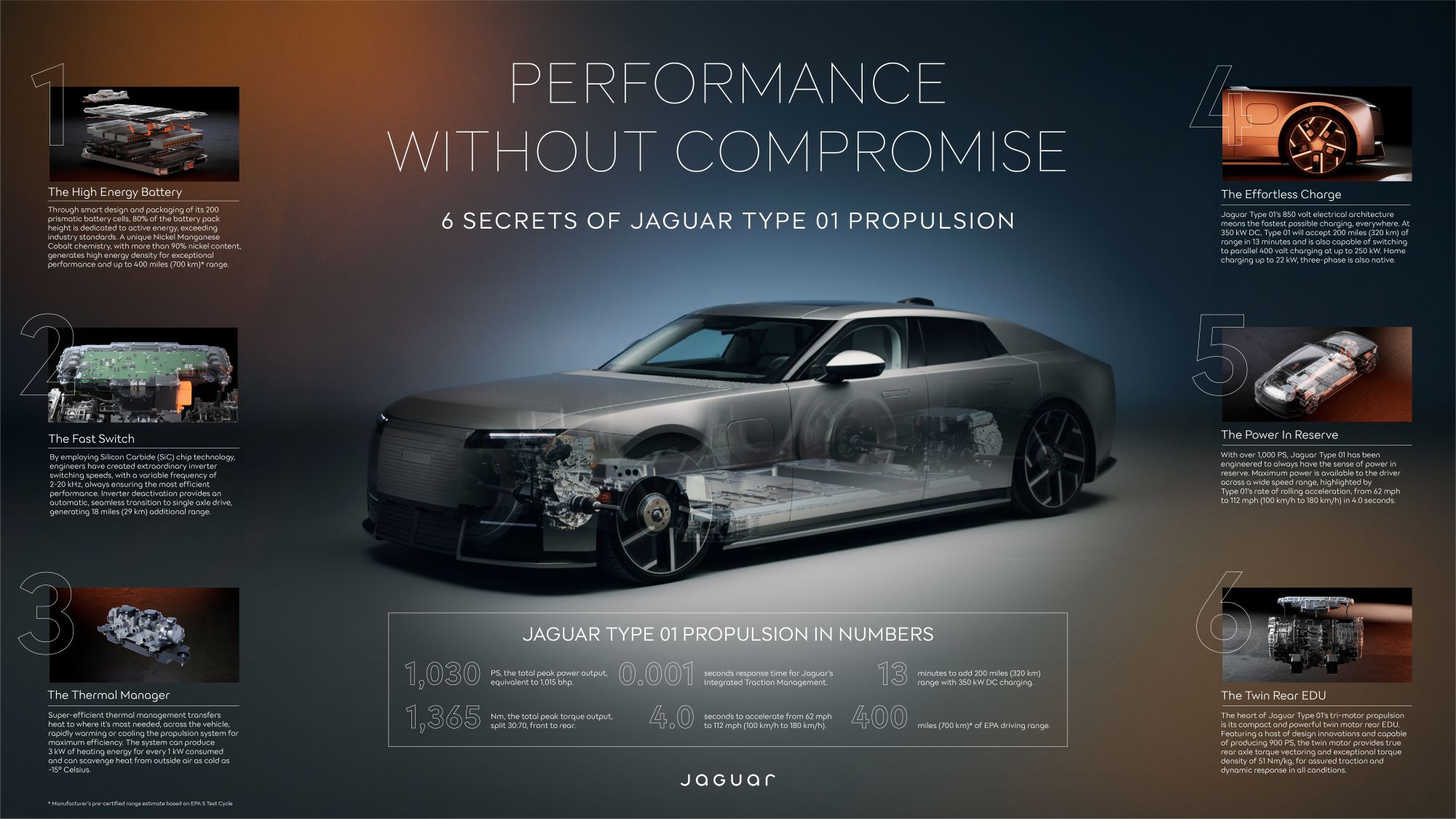
Jaguar says the Type 01 delivers epic and effortless performance, always with the sense of having power in reserve. This is demonstrated by the car using just 2% of its available power at a steady cruising speed of 62 mph (100 km/h) and accelerating from 62 to 112 mph (100 to 180 km/h) in 4.0 s. Peak outputs are 1030 PS (758 kW) and 1365 N·m (1007 lb·ft) for 0-60 mph (0-97 km/h) acceleration in 3.1 s and an electronically limited 150 mph (241 km/h) top speed.
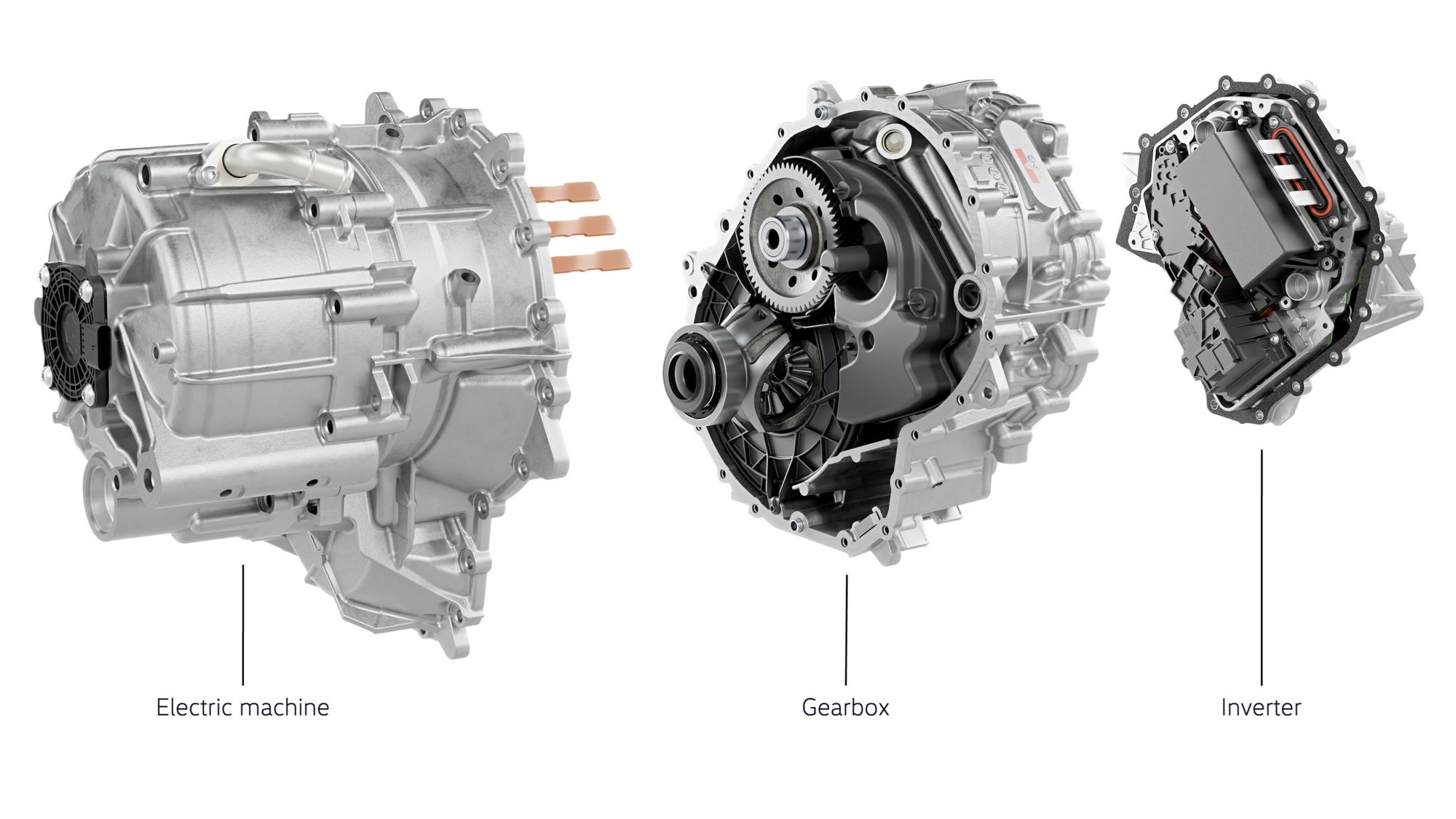
The rear-biased all-wheel drive uses three motors and intelligent torque vectoring to put output where it’s needed most. A 260-kW front motor and twin 310-kW rear motors combine to deliver “world-class” torque density of 51 N·m/kg.
The electric motors use industry-leading permanent magnet technology to achieve up to 95% peak efficiency. Their front and rear gear ratios, 8.76:1 and 7.72:1, respectively, were defined to give exceptional high-speed efficiency and refined long-distance cruising.
The two rear motors are controlled by the rear EDU and combined in a single compact casing to maximize luggage space. Thermal management, via techniques such as immersion-cooled end windings, ensures peak performance and efficiency.
The motors are controlled by fast-switching silicon-carbide inverters—which convert DC from the high-voltage battery into AC to power the electric motors—developed from learnings from the championship-winning Jaguar TCS Racing Formula E team. Their switching frequency is continuously adapted between 2 and 20 kHz to ensure efficiency.
The Type 01 introduces Jaguar’s patent-pending Inverter Deactivation Technology. The system can switch to single-axle operation by deactivating the rear motors when performance is not required, for example, when cruising on the highway. The transition is said to be imperceptible to the driver and contributes up to 18 mi (29 km) of range.
The car’s 118-kW·h lithium-ion battery provides an expected EPA range of up to 400 mi (644 km) and up to 450 mi (724 km) by WLTP measures.
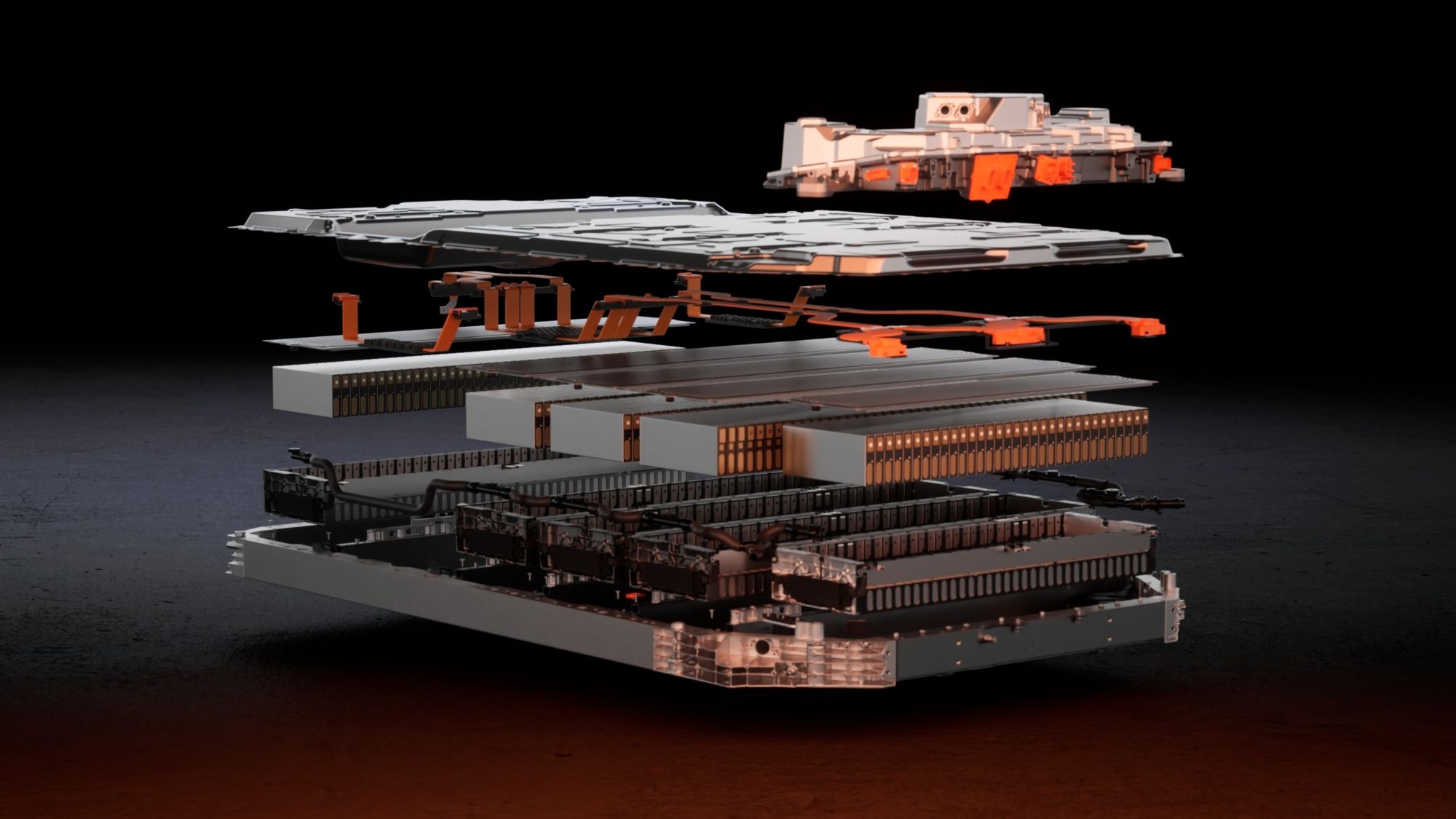
Side-terminal prismatic-cell battery technology, with unique Jaguar NMC (nickel manganese cobalt) chemistry, features integrated longitudinal busbars to eliminate cables and is engineered to maximize energy density. For the user, this means up to 320 mi (515 km) of range at a more realistic constant 75 mph (120 km/h) cruising speed. That’s enough to complete more than 99.7% of journeys without interruption, according to Jaguar.
Advanced battery management software continually monitors the health of each cell, with the ability to isolate a single cell for any safety issue in as little as 5 ms.
Jaguar’s patented thermal supervisor, called ThermAssist, optimizes energy to suit conditions, maximizing range and minimizing charging times without human input. Powered by a new Hypervisor controller, the system automatically moves thermal energy among the battery, electric drive units, and cabin most efficiently. It also improves battery longevity and charging capability by transferring heat to keep cells at their optimum operating temperature using active oil control valves.
The batteries are warranted for 8 yr or 100,000 mi (161,000 km).
The car’s 850-V architecture is meant to ease and speed charging. With 350-kW DC fast charging, 200 mi (322 km) of range can be added in as little as 13 min, and 10-80% in around 22 min. Intelligent split-charging capability allows the car to make the most of whichever charger it’s plugged into, with 250-kW charging capability possible at 400 V.
An integrated onboard charger allows AC charging at up to 22 kW. The Jaguar home charger is a tethered wall box with a 7.5-m cable.
Creative engineering
Delivering the unique proportions and silhouette and technological specification of the Type 01 is said to have required new creative engineering solutions and more than 360 patents filed.
“The beautiful design, creative engineering, and technological capability of Jaguar Type 01 is an interconnected story—design-enabling engineering innovations all working in perfect harmony,” said Thomas Müller, Chief Technology Officer at JLR. “An unflinching commitment to our design philosophy and jaw-dropping proportions led us to our bespoke architecture, which in turn unlocks the distinctive driving character and performance that enables Type 01 to drive like no other electric car, while still being a true Jaguar.”
Engineers learned from the Jaguar TCS Racing Formula E competition development mindset to develop the patent-pending JEA body architecture, which gives the Type 01 the strongest underpinnings of any Jaguar ever. Ingenious thinking is evident in the way JEA integrates its vertically stacked electric motor and gearbox with the 118-kW·h battery pack, which is integrated with the chassis to increase rigidity, delivering enhancements to handling, ride comfort, and cabin refinement.
Frameless doors with flush glazing close neatly against an innovative new cant-rail design. A patented compressed-radius hemming technique results in a crisp visual transition from glass to body without trims or visible seals. A seamless waistline creates the same clean appearance where glass meets door.
Structural innovation: Underfloor batteries traditionally raise a car’s roofline, but Type 01’s body architecture allows the battery pack to extend ahead of the passenger compartment to maximize range with no compromise on vehicle height.
Tri-apex node structural elements are capable of absorbing 26 t (28.6 ton) in a frontal impact. In side impacts, the pack absorbs 70% of all crash energy. The extra 32 cells accommodated by this innovation add up to 70 mi (113 km) of range and 110 kW.
A patented structural high-voltage junction box, which houses the advanced battery-energy-management system, is positioned between the front wheels 350 mm (13.8 in) ahead of the bulkhead and doubles as a front suspension strut brace.
Key components are carefully positioned to optimize cabin space. The underfloor battery is split to create extra vertical legroom and improve comfort for rear passengers while maintaining the dramatically low roofline. Connectors are positioned on the sides, rather than on tops, for the 200 battery cells to save millimeters of height. As a result, 80% of the pack height is energy, which exceeds industry norms.
The Impossible Panel: Engineers pushed new boundaries to deliver the vision of designers in the pressing of the aluminum body panels. The rear quarter panels underwent painstaking development using traditional skills and expertise to achieve their crisp surfacing.
Engineers invested more than 1500 h in perfecting the panel pressing to deliver five different planes as three feature lines converge in a single point. The resulting Impossible Panel, pressed in Halewood, requires a six-stage process, 2500 tons of pressure from a machine four stories tall—setting a new standard for the cold forming of aluminum in car production, with no impact on manufacturing time.
Optimizing efficiency: Close collaboration between design and engineering across thousands of wind-tunnel simulations resulted in significant airflow optimization.
The sculpted underfloor, unconventional contours of The Impossible Panel, and vertical rear help manage airflow down the sides and off the rear. Honing millimeters from the car’s front corners and redirecting air along the sides and rear added 12 mi (19 km) of range.
Type 01 lowers by 15 mm (0.6 in) when cruising, with an intelligent, patent-pending deployable rear spoiler optimizing airflow further. The three-stage design is hidden at low speeds, but it deploys seven degrees above 50 mph (80 km/h) to reduce drag on the highway and extend range by up to 3 mi (5 km). Above 96 mph (155 km/h), the spoiler transitions to a 21-degree aero-balance mode and generates up to 75 kg (165 lb) of downforce for improved stability while maintaining similar aerodynamic efficiency as when it’s hidden.
Hidden-until-needed active vanes at the front of the car enable the dramatic exterior design while dynamically pivoting between closed and open to balance brake/powertrain cooling and efficiency, adding up to 27 mi (43 km) of range. The central vanes also allow airflow to ensure optimal charging speeds at extreme temperatures.
Fast, powerful, updatable: Type 01 uses Jaguar’s latest E/E (electrical/electronic) architecture and embraces SDV (software-defined vehicle) principles, getting better with age thanks to over-the-air updates that are easier and faster than on any previous Jaguar.
Processing performance is optimized by an Nvidia-powered central cockpit controller that is 10 times faster than previous generations, enabling quicker responses and better onboard technology.
The ADAS (advanced driver assistance system) suite uses 10 external cameras, five radars, 12 ultrasonic sensors, and Nvidia intelligence for a safer driving experience. For example, a 3D surround camera integrates with the digital ClearSight Rear View Display to provide a 360-degree view for navigating narrow streets.
The forward-facing radar is integrated behind the raised foil finish of the Jaguar device mark. For optimum year-round ADAS performance, a heated element behind the badge maintains the optimum operating temperature on cold days.
Intuitive interior tech
For the Type 01, Jaguar prioritized technology that makes life easier without dominating the interior architecture, making it “intelligently applied and discretely integrated and developed around people, not hardware.” Human factors experts studied how drivers interact with the vehicle, for example, where they place their hands on the wheel and where their eyes naturally look, with the aim of creating a user experience that is safer and more convenient.
“From the start of the journey, our focus was on making every interaction with Type 01 feel natural and intuitive, from the functions clients use most frequently to how information and controls are presented,” said Joan Serra Tur, Vehicle Engineering Manager at Jaguar. “The user interfaces and technology throughout Type 01 are designed to support and enhance rather than dominate.”
A new 24-in driver display places control “where it’s needed” and is home to the new, more intuitive Jaguar infotainment system. Favorite features and common tasks are carried out from the driver’s screen, with the majority of functions available in just two taps.
For added convenience, a secondary smartphone-style 7-in screen is within easier reach of the driver and front passenger for frequently performed tasks, such as adjusting the four-zone climate control or media volume. A matching portrait screen is in the center console for the rear occupants.
A new voice assistant is designed to understand conversational, multistep instructions so drivers can keep their hands on the wheel and their focus on the road. Connected speech enables general conversation about topics of interest, the weather forecast, and journey details in 18 languages.
Replacing the traditional interior rearview mirror is the ClearSight rearview display. It is positioned at the same height as the door mirrors to help reduce driver focal adjustments. The new concept houses the display within the panoramic soundbar between the windshield and dash top, providing a view forward and back.
Working with the 3D surround camera, the system provides a significantly wider, unobstructed field of vision with enhanced low-light visibility compared to a traditional mirror. Advanced camera technology in the roof-mounted antenna pod with a hydrophobic lens ensures a clear image while software optimization maintains high-definition quality.
Enveloped in sound and mood
Years of testing, tuning, and refinement went into the Jaguar Immersive Sound System, powered by Meridian. The system features eight proprietary Meridian technologies to create the ultimate soundstage exclusively for Type 01.
At its heart is the panoramic soundbar integrating a 13-speaker array curving across the top of the dashboard at the base of the windshield. Concealed within the interior are 25 additional speakers that combine with the panoramic soundbar to create “a wall of sound,” surrounding occupants with powerful, immersive audio.
Sensory Audio adds a further dimension for the driver and front passenger. Individually controlled, it creates a physical connection to the music through the seat, ranging from a gentle sense of depth at lower intensity levels to a more expressive sensation when desired.
Five-channel active road noise cancellation minimizes road noise in the cabin using the speakers in the headrests.
The new Jaguar infotainment system features wireless Apple CarPlay and Android Auto, wireless charging for two devices, and a built-in 5G WiFi hotspot for up to eight devices. An available App library supports a range of audio streaming, gaming, point-of-interest, and productivity apps such as Spotify and Amazon Music.
Connected Navigation Pro provides real-time traffic and online routing. Jaguar Route Planning helps ensure energy is optimized with accurate range prediction, automatically scheduling charging stops, and prioritizing Jaguar charging locations for convenience.
Occupants can customize the cabin environment with Comfort, Energize, and Custom moods, which control functions including ambient lighting and massaging seats. They can also activate virtual panoramic roof shade when needed.
To improve air quality, Cabin Air Purification Pro removes allergens, toxins, and harmful particulates from the cabin. A purge function to freshen the cabin before a journey can be activated remotely using the Jaguar App. A fragrance diffuser gives users a choice of scents to further tailor the cabin.
-

- Jaguar Type 01 with Florence Pugh at NYC reveal event.
-

- Jaguar Type 01 side profile.
-

- Jaguar Type 01 front profile.
-

- Jaguar Type 01 rear side from above.
-

- Jaguar Type 01 rear with hidden lighting.
-

- Jaguar Type 01 at speed on the road.
-

- Jaguar Type 01 interior front row.
-

- Jaguar Type 01 interior looking rearward.
-

- Jaguar Type 01 console storage detail.
-

- Jaguar Type 01 engineering highlights.
-

- Jaguar Type 01 propulsion highlights.
-

- Jaguar Type 01 battery pack.