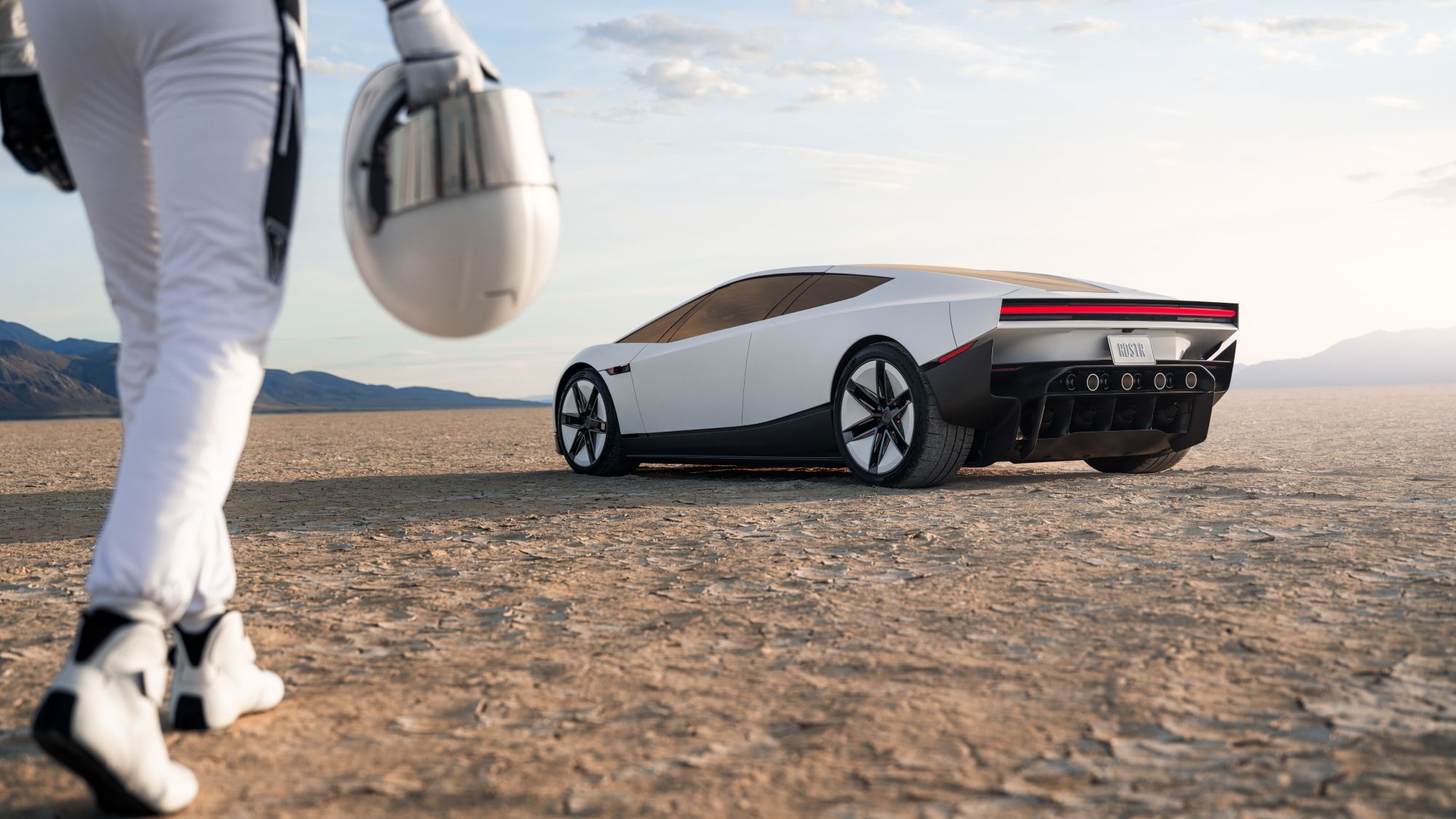
At its GTC Berlin event this week, Nvidia and its European automaker and mobility-company partners made some news and showcased AV (autonomous vehicle) use cases on the Nvidia Hyperion computing platform, demonstrating potential applications for SAE Level 3 and 4 personal vehicles as well as Level 4 robotaxi and commercial fleets. Nvidia also introduced new AI and safety technologies to help developers build, validate, and deploy AVs at scale.
“Robotaxis are the first mass-market application of robotics and physical AI, reinventing how people and goods move,” said Jensen Huang, Founder and CEO of Nvidia. “Nvidia Hyperion, together with our Halos safety operating system, gives our partners a full-stack robotaxi platform designed to achieve full autonomy and the highest levels of safety, bringing us closer to a future where everything that moves is autonomous.”
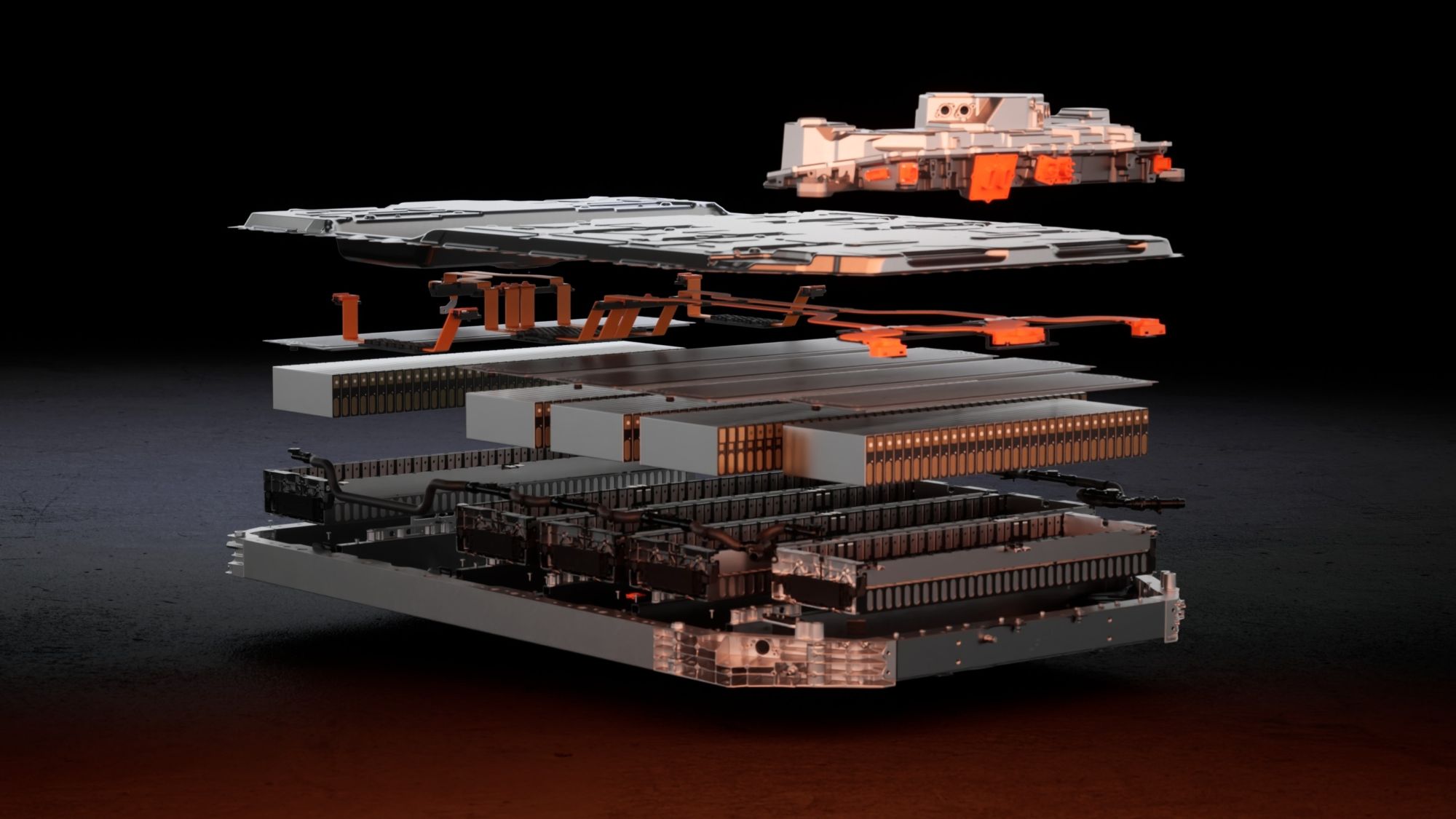
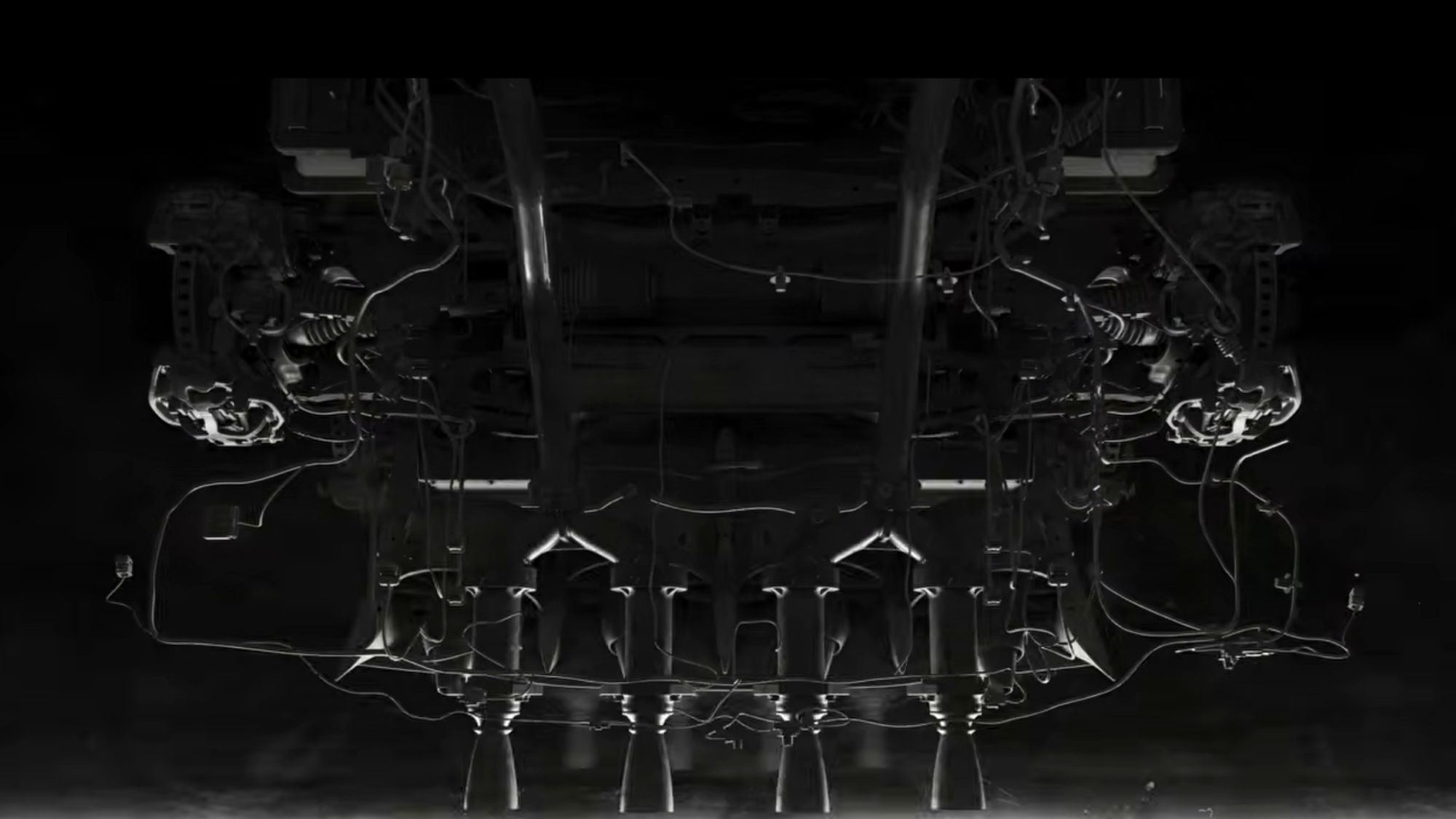
According to the AI (artificial intelligence) powerhouse, autonomous transportation represents a multitrillion-dollar opportunity, with robotaxis leading the move to commercial Level 4 deployment. Its Hyperion modular architecture and Halos full-stack safety system give customers the computing performance, safety foundation, and long-term support to bring AVs and robotaxi fleets to market at scale. Hyperion’s modular architecture is compatible with not only its Alpamayo stack but also with partners’ own driving software.
Vehicle OEM and supplier partner highlights
As usual at GTC, there was a torrent of vehicle OEM and supplier partner announcements.
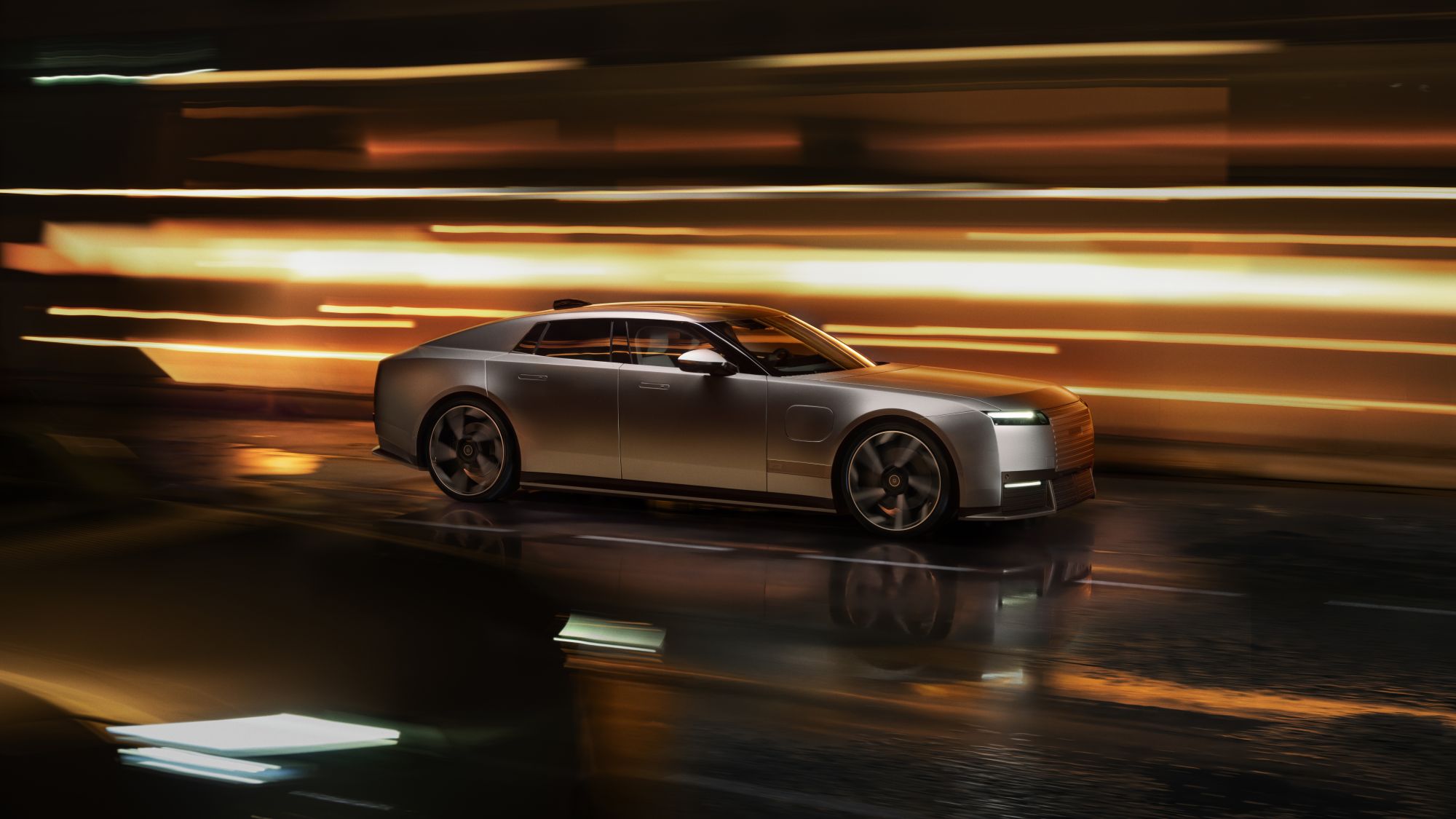
Among the demonstrators of potential applications for SAE Level 3 and 4 personal vehicles at GTC Berlin was Mercedes-Benz, which is extending its partnership with Nvidia on Hyperion and Alpamayo Stack to support the development of the automaker’s Level 3 and 4 capabilities. The company also announced that MB.Drive Assist Pro, developed in partnership with Nvidia, will soon get approval for urban point-to-point driver assistance in Germany, helping drivers navigate journeys through complex city traffic.
Volvo Cars is combining its industry-leading vehicle safety systems and engineering expertise with Hyperion, Halos OS, and Alpamayo Stack to enable future Volvo cars to safely navigate complex real-world environments from door-to-door.
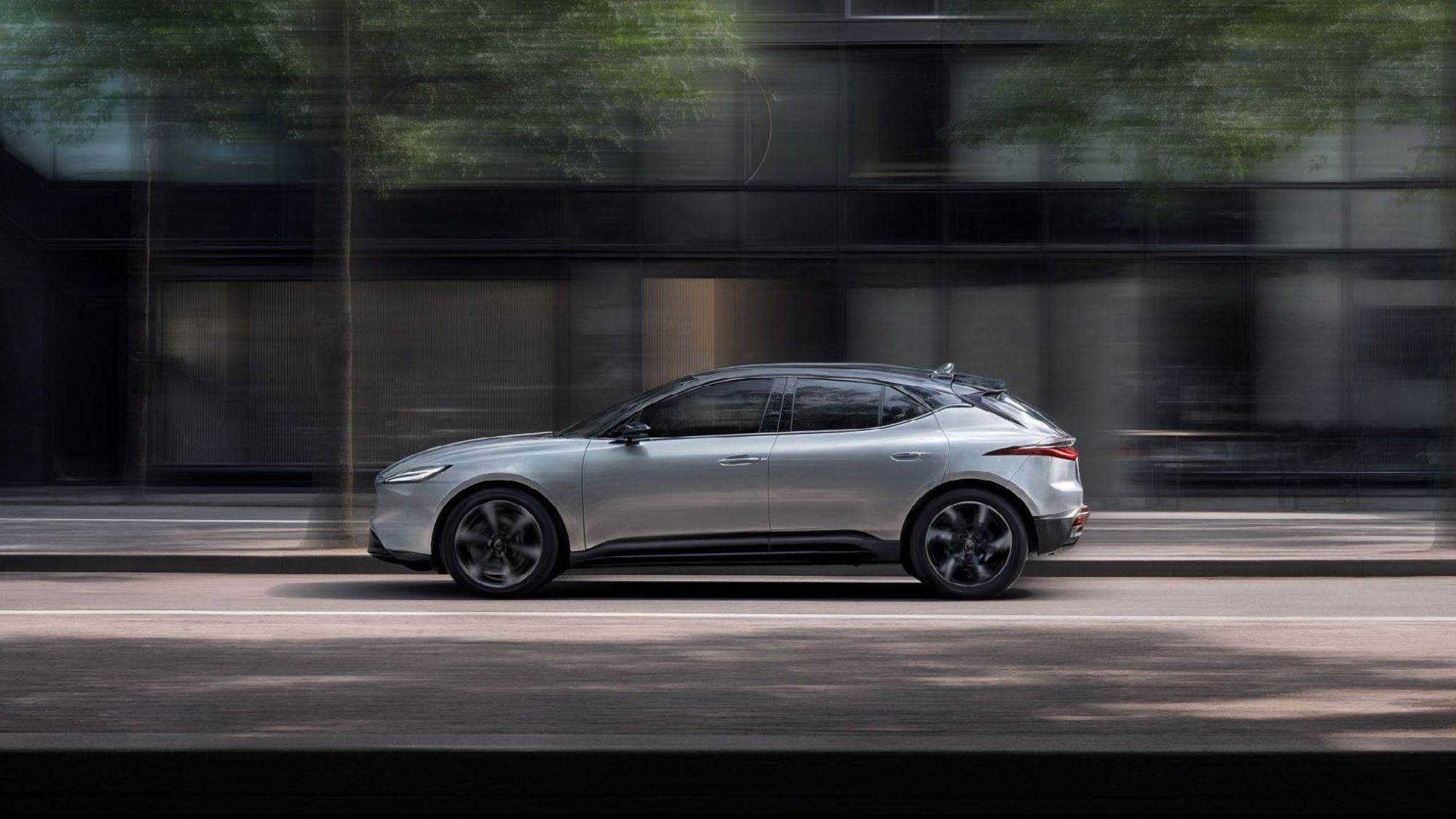
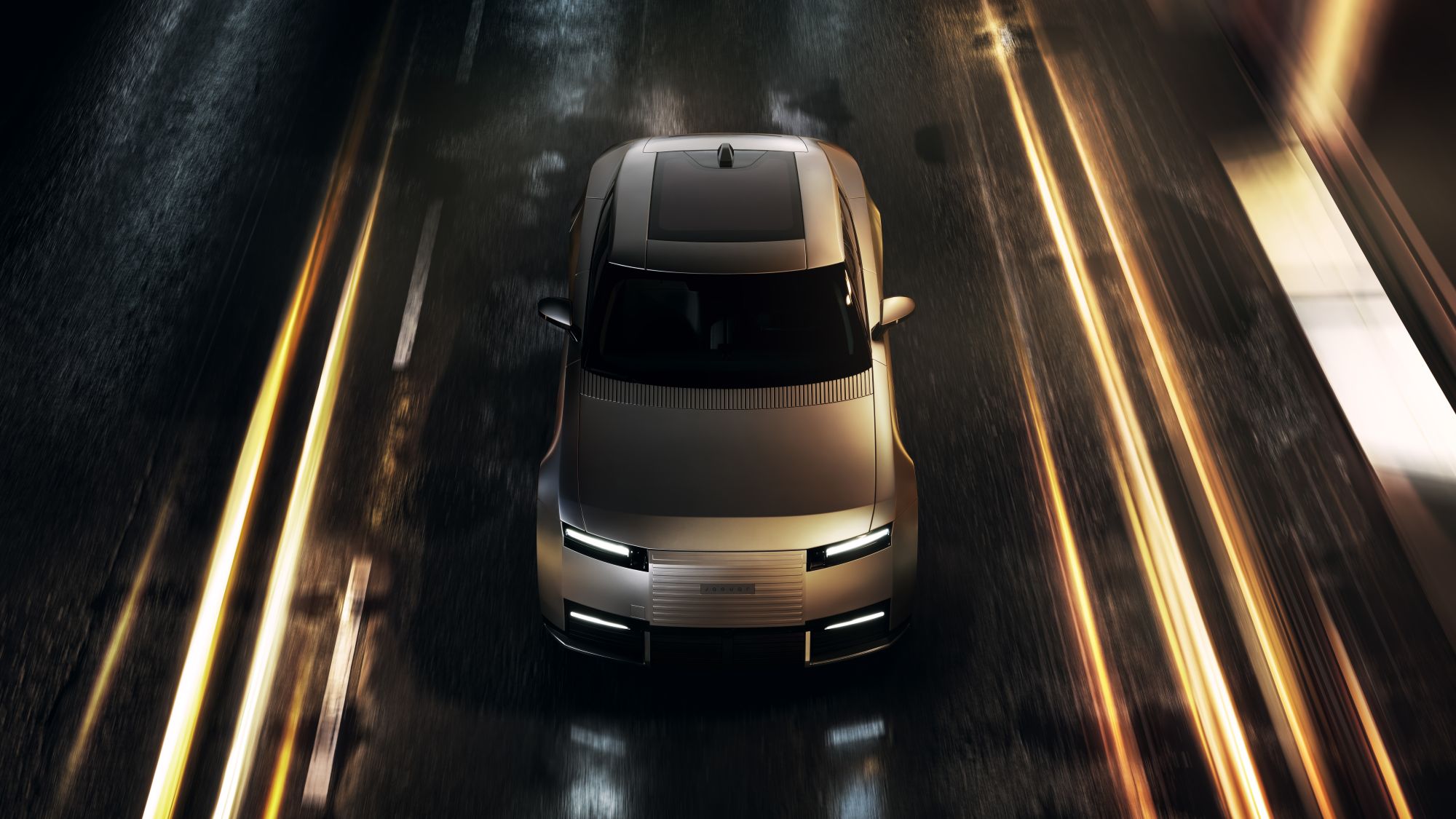
Among the partners demonstrating potential applications for Level 4 robotaxis is Bolt, which has selected the Alpamayo Stack for its European program, beginning with future Lucid vehicles built on Hyperion. Bolt and Nvidia will adapt the software for European roads and integrate it into vehicles from multiple manufacturers, combining Nvidia’s driving and safety technologies with Bolt’s fleet-management systems, operations, and local market expertise.
Bolt plans to begin gathering real-world driving data to support the development and validation of the autonomous driving technology, subject to regulatory approval, in Madrid in 2027, with Germany being a priority for future deployment as part of a planned European rollout of at least 25,000 Level 4-capable future Lucid vehicles built on Hyperion.
Separately, Bolt, Stellantis, and Métropole du Grand Paris, plan to introduce autonomous mobility services in up to five municipalities from 2028, with Pony.ai identified as a potential technology provider and Hyperion expected to support the proposed solution.
In Kazakhstan, Pony.ai, InDrive, and Nvidia are exploring robotaxi services through the InDrive app, using Hyperion and the Halos safety system.
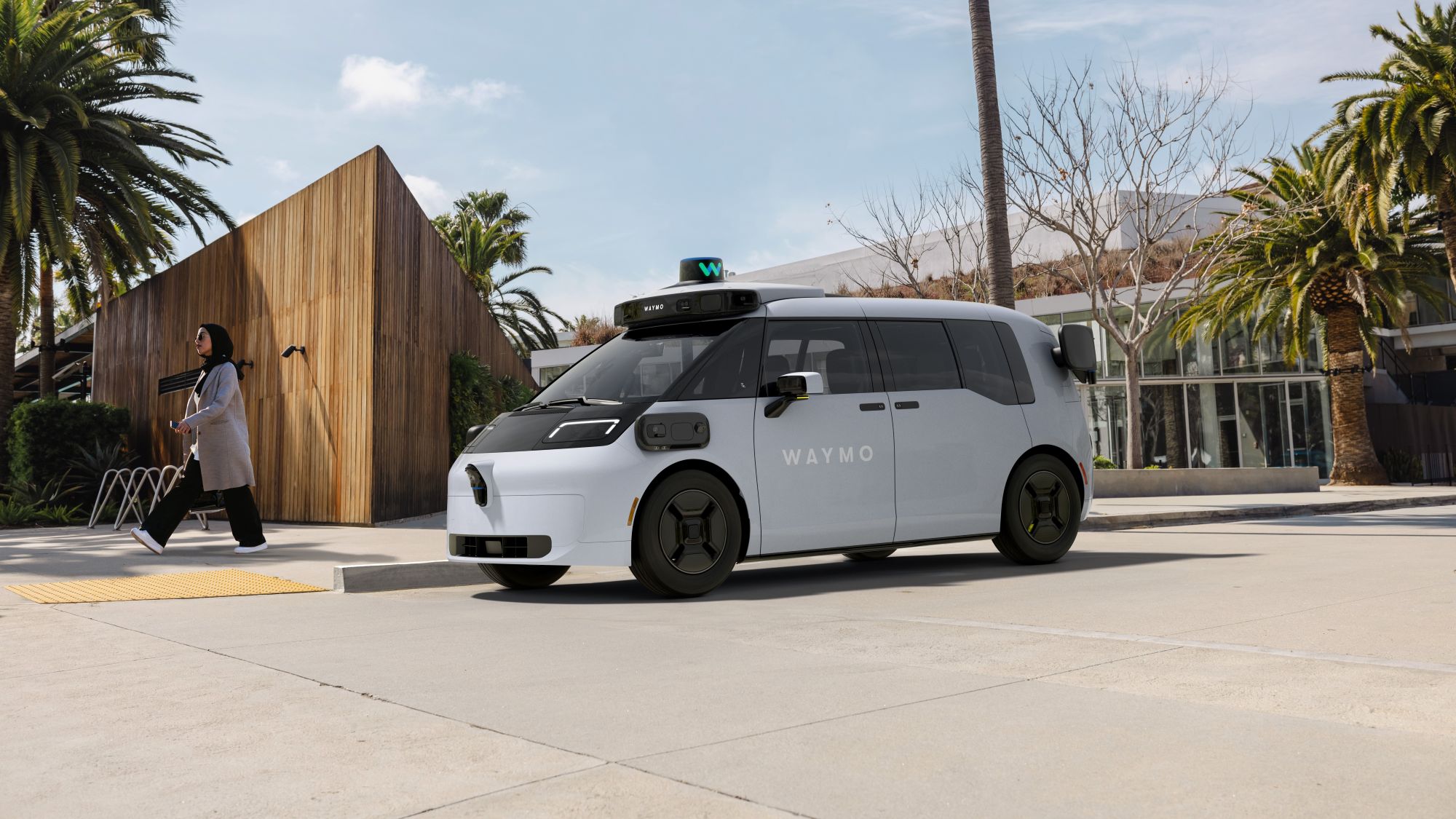
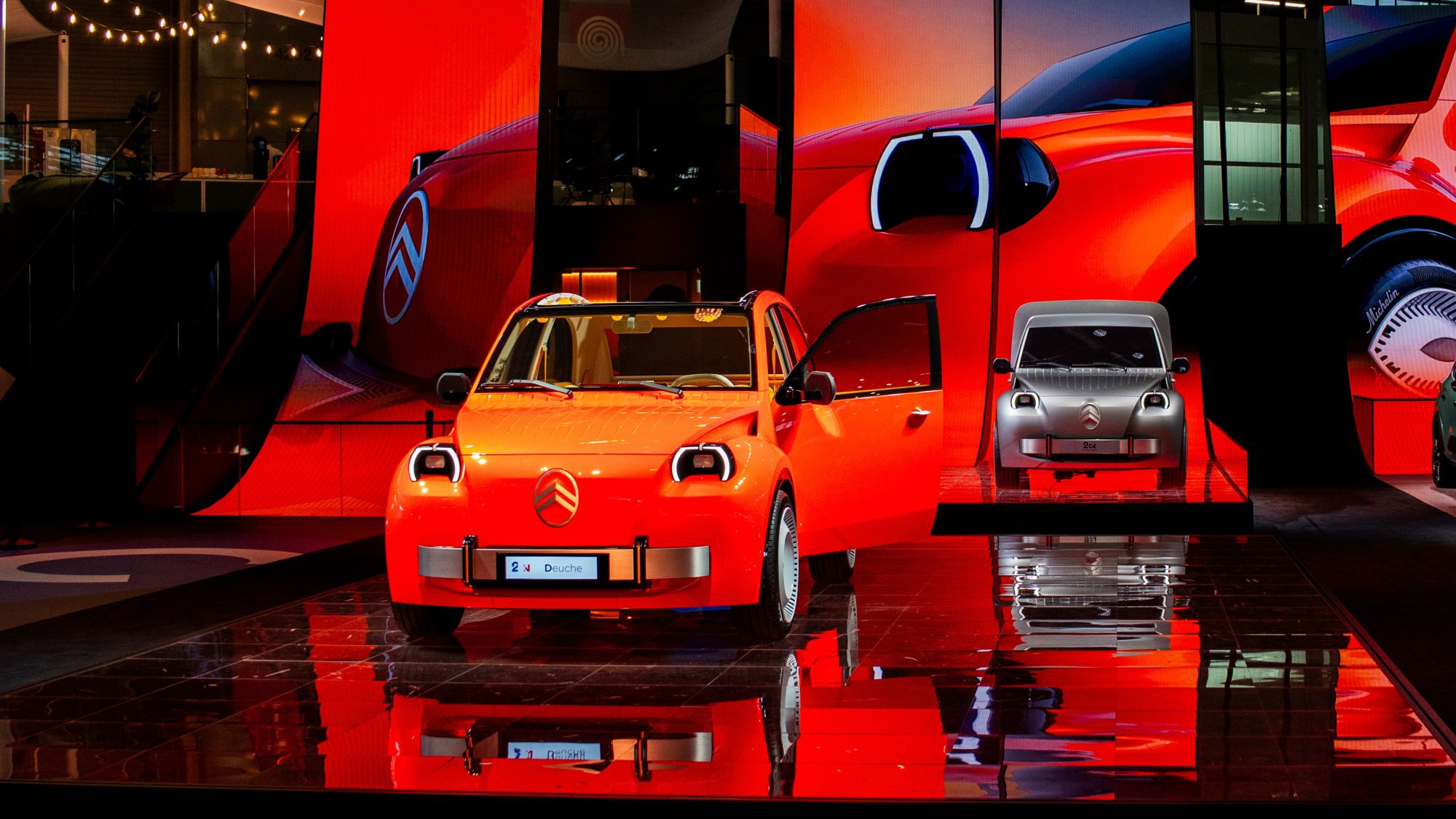
In France, Wayve, Stellantis, and Nvidia are collaborating to advance autonomous vehicle deployment, combining Wayve’s AI Driver, Stellantis’ L4-ready vehicle platforms, and Hyperion.
Volkswagen Commercial Vehicles presented its autonomous ID. Buzz AD vehicle platform with Hyperion to support multiple autonomous-driving systems. Hyperion provides a common computing and sensor architecture designed to simplify integration and validation, helping developers and mobility operators bring robotaxi and commercial transport services to market.
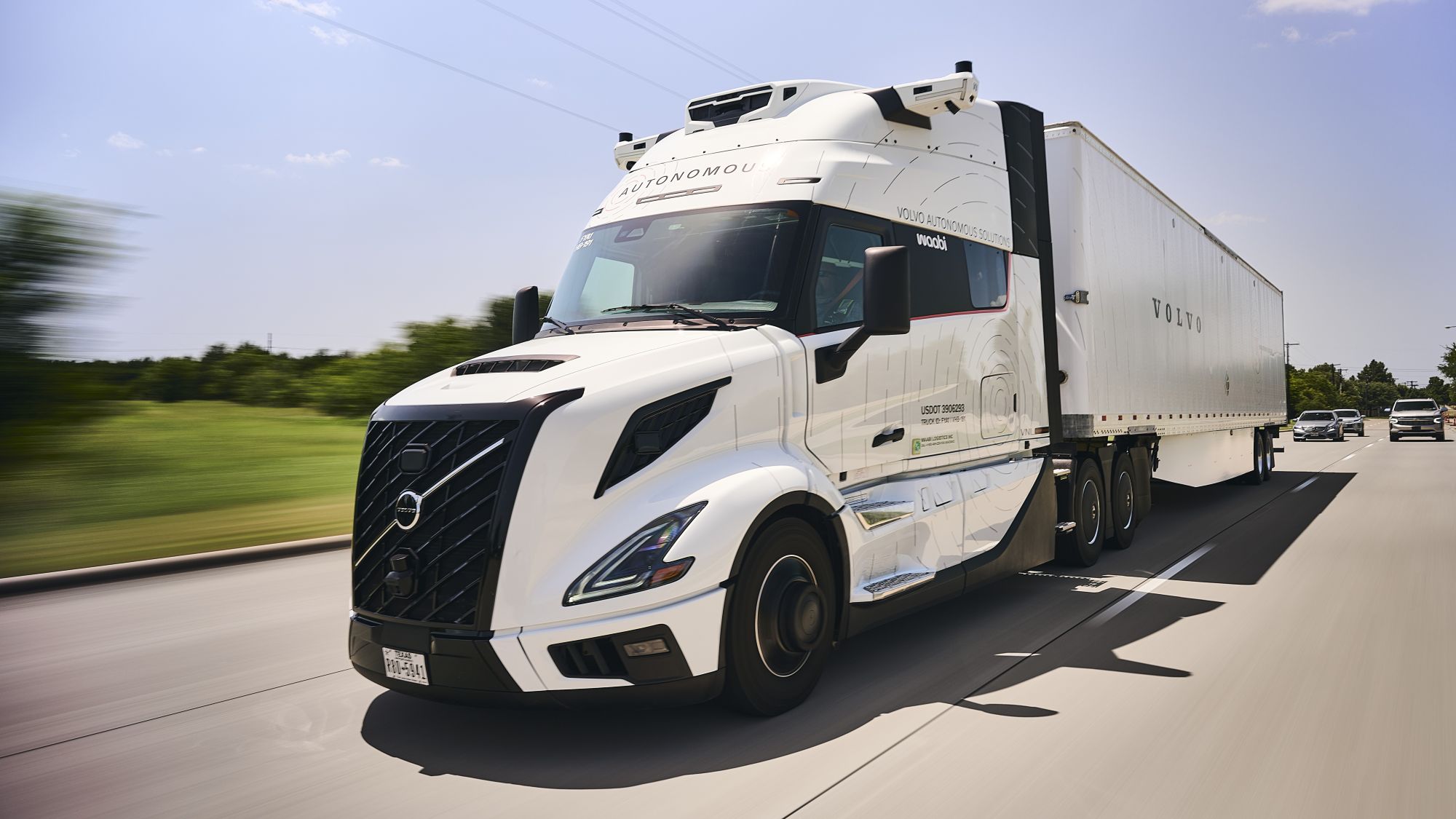
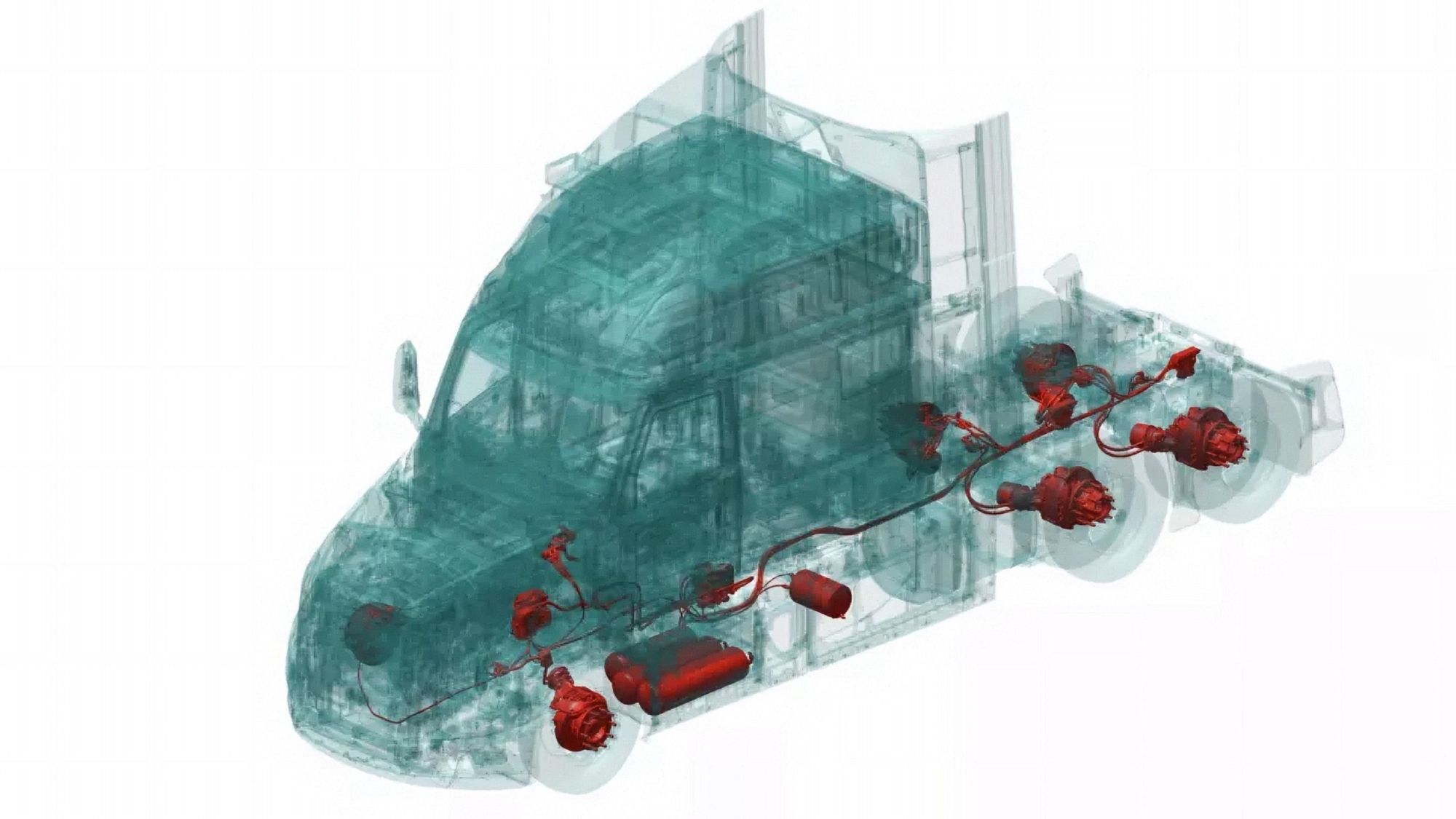
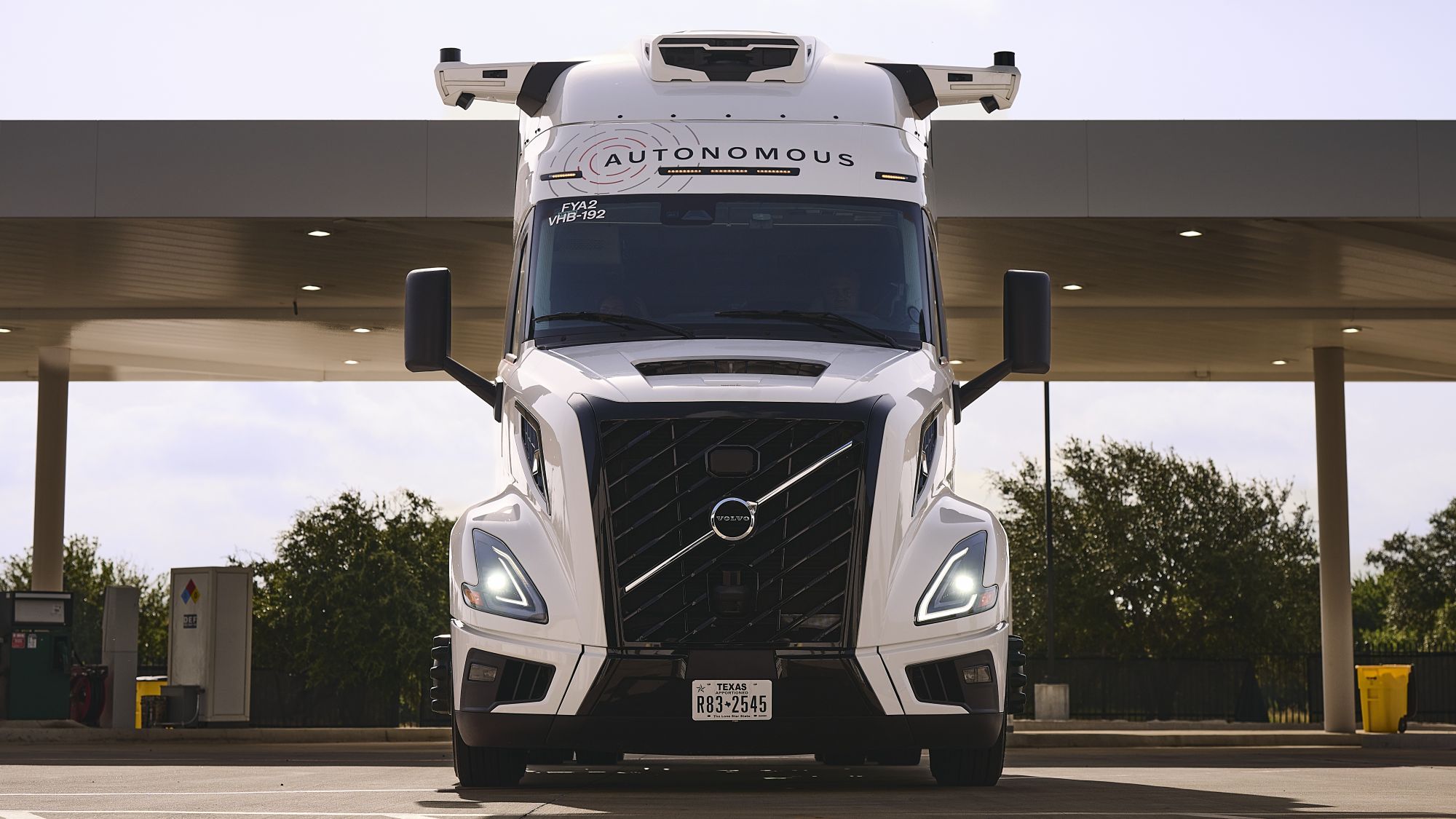
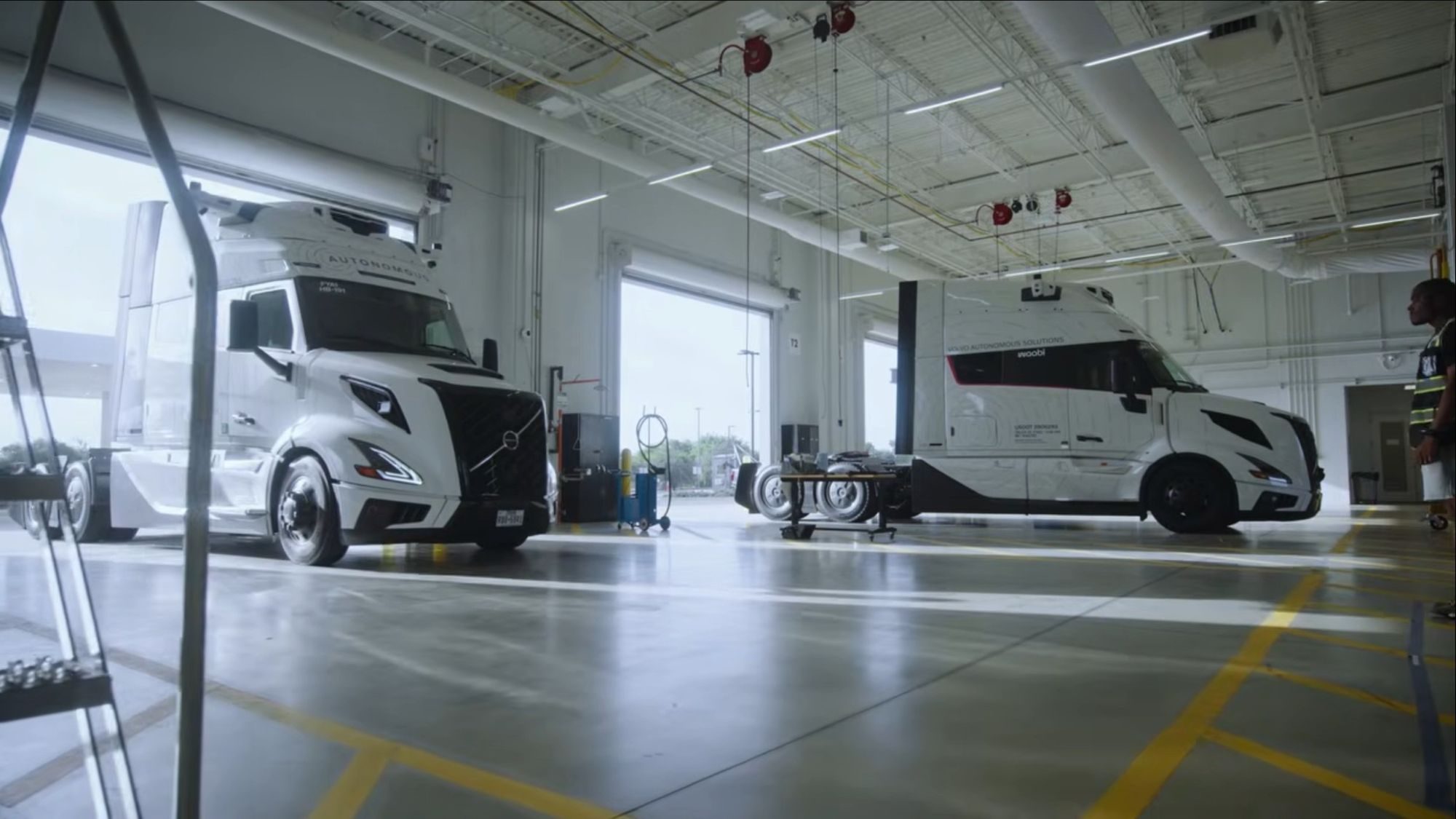
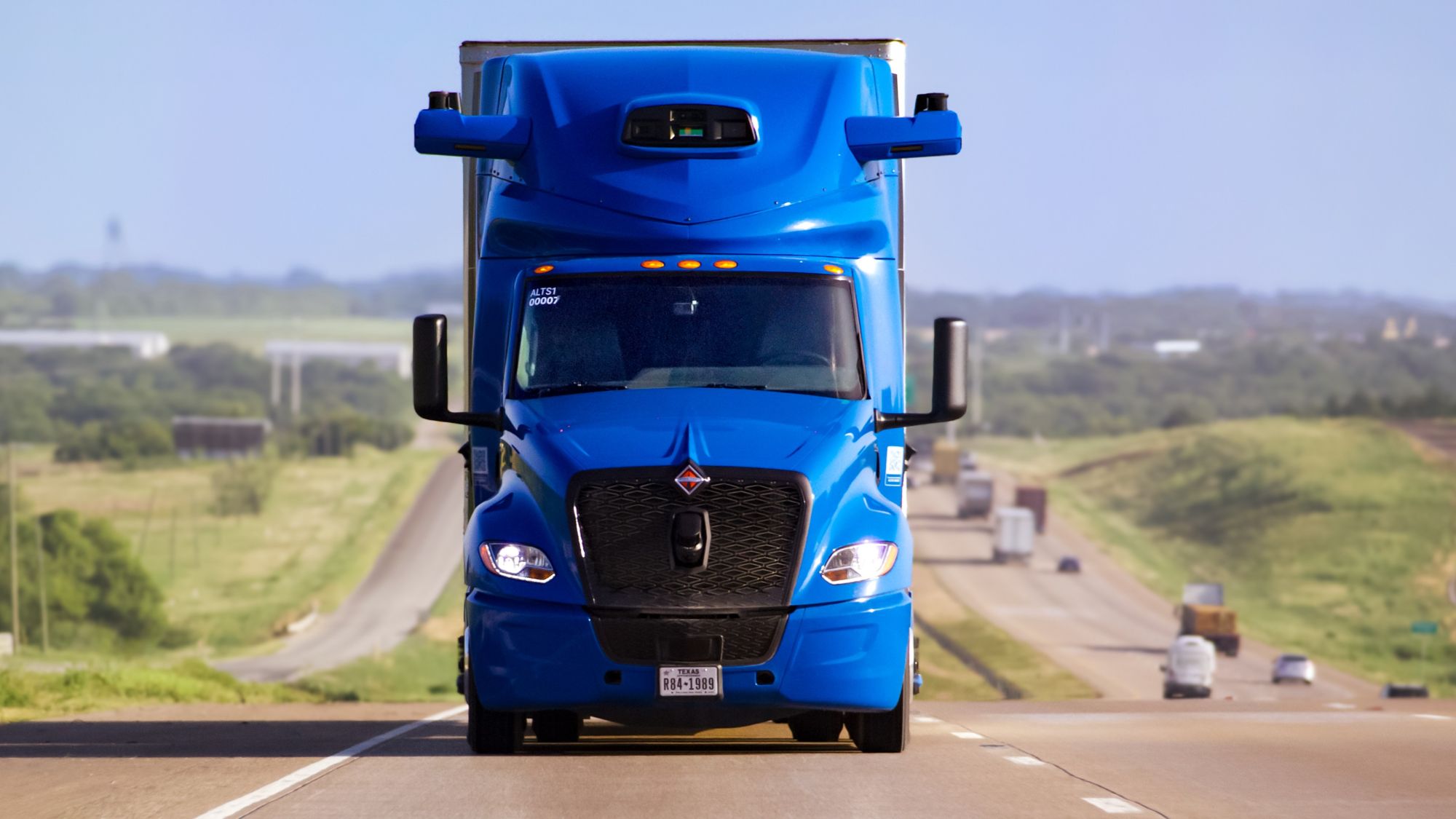
Beyond passenger vehicles and robotaxis, Einride is building its next-generation Driver on Hyperion for autonomous freight trucks using Halos, Alpamayo, and Nvidia’s Cosmos open world models to develop and validate its driving system.
Nvidia’s automotive supplier partners are also helping expand the AV ecosystem, with Tier IV and the Technical University of Munich planning to integrate Hyperion to develop and validate systems for autonomous public transportation in Germany.
Aptiv, Valeo, and Schaeffler are building Hyperion-based computing platforms that can be integrated by vehicle manufacturers for L4 AVs and robotaxis.
Introducing Halos SAFE
At GTC Berlin, Nvidia introduced Halos SAFE (Safety Assurance Framework for Evaluation) with dSPACE, IVEX, and TÜV Rheinland, with the collaboration on evaluation workflows giving developers repeatable ways to evaluate driving behavior and simulation accuracy.
Halos provides the safety foundation for Nvidia’s AV platform, bringing together AI computing, safety software, and validation from development through deployment. The SAFE extension connects simulation, software- and hardware-in-the-loop evaluation, on-road testing, and fleet monitoring through defined scenarios, tests, and measurable performance criteria to generate traceable safety evidence that supports deployment.
At GTC Berlin, dSPACE demonstrated how recorded real-world sensor data can be converted into highly realistic simulation scenarios for the development and validation of advanced driver-assistance systems (ADAS) and automated driving functions. The demonstrations showed how dSPACE integrates its simulation tool chain with the Halos SAFE safety evaluation framework to expand test coverage and accelerate AV validation, using Omniverse NuRec within the dSPACE ASM (Automotive Simulation Model) tool suite to combine neural reconstruction with established models for vehicle dynamics and traffic simulation.
SIL (software-in-the-loop) and HIL (hardware-in-the-loop) workflows in Halos SAFE also support the automated execution of Euro NCAP tests, with the goal of advancing the virtual homologation and validation of ADAS systems. The same technology can also be applied to higher levels of automation, including robotaxis.
The Halos SAFE ecosystem includes JLR, Mercedes-Benz, Volvo Cars, 51Sim, AiMotive, AVL, Deepen AI, Foretellix, and Synopsys.
Accelerating AV development with data
Developing AVs means teaching AI to handle the diversity of real-world driving, then bringing that intelligence into the vehicle. Among Nvidia partnerships supporting this effort are two related to data.
Uber and Nvidia are developing a data factory powered by Cosmos to curate and process data for AV development. The effort is part of a broader partnership spanning AI development infrastructure, Hyperion-based vehicles, and Uber’s global ride-hailing network.
Porsche is leading the development of a data flywheel workflow across Volkswagen Group brands through Voxel51, using Nvidia Cosmos Data Factory and Omniverse NuRec on Microsoft Azure to turn fleet data into datasets and simulations for evaluating autonomous-driving models. This is expected to reduce repeated physical test drives by up to 90% and shorten development cycle duration by up to 85%.
Nvidia’s latest models, tools, and blueprints help developers prepare driving data, improve models, and evaluate performance. A sampling of the newest and most significant follows.
- Alpamayo 2 Edge, a 2-billion-parameter reasoning model built on Cosmos, is optimized for the Nvidia Drive AGX Thor platform and designed to run at 10 Hz for in-vehicle scene understanding and motion planning.
- AlpaJudge, a human-calibrated evaluation and reward model, scores driving explanations to assess reasoning quality, filter weak annotations, and reduce manual review of training data.
- Foundation4D labels multicamera video without lidar input, supporting perception-model training and Nvidia Omniverse NuRec scene reconstruction.
- New Cosmos 3 Nano model variants expand synthetic data generation and closed-loop simulation for autonomous driving through synchronized multiview, multi-camera, and lidar generation across diverse driving scenarios.
- Cosmos Data Factory’s AV dataset-generation blueprint turns driving video and vehicle signals into curated, searchable, labeled data, using synthetic data to expand scenario coverage.
- Alpamayo Agentic Factory, an open blueprint expected in early 2027, uses AI agents to connect data preparation, model post-training, and simulation evaluation, reducing integration work.
- Nvidia NIM microservices for Alpamayo 1.5 and NuRec Harmonizer deliver both models as optimized inference containers, giving AV reasoning and scene harmonization a simplified deployment path.
-

- European automakers are building on Nvidia Hyperion.
-

- Nvidia CEO Huang delivers GTC Berlin keynote.
-

- Nvidia’s Hyperion Stack for cars and robotaxis.
-

- European automakers are building on Nvidia Hyperion.
-

- Bolt picked Nvidia Alpamayo Stack to drive its AVs.
-

- Wayve, Stellantis, and Nvidia are collaborating for AV deployment in France.
-

- Pony.ai and InDrive are collaborating on autonomous mobility built on Hyperion.
-

- Einride adopts Nvidia Alpamayo for autonomous trucks.