BlackBerry Ltd.’s QNX division today released its second annual Under the Hood: SDV Developer Report, a global study of 1100 automotive software developers that examines how attitudes toward the SDV (software-defined vehicle) development landscape are evolving as the industry moves from ambition to execution. The report is based on research conducted on behalf of QNX by OnePoll in July and August, with surveys conducted of embedded software developers working for automotive businesses based in Canada, China, France, Germany, Japan, Korea, the UK, and the U.S.
“The industry is facing a complexity management challenge,” said Justin Moon, Vice President of Core Product Engineering at QNX. “Automotive software developers are trying to solve the same integration, software development, and safety problems time and time again, and when a third of engineering effort goes into rebuilding software below the application layer, that is a third of the effort not going into the differentiating features drivers actually notice. This year’s data show this approach is beginning to have consequences; debugging has become the biggest challenge developers face, perceptions of productivity are freefalling, and security has moved to the top of the agenda, all of which are symptoms of technical complexity. To reduce that, teams need a trusted software foundation they can build on, certify against, and reuse, rather than starting from scratch with every program.”
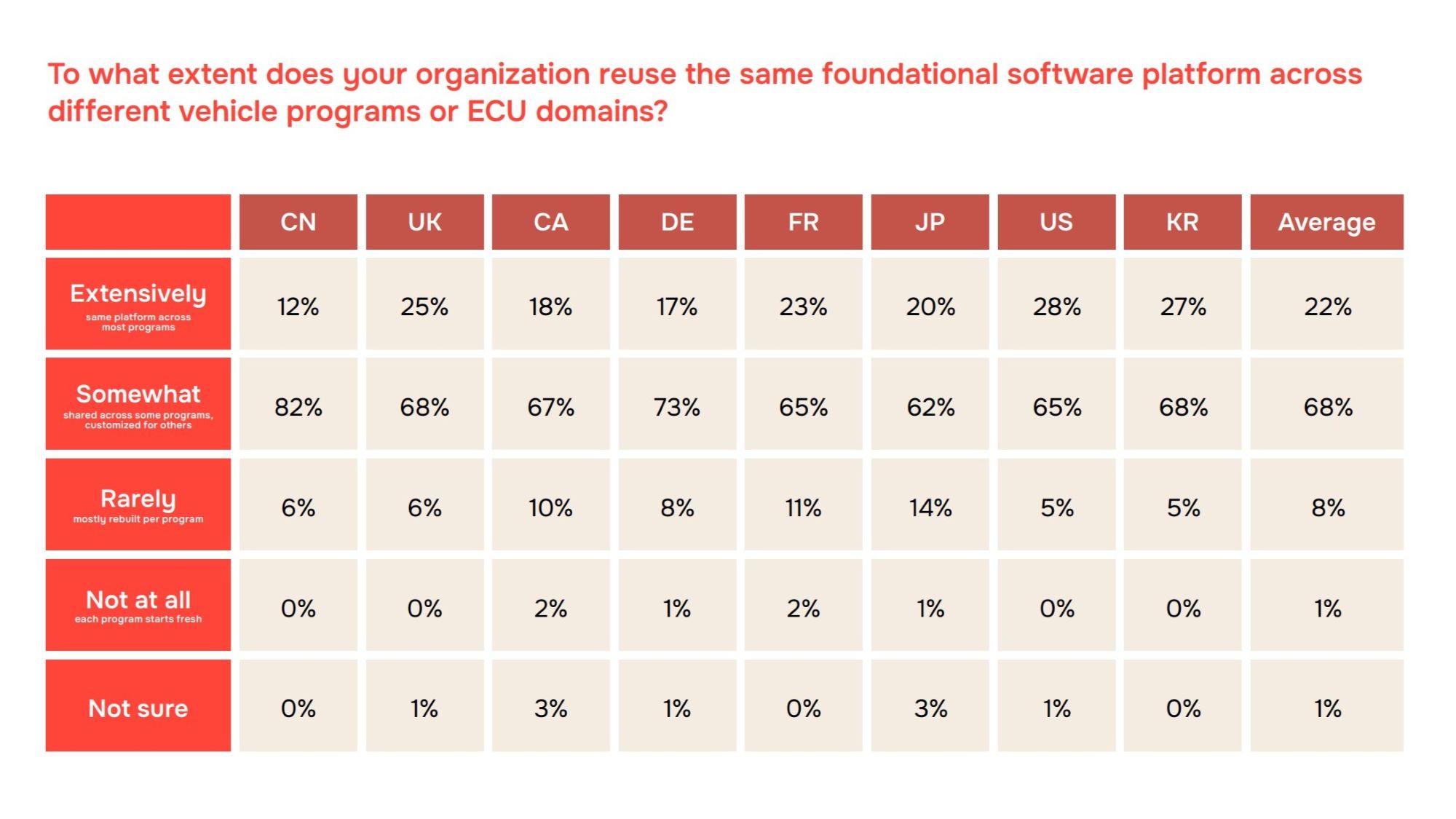
When it comes to innovation roadblocks, the research found that developers spend an average of 35% of their time on foundational software integration work rather than developing new features and capabilities that differentiate vehicles, while three quarters say the lack of a common, reusable software foundation is slowing overall SDV development.
“The industry has spent several years talking about SDVs as a design ambition, but as the data show, resources during that time have been concentrated on the middleware layer,” said Maite Bezerra, Senior Principal Analyst at Omdia. “When teams exhaust resources building custom infrastructure instead of standardizing foundational layers, they miss the point. Innovation in middleware is not only challenging for companies that aren’t software-first, but it also doesn’t drive direct customer value. Until automakers step away from the plumbing and focus on the application layer, they will continue to lack a solid business case for SDVs.”
Software-defined delays
The automotive industry is at a critical inflection point, with automakers racing to move faster and ship software more efficiently. Against that backdrop, 79% of developers report feeling pressure from faster-moving competitors, reinforcing the need to balance software development speed and scalability with safety and reliability.
However, this pressure to go faster introduces new risks, and software failures are continuing to reshape automotive development practices. Just over half (53%) of automotive software developers are directly influenced by product recalls affecting the industry, with nearly nine in ten (88%) saying recalls or failures have led to major or moderate changes in how their teams develop software. These findings suggest that teams are no longer adjusting processes at the margins after an incident but are fundamentally changing how software is architected from the start.
The need for application-layer innovation
Developers are also clear about where they would rather focus their energy. More than three-quarters (76%) agree that OEMs should concentrate on innovation of the application layer—where brand identity and customer experience are increasingly defined—rather than foundational software infrastructure. That view has softened slightly from 80% in 2025, pointing to how quickly that shift can happen in practice.
When asked what would free their teams up to spend more time on differentiating features, almost half (46%) of developers identified better integration across development tools and environments, alongside greater software reuse across vehicle programs (38%), and a pre-integrated foundational software solution (34%). Together, the findings describe an industry that knows where it wants to go but is still getting bogged down in the foundational work.
Delivery under strain
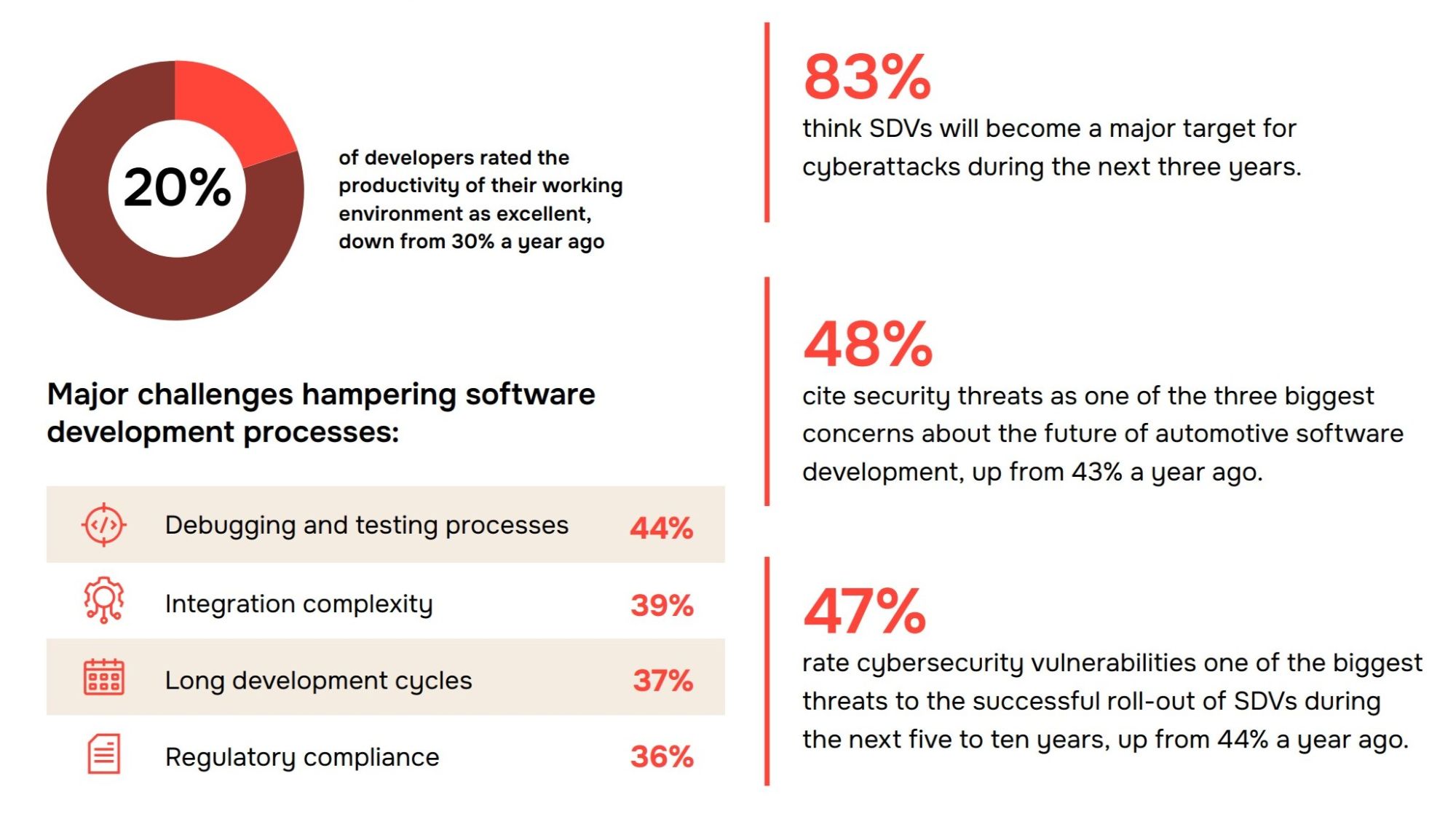
These pressures are showing up in day-to-day software delivery. Debugging and testing is now the single biggest challenge facing automotive software teams, cited by 44% of developers and up eight percentage points year on year, moving ahead of integration complexity (39%) and long development cycles (37%).
Perceptions of development environment productivity have also softened, with the share rating their environment as “excellent” falling from 30% to 20%. Taken together, the findings point to teams that are well equipped but increasingly stretched, spending more of their effort finding and fixing problems in foundational layers than ideating, creating, and delivering new features that can influence consumer purchase decisions and build brand loyalty.
AI: from hype to workflow
Expectations of AI (artificial intelligence) have matured rather than cooled.
The share of developers describing AI as “transformational” has fallen from 36% to 25%, while those expecting it to play a significant role integrated into everyday workflows has risen from 55% to 62%. However, 87% still expect AI to have a major role in development, but the emphasis has moved from complete reinvention to practical, embedded assistance. That pragmatism suggests an industry moving past the experimentation phase and beginning to judge AI on the same terms as any other tool in the toolchain and whether it measurably shortens the workload in front of them.
Security and regulation move up the agenda
Looking toward the future, security has moved from a technical consideration to the industry’s defining concern. Almost half of developers (48%) now rank security threats as their greatest worry, up five points year over year, while 47% point to cyber vulnerabilities as the biggest risk to rolling out SDVs at scale. More strikingly, 83% expect SDVs to become a “major” target for cyberattacks within the next three years, a view that reflects how quickly connectivity and the potential for OTA (over-the-air) updates have widened the attack surface.
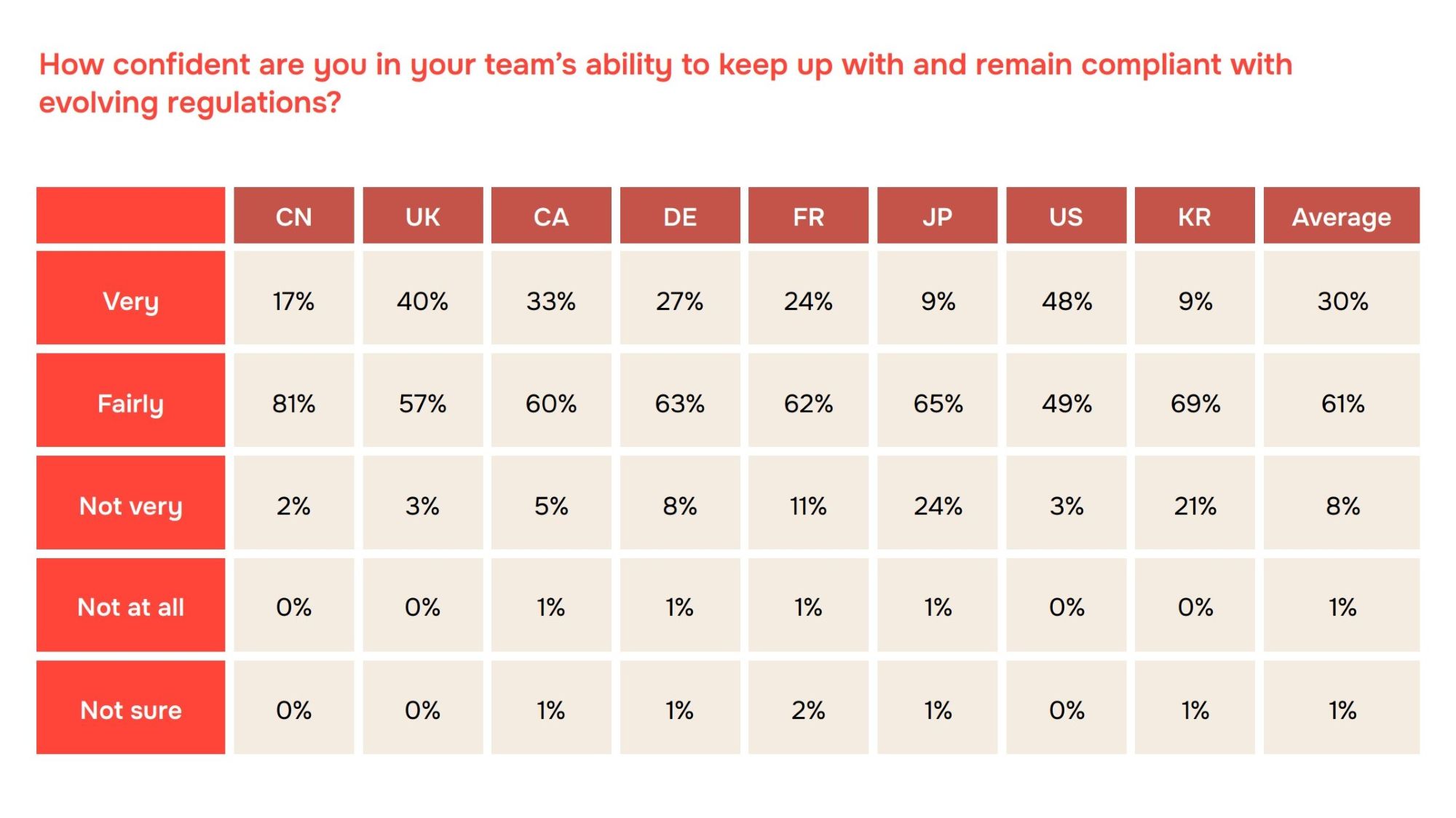
From a regulatory standpoint, cybersecurity standards—such as UNECE WP.29 and ISO/SAE 21434—remain the hardest to meet, cited by 46%, underlining that compliance is no longer a checkbox exercise, but rather a design constraint shaping architecture decisions from the outset. Additionally, more than 700 new regulations and legislative proposals affecting in-car technology were introduced globally in 2025, with a third of respondents claiming this has delayed development timelines.
With no year-over-year improvement, the data suggest most developers haven’t yet identified how to efficiently manage the global regulatory burden.
QNX royalty backlog exceeds $1.2 billion
Separately, BlackBerry announced yesterday that its QNX has exceeded $1.2 billion in royalty backlog, establishing a new record for the business and marking a significant milestone in the division’s growth. That represents an increase of more than $250 million, or more than 26%, from the $950 million reported at the end of fiscal year 2026.
The company attributed the increase to strong customer adoption of software, particularly QNX Software Development Platform 8.0, together with the first design win of Alloy Kore, QNX’s foundational automotive OS.
“In just two quarters, our backlog has grown by more than $250 million from the approximately $950 million we previously reported, reflecting strong demand for our foundational software and the impact of our next generation of products,” said John Giamatteo, Chief Executive Officer, BlackBerry. “The growing adoption of SDP 8.0 and the commercial validation of Alloy Kore demonstrate that our strategy is working, expanding our opportunity and increasing the value of QNX software content within each vehicle.”
Increasing adoption of SDP 8.0 is expanding QNX’s opportunity within next-generation, high-performance compute architectures. As automakers consolidate vehicle functions onto increasingly powerful centralized and domain-based compute platforms, QNX can support multiple software domains and multiple instances within a single vehicle, creating opportunities for greater QNX software content and associated royalty value per vehicle.
Alloy Kore expands the opportunity by moving QNX beyond individual software components toward a broader, foundational automotive OS. Its first design win, valued at more than $100 million of estimated future royalties, is the largest in QNX’s history and is said to demonstrate its potential to broaden QNX’s role in each vehicle and increase the royalty opportunity per program.
Beyond automotive, QNX is pursuing opportunities in general embedded markets and physical AI, such as robotics, industrial automation, medical devices, and other systems where software must support safe, reliable interaction with the physical environment.
“We are also applying our proven foundational software capabilities to General Embedded Markets and emerging Physical AI applications, where safety, security, and reliability are critical,” said John Wall, President of QNX. “We believe the momentum across these growth opportunities creates a strong foundation for QNX’s continued expansion.”
-

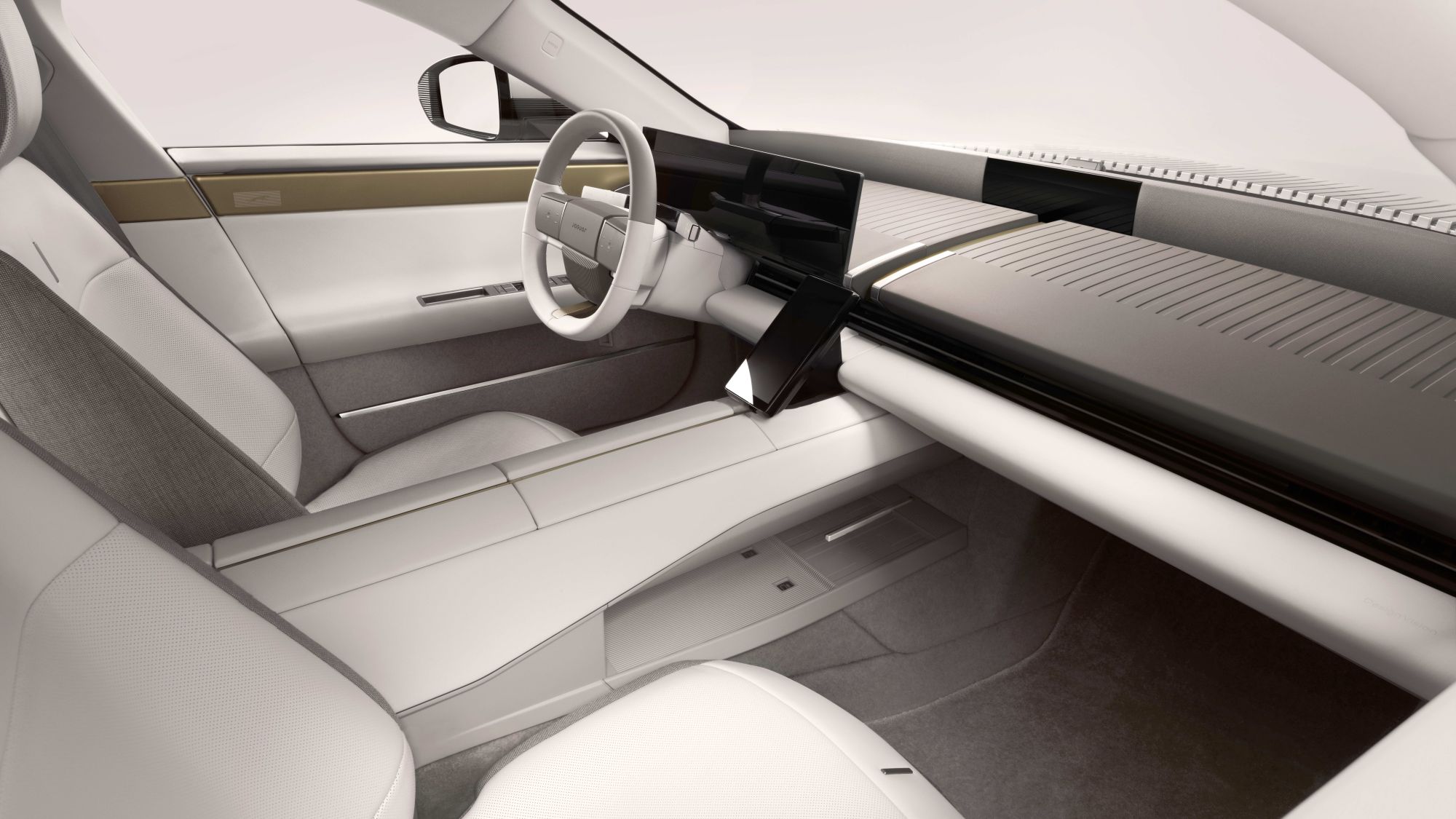
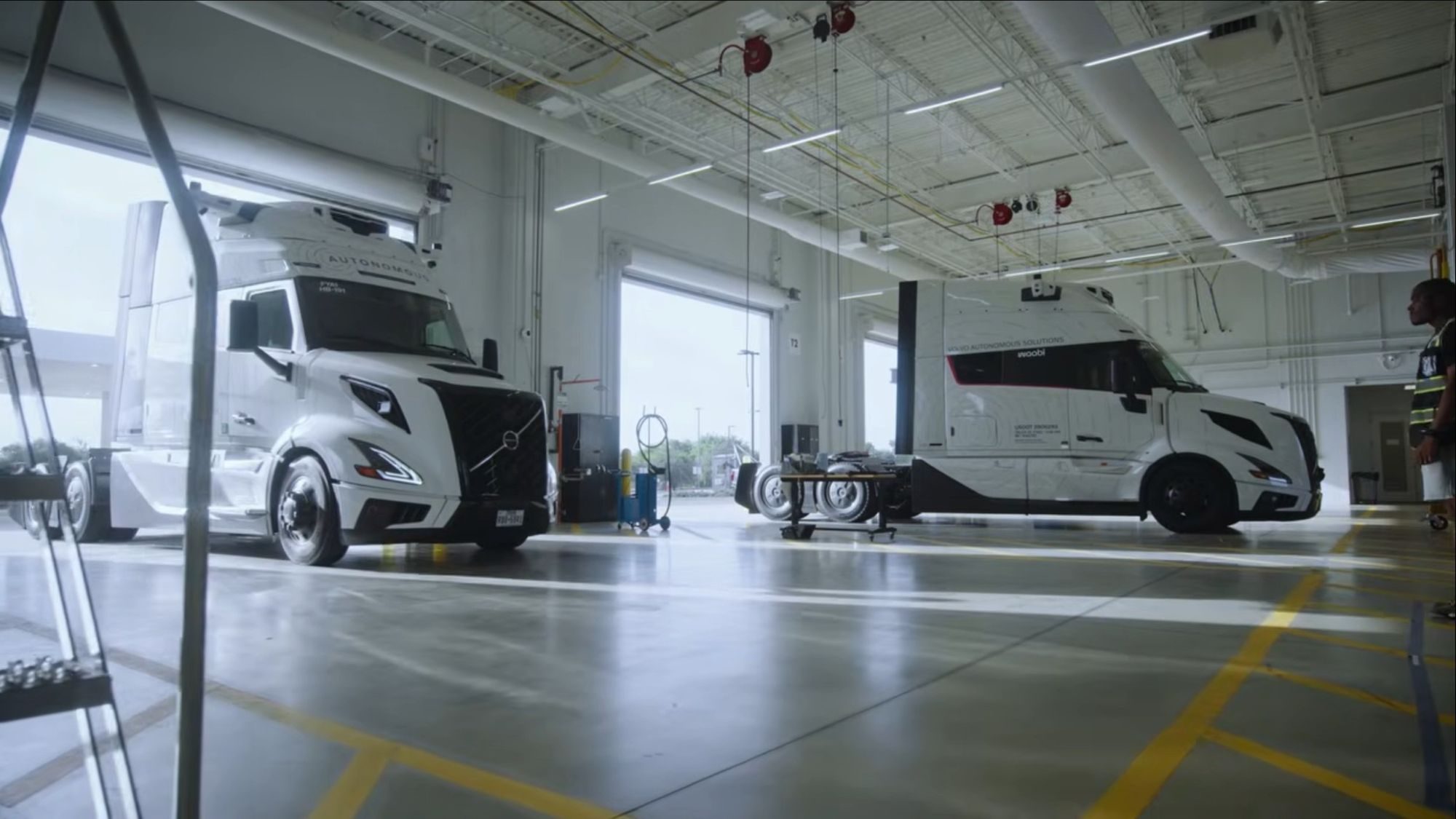
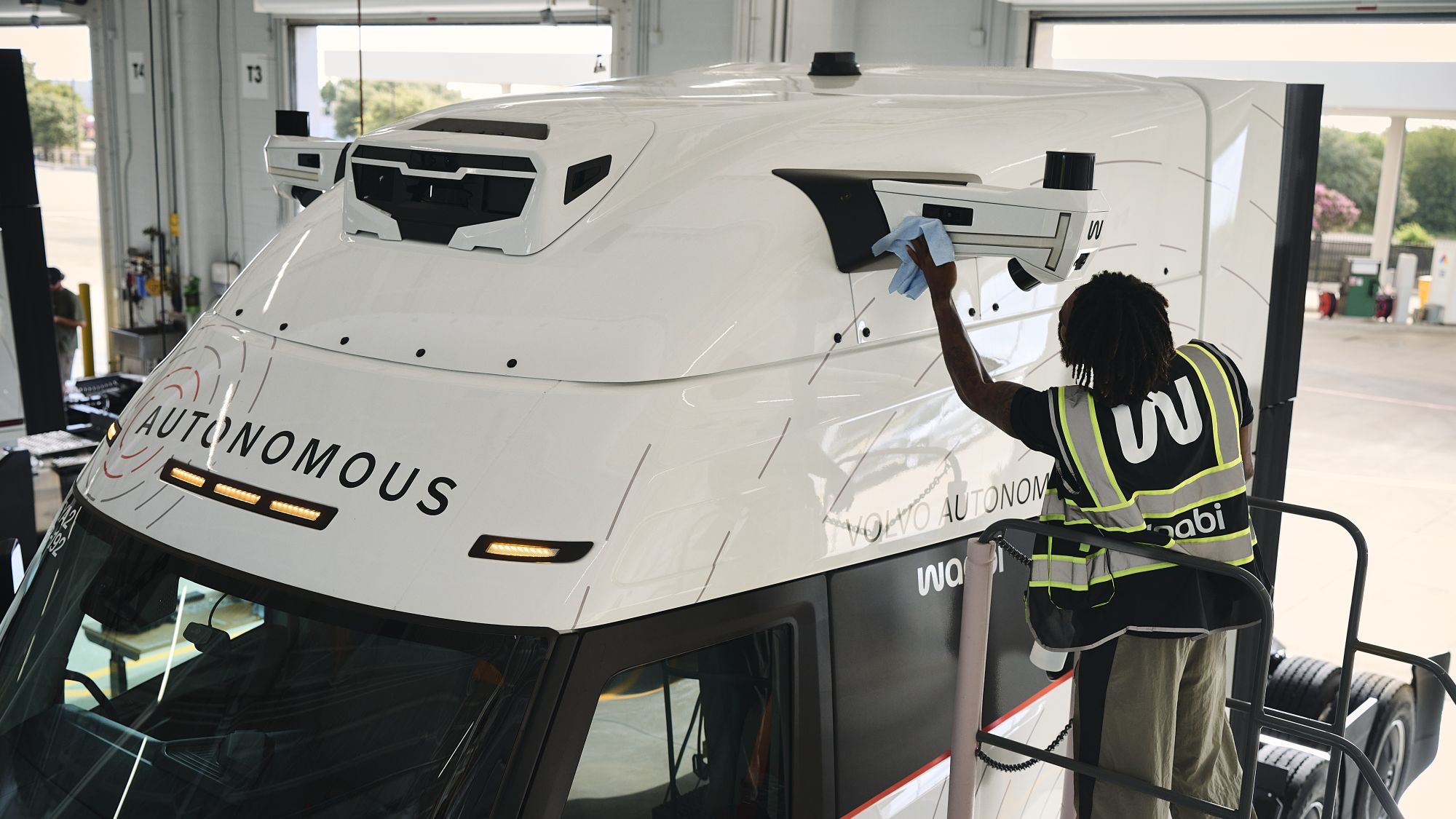
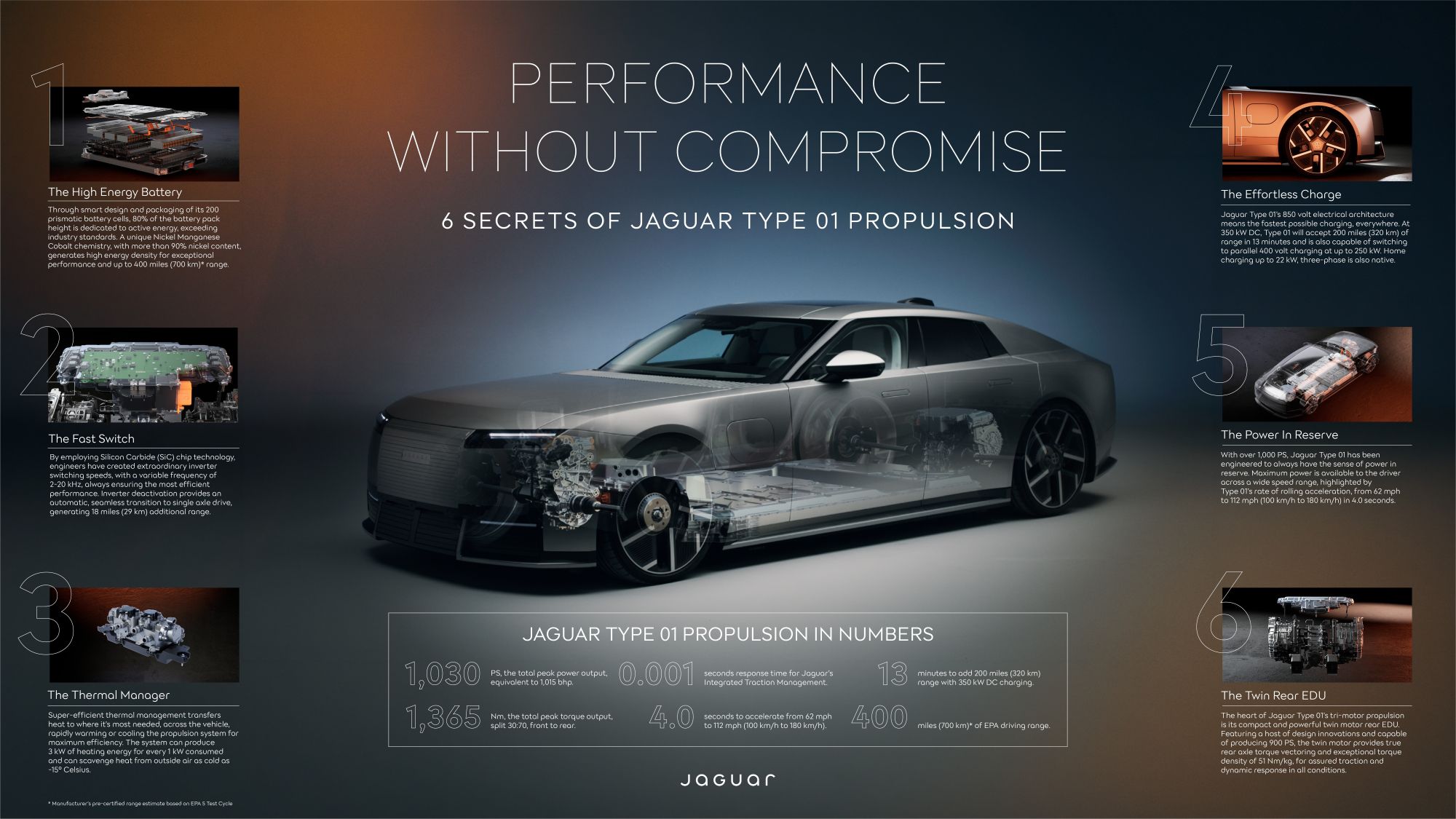
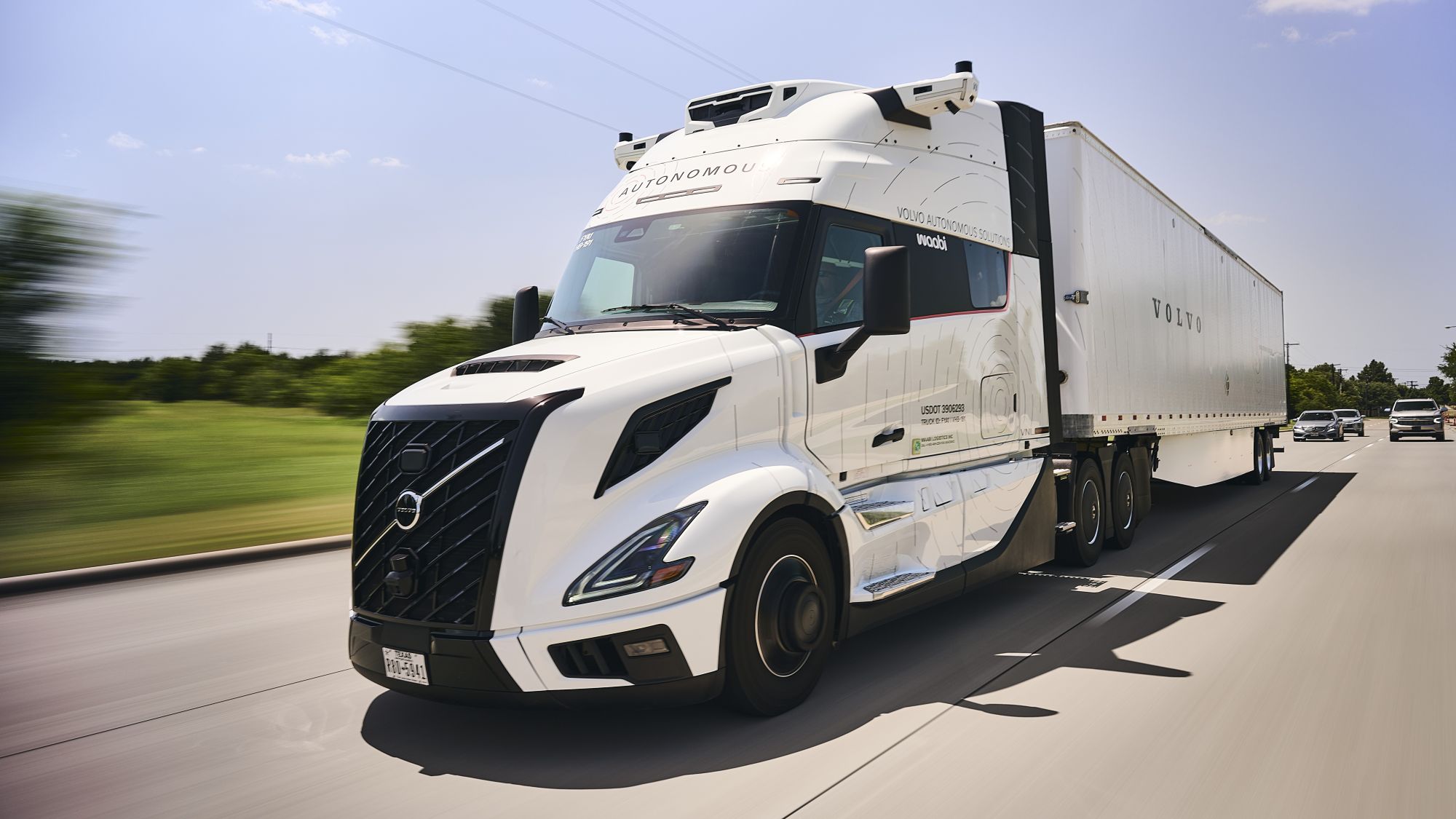
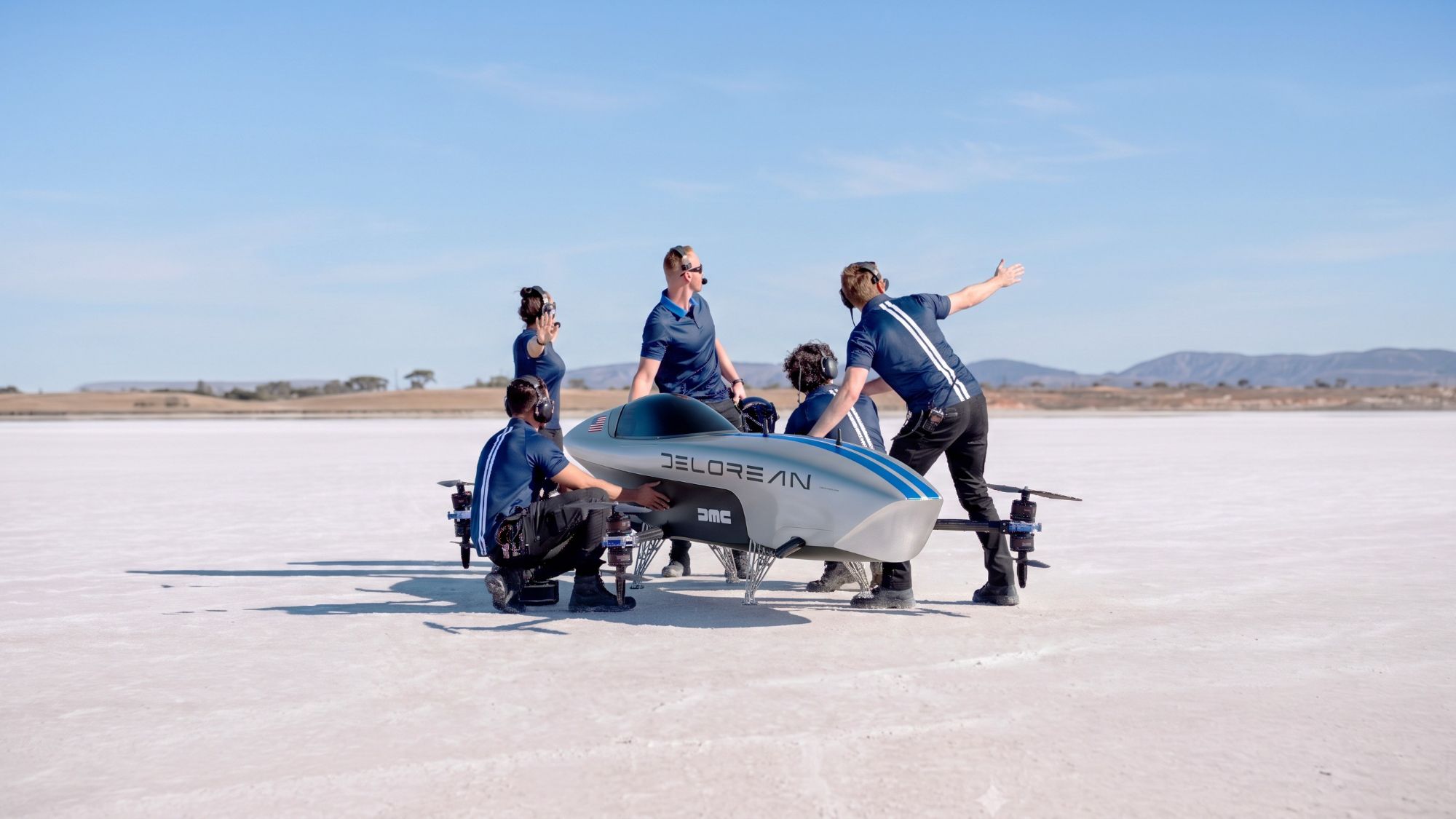
- An SDV from QNX’s Under the Hood Report.
-

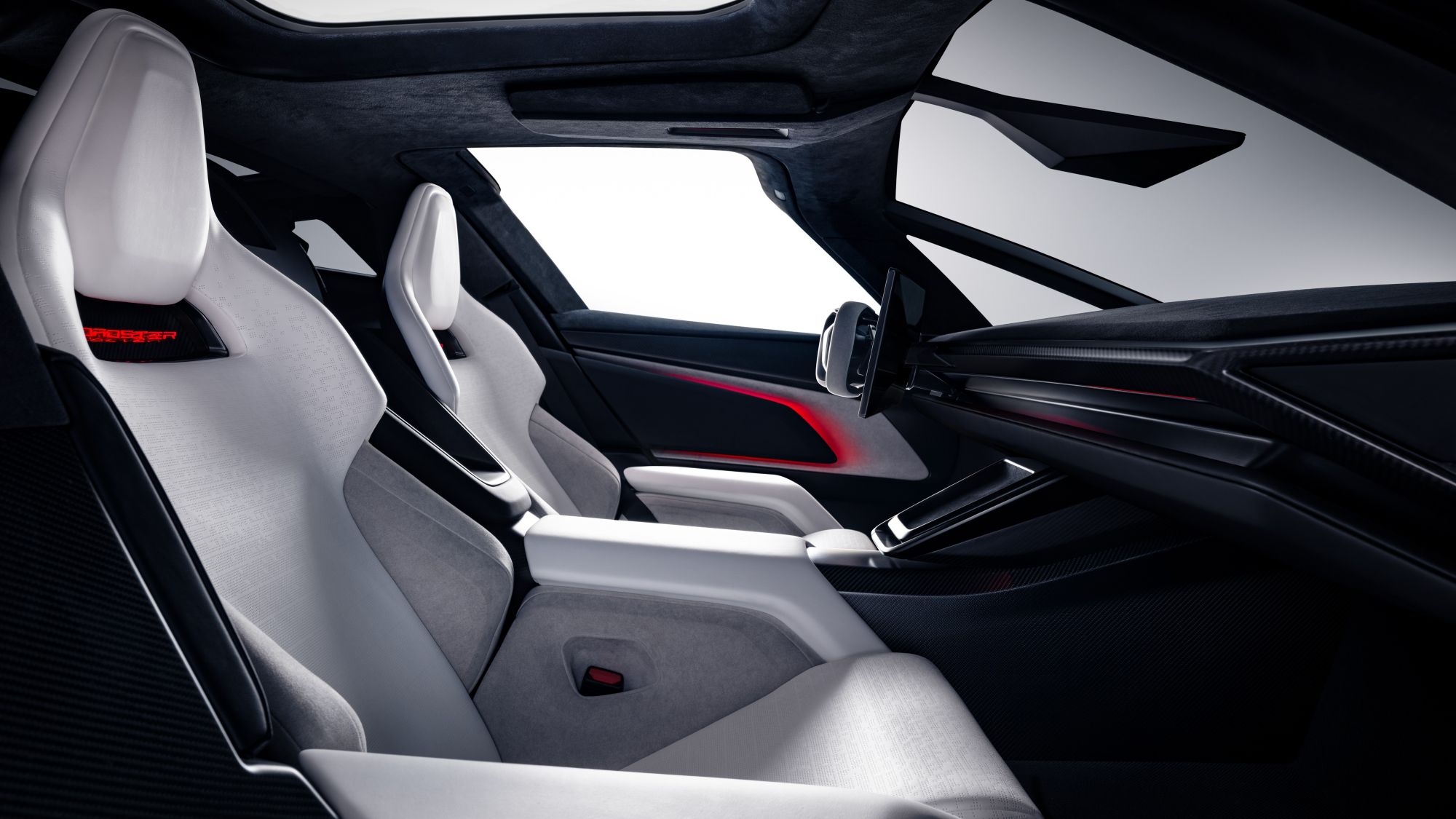
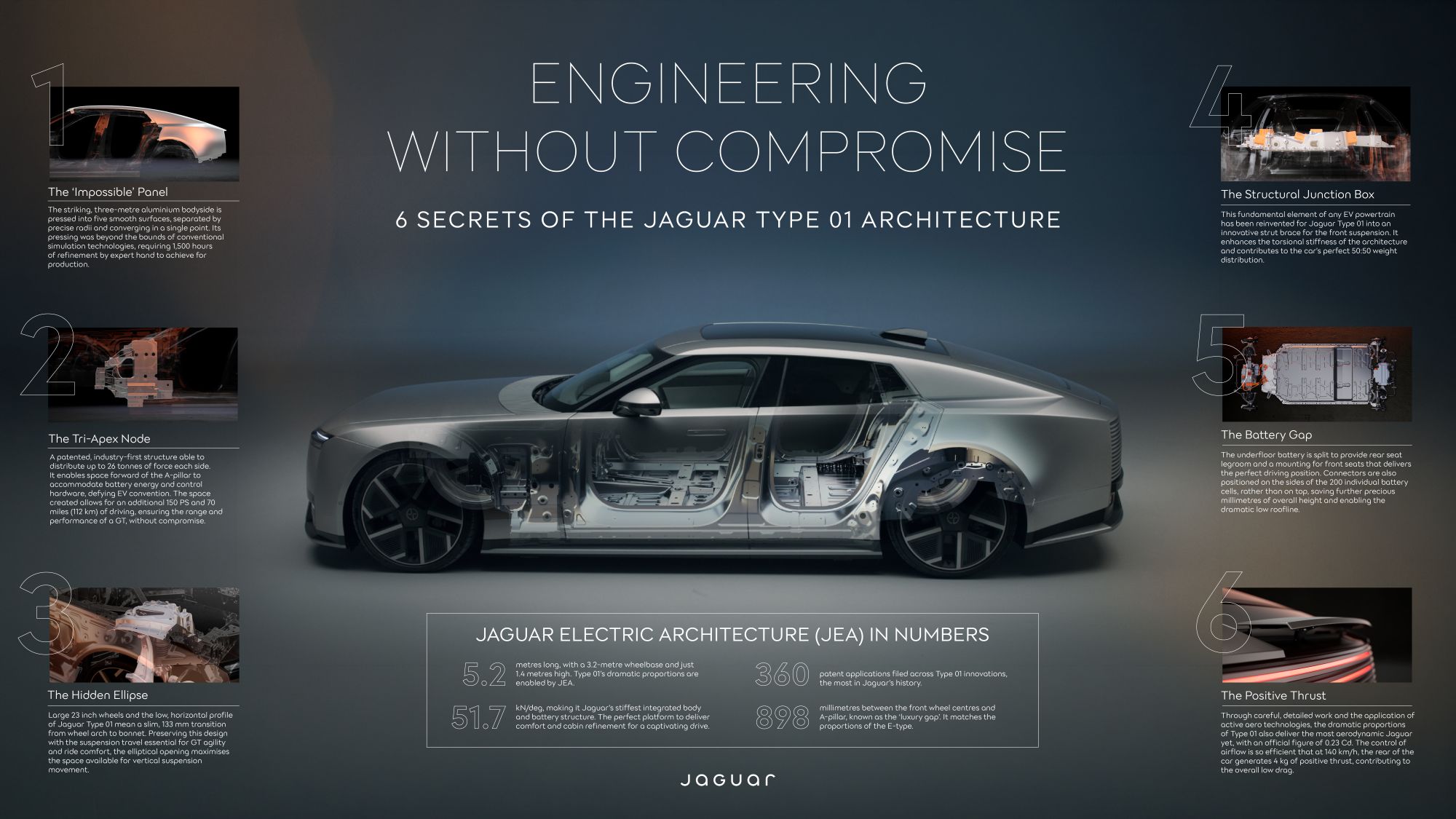
- Some key findings from QNX’s Under the Hood Report.
-

- Software platform reuse findings from QNX’s Under the Hood Report.
-

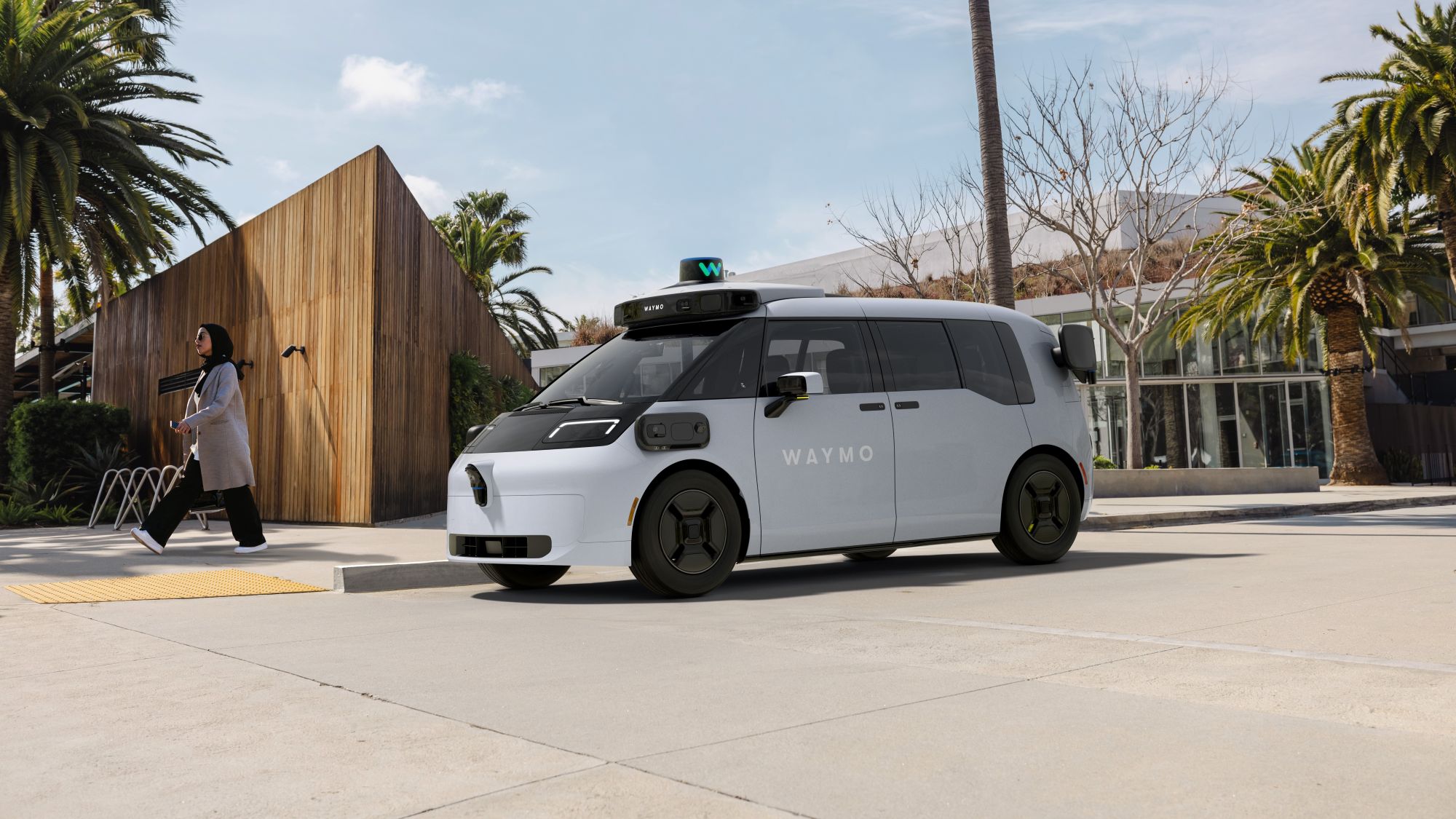
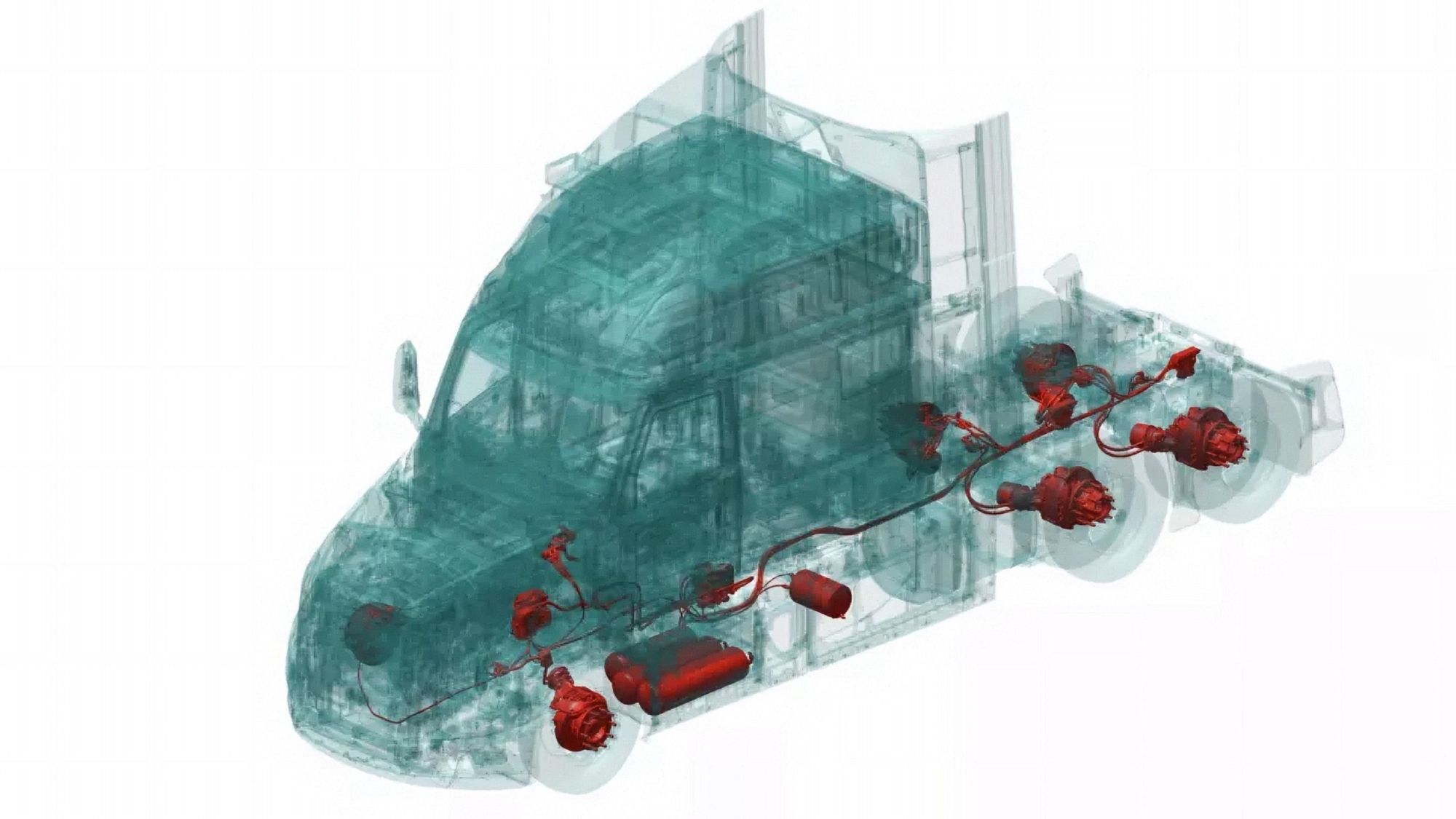
- Evolving regulation findings from QNX’s Under the Hood Report.