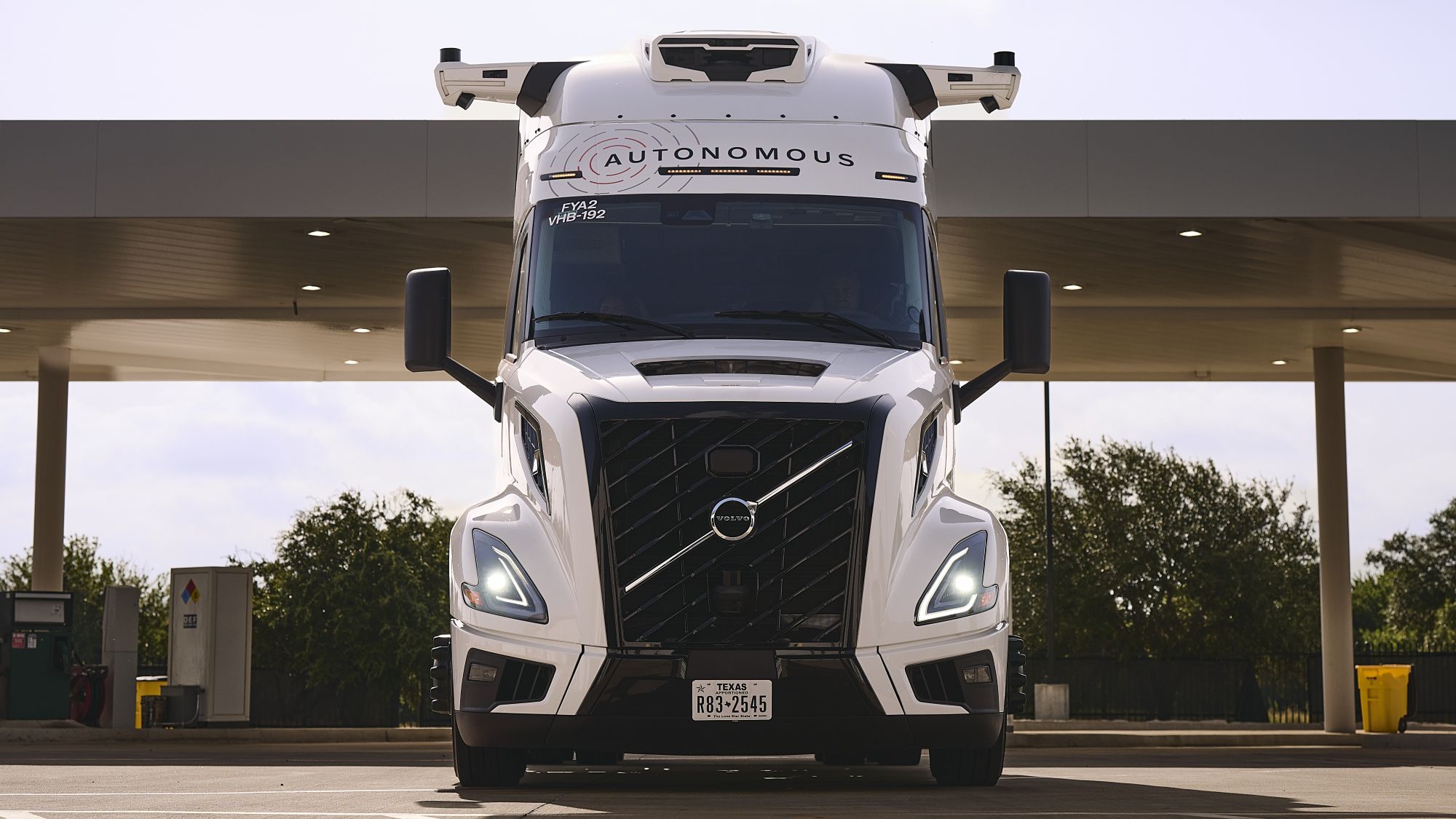
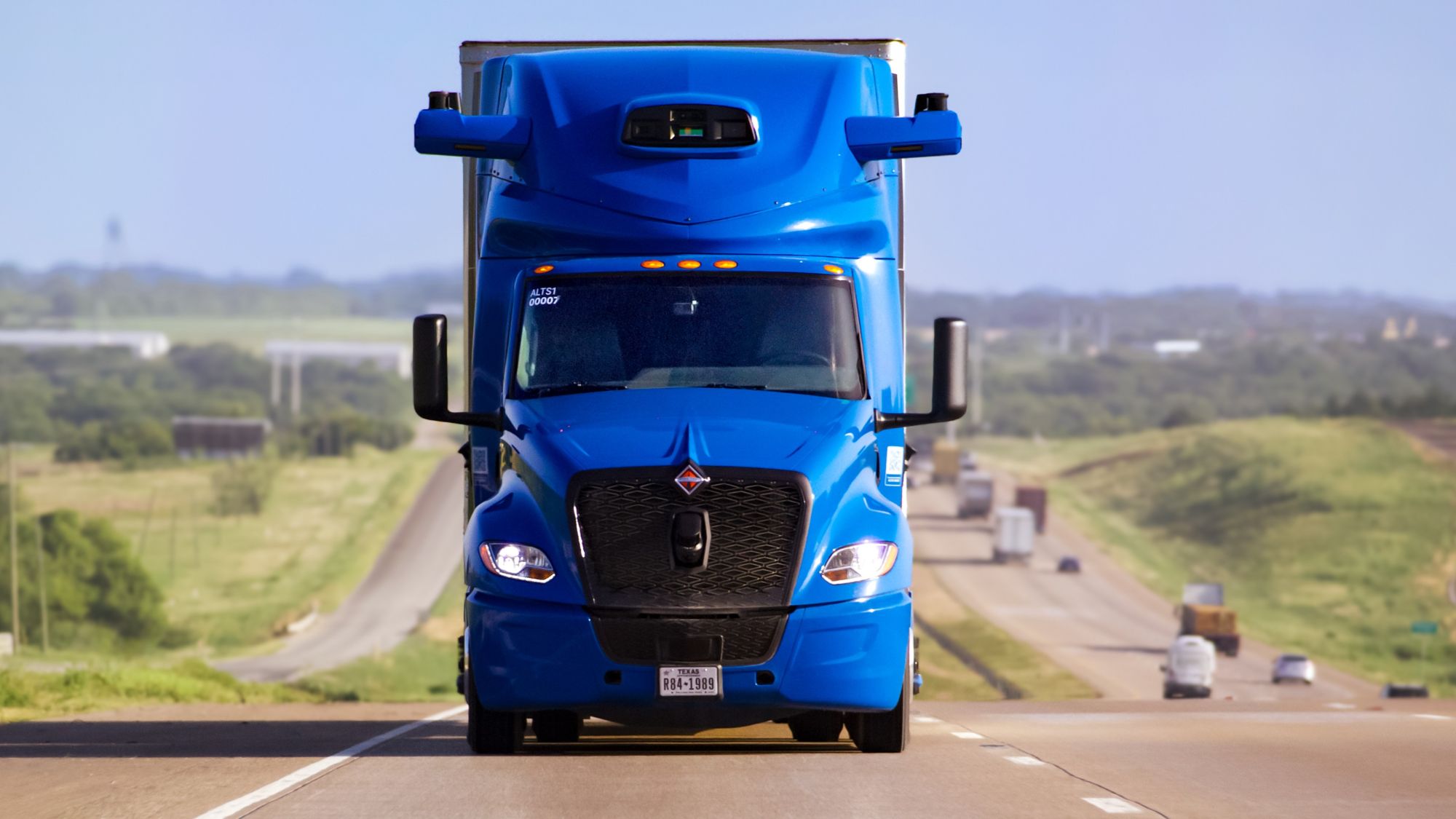
Aurora Innovation, Inc. earlier this week launched its second-generation driverless trucks, with the company hosting a livestream debut. The self-driving freight technology company plans to deploy a new fleet across its commercial network, which currently spans 10 driverless routes throughout the U.S. Sun Belt, to serve additional customers.
“Last year’s driverless launch proved our technology could operate safely on public roads,” said Chris Urmson, CEO and Co-founder of Aurora. “Our new platform now provides the foundation to deliver at scale. Deploying our second-generation truck allows us to put hundreds of autonomous trucks on the road and ultimately into the hands of more customers.”
Aurora made history last year when it became the first company to deploy Class 8 trucks powered by a self-driving system on public roads (see Futurride’s coverage here). As of the end of June, its driver has completed nearly 440,000 driverless miles.
The company’s route expansion is also driving significant commercial momentum, underscored by a significant expansion announced in April of its strategic partnership with Hirschbach Motor Lines, including a plan for the carrier to own 500 Aurora Driver-powered trucks.
While commercial terms and timing are to be set in binding agreements expected to close later this year, the final deal is expected to enable the carrier to aggressively scale its national network with 500 million driverless miles and establish a multi-year revenue stream for Aurora valued in the hundreds of millions of dollars.
The new fleet, initially based on the International LT Series truck, is powered by Aurora’s next-generation hardware that is more powerful and built to last one million miles—a key factor for deploying at scale.
Roush is installing redundant systems and integrating Aurora’s next-generation hardware into the new trucks at a production facility dedicated to Aurora. The companies have also formalized an upfit process, positioning Roush to reach an annual production run-rate of 1000 Aurora trucks later this year, with 200 expected by the end of the year.
Key benefits, with a focus on safety
During the livestream, Urmson said a truck with the Aurora Driver 2 represents the future of transportation. It addresses a trucking industry that is reaching its limits, with challenges of just-in-time supply chains, overnight shipping, rising operating costs, and high driver turnover, in an environment where mistakes can cost lives.
“It’s a giant leap forward with our next generation of hardware and software, and an entirely new vehicle platform,” he said. “It can drive a thousand miles without anyone behind the wheel.”
A thousand-mile haul, like the one from Fort Worth to Phoenix, traditionally requires a mandatory ten-hour stop so the driver can rest and be alert behind the wheel. This adds necessary idle time to those trips.
“The Aurora Driver doesn’t need to rest; it’s never tired,” said Urmson. “That makes delivery times on this route up to 40% faster than a solo driver, matching or even beating the performance of premium expedited teams.”
Beyond speed, he says the Aurora Driver 2 can drive increased revenue and lower costs.
“Operating more hours every day means you can drive double the revenue per truck without the challenges associated with team driver configurations,” said Urmson. “When you combine that increased productivity with improved fuel economy and lower insurance costs, you get a meaningfully better bottom line.”
In addition, Aurora Driver 2 is enabling Aurora and customers to unlock new routes more quickly, enabling a broad expansion across the Sun Belt this year.
However, the company is keen to do this while maintaining its focus on safety. Development of its driver is all about eliminating human error, which is a factor in most motor vehicle crashes.
“Human behaviors like fatigue, speeding, distraction, and other forms of impairment are ten times more likely to result in a crash than other things like bad weather or mechanical issues,” said Nat Beuse, Chief Safety Officer at Aurora. “The Aurora Driver removes human error from the equation.”
Before the company puts any code on the road, engineers have to close the safety case, which includes rigorous validation and millions of passing tests.
“We go the extra mile by maintaining a high level of transparency with our customers, regulators, and the public,” he added.
Safety tools are built into the company’s hardware kit, giving the Aurora Driver superhuman advantages in things like sensing and reaction times. At highway speeds, sensing is a distinct safety advantage, believes Beuse.
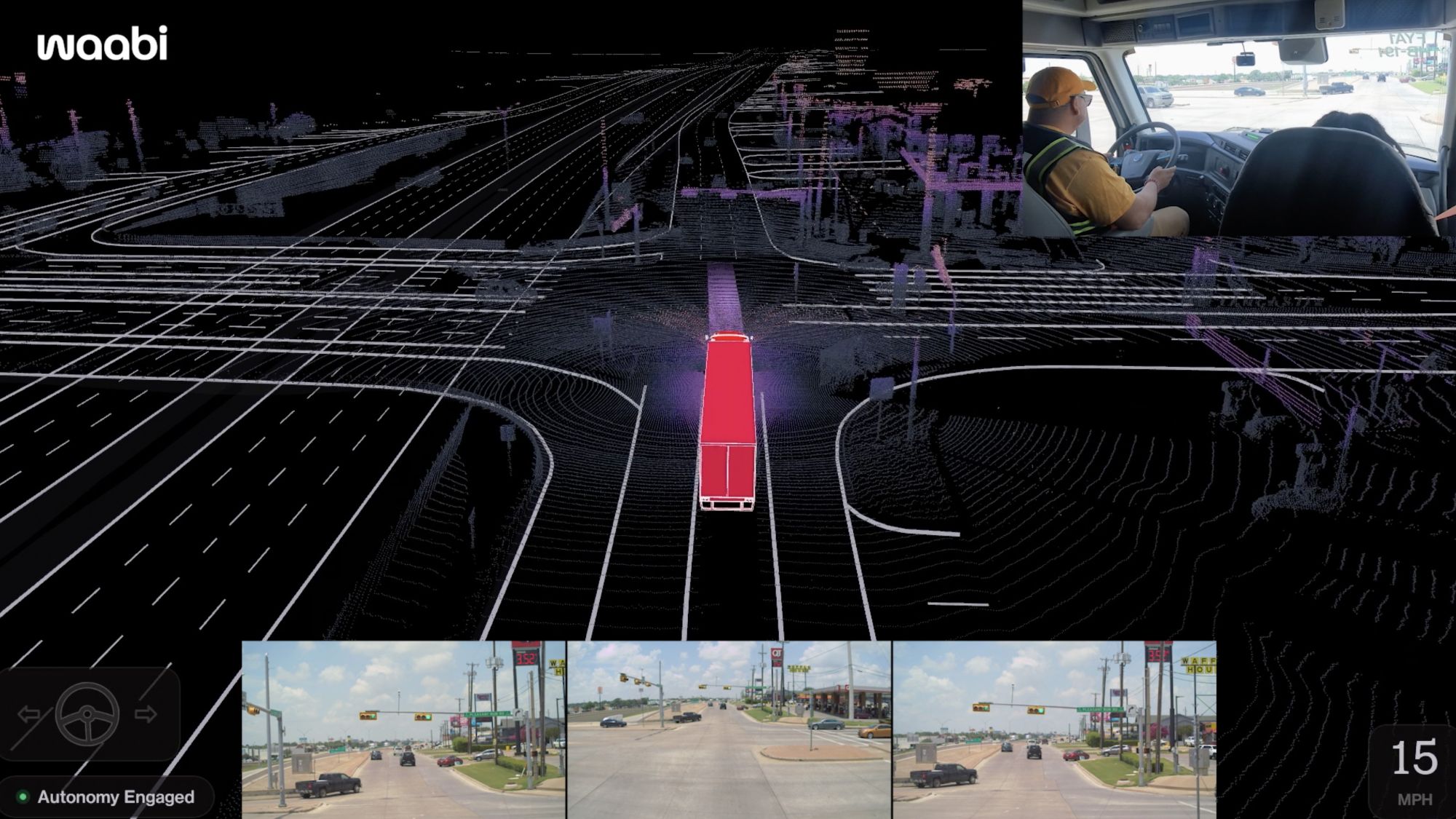
“For years, we’ve led the industry with our Firstlight lidar technology,” he said. “Now we’ve extended that lead even further. We’ve given the truck the ability to see over half a mile away, both in blinding glare and on the darkest of nights. This allows a truck to make a decision well before any human could.”
Seeing further in tough conditions adds more buffer time to react to hazards on the road.
“When traveling at highway speeds, this half-mile detection range gives these trucks a 34 s advantage to react,” concluded Beuse. “In situations where safety is on the line, every extra second counts.”
Upgraded hardware for multiple vehicle platforms
To scale autonomy, software and hardware need to work together, according to Rich Driscoll, VP of Hardware Engineering at Aurora, so along with more powerful software comes a more advanced hardware kit.
“We’ve ruggedized every aspect of our second-generation hardware to keep it performant under a full range of road conditions,” he said. “That includes vibration, abrasive dust, rain, and extreme temperatures—sometimes all at once. The hardware has to work in all of these conditions reliably and at scale.”
This autonomous hardware system is the first designed and validated for the rigors of a million-mile commercial lifecycle, said Driscoll.
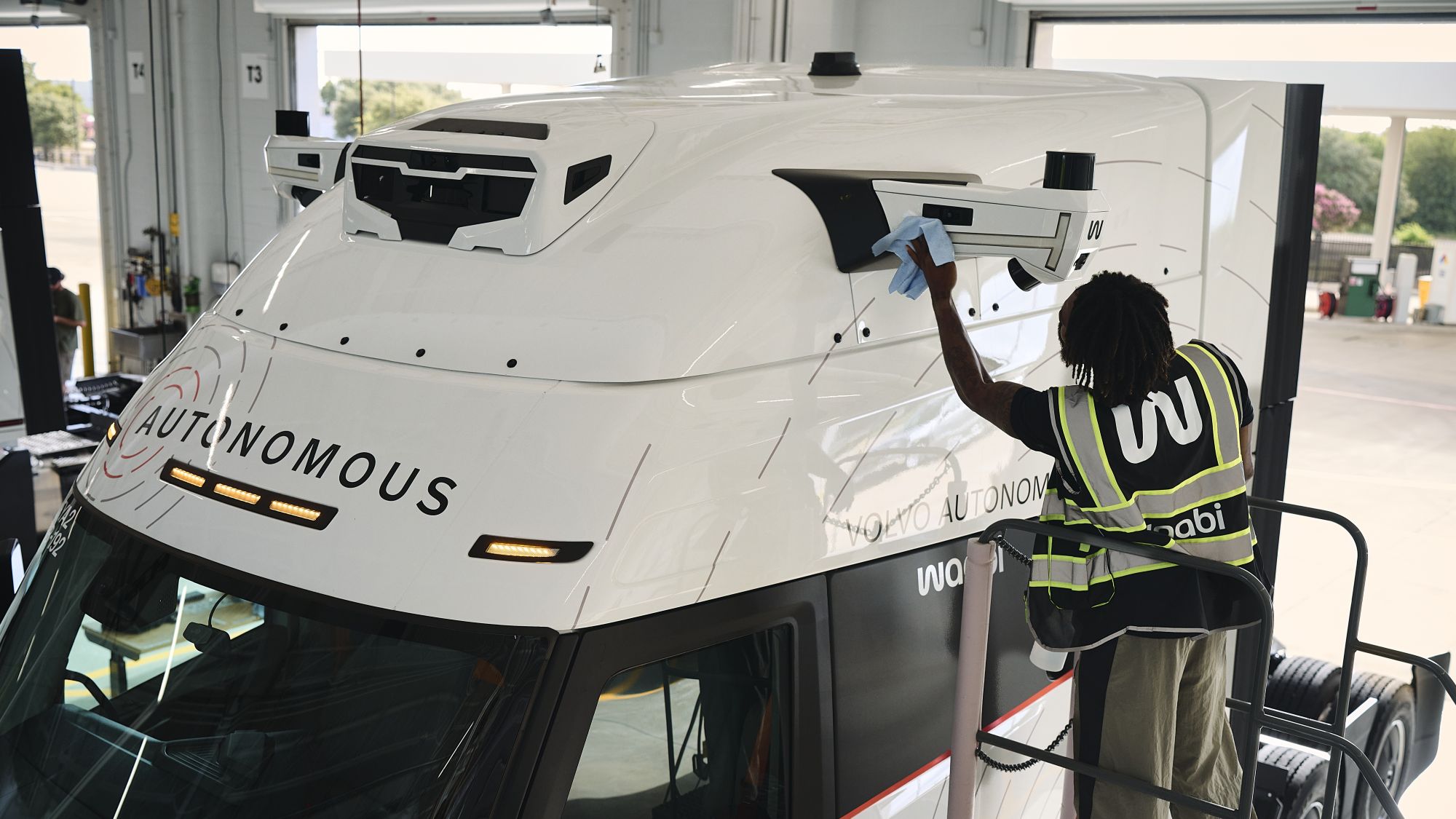
All the components of the Aurora Driver 2 hardware meet automotive ISO 16750-3 standards. That includes the sensors, the computer, harnesses, and even the aerodynamic fairings. The kit features an updated, built-in cleaning system, which keeps sensors clear of road film, rain, and other buildup that could affect performance.
The sensors are connected to a new computer that’s not only fully redundant but also efficient and durable.
“It’s powered by chips from our long-standing partner Nvidia, and it’s powerful enough to process millions of data points to make safety-critical decisions in milliseconds,” said Driscoll.
The increased power is housed in a chassis that’s 40% smaller than the previous generation, reducing costs and easing integration.
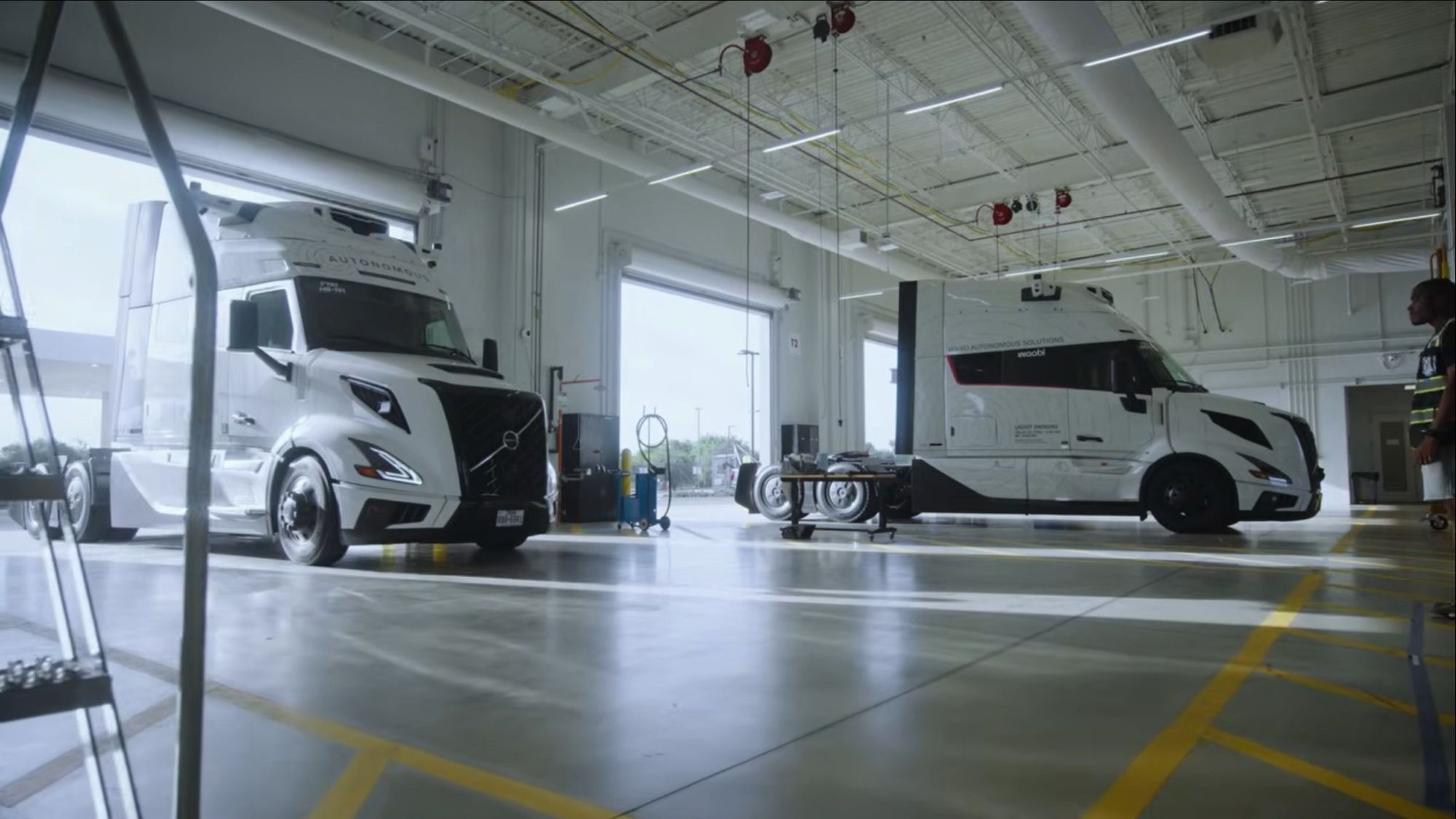
While the first vehicle to go driverless on Aurora’s next-gen hardware is the International LT, the Aurora Driver 2 is adaptable to meet the needs and preferences of all customers.
“The base vehicle is proven in fleets across the country, and we’ve added our robust hardware to enable operation without the need for anyone behind the wheel,” said Kenny Quinn, VP of Vehicle Product Development at Aurora. “This is a turnkey system for you to add autonomous capacity to your fleet.”
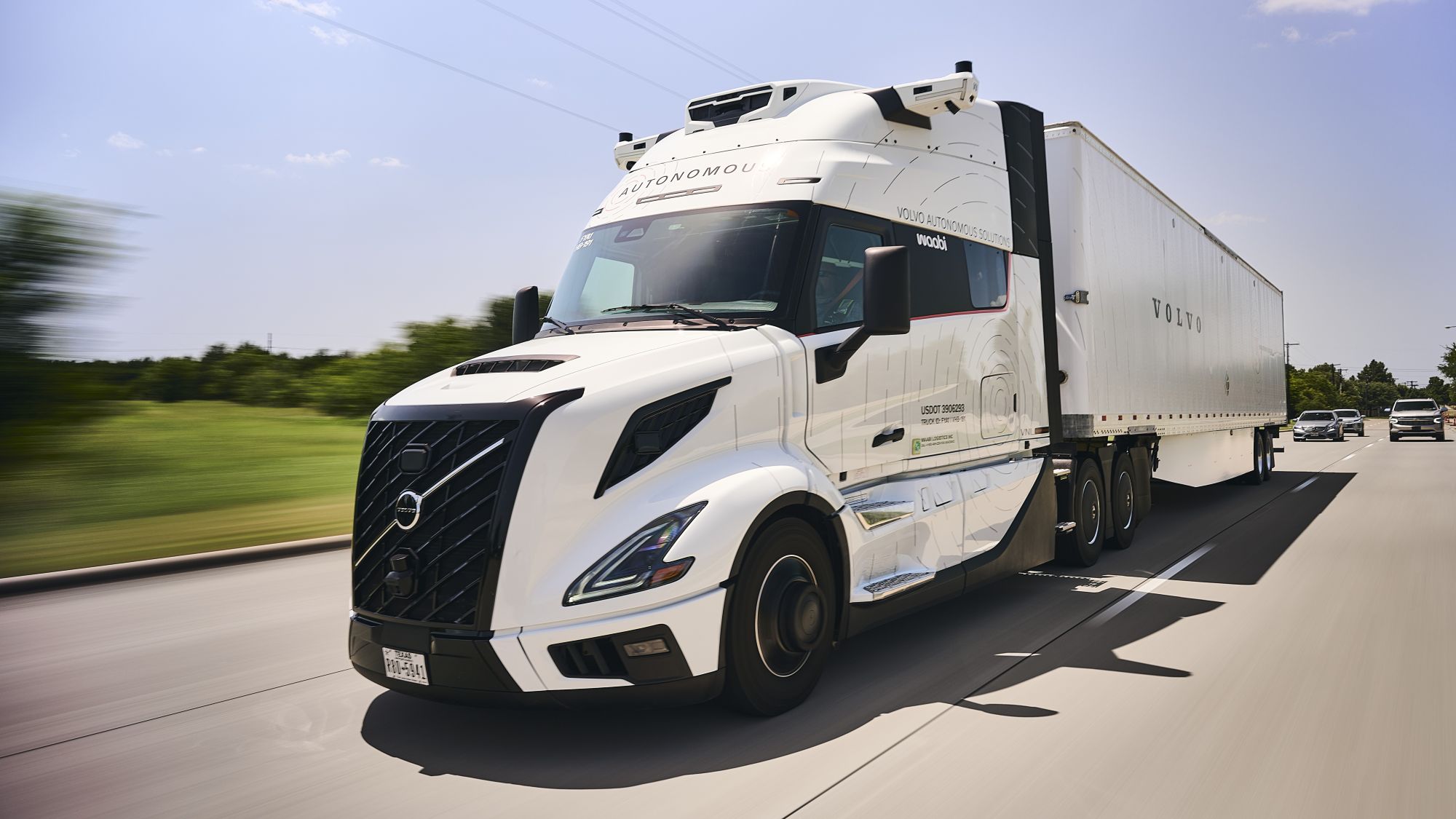
The Aurora Driver 2 is also available on Volvo Trucks‘ VNL Autonomous.
“Our next-gen hardware is being integrated line side at Volvo’s New River Valley plant and is on the road today serving customers through our partnership with Volvo Autonomous Solutions,” he added.
Ease of implementation and use
To overcome challenges in autonomous adoption, Aurora execs know that driverless truck technology has to be easy to use. It has to support the freight currently being hauled and fit within the busy rhythm of fleet terminals.
“Otherwise, it’s just a shiny piece of tech searching for a purpose,” said Ossa Fisher, President of Aurora. “That’s why we’ve built Aurora Driver 2 to move seamlessly between your facilities. We’ve designed everything to integrate into your workflows, not disrupt them.”
That includes supporting trailer types like dry van, intermodal, reefers, and roughnecks.
As the company’s commercial customers transition to owning and operating Aurora Driver-equipped trucks, they are already beginning to see the value of autonomy.
“As we’re expanding our routes, they’re expanding alongside of us, growing in mileage, truck count, and commercial operations,” she said.
To ease the transition to autonomy, the Aurora Driver 2 comes with a suite of tools designed to integrate with business, enabling planning and dispatch teams to manage a constantly changing network of trucks and variables. The company’s app is designed to fit into existing workflows, allowing users to fully leverage the Aurora Driver in their fleets.
“We built the Aurora app so your teams can harness the information our trucks provide to optimize your operations,” concluded Urmson. “The Aurora mobile app is built specifically for onsite staff to manage autonomous yard operations and to keep trucks operating and on the road. Through this app, you can launch and land the trucks, ensure the health of the Aurora Driver, schedule service, and get technical support—all seamlessly.”
The app gives access to detailed operating information, including fleet overviews, routing and destination information, mileage, condition, and operating states. It is designed to work alongside the systems used by fleets and integrates with them through APIs.
-

- Aurora second-generation driverless truck front.

-

- Aurora second-generation driverless truck front.

-

- Aurora Driver 2 view of the road.
-

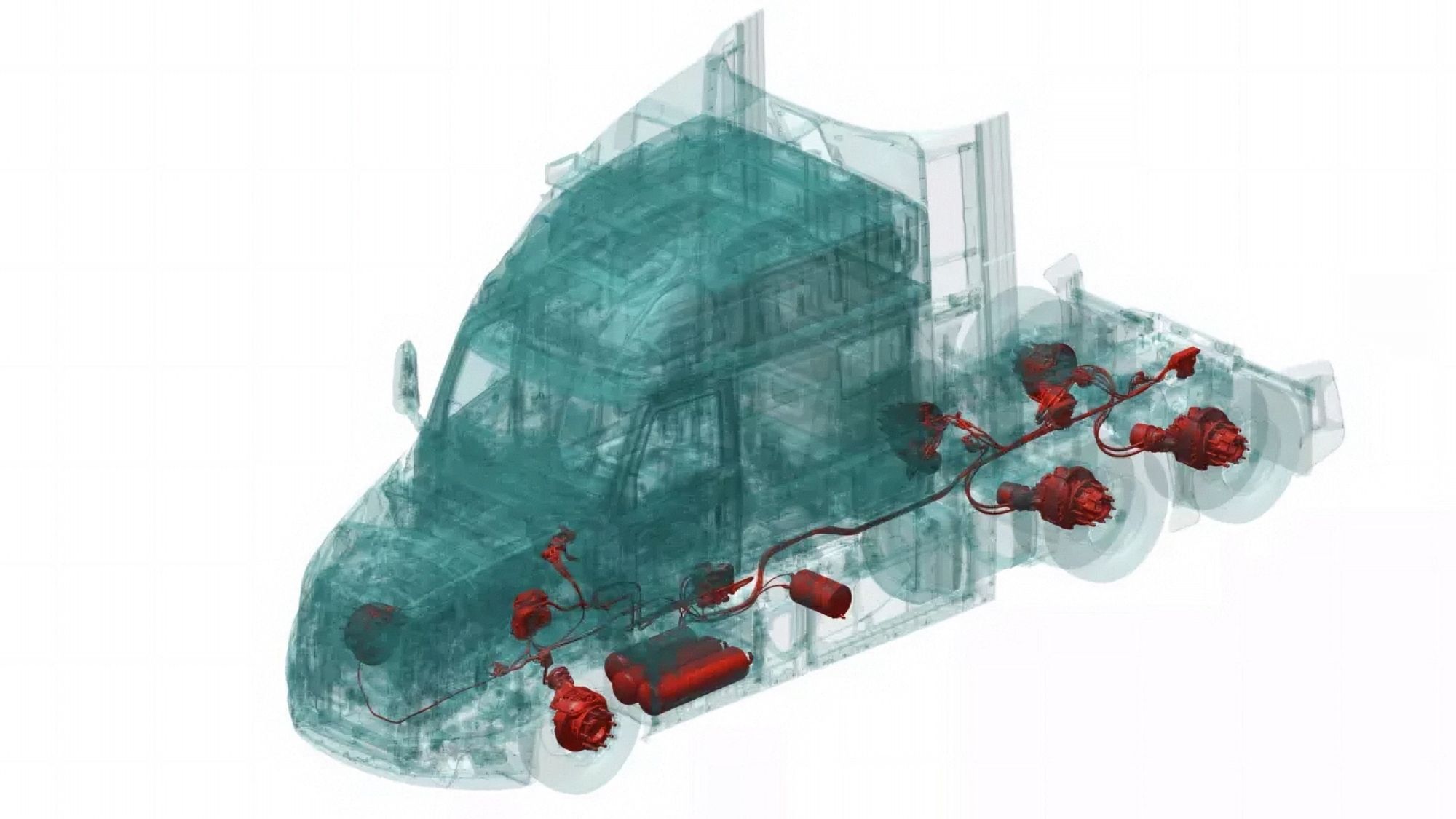
- Aurora Driver 2 autonomous hardware system.

-

- Aurora Driver 2 hardware kit grille module.
-

- Aurora Driver 2 hardware kit top module.
-

- Aurora Driver 2 hardware kit side module.