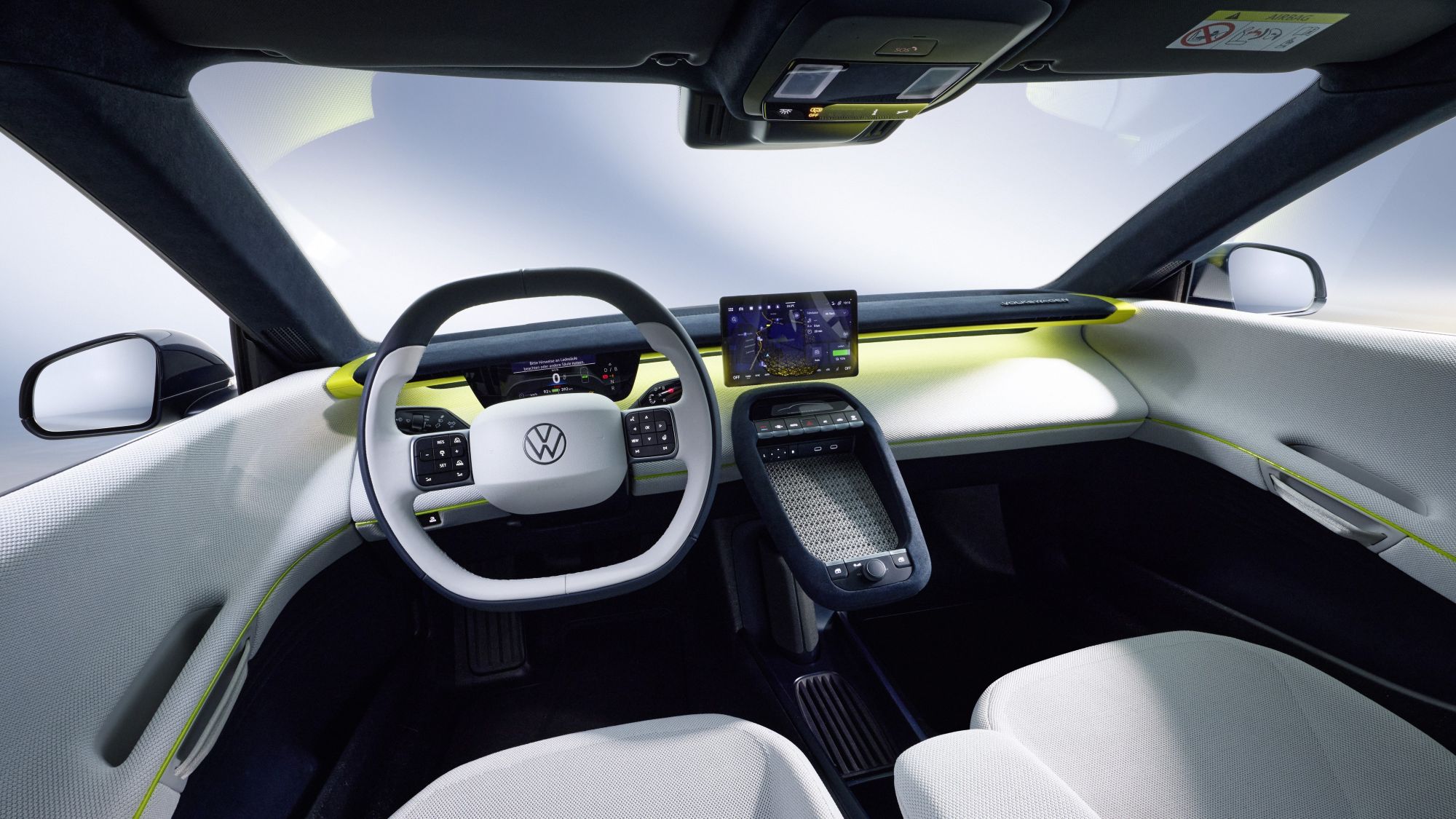
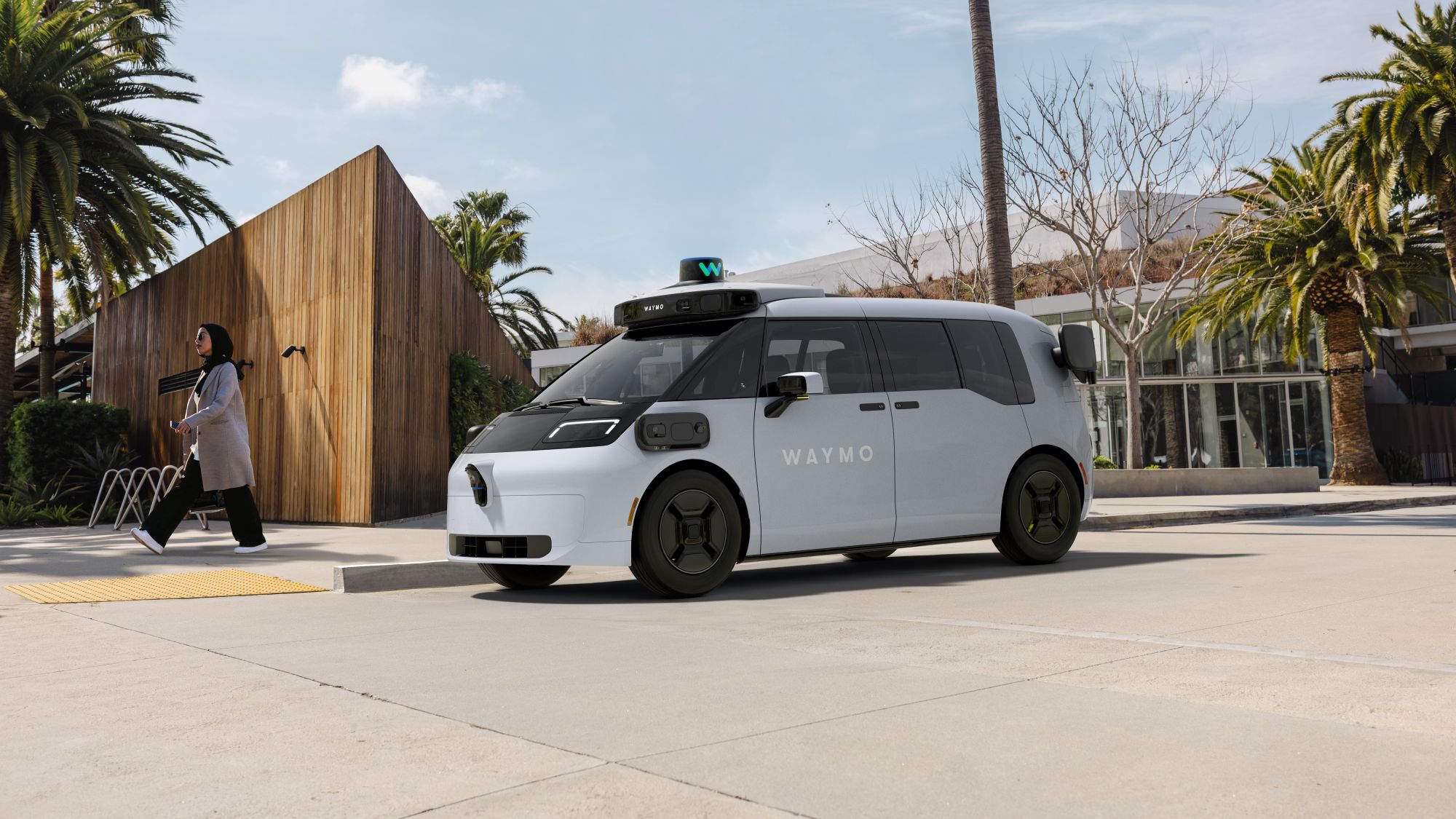
Mobileye today announced plans to expand beyond its traditional role as an autonomous driving technology supplier and grow into full ownership of an autonomous ride-hailing business. The new initiative, set to launch in an unnamed U.S. city in 2027, marks a major step for the company, as it combines its autonomous driving capabilities with fleet operations, rider services, and mobility management into a single, vertically integrated offering.
The company said its new venture will complement its existing business model as a supplier of autonomous-driving technology to automakers and mobility providers worldwide, creating a new operating business while continuing to support customers, despite the fact that its new venture will establish Mobileye as a competitor to those customers.
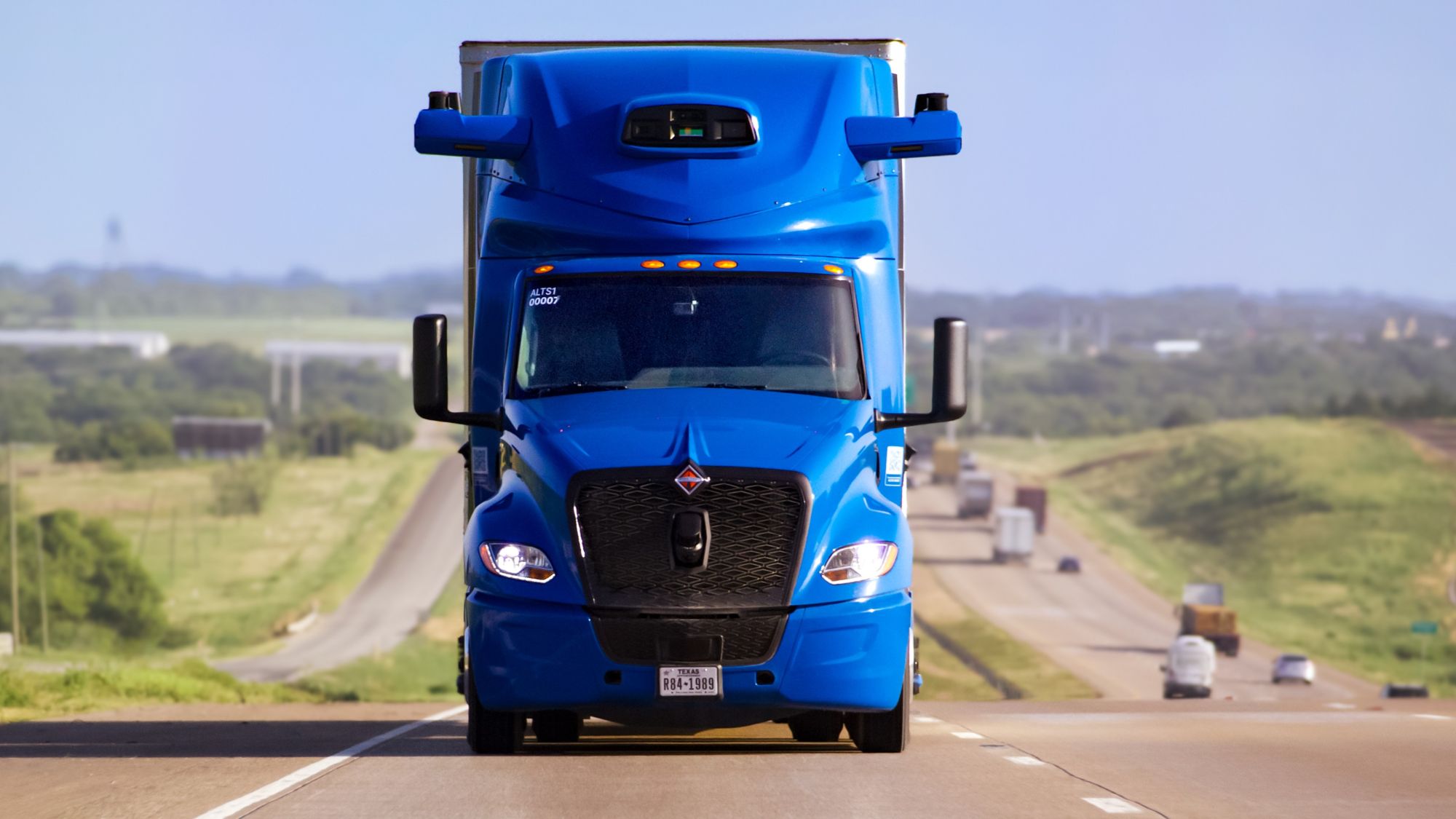
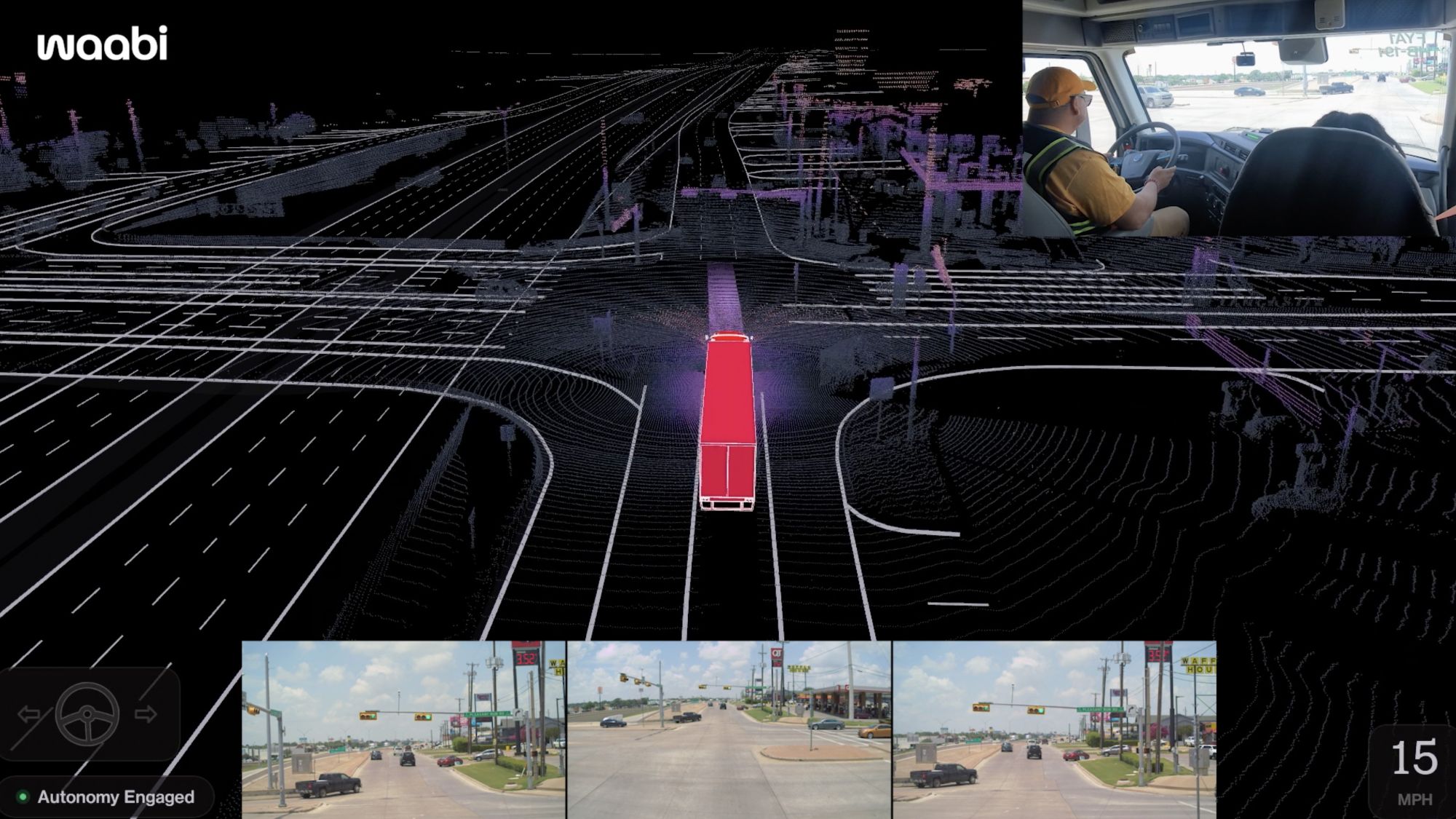
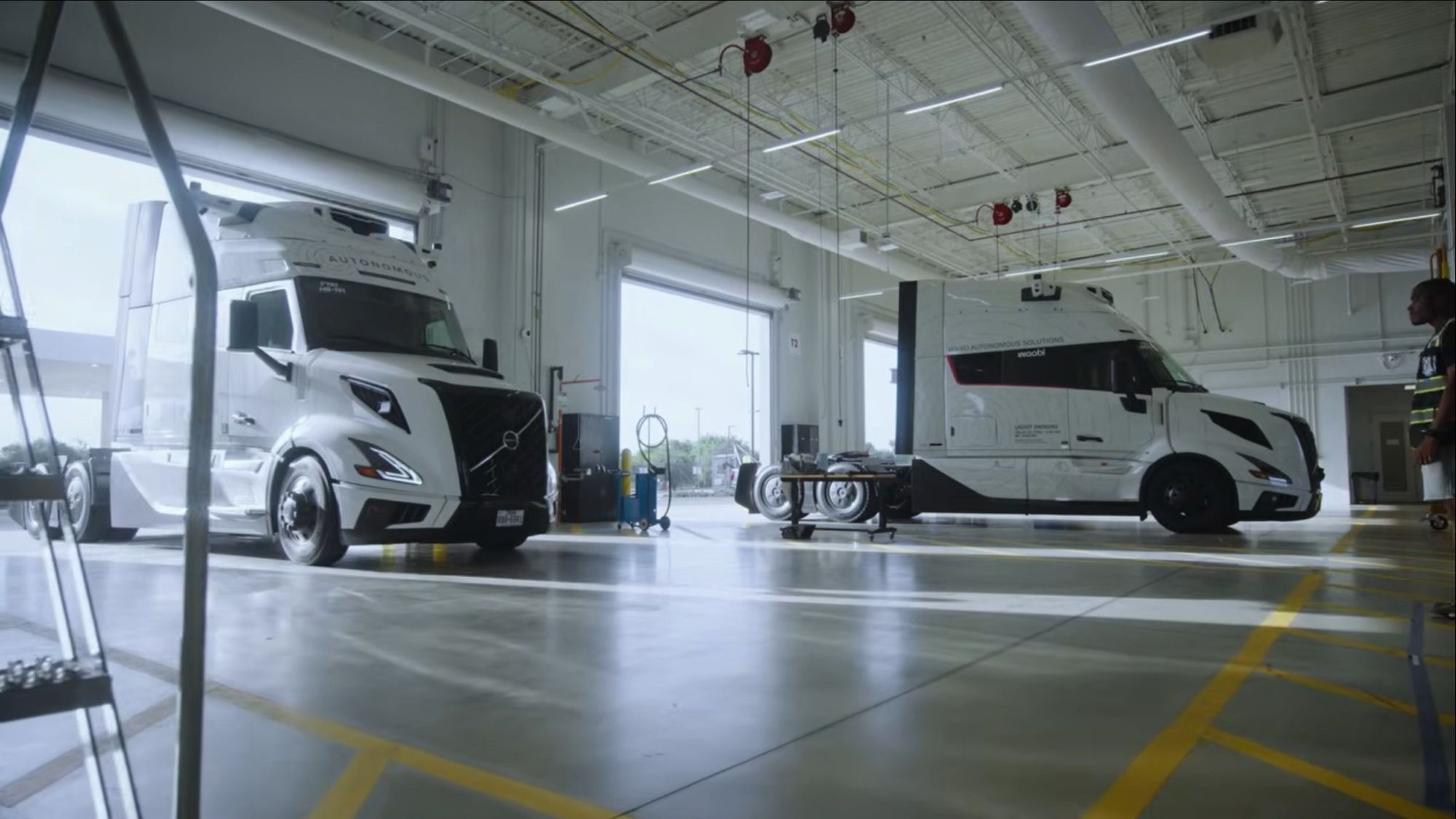
The company currently offers its standalone self-driving system, Mobileye Drive, to automakers and transportation operators. Under the new planned initiative, it will combine Mobileye Drive with its Moovit subsidiary’s mobility platform and consumer-facing applications, multi-modal trip planning, AV mission control, fleet-management technologies, and integration with teleoperation infrastructure.
Mobileye said its plan to prepare an initial fleet of about 100 vehicles in a major metropolitan U.S. market beginning in 2027 will be phased throughout the year and is intended to validate the operational model under fully driverless conditions. After successful operation of the initial fleet, the company plans to increase the size of the fleet to approximately 17,000 vehicles over the following five years.
“The robotaxi revolution has only just begun, and its potential for transforming how we travel around the world continues to increase,” said Prof. Amnon Shashua, Founder and CEO of Mobileye. “As interest in autonomous mobility accelerates, the industry has become increasingly dependent on a small number of technology providers and business models. We believe there is an opportunity for a new approach—one built on deep autonomous-driving expertise, strong industry partnerships, and proven capabilities across the mobility ecosystem.”
The new initiative comes after the company has spent more than two decades building the technologies required for autonomous driving.
“Today we are taking the next step: combining those technologies with operational ownership to create a financially and geographically scalable robotaxi business designed from the ground up for global deployment,” he continued. “We look forward to sharing additional commercialization, technological, and operational details at a capital markets day planned to take place in the U.S. prior to 2026 year-end.”
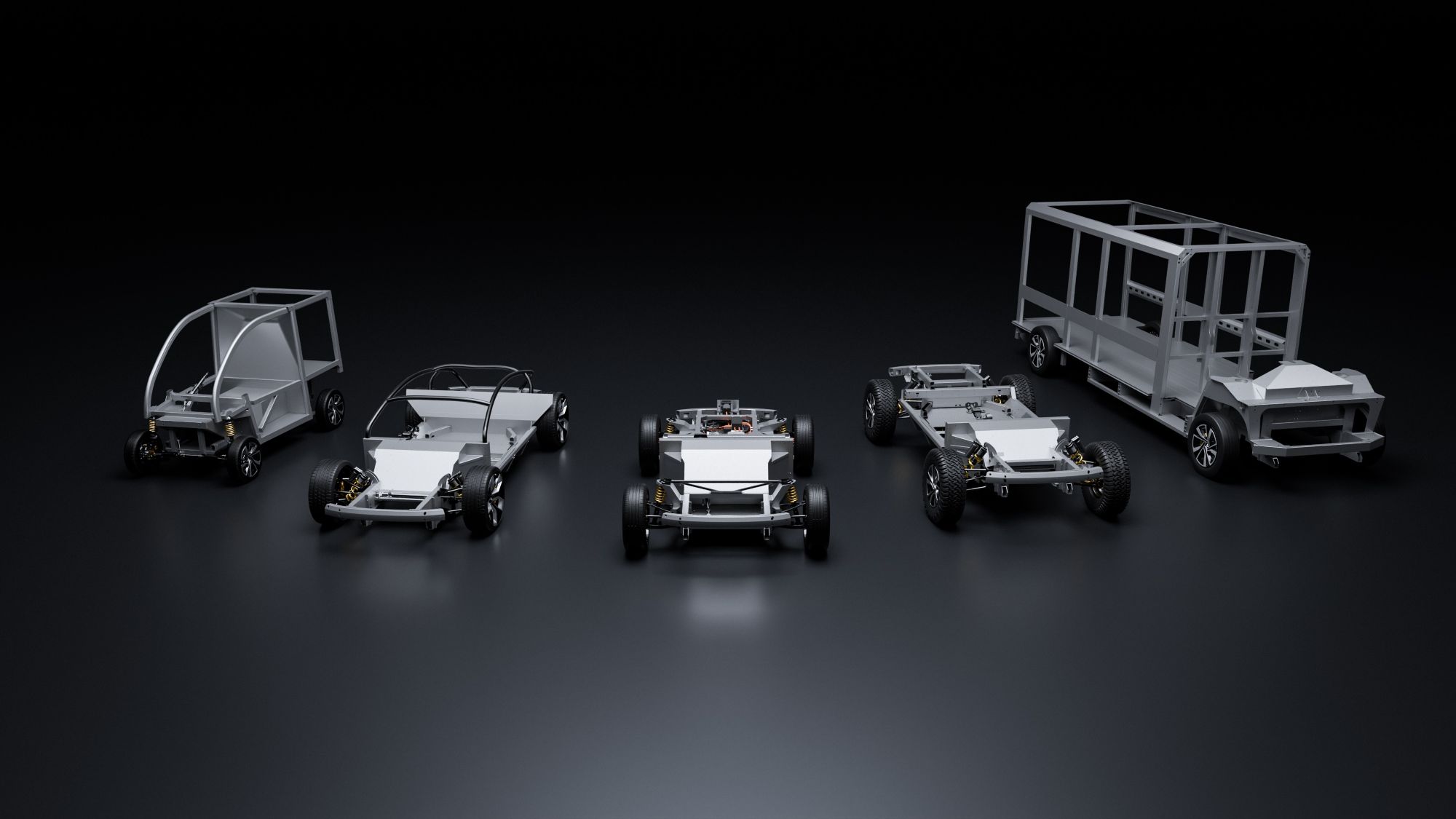
To complete the end-to-end AV platform, the company said it will work with autonomous vehicle (AV)-ready vehicle platform manufacturers, fleet operators, vehicle integration partners, and key technology suppliers. The resulting ecosystem will enable it to own and operate autonomous ride-hailing services under a unified business division.
“This initiative is not a replacement for our existing partnerships; it is an extension of them,” said Shashua. “We remain deeply committed to enabling automakers and mobility providers with Mobileye Drive. At the same time, operating our own service allows us to accelerate adoption, gain direct operational experience, and showcase the full potential of autonomous mobility.”
The initiative also extends Moovit’s strategy of helping riders discover, plan, and use transportation services more easily in complex urban environments. The subsidiary’s mobility platform serves more than 1.7 billion users across more than 3500 cities in 112 countries and 45 languages. Its expertise in consumer mobility, multimodal trip planning, rider engagement, and fleet operations provides a critical foundation for scaling autonomous mobility services globally.
Based in Jerusalem, Mobileye was founded in 1999 by Shashua when he evolved his academic research into a monocular vision system to detect vehicles using only a camera and software algorithms on a processor. At that time, the category of ADAS (advanced driver assistance systems) was in its infancy. According to the company, the industry believed that expensive radar sensors were necessary to perform autonomous functions, or at least two cameras (stereo vision) that use traditional triangulation methods to calculate range and velocity.
Based on his academic research, he proved that critical safety functions such as automatic emergency braking (AEB) and all perception tasks could be achieved using a single camera (mono vision). The ability to combine those algorithms with a Mobileye EyeQ system-on-chip (SoC) mounted on a windshield made ADAS relevant for the mass market. From that point on, Mobileye established itself as a major ADAS player, including in the 2010s when it started providing Tesla with its ADAS technology.
Other company customers include Porsche, Polestar, and Volkswagen. Last year, it announced a planned robotaxi project with Lyft in Dallas.
According to Mobileye, more than 230 million vehicles worldwide have been produced with the company’s technology to date.
-

- Mobileye robotaxi render.
-

- Mobileye Drive sensor suite.