Waymo’s driverless cars are involved in fewer crashes than human drivers, a new study from the Insurance Institute for Highway Safety shows. Per vehicle mile traveled (VMT), the autonomous vehicle technology’s driverless vehicles deployed in San Francisco, Phoenix, Los Angeles, and Austin were involved in 68% fewer crashes than human drivers, IIHS researchers found.
“The results show that, on a limited scale, these driverless cars are safer than human drivers—who can be impaired or drowsy or suffer lapses in attention,” said David Harkey, IIHS President. “However, the present data collection system isn’t good enough to allow continuous monitoring of a large-scale expansion.”
Since 2014, California has required companies testing self-driving cars on public roads to report crash involvements that result in fatalities, injuries, or property damage of any amount. The U.S. National Highway Traffic Safety Administration (NHTSA) began requiring similar reporting in 2021 under an SGO (Standing General Order) on crash reporting for incidents involving automated driving systems.
While the SGO database was primarily intended to track defects and enforce recalls, it is the only national data collection tool for crashes involving self-driving vehicles. So, it is a key resource for safety research, but neither it nor the California database make it easy to compare the crash rates of Level 4 vehicles with those of human drivers.
While companies are required to report crashes, they are not obligated to report the miles they log or whether those miles involve a human driver. Waymo provides driverless VMT information voluntarily, but other companies do not, making it impossible to know how common it is for their vehicles to crash.
Even with the mileage data that Waymo provides, a direct comparison with the crash rates of humans is challenging without time-consuming operations to account for the differences between the reports required by the SGO and what humans report, the IIHS researchers found.
Human drivers are generally only required to report crashes that cause an injury or result in more than $1000 in property damage to the police, though the damage threshold varies by state. Many drivers also opt not to report crashes that meet the reporting threshold to avoid an increase in their insurance premiums or for other reasons. Around half of all crashes and a third of injury crashes go unreported.
Until an amendment to the SGO that took effect in 2025, self-driving vehicle companies were required to log minor incidents as crashes. Though the property-damage thresholds are now more closely aligned, companies are still more likely than regular people to report all qualifying crashes due to the business risks of failing to comply with the regulation. Moreover, driverless vehicles require expensive sensors that can be damaged by minor impacts, making their crashes more likely to exceed the damage threshold.
For a realistic comparison of crash rates, IIHS researchers had to clean up the data from crash reports submitted to NHTSA by Cruise, Waymo, Zoox, and others from 2021 to 2024. This process eliminated about a quarter of the reported crashes. The next step was to determine whether an incident was severe enough that a reasonable person would have reported it to the police.
The researchers made this determination based on the nature of the impact and property damage, the types of injuries that were reported, and other factors. They estimated that only 22% of the 736 public-road crashes in which the automation was engaged were likely police-reportable. That broke down to crashes involving 89 Waymo vehicles, 50 Cruise vehicles, 10 Zoox vehicles, and 10 from other companies.
Because travel-distance numbers were only available for Waymo, they used its crashes to calculate self-driving vehicle crash rates. Of Waymo’s 89 involvements, 64 were in driverless operation, and the others involved supervised use of the automation.
Waymo vehicles traveled about 50 million miles in driverless operation over the study period, compared with about 222 billion miles by human drivers over the same period and in the same locations. Overall, Waymo’s crash involvement rate was 68% lower than that of human drivers: 76% lower in Phoenix, 35% lower in San Francisco, 71% lower in Los Angeles, and 4% higher in Austin, where the sample size was relatively small. Waymo vehicles were involved in 85% fewer single-vehicle crashes and 81% fewer injury crashes per VMT than human drivers.
“Those are encouraging signs for the future of driverless vehicles,” said Eric Teoh, IIHS Director of Statistical Services, and lead author of the study. “Now we need to get the data collection system right, so that we can ensure that level of safety continues as these technologies become more prevalent.”
Getting a boost with a new vehicle and driver
Founded in 2009 as the Google self-driving car project, Waymo launched its driverless robotaxi service for the public in Phoenix in 2020, expanded to San Francisco in 2022 and Los Angeles in 2023, and began limited operation in Austin in 2024. Its vehicles are classified as Level 4 on the automation scale created by SAE International, which means the automation can do all the driving with no human supervision under certain conditions.
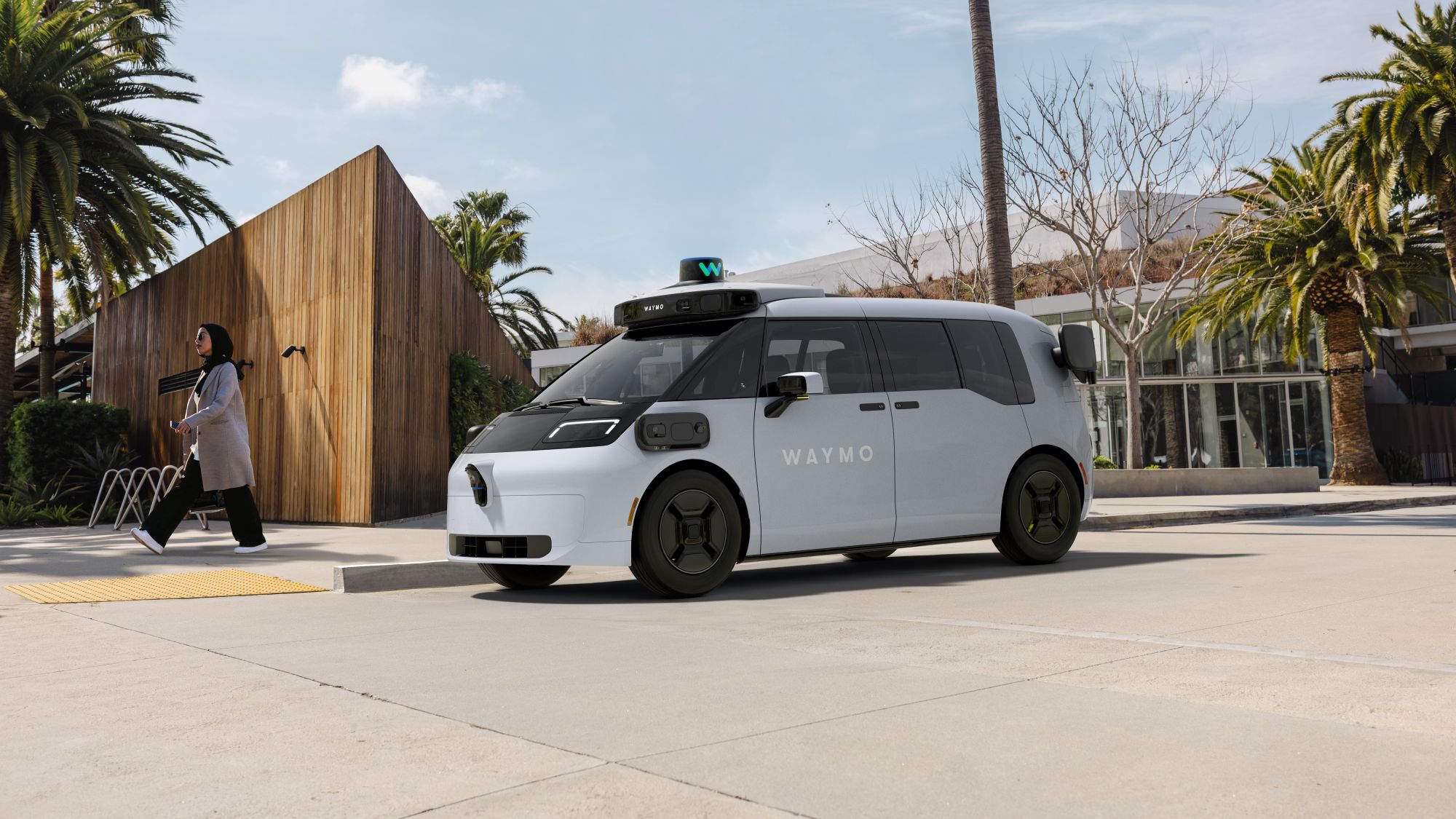
Waymo is now looking to build upon its safety credentials with a new vehicle and driver. In May, the company announced that first riders would soon get to experience the new car, called Ojai, after months of employees trying out the next-generation experience.
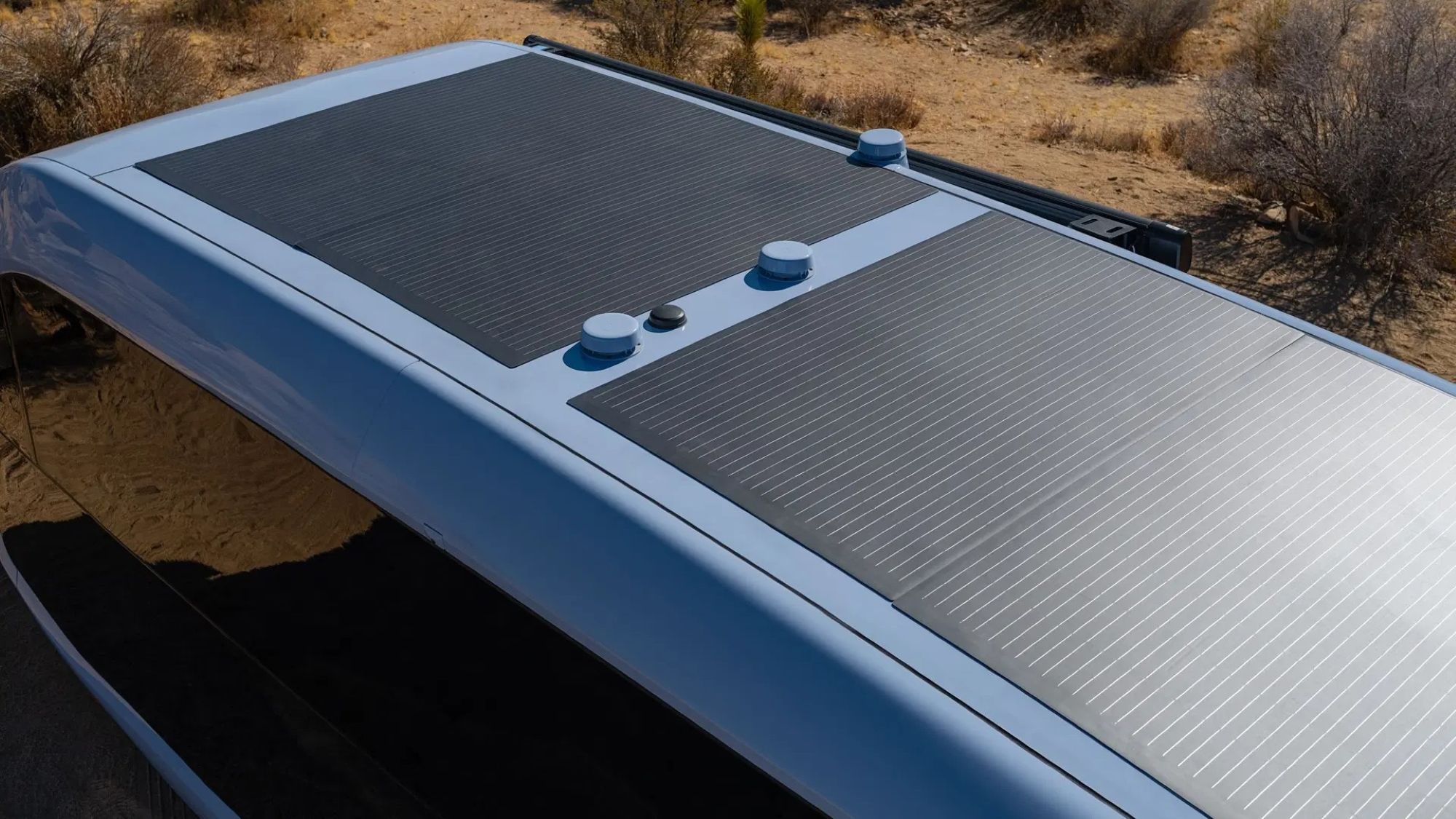
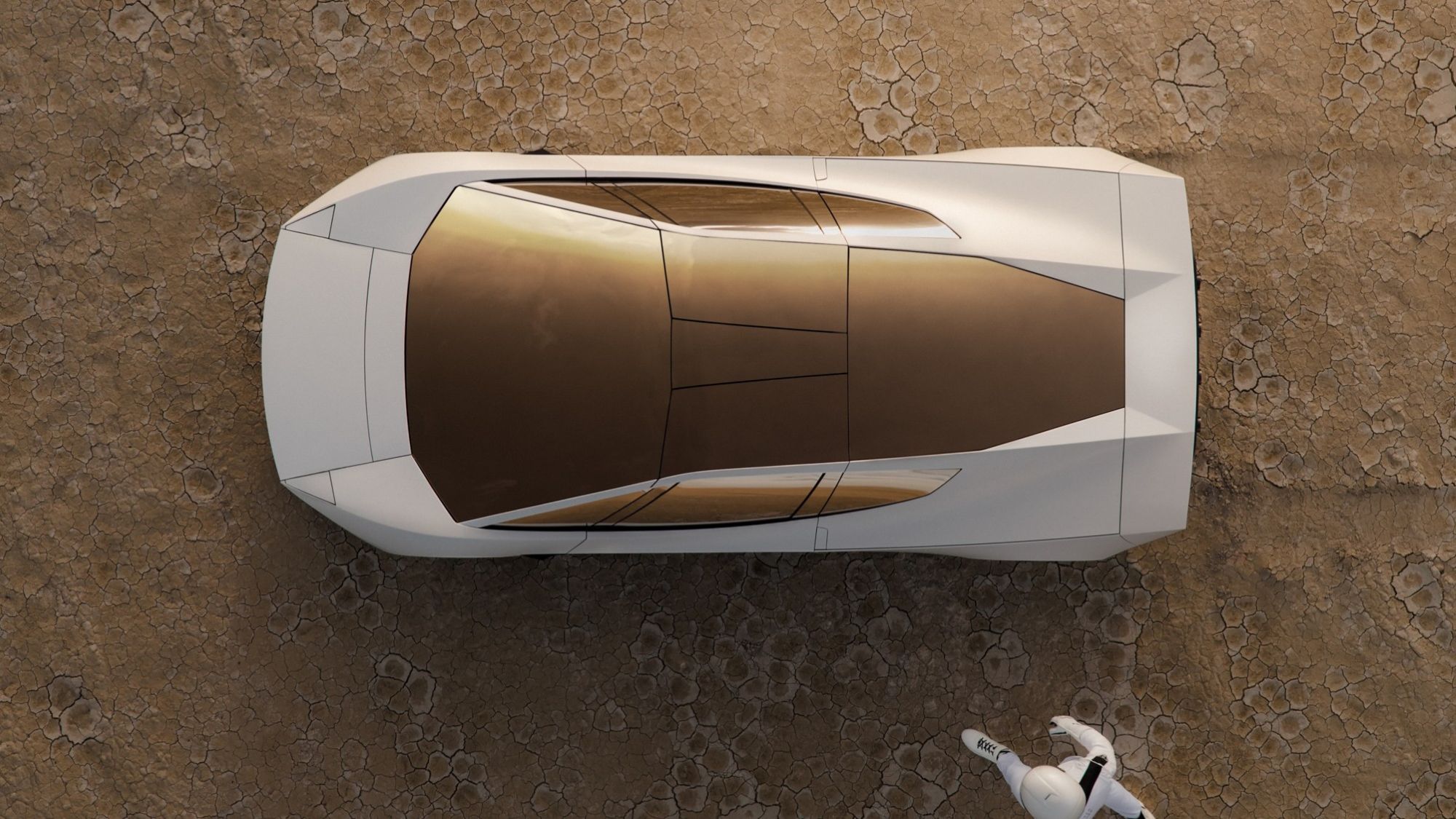
The Ojai Waymo, developed with Geely’s Zeekr electric vehicle brand, was designed for fully autonomous ride-hailing, with more intuitive interfaces for riders to streamlined charging solutions for fleets.
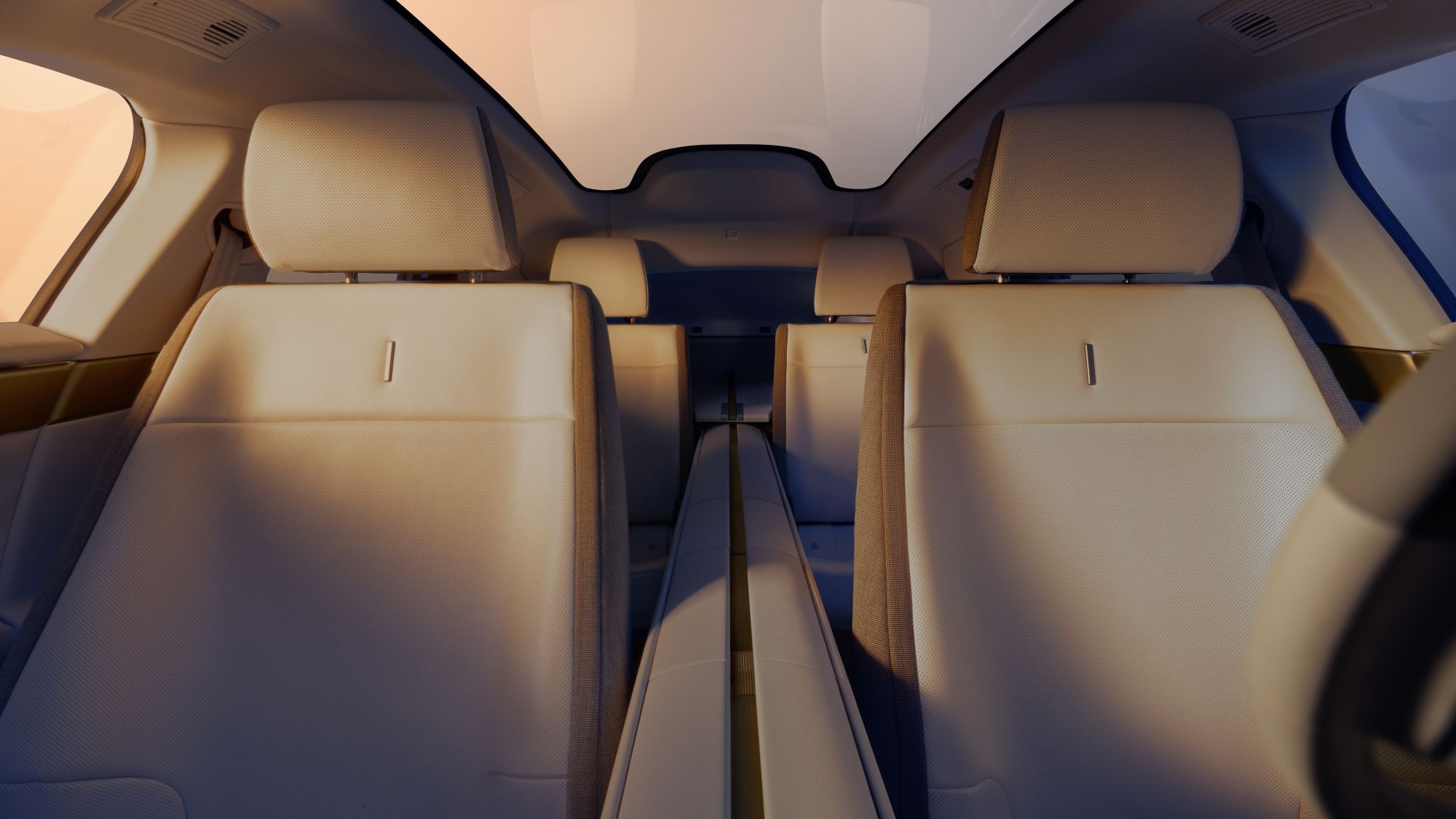
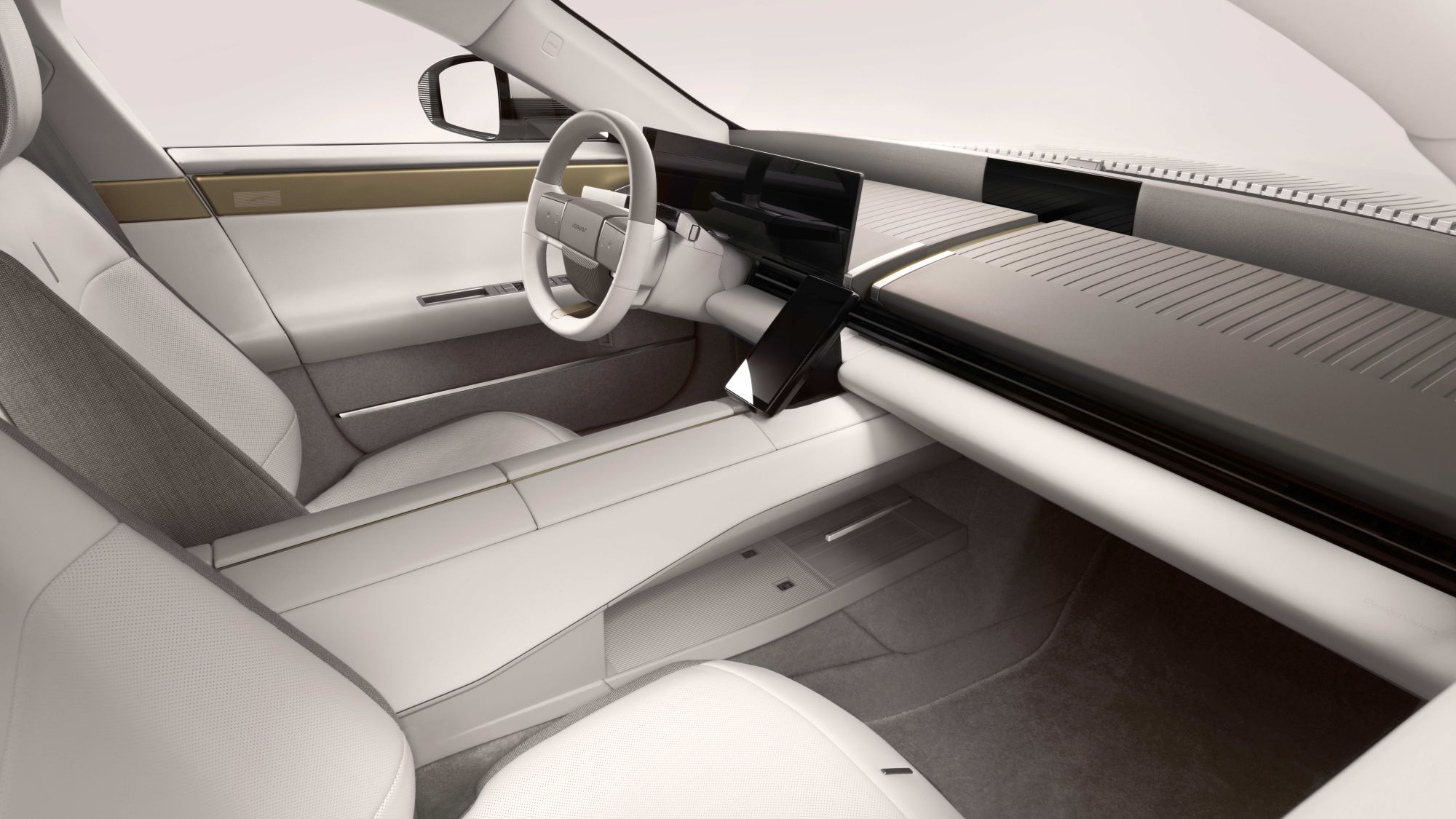
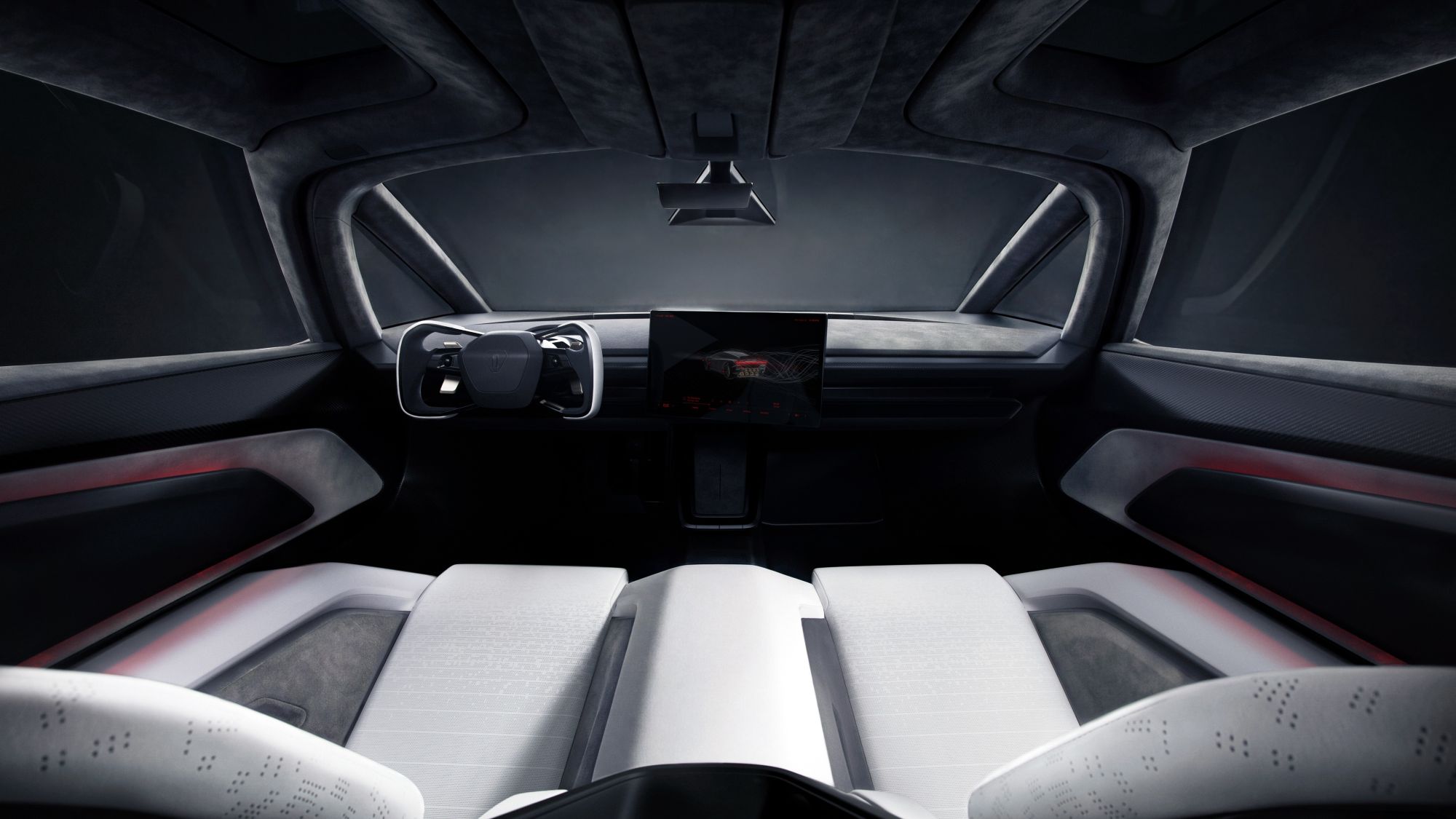
Riders get to experience elevator-like doors that open to a remarkably expansive interior, with a low step and flat floor making it easier to get in and out. Three large LED screens let riders customize their experience, from temperature to music, with the company promising to introduce more rider features to the experience over time.
Built on years of input from riders and collaboration with community partners, the Ojai integrates greater convenience and accessibility into the vehicle’s DNA. For instance, company developers prioritized features from embedded braille and screen-reader compatibility to a seat-integrated handle for extra support when entering or exiting.
The Ojai will be the first vehicle to debut the sixth-generation Waymo Driver, enabling the company to serve cities with more challenging climates, including snow, to increase operations.
“Waymo will begin fully autonomous operations with its sixth-generation Driver—an important step in bringing our technology to more riders in more cities,” wrote Satish Jeyachandran, Vice President of Engineering, in a February blog post. “This latest system serves as the primary engine for our next era of expansion, with a streamlined configuration that drives down costs while maintaining our uncompromising safety standards. Designed for long-term growth across multiple vehicle platforms, this system’s expanded capabilities allow us to safely broaden our footprint into more diverse environments, including those with extreme winter weather, at an even greater scale.”
The new Waymo Driver is the product of seven years of safety-proven service amassed from driving nearly 200 million fully autonomous miles, over 20 million fully autonomous trips across 11+ cities, and an expanding network of freeways.
“Our experience as the only company operating a fully autonomous service at this scale has reinforced a fundamental truth: demonstrably safe AI requires equally resilient inputs,” he continued. “This deep understanding of real-world requirements is why the Waymo Driver utilizes a custom, multi-modal sensing suite where high-resolution cameras, advanced imaging radar, and lidar work as a unified system. Using these diverse inputs, the Waymo Driver can confidently navigate the ‘long tail’ of one-in-a-million events we regularly encounter when driving millions of miles a week, leaving nothing to the imagination of a single lens.”
Upgraded, lower-cost sensing
Waymo believes it can now accelerate development with unprecedented velocity and confidence by leveraging breakthroughs in AI and validating the system through a rigorous safety framework. In February, the company lifted the curtain a bit on the sophisticated sensing technology delivering expanded capabilities at a lower cost.
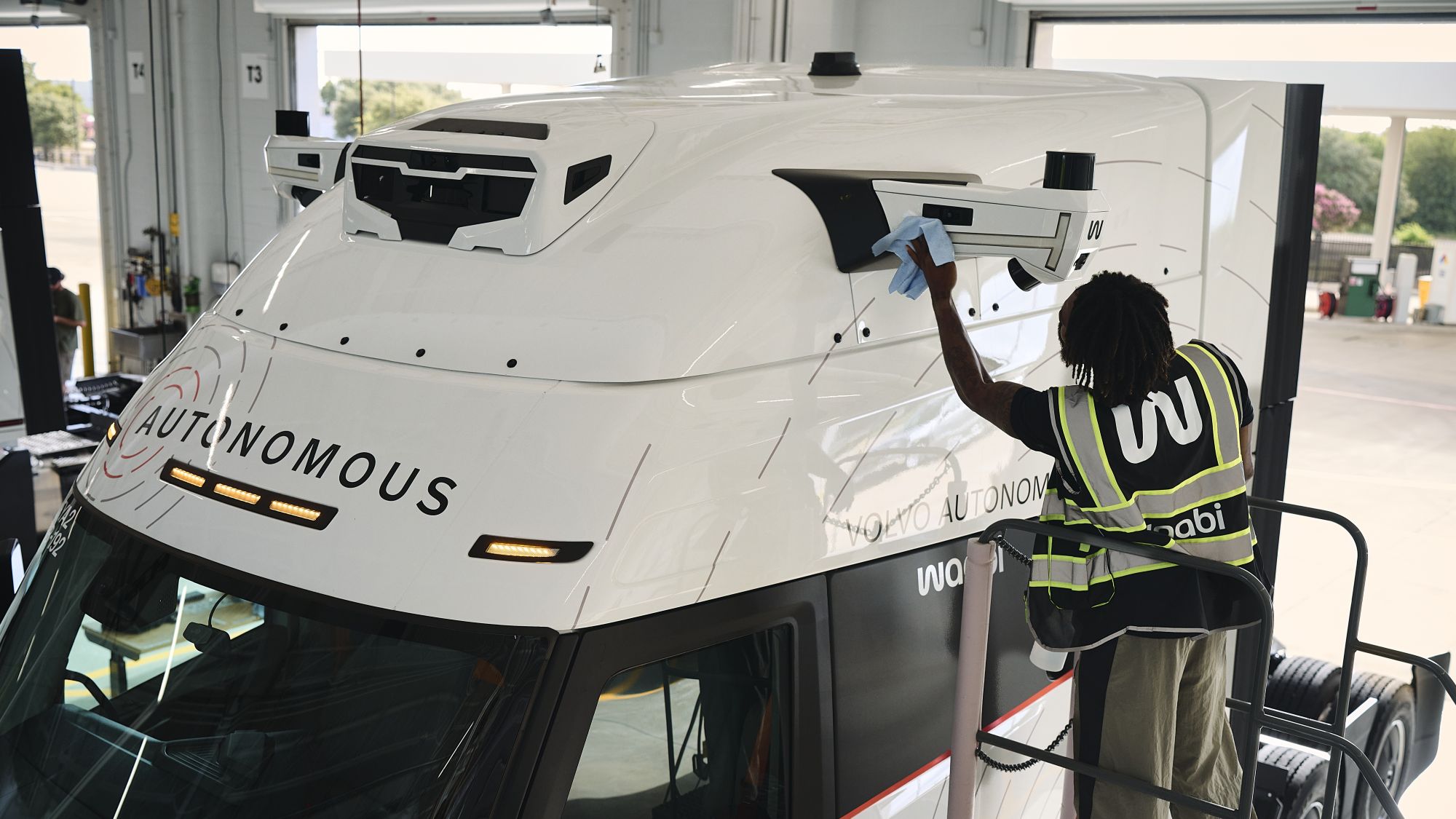
The company says its driver’s vision system goes far beyond the capabilities of human sight or standard automotive cameras. While it interprets the same semantic details humans do, such as traffic light colors and road signs, it operates with a level of awareness no person can match. Its system can see “everywhere at once” and possesses a dynamic range that allows it to pull critical details out of deep shadows while being hit with the direct glare of high-beams or emergency vehicle lights. Compared to a traditional automotive camera, the sixth-generation Waymo Driver’s camera delivers significantly higher resolution at cost parity, allowing the system to make better-informed driving decisions.
At the core of the system is Waymo’s next-gen 17-megapixel imager, a “breakthrough in automotive vision technology.” The high-resolution sensor captures millions of data points for “incredibly sharp” images while offering exceptional thermal stability across automotive conditions.
“These imagers allow the Waymo Driver to see around the vehicle with fewer cameras than if we used 5- or 8-megapixel sensors,” according to Jeyachandran. “The result is a system a generation ahead of other automotive cameras in terms of resolution, dynamic range, and low-light sensitivity. While cameras on conventional cars can struggle with raindrops, road grime, and ice, our system features integrated cleaning systems to maintain visibility.”
The new cameras outperform the highly capable examples on fifth-generation vehicles, even as engineers continue to reduce costs by using less than half the number of cameras.
“If you drive in the rain or snow on dark freeways, you know how hard it is to see with vision alone,” he wrote. “Waymo’s lidar sees the world in exceptional detail, distinguishing smaller objects like pedestrians near larger ones like vehicles, day and night.”
The sixth-generation lidar leverages the significant cost reductions the industry has seen over the last five years as affordable lidar increasingly appears in consumer vehicles. By combining the market efficiencies with Waymo’s custom-designed chips and optical designs, with core components designed and built in California, the company has developed a system that sees at greater distances with better fidelity and higher robustness—at a cost profile optimized for expansion.
Strategically placed short-range lidars provide redundant coverage to cameras, enabling the Waymo Driver to associate accurate distance measurements with camera imagery. This is critical when navigating near vulnerable road users, opening car doors, and for other urban situations where centimeter-scale range accuracy matters.
Beyond physical placement, the company has reengineered how its lidar illuminates a scene and processes data internally. These upgrades help the sensor penetrate weather and avoid point-cloud distortion near highly reflective signs, expanding the Waymo Driver’s ability to see through heavy roadspray on freeways and other complex edge cases.
Waymo’s imaging radar creates dense, temporal maps that instantly track the distance, velocity, and size of objects in all lighting and weather conditions. By leveraging radar chipsets that have become more sensitive and affordable, the company benefits from industry-wide cost reductions while continuing to expand its own capabilities.
The imaging radar can operate in a range of severe weather conditions. It builds on the foundation of that for the fifth-generation Waymo Driver, using new in-house algorithms to deliver improved performance in rain or snow. This sixth-generation system maximizes the benefit of sensor fusion by leveraging lightweight but powerful machine-learning models to extract maximum information from each sensor and dynamically optimize the performance of every sensing component.
Complementing the traditional sensors, the Waymo Driver has long used several external audio receivers (EARs) that help detect important sounds on the road, such as approaching emergency vehicles and railroad crossings. The EARs are placed around the central perception dome to optimize its ability to hear sirens and localize where the sounds are coming from while reducing wind noise, especially at high speeds.
Thanks to its EARs, the Waymo Driver can often hear and identify in which direction a siren is travelling before it can see it.
One driver, different vehicle platforms
Waymo is now looking to scale its vehicle production capacity to tens of thousands of units per year at its factory in Mesa, AZ, as it gets ready to scale its footprint nationally.
Initially, select riders in San Francisco, Phoenix, and Los Angeles will have the option to take free rides in the Ojai as the company collects feedback on the new experience. As it welcomes more riders over the coming months, it will expand to new cities, including Denver, Las Vegas, and San Diego, before opening its “doors even wider to everyone later this year.”
The broadening of offerings applies to different platforms and use cases.
“Because we are focused on building a Driver and not a vehicle, we’ve designed a versatile, integrated autonomous driving system that can be adapted to various platforms and use cases over time,” according to Jeyachandran. “Our versatile hardware approach allows us to reconfigure our sensors and generalize our AI to meet each platform’s unique needs—whether it is the Ojai or the Hyundai Ioniq 5—providing the Waymo Driver an optimal view of its surroundings while streamlining for efficiency.”
The sixth-generation system marks a major shift at Waymo’s autonomous vehicle factory in Metro Phoenix.
“By collaborating with OEM partners to ensure base vehicles are Waymo Driver ready, we have engineered a system built for high-volume production, allowing us to unlock greater economies of scale as we bring our technology to more people,” he concluded. “We’re looking for innovators and visionaries to join us to build the next generation of sensing technology and custom compute. From the silicon up, we’re designing the hardware that allows the Waymo Driver to see, think, and scale globally.”
-

- Waymo Driver-equipped Ojai front side.
-

- Waymo Driver-equipped Ojai rear side.
-

- Rear interior of the Waymo Driver-equipped Ojai.
-

- Backseat view of the Waymo Driver-equipped Ojai.