JLR yesterday announced plans to unlock double‑digit revenue growth by giving markets and customers more choice through greater propulsion flexibility on its Range Rover and Defender models and by refocusing its strategic intent on the North America market.
In an update to investors at its headquarters in Gaydon, UK, CEO PB Balaji outlined the next phase of JLR’s Reimagine strategy, which will focus on maximizing the strength of the company’s House of Brands (including Discovery and Jaguar), growth, and building resilience. At the event, Balaji was joined by Lennard Hoornik, Chief Growth Officer; Russell Leslie, Chief Quality & Trust Officer; Balaje Rajan, Group Chief Strategy Officer; Thomas Müller, Chief Technology Officer; and Richard Molyneux, Chief Financial Officer.
JLR is targeting medium‑term double‑digit revenue growth by leveraging its House of Brands strategy to cater to different customer segments and diversify its sources of growth. The company also reconfirmed its existing five‑year commitment to invest £18 billion in future technologies, vehicle platforms, and transformation by FY29, from a start in FY24, as it drives growth in a flexible propulsion, software, and AI-defined era.
Company execs outlined how they are resetting the company’s operating cost base while also enhancing process excellence. Targeted cost savings are planned in the areas of material cost, warranty, and fixed costs.
They have also put in place plans to drive excellence in end‑to‑end processes and the way the company launches products to ensure structural capabilities are built in critical areas. These “Enterprise Missions” underpin their aim to drive £1.7 billion in savings and return breakeven volumes towards 300,000 vehicles in the next two years.
More broadly, JLR is transforming its business with the aim of becoming carbon net zero across its supply chain, products, and operations by 2039. Electrification is central to its strategy, and before the end of the decade, its brands will each have a pure electric model, while Jaguar will be entirely electric.
Company execs believe the flexibility of the company’s unique powertrain technologies means it can continue to offer hybrid and ICE vehicles in its ranges, as it begins the rollout of full BEV options to match demand in the global transition to electric.
Focusing on North America
In its reimagining, JLR is keen to emphasize that it is a “British company” with global presence.
In the UK, it has two design and engineering sites, two vehicle manufacturing facilities, a components and finishing facility, an electric propulsion manufacturing center, and a battery assembly center. However, it also has vehicle plants in China (a joint venture with), Slovakia, India, and Brazil, as well as seven technology hubs around the world.
At the investor event, JLR said that, alongside its key markets in the UK, Europe, and China, it will focus on the U.S. as a priority growth region and cater to the extensive and increasing luxury opportunity there by designing exclusive offerings and strengthening its supply chain resilience for the market.
“As we enter a critical business delivery phase of our Reimagine strategy, launching five new products over the next two years across our incredible House of Brands, now is also the time to evolve our plan to offer global markets greater propulsion choice to unlock growth and build resilience,” said Balaji. “To truly manifest the power of our brands, we will increase our focus on North America, our biggest market. The rising demand for luxury products, coupled with the strong preference we see for our brands, signals significant growth potential.
“Apart from accelerating our existing offerings, we are also exploring new high-potential segments for our Defender brand, which will allow us to offer tailored luxury products and experiences for even more of our U.S. clients,” he added. “Our aspiration, in the coming years, is to grow our U.S. business to the size of the entire JLR business as it exists today.”
The company said it would also continue to invest and grow in future high-potential markets, including India and the Middle East region.
Jaguar Type 01
Jaguar, which recently celebrated its 90th anniversary, is being “radically reimagined” to be a distinctive, bold, and aspirational brand. It will become JLR’s “uniquely electric” brand manufactured in the UK at Solihull.
In May, Jaguar confirmed the Type 01 name for its new luxury four‑door GT, with the “0” representing electric propulsion and zero tailpipe emissions and the “1” denoting its status as the first Jaguar of a new era designed, developed, and built in the heart of the UK.
The “Type” naming first appeared on the Le Mans race‑winning C‑type of 1951. On the road, Jaguar says it came to represent two characters in one car—an engaging drive with deep reserves of power, plus refinement and composure—with the E‑type and the more recent F‑Type being prime examples.
The designation unites the brand’s history of innovation in design, technology, and performance with the most advanced Jaguar ever. The first of its type will come with an innovative new body architecture and tri‑motor electric propulsion delivering more than 1000 PS (735 kW) and over 1300 N·m (959 lb·ft).
“We have reimagined Jaguar for a new era, with inspiration from what has gone before,” said Rawdon Glover, Managing Director of Jaguar. “Our engineers have achieved this with a vehicle that looks and drives like no other electric car yet reflects a unique provenance. The Type 01 name is part of that story. For me, the zero also signifies a complete brand reset, and the ‘1’, our first car for a new chapter, a ‘one of a kind!’”
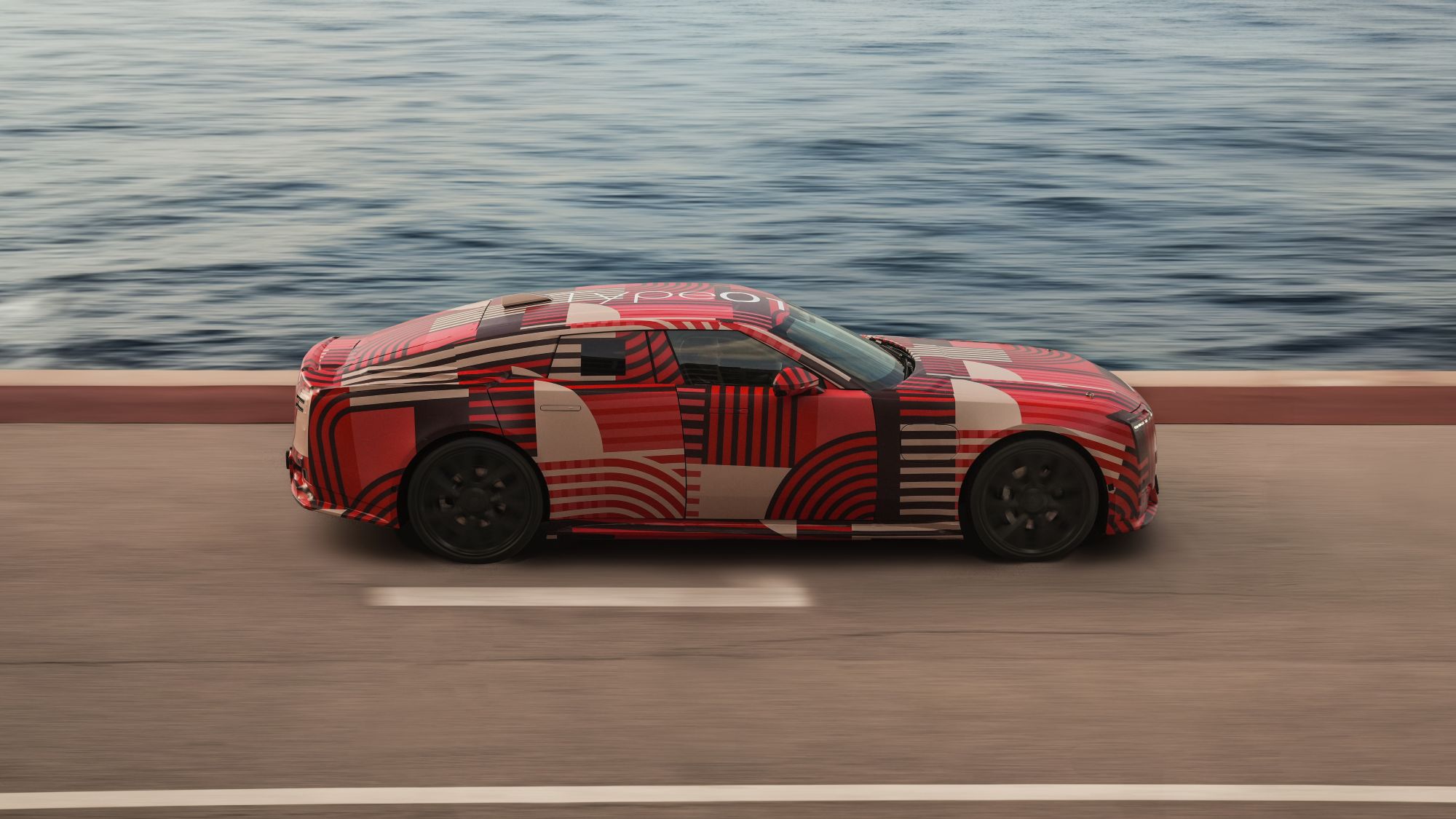
Type 01 prototypes appeared in Monaco ahead of the Jaguar TCS Racing Formula E team competing in the Monaco E Prix wearing a distinctive camouflage wrap for the race weekend. The new luxury four‑door GT will be revealed later this year.
Range Rover Electric
The JLR House of Brands is currently led by Range Rover, which the company calls the original luxury SUV.
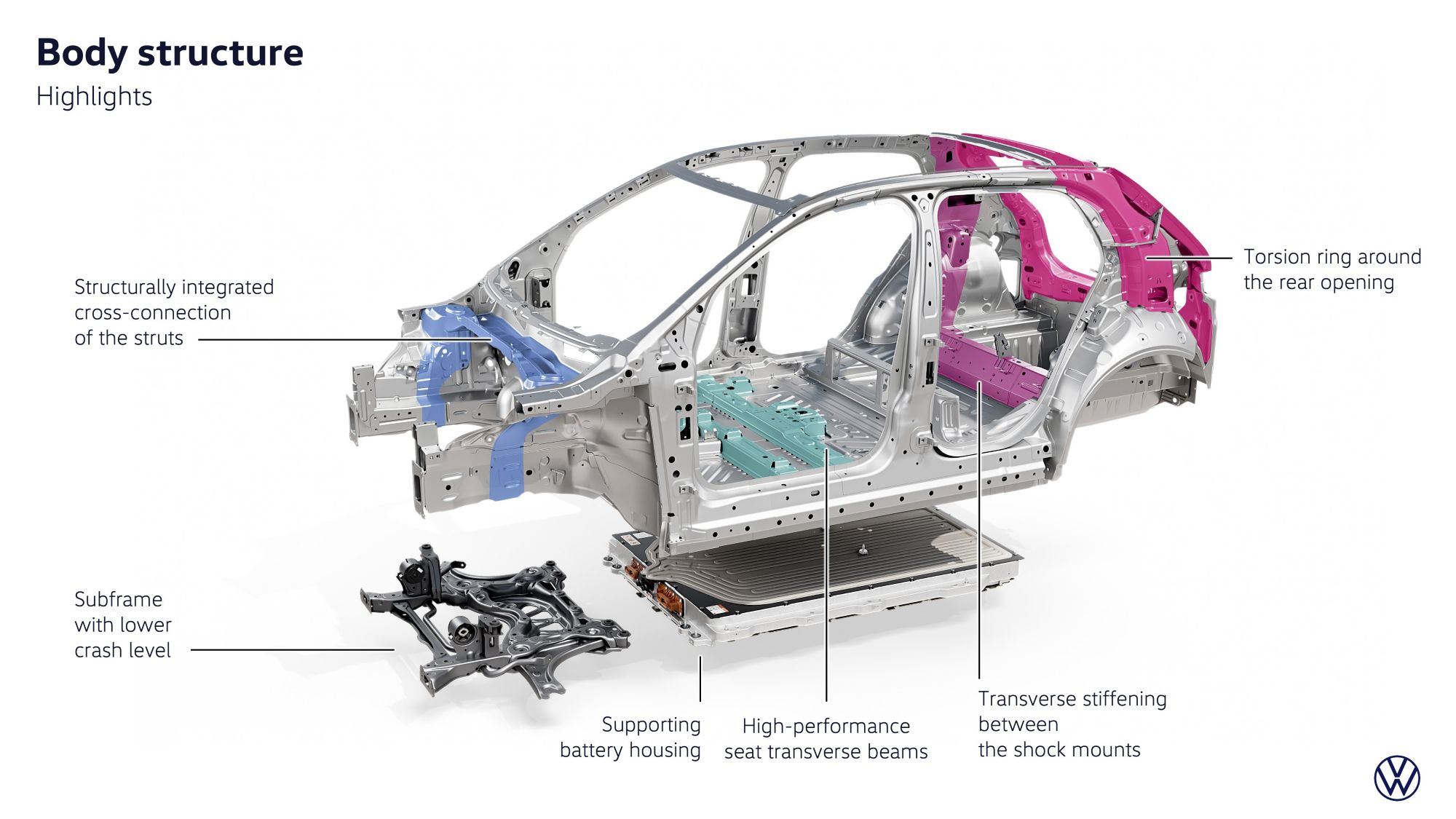
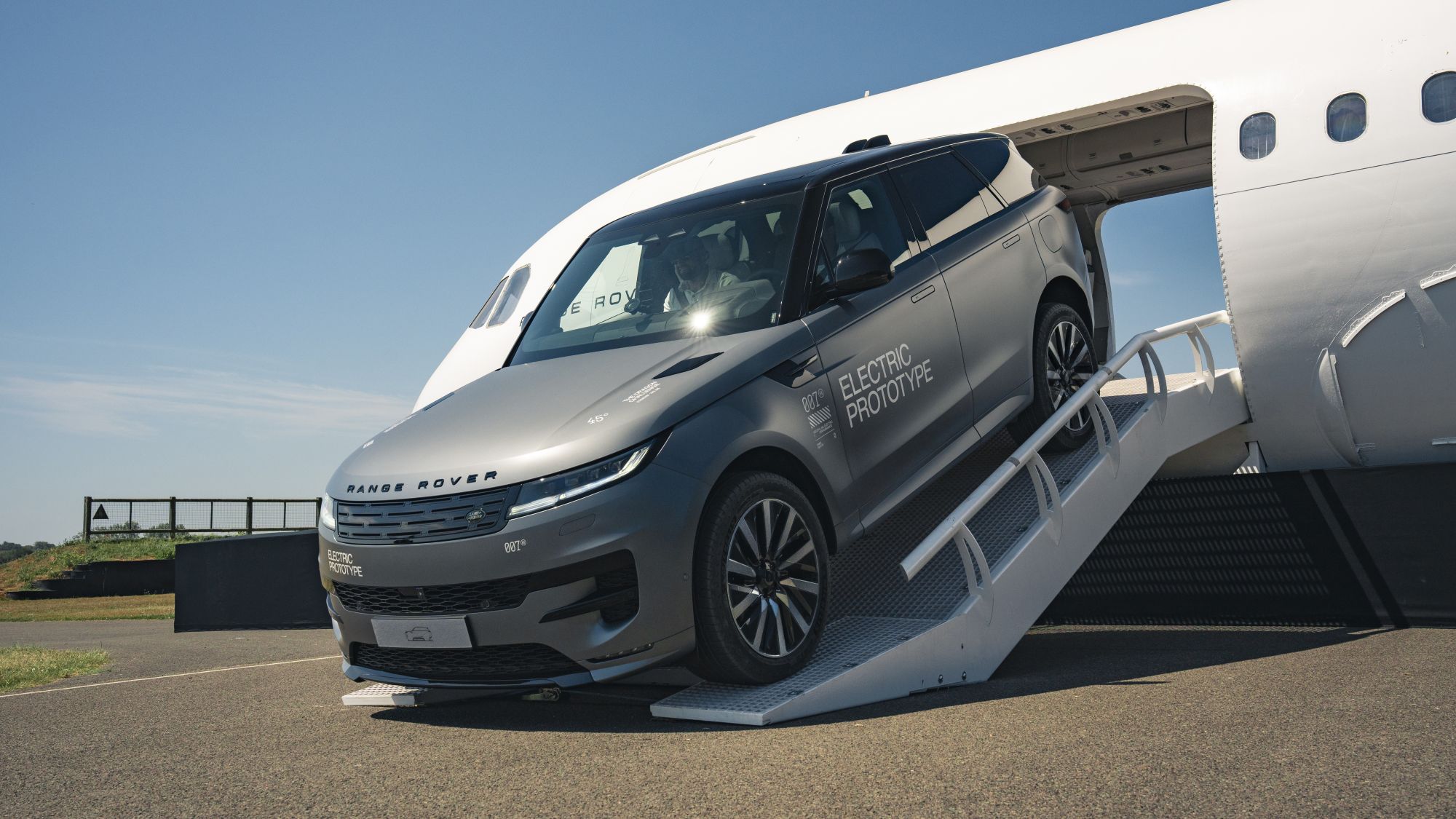
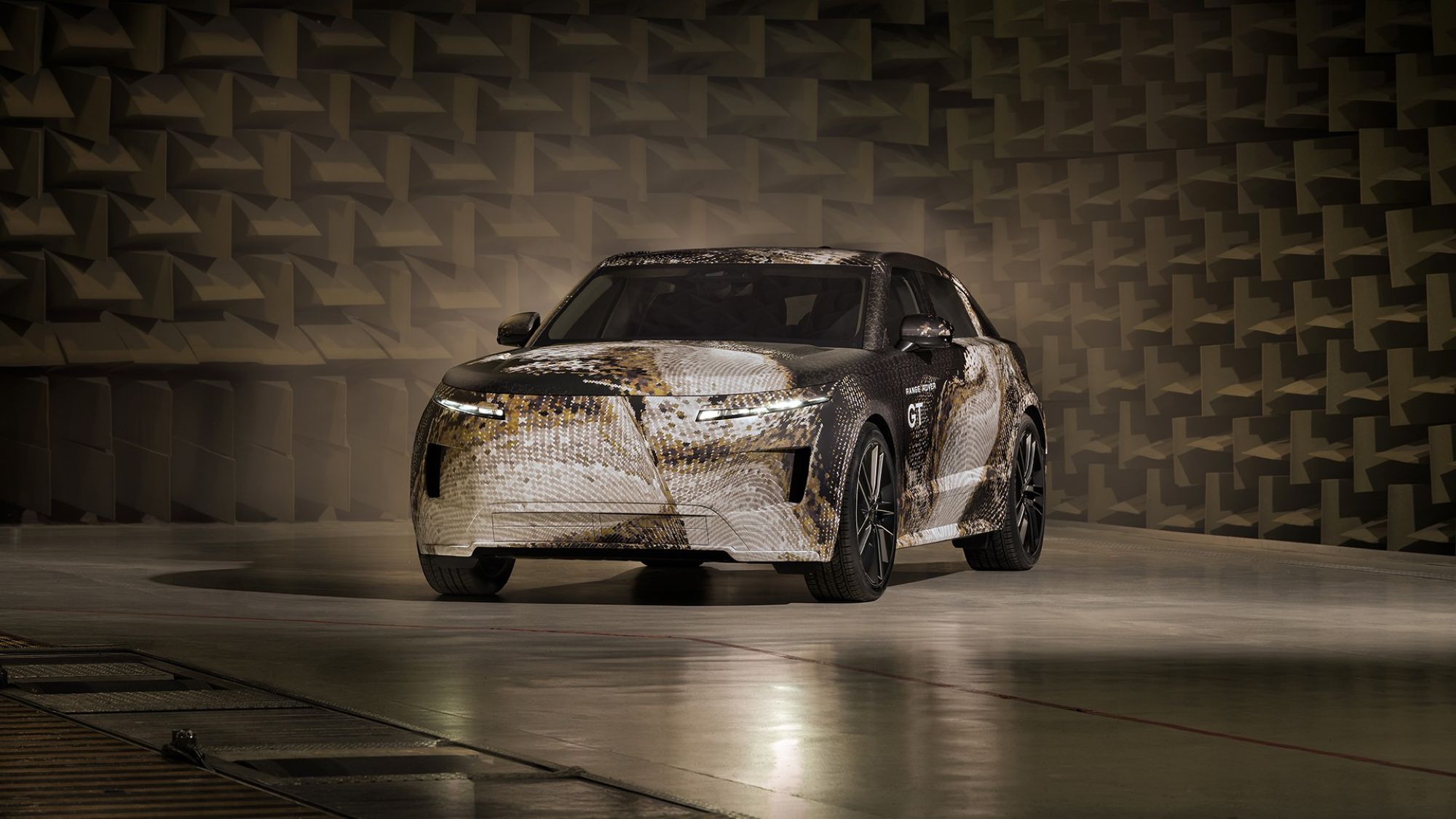
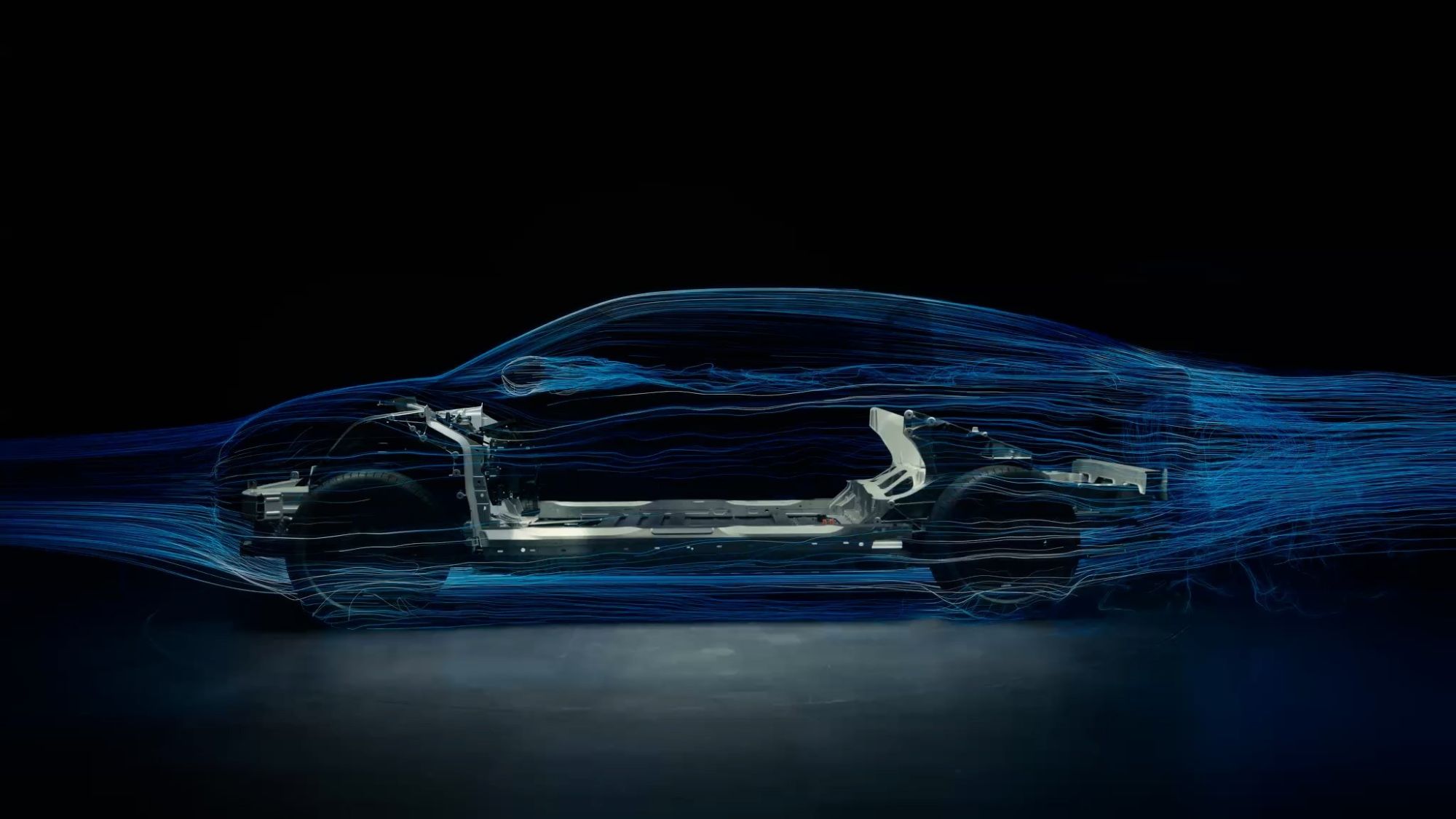
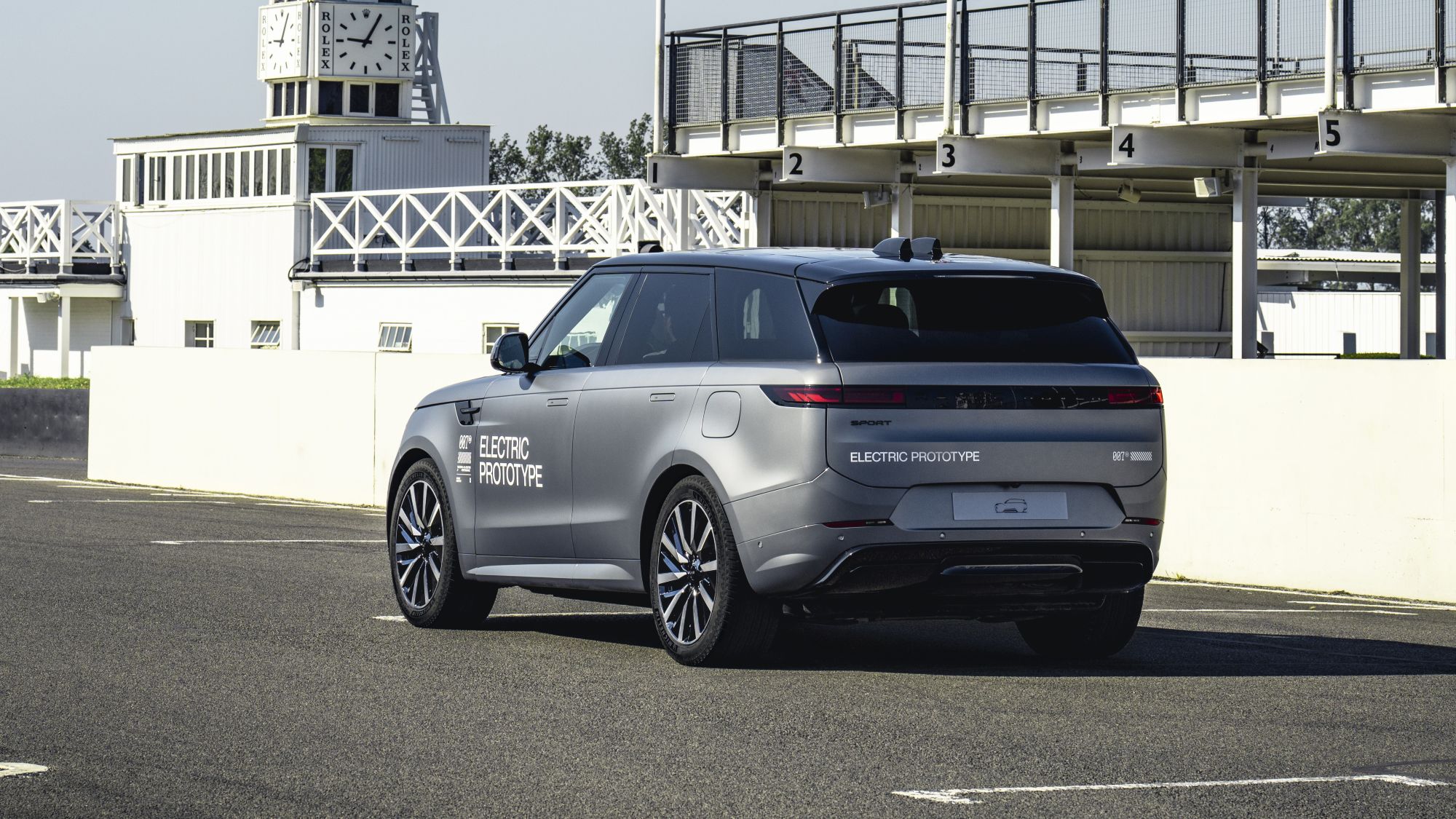
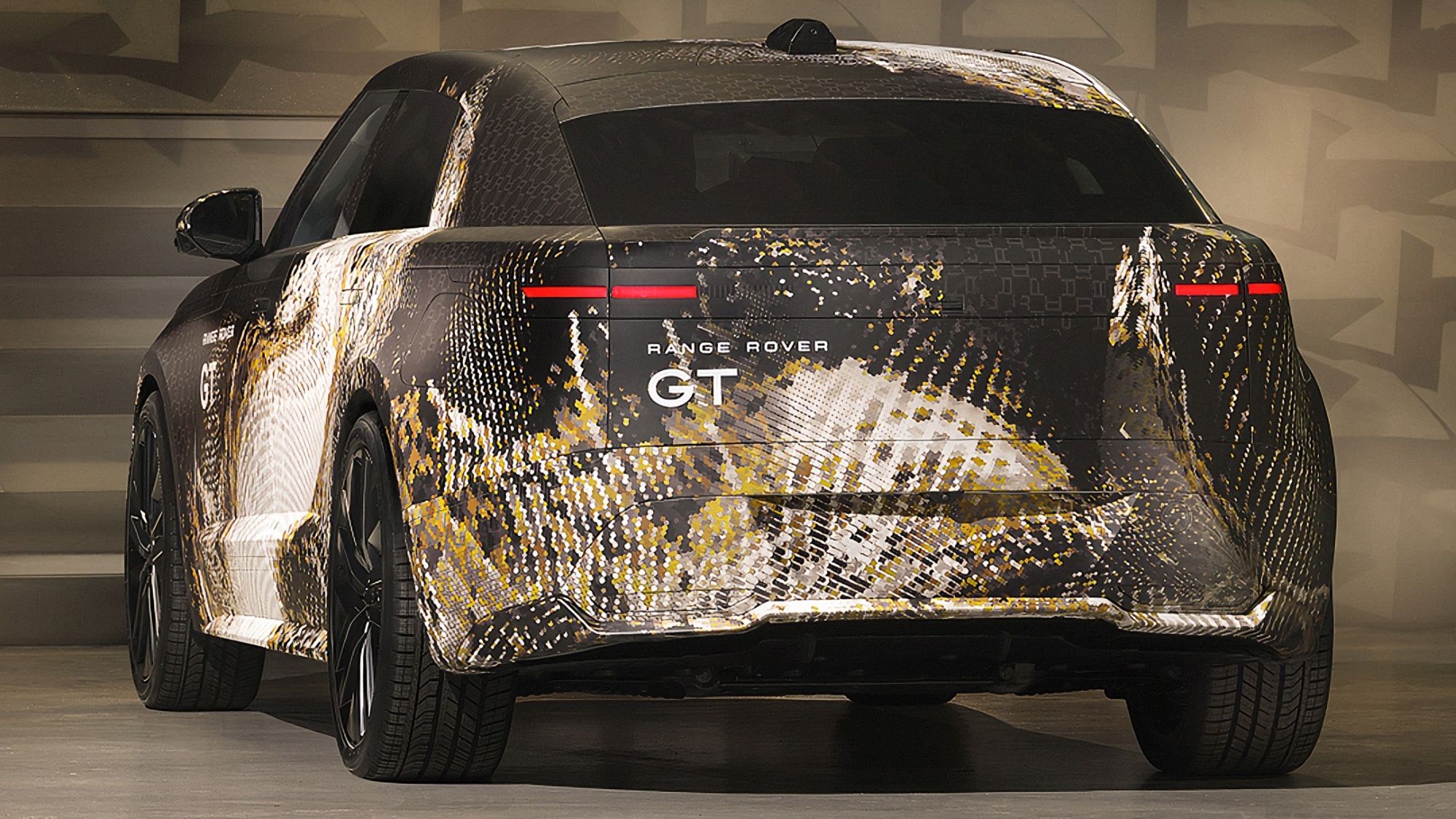
The Range Rover and Range Rover Sport built at Solihull will remain on the flexible modular longitudinal architecture (MLA) and will be built in mild hybrid electric vehicle (MHEV), plug-in hybrid electric vehicle (PHEV), and full battery electric vehicle (BEV) models. Built on the new EMA (Electrified Modular Architecture) platform, the Range Rover Electric and Range Rover Sport Electric will launch later this year.
In a move that recognizes demand for increased choice in global markets and reaffirms JLR’s commitment to the future of the UK car industry, the upcoming Range Rover EMA model is planned to provide flexibility through a full hybrid electric vehicle propulsion offering. The HEV will be a unique new addition to JLR’s propulsion portfolio, offering more choice alongside MHEV, PHEV, and full BEV options.
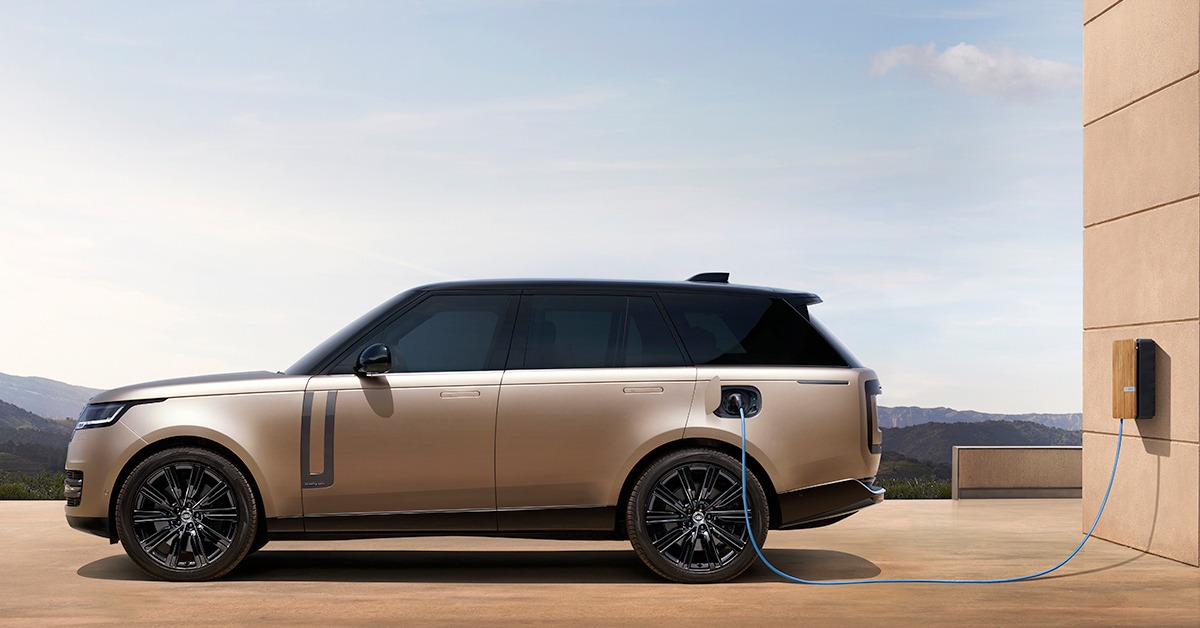
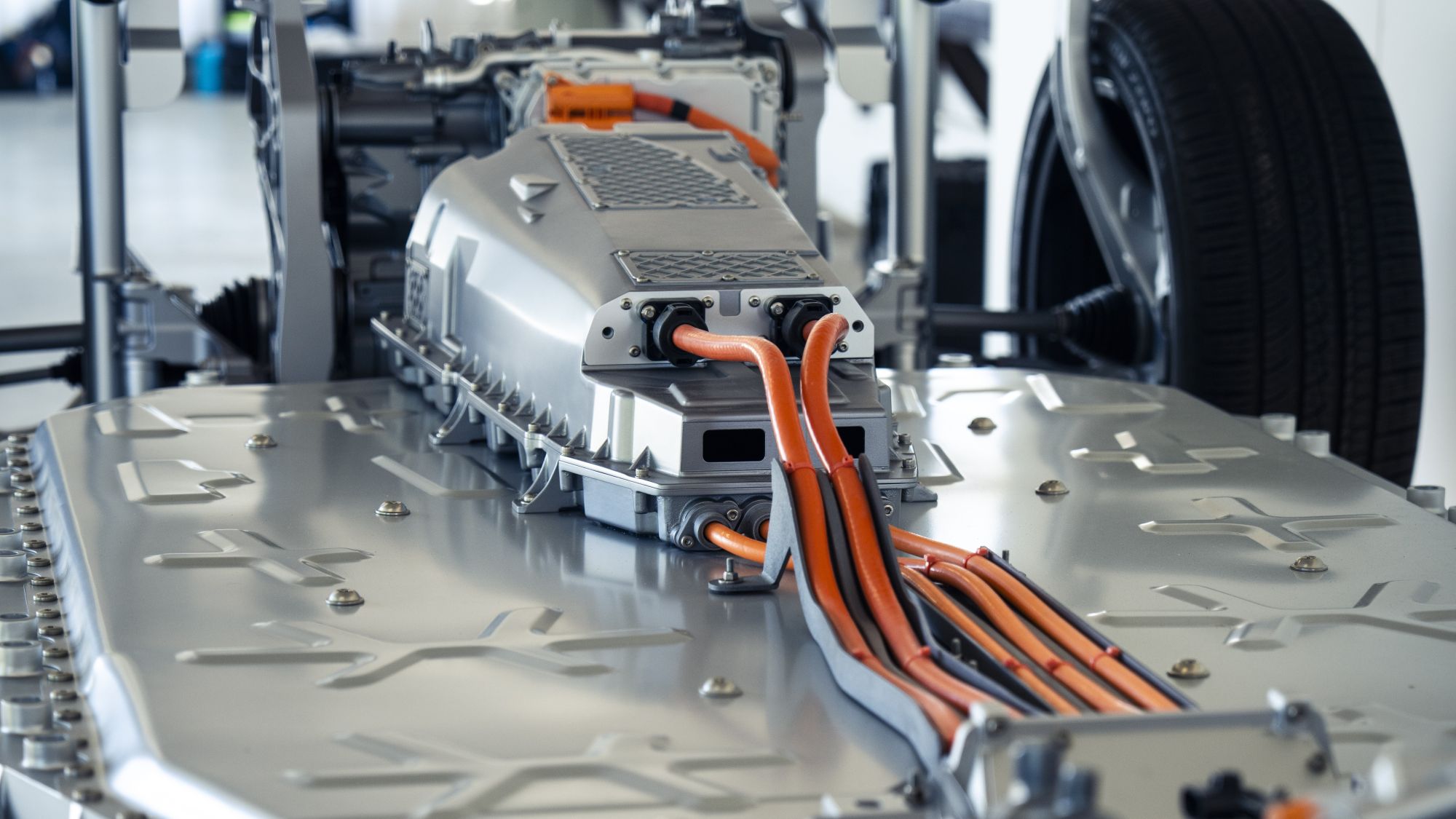
Last year, JLR reported that the high‑voltage 800-V battery for the Range Rover Electric was the first one to be designed and built in‑house. Optimized for energy density, range, and charging times, it features a cell‑to‑pack architecture, high nickel (91%) content, and 118-kW·h capacity from 344 prismatic cells in a double‑stacked layout.
Total powertrain output was confirmed at the investor event at 550 PS (405 kW) and 850 Nm (627 lbft). Efficiency is aided by a ThermAssist advanced vehicle thermal management system.
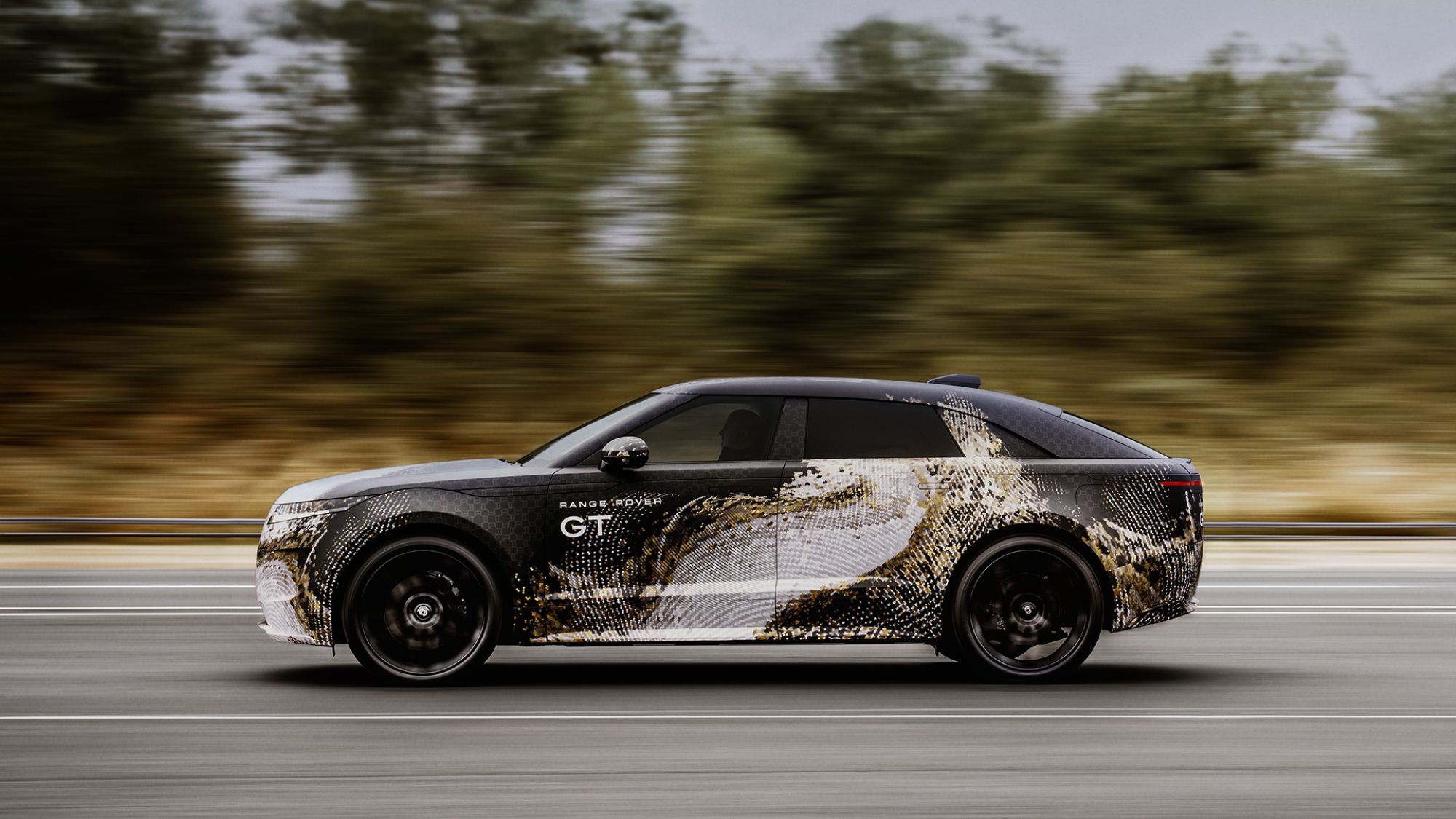
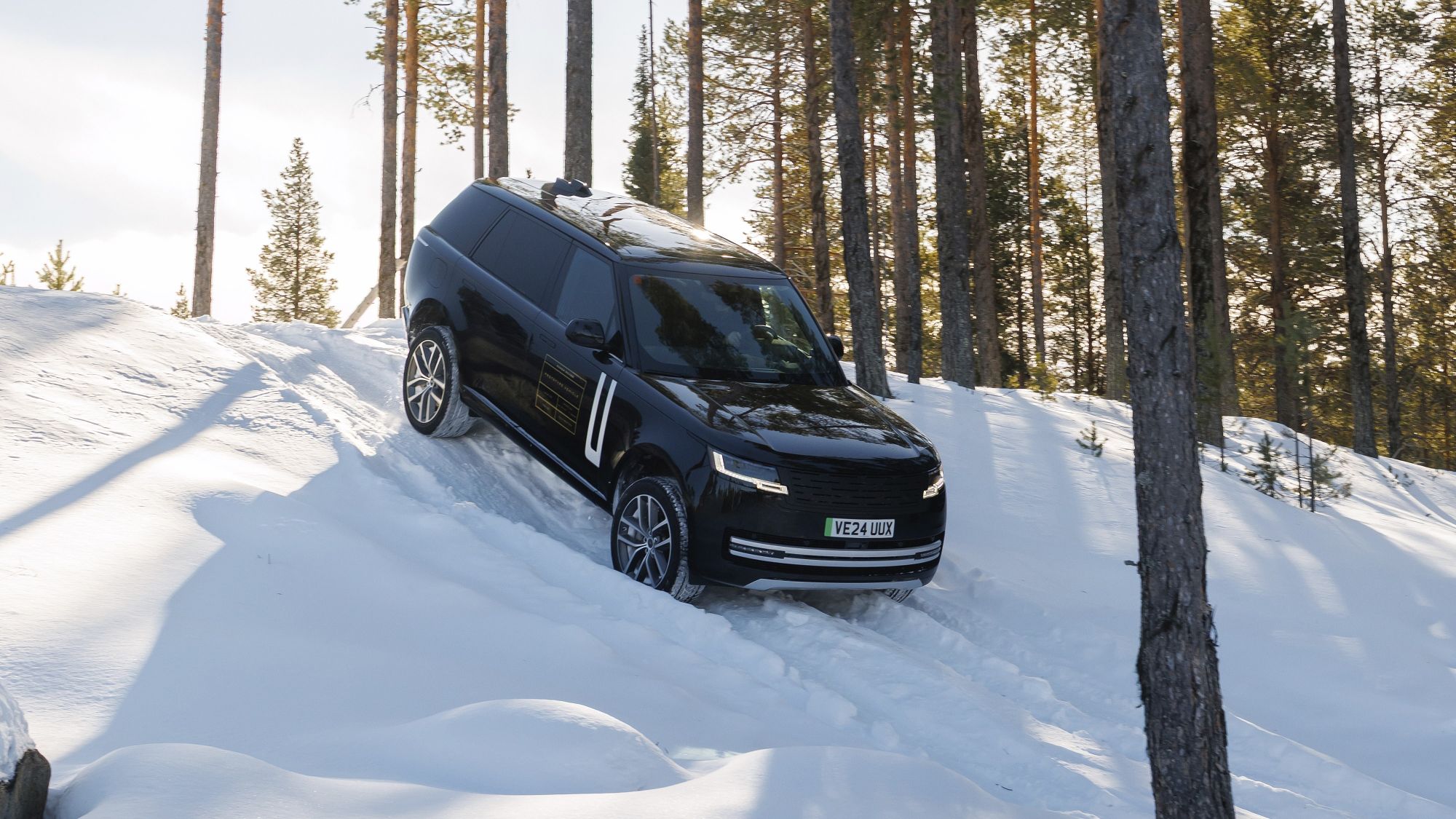
The company says that Range Rover all‑terrain capability and refinement will continue with the electric propulsion by implementing advanced technologies, including single pedal driving and switchable, twin‑chamber air suspension.
In addition to slowing the vehicle and delivering regenerative braking, single pedal driving is also tuned to work with Terrain Response, bringing the vehicle to a complete stop, engaging Hill Hold, and enabling the driver to move off again without having to touch the brakes at any point. The switchable twin‑chamber air suspension has been “extensively” developed to manage the body movements from the electric model’s “distinctive” weight distribution.
The Range Rover Electric’s all‑wheel drive technology is said to be capable of handling all surfaces. Thanks to its more precise torque delivery than ICE applications, its IDD (intelligent driveline dynamics) technology can distribute rear torque from 100% to 0% to prevent loss of traction. Working with the Integrated Traction Management, traction stability is maintained by 5-ms torque adjustments and managing slip up to 100 times quicker than an ICE vehicle equivalent.
Defender and Discovery
At the investor event, a new model from the Defender family was confirmed as the second vehicle to be launched on the EMA platform, which now includes the option of HEV as well as BEV in the future. The Defender brand—currently comprised of 90, 110, and 130 models—is JLR’s best‑seller. Production continues at the company’s “state‑of‑the‑art” production facility in Nitra, Slovakia.
In May, JLR announced it had signed a non‑binding MOU (memorandum of understanding) with Stellantis to explore opportunities to collaborate on product and technology development in the U.S. The partners said they will explore collaboration opportunities to create synergies across product and technology development, leveraging the companies’ complementary strengths to create value for both organizations.
“By working with partners to explore synergies in areas such as product and technology development, we can create meaningful benefits for both sides while remaining focused on delivering the products and experiences our customers love,” said Antonio Filosa, CEO of Stellantis.
At yesterday’s event, JLR confirmed it will focus on the Defender brand to deliver growth in the U.S. market as part of its collaboration with Stellantis, exploring new opportunities targeted at regional customers.
Not much was said about the Discovery brand, but the vehicle is JLR’s best‑selling product ever, with over 2 million vehicles sold since it was first produced in 1989. However, the company says it “has a distinct place” in its portfolio, with plans to evolve but stay true to its roots as a “truly aspirational and ingenious lifestyle brand—designed for real life, well lived.”
It will be brought into the future with propulsion flexibility and innovations in product design, with announcements on confirmed plans to come.
Technology highlights
JLR has a lot on its development and engineering plate. The company has three all-new architecture launches within close proximity, with the MLA and EMA for xHEV and BEV models and the JEA for BEVs. It promises industry-leading BEV propulsion developed in-house and an all-new electrical vehicle architecture and software stack.
Its continued investment in propulsion flexibility includes extension of the diesel offer on MLA, extending the electric range on MLA PHEV, and hybridization of the EMA architecture. That will be accompanied by an increased speed of program delivery through process redesign and engineering automation.
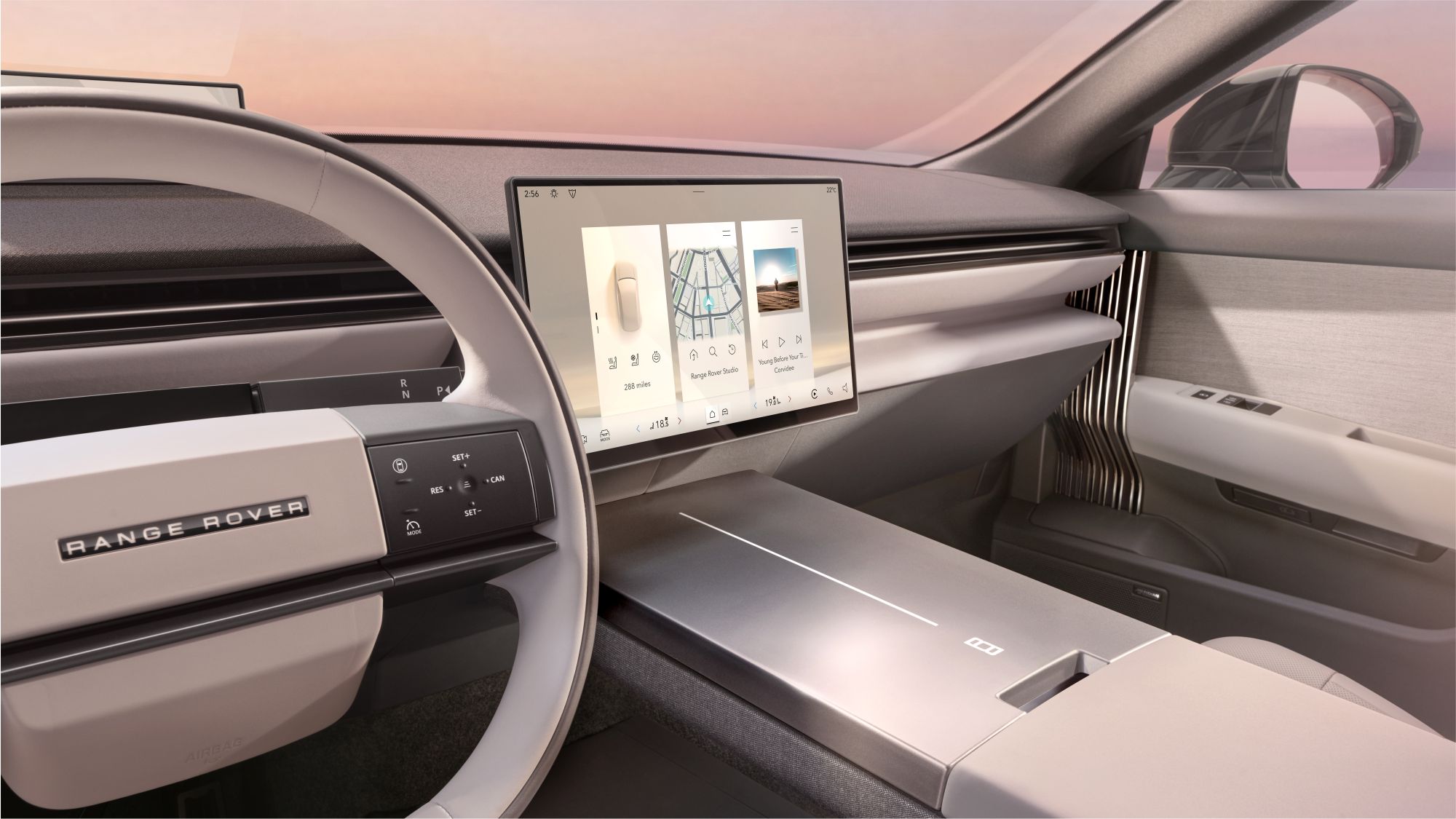
The next-generation electrical vehicle architecture enables a transition to software-defined JLR vehicles with better functionality. That includes smarter cabin tech with natural voice conversation with generative AI; infotainment with an Android store and next-generation customer app; more intelligent body, motion, and charging systems; and better assisted and automated driving.
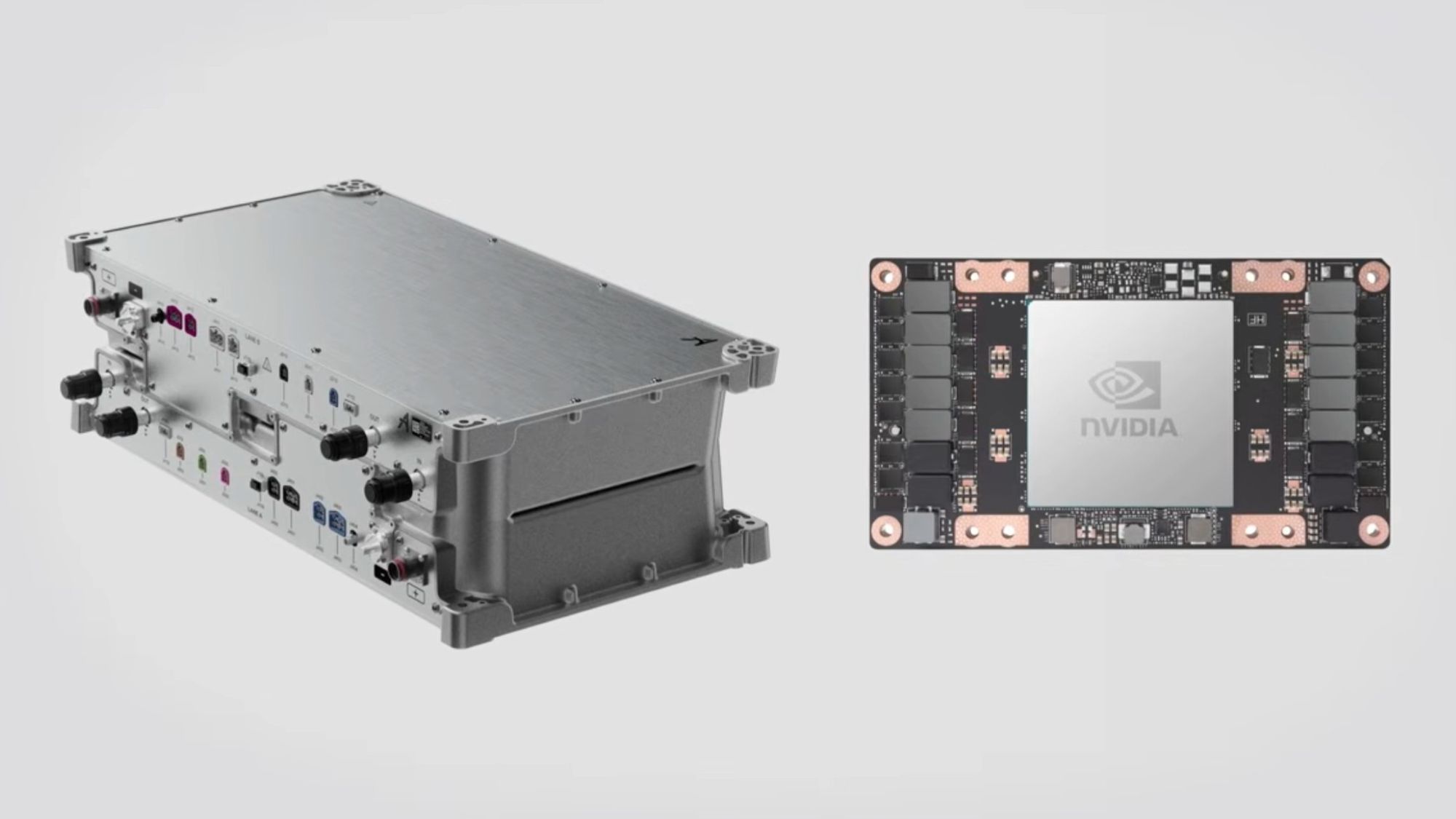
Enabling the upgrades, in part, are global strategic partnerships with leading technology companies—like Nvidia and Momenta—to accelerate single, scalable hardware and next-generation software.
-

- Jaguar Type 01 camouflaged side.
-

- JLR CEO Balaji.
-

- Jaguar Type 01 camouflaged front side.
-

- Jaguar Type 01 camouflaged front.
-

- Jaguar Type 01 camouflaged top.
-

- Jaguar Type 01 camouflaged top.
-

- Range Rover Electric winter testing.
-

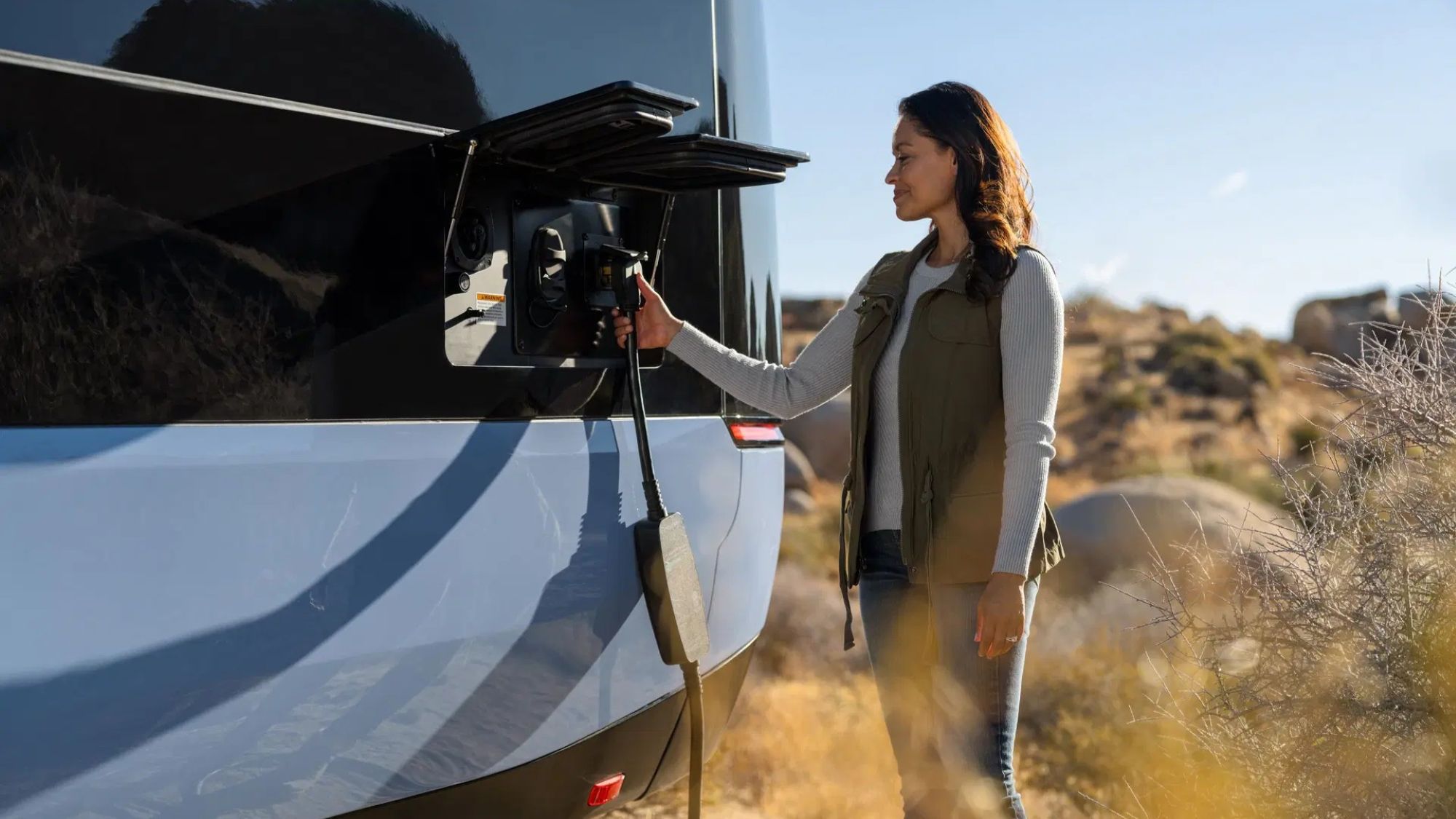
- Range Rover Electric charging.
-

- Octa is the most extreme and powerful Defender.
-

- Defender is built at JLR’s Nitra, Slovakia Manufacturing Center.