Nvidia announced today that it is expanding its partnership with Toyota to advance physical AI across automotive, robotics, and cities—connecting vehicles, infrastructure, and industrial operations. This builds on last year’s announcement that the automaker would develop next-generation vehicles with ADAS (advanced driver-assistance system) capabilities (L2++) built on Nvidia Drive AGX and running the safety-certified Nvidia DriveOS operating system.
Toyota will now be able to tap into Nvidia accelerated computing, AI software, and simulation technologies to develop safer, more intelligent vehicles, optimize automotive engineering workflows, fine-tune factory operations, and power urban intelligence systems in support of the company’s vision for safer mobility.
“Physical AI will bring intelligence to every moving machine, from cars, robots, and trucks to the cities and factories they operate in,” said Rishi Dhall, Vice President of Automotive at Nvidia. “Together, Toyota and Nvidia are building the AI infrastructure for a new era of mobility, where vehicles can become more autonomous, manufacturing more AI-defined, and urban environments more intelligent, responsive, and safe.”
Nvidia is expanding the partnership to advance physical AI across not only automotive but also robotics and smart cities, added Deepu Talla, VP and GM of Robotics & Edge AI at Nvidia.
“Starting with the car, Toyota is building next-generation vehicles on the Nvidia Drive AGX platform with safety-certified DriveOS for advanced L2++ driving capabilities,” he said, in a media pre-briefing. “In factories, Toyota is creating digital twins of production lines with Nvidia Omniverse and Nvidia Isaac Sim. To accelerate automotive software development, Toyota is integrating Nvidia Nemotron to train and fine-tune its MISRA-compliant code assistant model. And lastly, as a part of Toyota’s broader smart-city vision, Woven by Toyota is developing AI-driven urban mobility systems and traffic intelligence using Nvidia platforms.”
Toyota is bringing simulation to the manufacturing floor using Omniverse libraries and the Isaac Sim open framework for factory and robotics workflows, robot movement simulation, and broader digital twin environments to optimize manufacturing operations. This simulation-first approach reduces downtime, improves efficiency, lowers costs, and enables continuous optimization across production environments.
The automaker is accelerating vehicle software engineering with a Motor Industry Software Reliability Association (MISRA)-compliant code assistant AI model, trained and fine-tuned using Nvidia Megatron-LM and referencing various datasets including Nemotron. By applying a custom automotive AI model to improve automotive-specific code generation and review, Toyota engineers can generate, review, and validate safety-critical code more efficiently, accelerating development while adhering to stringent automotive compliance.
The Woven by Toyota (WbyT) subsidiary—which is spearheading Toyota’s interconnected and futuristic Woven City model—has developed the Woven City AI Vision Engine. The multimodal VLM (vision-language model) for urban traffic intelligence uses Nvidia H100 Tensor Core GPUs (graphical processing units) and Megatron-Core, a PyTorch-based open-source library of essential building blocks for highly efficient large-scale generative AI training. The model is designed to help interpret real-world conditions, anticipate what happens next, and support responses across mobility and infrastructure systems.
The Woven City AI Vision Engine is especially interesting. It is a large-scale AI foundation model that enables the city to understand and respond to real-world conditions in real time. By bringing together visual, behavioral, and environmental data from sources such as camera feeds, mobility systems, and user inputs, it identifies patterns, detects potential risks, and enables coordinated action across connected systems to improve safety.
Toyota says that the model ranks among the world’s leading VLMs, according to the MVBench Leaderboard, a benchmark for evaluating video-based AI comprehension and analysis.
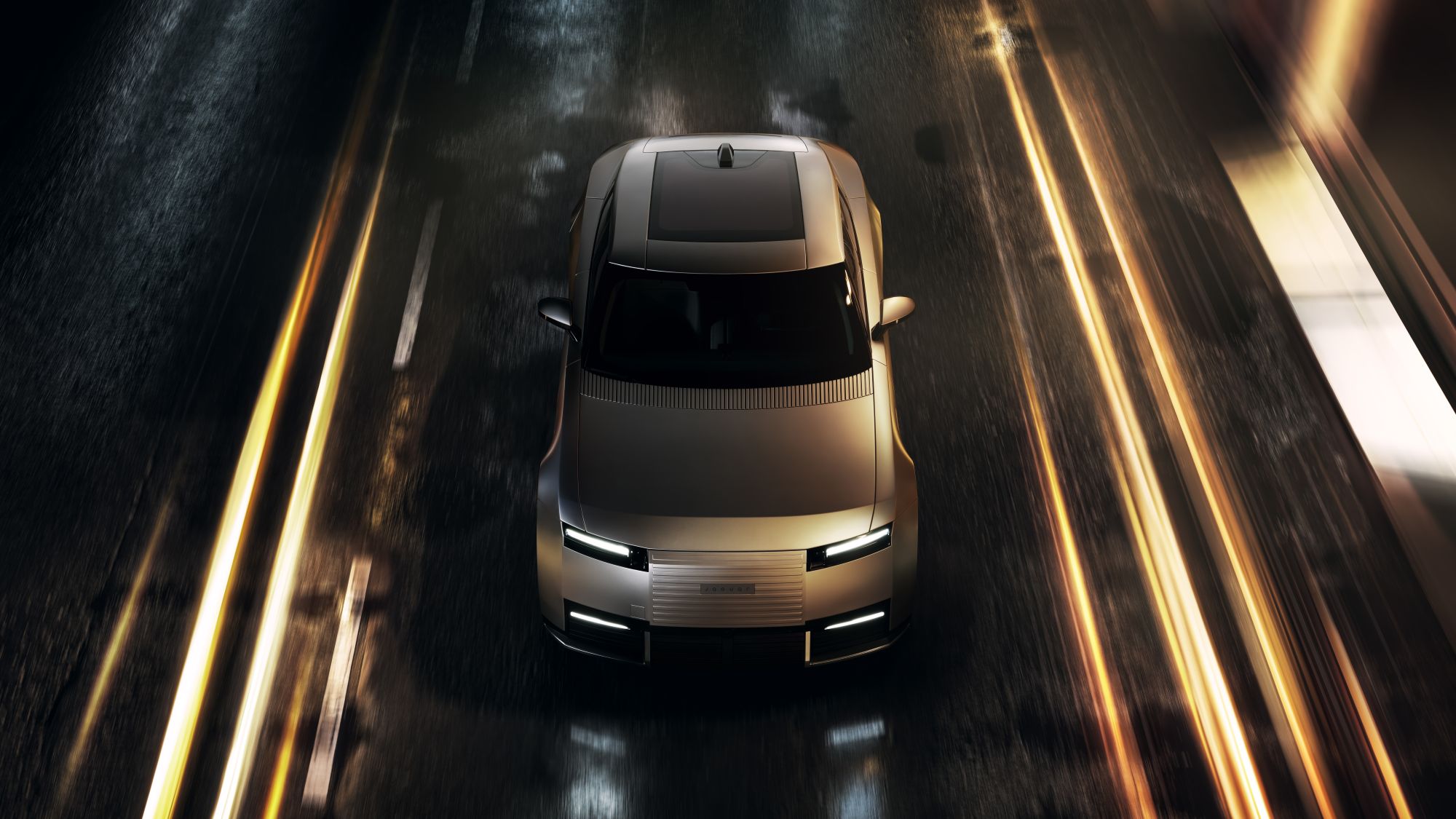
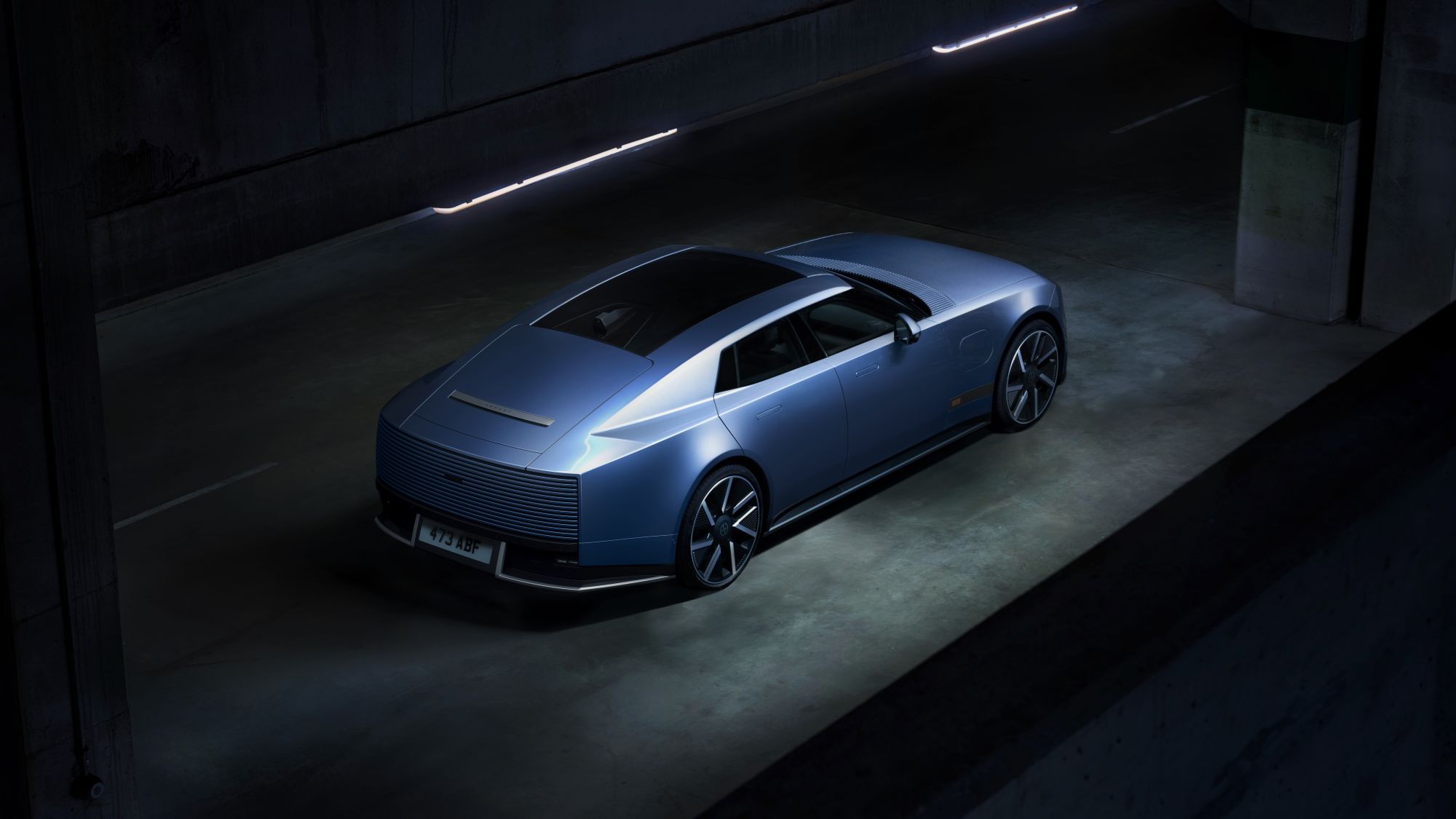
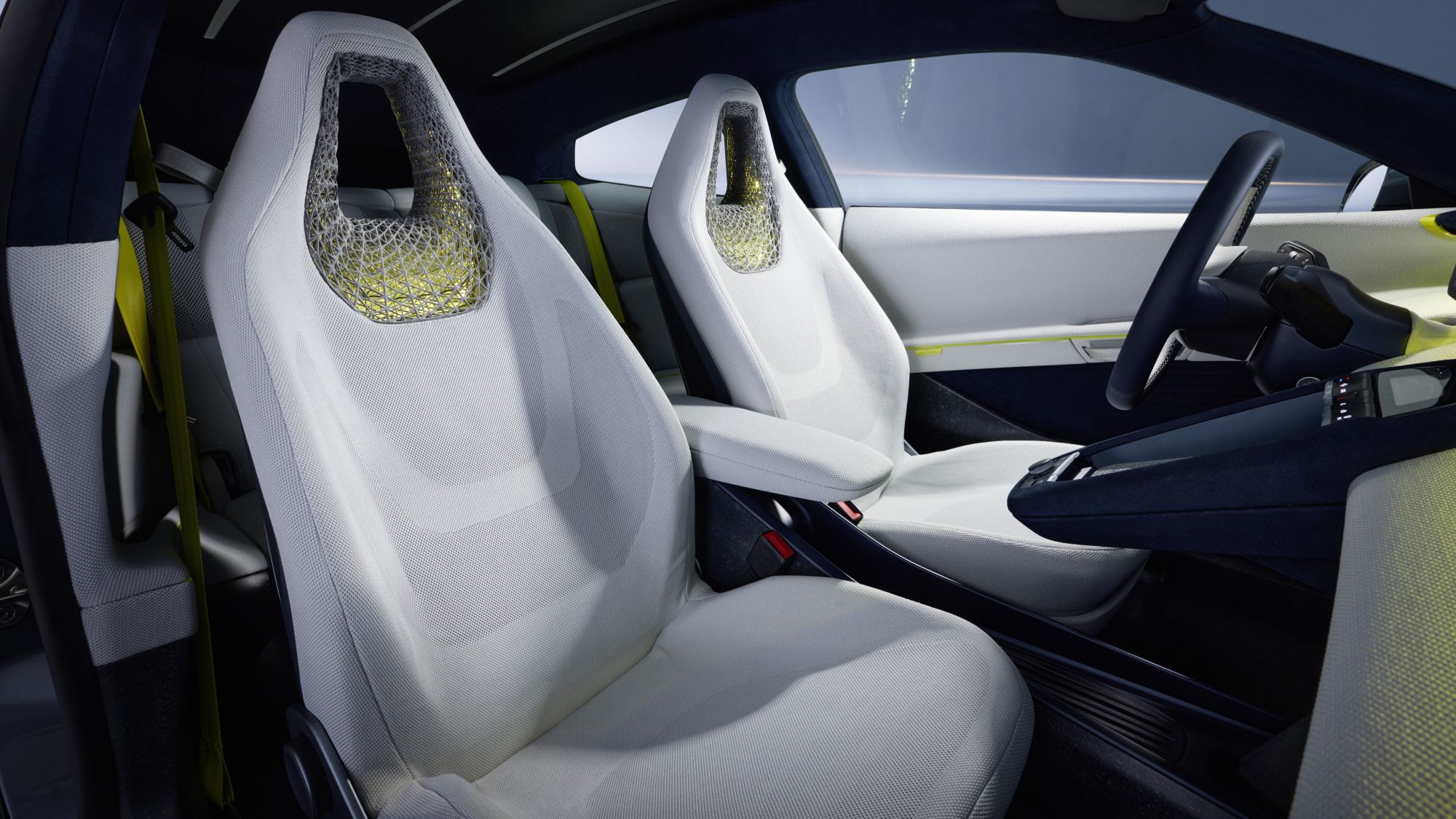
The technology supports a range of real-world applications. At Woven City, where in December Toyota’s luxury brand Lexus premiered its LFA BEV sports car concept model, it is currently being used in a proof-of-concept project with UCC Japan Co., Ltd., with Toyota and WbyT planning to expand its deployment beyond Woven City.
The Woven City Integrated ANZEN System, an advanced smart-city safety technology, builds on AI Vision Engine’s capabilities by combining it with other AI technologies, including Woven City Behavior AI and Woven City Drive Sync Assist. Woven City Behavior AI interprets and predicts human behavioral patterns, while Woven City Drive Sync Assist provides driving assistance based on driver needs and surrounding conditions.
By analyzing camera data from vehicles and traffic signals, the system can understand movement, anticipate behavior, and provide that information to pedestrians and drivers to support peace of mind both on and off the road. Together, the technologies enable people, mobility technologies, and infrastructure to operate as a single coordinated system, improving safety.
-

- At Woven City in December, Lexus world premiered its LFA BEV sports car concept model.
-

- At CES 2025, Toyota announced the completion of Phase 1 construction of Woven City.