Deliveries of Rivian’s long-awaited and smaller-sized R2 model began this week, with the Performance trim with Launch Package being the first to market. Pricing for the new electric SUV starts at $57,990, bringing Rivian’s design, performance, and technology to a significantly broader audience. Premium configurations will follow in late 2026 and Standard configurations throughout 2027.
“R2 embodies so many of our learnings that we have accumulated—the passion and attention to detail from our team is visible everywhere,” said RJ Scaringe, Founder and CEO of Rivian.
The R2 has a length of 185.9 in (4722 mm), a width of 84.7 in (2151 mm) or 78.1 in (1984 mm) with side mirrors folded, a height of 66.9 in (1699 mm), with a 115.6-in (2936-mm) wheelbase. That compares to the R1 SUV’s 200.8-in (5100-mm) length, width of 88.4 in (2245 mm) or 82.0 in (2083 mm) with mirrors folded, and 71.5-77.3 in (1816-1963 mm) height, on a 121.1-in (3076-mm) wheelbase.
At nearly 2000 lb (910 kg) lighter than the R1, the company’s first model, and sitting on a shorter wheelbase, the R2 is more responsive and maneuverable in urban environments.
Three trims and drives
Built on a new mid-size platform, the R2 will come in three variants and drives.
At the top is the Performance with Launch Package. Its dual-motor powertrain offers 656 hp (489 kW) and 609 lb·ft (826 N·m) for 0-60 mph (0-97 km/h) acceleration in 3.6 s and notable highway acceleration from 50-70 mph (80-113 km) in 1.55 s. It features 330 mi (531 km) of EPA-estimated range.
In the middle is the R2 Premium available in late 2026 and starting at $53,990. It features a dual-motor AWD setup that produces 450 hp (336 kW) and 537 lb·ft (728 N·m), a 0-60 mph time of 4.6 s, and an EPA-estimated range of up to 330 mi.
Rivian expects the R2 Standard trim, available in the first half of 2027 and starting at $48,490, to redefine expectations for the mid-size SUV segment. The RWD Long Range configuration delivers 350 hp (261 kW) and 355 lb·ft (481 N·m) and a 0-60 mph time of 5.9 s. It boasts the highest range, with a Rivian estimate of up to 345 mi (555 km).
Drive modes can transform the character of R2, with the touch of a button adjusting suspension, steering, and acceleration behavior. The Performance trim features a full range of modes, from Rally to Snow to Soft Sand.
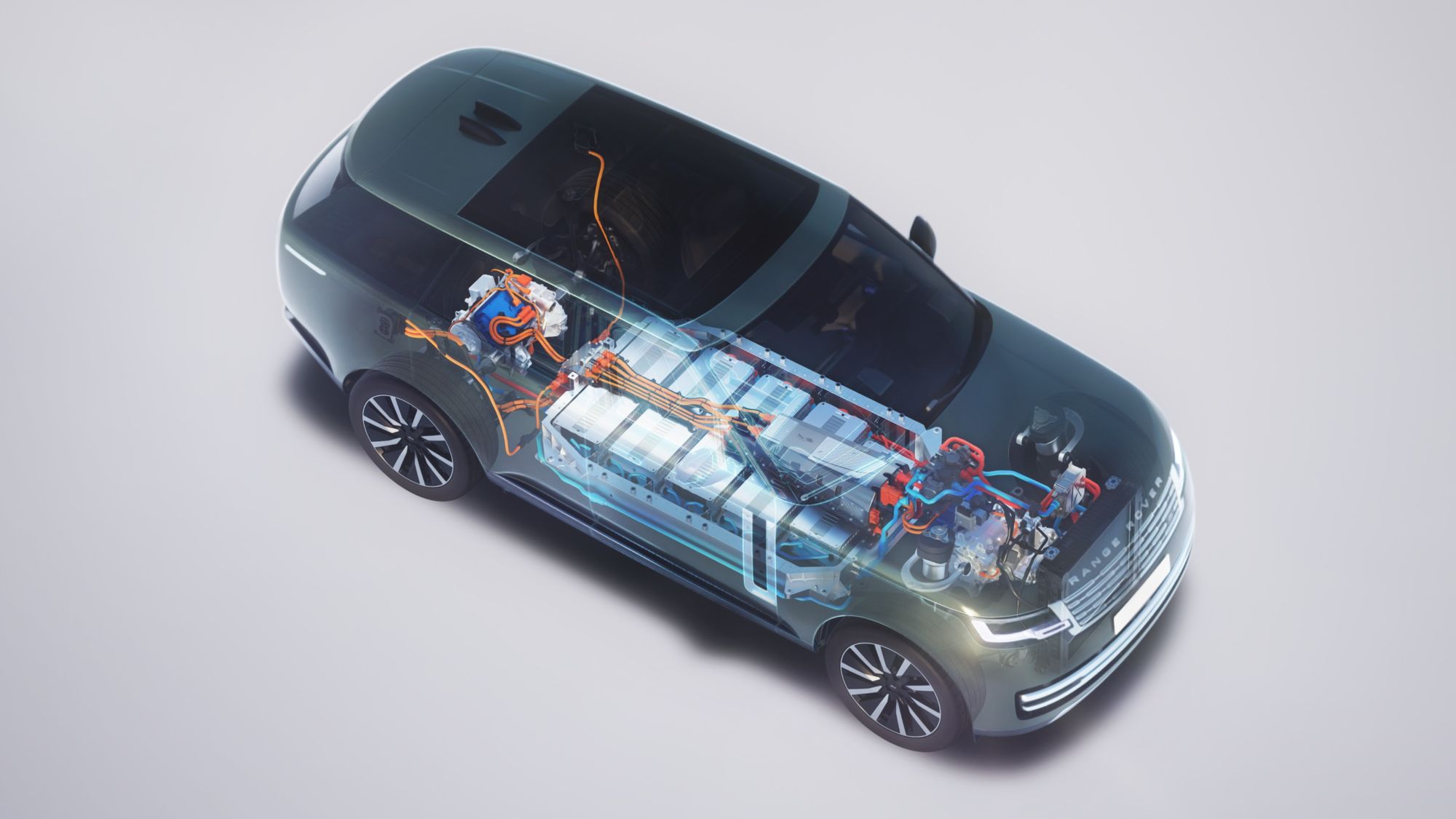
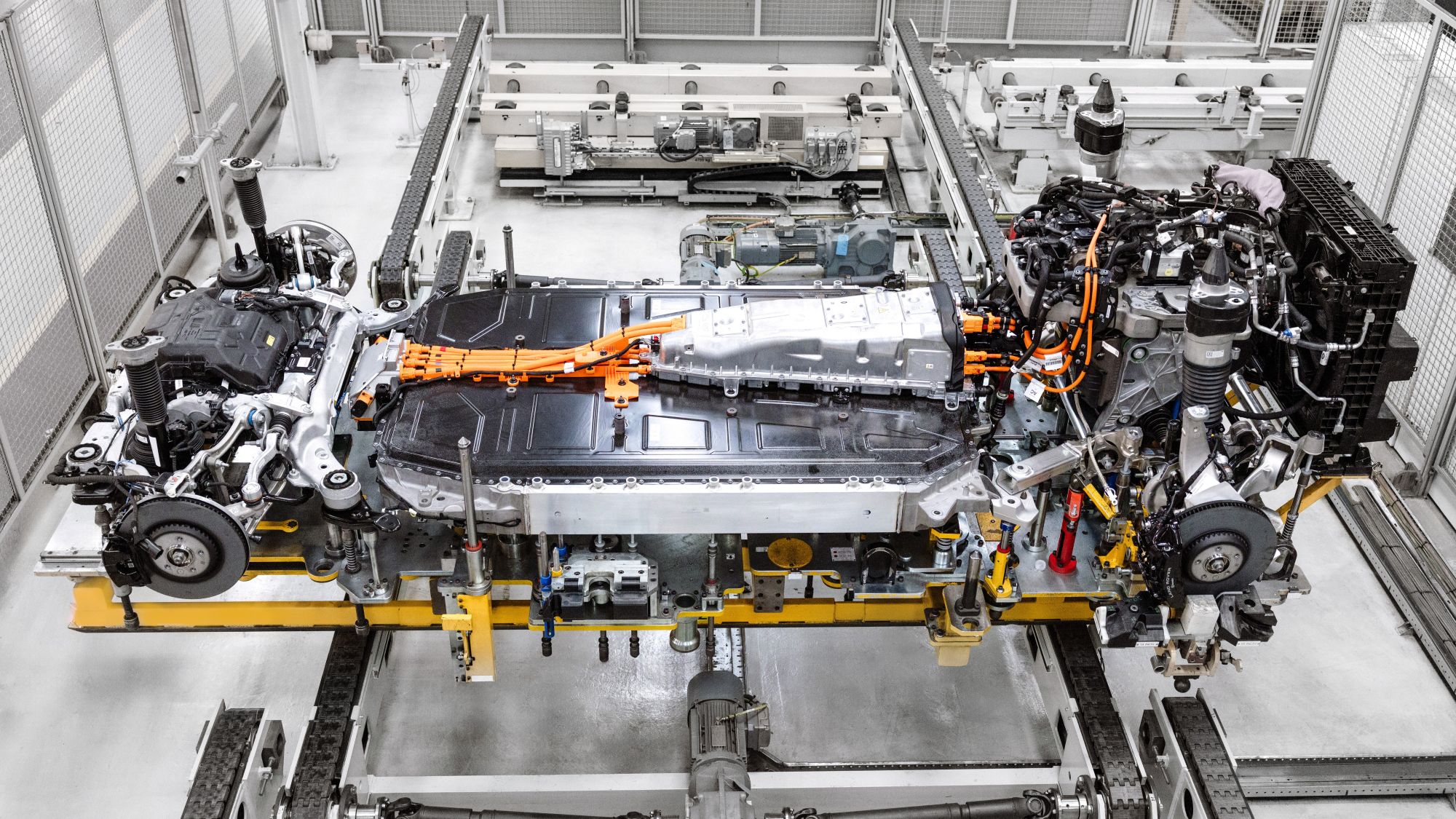
The structural battery is designed to maximize interior legroom and volume while minimizing vehicle weight and cost. Serviceability is improved by making the Battery Powerhouse power electronics easily accessible. The new structural pack introduces a large cylindrical 4695 (46 mm diameter, 95 mm height) lithium-ion battery format from LG Energy Solution to fundamentally optimize vehicle architecture.
Rivian says the pack is optimized for sustained DC fast charging, but charging speed peaks at just 210-230 kW, with users able to add about 150 mi (241 km) in 15 min.
Advanced cooling maintains ideal cell temperatures during high-load scenarios like towing or extreme weather. Rivian’s proprietary software monitors and adapts to environmental and behavioral data, extending battery life and optimizing range in real-time.
The R2 lineup has a native NACS charge port with access to charge at the over-21,000-station-strong Tesla Supercharger network as well as other charging networks with CCS adapter support. In addition, the company is continuing to build out the Rivian Adventure Network (RAN) of DC fast chargers across North America powered by 100% renewable energy. However, there are only about 120 RAN sites across the U.S.
Exterior and interior design
The R2 continues the Rivian design and off-road DNA of the R1. For the design, many of the larger vehicle’s design elements like overall shape and lighting are adapted for the new car’s smaller form factor. Off-road capabilities are enabled by a generous 9.6 in (244 mm) of ground clearance and 25° approach and 26° departure angles.
The dynamic drive experience is aided by a low center of gravity enabled by its structural battery pack and enhanced by a semi-active suspension (on the Performance trim) for better handling and precision on both on- and off-road terrain.
The interior seats up to five adults. A key detail is the rear drop glass window that lowers completely into the liftgate. With the touch of a button, drivers of Performance and Premium trims can drop all windows to allow for flow-through breezes or easily haul long gear like surfboards.
The R2 has 90.1 ft³ (2551 L) of total enclosed storage, with a class-leading 5.2 ft³ (147 L) front trunk able to fit a carry-on and large backpack, and dual glove boxes. The fold-flat rear seats create a level loading surface for bikes and camping gear. The rear cargo area measures 28.7 ft³ (813 L), expanding to 79.4 ft³ (2248 L) with seats folded down.
With the R2, Rivian is introducing three new exterior colors: Exclusive to R2 is the blue/green Catalina Cove. Esker Silver has fine metallic flakes that bring depth to this silver. Half Moon Grey is inspired by the coastal cliffs of Half Moon Bay. These join Rivian’s established colors, including Midnight, Glacier White, Forest Green, Borealis, and Launch Green.
All R2 wheel and tire options share a 32-in overall diameter, with configurations across the lineup including 21-in Liquid Tungsten forged, 20-in Bicolor Carbon, and 19-in Machined Graphite wheels, all coming with Pirelli all-season tires. The 20-in Black Sand All-Terrain wheels are paired with BF Goodrich all-terrain tires.
Inside, Rivian says the R2 reflects thoughtful utility with nature-inspired minimalism expressed through distinct interior environments tailored to each trim.
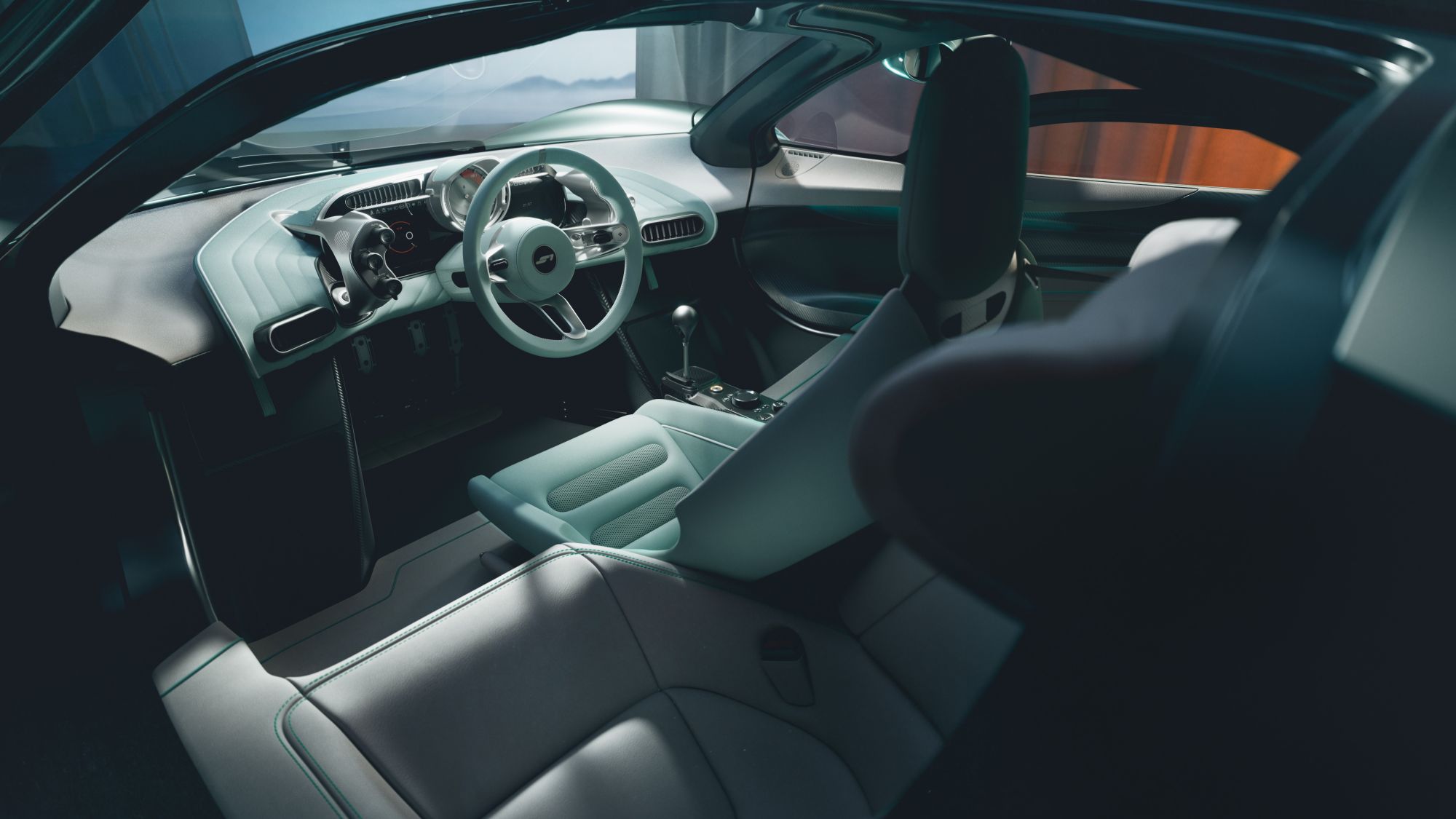
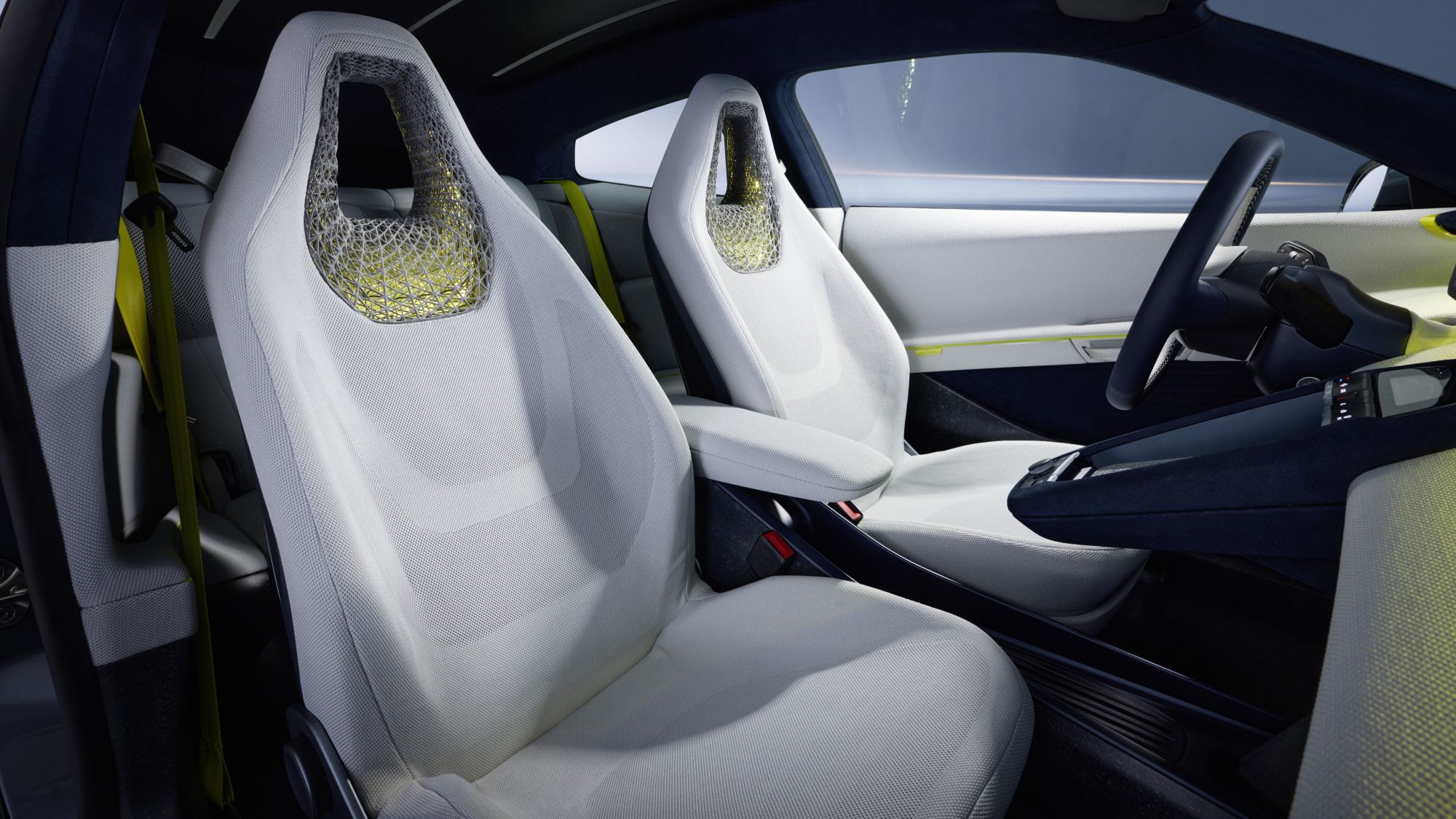
R2 Performance and Premium trims feature two signature interiors defined by a blend of upcycled Birch wood accents and organic textures. The darker Black Crater Signature interior is inspired by the dynamic dark tones of volcanic rock, and the lighter Coastal Cloud Signature features crisp tones of cool and cloudy coastal sky. For the Standard trim, Black Crater features dark volcanic tones, a light and airy headliner, and natural fiber accents.
Rivian’s second-generation Adventex sustainable and vegan “leatherette” material—featured on the seats, door inserts, and instrument panel—has a minimum of 50% sustainable content. The flat-woven floor mats easily handle sand, dirt, and pet hair. Non-glossy black surfaces reduce smudging and simplify upkeep.
Other key highlights included on the Performance trim are semi-active suspension, Esker Silver exterior, rear drop glass, and Compass Yellow brake calipers and exterior badging. It comes with Dynamic Adventure Lighting with adaptive high beams for its matrix LED headlights. A tow package offers 4400-lb (1996-kg) capacity. The Autonomy+ package is included for the lifetime of the vehicle.
Its Black Crater Signature interior gets heated and ventilated front seats, heated rear outboard seats, heated steering wheel, 12-way power driver and passenger seats with lumbar adjustment, and a 975-W audio system with 9 speakers and 2 midwoofers and 2 subwoofers, both in force-balanced configuration. It comes with a special Rivian Green anodized key fob.
Integrated hardware and software
With the R2, Rivian says it has evolved its vertically integrated hardware and software approach with a new, streamlined electrical architecture that delivers more capability with less complexity while providing ample headroom for the future.
The R2’s custom-designed AI compute platform reduces dependence on third-party hardware. The core suppliers and partners for this proprietary silicon include Arm, which provides the core compute platform architecture for the system, and TSMC (Taiwan Semiconductor Manufacturing Co.), which fabricates Rivian’s custom-designed Rivian Autonomy Processor (RAP1). The new Autonomy Compute Module 3 (ACM3) pairs two of these custom RAP1 chips to process up to 1600 TOPS (trillion operations per second).
The power electronics architecture is said to represent a massive leap in vertical integration, replacing disparate supplier modules with a singular, in-house Battery Powerhouse that consolidates energy management and output.
The simplified blueprint drives manufacturing scalability and future-proofs the vehicle, providing the high-fidelity sensing required for continuous OTA enhancements and premium autonomy tech.
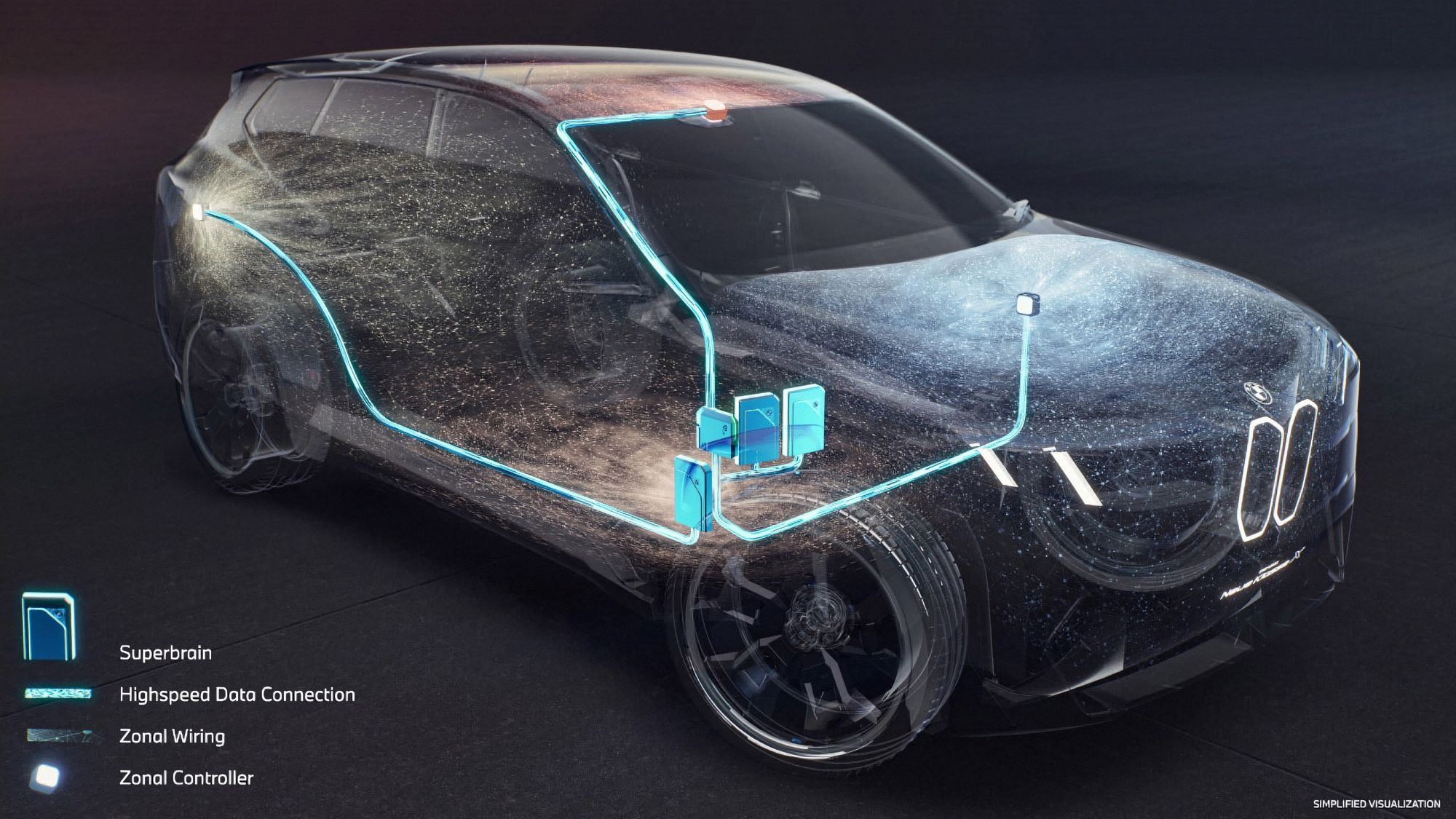
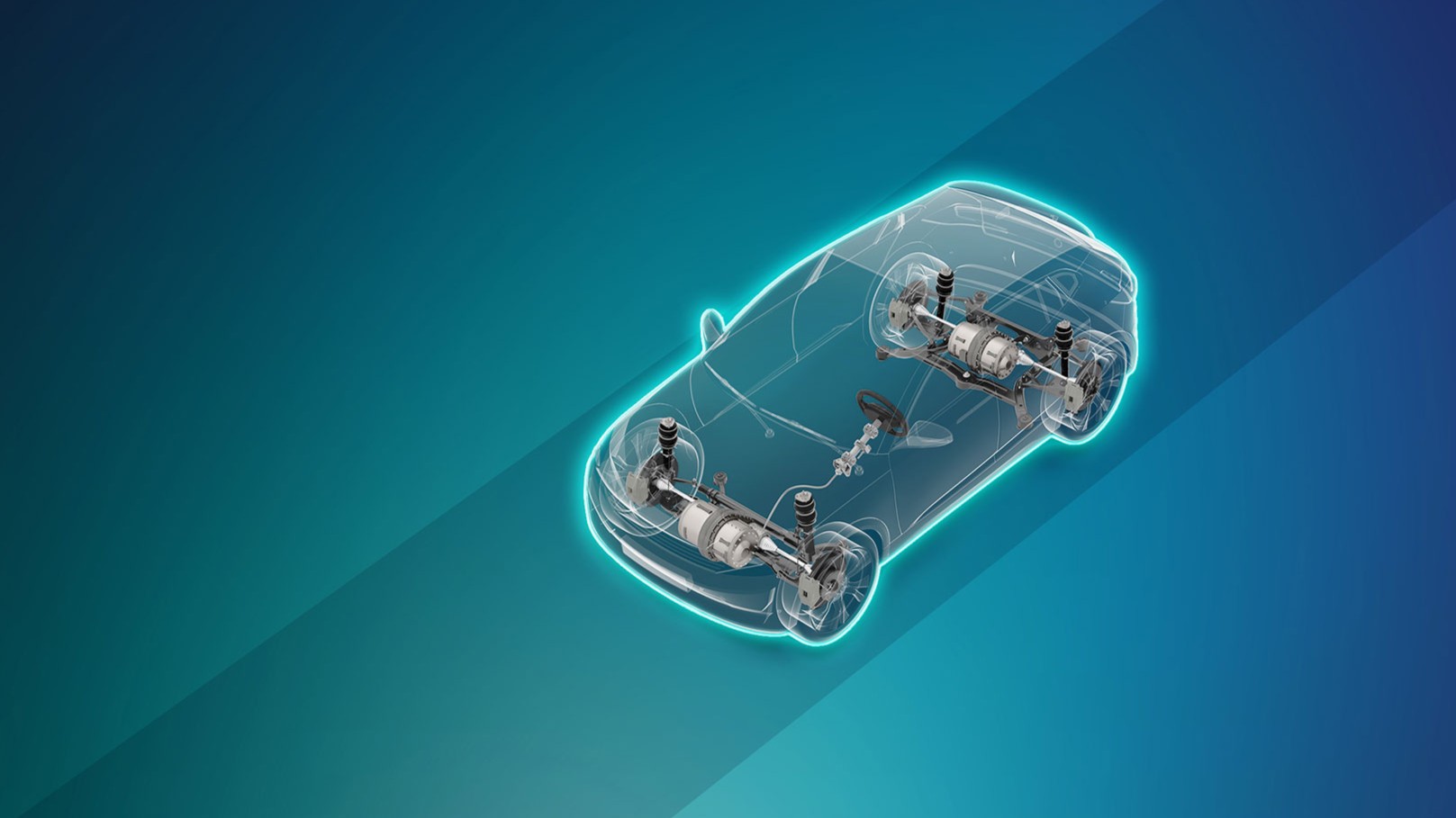
For the R2, Rivian builds on the zonal backbone it introduced with R1 Gen 2 to integrate third-party HV (high voltage) and 2 Rivian designed LV (low voltage) modules into an integrated assembly. In evolving the zonal electronics, Rivian says its engineers stripped away legacy complexity to improve range, reliability, and manufacturing speed. The effort eliminated 2.3 mi (3.7 km) of wiring compared to R1 Gen 1, for a 65% total reduction in harness length.
The number of in-line connectors was slashed by over 60%, significantly improving long-term reliability and manufacturability. The result was a 20 kg (44 lb) reduction in harness mass from Gen 2, directly contributing to better range and efficiency.
A 5-to-1 consolidation integrates five critical power modules—the SZC (system zone controller), BMS (battery management system), onboard charger, DCDC (DC-to-DC converter), and DCAC (DC-to-AC inverter)—into one integrated assembly.
Bi-directional functionality is delivered by 11-kW V2H (vehicle-to-home) and V2L (vehicle-to-load) capabilities, boosted by a 28% increase in in-cabin AC power (up to 1.92 kW) to support high-draw gear and appliances.
Interior tech and Autonomy+
Rivian says the R2 marks the next evolution of the software-defined vehicle, with an AI-ready architecture that pairs 5G-connected and offline-capable processing with tactile, haptic hardware. The company uses Qualcomm’s Snapdragon Cockpit Platform to power the R2 infotainment system, with graphics developed using Epic Games’ Unreal Engine for the high-resolution displays.
The R2 is outfitted with 200 sparse TOPS of edge AI compute dedicated to the in-cabin experience. This includes enabling the forthcoming Rivian Voice Assistant that understands the user, vehicle, and context to smoothly run complex tasks locally on the edge.
At the center of the R2 driving experience is a redesigned steering wheel featuring haptic “halo” dials. These dynamic and context-aware controls—capable of scrolling, pushing, pulling, and tilting—provide distinct physical responses for multiple functions, bridging the gap between digital software and tactile hardware to keep the driver’s focus on the horizon. The physical wheels and underlying haptic technology were designed in-house.
“We completely refreshed the new UI, and we revamped the media app with easy access to your favorite music sources,” said Wassym Bensaid, Chief Software Officer, Rivian.
That includes native Spotify and Apple Music integration, the latter with Dolby Atmos, and a completely new look and feel with easier scrollability and readability.
Another UI highlight is the “software-defined steering wheel, allowing easy and intuitive access to some of the key features directly with a touch on the steering wheel, and it provides a satisfying tactile feedback to the driver,” he continued.
R2 offers flexibility and control with two displays, with a driver display in front of the steering wheel for the most important driving info and the center display for a deeper dive into features. OS 2.0 brings a new, dynamic, and intuitive design to the cabin screens. Software and design co-created a new UI design framework that comes first to R2 and will scale across the automaker’s vehicle lineup.
“R2 is an AI powerhouse, coming with our most capable sensors to date, and our self-driving features, and it also comes with a very capable edge compute for AI, enabling the high-performance Rivian Voice Assistant,” added Bensaid. “And as usual, your R2 will improve over time, so keep an eye out for a lot of fun surprises to come.”
The R2’s Rivian Autonomy Platform is built on the automaker’s Large Driving Model, an end-to-end AI system trained on hundreds of millions of real-world miles. By emulating the best human drivers rather than following rigid, pre-programmed rules, the R2 better understands the driving environment.
Built on a multi-modal perception stack, featuring 11 HDR cameras with a combined 65 MP and a sophisticated five-radar system, the R2 is said to deliver a leap in hardware fidelity. This 360-degree perception foundation powers an expanding suite of driver assistance and active safety features.
Customers can enable Rivian Autonomy+ for $49.99/month or a $2500/one-time fee on hardware that is built into all R2 trims, bringing L2+ hands-free assisted driving to 3.5 million mi (5.6 million km) of roads across the U.S. and Canada. All new R2 deliveries include a 60-day trial of Autonomy+.
Rivian’s Gear Guard security and theft deterrence system uses the exterior camera system to create a 360-degree view that helps monitor the space around the vehicle, recording video of any suspicious activity while the owner is away. The video can be viewed in-vehicle or downloaded.
The Rivian app can be used to access the vehicle, schedule service, warm up or cool down the interior, and manage charging sessions. An Apple Watch app is an extension of the experience, making it possible for a user to leave their iPhone behind while maintaining full vehicle connectivity.
R2 platform engineering & manufacturing efficiency
Rivian is targeting roughly a 45% reduction in material costs on R2 versus its second-generation R1, while maintaining the brand DNA and the performance customers expect. The non-bill-of-materials cost of goods sold is expected to be less than half of that of the second-generation R1 vehicles.
Examples of savings include 90% fewer parts and 30% piece cost reduction in the underbody structure, and a 70% reduction in high-voltage cabling. Additional savings include a 50% reduction in front windshield costs, predominantly from sourcing leverage, a 30% piece cost savings on the Maximus drive unit, a 67% reduction in the center console, and a 25% reduction in steering racks. Another 65% part count reduction and 55% savings come from design optimization on the rear doors.
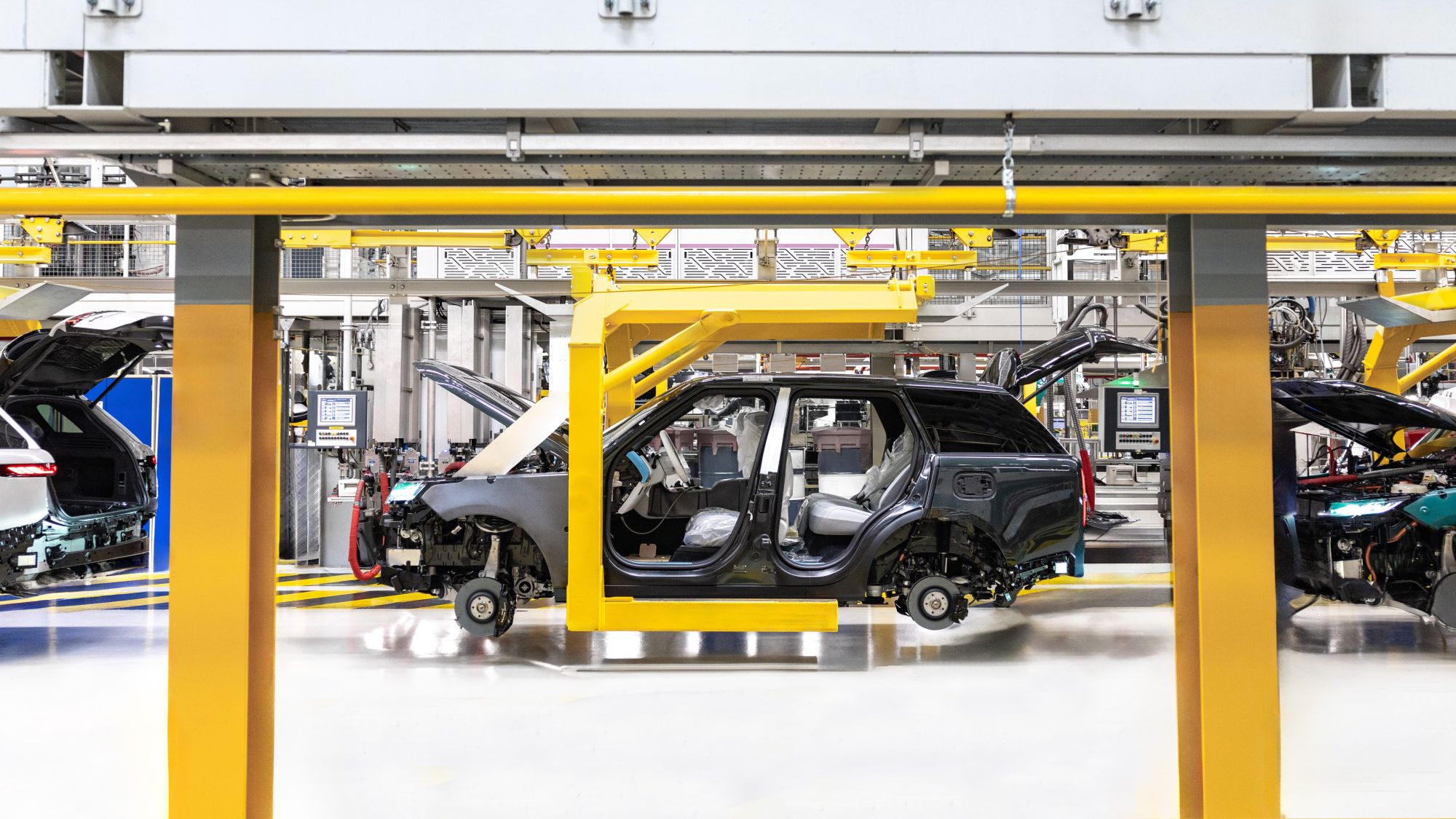
Rivian says the R2 will extend the brand to the mass market, driving meaningful automotive segment growth and profitability, with the production line in Normal, IL, capable of producing 155,000 R2 units annually. In 2026, the automaker expects to deliver between 62,000 and 67,000 vehicles across its R1, R2, and commercial vans.
-

- Rivian R2 at speed.
-

- Rivian R2 at night in the city.
-

- Rivian R2 rear side in grass.
-

- Rivian R2 in red parking structure.
-

- Two Rivian R2s on the road.
-

- Rivian R2 rear side.
-

- Rivian R2 structural battery.
-

- Rivian R2 battery pack exploded view.
-

- Rivian R2 zonal electronics backbone.
-

- Rivian R2 front row view from rear.
-

- Rivian R2 steering wheel features haptic “halo” dials.
-

- Rivian R2 central user interface.
-

- Rivian R2 rear seating.
-

- Rivian R2 with rear seats folded.