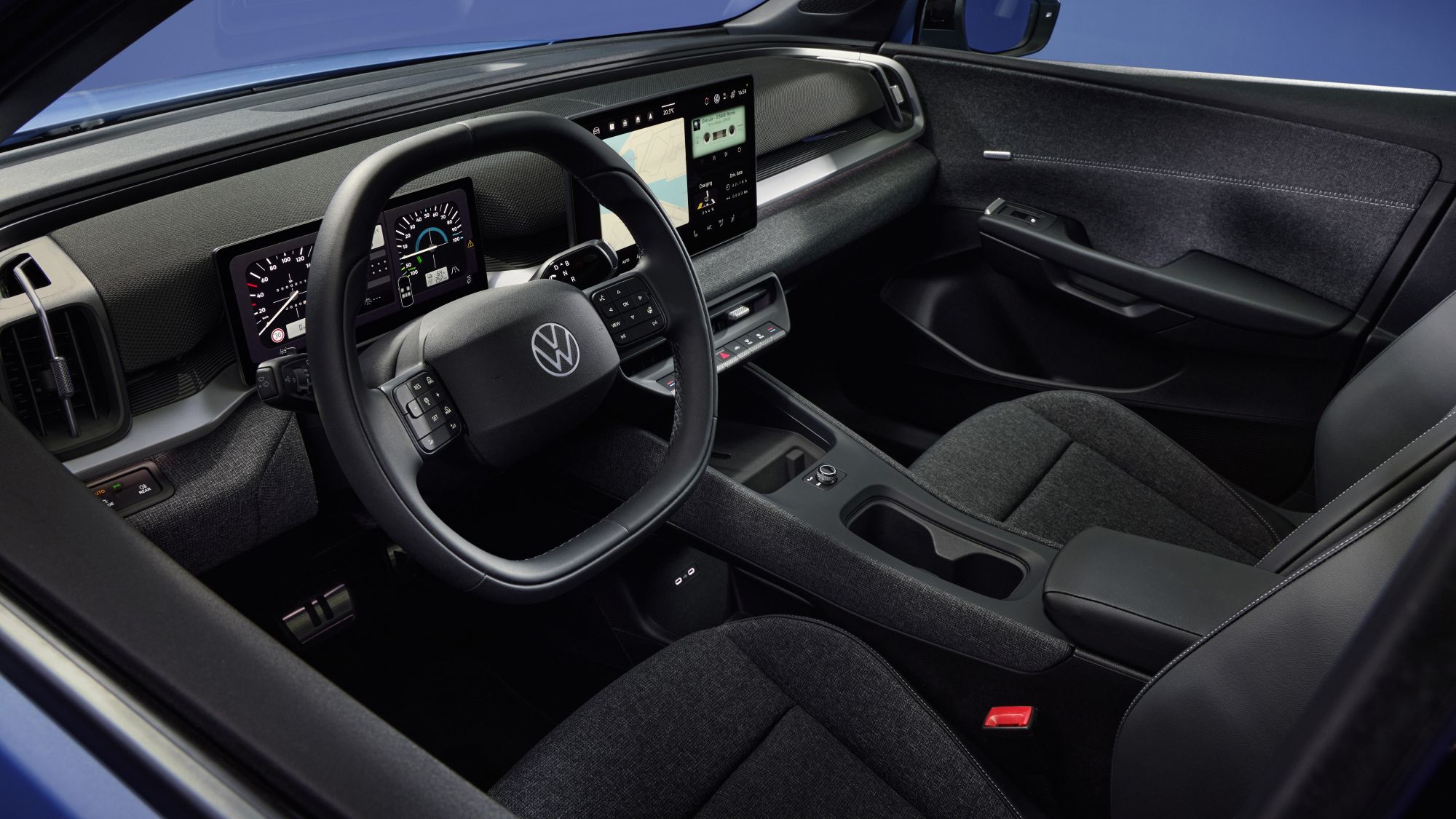
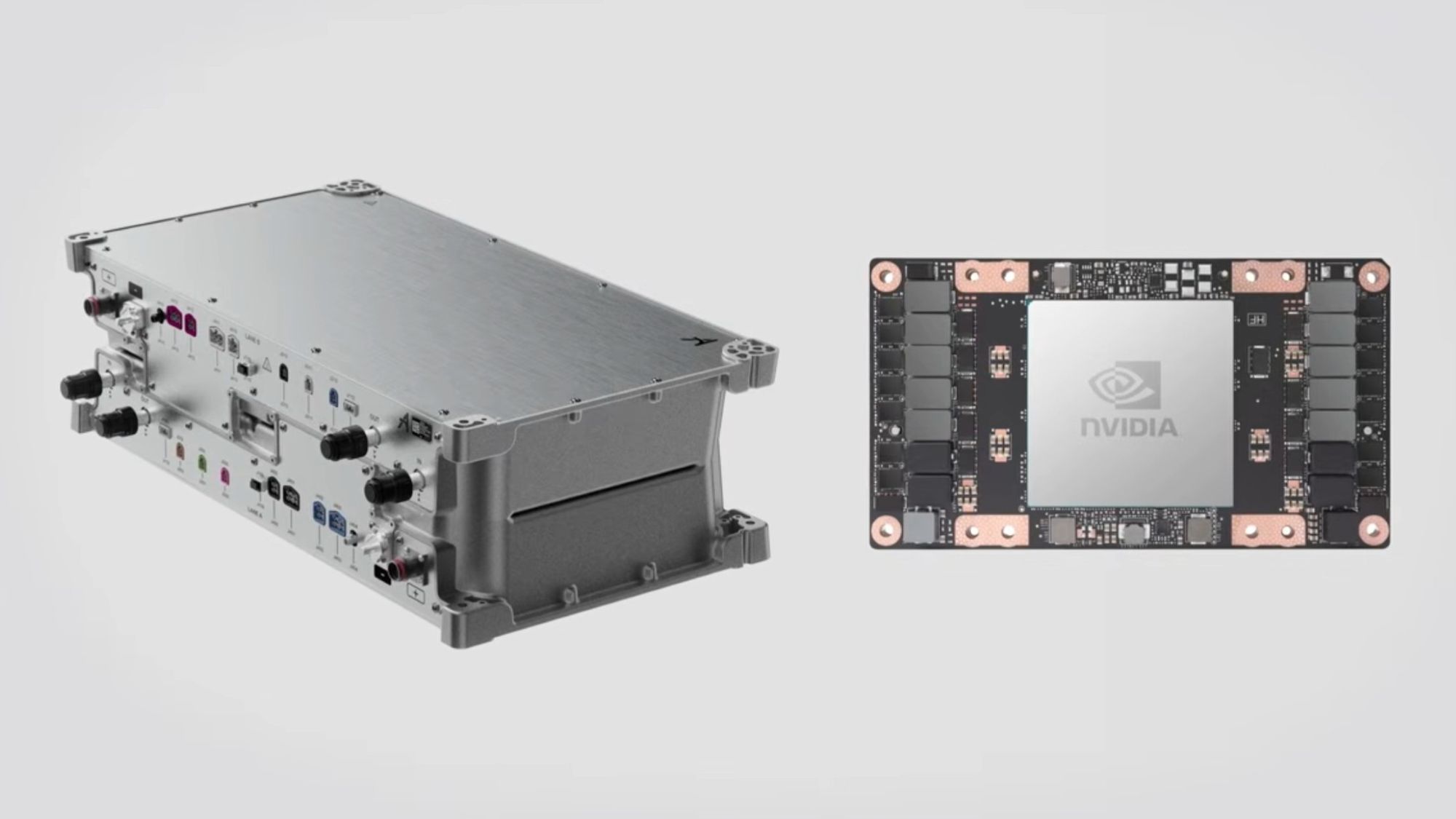
Stellantis announced today that it has reached a significant SSB (solid-state-battery) milestone with the integration of Factorial Energy’s advanced FEST (Factorial Electrolyte System Technology) technology into a Dodge Charger Daytona development vehicle and the launch of a road-testing program to verify the next-generation battery’s performance, safety, and reliability. The achievement marks the first integration of solid-state cells into a Stellantis vehicle and a breakthrough step towards automotive-grade application.
“Battery development is a balancing act,” said Ned Curic, Stellantis Chief Engineering and Technology Officer. “It’s not enough to optimize a single metric. We need a system that delivers real benefits in a real vehicle. This milestone shows we are bringing solid-state batteries closer to our customers with the potential for longer range, faster charging, and lower costs. Just as important, FEST’s strong compatibility with lithium-ion manufacturing processes gives us a critical path to scale this technology.”
The collaboration comes as the global solid-state battery market is projected to grow from about $119 million in 2025 to more than $1.3 billion by 2032, according to Fortune Business Insights.
In 2025, Stellantis and Factorial demonstrated FEST cells with an impressive energy density of 375 Wh/kg, ultra-fast charging from 15% to 90% in just 18 min, and reliability from -30°C to +45°C (-22°F to +113°F).
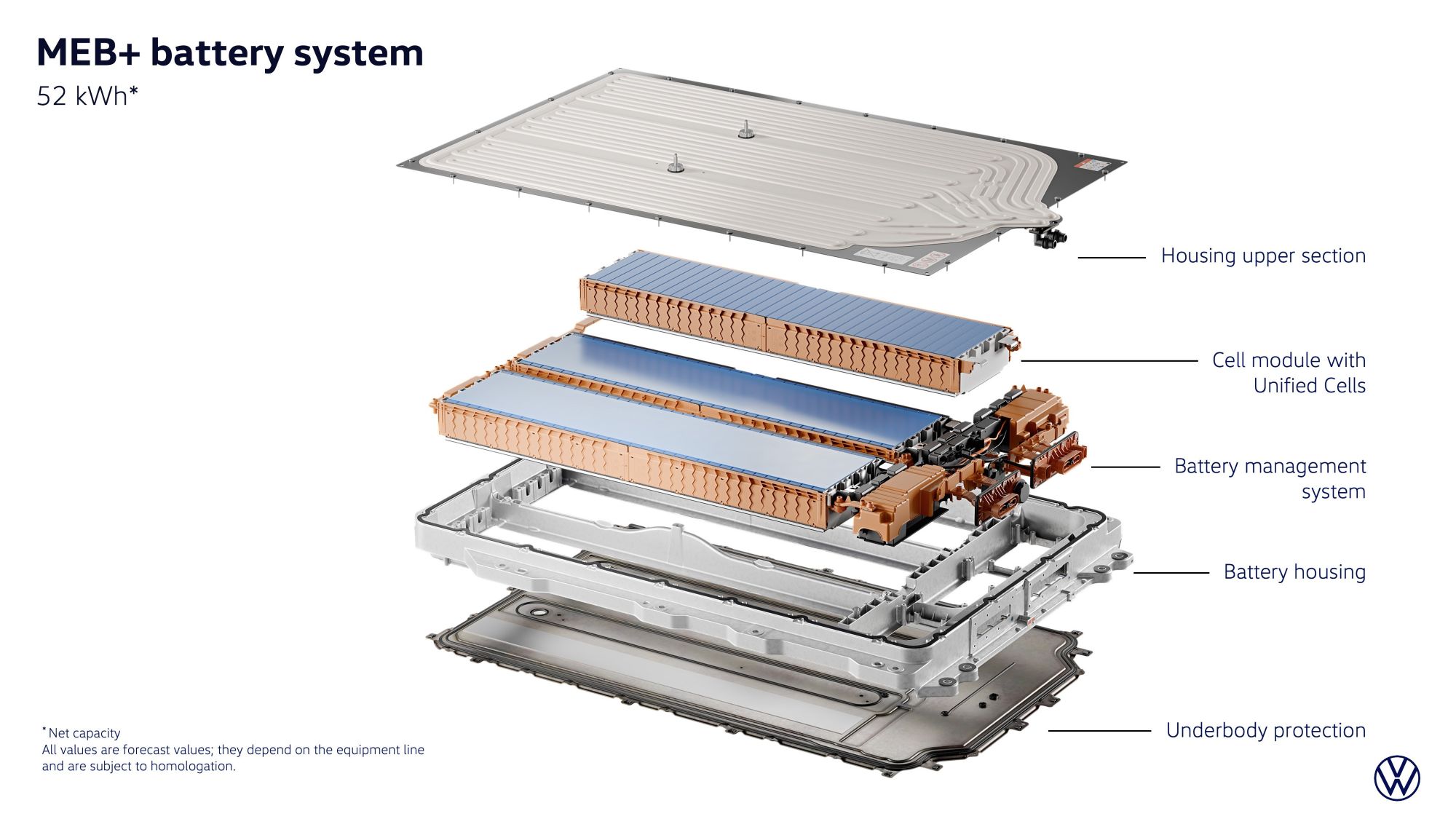
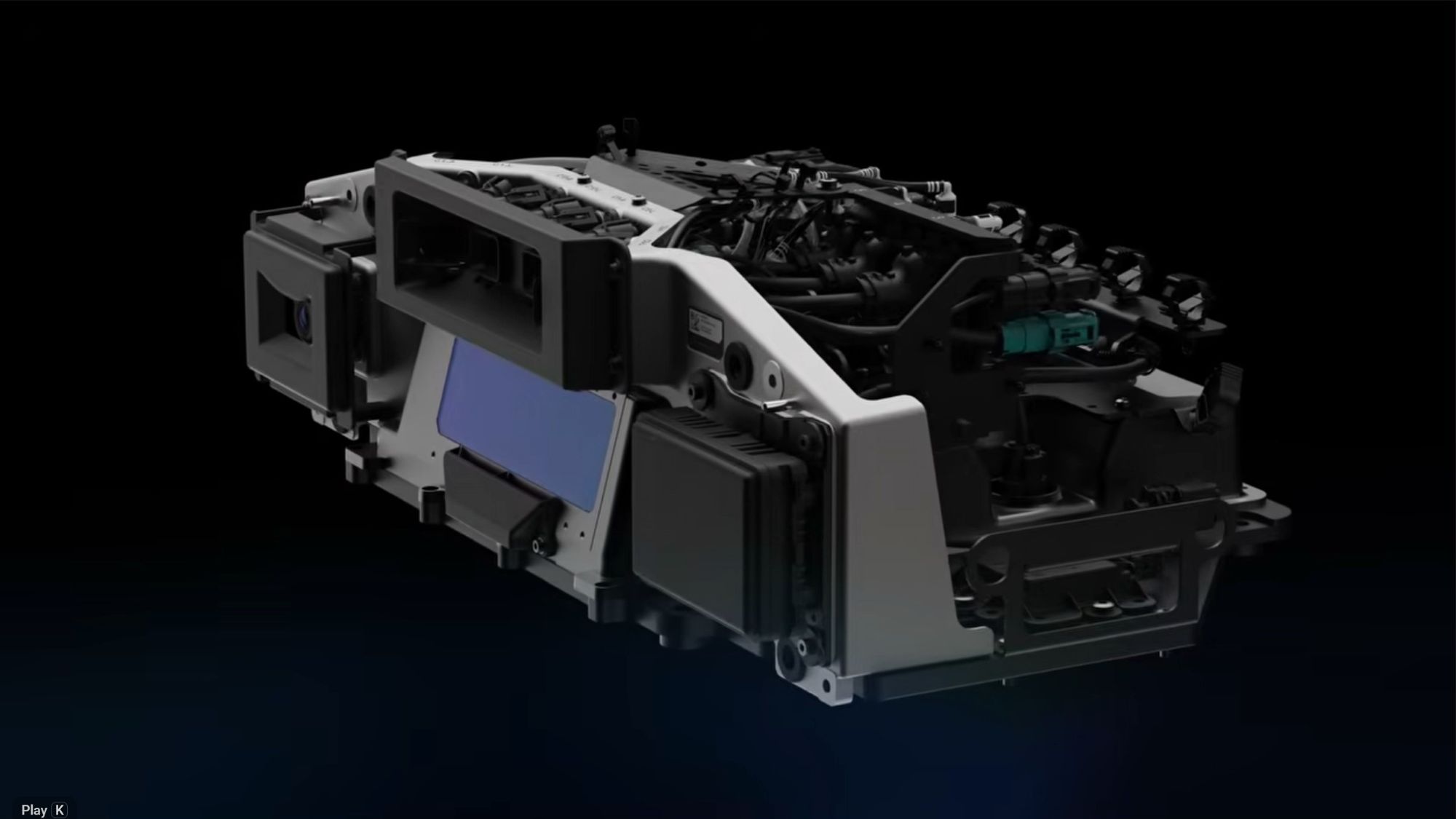
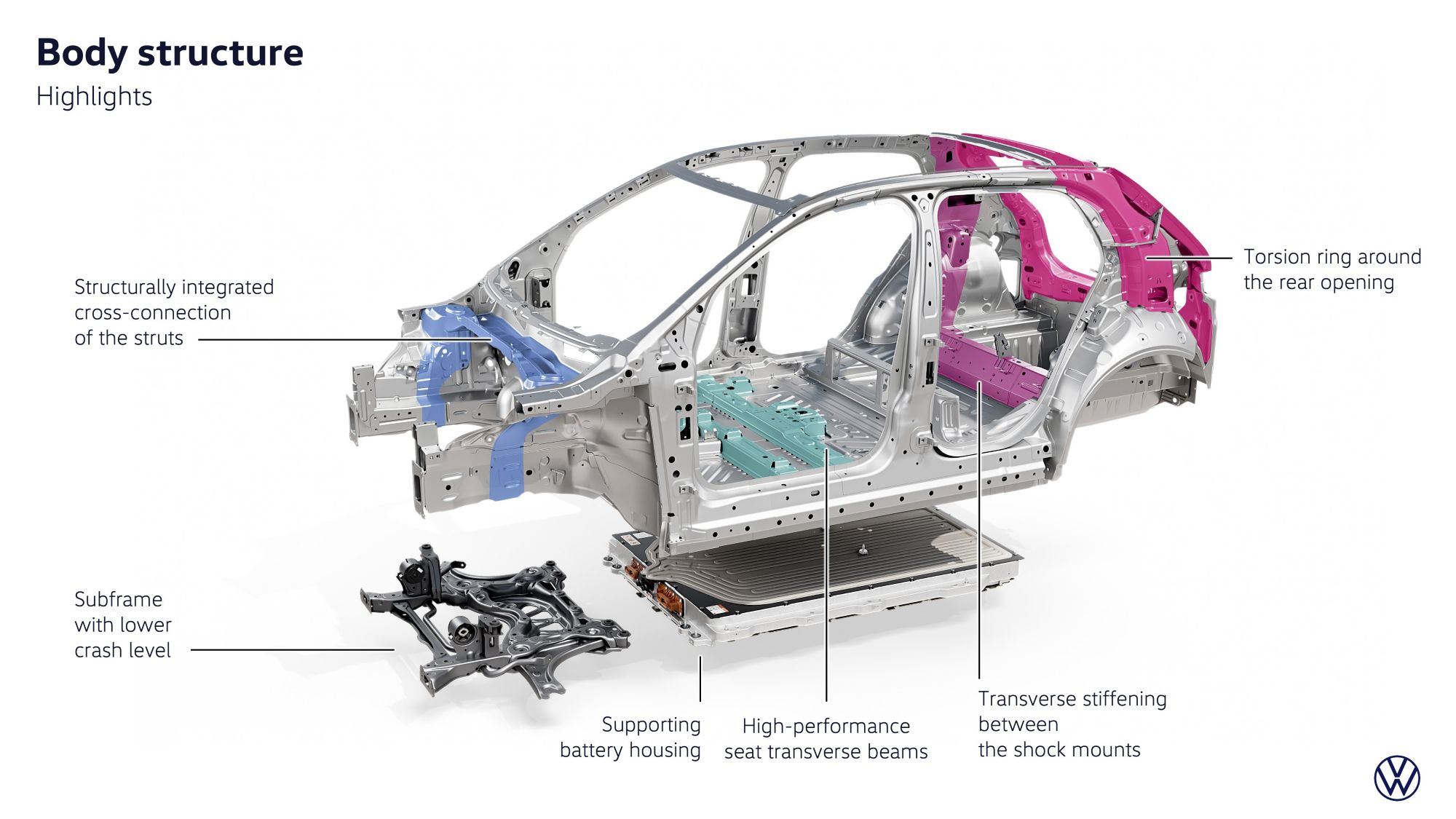
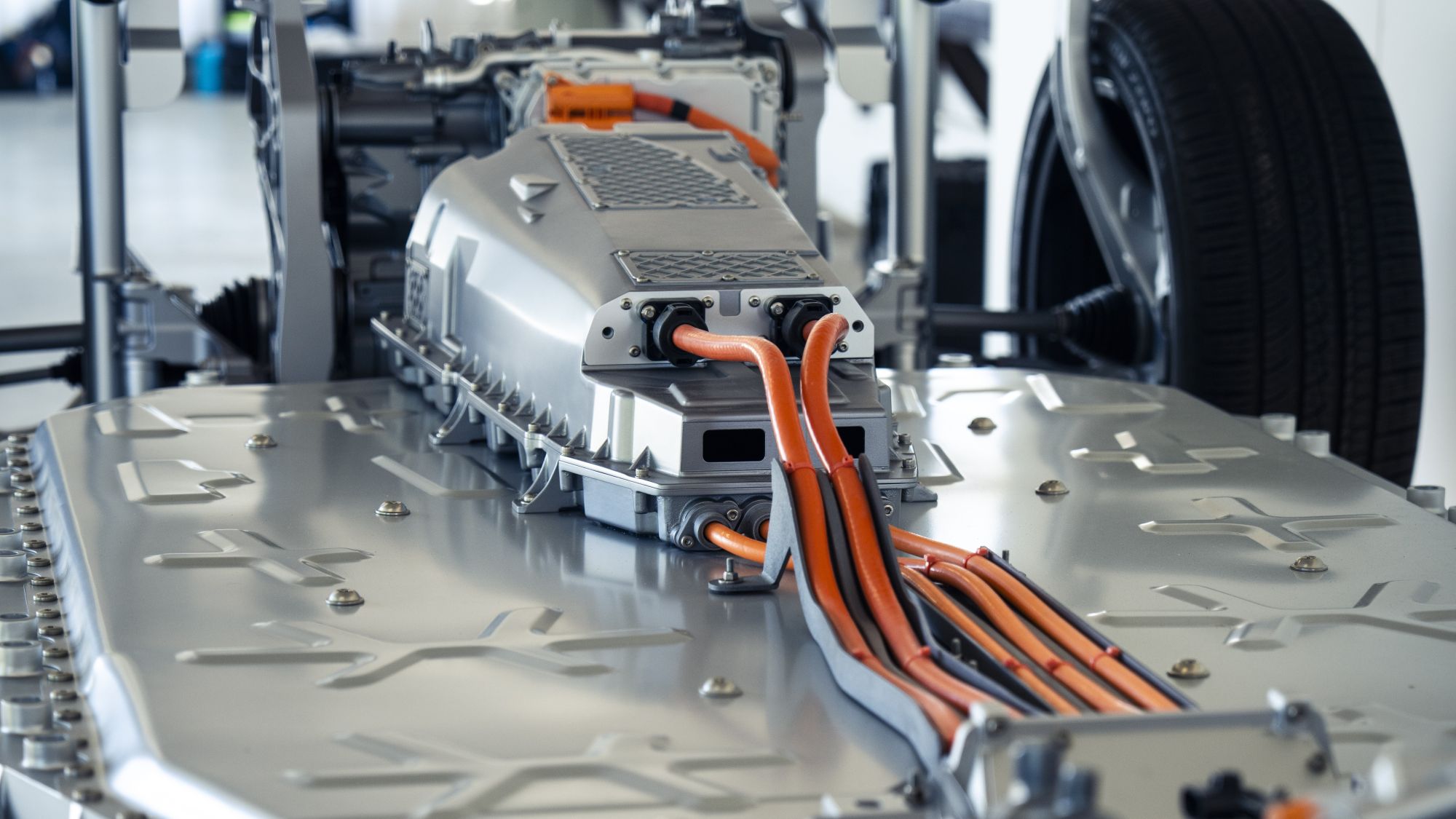
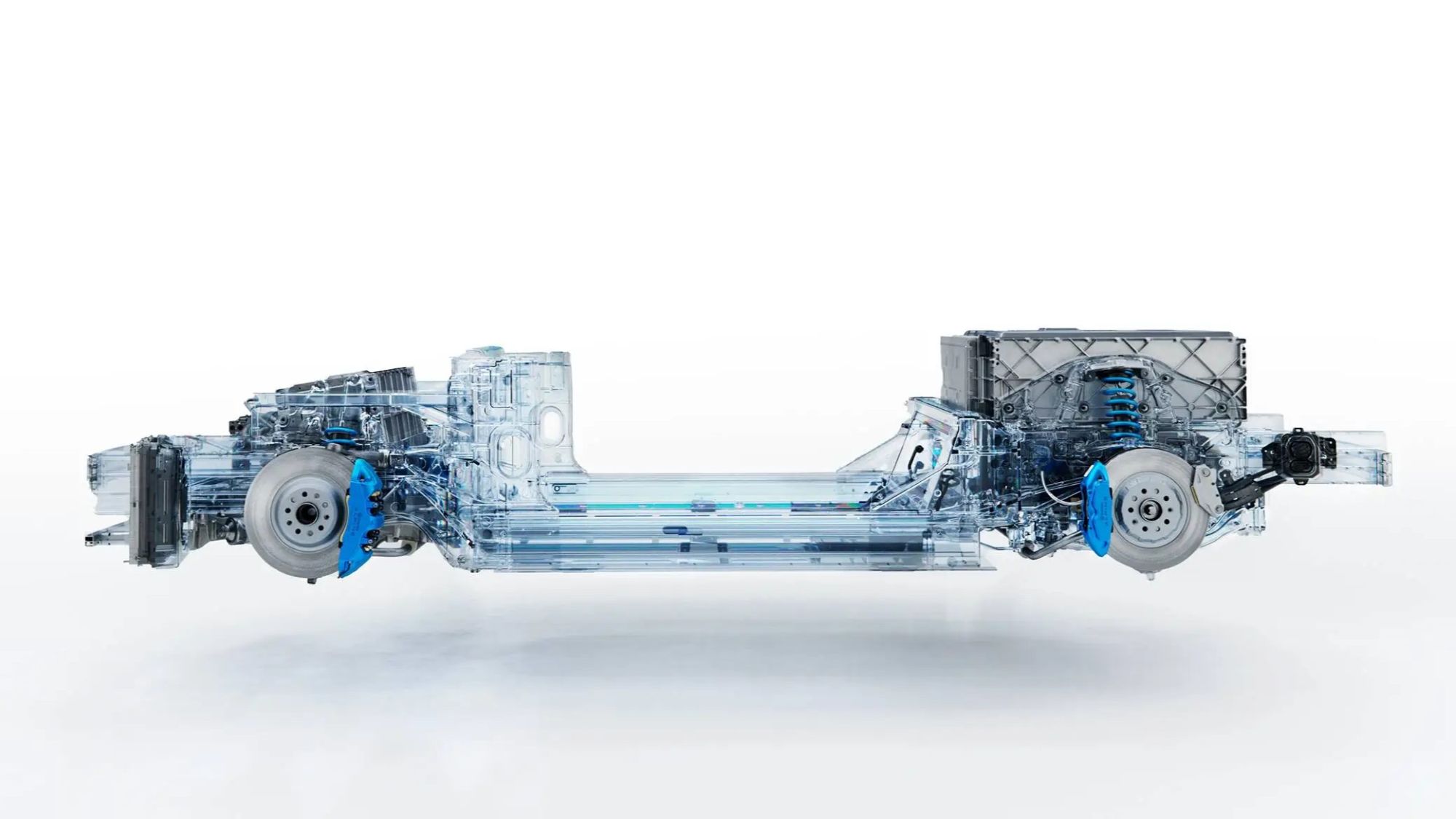
Transitioning from these cell testing results to a development vehicle demanded advanced engineering solutions from partner engineers. FEST solid-state battery cells were integrated into the existing battery pack using a patented new mechanical architecture designed by Stellantis to bring out the best of solid-state cell performance.
Engineers also adapted the control systems and pack design to optimize cell performance while meeting rigorous automotive requirements for safety and durability. The technical designs and adaptations are essential for ensuring cell performance in all conditions.
With this integration milestone complete, Stellantis and Factorial have started a road testing and calibration program to help tune and further verify pack performance and reliability under charging and driving conditions, in addition to vehicle safety.
“What we have built together, from cell chemistry to pack architecture to enable real-world road testing, is exactly the kind of deep, full-stack collaboration that solid-state has always required,” said Siyu Huang, CEO of Factorial. “This milestone doesn’t just validate FEST; it sets a new bar for what automotive-grade solid-state batteries can deliver and supports the development of future vehicles designed to meet the evolving needs of drivers.”
This milestone marks an important step in Factorial’s ongoing development, calibration, and industrialization of solid-state batteries for automotive use. And it caps off a week in which the U.S. developer of solid-state battery technology completed a business combination with Cartesian Growth Corporation III, a special purpose acquisition company.
The transaction implies an equity value of about $1.3 billion and provides more than $100 million in gross proceeds to support continued commercialization of Factorial’s next-generation batteries. The company enters the public markets with support from the U.S. national security investment community, real-world vehicle integrations, expansion into high-performance drones, and progress toward the first U.S. solid-state production program for passenger vehicles. Its capital-light commercialization model, built on joint manufacturing partnerships, is designed for rapid, scalable deployment.
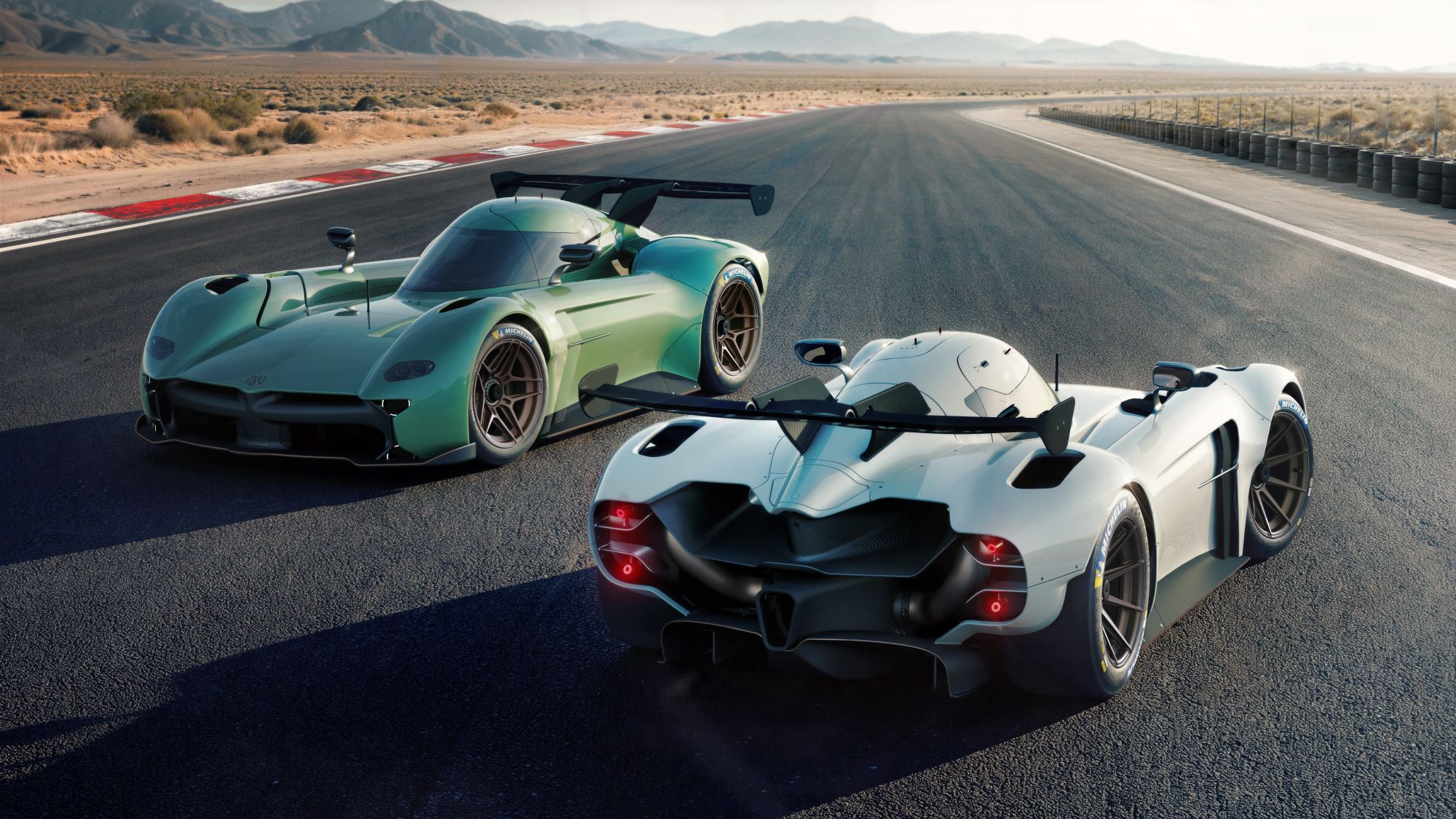
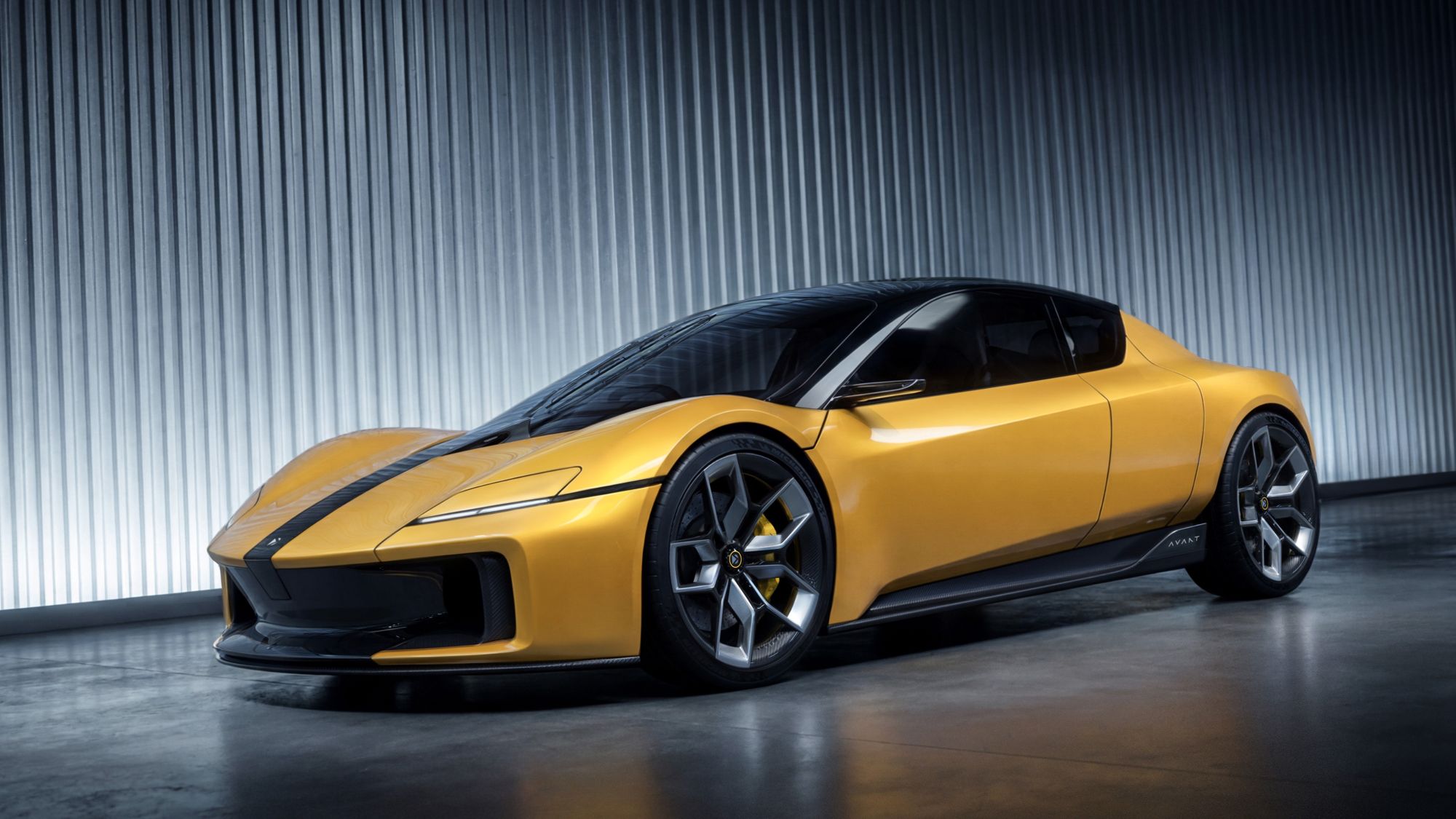
Factorial’s leadership in solid-state batteries for automotive was recently demonstrated by the February announcement that Karma Automotive Inc. will integrate Factorial’s FEST into its next-generation vehicle platform, beginning with the all-electric Kaveya super-coupe scheduled to arrive in late 2027. According to Factorial, the agreement marks the first commercial solid-state battery program from a U.S.-based OEM integrating solid-state cells into a production-bound vehicle platform.
By pairing Karma’s 100% America-based engineering, vehicle design, and production with Factorial’s U.S.-developed solid-state battery platform, the partners say the collaboration strengthens the local manufacturing ecosystem and domestic innovation for next-generation electric mobility. The companies aim to accelerate U.S.-led electric and hybrid vehicle technology advancements while validating solid-state technology in a production passenger vehicle environment.
The Karma deal followed an announcement last September that Mercedes-Benz had set a new benchmark in e-mobility with a lightly modified EQS electric test vehicle equipped with a solid-state battery using lithium-metal cells based on Factorial’s FEST technology. At the end of August, the car completed the 749-mi (1205-km) trip from Stuttgart, Germany, to Malmö, Sweden, on a single charge. The EQS surpassed the previous record set by the Vision EQXX engineering prototype on its Stuttgart-Silverstone route and arrived with 85 mi (137 km) of range remaining.
The solid-state battery system was developed in collaboration with Mercedes-AMG HPP (High Performance Powertrains), the Formula 1 technology center of the Mercedes-Benz Group in Brixworth, UK. The usable energy content of the battery was increased by 25% while the weight and size of the battery remained comparable to the standard EQS battery.
-

- Stellantis and Factorial SSB development car.
-

- Stellantis and Factorial solid-state module.
-

- Factorial’s Siyu Huang with FEST battery cell in front of Kaveya.
-

- Factorial’s Siyu Huang with FEST battery cell in front of Kaveya.
-

- Mercedes-Benz EQS test vehicle with Factorial FEST solid-state battery tech.
-

- Mercedes-Benz EQS battery pack with Factorial FEST tech.