Watt Electric Vehicle Company and Avant Design have announced a combined program offering that enables automotive clients to develop concept, show, and one-off vehicles from an integrated team comprising design, engineering, and manufacturing through to a fully functional prototype.
The partnership draws on Watt EV’s established platform technology, low-volume manufacturing experience, and regulatory expertise, as well as Avant’s capabilities in advanced 3D design and immersive AR/VR (augmented reality/virtual reality) visualization. Together, the two companies offer clients a comprehensive route from initial brief to road-ready vehicles, from sports cars to commercial vehicles.
The combined offering covers the full span of concept and prototype vehicle development for concept, show, and one-off vehicle design and manufacture, including bespoke commissions and fully resolved show vehicles. Cutting-edge 3D design with AR/VR visualization can be deployed as an active design and development toolset to sharpen decision-making and compress timelines.
Avant’s use of VR as a design and development tool, rather than a presentation medium alone, allows for design intent to be interrogated and resolved earlier in the program, reducing the risk of late-stage engineering changes and compressing overall delivery timescales.
“Design and engineering are most effective when they operate as a single conversation, not a handover,” said Jonathan Gould, Owner and Director of Avant Design. “Our AR/VR and 3D toolset is built to accelerate that process, and combining it with Watt EV’s platform technology and manufacturing capability means clients can pursue genuinely ambitious vehicle concepts with a realistic path from sketch to road.
“This means that brands can build a dimensionally accurate, visually and mechanically representative, road-legal prototype in just a few months. Instead of producing a mule vehicle that compromises the design vision to fit the skateboard available, or a static clay model that can only be wheeled around, we can build something that gives decision makers, investors, and partners a real impression of the final vehicle.”
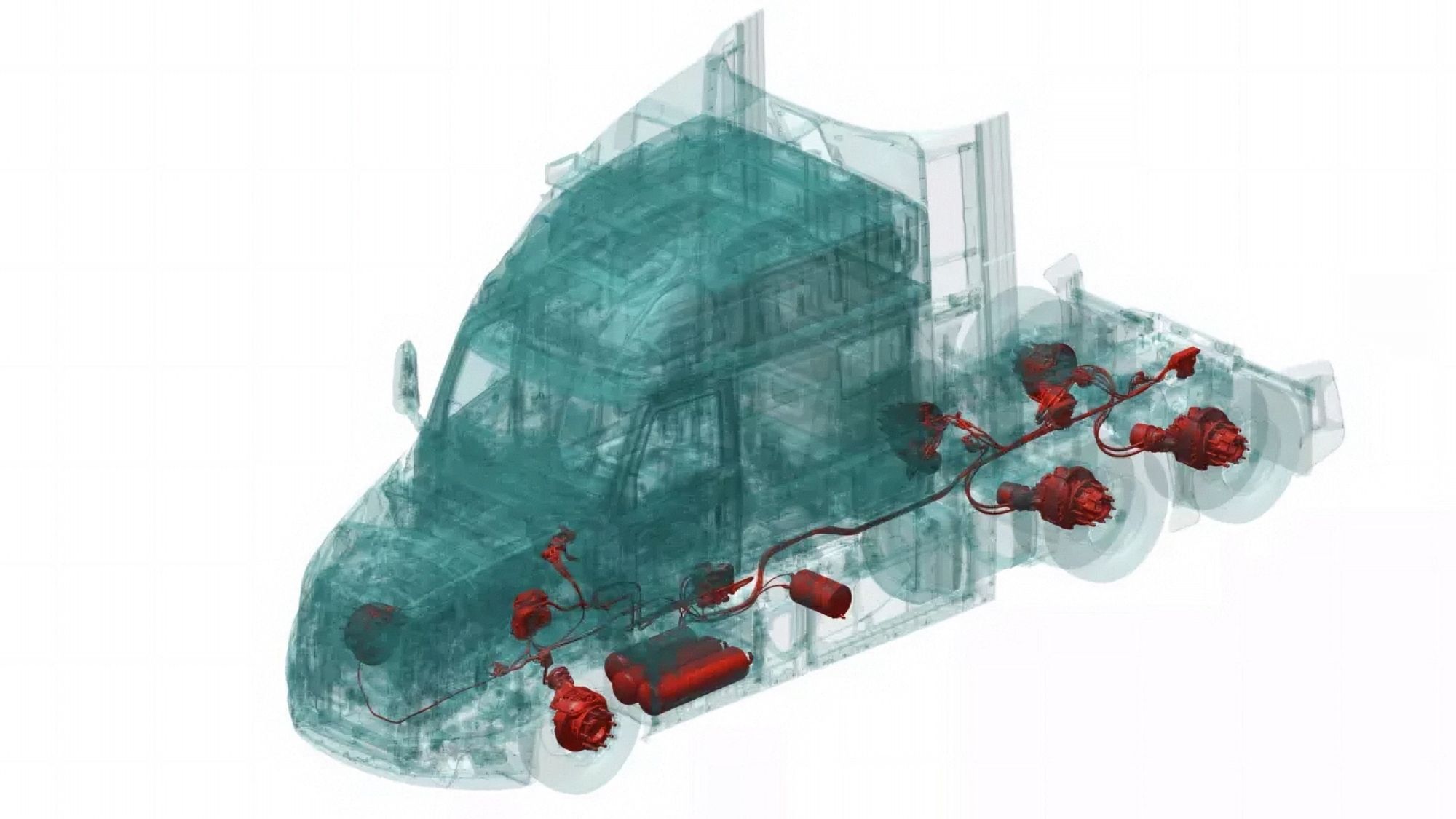
Watt’s patented Flex-Tech thin-wall aluminium extrusion and joining techniques enable one-off, low-volume, series production vehicle structures with “exceptional” dimensional accuracy, torsional rigidity, and class-defining light weight. The company’s platform is powertrain agnostic, available in combustion, hybrid, range extender, and EV configurations, and with multiple power and drive setups across L7, M1, and N1 vehicle categories.
The partners promise ultra-rapid concept-to-prototype turnaround, delivering fully functional, road-legal vehicles from render to road in six months or less, with “complete” design freedom from the flexible Watt platform architecture. They offer follow-on production program capability for clients ready to take a concept into series production, including full white-label build options.
“There is a growing appetite in the market for vehicles that prove a concept, demonstrate a platform, or showcase a brand, built to a standard that matches the ambition of the brief,” said Neil Yates, CEO of Watt Electric Vehicle Company. “Working with Avant gives our clients access to a design capability that integrates directly with our engineering and manufacturing process, which is what rapid, high-quality prototype delivery requires.
“Between Avant and Watt, we can deliver a functional prototype in a timescale that large OEMs struggle to produce a mock-up or show car. That speed, combined with rigorous engineering standards and exceptional detailing, allows our partners to reduce the time to market and the cash burn necessary to get there.”
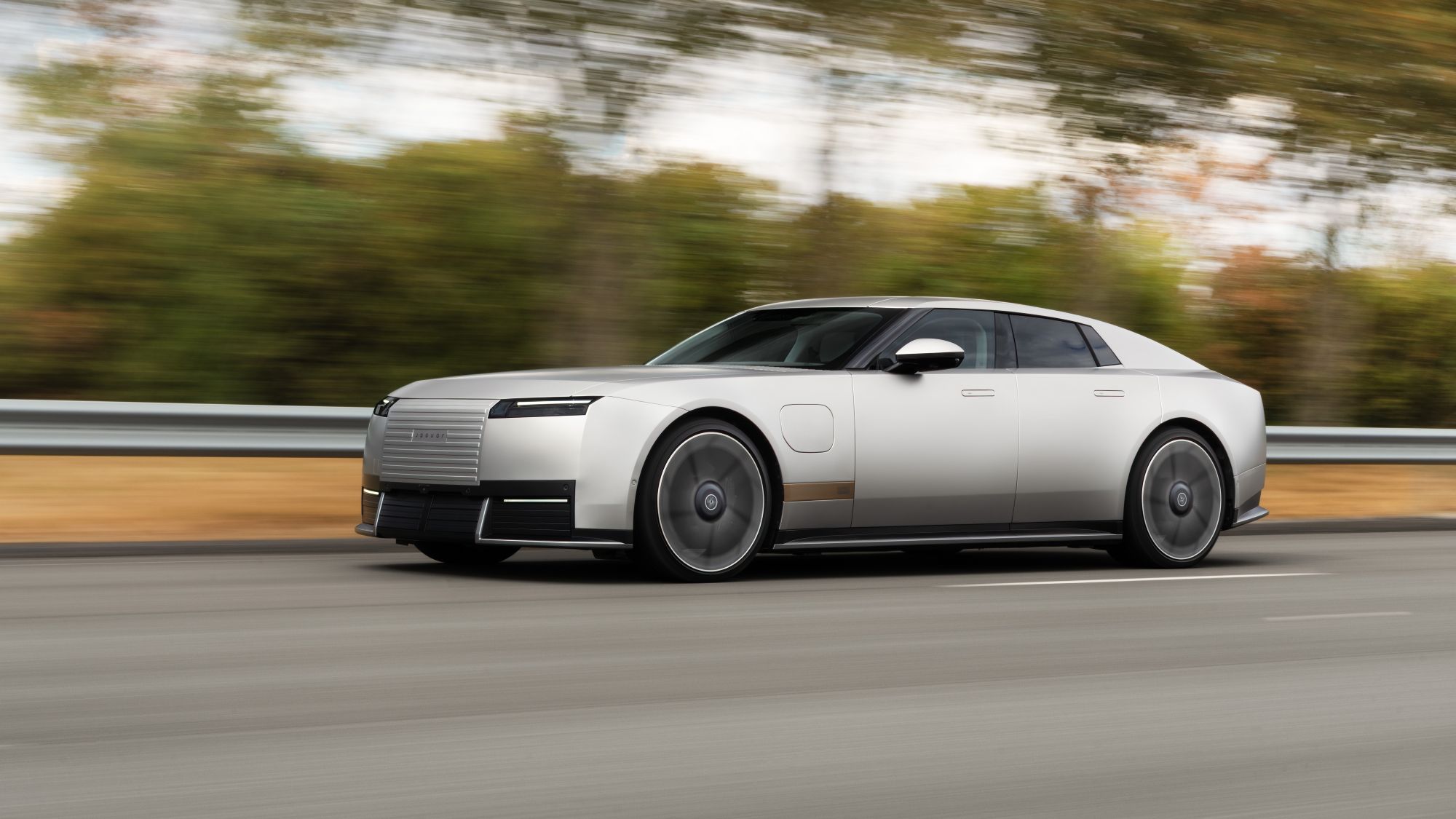
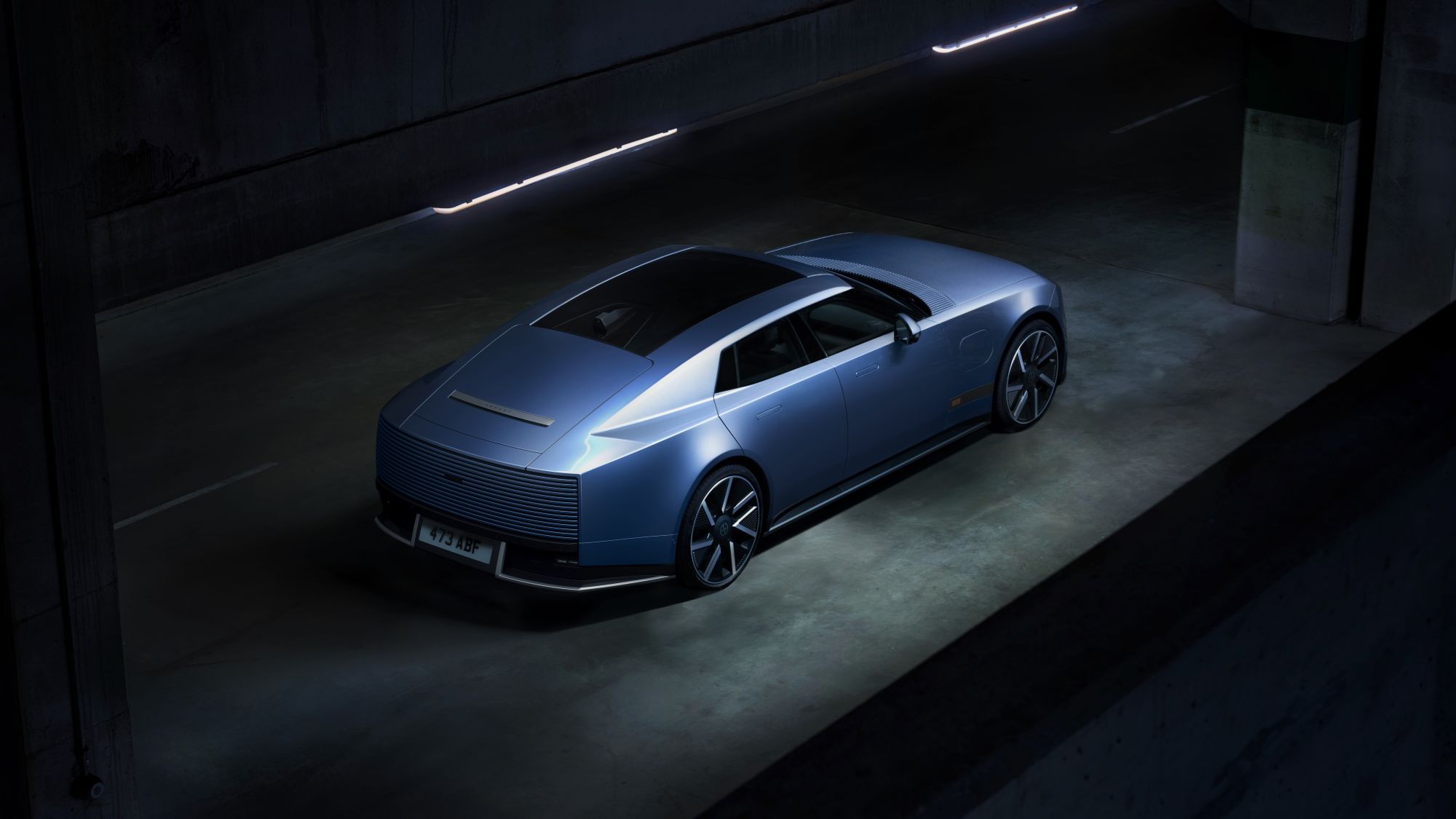
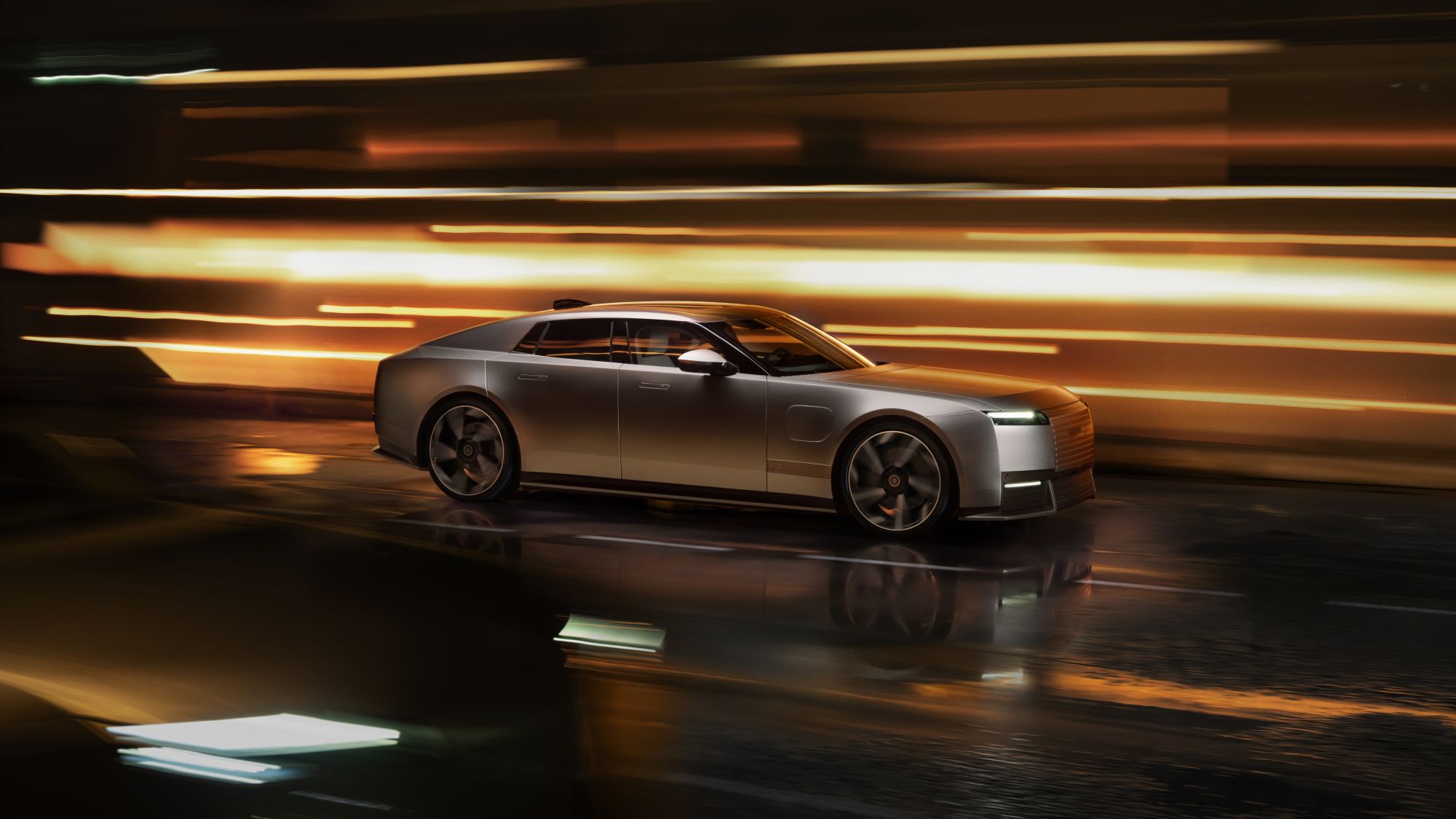
The scope of the combined offering was illustrated by a recent cover story collaboration with Autocar magazine, for which Watt EV and Avant developed a “fully resolved” concept for a Lotus 2+2 EV daily driver. The project drew on both companies’ capabilities across design, platform engineering, and vehicle architecture, and the imagery developed for it demonstrates the partnership’s design and engineering standards.
Led by Editor-in-Chief Steve Cropley, the project set out to design a new Lotus capable of sustaining production at Hethel while remaining true to the brand’s core values. The concept needed to embrace electrification without losing the principles that define Lotus: simplicity, lightness, and driver focus. It was featured in a six-page article in Autocar’s Christmas edition, presented as a potential future direction for Lotus rather than a speculative exercise.
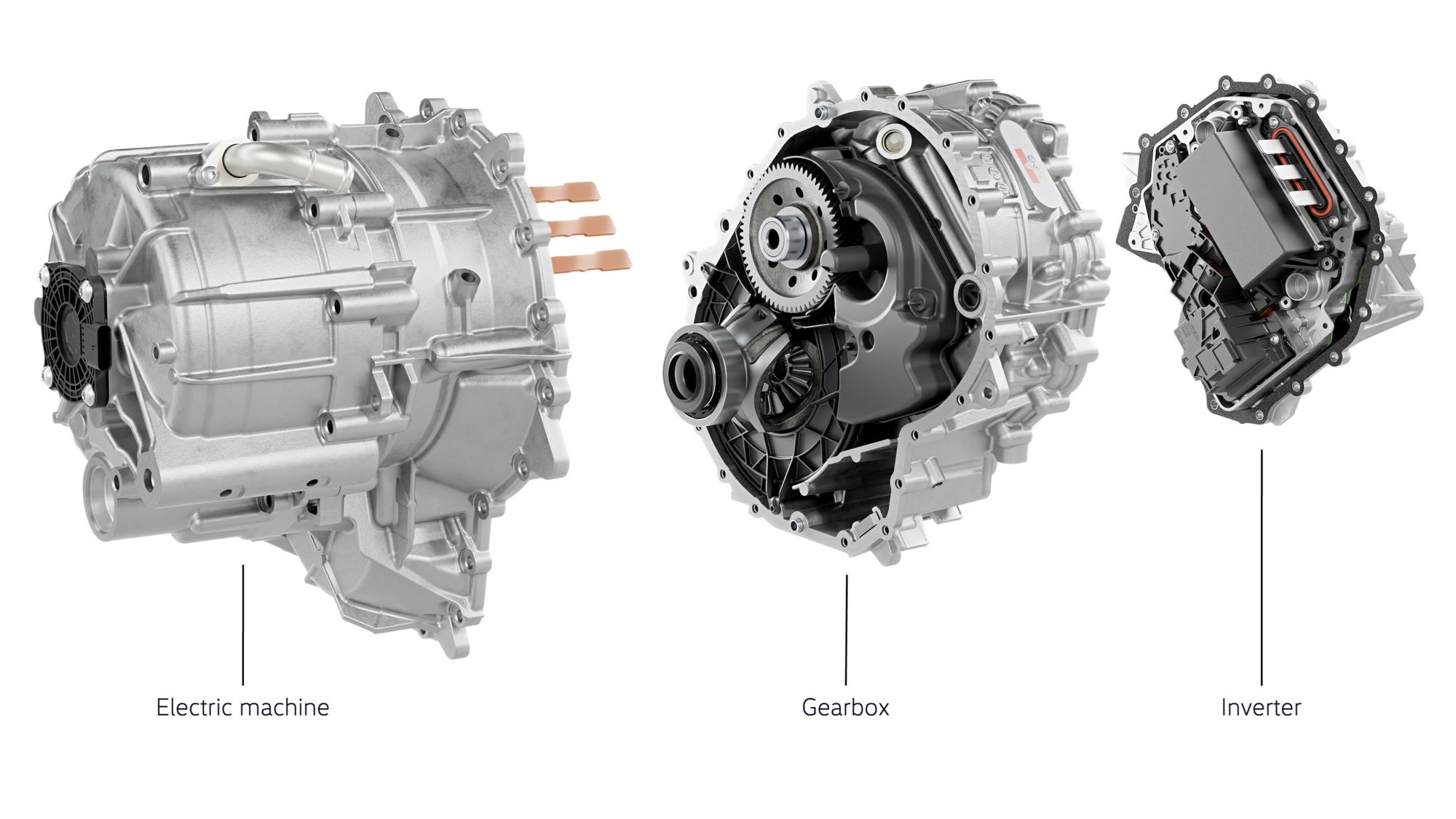
The vehicle is based on the Watt EV’s lightweight PACES platform and conceived as a credible, scalable production car for a modern audience. The foundation of the combined offering was named the winner of the Innovation Award at the Autocar Awards 2026, judged in partnership with Siemens, in recognition of its versatility and adaptability across automotive, defense, and municipal vehicle applications.
“The engineering foundations are not theoretical; they are proven,” said Yates. “Our driveable in-wheel motor EV chassis shown at CES 2026 and the production platform—that gives the foundation to enjoy a 700-hp V8 in a 900-kg vehicle—are evidence of what this team is capable of delivering.”
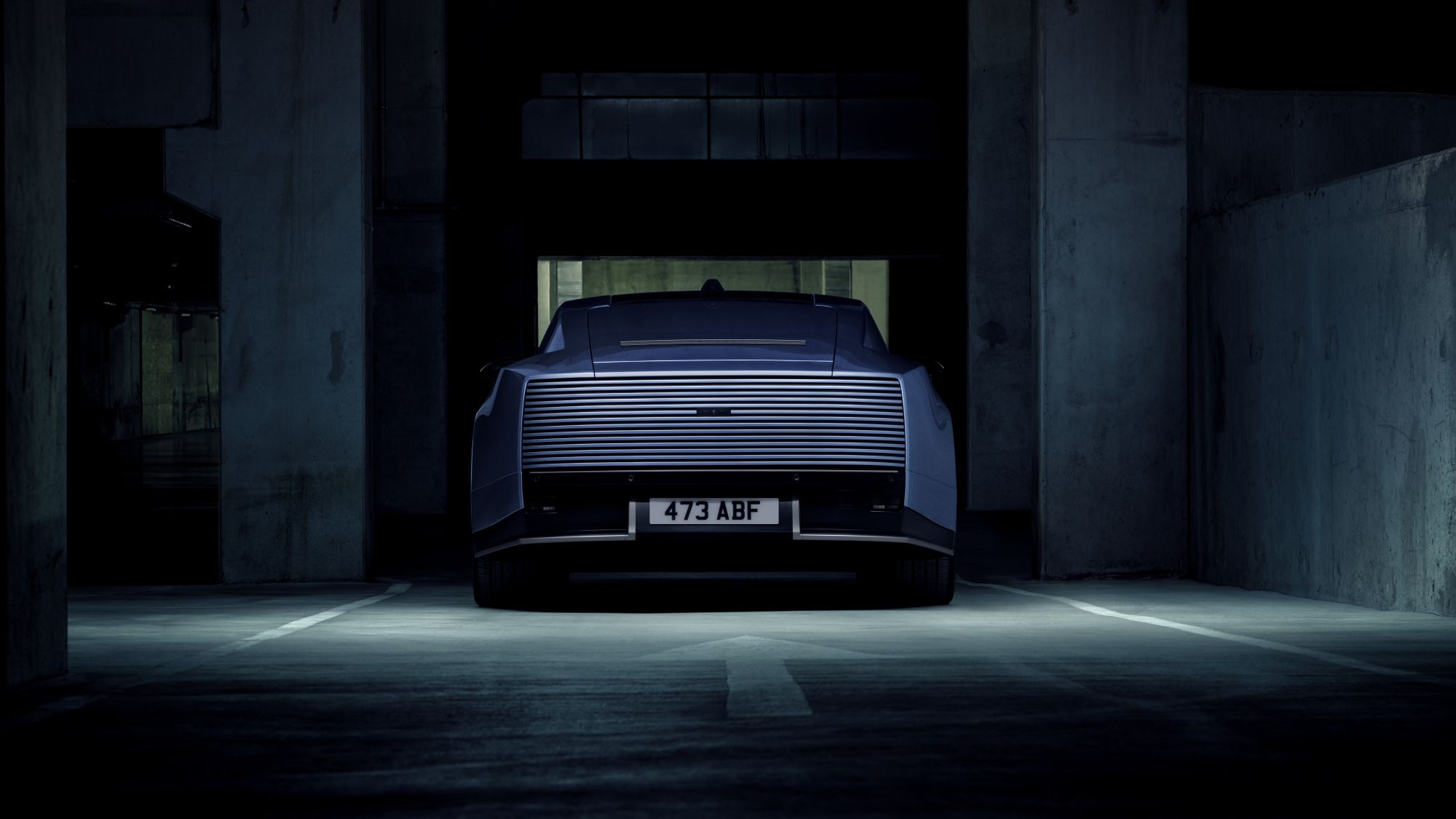
Avant’s exterior design reconnects Lotus with its visual DNA, drawing from historical cars such as the Elite, Eclat, and Excel—sports cars that balanced performance with everyday usability. Key influences came from two Lotus icons—the purity and compactness of the Elise, and the presence and drama of the Esprit. These qualities were reinterpreted into a contemporary form.
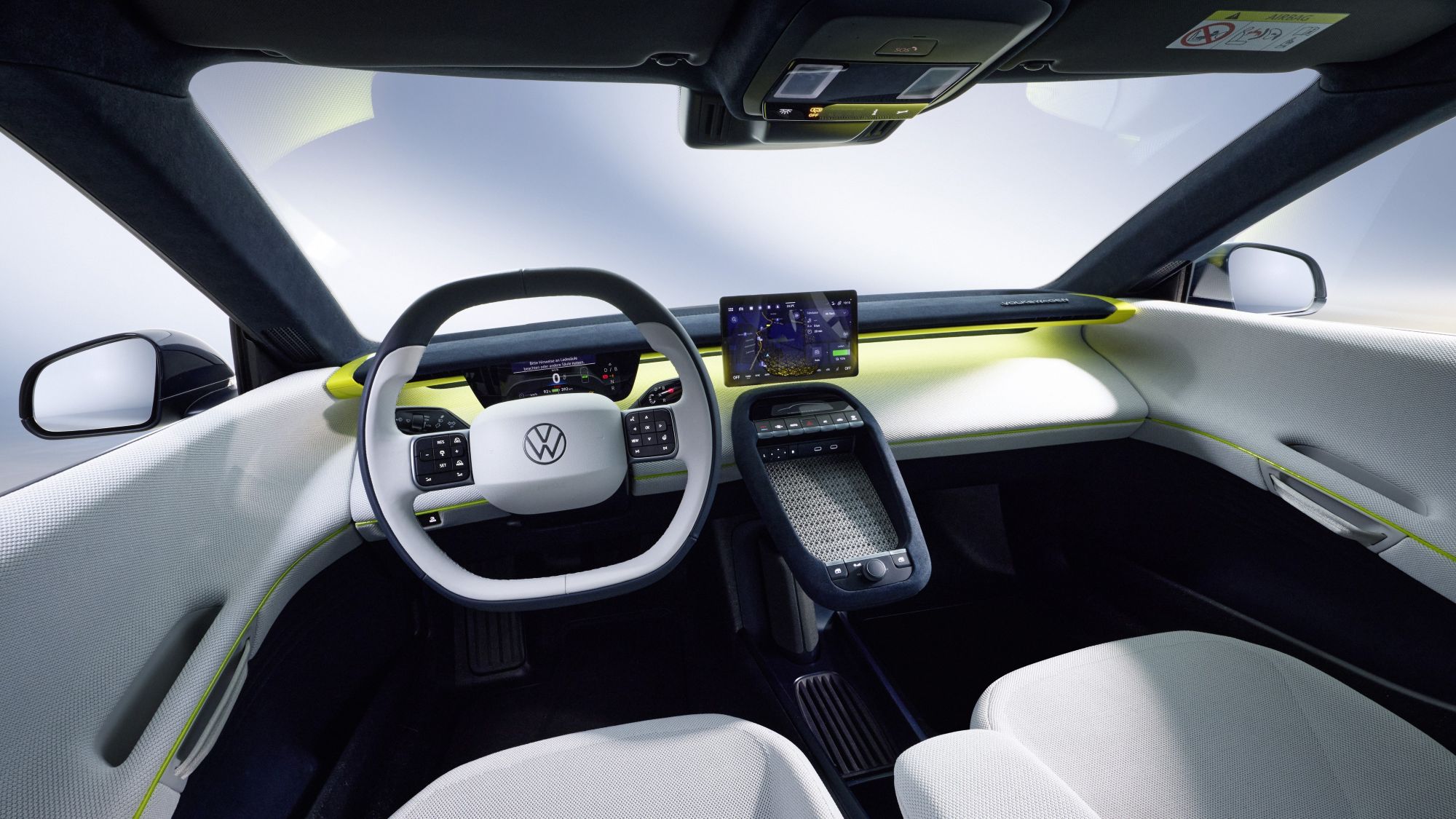
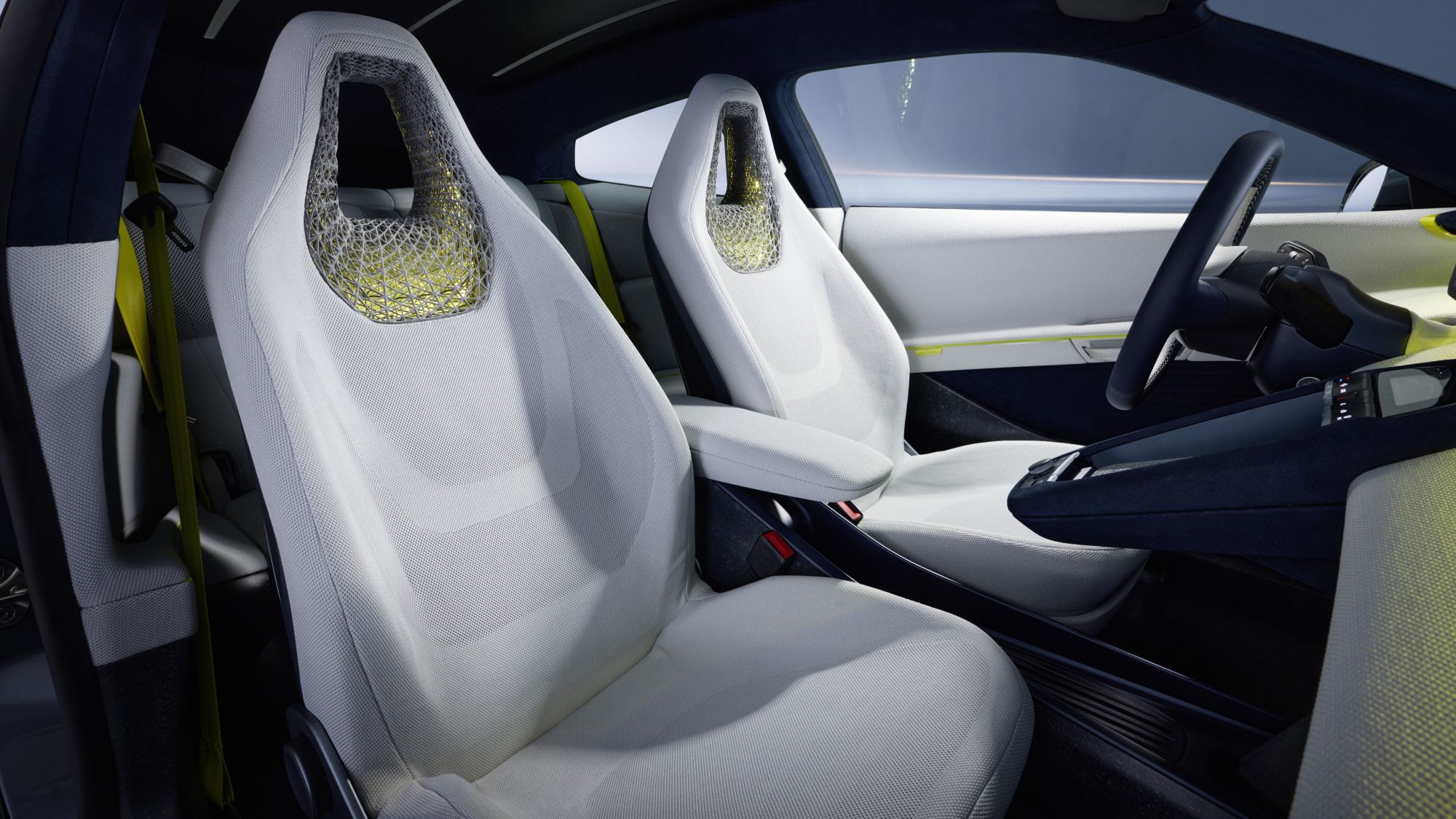
Centered around the experience, the interior follows a clear driver-first philosophy. The layout is meant to be focused, intuitive, and free from unnecessary complexity, reinforcing a strong connection between driver and vehicle.
Materials and detailing prioritise lightness, tactility, and function over decoration. Digital elements are integrated with restraint, supporting the driving experience rather than dominating it. The result is a cabin designed for everyday use without compromising Lotus’ traditional sense of engagement.
“The depth of work completed for the Autocar concept means this vehicle is far closer to production-ready than a typical design study,” concluded Yates. “With the right funding in place, we could have a fully road-legal concept vehicle within a year, and the vehicle in production within 12 months.
-

- Watt x Avant latest EV sportscar concept side.
-

- Watt x Avant latest EV sportscar concept front side.
-

- Watt x Avant latest EV sportscar concept rear side.
-

- Avant x Watt x Autocar Lotus concept initial design sketches.
-

- Avant x Watt x Autocar Lotus concept side sketch.
-

- Avant x Watt x Autocar Lotus concept front three quarters render.
-

- Avant x Watt x Autocar Lotus concept rear side sketch.
-

- Avant x Watt x Autocar Lotus concept ACES chassis under body.
-

- Avant x Watt x Autocar Lotus concept ACES chassis.
-

- Avant x Watt x Autocar Lotus concept interior sketch.