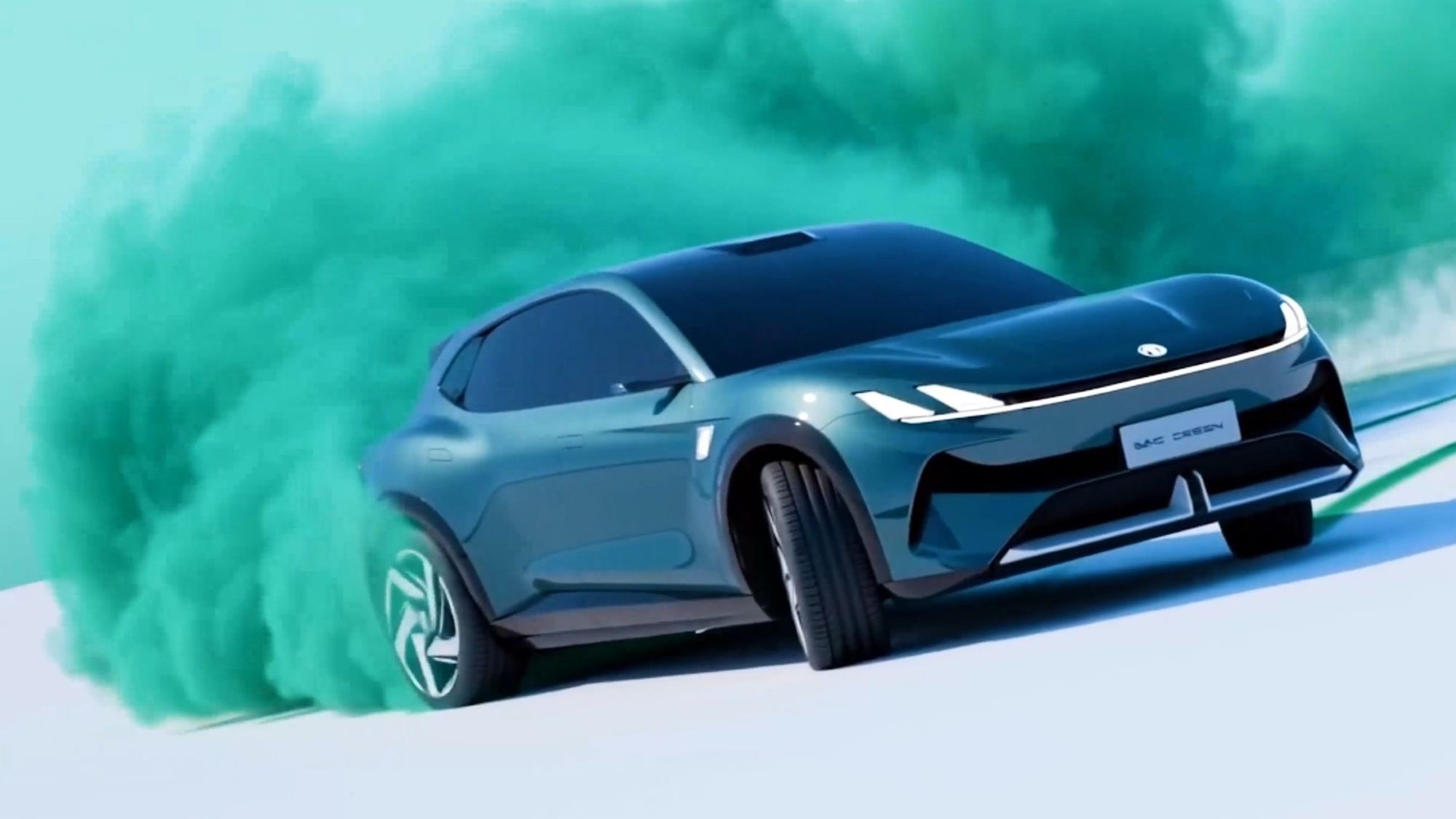
At the 2026 Red Dot Awards last month, Chery Group‘s iCAUR new energy vehicle brand won an award in the Design Concept category for its electric V23. The automaker says that the German recognition, one of the world’s three most prestigious design honors alongside the iF Design Awards and the IDSA‘s IDEA (International Design Excellence Awards), is a significant endorsement of iCAUR’s design capabilities and confirms that the V23 meets international standards in classic design, spatial practicality, and multi‑scene experience.
The V23 was originally developed under Chery’s iCAR unit and rebranded as iCAUR for global markets such as South Africa and Malaysia. The overall design philosophy is to present different styles by combining diverse elements, offering younger users a richer range of personalized choices. The brand seeks to go beyond trends and establish itself as a global name with a unique cultural identity.
“Many NEVs today are common and lack soul,” said Su Jun, VP of Chery Automobile, and CEO of the iCAUR brand at an event in October. “iCAUR’s mission is to bring personality and style back into driving.”
Helping Su Jun lead the brand is a team that includes Ma Yongdong, CTO of the iCAR/iCAUR brand; Lu Wenjing, VP of iCAUR International; and Xu Guangzhi, Product Director.
From a functionality standpoint, Ma Yongdong explained at the same event that iCAUR develops products under the 5R principles—Respect, Responsibility, Rigor, Reliability and Relationship—aiming for long-term, multi-scenario utility while using modern technology to keep the product core continuously vital.
The V23 competes in what the brand calls the New Energy Boxy SUV segment. Boxy design is experiencing a global resurgence, according to the brand.
The BEV SUV is 4220 mm (166.1 in) long, 1915 mm (75.4 in) wide, and 1845 mm (72.6 in) tall on a 2735-mm (107.7-in) wheelbase. Gross vehicle mass is 2085-2195 kg (4597-4839 lb).
Its nearly 1:1 width‑to‑height ratio is meant to deliver visually balanced proportions, while the boxy silhouette and crisp surfaces are intended to enhance a sense of solidity. The automaker says that the V23 leverages the strengths of an all-electric platform with a distinctly rugged stance, having an extreme “four wheels at the corners” layout, 43° approach angle, 41° departure angle, 210-mm (7.9-in) ground clearance, and a 600-mm (23.6-in) water wading depth.
Interesting design details include round LED headlights, exposed wipers, Lego‑pixel‑style high‑mounted stop light, a nested “backpack” truck storage box, and C‑pillar blind windows. A transparent millimeter‑wave radar cover highlights the vehicle’s new-energy technology credentials.
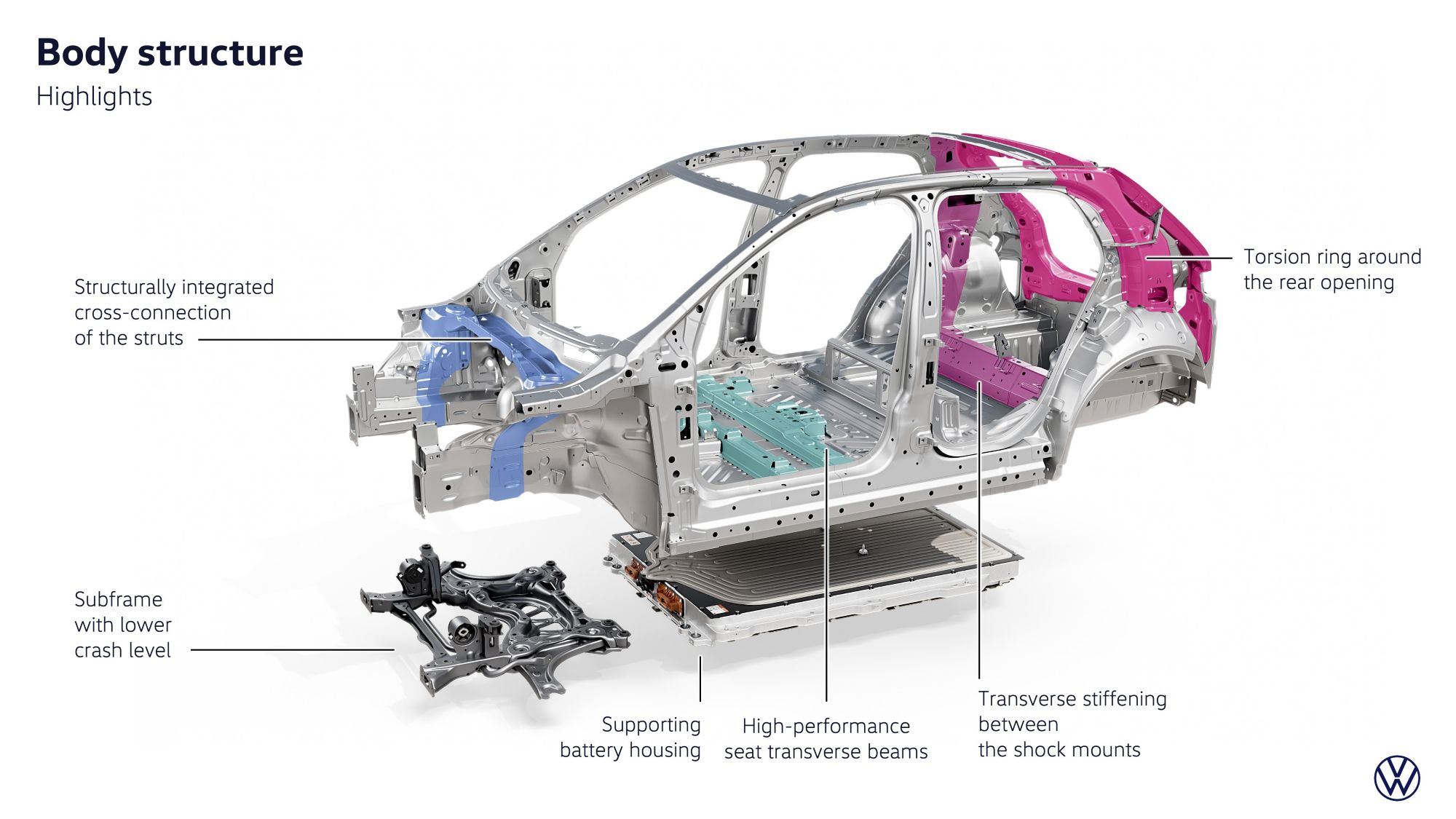
The model has received a five-star safety rating from the ASEAN NCAP, becoming the first pure-electric boxy SUV to achieve this result, according to its maker. Its high-rigidity body structure, made of over 70% high-strength steel designed to meet global battery safety standards, along with over a dozen advanced driver assistance systems, is intended to provide comprehensive safety protection for drivers and passengers.
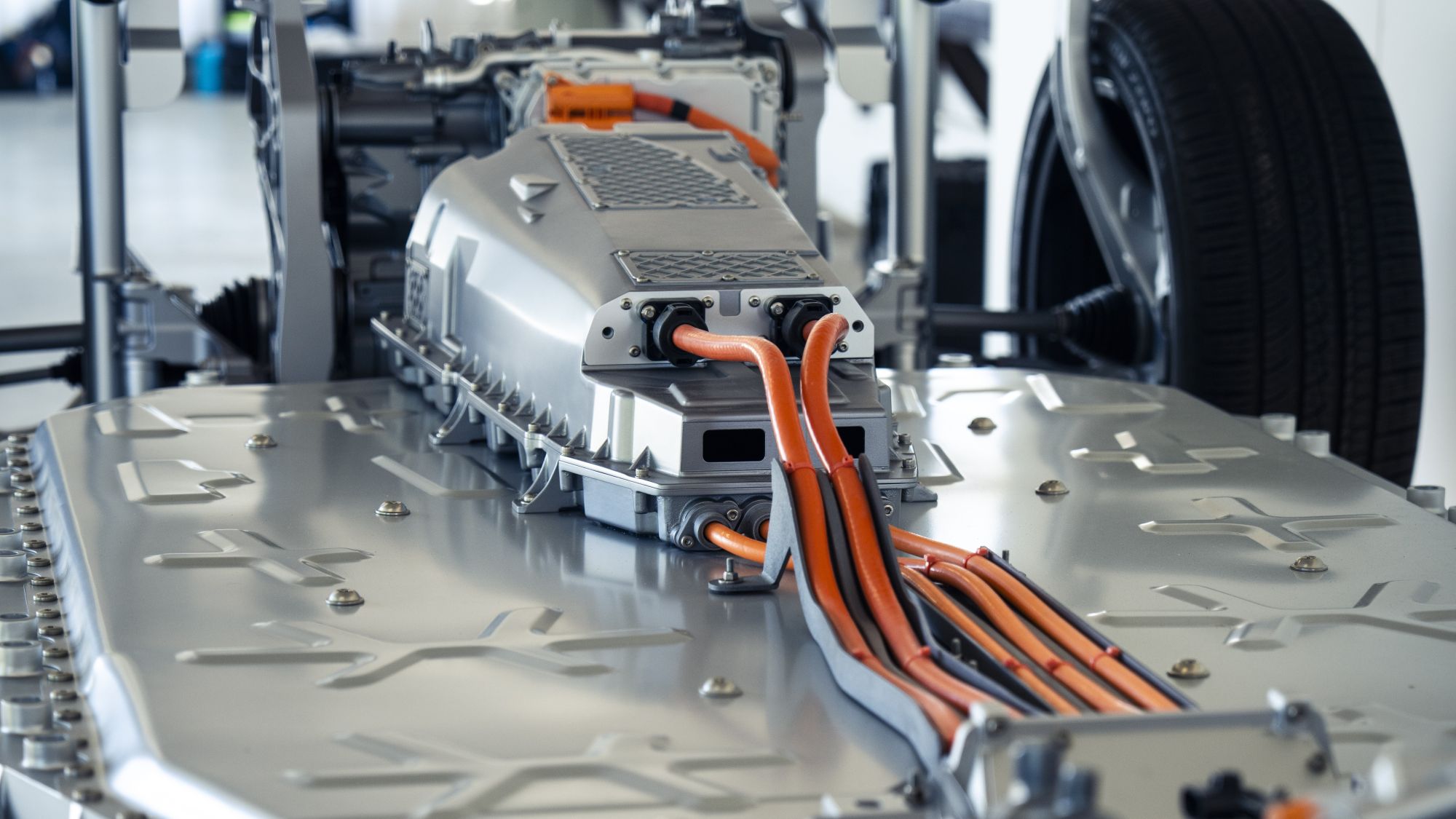
There are two variants: a single-motor RWD (rear-wheel drive) and dual-motor AWD (all-wheel drive). The first uses a permanent magnet synchronous motor with 100 kW and 180 N·m (133 lb·ft) and a 60-kW·h battery. The second adds a front AC asynchronous motor for a total of 155 kW and 292 N·m (215 lb·ft) with an 82-kW·h battery. As expected with those outputs, acceleration times are leisurely for 0-100 km/h (0-62 mph) acceleration at 11 and 7.5 s for the RWD and AWD, respectively, with the maximum top speed of a not-very-fast 140 km/h (87 mph) for both models.
The claimed electric range varies from roughly 350 km (217 mi) for the RWD version with the smaller battery up to 430-460 km (267-286 mi) for the AWD with the larger battery. DC charging times from 20% to 80% are 36 and 42 min, respectively.
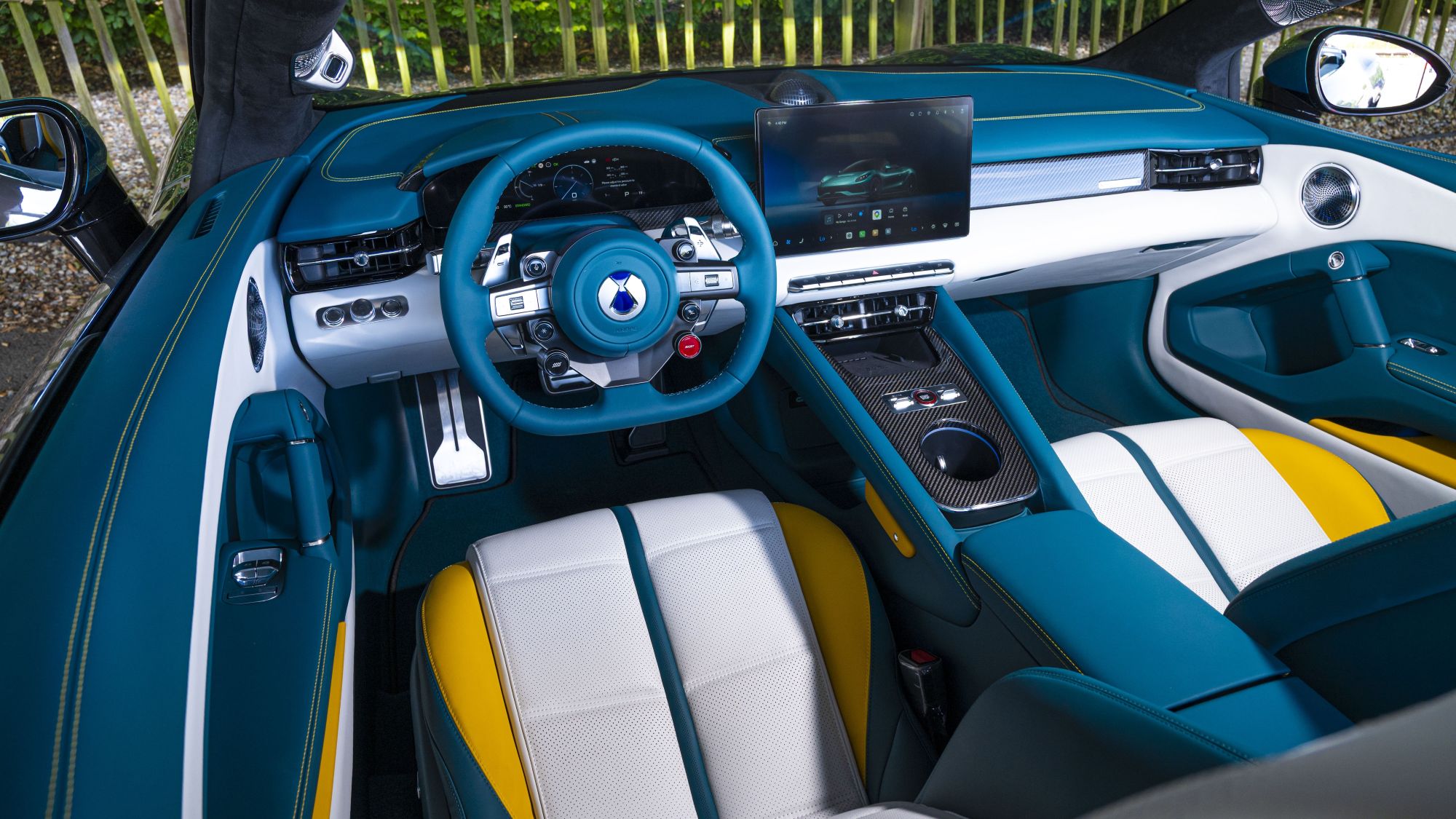
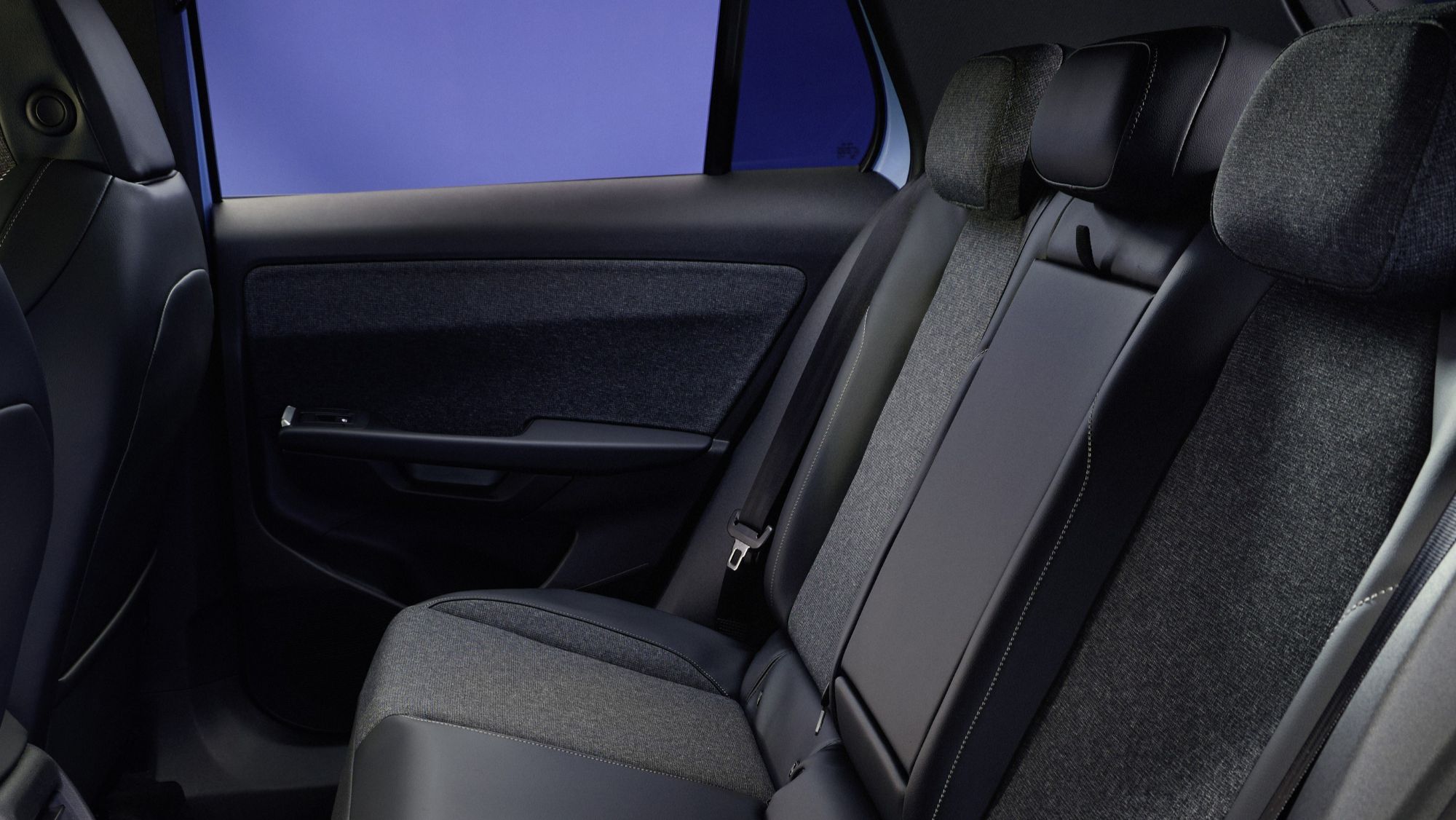
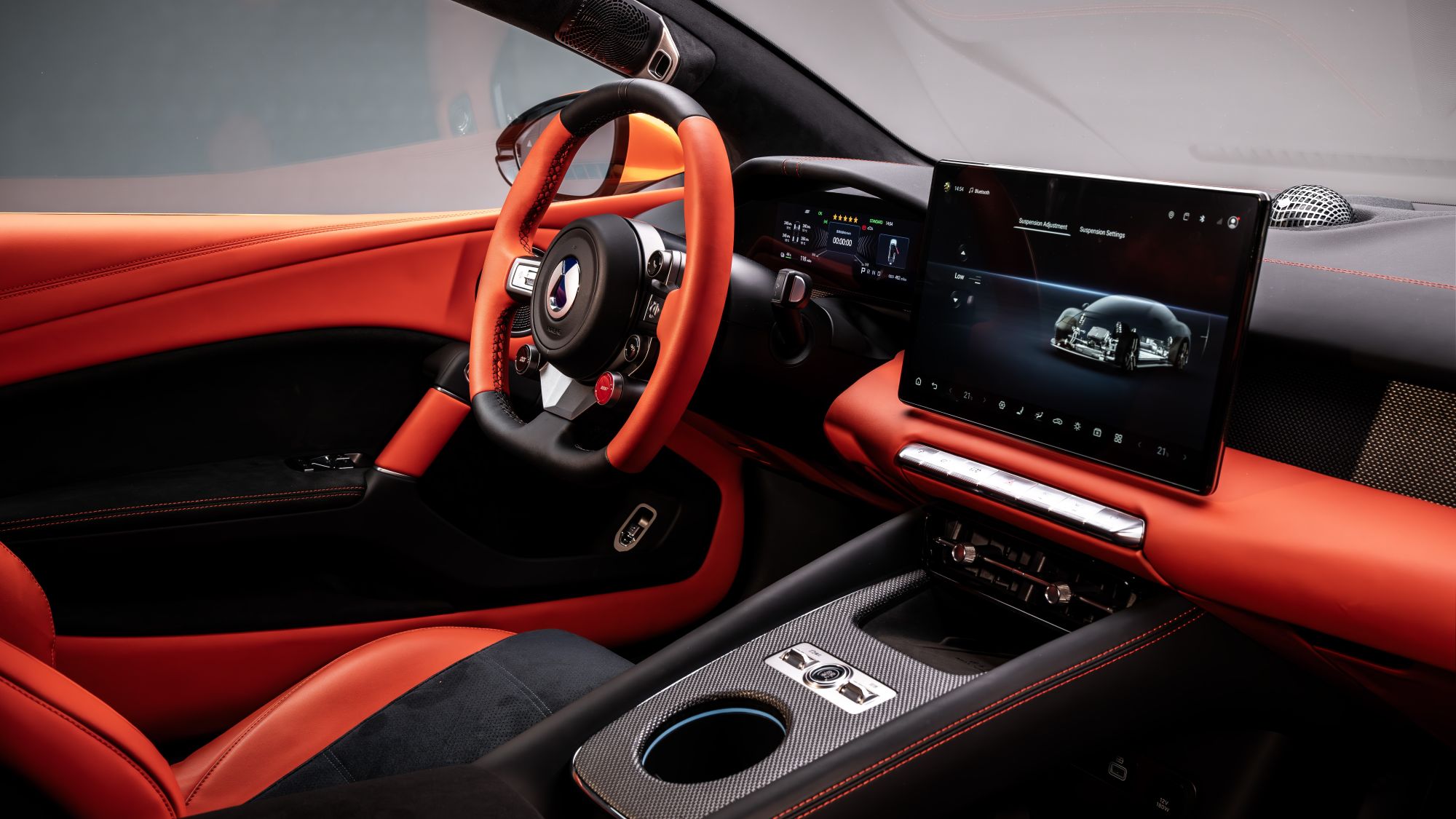
The V23’s cabin is said to respond to touch, mood, and movement with immersive sound and ambient lighting. It features “premium materials” such as leather in black, white, or green; features an adaptable front space that makes it easy to enter and exit from both sides; and an “ultimate” rear space. The one central 15.4-in infotainment screen is supplemented by mechanical knobs and buttons for key functions related to climate, volume, and drive modes.
The classic design has translated into market appeal. Since its launch in early 2025, the V23 has ranked first in the New Energy Boxy SUV segment in Southeast Asia. The V23 also topped the midsize all-electric SUV segment in the 2026 China New Energy Vehicle Product Appeal Index Study by J.D. Power.
With its “non‑conformist” design and product philosophy, the brand is going to market with global “Ride to Cheer” user events featuring outdoor trips and in‑store experiences, with Chery Group-backed AiMOGA Robotics also making appearances.
As of July, the iCAUR V23 is offered in more than 20 countries and regions worldwide.
It is being followed to market by the V27, positioned as the mid-to-large all-round hybrid SUV built on the Golden REEV (Range-Extended Electric Vehicle) architecture. By combining electric-driven performance with extended-range capability, the brand is targeting “stable operation across longer distances and varied terrains” with expanded external energy input and i-AWD (intelligent All-Wheel Drive) for practical, real-world use.
In the next five years, the brand plans to enter more than 100 countries. To reach that milestone, it is building a global ecosystem covering design, R&D, testing, production, and digital tools.
-

- An accessorized iCAUR V23.

-

- iCAUR V23 on the road.
-

- iCAUR V23 front side.
-

- iCAUR V23 color range.
-

- iCAUR V23 body structure.
-

- iCAUR V23 battery and motors.
-

- iCAUR V23 interior.
-

- iCAUR V23 flat floor.
-

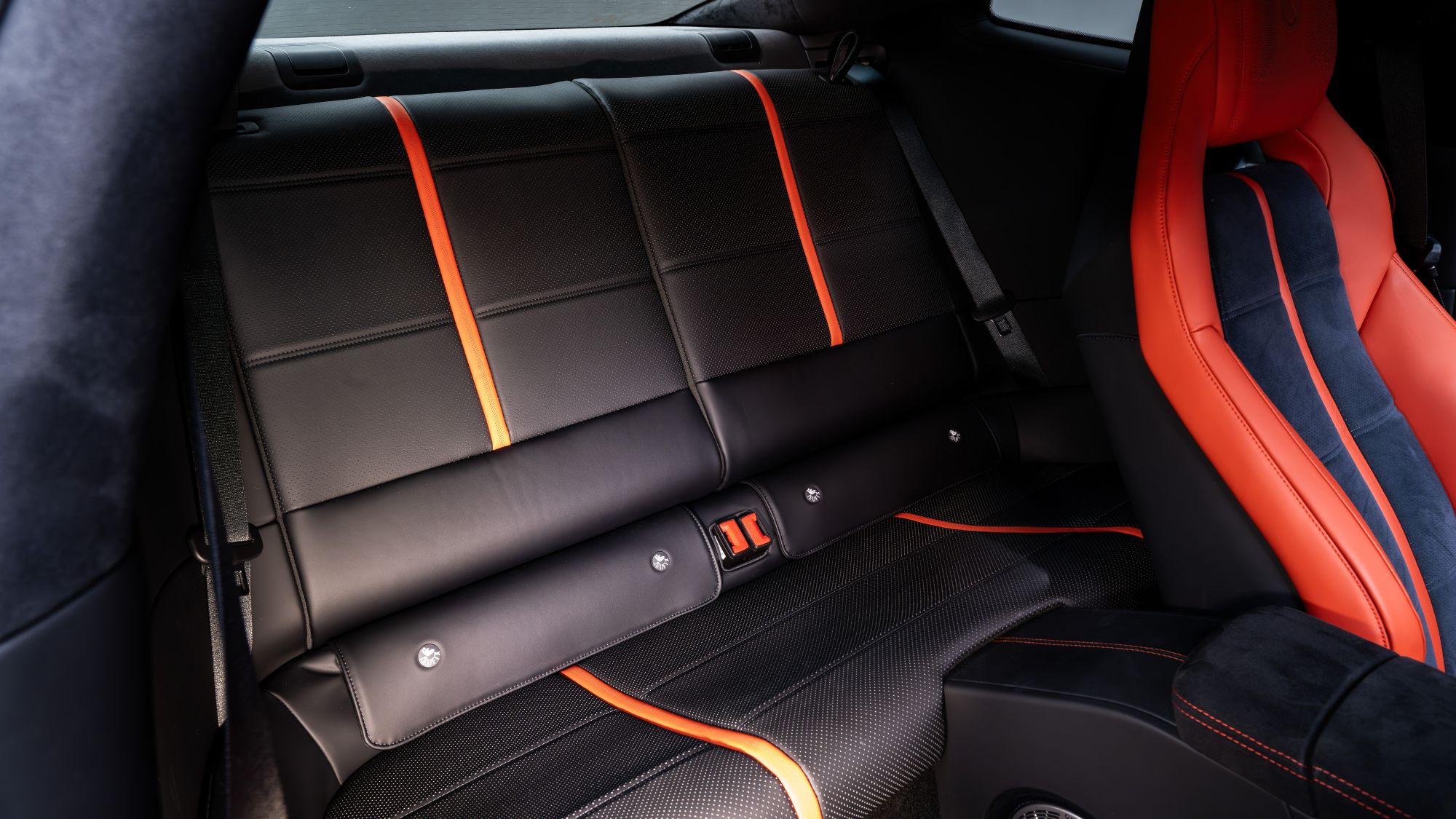
- iCAUR V23 rear interior.