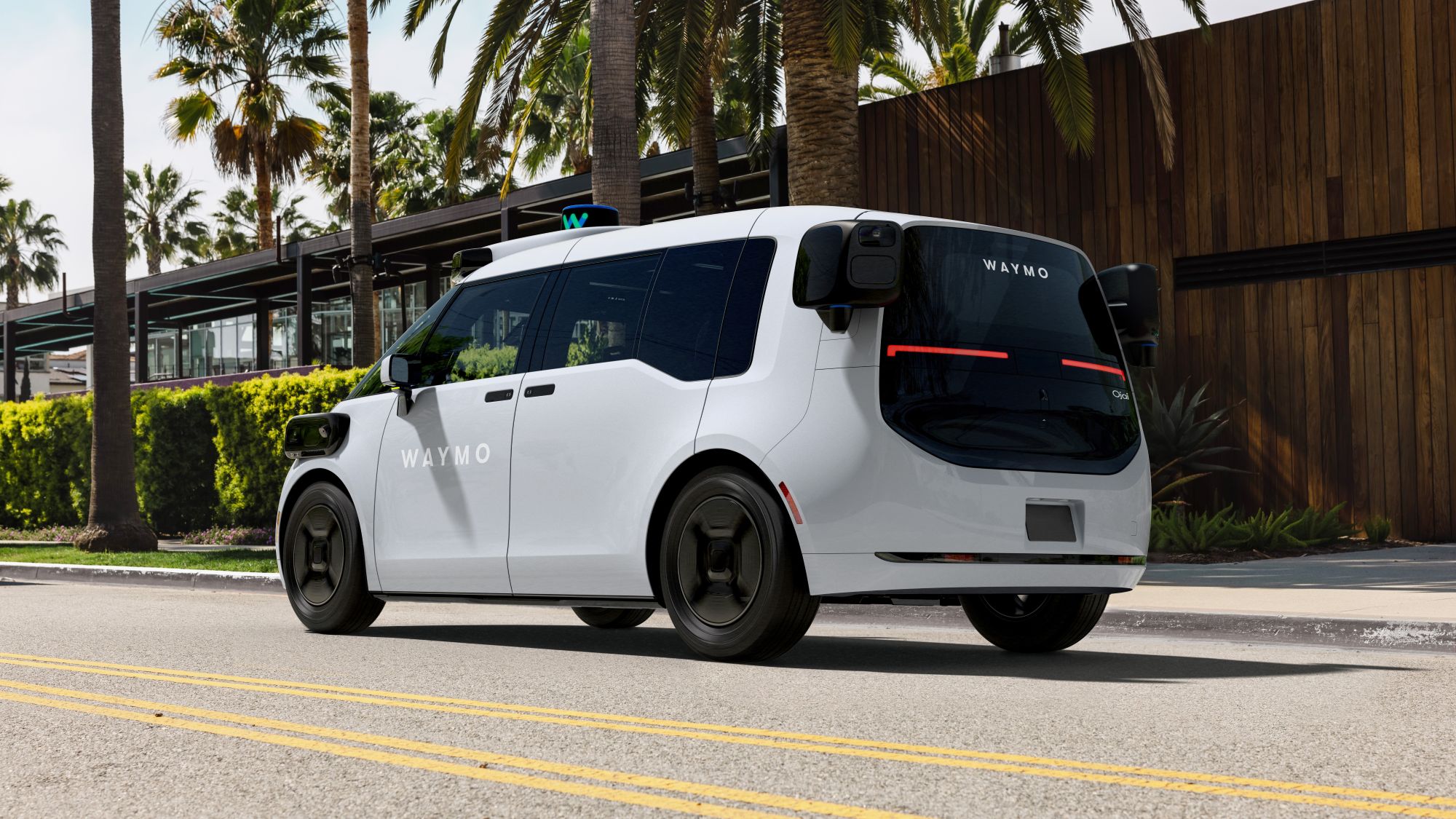
Zoox announced at the end of July that it had received the first-ever commercial exemption for a purpose-built autonomous robotaxi from the NHTSA (National Highway Traffic Safety Administration). With the exemption, the Amazon company is now granted federal regulatory approval to charge for its robotaxi service, and it commenced paid trips on August 10th in Las Vegas.
Since Zoox was founded in 2014, its leaders have strongly believed that a purpose-built robotaxi is the best way to solve the challenges of autonomy and offer a premium ride-hailing experience. The company is developing an AV (autonomous vehicle) that it says is unlike any on the road today and designed and assembled in the U.S.
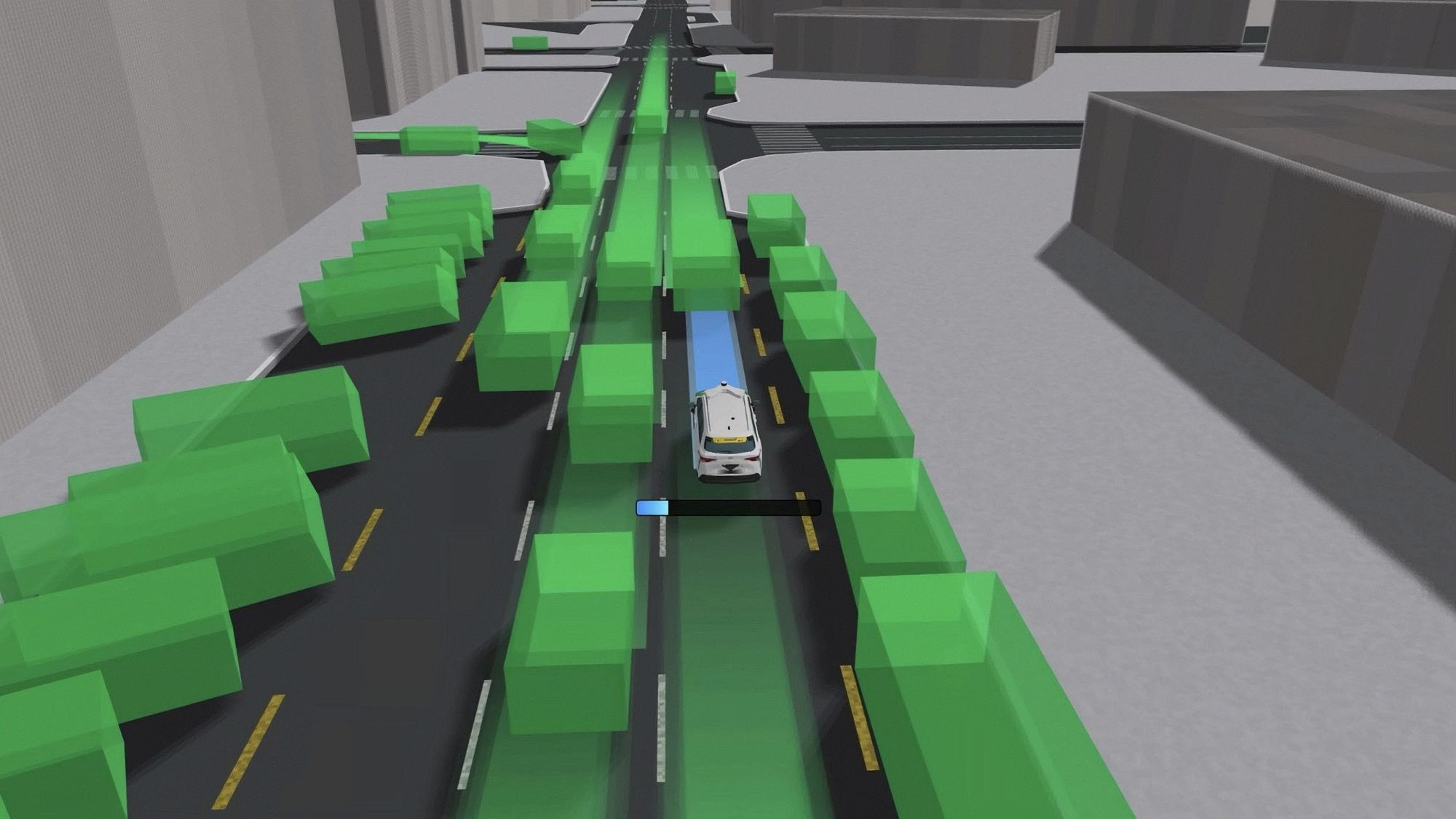
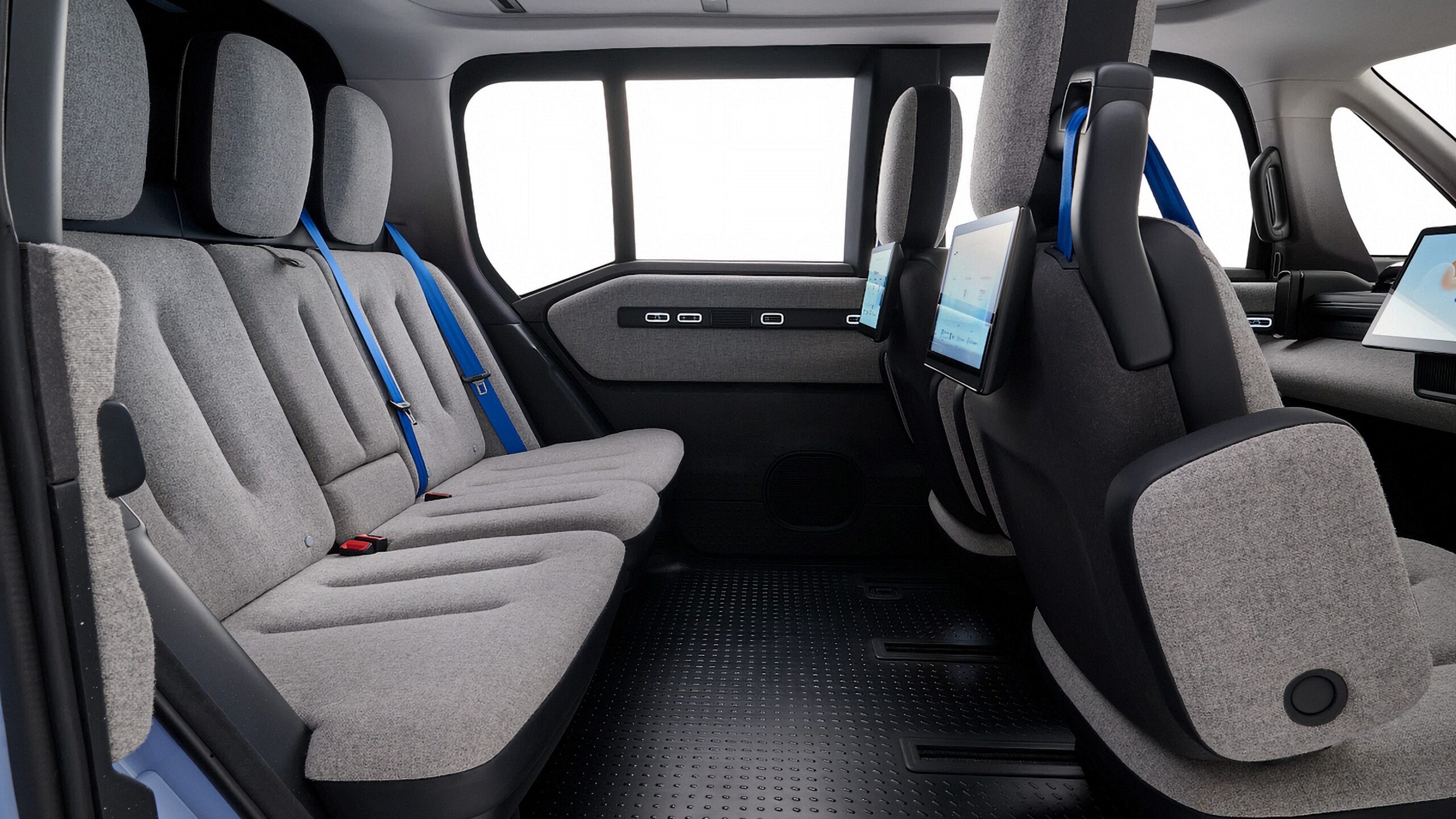
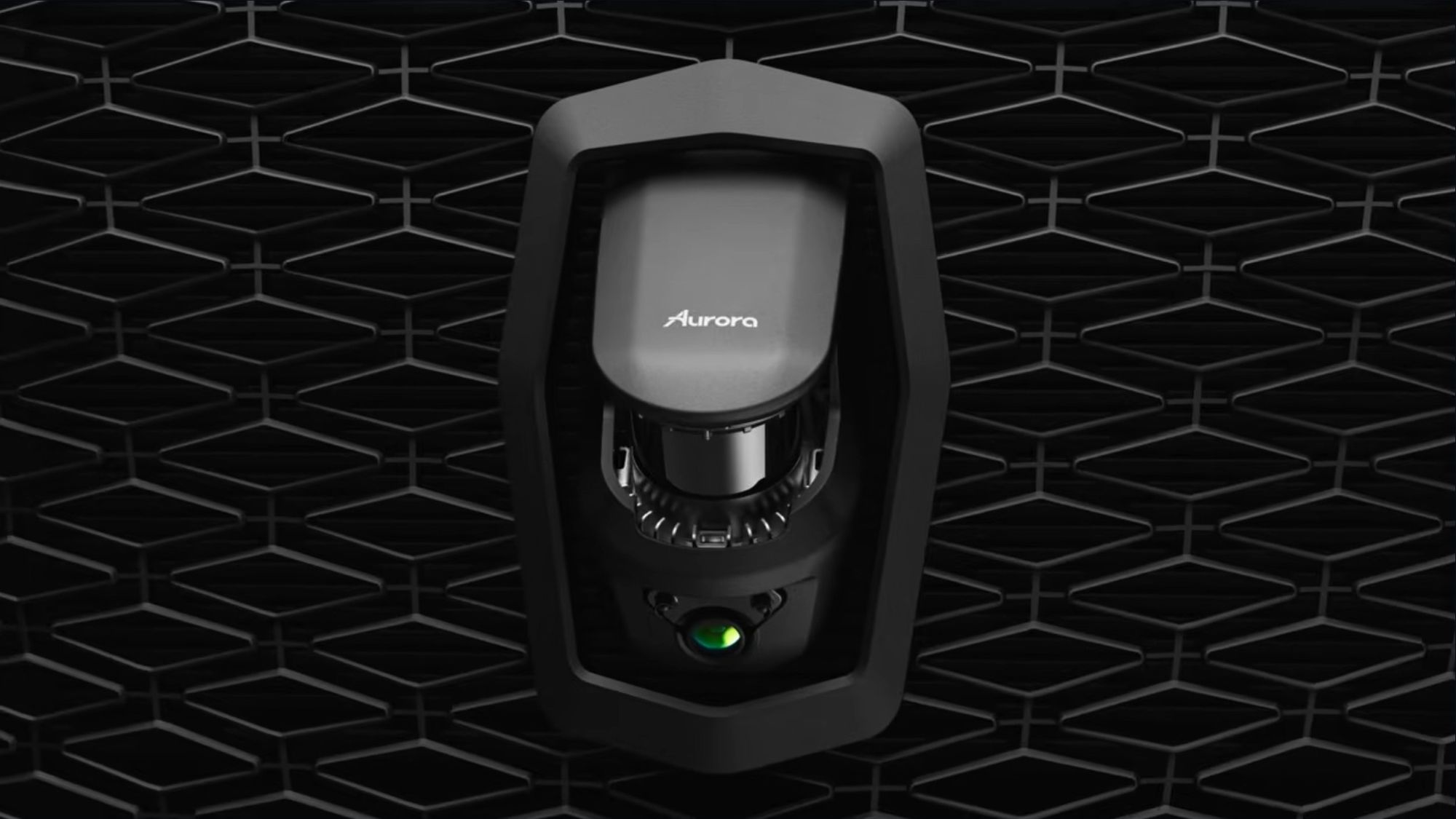
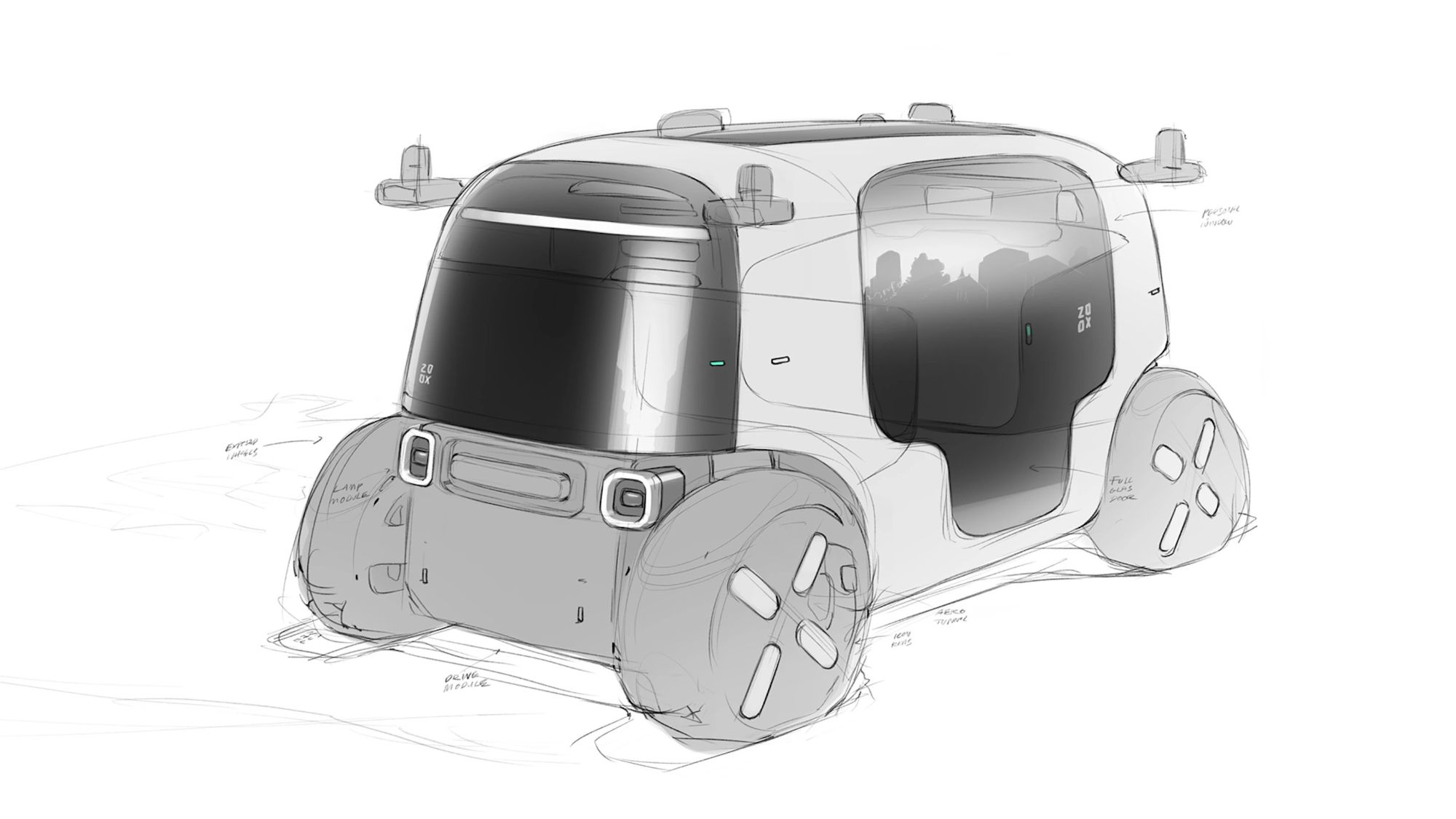
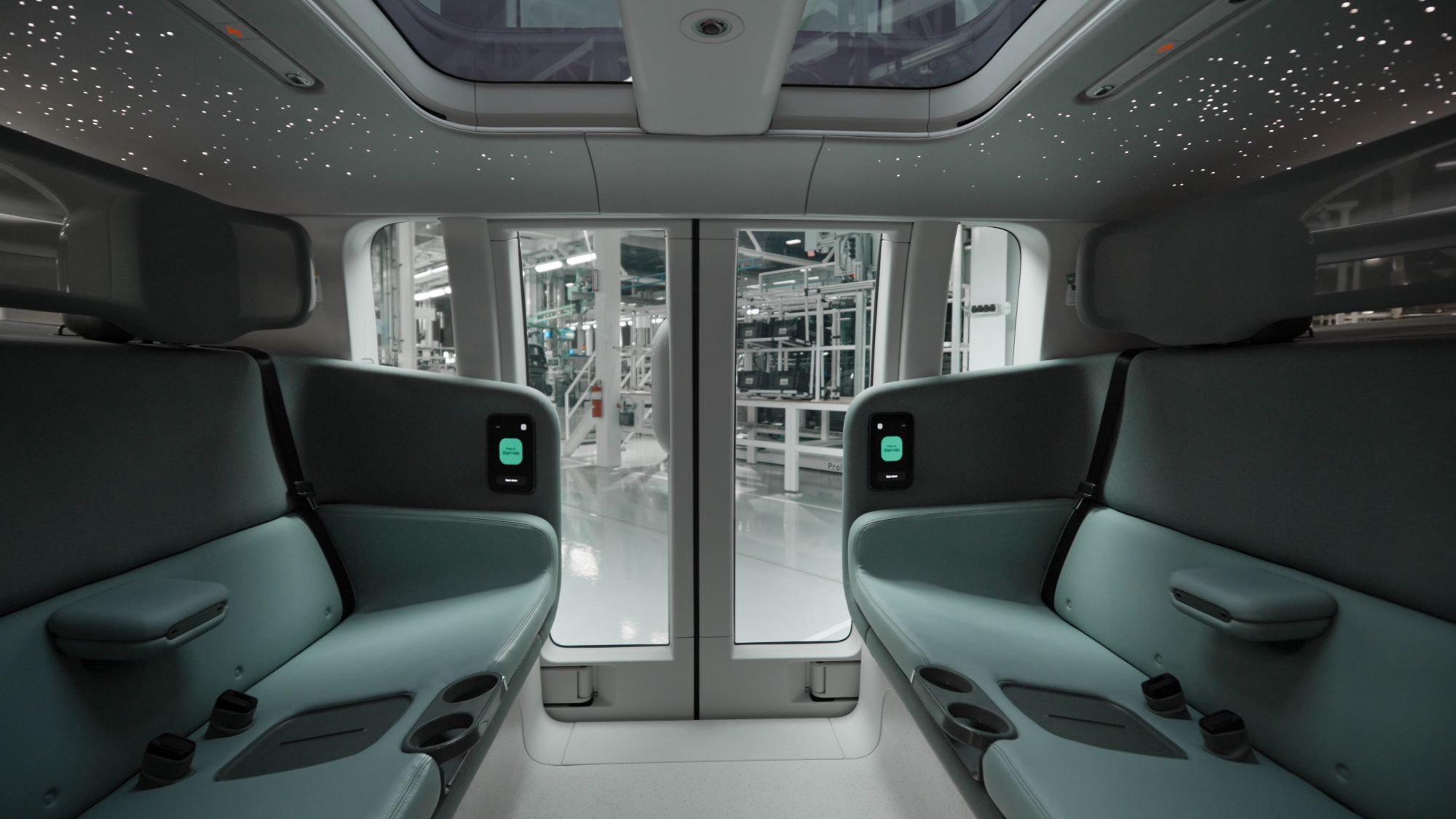
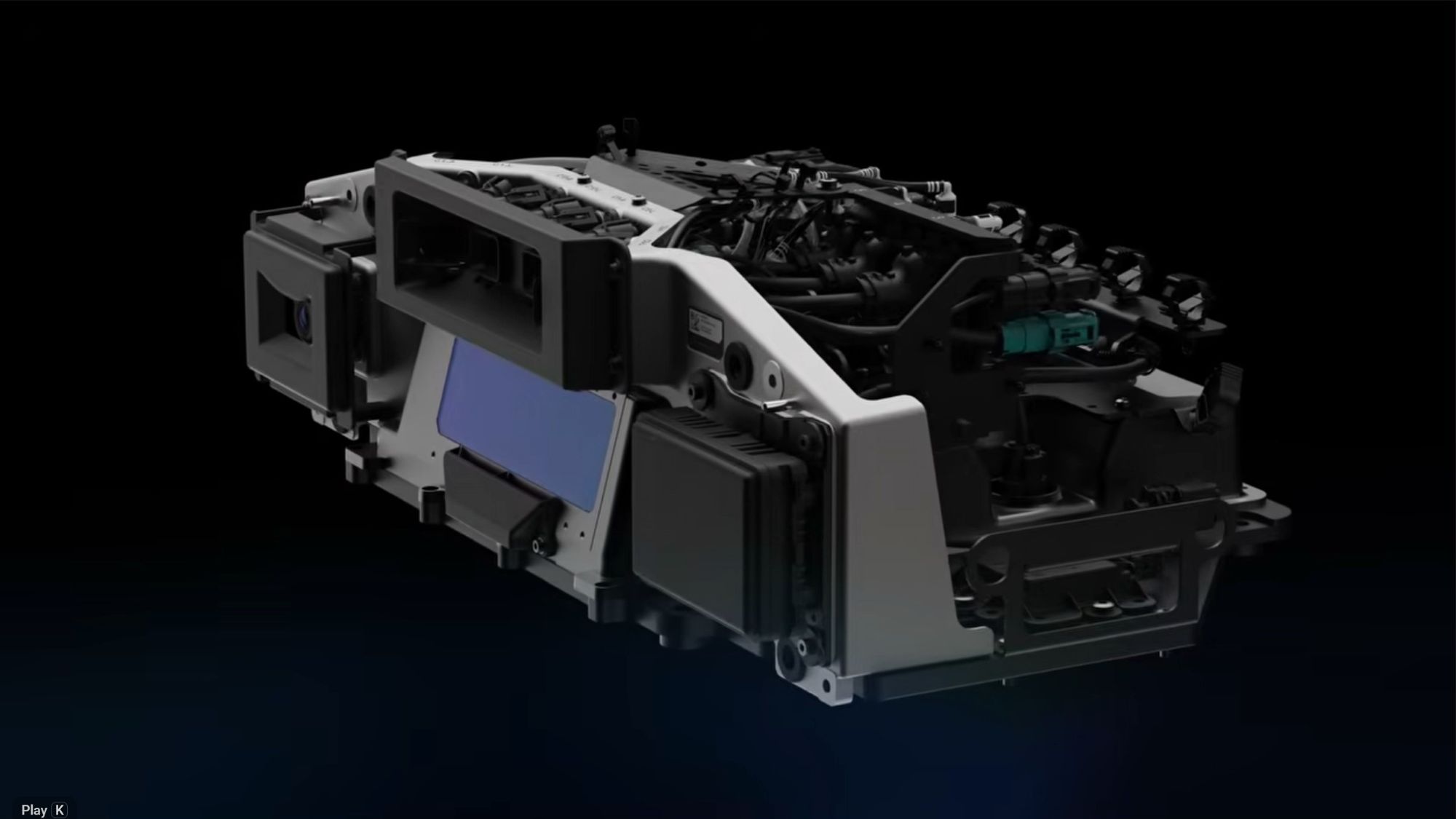
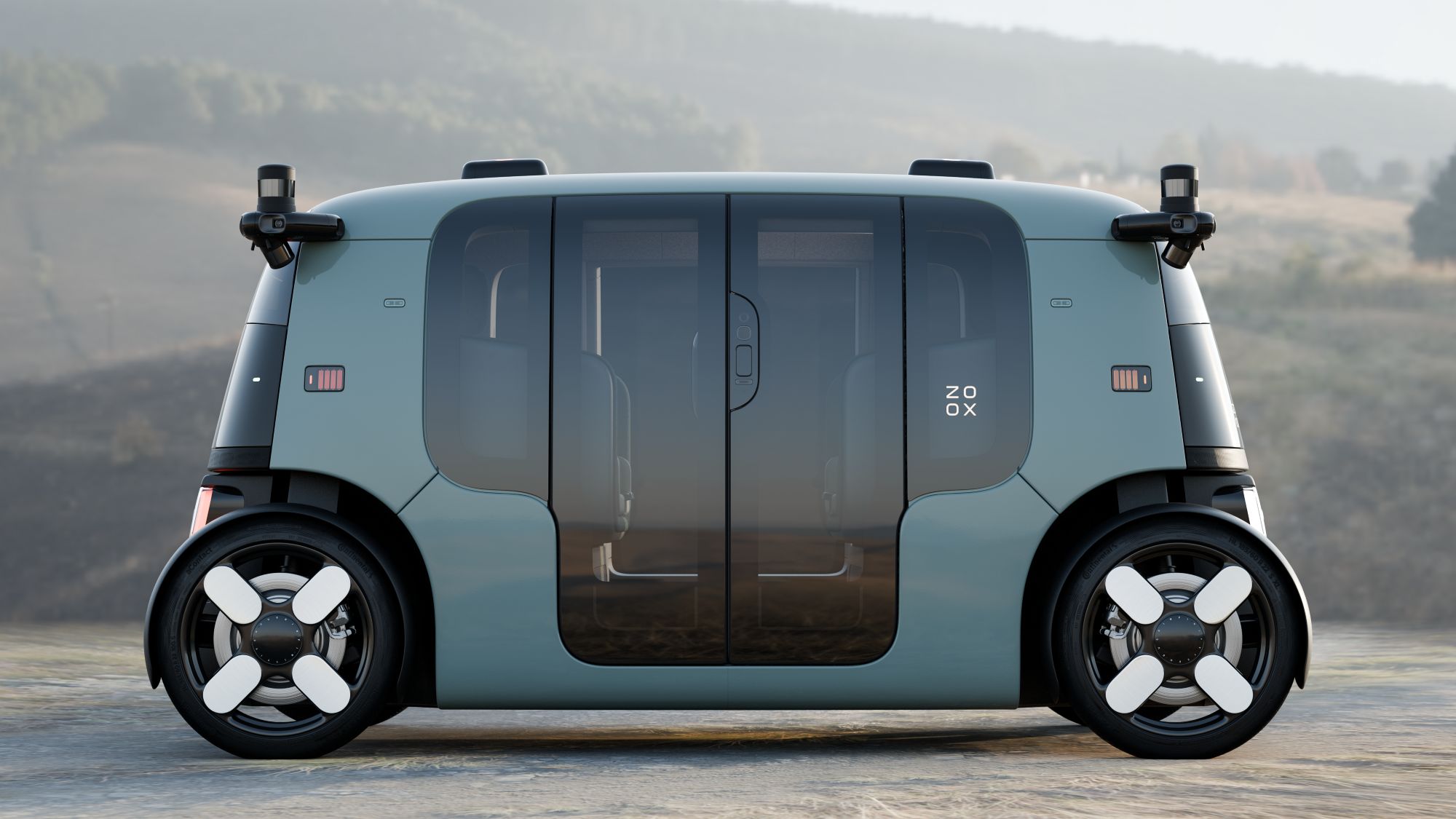
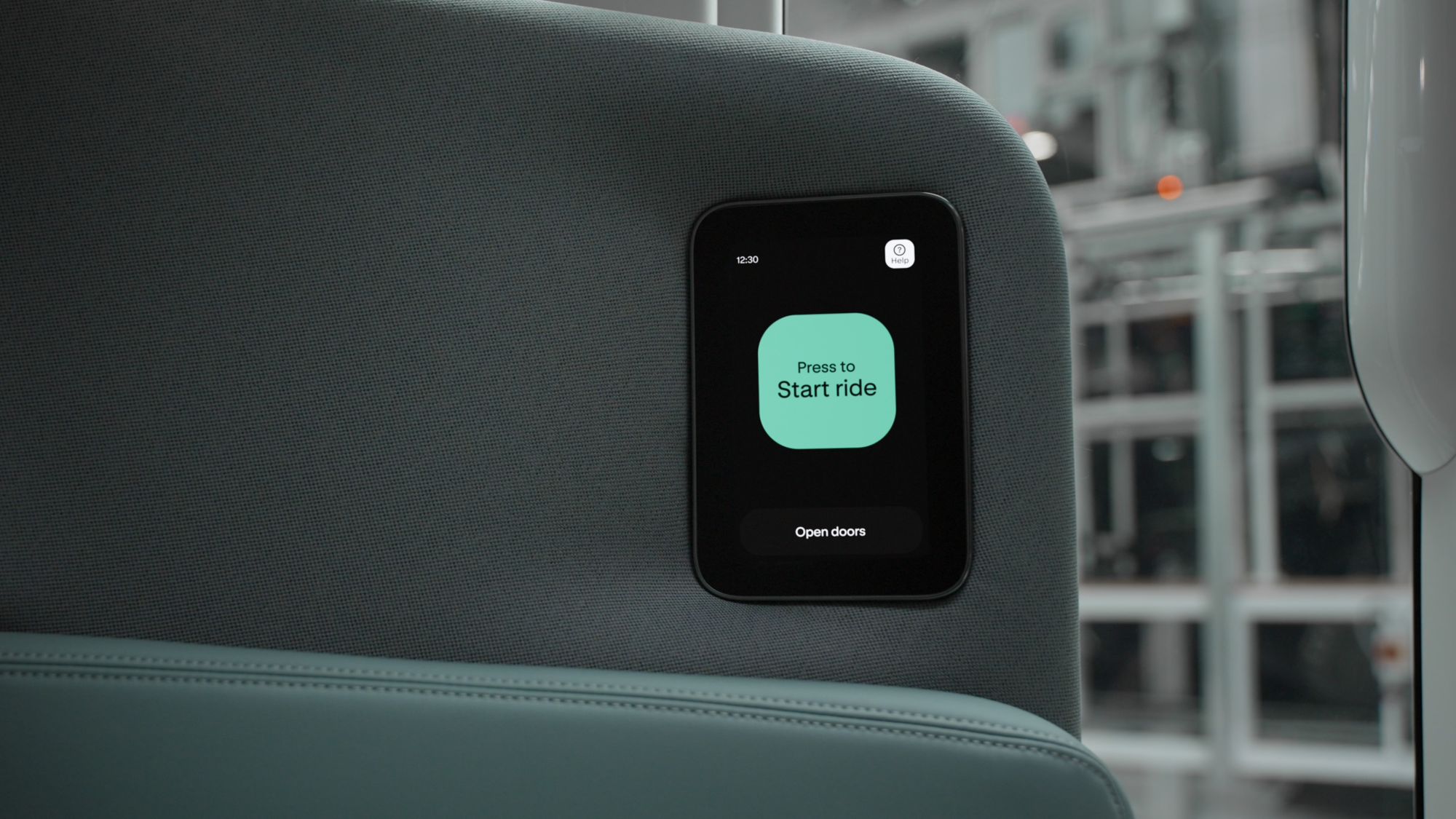
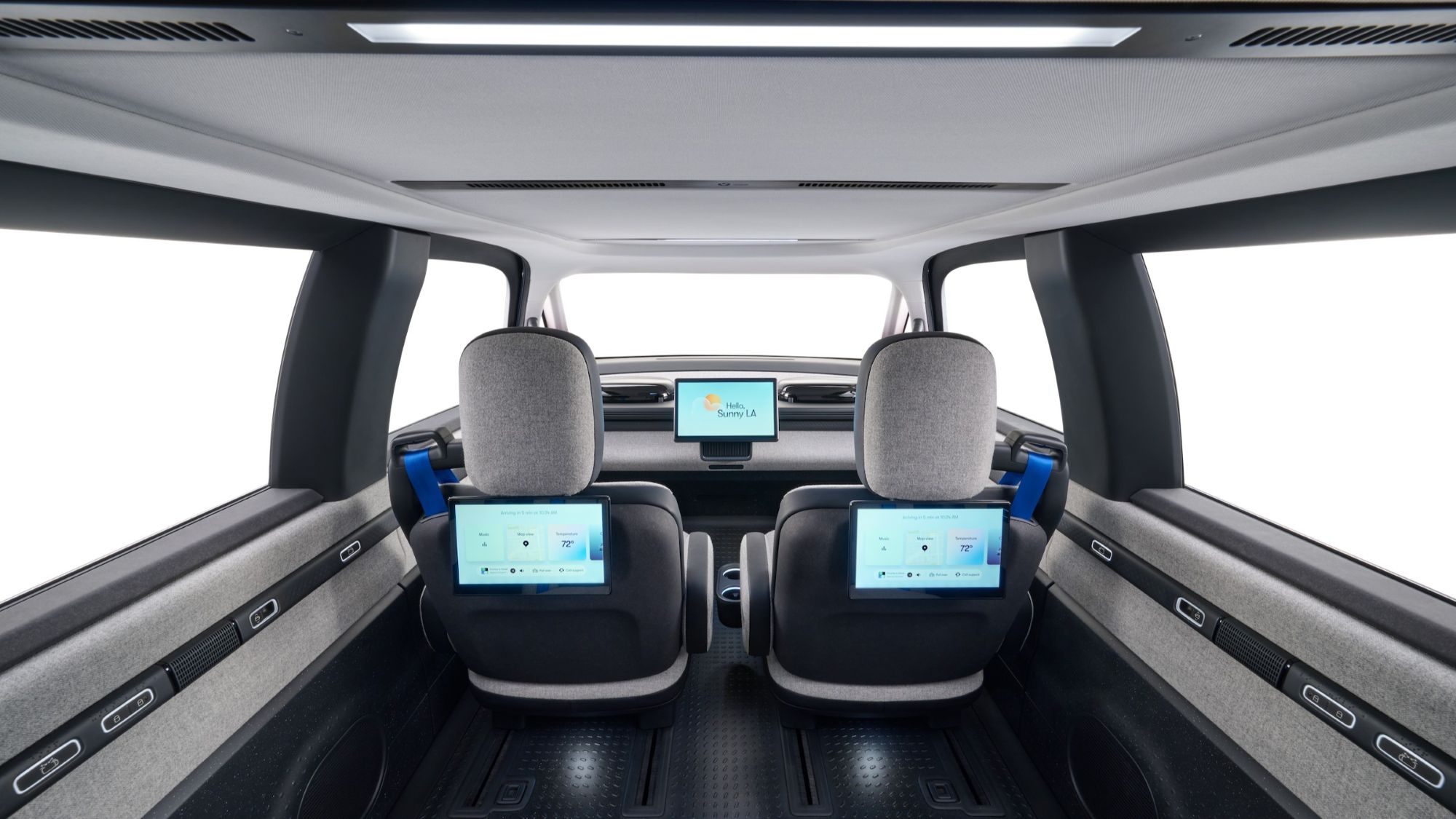
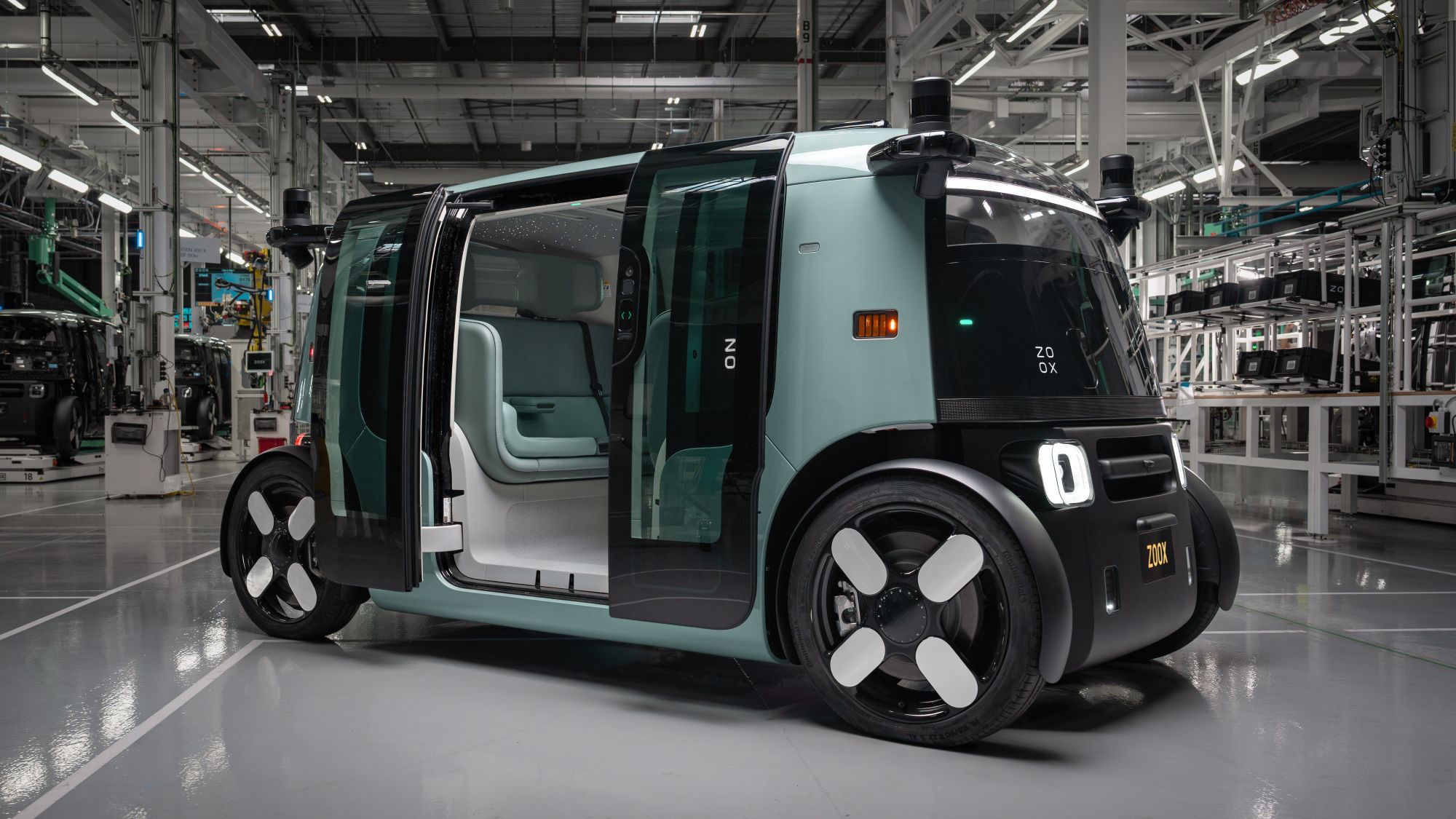
Its custom-built, autonomous electric vehicle features bidirectional driving capabilities, moving equally well in either direction without needing to turn around. The robotaxi lacks traditional controls such as a steering wheel and gas pedal, and it features carriage seating for four passengers in two rows facing each other. Personalized controls with individual touchscreens allow passengers to manage climate and music. A 360-degree sensor suite uses cameras, lidar, radar, and microphones on corner pods to see traffic and provide input to autonomous control.
NHTSA and regional collaboration
The company’s journey has required engagement with NHTSA on outdated FMVSS requirements, with the process being extensive and reflecting a shared commitment to advancing innovation responsibly and safely. In 2025, to keep the U.S. at the forefront of the technology and innovation, the Trump Administration and NHTSA opened a new exemption pathway for domestic manufacturers developing the next generation of AVs without traditional manual controls. In August of last year, Zoox said it became the first AV company to receive a demonstration exemption under the new process.
In addition to granting Zoox a temporary commercial exemption for up to 2500 robotaxis annually, NHTSA also unveiled several key policy actions in the last few months to accelerate safe AV deployment, including launching a $5 million A2SCEND partnership with SAE ITC to establish national AV performance standards, updating Part 555 exemption pathways to streamline application submissions to expand AV fleet deployment limits, and opening a new federal docket to gather public feedback on updated AV technical safety guidance.
Zoox is continuing to work with the administration and NHTSA on industry-wide change. The roadmap includes updates to the FMVSSs (Federal Motor Vehicle Safety Standards) to enable the deployment of safe autonomous vehicles without the constraints of traditional controls applicable only to human drivers.
With the latest commercial exemption, Zoox can now move toward charging fares. The company has been working closely with regulators where it currently operates service in Nevada and California to complete all necessary requirements for commercial operations.
Last year, Zoox launched a free service in Las Vegas and the Zoox Explorers Program in San Francisco. Since then, the company welcomed more than half a million riders, and another half a million have signed up for its waitlist.
In April, Zoox announced its robotaxis were driving in Miami, FL, and the month before announced in Austin, TX. Since mid-2024, a retrofitted testing fleet had been operating on the streets of Miami to map the city and train its AI. After the initial mapping phase, the vehicles drive autonomously with safety drivers supervising. The insights and learnings from these missions are then transferred to the software that powers its purpose-built robotaxi.
The robotaxi began by driving near the water in the Edgewater and Beverly Terrace neighborhoods of the city. In the initial phase, rides were available only to Zoox employees, their families, and friends. Zoox will expand this over the coming months in Miami before opening the service to public riders.
Upgraded robotaxi and experience
This all comes as the company announced in June the next evolution of its robotaxi—and production-intent vehicle—with a more comfortable, intuitive experience as it prepares to welcome more riders. Lessons from testing, early deployments, and feedback from half a million riders have informed improvements to the vehicle’s design and features.
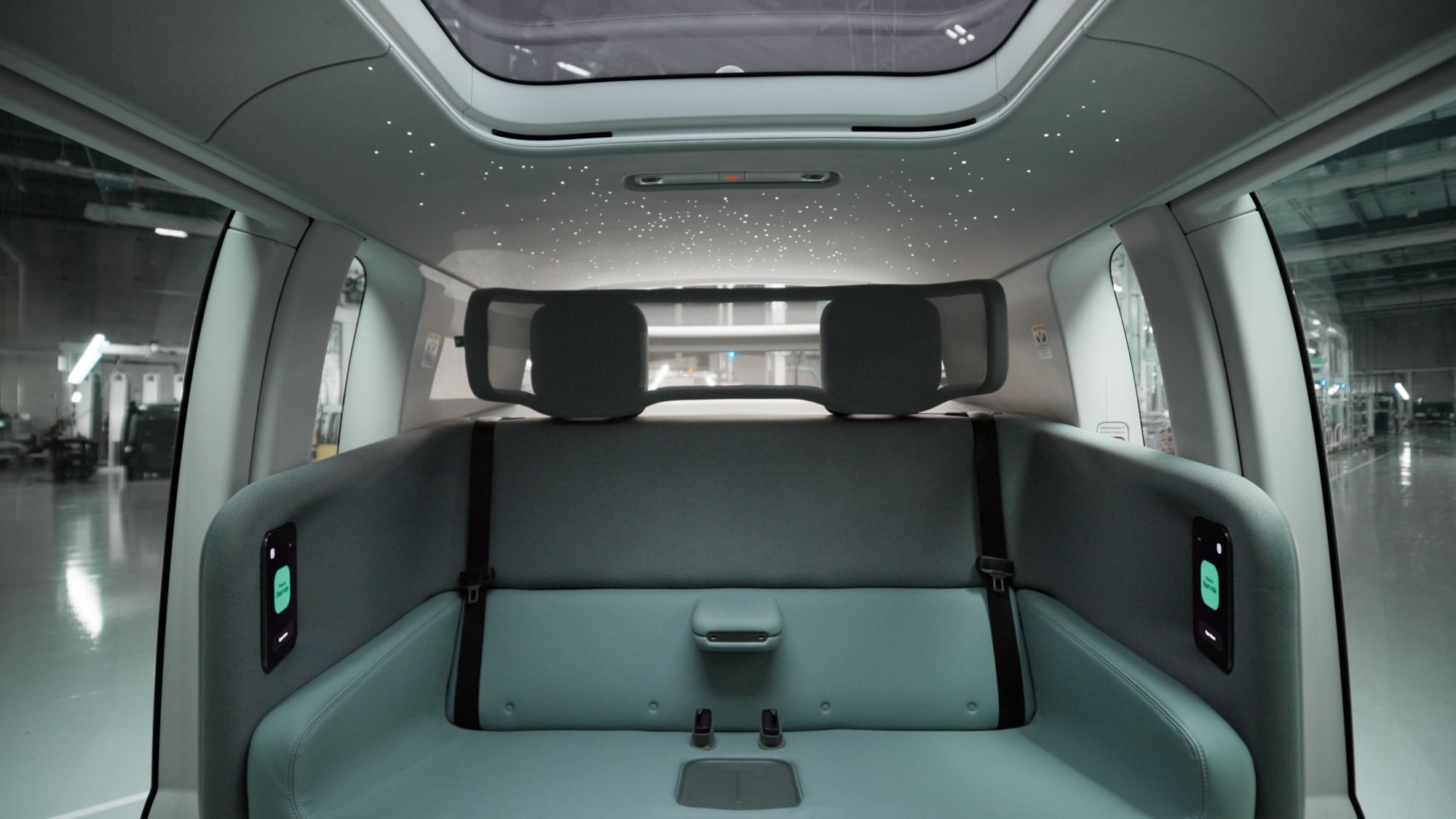
Large-scale production will soon begin on the vehicle with a carriage-style cabin that helps make the Zoox experience unique. Engineers have made refinements to enhance comfort, improve usability, and create a more inviting atmosphere for riders.
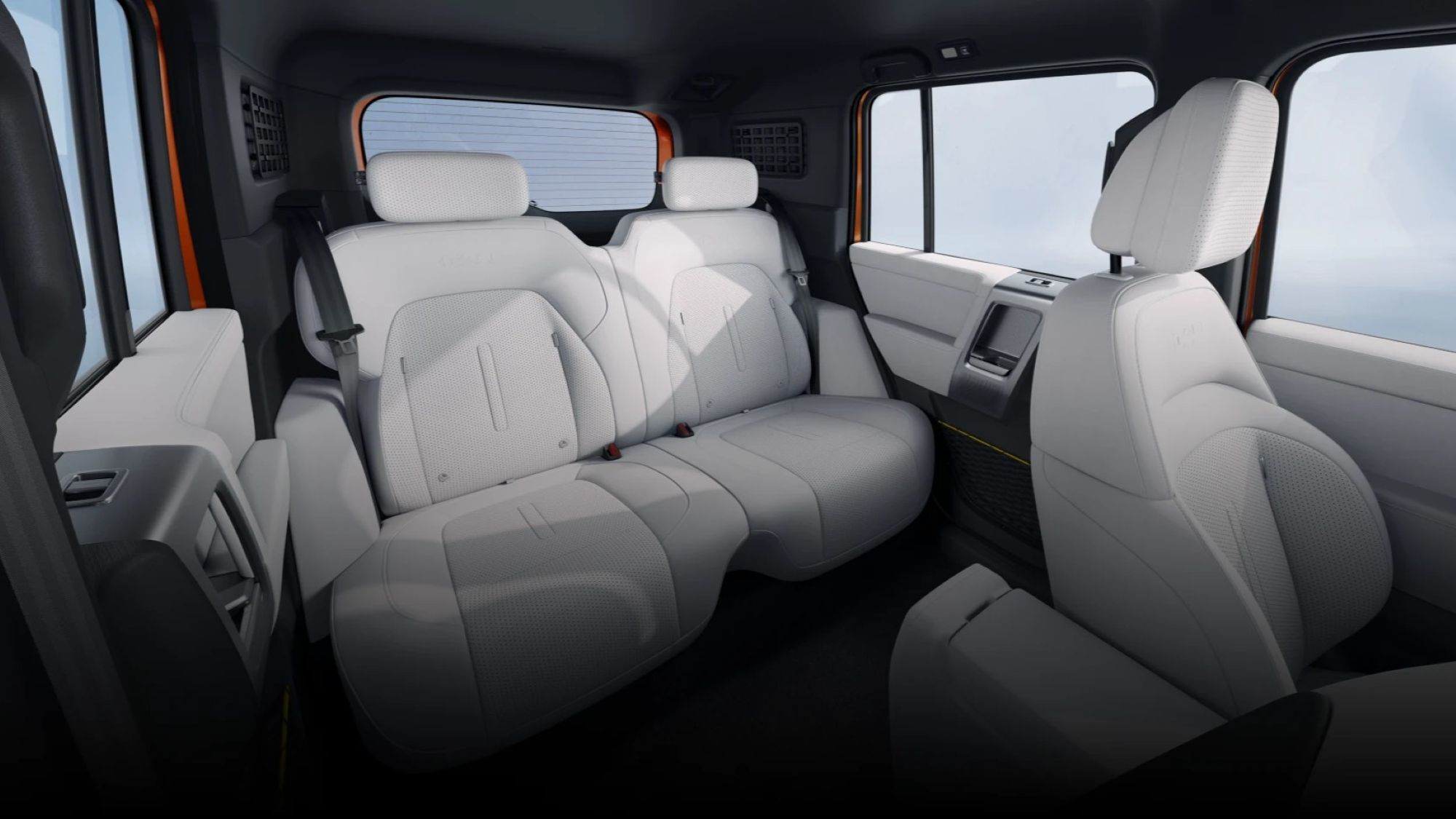
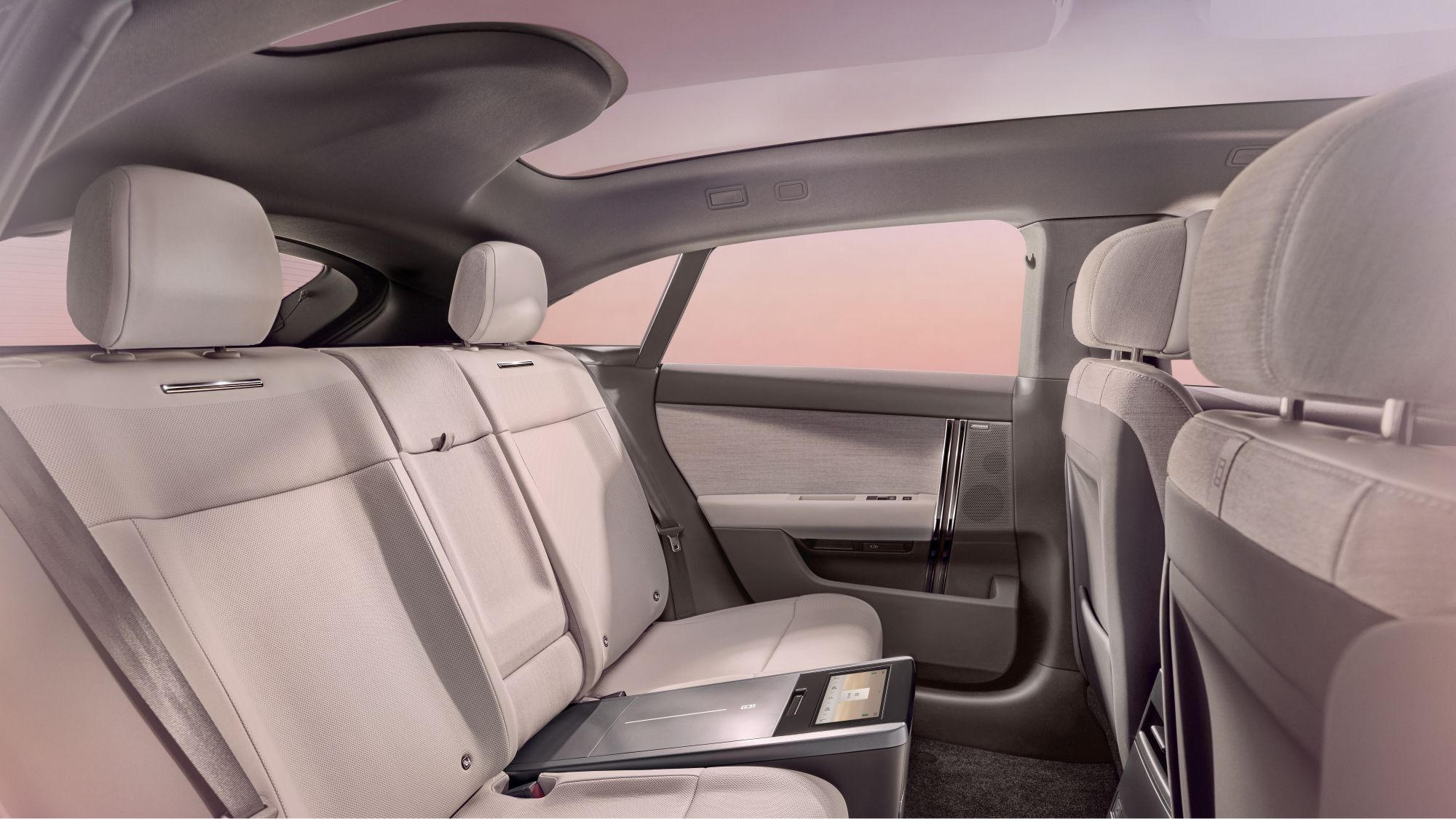
On the interior CMF (color, material, and finish) front, the cabin features a lighter color palette, with monochrome aloe green seating and stone-grey floor and trim. The simplified color scheme is meant to create a calmer, more inviting environment that aligns with an intentional approach to reducing visual distractions so riders can relax and enjoy the ride. The updated CMF on the charging pad, cupholders, and flooring is said to make items like bags and phones easier to spot so they are left behind by riders, while offering better resistance to wear-and-tear.
“The updates we’ve made to this iteration of our purpose-built robotaxi continue to further distinguish the Zoox experience from anything else available today,” said Chris Stoffel, Director, Robot Industrial Design and Studio Engineering, at Zoox. “The simplicity of the elevated interior design does not demand a rider’s attention like so many of the features found in today’s passenger cars. Instead, riders can relax and enjoy the space as they are transported throughout the city.”
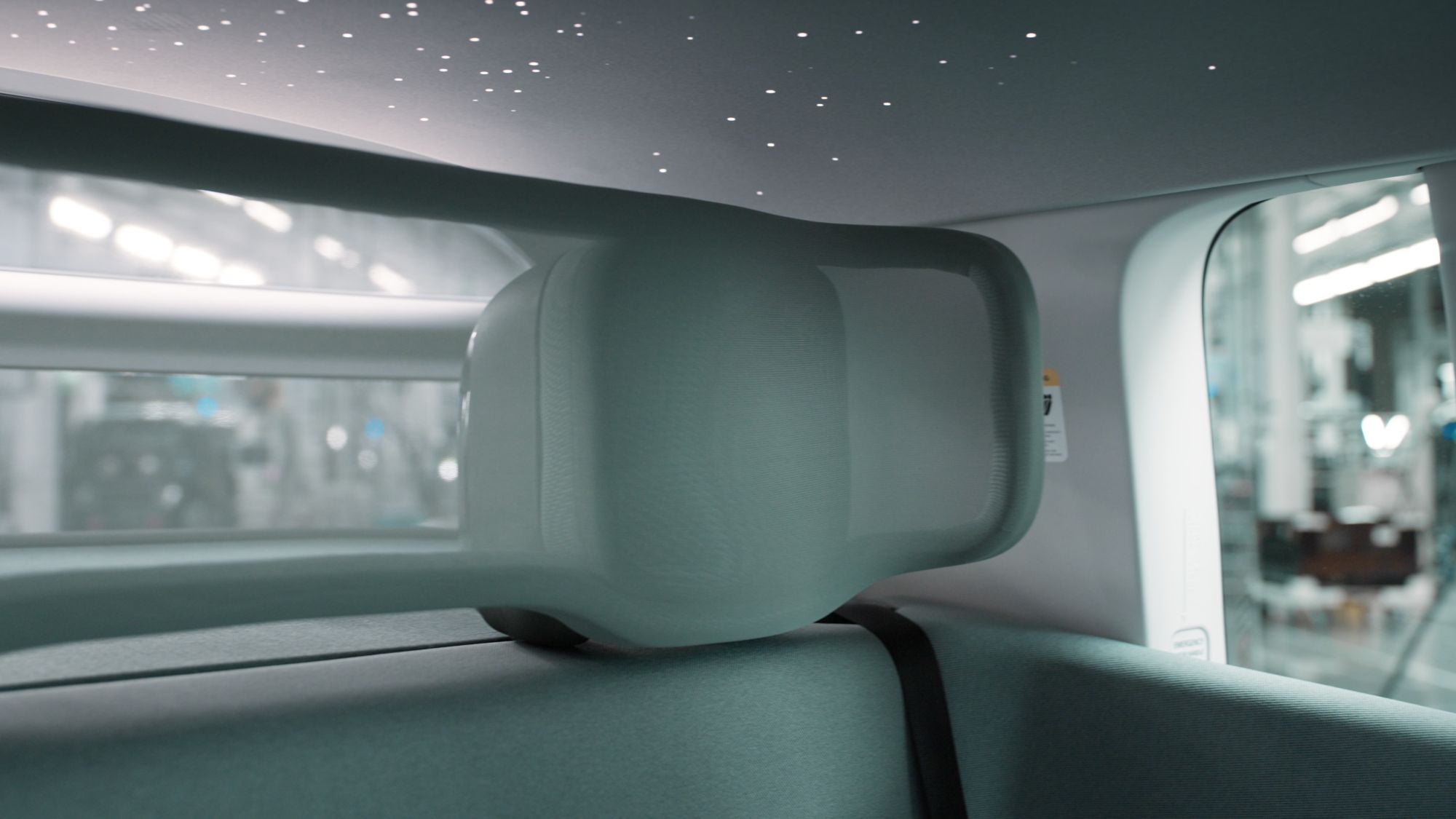
Based on feedback from early riders, engineers adjusted the seating, increasing comfort by adding padding and ergonomic curves to both seats and headrests. Rider-favorite features have also been refined, including a more vivid touchscreen, fluting on the charging pad for stability, and larger cupholders to keep riders’ beverages secure as they ride.
Although the exterior of the latest Zoox robotaxi looks similar, a closer look reveals a series of refinements designed to make it more intuitive and easier to interact with.
The unique bidirectional reflectors that rotate color to clearly distinguish the robotaxi’s front from its rear have been refined and relocated for better visibility and integration into the exterior. The door interface is improved with a new speaker and microphone as well as additional two-way audio capabilities.
The improvements ensure clearer communication with riders, other road users, and between Zoox Support and first responders.
Larger-scale production
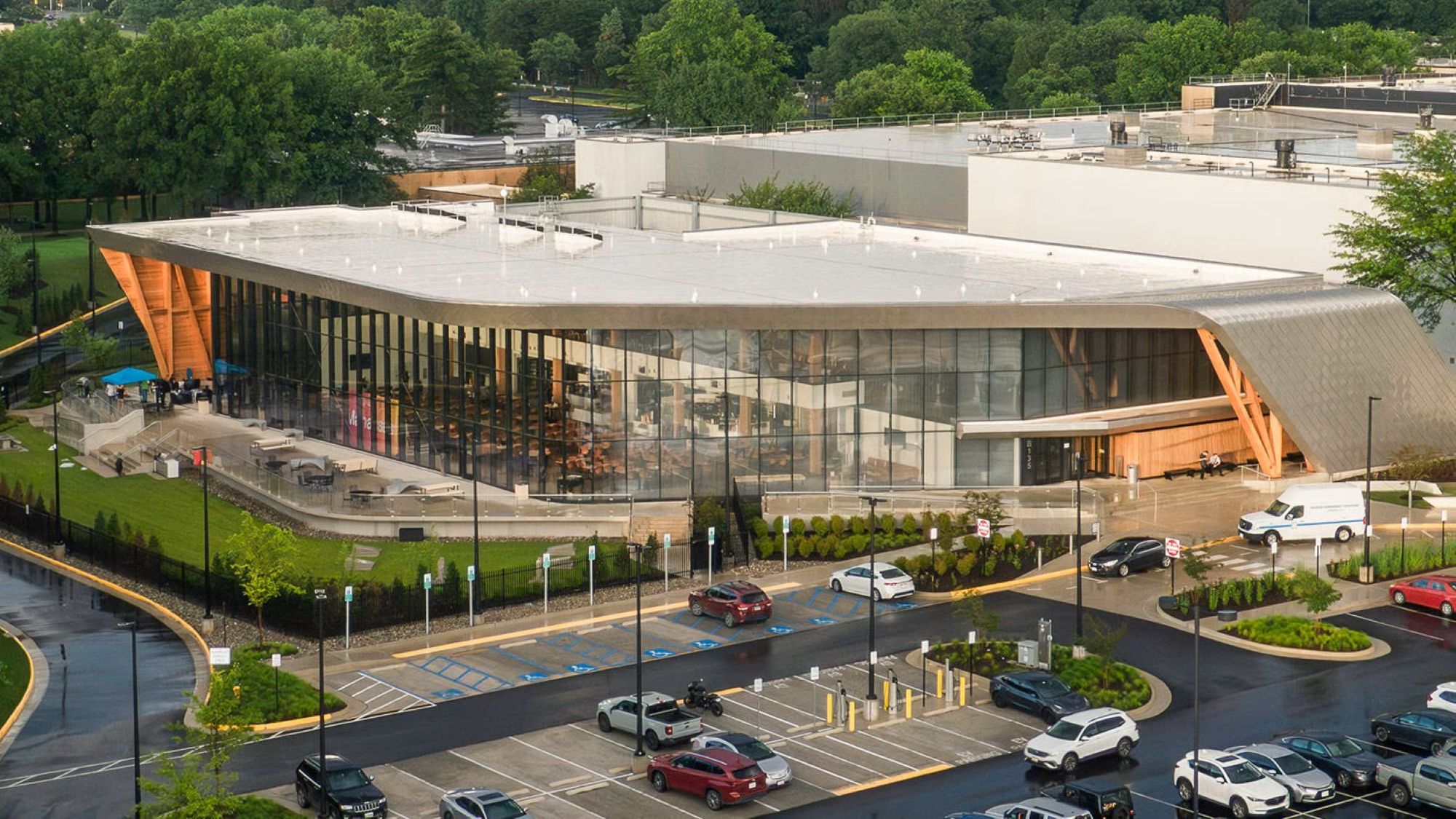
Zoox announced in June 2025 that it was opening the 220,000-ft² (20,440-m²) facility in Hayward, its second production facility in the Bay Area. The other, located in Fremont, has evolved into a facility for the retrofitted testing fleet and sensor pod configuration.
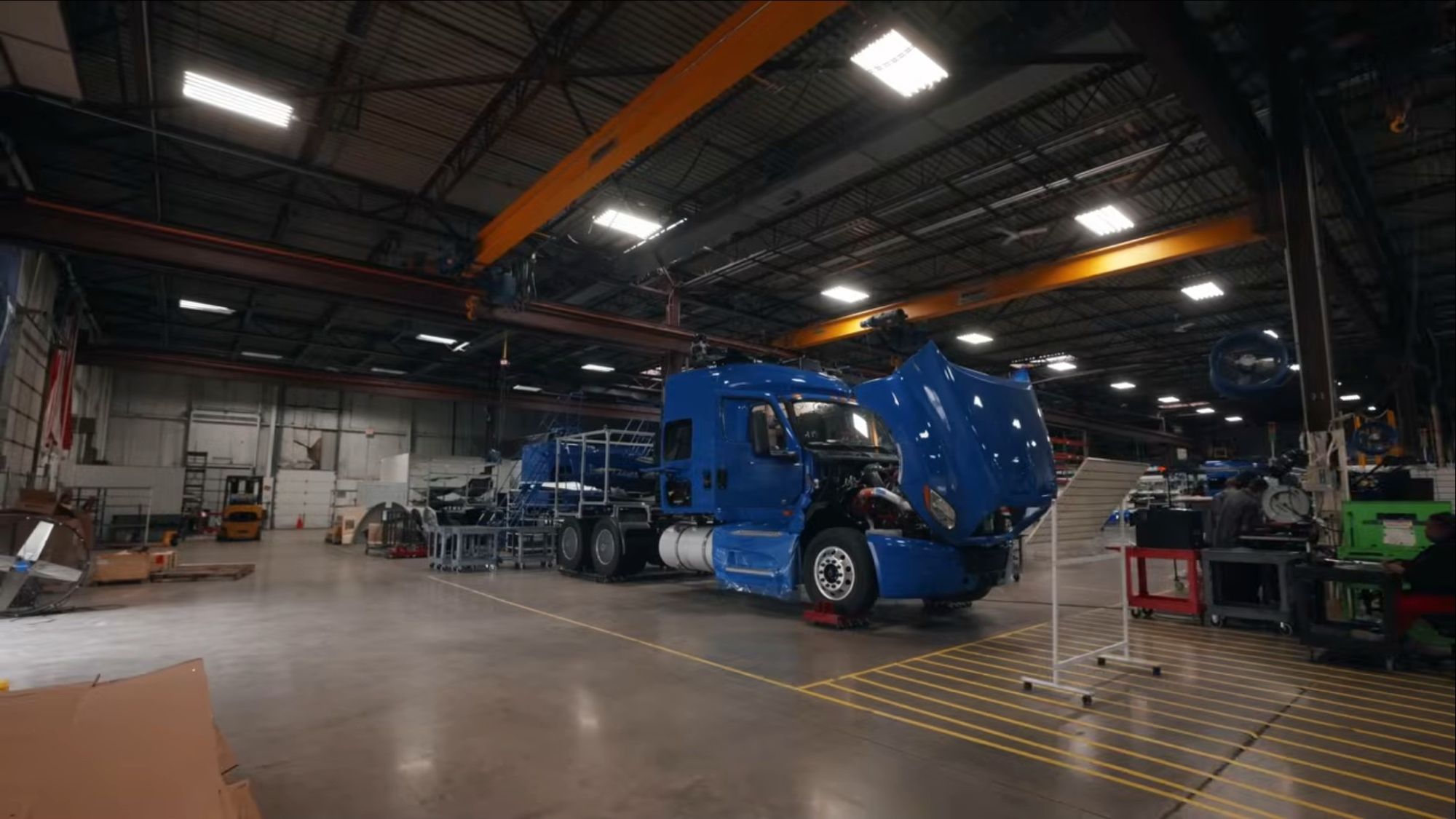
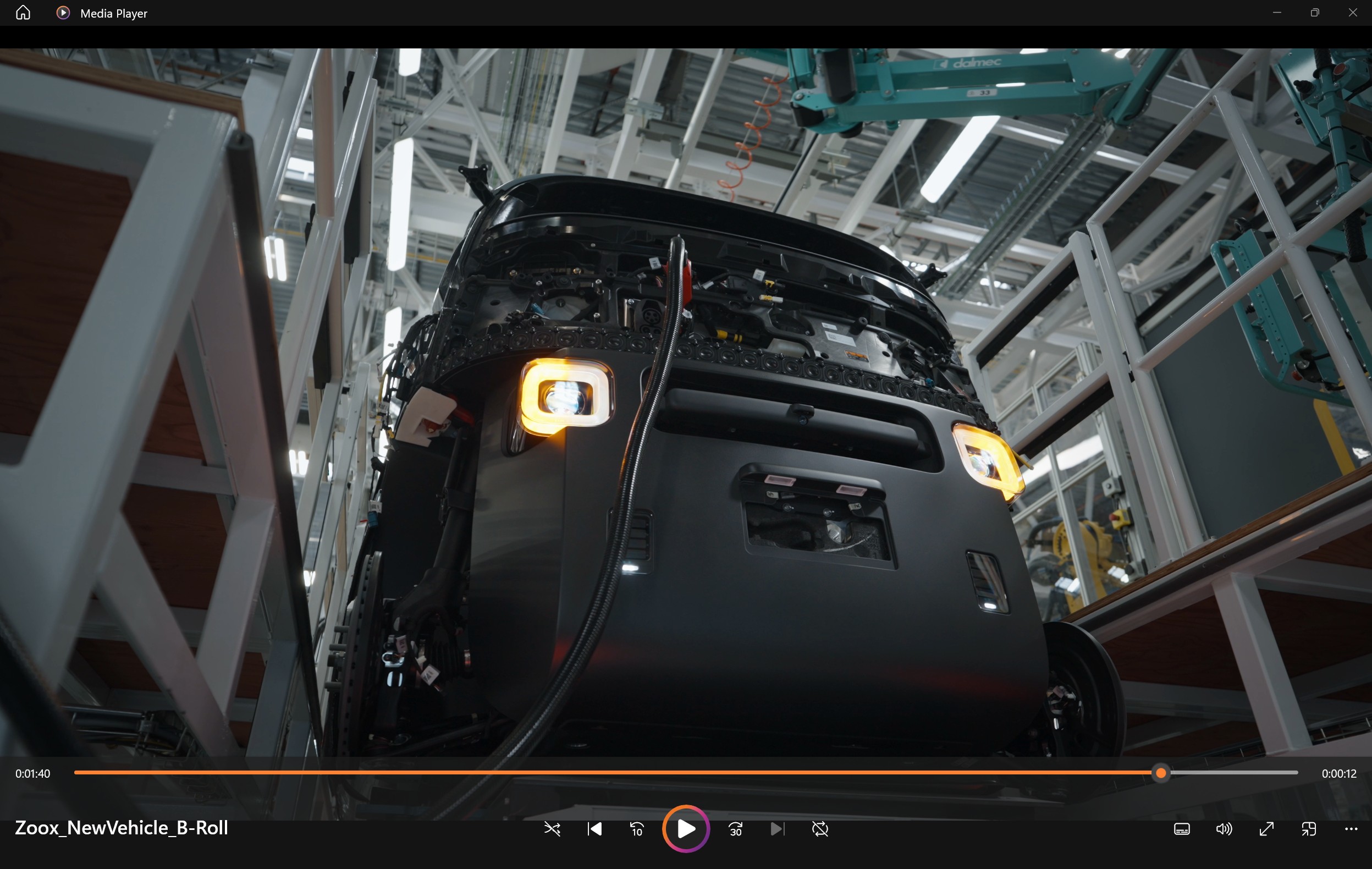
The company will soon be moving into larger-scale production at its robotaxi serial production facility in Hayward, CA. The new robotaxis will join the fleet across markets and become available to riders later this year as they come off the production line. Zoox has the capability to ramp production up to a rate of 100 vehicles a week to support its expansion this year.
-

- New Zoox vehicle production is coming to a new Hayward, CA, factory.
-

- Zoox vehicle with door closed.
-

- Zoox robotaxi design sketch.
-

- New Zoox vehicle interior side view.
-

- New Zoox vehicle inside view.
-

- New Zoox vehicle headrest.
-

- New Zoox vehicle rider screen.
-

- New Zoox vehicle manufacturing.