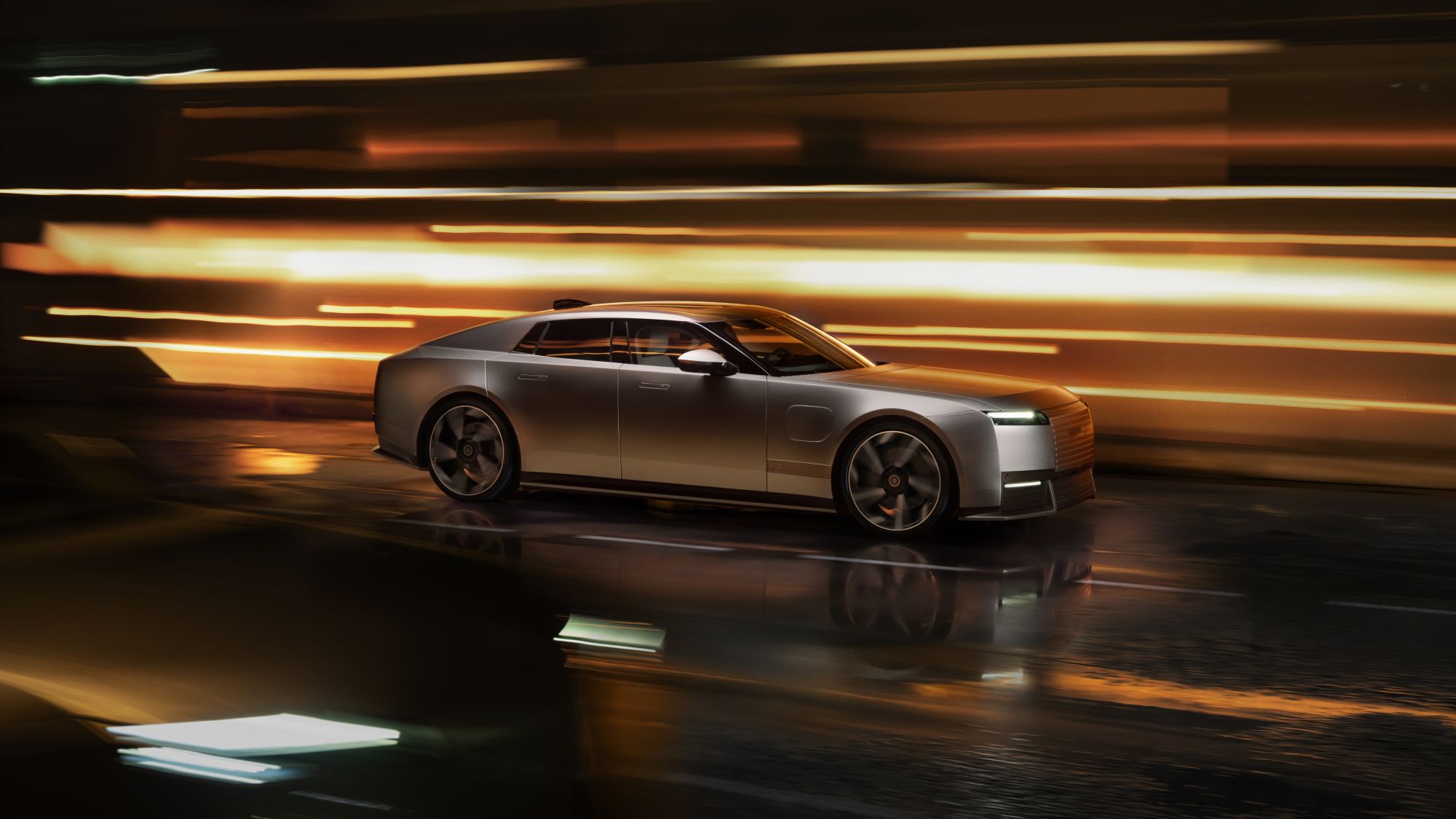
For most of the last decade that I’ve spent working with automakers, the fiercest competition between them has played out in a few places, including ADAS (advanced driver assistance system), the dashboard, and the powertrain. Manufacturers raced to turn the cockpit into a connected, screen-driven experience and to electrify everything beneath the hood.
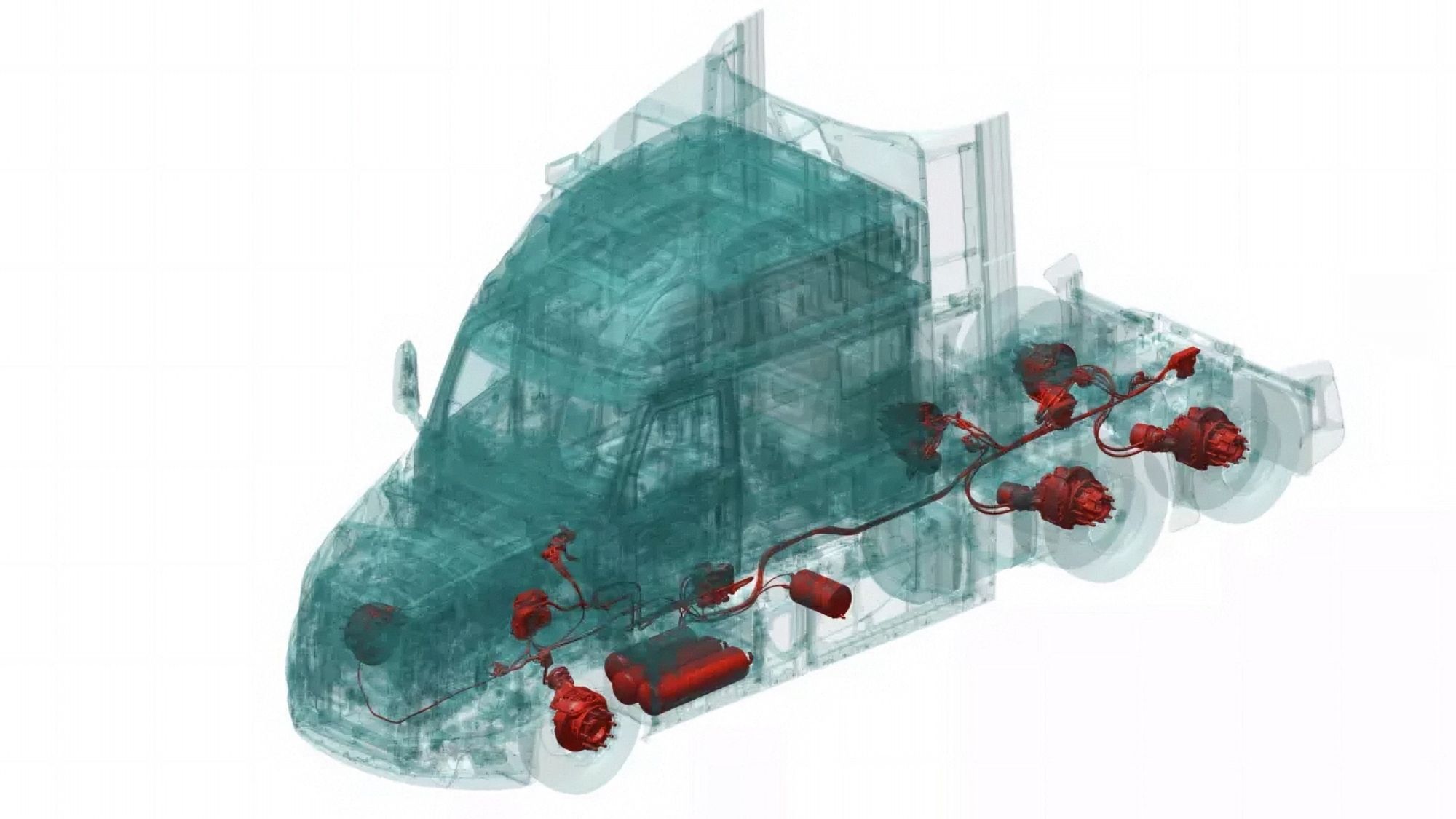
The next software shift will happen one level down, in the chassis, for the steering, braking, and suspension components that govern how a car moves. It’s the last major system in the car that is still controlled by steel and fluid.
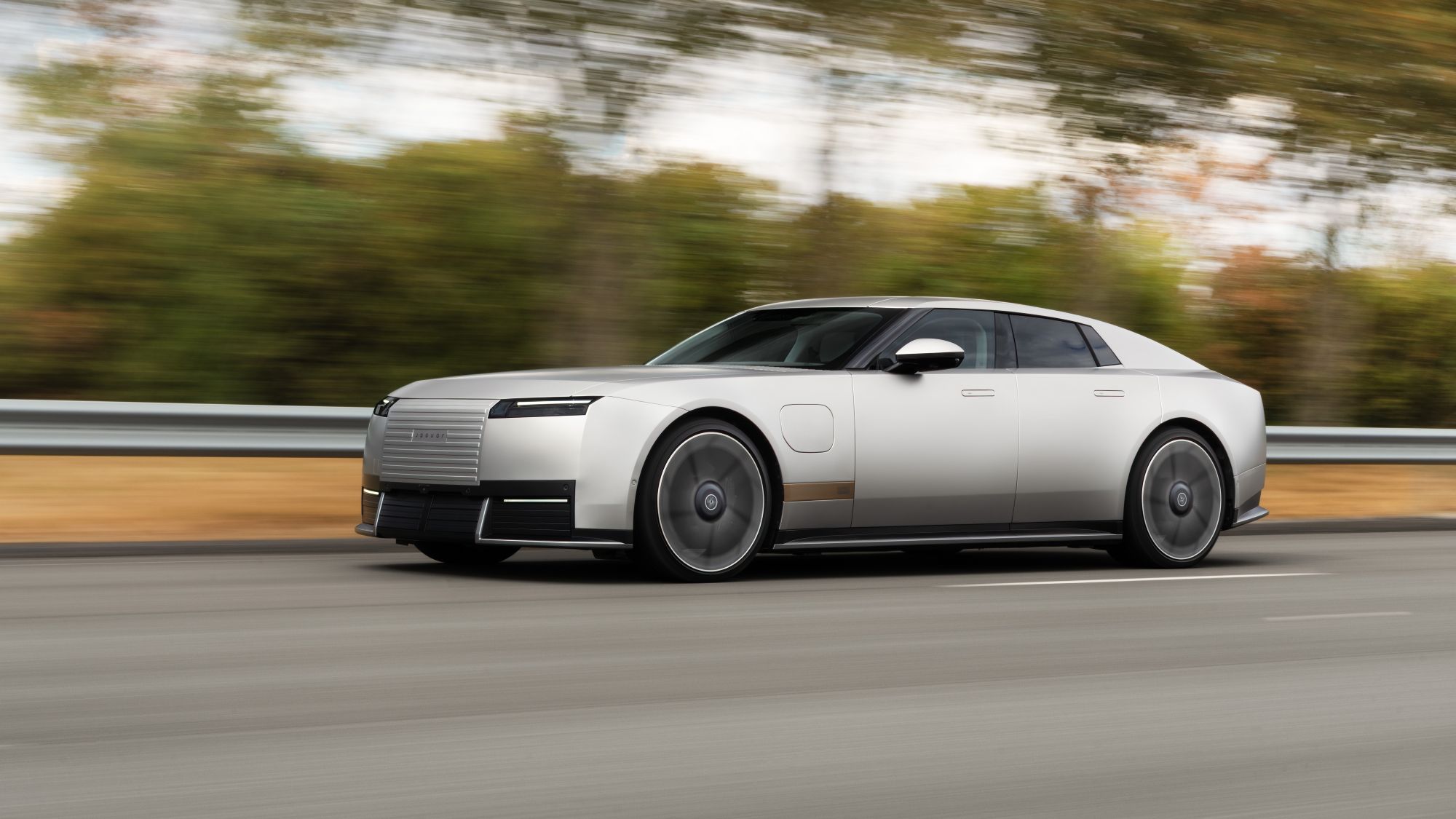
But now, the chassis is becoming electronic, and it can lead to a better ride—and eventually, a car that drives itself.
The last mechanical frontier
When I look at today’s EVs (electric vehicles), the numbers that once set one model apart from another are converging—extending even to driving ranges from different automakers. Acceleration that once felt novel is now standard. Even charging speeds are closing in on each other. When window stickers no longer tell a buyer which vehicle is the better option, automakers have to find a new place to compete.
I’m convinced that place is the part of the car that we can’t see but can feel. A software-controlled electronic chassis turns the driving experience into something that automakers can design and fine-tune, just as infotainment screens were once differentiators.
Motion becomes programmable
For the last century, the systems defining the chassis have been mechanical. A steering wheel connects to the road wheels through a column and links. A brake pedal delivers hydraulic fluid to a caliper. A spring and damper react to the road after the fact.
What’s happening now replaces physical connections with electronic ones, an approach the industry calls “by wire.”
In by-wire systems, sensors read what the driver and the road are doing. Processors then decide how the car should respond, and electric actuators execute those decisions, removing the mechanical middleman. Once software governs motion, the feel of a car becomes programmable.
The market for by-wire systems, which replace mechanical connections with electric ones, was roughly $26 billion in 2024 and is projected to reach about $58 billion by 2030, according to Grand View Research. The shift is inevitable, and what makes it possible is the most exciting part.
A suspension that can read the road ahead, through cameras and ADAS map data, can soften itself a fraction of a second before a wheel meets a pothole, so the jolt passengers brace for never really arrives. Similarly, braking that’s continuous and precise rather than delivered in coarse mechanical steps means shorter, steadier stops and smoother everyday driving.
None of this new functionality is locked in at the factory anymore. It’s a calibration, and calibrations can be refined, personalized, and even updated over the air.
The bridge to autonomous driving
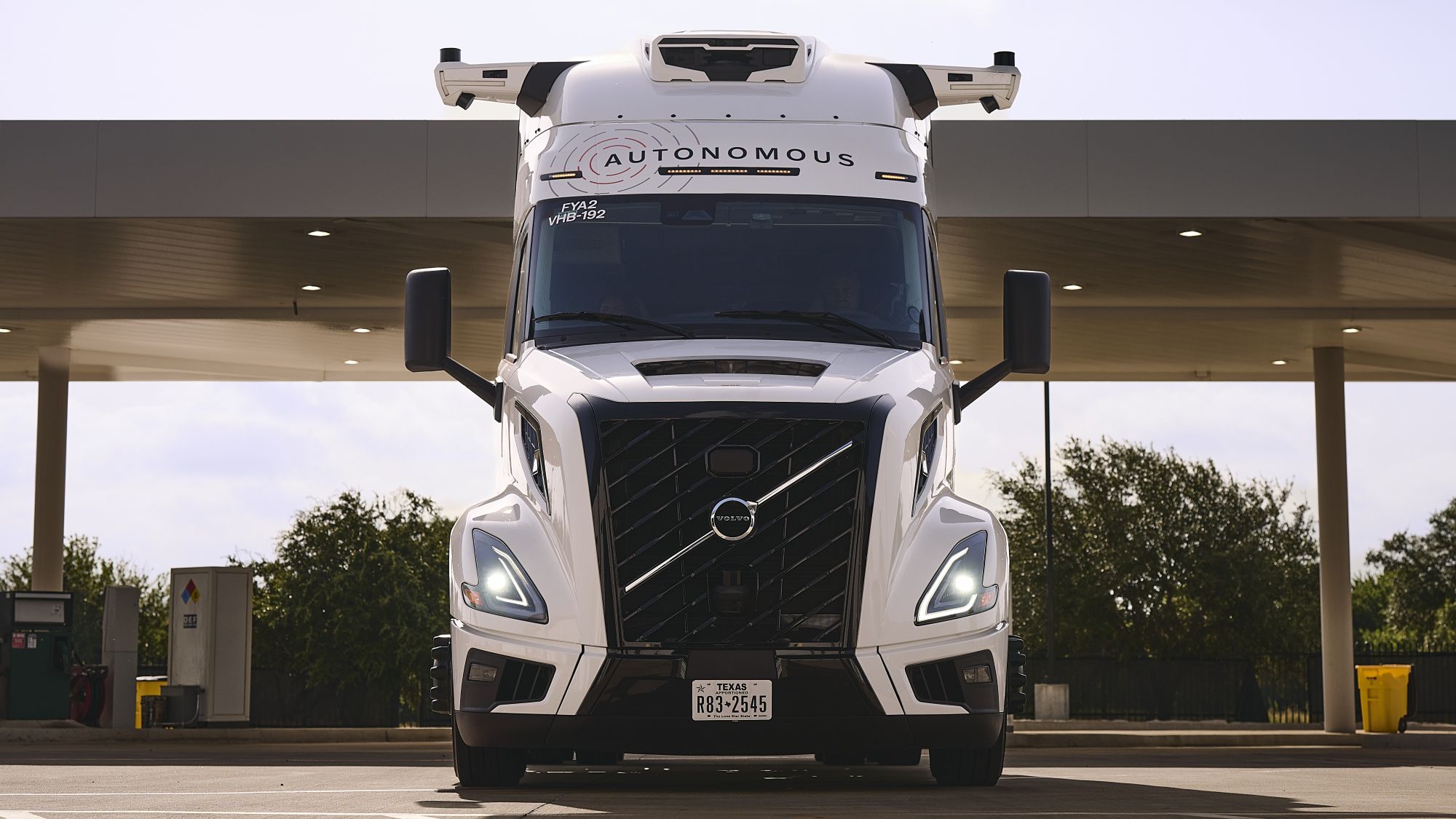
A smoother, more responsive drive is only the near-term reward. The same software control that allows manufacturers to shape how a car feels is what will eventually let the car drive itself. In other words, the intelligent chassis is a prerequisite for full autonomy.
A self-driving system must work the steering and brakes on its own, with no hands on the wheel and no foot on the pedals. The intelligent chassis is the bridge between the sensing and decision-making we associate with artificial intelligence—the part of the system that reads the road and chooses what to do—and the physical response that executes decisions.
However, before that handoff occurs, the industry will have to prove that the car’s body can respond to software as reliably as it responds to a driver’s hands. The companies building that capability now are also laying the groundwork for the higher levels of autonomy that follow.
An advancement years in the making
The question I often hear is why the intelligent chassis is having its moment now, rather than 10 years ago? Simply put, we’re in a better position to trade mechanical hardware for sensors, processors, and actuators than we were back then. Automotive electronics have crossed a threshold where they are not only precise and reliable, but cost-effective enough to compete with the mechanical parts they replace.
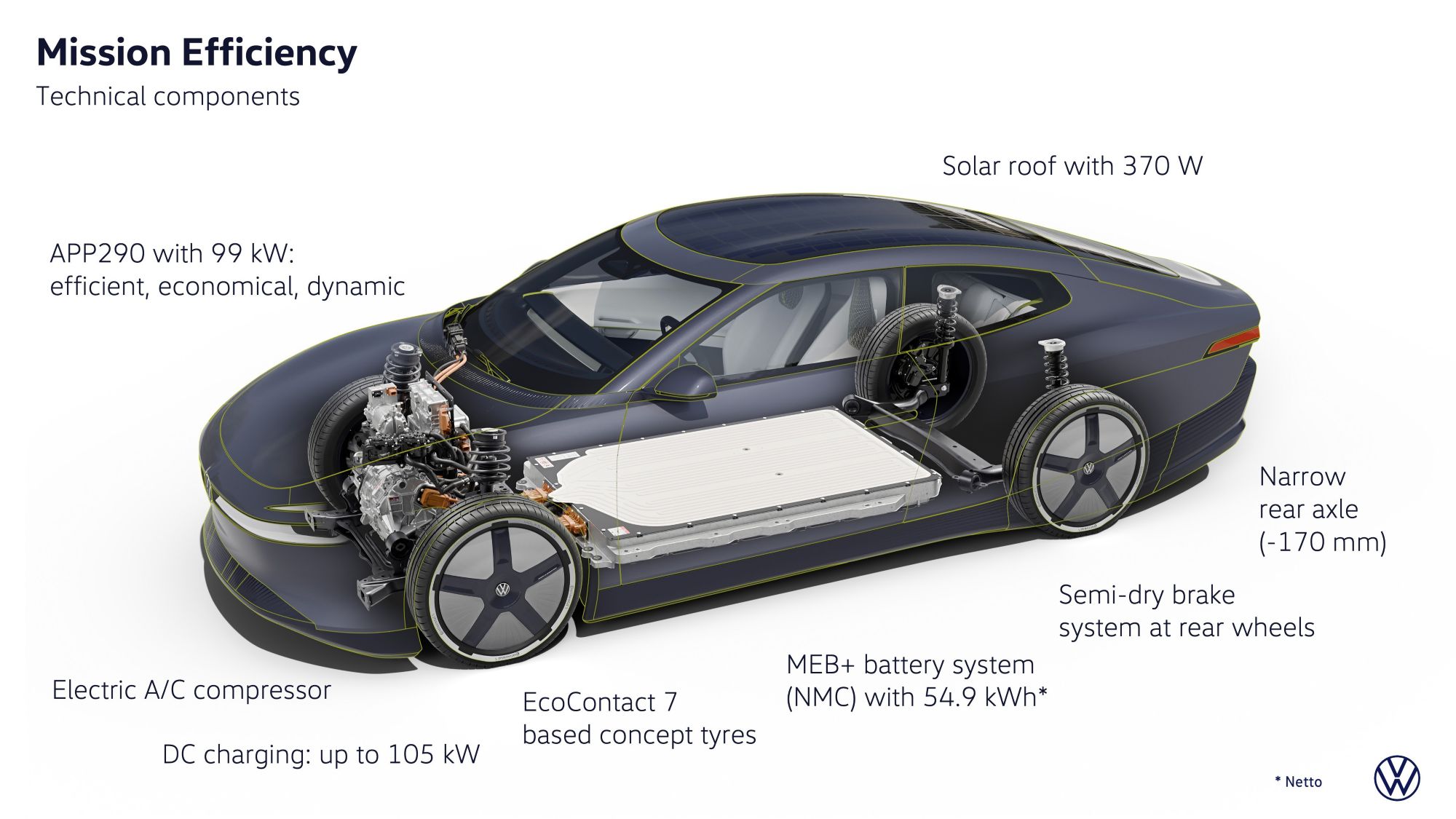
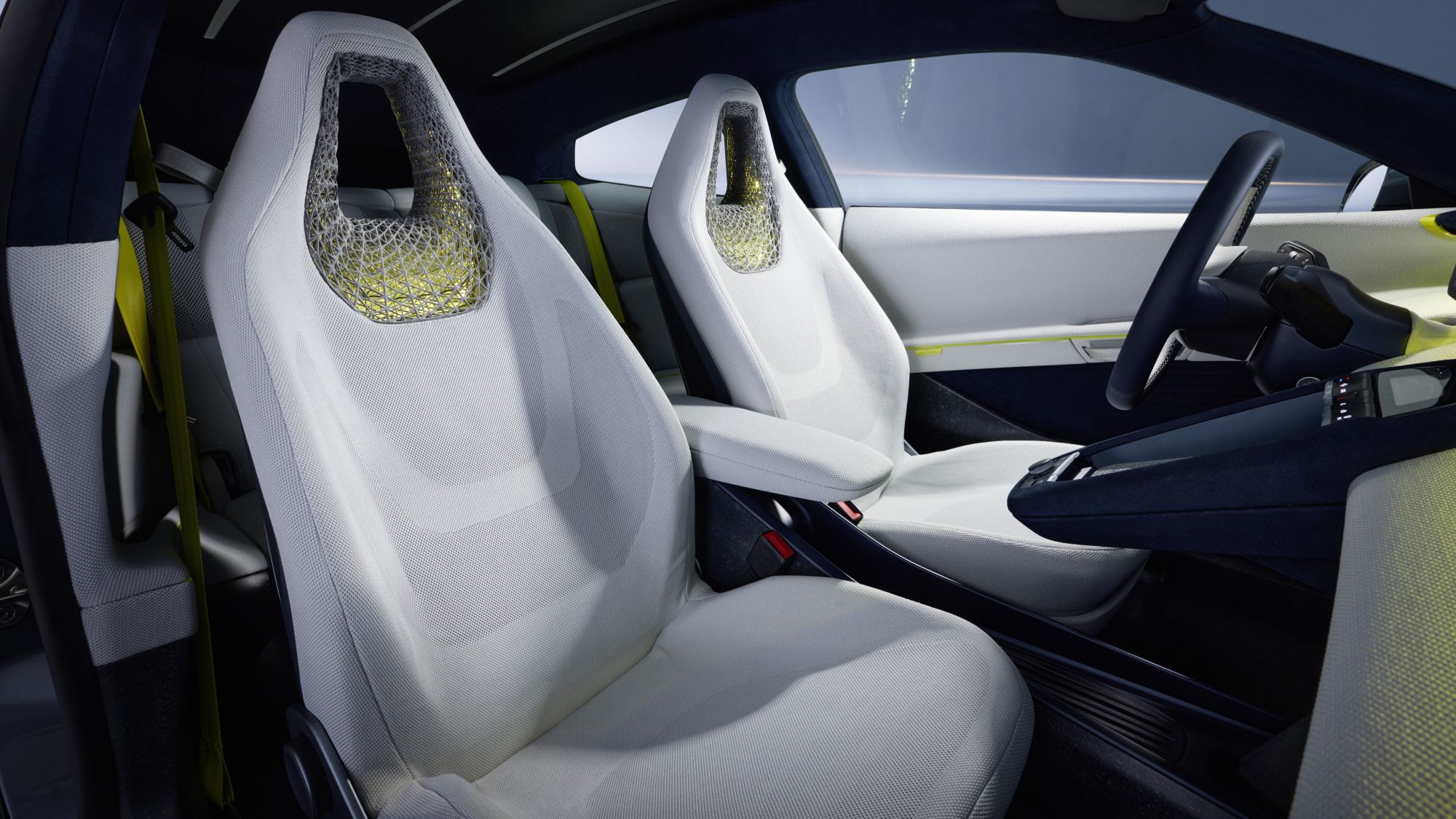
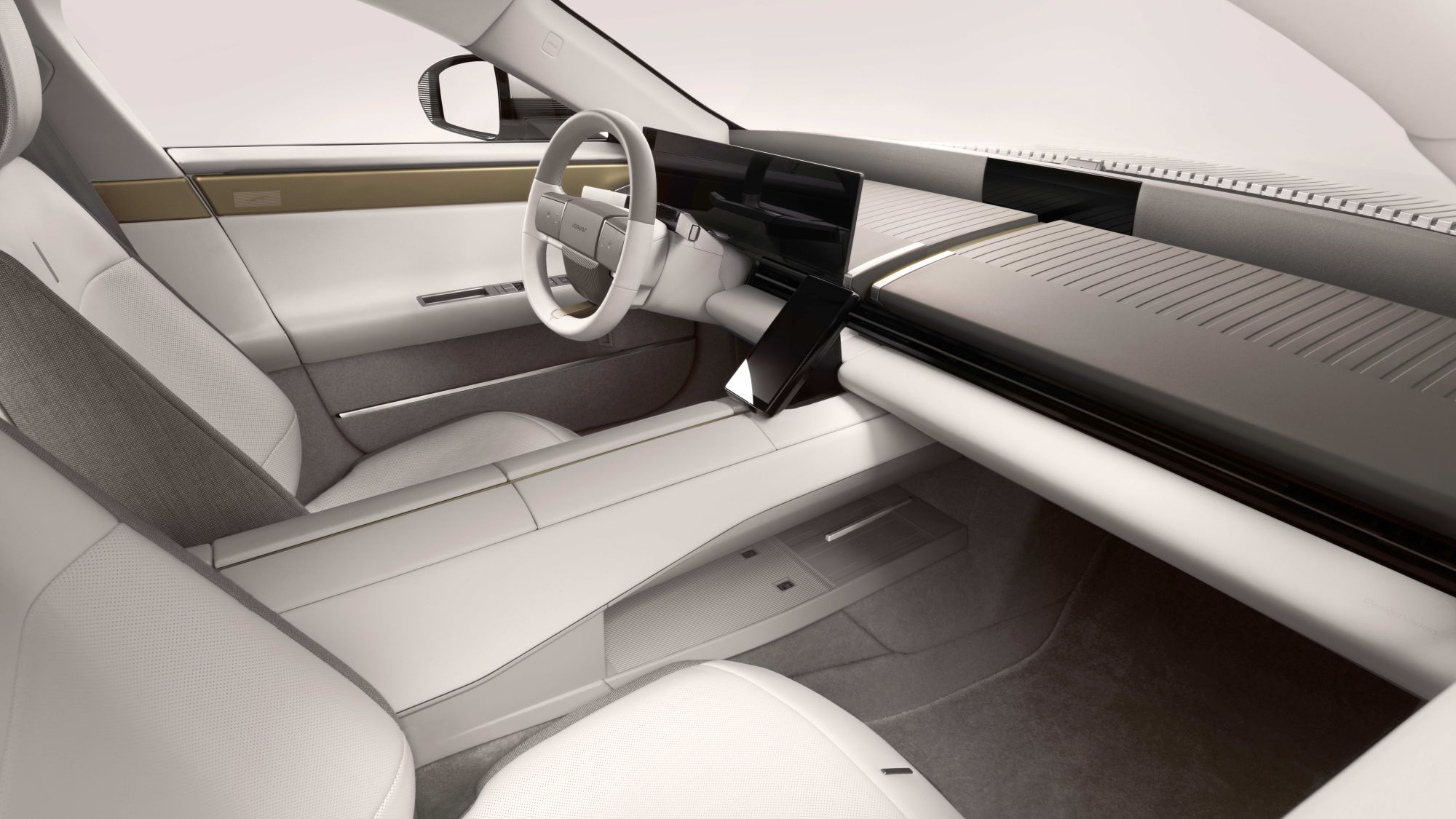
The move to software-defined vehicles, built on consolidated, zone-based electrical architectures, gave the intelligent chassis somewhere to evolve. At the same time, the move to EVs stripped out much of the bulky hardware, such as hydraulic lines and steering columns, that used to fill the chassis. That frees designers to rethink the cabin and shed weight, which helps extend an EV’s driving range.
However, I won’t pretend that this shift will be easy. When you remove the mechanical backup, every electronic component must be safer and faster than what it replaced. Responses that mechanical systems measured in milliseconds now must happen in microseconds—fast enough that the car reacts before a human ever could. The system also requires built-in redundancy so that a single fault never leads to a vehicle-wide failure.
The transition to an intelligent chassis will require a coordinated set of technologies working in tandem, from precise sensing and real-time processing to power management and high-speed communication.
The competition moves under the car
The past decade of automotive competition focused on adding what was visible to drivers: bigger screens, more cabin software, and more electrification. I believe the next decade will be defined by what drivers can’t see.
By-wire systems will follow the path that antilock braking and stability control took before it: introduced as a differentiator, adopted as an expectation, and eventually assumed. Ten years from now, I expect an intelligent chassis to be less a feature than a baseline that any vehicle needs to support true autonomy.
For drivers, the car will feel smoother over rough roads and steadier at a sudden stop. For automakers, the feel of a car stops being a result of suspension geometry and becomes a deliberate, ownable product.
Now is the time to build that capability, because I’m certain the next car people fall in love with will win them over from underneath.
Mark Ng, Director of Automotive Systems at Texas Instruments, wrote this article for Futurride.
-

- Mark Ng is the Director of Automotive Systems at Texas Instruments.
-

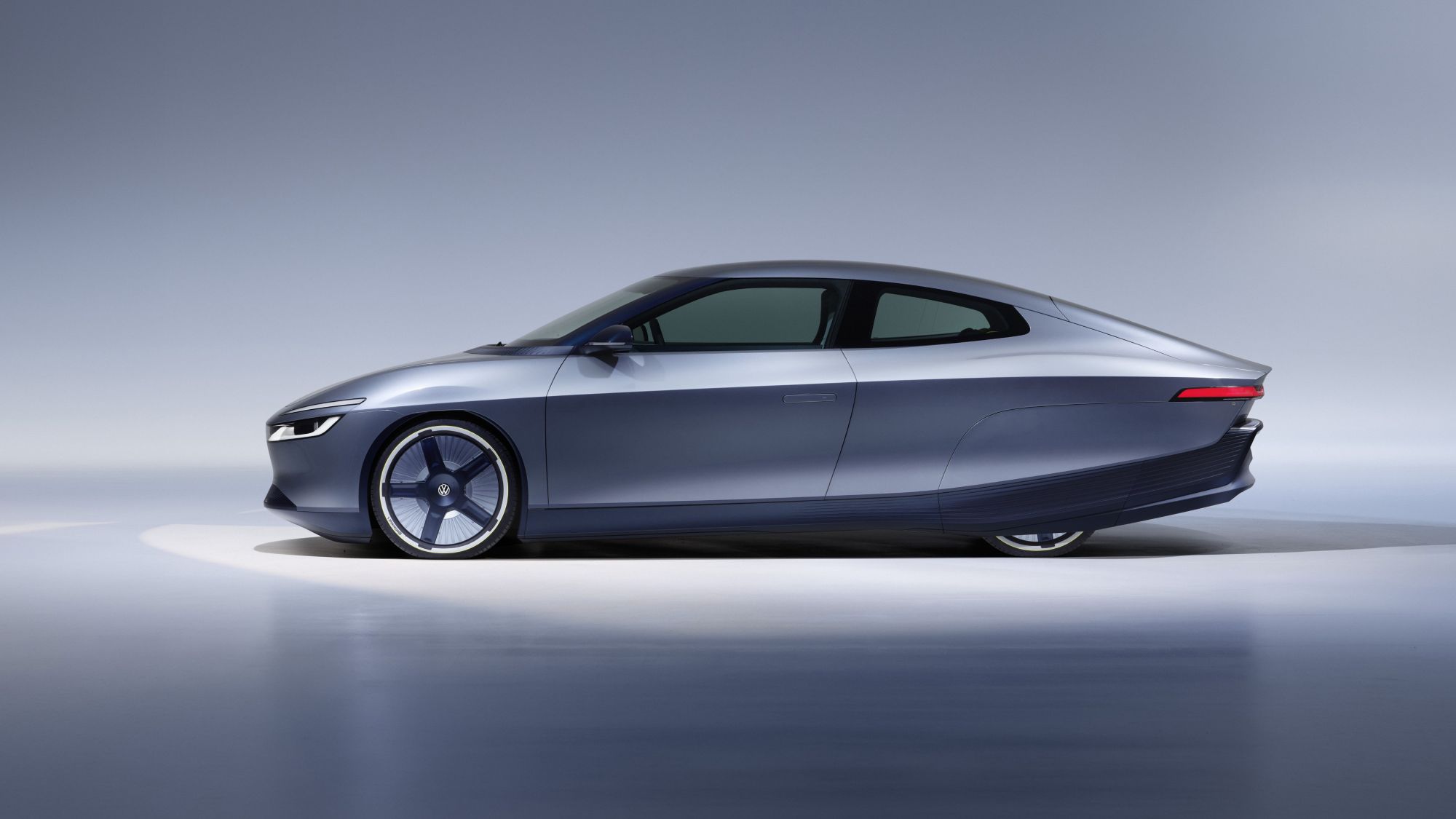
- The chassis becoming electronic can lead to a better ride—and eventually, a car that drives itself.
-

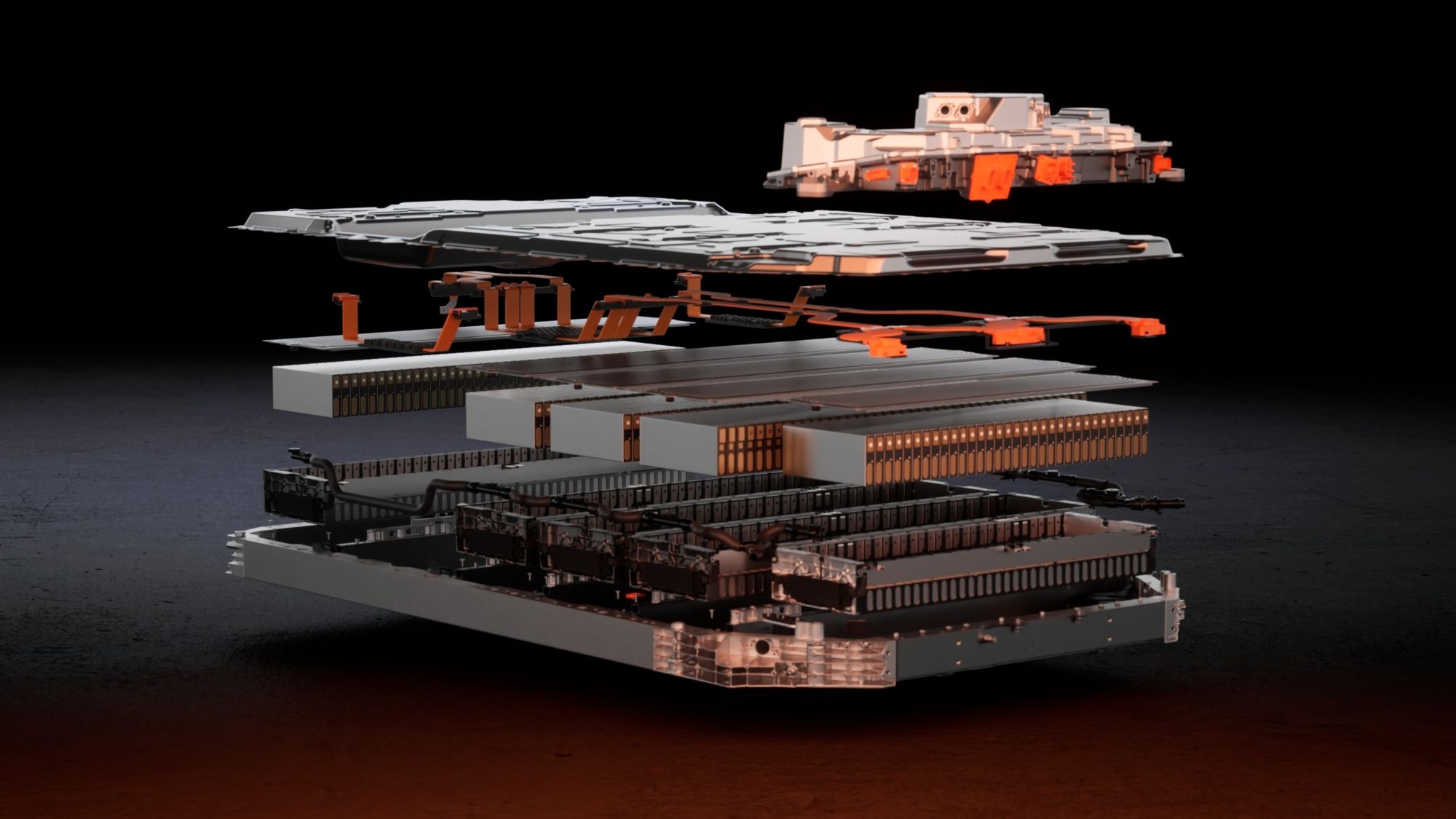
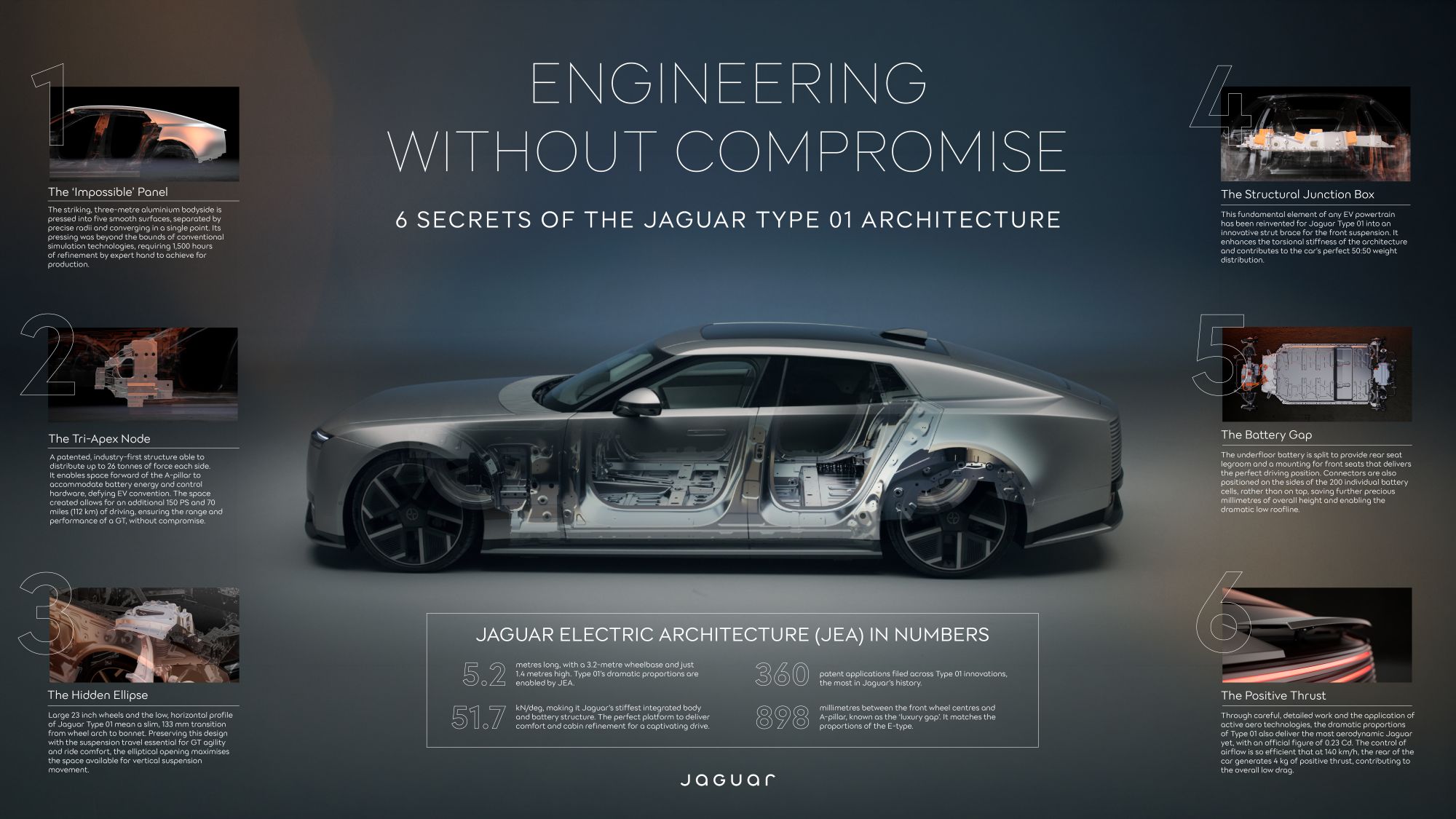
- The integrated steering, braking, and suspension architecture of an intelligent chassis system.
-

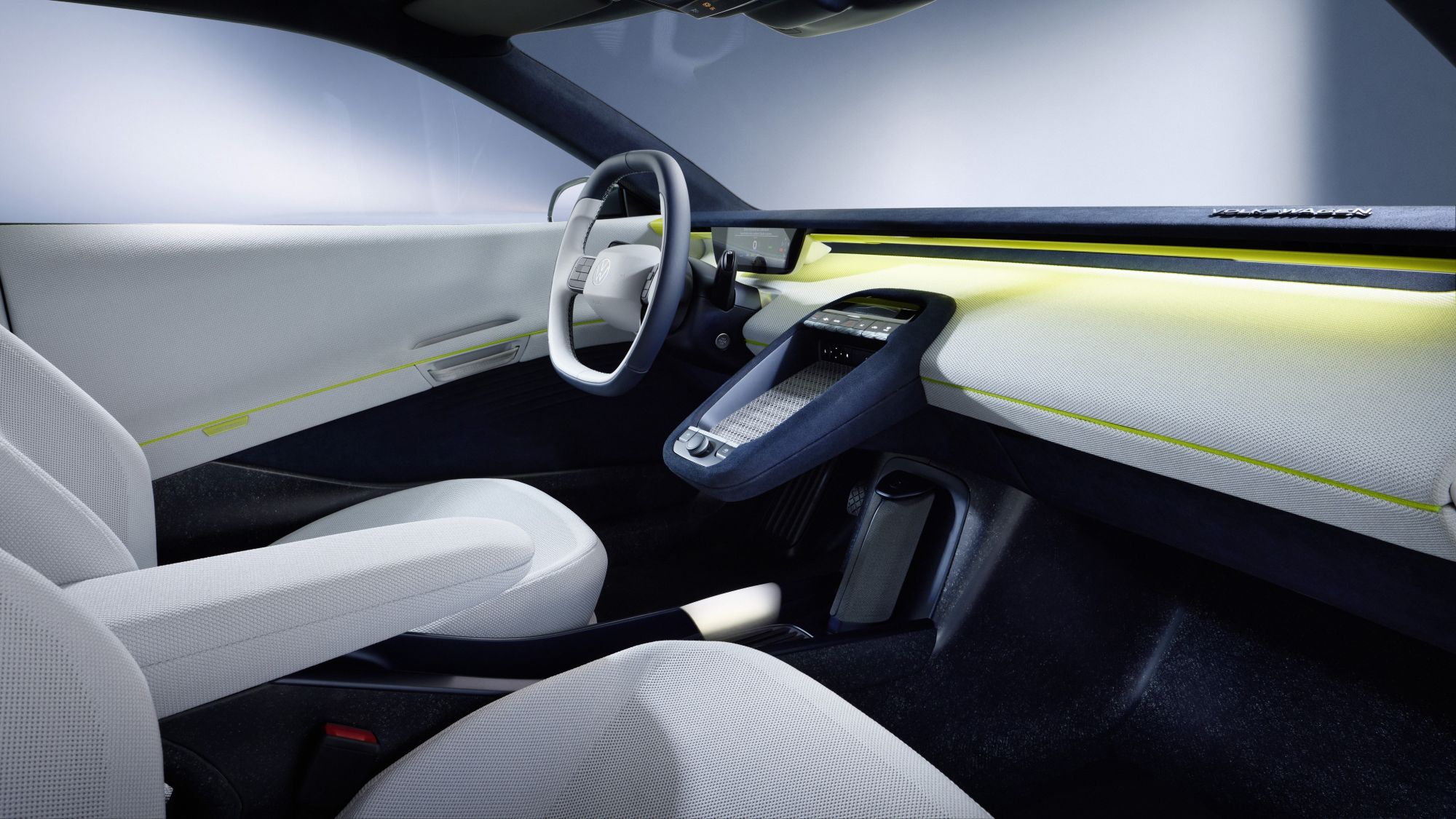
- With EV developments, designers can rethink the cabin and extend driving range.