New York, NY-based CPS (cyber-physical system) protection company Claroty today published research revealing a significant number of at-risk consumer devices—gaming consoles, entertainment devices, and connected cars—on OT (operational technology), healthcare, and commercial networks. In light of recent cyberattacks on refrigeration controllers in supermarkets and blood banks, the findings underscore the risk that insecure, unmanaged devices and connections pose to the operational resilience of critical infrastructure.
“Finding consumer technology like Apple Watches and Nintendo Switches residing on the same networks as OT and medical equipment points directly to ongoing deficiencies in network governance and segmentation within operational settings,” said Sean Tufts, Field CTO at Claroty. “Addressing this issue does not mean stripping smart TVs from conference rooms or banning XBOX consoles from hospitals; it requires closing off unnecessary pathways for malicious actors from causing intolerable disruptions and negatively impacting businesses across industries.”
Claroty empowers organizations to protect mission-critical infrastructure, with its AI-powered platform for cyber-physical systems leveraging five core solutions: asset inventory, exposure management, network protection, secure access, and threat detection. The company’s programmatic approach is designed to reduce risk, maintain operational integrity, and meet compliance in the cloud, with Claroty xDome, or on-premise with Claroty CTD (Continuous Threat Detection).
While consumer devices may be brought into critical operational environments for legitimate reasons—such as providing gaming consoles to patients in children’s hospitals—they lack the security rigor and lifecycle management required to safely connect to the same network as industrial control systems, medical devices, and other sensitive equipment, according to the company. They often carry unpatched firmware, known remote code execution vulnerabilities, or outdated operating systems, and their frequent communication with external, vendor-controlled cloud services introduces unmanaged external connections.
Hospitals, homes, and cars vulnerable
Among the key findings of its “Game Over for Consumer Tech Risk in Critical Infrastructure” report, researchers found 16,745 gaming consoles on OT and healthcare networks, the majority of which were located in hospitals. It also found over 44,000 smart home and entertainment devices such as smartwatches, Sonos media players, and Roku streaming sticks, many with known vulnerabilities or lacking security updates, on OT networks.
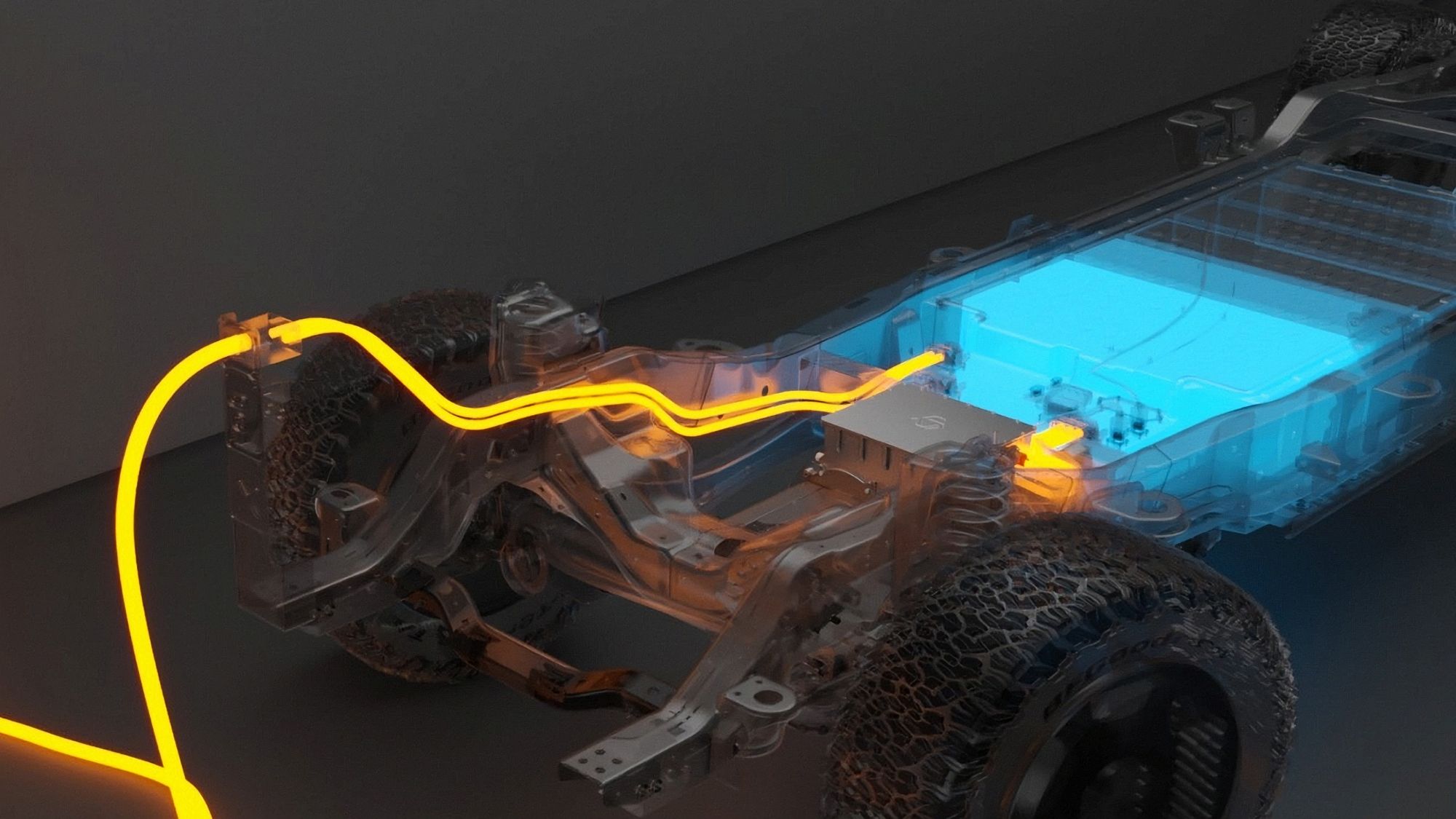
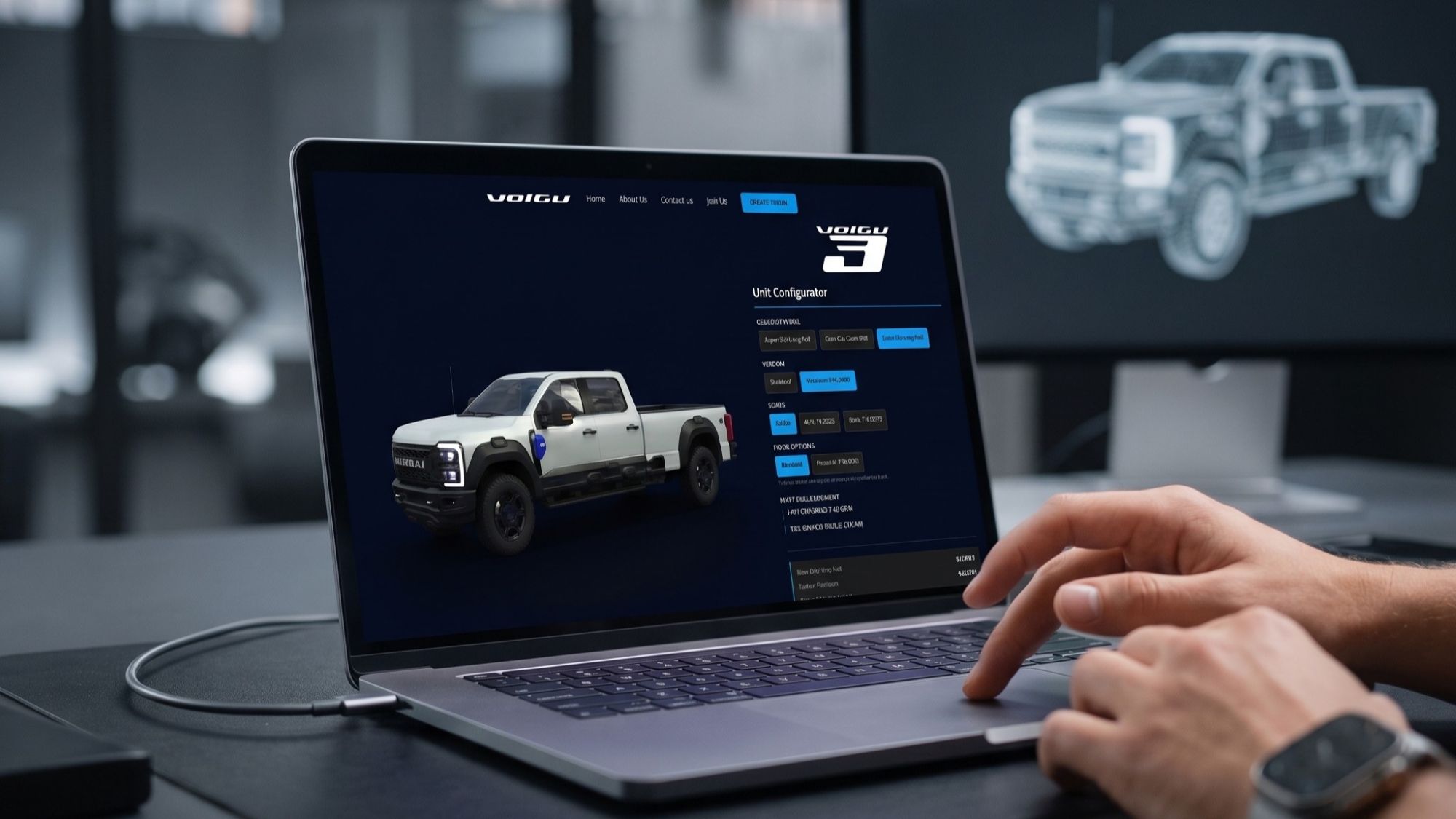
For automotive consumer devices, 4915 connected vehicles on OT networks contained hundreds of security issues, including remote code execution vulnerabilities. Meanwhile, six critical CVEs (common vulnerabilities and exposures) on Tesla Model 3s, including dangerous remote code execution and buffer overflow vulnerabilities, were discovered, and 121 security issues were linked to Ford F-150 trucks, the highest number linked to connected vehicles in the data set. Almost none of the vehicles analyzed were properly isolated onto guest networks.
Modern vehicles require Wi-Fi connectivity for software updates and patches, leading employees to connect personal vehicles to corporate networks after their commute.
Root causes enabling security gaps
Segmentation is the go-to control for OT, healthcare, and commercial networks where downtime is intolerable, and organizations have long windows of exposure to security issues. Those issues include KEVs (known exploited vulnerabilities), weak system or network configurations, poorly secured remote access, or unsupported legacy technology still vital to core production lines or patient care.
Remediation for each of these problem areas requires scheduled downtime, in addition to regression testing of firmware and software updates, and close monitoring of updates in production in case of disruptive faults caused by new software or firmware. Critical factors enabling this security gap include:
- Decentralized management: Individual site autonomy prevents consistent security policy enforcement because it allows separate locations to create, modify, or ignore security rules independently. When local branches or departments have the authority to manage their own networks, systems, and access controls, this negates the advantages that uniform security postures across the entire organization present.
- Legacy architectures: Networks designed decades ago with perimeter-only security models fail in today’s connected architectures. Industrial networks, for example, are no longer flat architectures where every device can see and communicate with each other. This enables rapid lateral movement and threatens the integrity of production lines and overall uptime and availability.
- Slow modernization: Legacy technical debt is a big impediment to modernizing today’s production networks. Not only are these assets no longer supported by their respective vendors, but often they’re also still a critical part of process success and patient care. Ripping and replacing this technology is slow and expensive.
Recommendations
Despite millions of dollars invested in technology to protect critical infrastructure and build operational resilience, the explosion of connected devices has led to failures in virtual network segmentation, continuous threat detection, remote access, and overall governance. At a time when AI (artificial intelligence) is lowering the barrier to entry even further for threat actors to not only carry out reconnaissance but also scan Internet-facing assets for known vulnerabilities, the number of devices left to provide a foothold for attackers is staggering.
Organizations must adopt rigorous access controls and network segmentation, along with comprehensive visibility into connected assets, to safeguard the resilience of key operational systems. Enforcing continuous asset discovery and strict segmentation between guest, IoT (Internet-of-things), and core production environments eliminates unmanaged entry points and prevents threat actors from moving laterally to compromise mission-critical infrastructure.
To secure critical infrastructure, the company specifically recommends that organizations:
- Implement strict network segmentation: Separate guest, IoT, and production networks with enforced policies.
- Deploy continuous asset discovery: Maintain real-time visibility into all connected devices.
- Enforce secure access requirements: Prevent unauthorized devices from accessing production networks.
- Accelerate modernization efforts: Replace legacy systems and redesign network architectures.
- Establish governance frameworks: Centralize security policy while respecting operational autonomy.
When gaming consoles, smartwatches, and personal vehicles no longer share networks with critical operational technology, companies will have achieved much of the segmentation necessary to protect the most vital systems. Until then, Claroty says the chaos is just one misconfigured VLAN (virtual local area network) away.
-

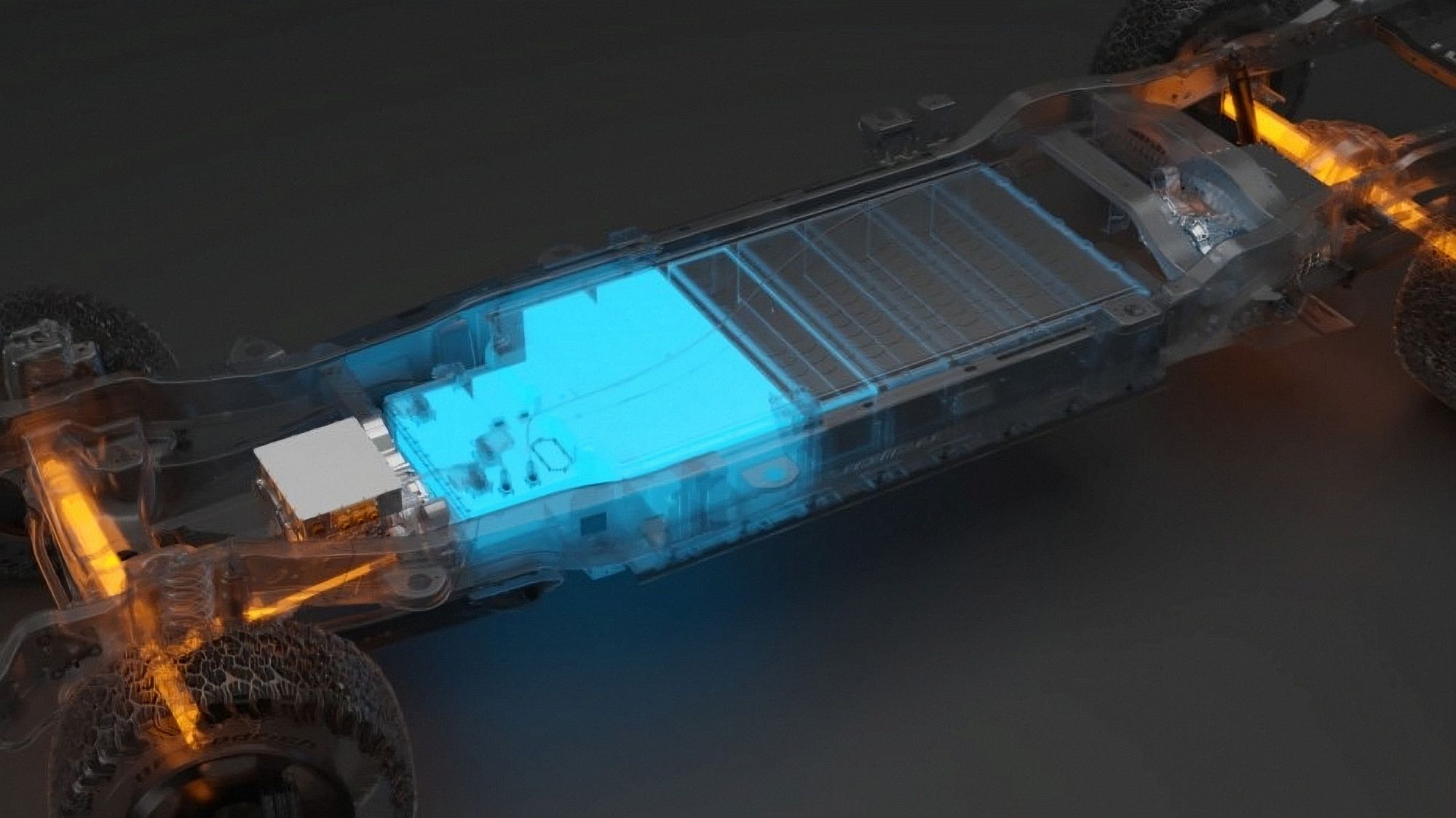
- Connected vehicles on OT networks contained hundreds of security issues.
-

- The presence of gaming consoles in hospitals poses cyber physical risks.