On Monday in Rome, Ferrari unveiled the Luce, its first all-electric production vehicle. The Maranello, Italy-based automaker says the new car marks the culmination of Maranello’s multi-energy strategy announced at its 2022 Capital Markets Day. Based on the principle of “technological neutrality,” electrification is just one route it will go in updating its product architecture, performance, design, and driving experience—without replacing existing engines.
“We are convinced that a company demonstrates its leadership when it has the courage to dare and to take on the challenge of new technologies,” said Benedetto Vigna, CEO of Ferrari. “Luce was born precisely from this challenge, offering our unprecedented vision of electrification. Never before have we offered our clients such freedom of choice. In line with our belief in technological neutrality, we are the first in the world to combine fully electric, hybrid, and combustion engine architectures for sports cars.”
The automaker says that deepening its in-house expertise in EV technology opens new potential for performance and efficiency across its entire ecosystem. This includes technology transfer between road cars and its 499P World Endurance Championship racecar and Hypersail ocean-racing monohull prototype. The company says the Luce is not merely the “electric Ferrari” but an entirely new Ferrari, designed for deeper engagement and performance.
Ferrari chose to engineer, develop, and manufacture in-house the main electrification components of the car, from motors to battery packs, to guarantee quality, control, and uniqueness. The project includes more than 60 new patents.
LoveFrom-led design
The car’s design was entrusted to LoveFrom design collective, led by Jony Ive and Marc Newson. In the development phase, LoveFrom worked with the Ferrari Styling Centre, led by Ferrari Design Director Flavio Manzoni.
Introducing a team from outside the Ferrari Design Studio invited a new perspective and cross-fertilization, enabling a new design language to be introduced. LoveFrom defined the design direction of the project, translating its language into an authentic Ferrari experience.
“With Luce, we are once again redefining the limits of what is possible,” said John Elkann, Executive Chairman of Ferrari. “Today, we are not simply unveiling a new car; we are inaugurating a chapter that turns our vision into reality, strengthening Ferrari’s tradition of anticipating and shaping the future. Such a leap forward in product innovation could only have been achieved through process innovation; this is why we chose to embark on new collaborations, such as the one with LoveFrom for the design.”
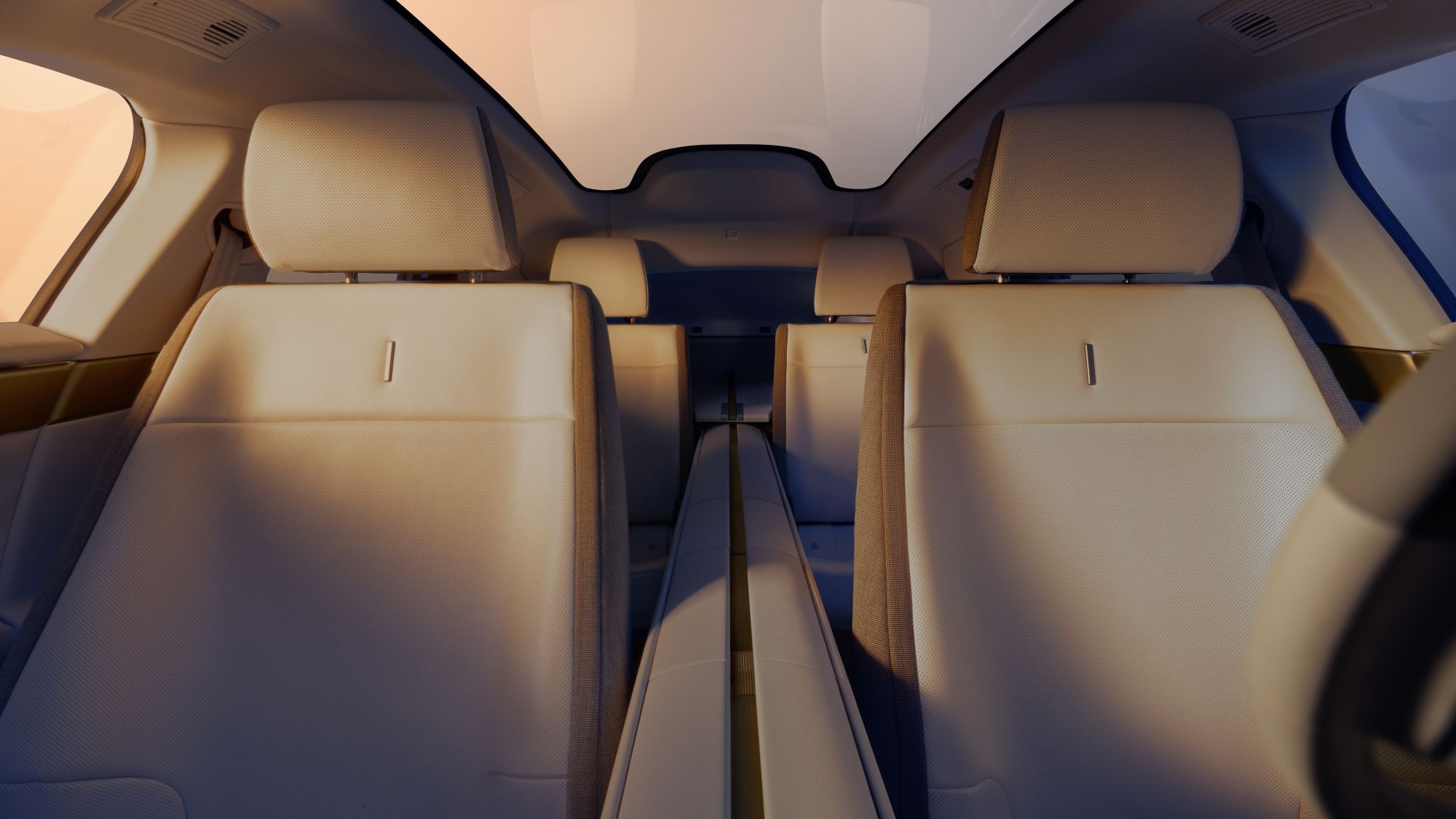
The car’s “radically new” architecture combines Ferrari performance with “the luxury of spaciousness.” Product developers had the ambitious goals of achieving by far the lowest drag coefficient in the history of Ferrari road cars, paired with an unrivalled interior space. It has four (coach or center-opening) doors and five seats, the latter a company first as its typical transaxle configuration with a front-mid engine and a rear gearbox does not allow for a fifth seat.
The Luce is 5026 mm (197.9 in) long, 1999 mm (78.7 in) wide without mirrors, and 1544 mm (60.8 in) tall on a 2961-mm (116.6 in) wheelbase. Those dimensions put it at about the same length and width as Lucid’s Gravity two/three-row SUV, but it is about 4.5 in (114 mm) lower on about a 3 in (76 mm) shorter wheelbase.
Trunk capacity 597 L (21.1 ft³). The company says that technologies derived from its motorsport experience made it possible to contain curb weight to 2260 kg (4982 lb). That weight is distributed 47% front and 53% rear.
Launch colors range from Azzurro la Plata to Rosso Dino, Bianco Artico, Rosso Fiammante, and Giallo Luce, selected to reflect the car’s contemporary character. The last, specially developed color was inspired by the historic yellow of the Ferrari logo and can also be found on the wheel hubs and the steering wheel. Pricing reportedly starts at $640,000.
‘Glass house’ and aluminum-intensive structure
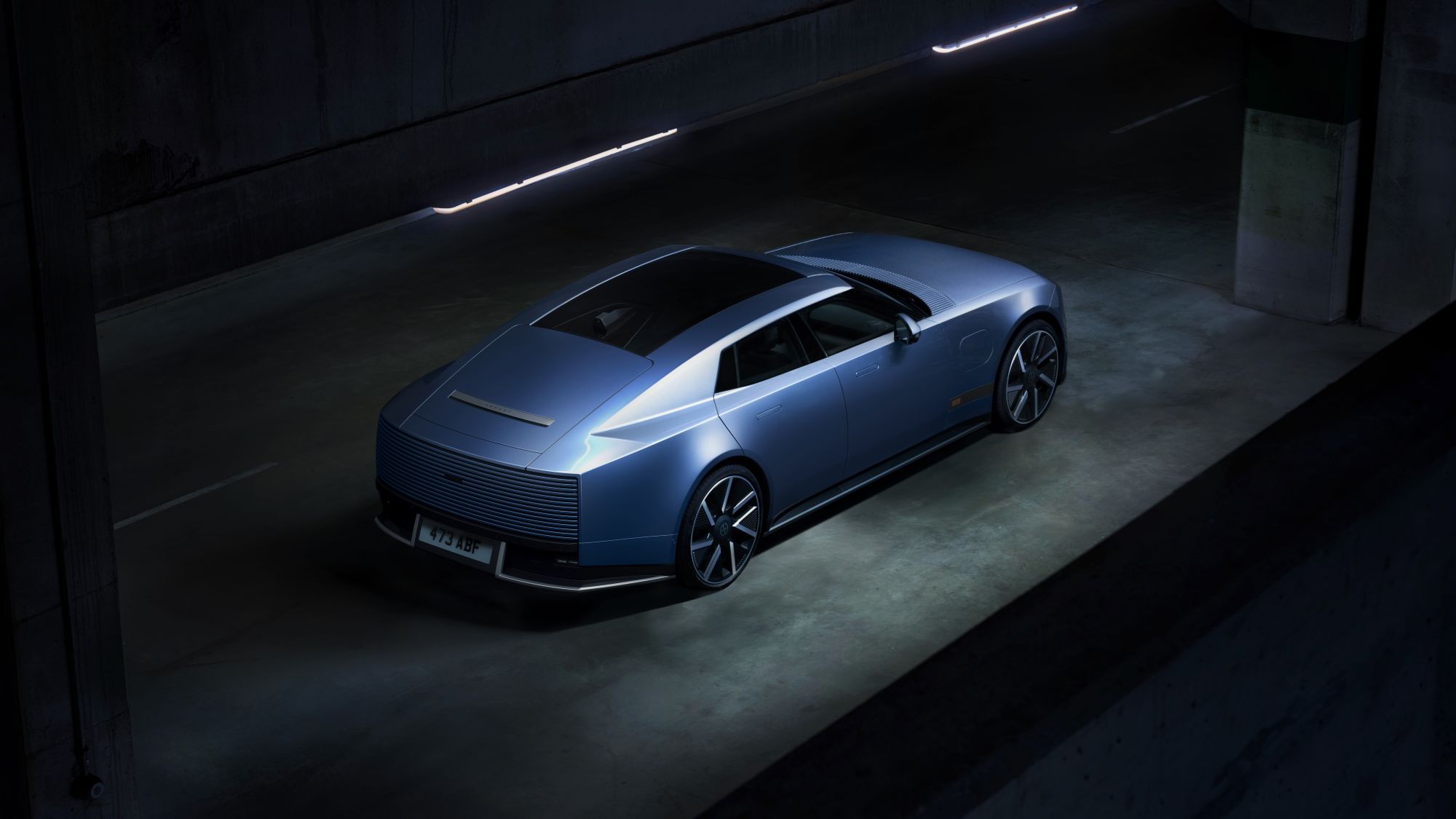
A defining exterior design element of the car is the “glass house,” which extends below the belt line to the extremes of the car. Front and rear aerodynamic wings float above and around the glass house.
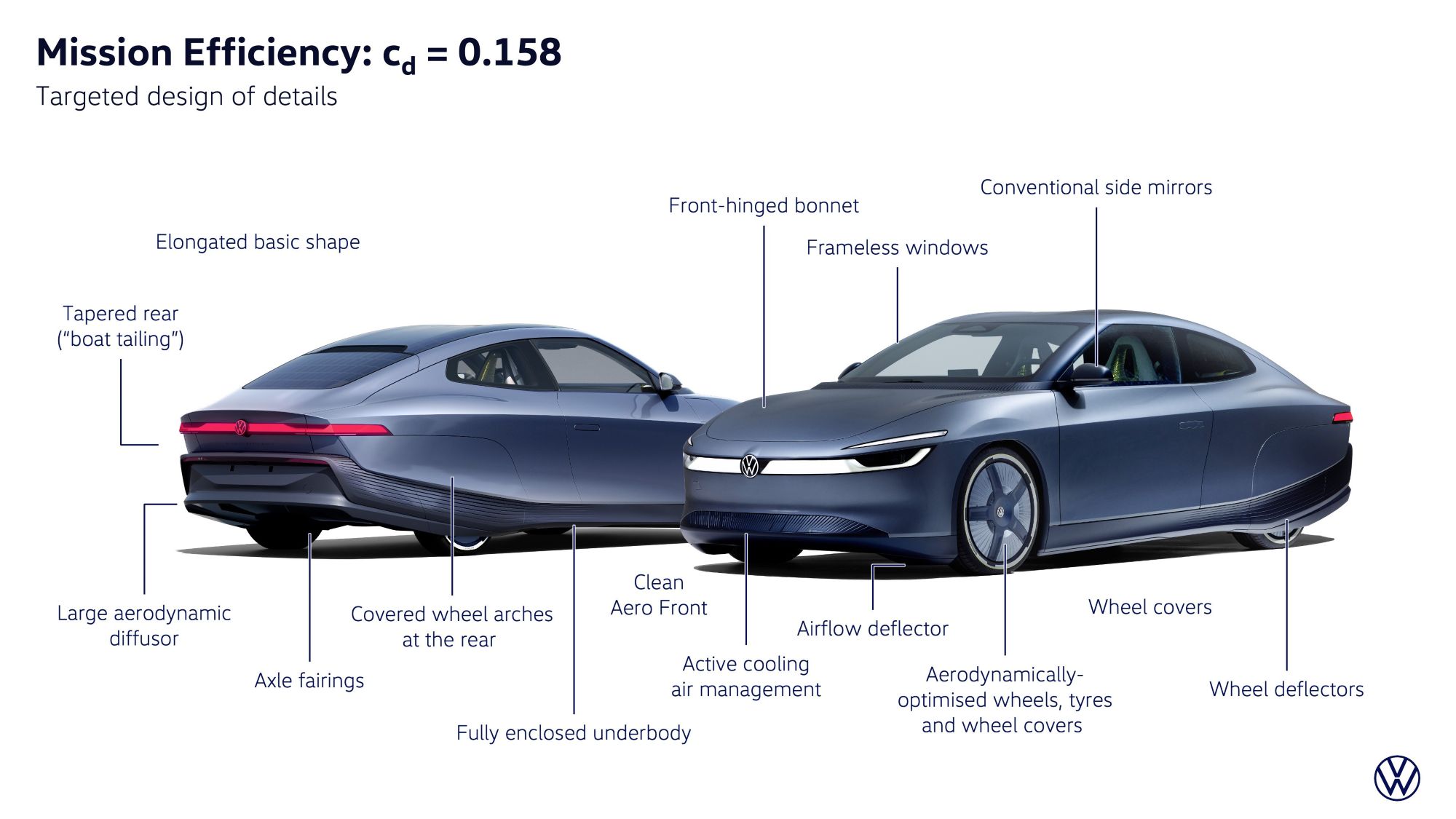
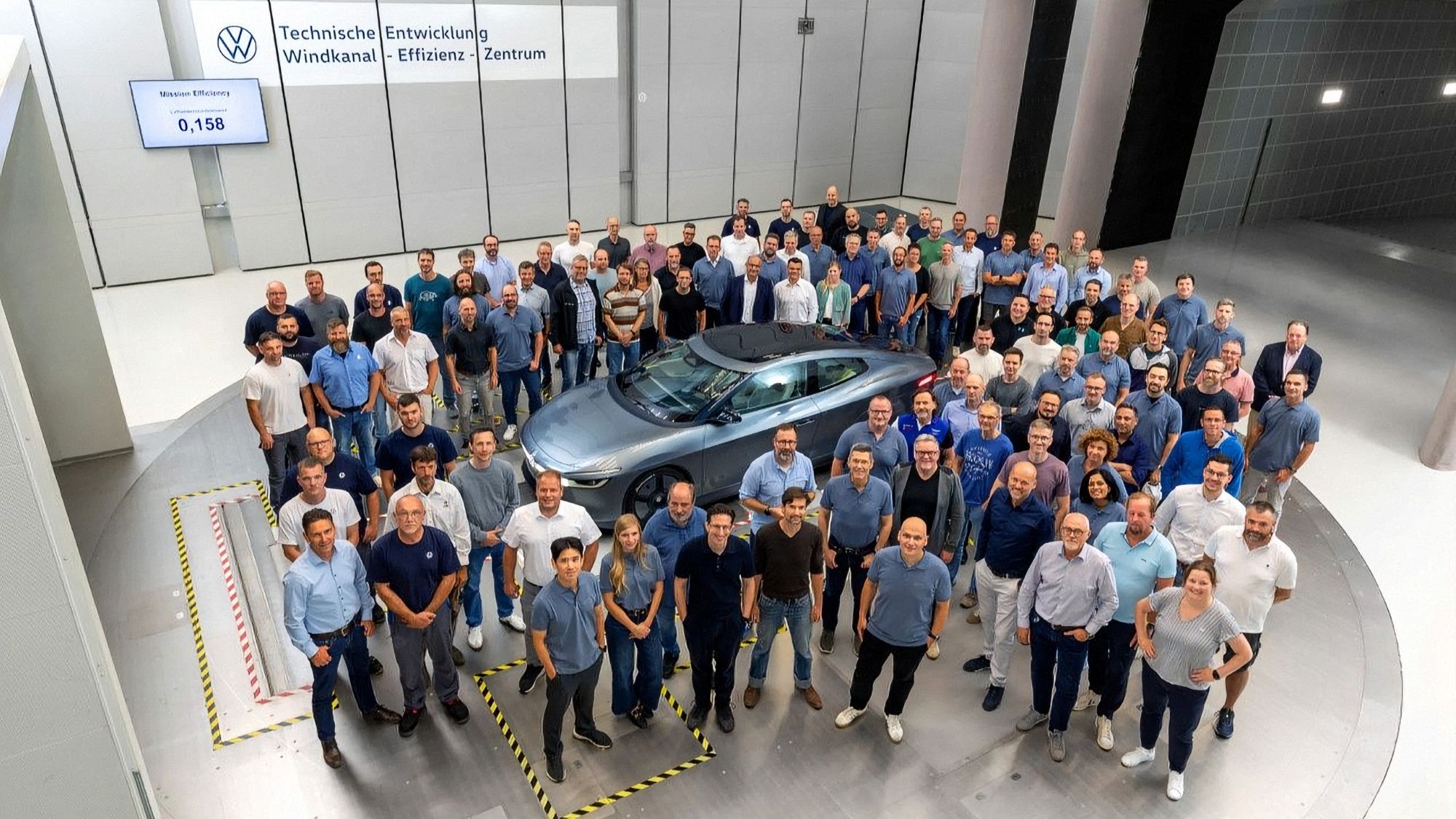
Aerodynamics shaped the fundamental architecture of the car, with surfaces refined to be smooth, continuous, and uninterrupted to maximize airflow and wake management. Aerodynamic development took more than five years, involving around 6000 CFD simulations, 250 h of wind‑tunnel testing on scale models, and around 80 h with a full‑scale car. The result is a 0.254 coefficient of drag.
The conceptual phase enabled the definition of the overall volumes and key sections; this was followed by close collaboration with LoveFrom and the Ferrari Design Studio to define the forms. Even apparently simple elements, such as the vertically parked windscreen wipers, required careful study to achieve the ambitious performance targets.
Active ride height can lower the front by 10 mm (0.4 in) at speed to maximize efficiency without compromising comfort or performance. Active aerodynamic grilles are a first for Ferrari, regulating the airflow through the heat exchangers to ensure the correct balance between cooling requirements and aerodynamic drag. The cooling system is part of an integrated software that optimizes range by balancing power consumption and intelligent warm-up, fast-charging management, and battery and cabin preconditioning functions, operable remotely.
Front and rear light panels are transparent and part of the primary surfaces. When off, their light gently recedes to preserve the purity of the panel forms. The halo taillights echo those of the 360 Modena and 458 Italia.
The Luce has the largest staggered wheel diameters on a series-production Ferrari road car, with fronts at 23 in and rears at 24 in. They are located by an active suspension derived from the F80 and an independently steered rear axle.
The car’s tires were developed with the aim of reducing rolling resistance by 15% without compromising grip on dry and wet surfaces. Developed with partners Pirelli, Michelin, and Bridgestone, the range consists of two dry‑weather tires, two winter types, and one run-flat option, all optimized to make the most of the electric all‑wheel drive and torque vectoring strategies.
The Luce’s battery pack, chassis, and body form an integrated system to optimize structural performance and efficiency.
The chassis combines hollow castings, extrusions, and aluminum, and the body uses extrusions and aluminum sheet metal. The architecture maximizes interior space, eliminating the central tunnel and integrating the battery beneath the floor and rear seats. The extensive use of recycled secondary-alloy aluminum allows a reduction in CO₂e emissions during production of around 70% of the overall vehicle weight.
The chassis’s high level of optimization and integration comes with an elastically mounted rear subframe to combine typical Ferrari handling with better ride comfort. The battery housing actively contributes to rigidity, with an increase of over 25% in bending and 35% in torsional numbers compared to previous four-door models.
The BIW (body-in-white)/battery housing combination is said to be among the lightest in its class for a vehicle of its specification. The semi-virtual double wishbone suspension with high-mounted upper arm, independent rear-wheel steering, optimized CCM (carbon-ceramic material) brakes, and targeted solutions to reduce friction, completes a setup designed to maximize driving excitement and ride comfort.
Four motors and 122-kW·h battery
The car is powered by four electric motors (one per wheel) that combined produce a total power of 772 kW (1050 CV), for a curb weight/power ratio of 2.16 kg/CV. Maximum torque is 990 N·m (730 lb·ft). The front axle contributes 210 kW and 280 N·m (207 lb·ft), and the rear axle 620 kW and 710 N·m (524 lb·ft).
The result is claimed best‑in‑class performance of 0-100 km/h (0-62 mph) in 2.5 s, 0-200 km/h (0-124 mph) in 6.8 s, a top speed over 310 km/h (193 mph).
The four Ferrari F80-derived radial-flux permanent magnet synchronous motors deliver maximum speeds of 30,000 rpm front and 25,500 rpm rear. The 800-V system combines performance with efficiency, with solutions directly derived from motorsport.
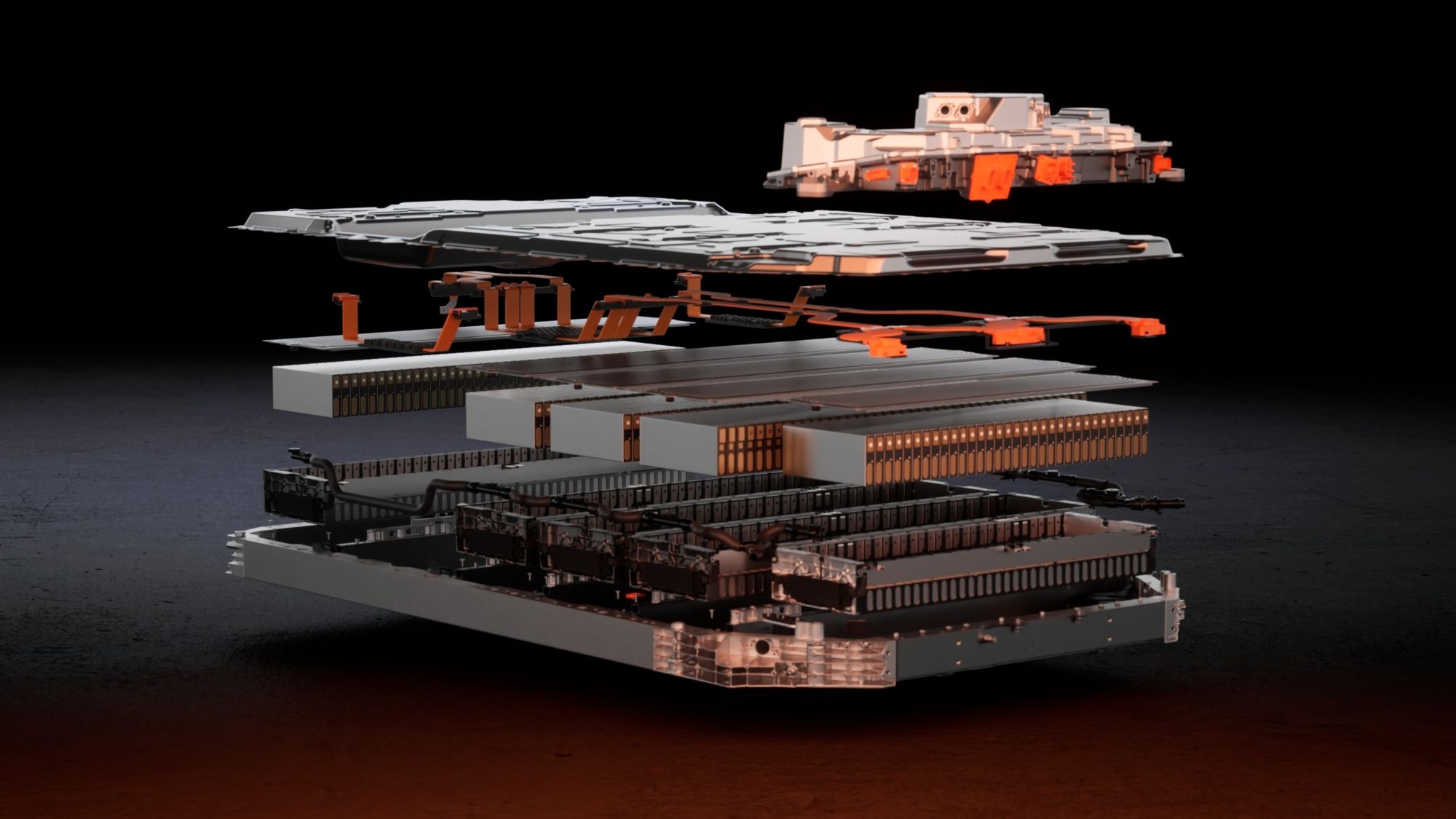
The high-voltage battery pack was designed, validated, and is built in Maranello and comprises 210 cells (15 modules with 14 cells each) that deliver 122 kW·h gross capacity for a max WLTP range in excess of 530 km (329 mi) and support fast charging up to 350 kW. Each pair of cells shares an aluminum heat sink to remove heat, and between each mini module, there is an insulating layer that distributes compression and creates a thermal barrier.
Peak discharge power is 830 kW, and the cells are capable of delivering up to a 1200-A peak discharge current. It is possible to recharge 70 kW·h in 20 min using a 350-kW fast-charging station.
The cells, codesigned with SK On, are of the pouch type with a capacity of 159 A·h, with a graphite anode and a high-nickel NMC (nickel-manganese-cobalt) cathode and liquid electrolyte. The chemistry achieves a specific density of over 740 Wh/L, and specific energy density numbers are 195 Wh/kg total and 305 Wh/kg at the cell level.
Precise corner control and ‘authentic’ sound
Ferrari says that two chassis concepts best encapsulate Luce’s entry into the high‑performance electric sports car world: the control of each wheel corner’s motion in every direction and in any dynamic condition, and the authentic approach to sound.
Each wheel is equipped with one actuator each for traction/regeneration, steering angle, and vertical movement control. The ability to adapt torque distribution in real time to road conditions and desired performance is said to provide exceptional freedom and precision of control. Torque vectoring and the elastic balancing of the suspension system assist in changing direction, enhancing the car’s agility and ease of driving.
Vehicle dynamics were developed to exploit the advantages of the electric architecture in terms of center of gravity, inertia, and freedom of control, allowing the Luce to maintain dynamic behavior that is agile and “natural.” The driver can use the steering-wheel-mounted e-Manettino control to manage energy and range by optimizing power flow to the system. The legacy Manettino controls multiple dynamic settings that change the character of the driving experience.
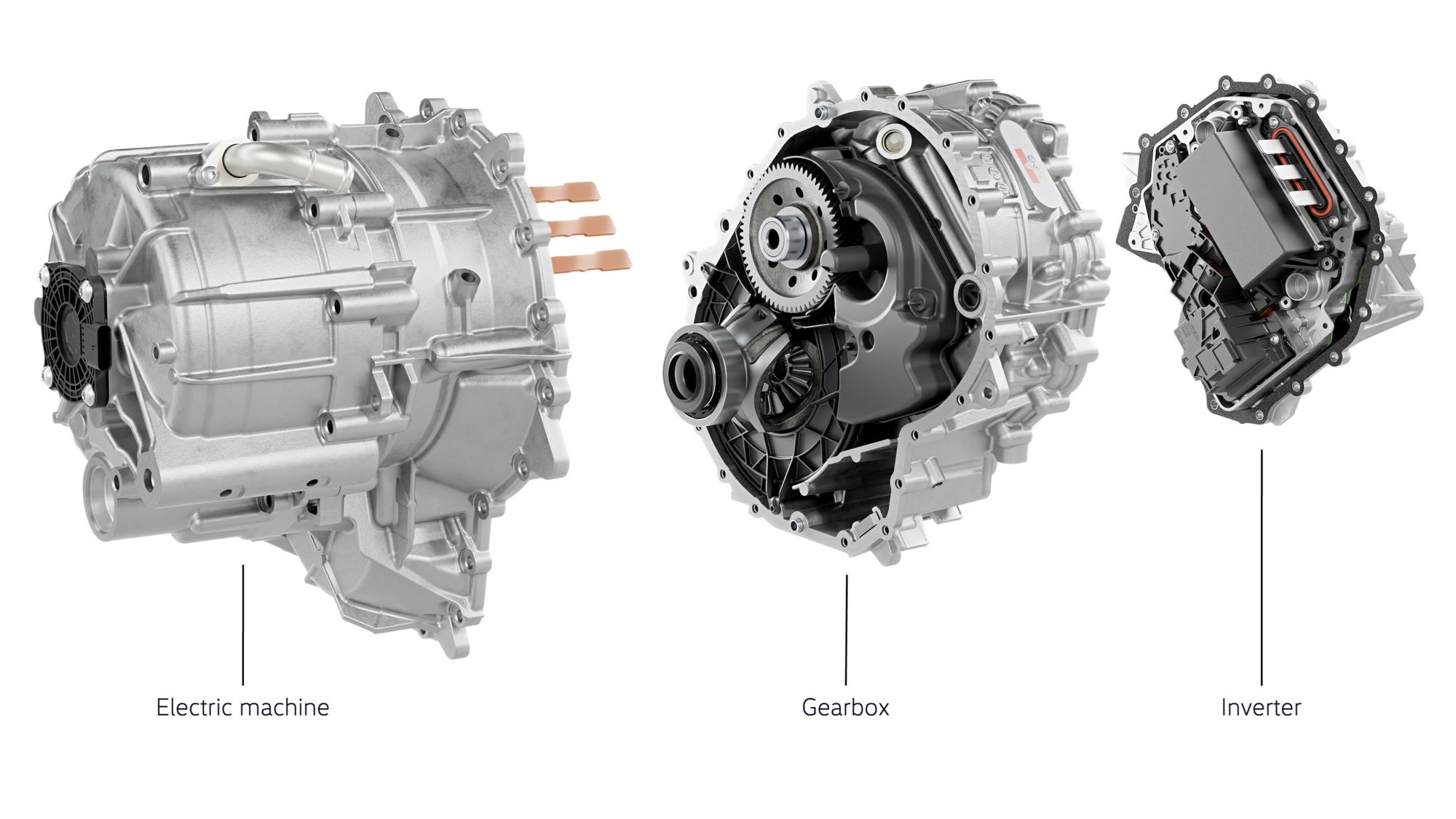
Power electronics feature compact inverters and a DC/DC resonant converter for the active suspension to achieve a “record-breaking” efficiency of more than 98%. A VCU (vehicle control unit) making its debut on the Luce integrates powertrain and dynamics, updating targets 200 times per second and coordinating efficiency strategies with the new Side Slip Control X.
The electric all-wheel drive, combined with new torque shift engagement and extended regenerative braking, allows the full potential of torque vectoring to make the car precise and responsive. Ferrari has engineered a proprietary, patented system that allows the available torque to be increased by operating the right-hand steering wheel paddle while maintaining the sensation of progressive acceleration. The left paddle increases energy recovery and the level of deceleration, delivering a dynamic experience said to be unrivalled by any other car in its class.
The company’s approach to the car’s sound signature is based on the key principle that it must be authentic and functional, generated from the car’s mechanicals and serving the driving experience. Developed in-house and patented, this system filters, equalizes, and amplifies the signals from drive component accelerometers in a similar way to an electric guitar, but only when functional to the driving experience.
The sound level is based on the position of the steering wheel’s e-Manettino controller and the use of the paddles, allowing the driver to switch from quiet focus to maximum expressiveness. Sound is emitted via external and internal amplification systems.
Cutting-edge NVH (noise, vibration, and harshness) research makes the Luce the most comfortable Ferrari ever. Road noise is significantly reduced by the first elastically mounted subframe in company history, as well as active suspension and the optimization of weight, rigidity, and soundproofing.
Audio Director and Signature
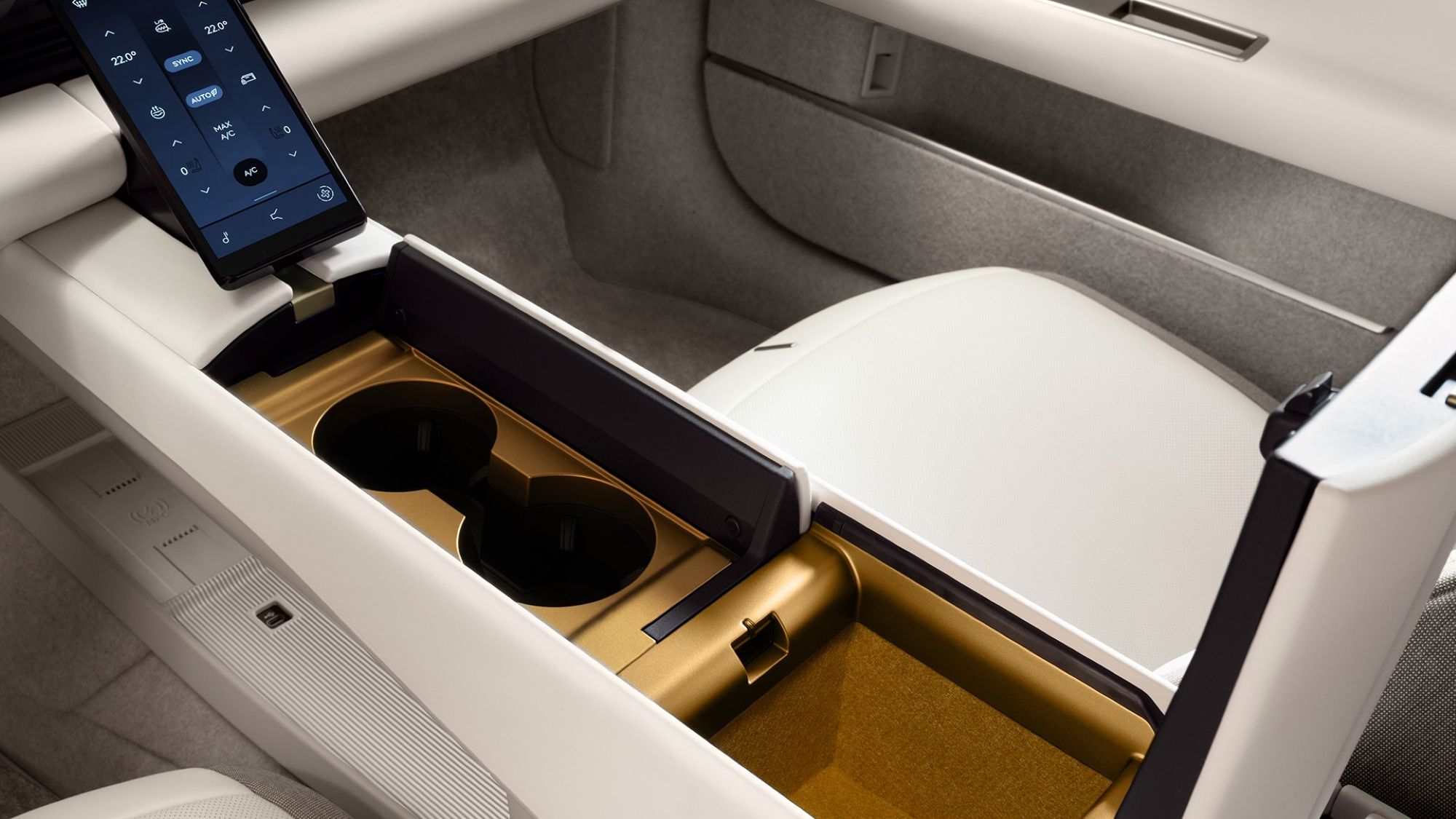
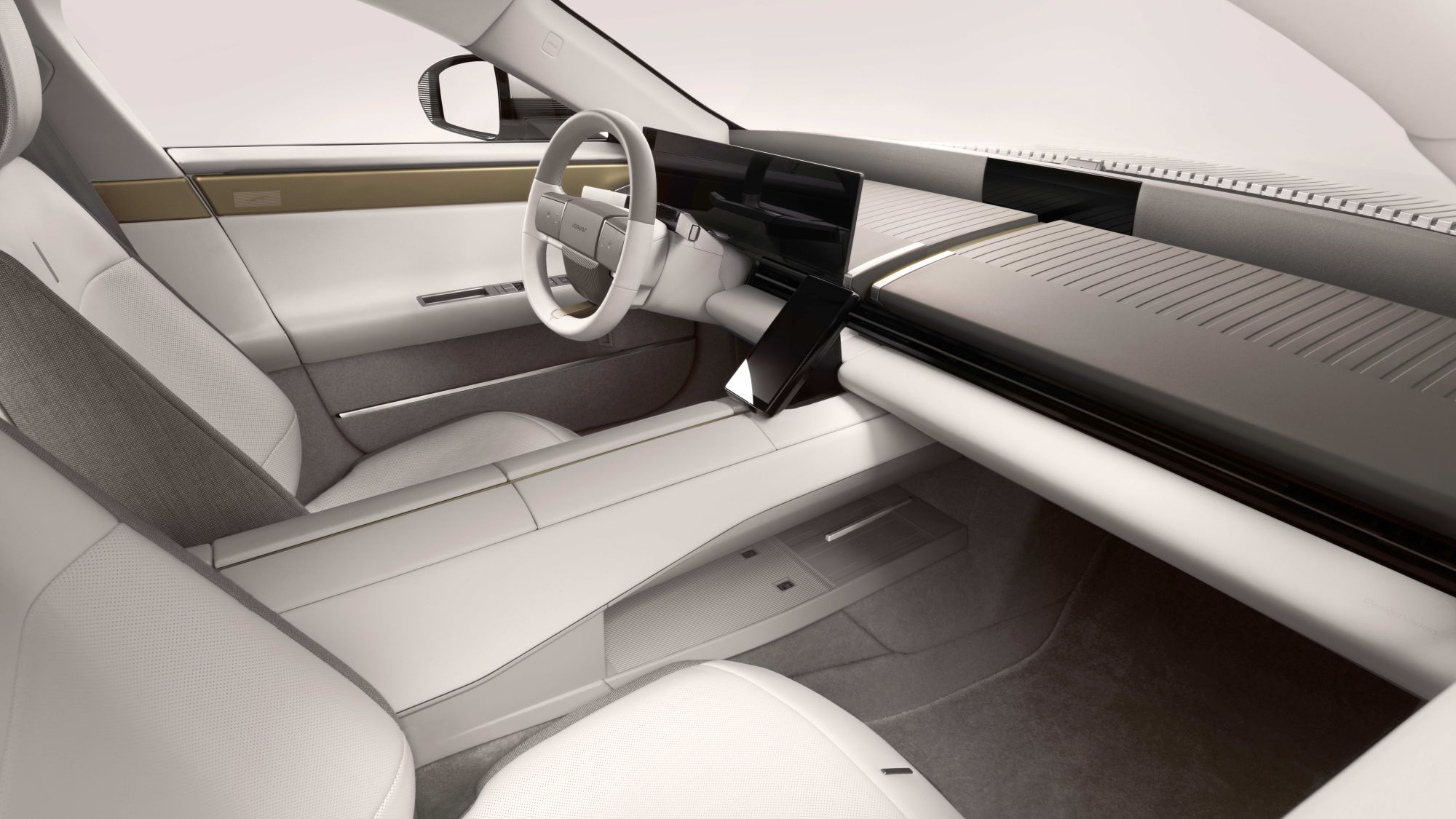
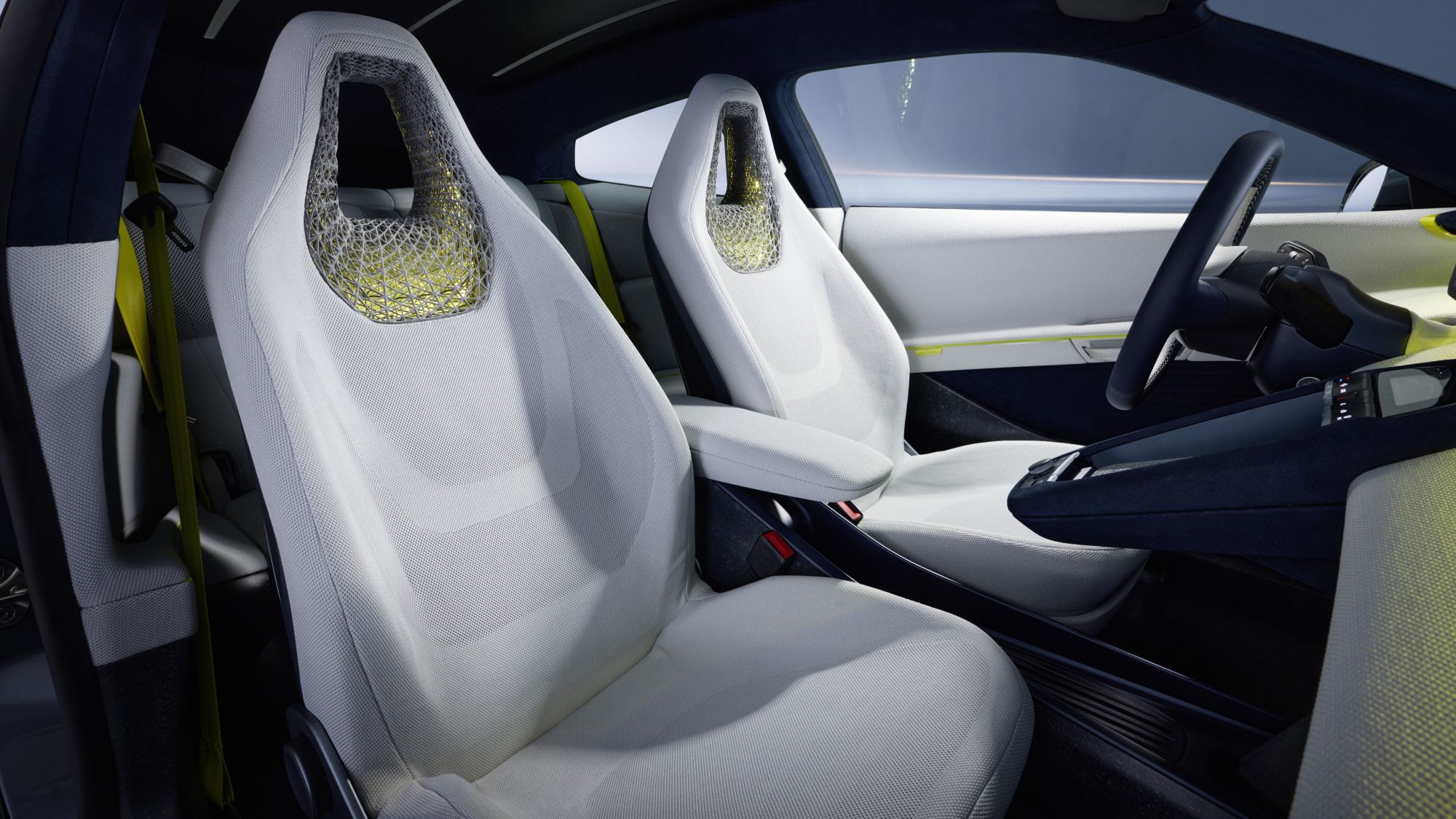
The interior, reviewed by Futurride earlier, features precision-engineered mechanical buttons, dials, toggles, and switches combined with multifunctional digital displays developed with Samsung Display. “Honest and pure” material highlights are recycled anodized aluminum, Corning Gorilla Glass, and premium Italian leather. The center console storage is lined in Alcantara.
The latest event revealed new details on the audio system, which has 21 speakers, including ribbon tweeters, sealed-box midrange units, woofers, a subwoofer in an ultra-rigid enclosure, an ultra-flat headliner speaker for a 3D experience, and sealed-box surround speakers. Processing is handled by a new Ferrari Audio Director software platform, which oversees all the vehicle’s audio streams, managing content, presets, functions, and equalization to ensure the best experience in driving conditions.
The head unit integrates high-performance chips that enable best-in-class, tailor-made algorithms. Amplification is via 24 channels and 3000 W, with a dedicated high-power-density Class-D amplifier.
Also new is Ferrari Audio Signature, a unique acoustic system resulting from years of research and development. Five presets—Studio, Concerto, Immersive, Opera, and Electronic—and a Solo mode are designed to optimize the listening experience at every seat. Each car is measured individually using a proprietary, patented system that certifies its audio quality.
-

- Ferrari Luce wheel aero.
-

- Ferrari Luce front.
-

- Ferrari Luce rear.
-

- Ferrari Luce in Giallo Luce (yellow).
-

- Ferrari Luce doors open from above.
-

- Ferrari Luce ghost view and side aero.
-

- Ferrari Luce heat exchanger aero.
-

- Ferrari Luce aero undercarriage.
-

- Ferrari Luce 4WD enhanced brake energy recuperation.
-

- Ferrari Luce electric wheel corner.
-

- Ferrari Luce front interior.
-

- Ferrari Luce rear interior.