Stellantis, Wayve, and Uber recently announced a new partnership to jointly explore the development and deployment of Level 4 robotaxis on a global scale. The collaboration will combine Stellantis’ L4-Ready Platforms, Wayve’s AI driving technology, and Uber’s global network for a new generation of fully autonomous vehicles.
“This collaboration brings us closer to delivering a smarter, safer, and more efficient mobility for our customers,” said Ned Curic, Chief Engineering and Technology Officer at Stellantis. “By combining our L4-Ready Platforms, designed from the ground up for safe and efficient driverless operation, with Wayve’s adaptive AI and Uber’s global network, we are accelerating the deployment of autonomous vehicles that meet real customer needs and enable seamless mobility at scale in everyday life.”
The announcement follows the recent L2++ (supervised autonomous driving) agreement between Stellantis and Wayve. Earlier this month, Uber and Wayve also announced a partnership to deploy autonomous rides in London, Tokyo, and ten other cities around the world starting this year.
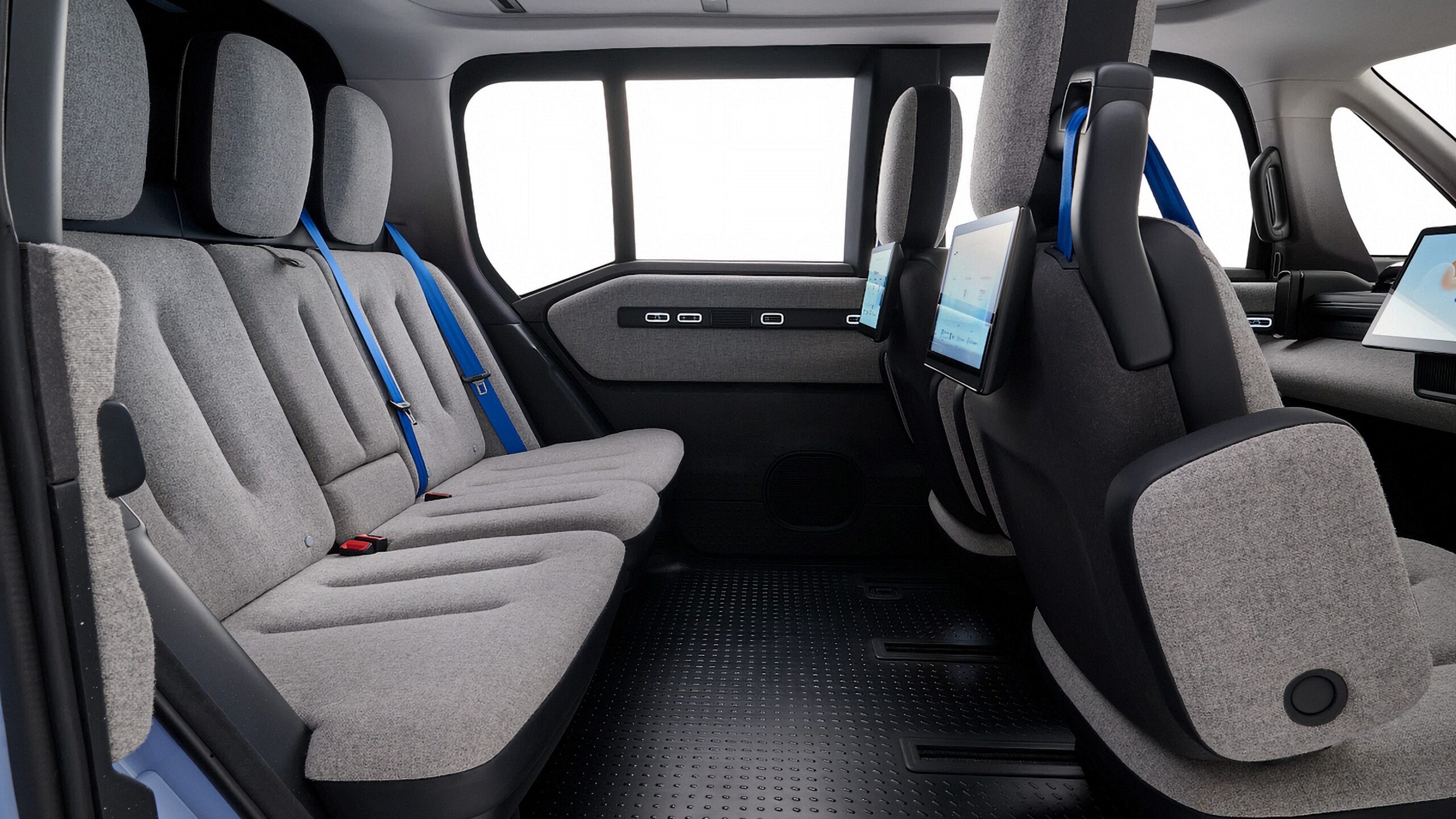
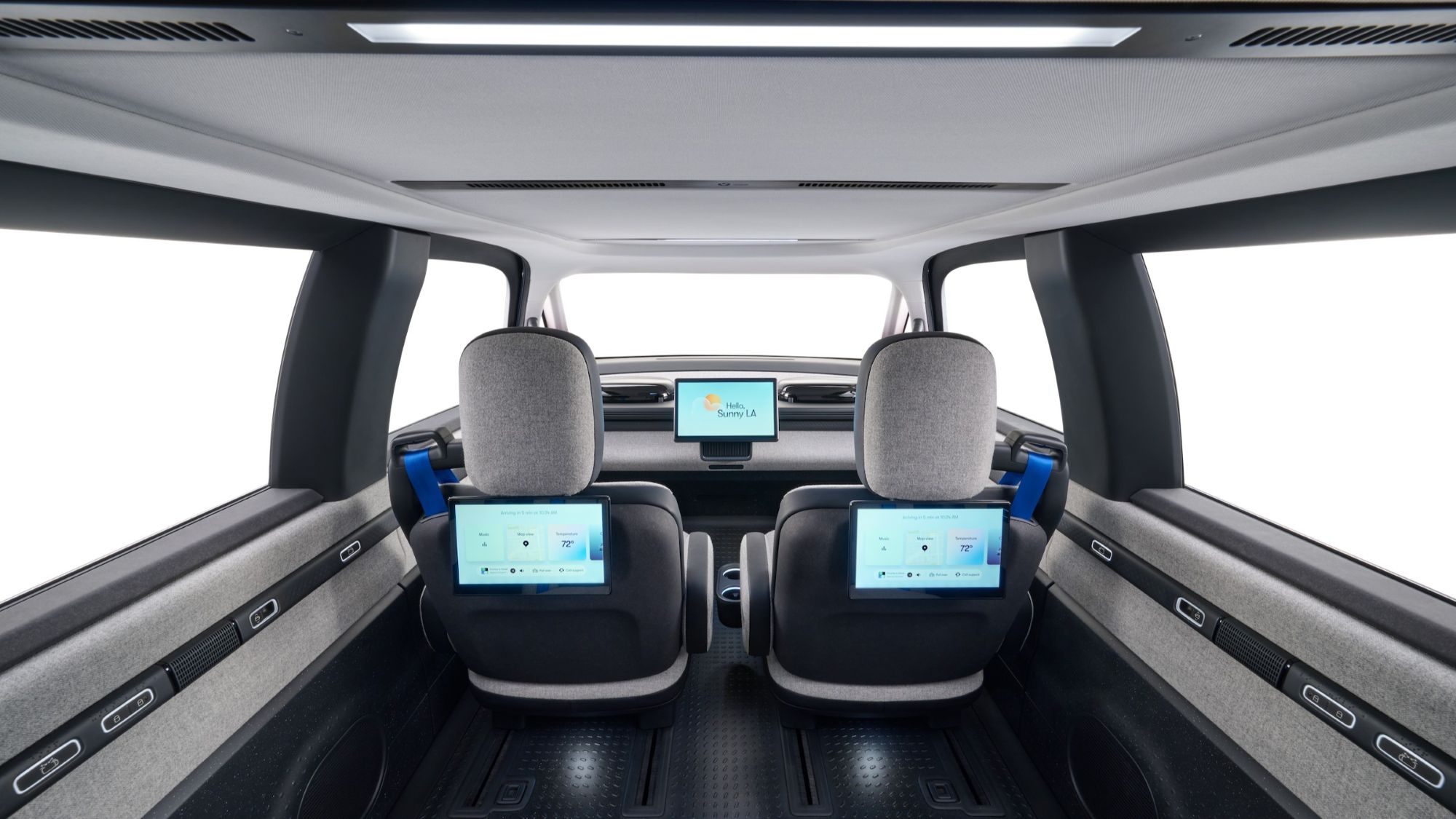
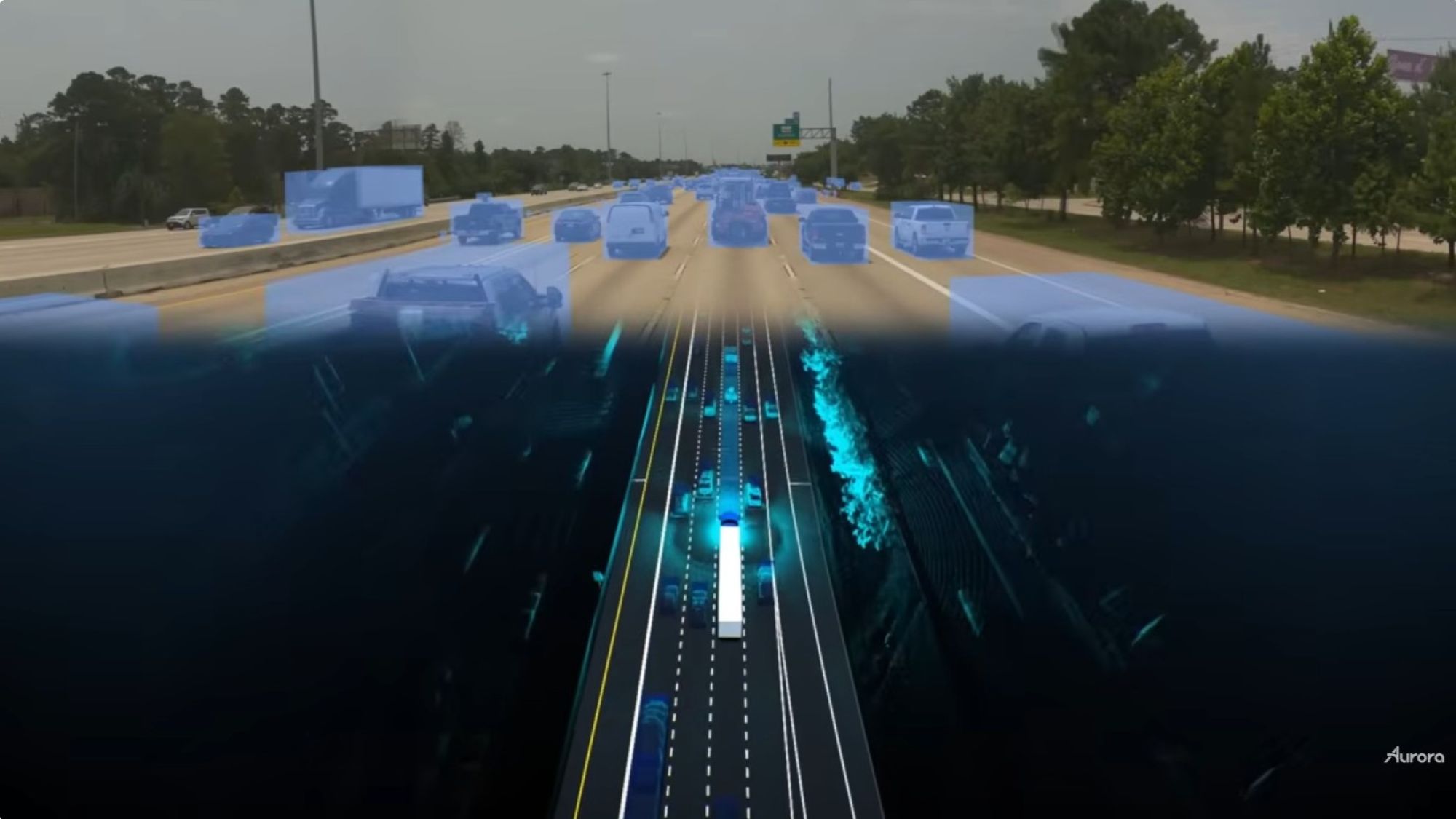
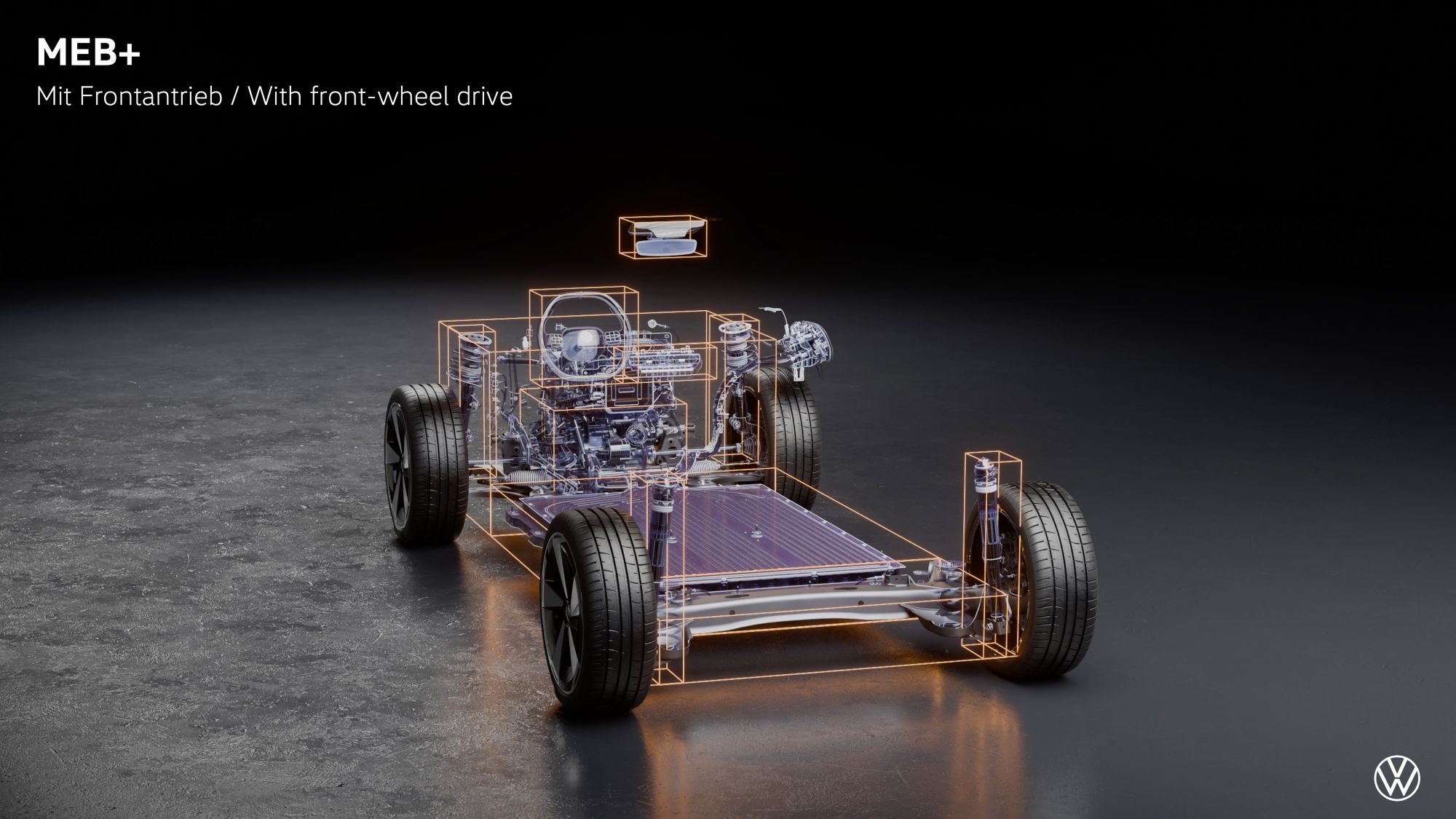
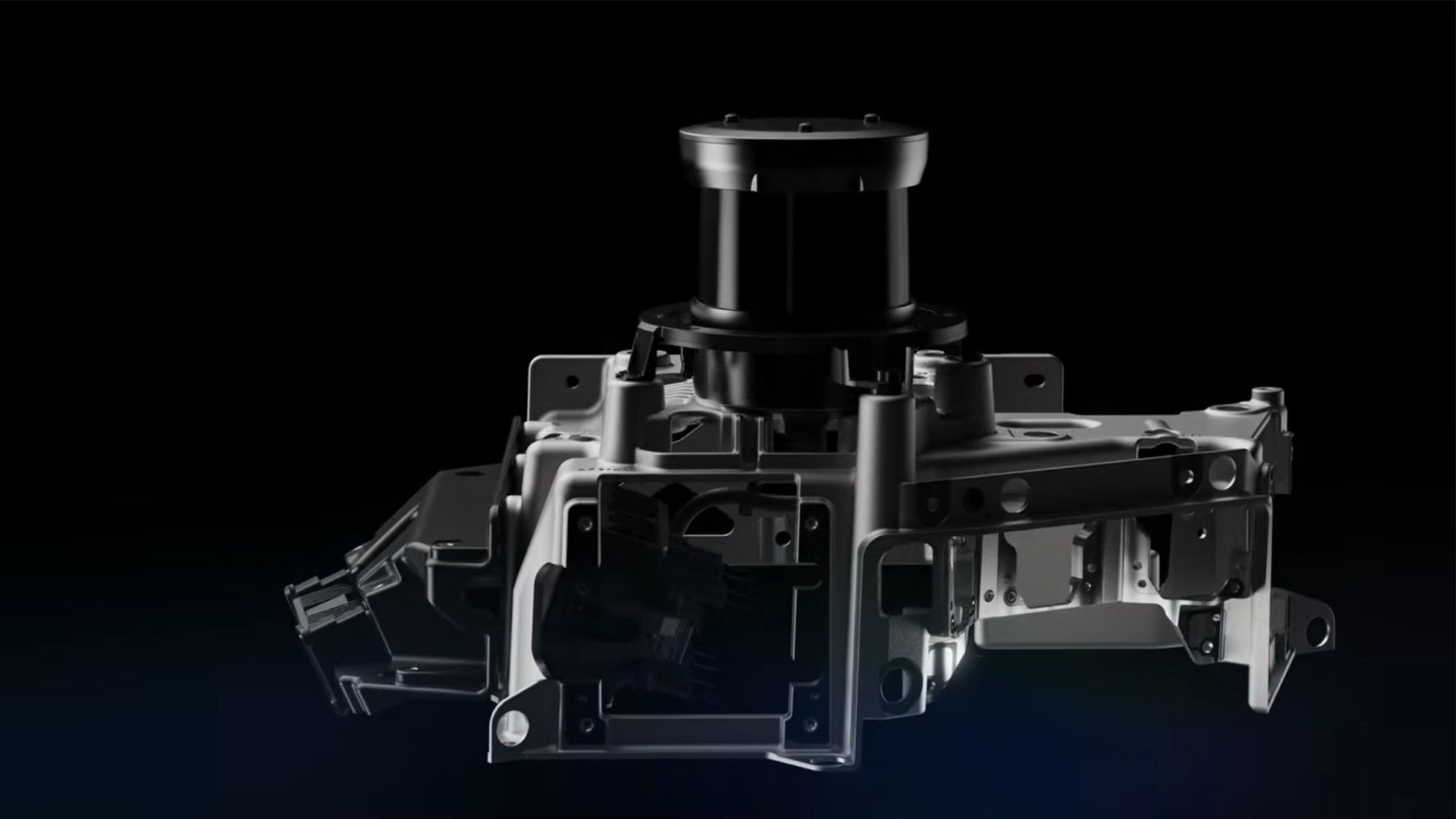
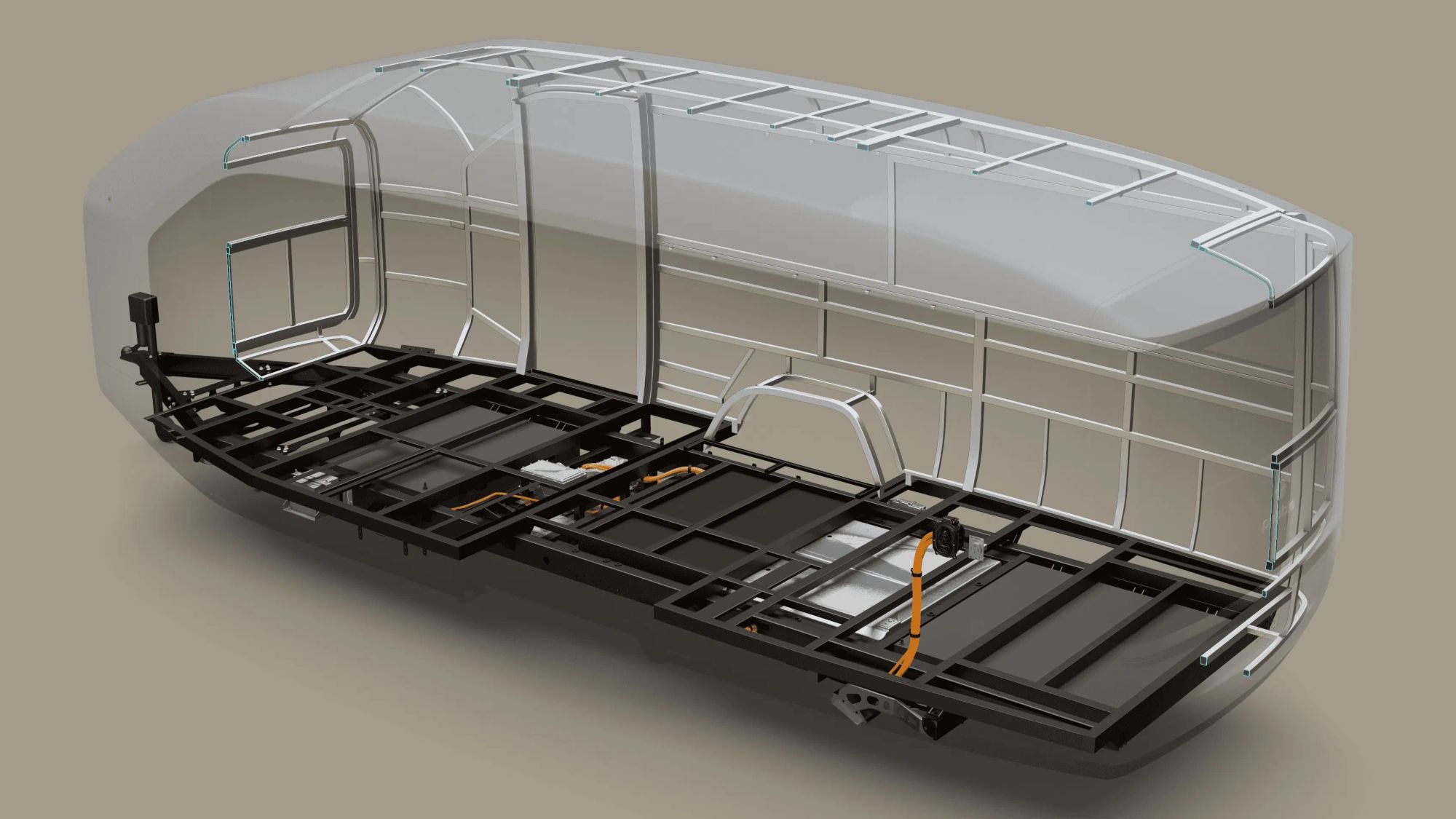
For the latest deal, Stellantis will design, engineer, and manufacture vehicles built on its advanced L4-Ready Platforms, which include embedded sensor suites and are engineered with the operational requirements, safety, and redundancy required for high-utilization driverless operations. Wayve will provide AI driving software that enables the vehicles to understand and navigate complex real-world environments autonomously. Uber will deploy these autonomous vehicles on its global mobility network, connecting riders to autonomous trips through the Uber app and helping scale operations across markets.
“This partnership brings together three leaders, each with our own strengths: Stellantis’ vehicle expertise, Uber’s global mobility platform, and Wayve’s embodied AI,” said Kaity Fischer, Wayve’s VP of Commercial & Operations.
Fischer says the deal is another strong signal that the industry is converging around Wayve’s technology as the way to scale AVs globally.
“Successfully scaling autonomous mobility means bringing together the right vehicles, technology, and platform in a seamless way,” said Sarfraz Maredia, Global Head of Autonomous Mobility & Delivery at Uber. “Together with Stellantis and Wayve, we’re excited to bring safe, reliable autonomy to more riders around the world.”
As part of the new collaboration, the partners plan to work together on vehicle integration, testing, validation, and deployment for autonomous mobility services in cities across Europe, North America, “and beyond.” Their strategic relationship is said to represent a significant step toward commercial robotaxi services at scale and reinforces the ecosystem approach needed to democratize autonomous vehicle technology and bring it to millions of vehicles and riders around the world.
The new collaboration was created in a non-binding MoU (memorandum of understanding), which establishes the framework for future agreements covering technology development, licensing, production, and vehicle procurement. Each company will retain the flexibility to pursue additional collaborations in the autonomous driving space.
The three companies already face some formidable competition.
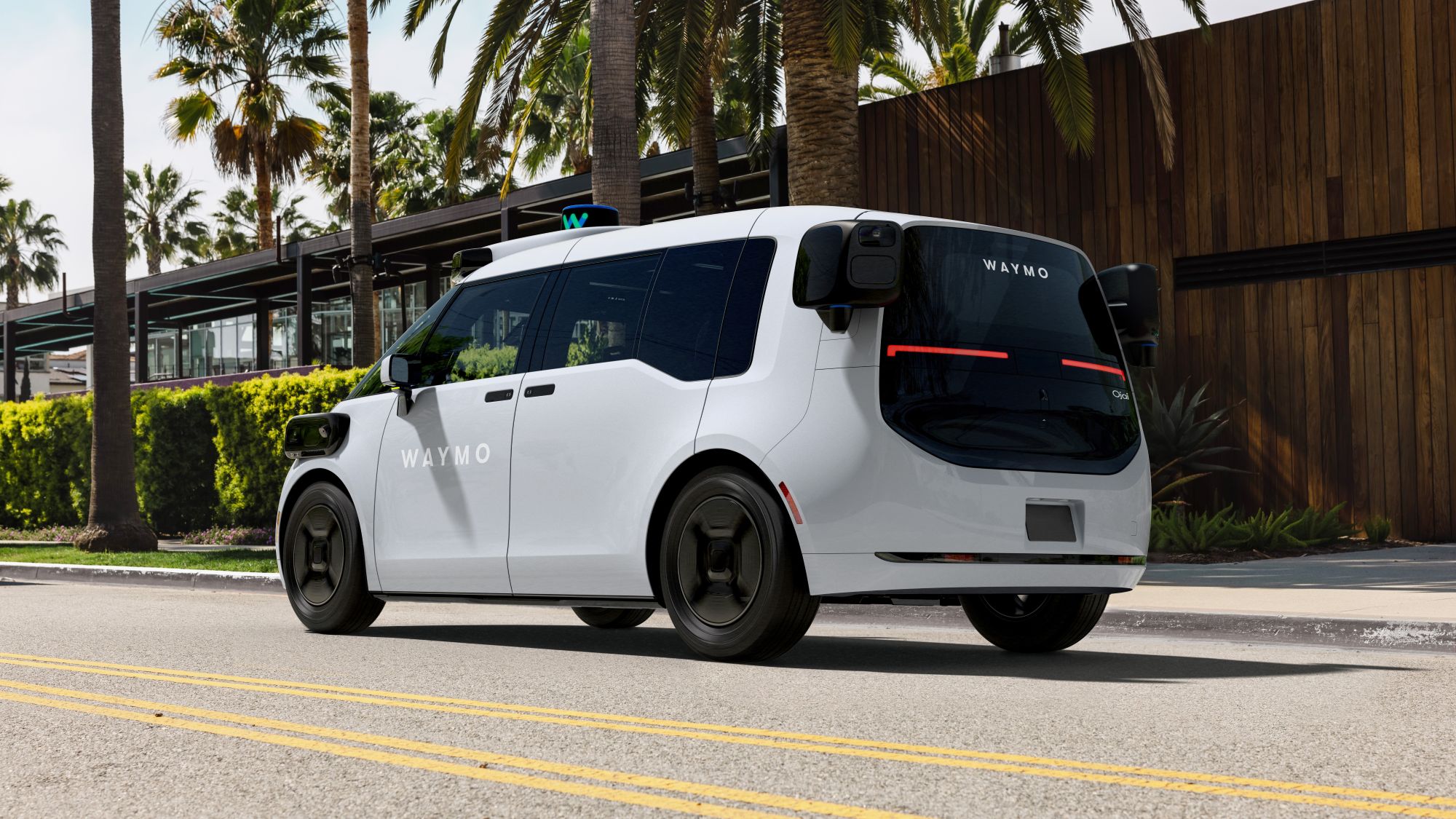
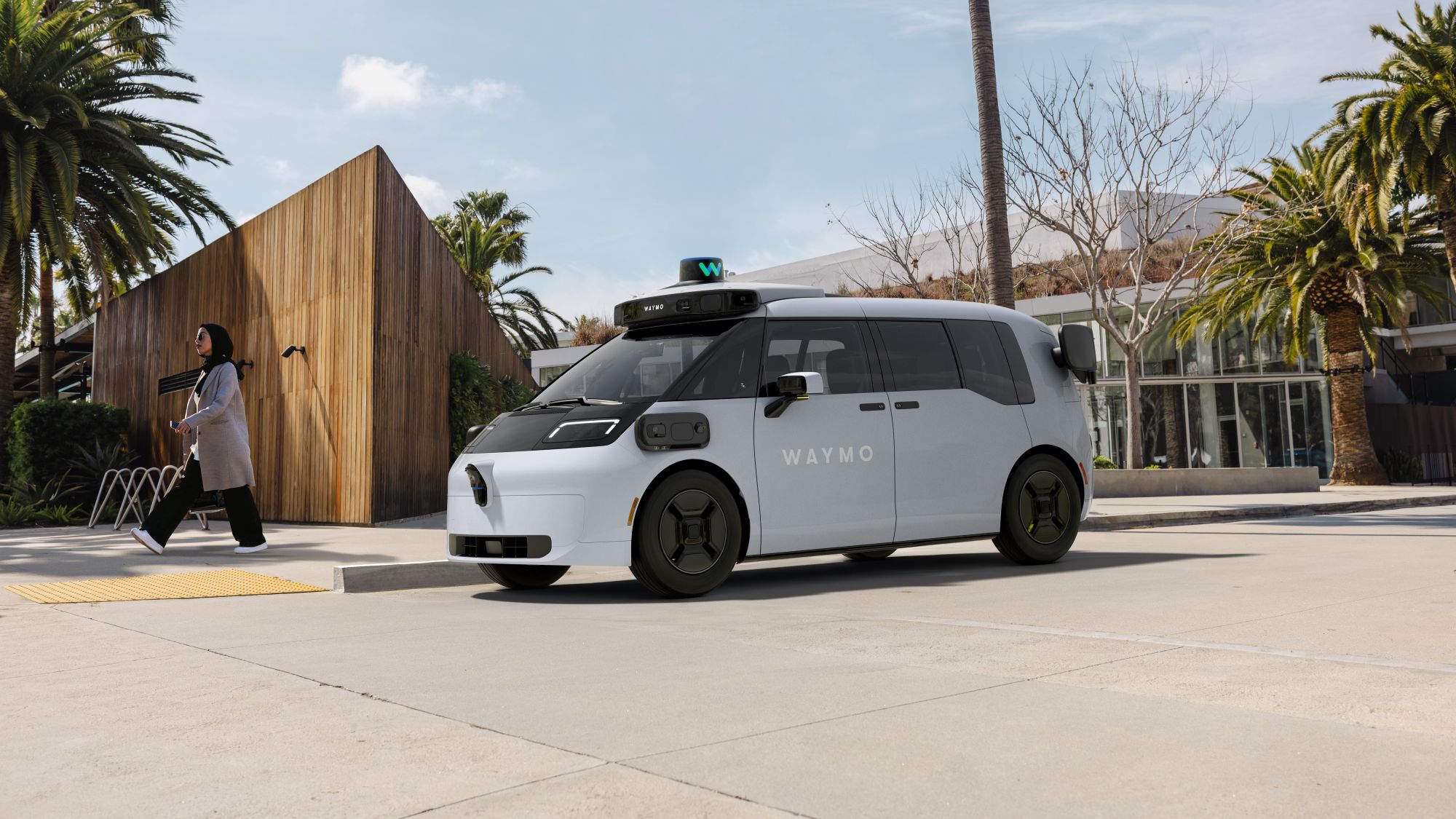
Waymo is leading the robotaxi industry in the U.S., operating America’s largest fully driverless fleet with millions of commercial paid rides across cities like Phoenix, San Francisco, Los Angeles, and Austin.
Baidu‘s Apollo Go dominates the Asian market with the world’s largest autonomous ride-hailing operations, completing tens of thousands of weekly rides in major Chinese metropolitan areas like Wuhan and Beijing.
Pony.ai is another major player that holds significant market share in China and has expanded its footprint into international markets like Singapore and the Middle East.
Other providers include WeRide, Zoox, and Tesla.
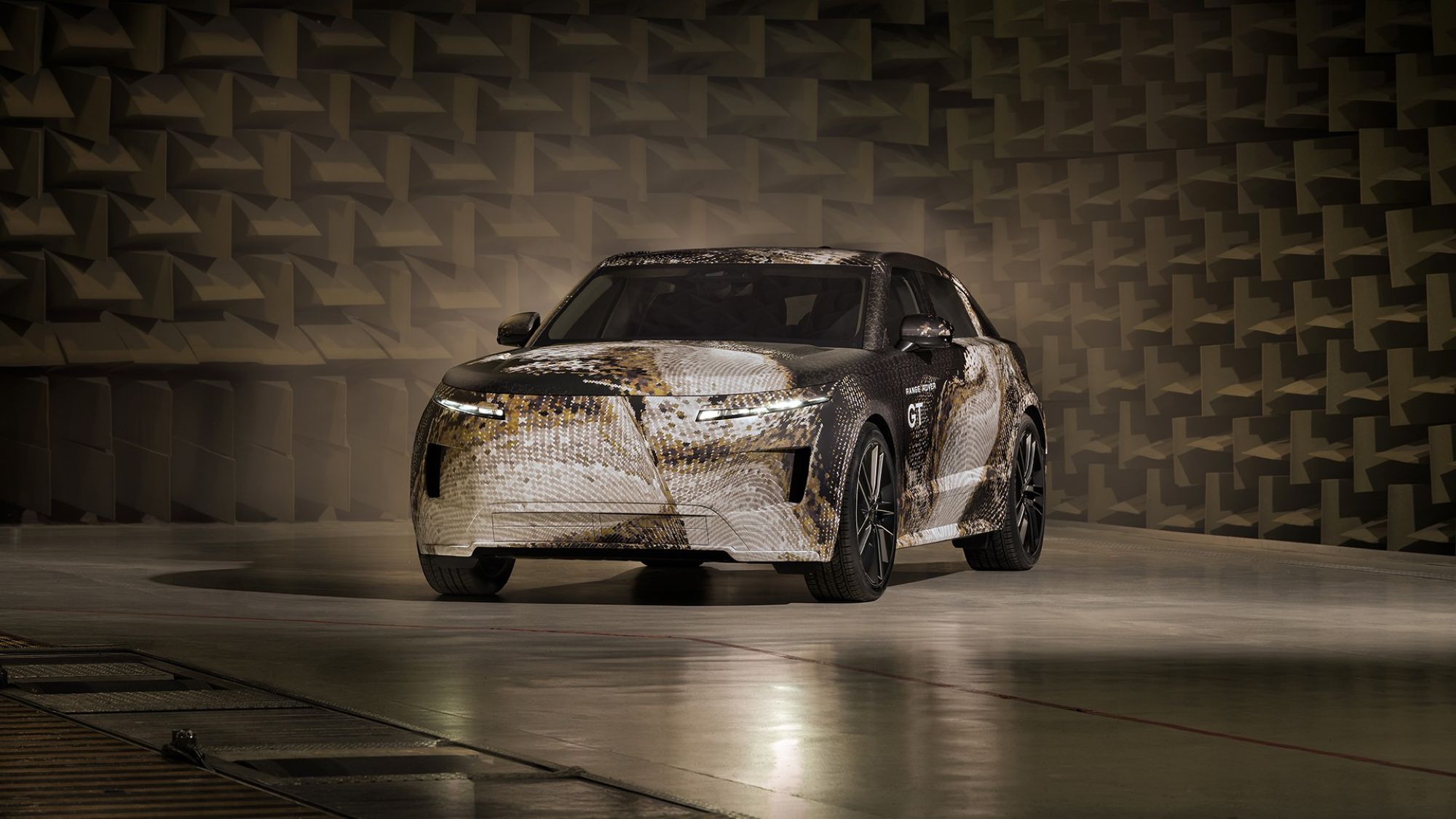
From a traditional automaker’s perspective, Stellantis has been promoting its pursuit of innovative technologies to support the transition toward advanced connectivity and autonomous ecosystems, including its L4-Ready Platform. Late last week at the Move 2026 mobility tech event in London, Stellantis also highlighted its autonomous driving partner ecosystem, including Uber and Wayve, as well as Bolt, Nvidia, and Pony.ai.
The automaker demonstrated a new Jeep Compass with 5G connectivity over satellite, the narrowband solution extending coverage beyond traditional terrestrial networks even in remote or underserved areas. It supports enhanced safety, expanding the boundaries of always-on mobility.
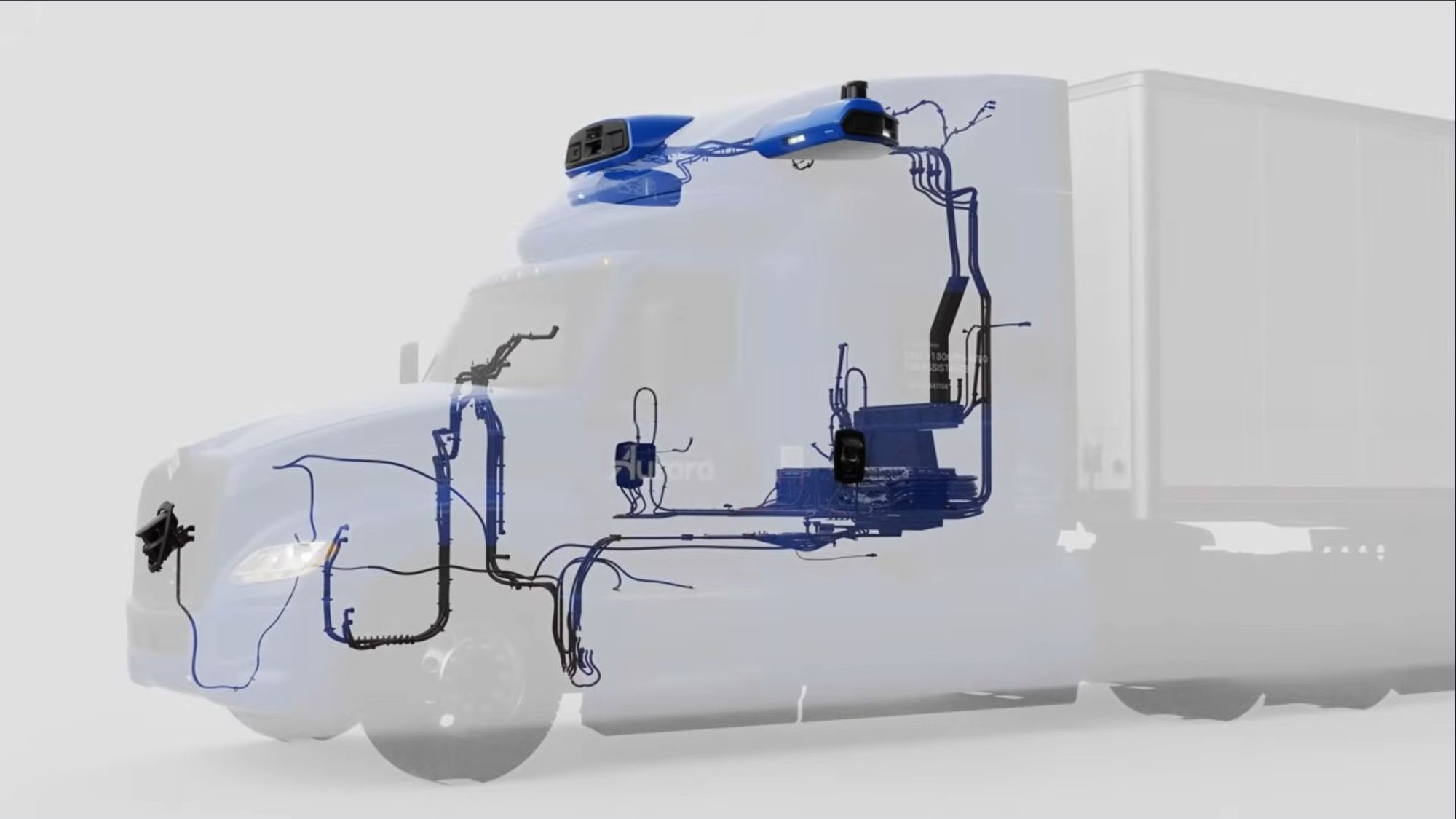
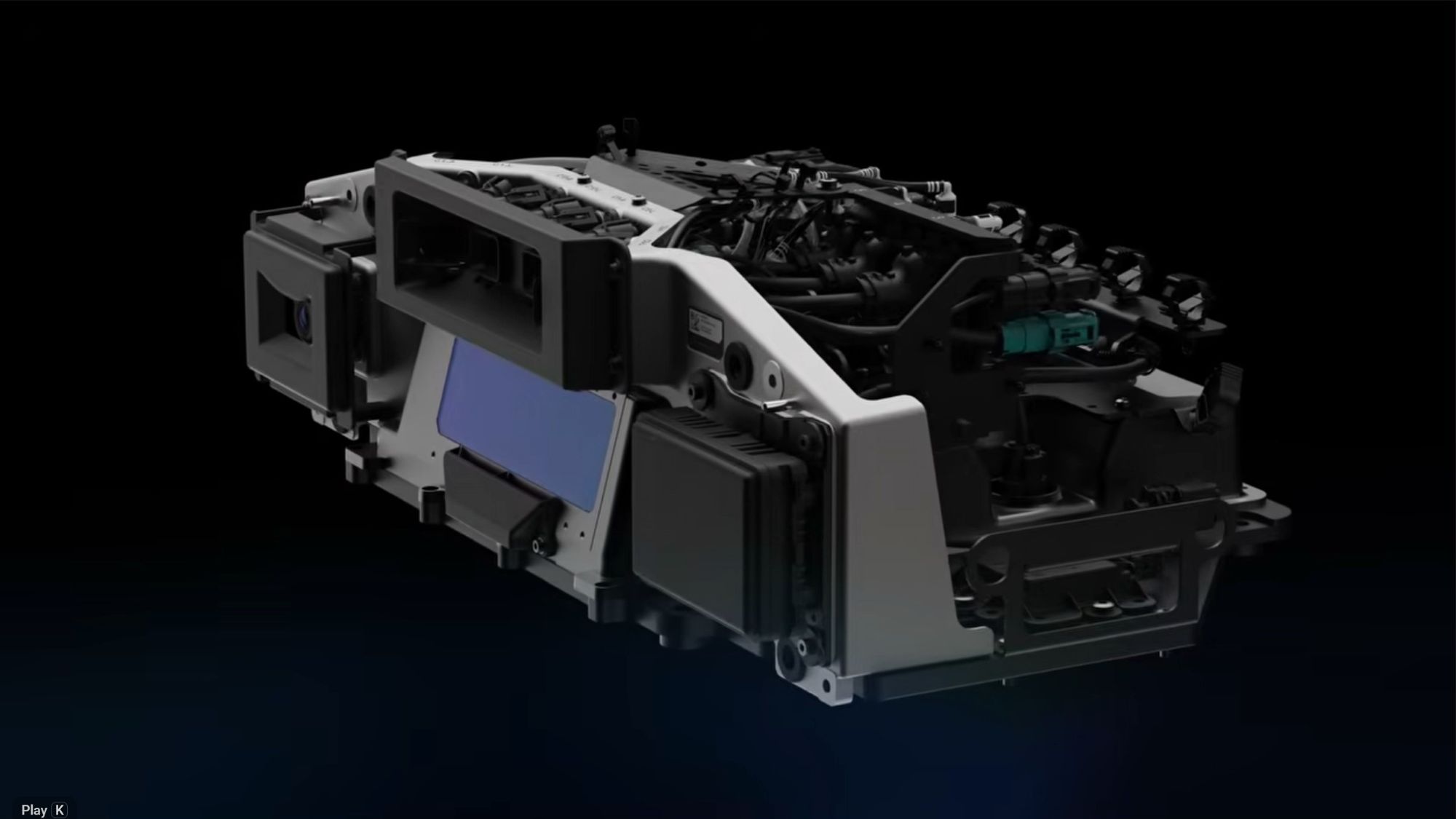
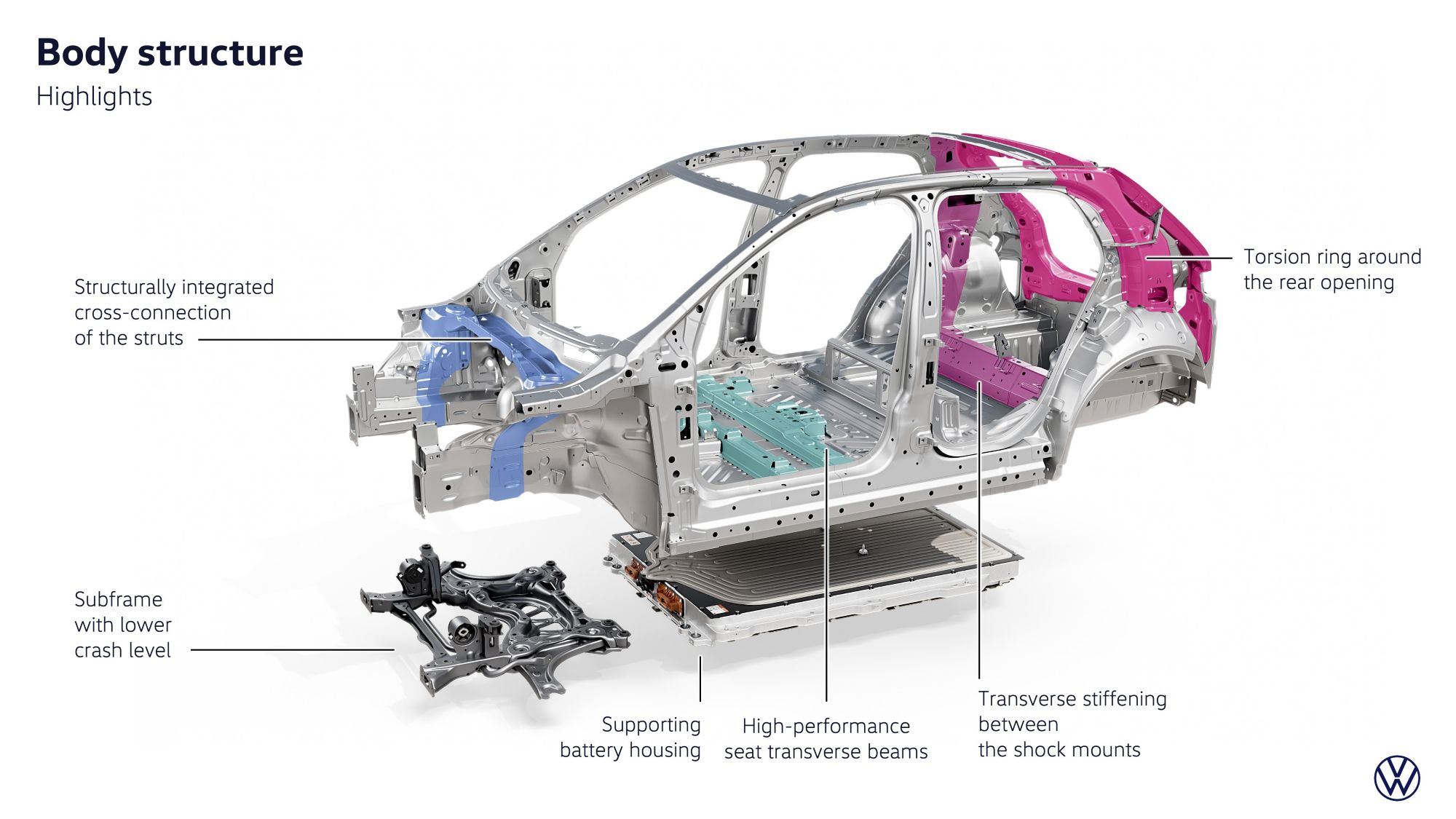
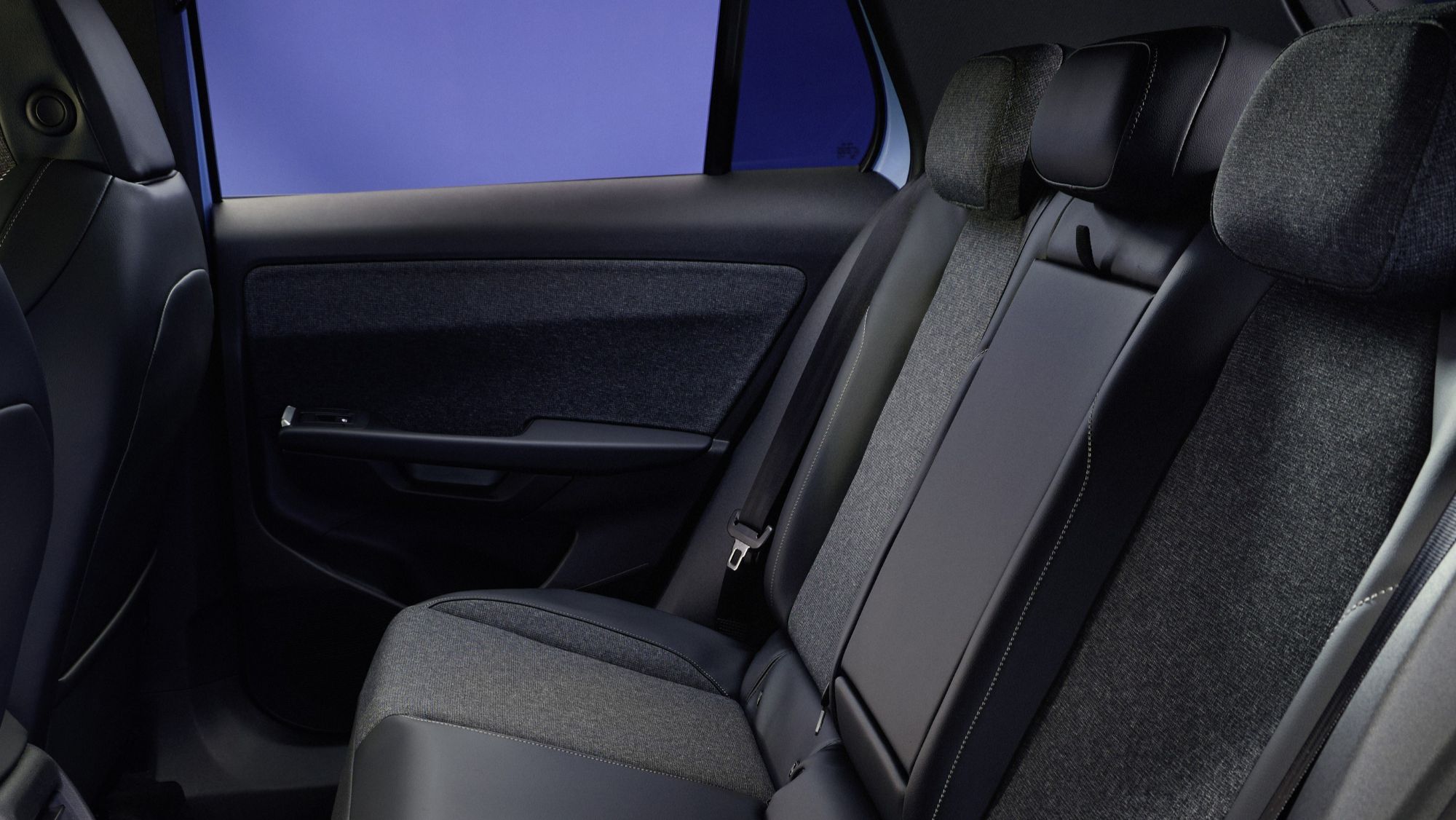
The L4-Ready Platform (driverless), designed for scalability and flexibility, integrates advanced hardware and software systems to enable safe and efficient autonomous operations. It represents a key step toward the deployment of autonomous mobility services, supporting transportation needs particularly in urban environments, with a focus on reliability, efficiency, and user experience.
At Move 2026, Curic and Alex Kendall, CEO of Wayve, participated in “The Great Uncoupling: Why the Future of Autonomous Driving is Software-Agnostic” panel to discuss the evolution of autonomous architectures and the role of software abstraction in enabling scalability.
Earlier in June, Stellantis announced it was also working with Bolt and Pony.ai on the launch of an autonomous mobility pilot testing program in Luxembourg that will focus on validating the safety, performance, and regulatory readiness of Pony.ai’s seventh-generation automated driving system. The automaker will contribute its vehicle engineering and manufacturing expertise with a midsize van based on its L4-Ready Platform.
The partners are preparing a “living lab” pilot designed to test the technologies and operational processes required to support safe autonomous mobility in cities, from vehicle deployment and ride-hailing platform integration to fleet operations and regulatory coordination. The pilot program builds on previously announced collaborations of the partners and is Bolt’s first autonomous mobility pilot.
Kevin Jost contributed to this article.
-

- Stellantis is partnering with Wayve and Uber for new global robotaxi service.
-

- Stellantis showed its 5G over satellite tech at Move 2026.
-

- Stellantis showed its L4 ready platform at Move 2026.
-

- Bolt, Pony.ai, and Stellantis are launching an autonomous mobility pilot test program in Luxembourg.