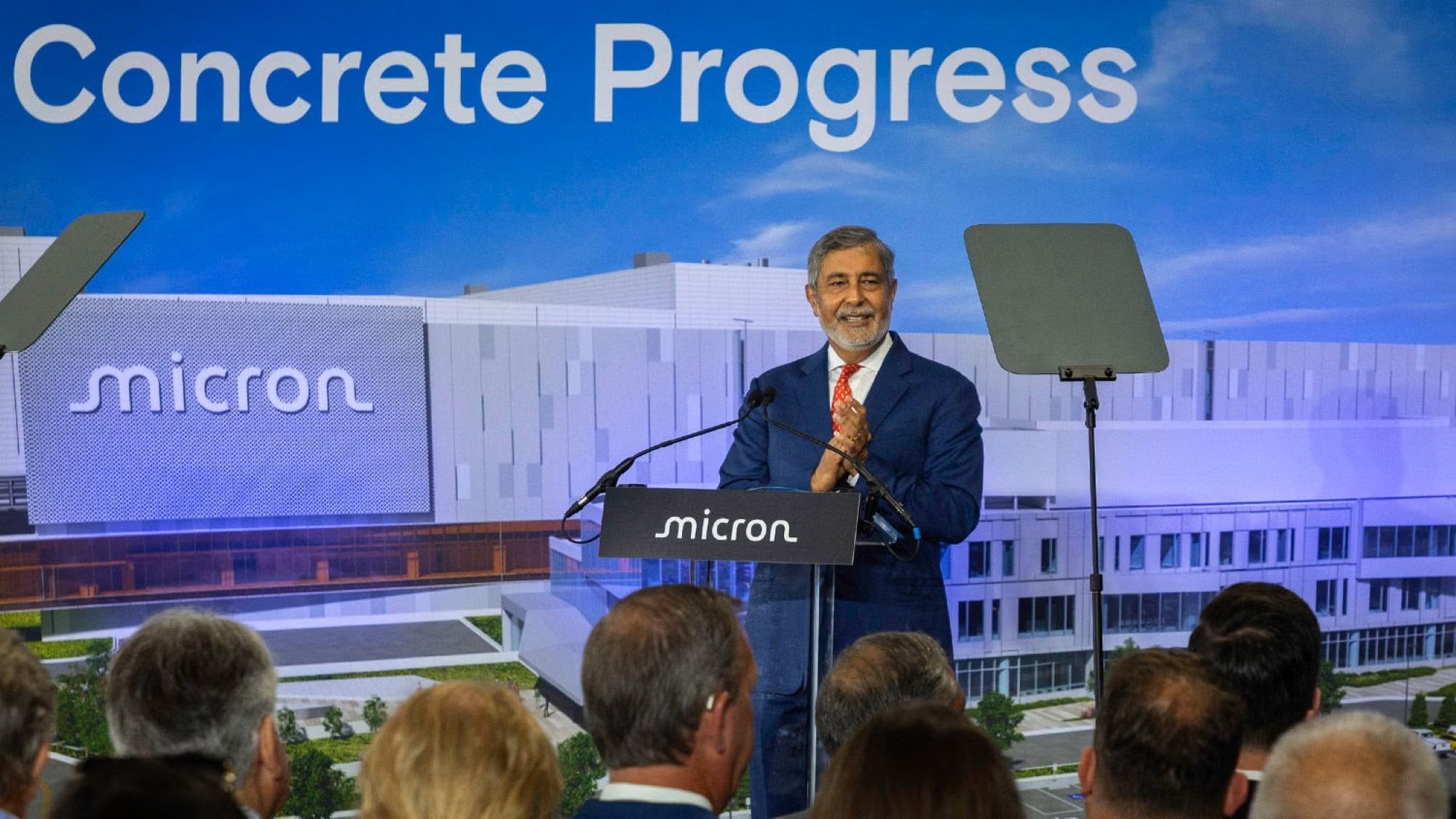
Stellantis today introduced STLA One, a modular vehicle architecture designed to support multiple powertrains and vehicle sizes. It was revealed at the automaker’s Investor Day in Auburn Hills, MI, led by CEO Antonio Filosa and members of the Stellantis leadership team as part of a new strategic plan.
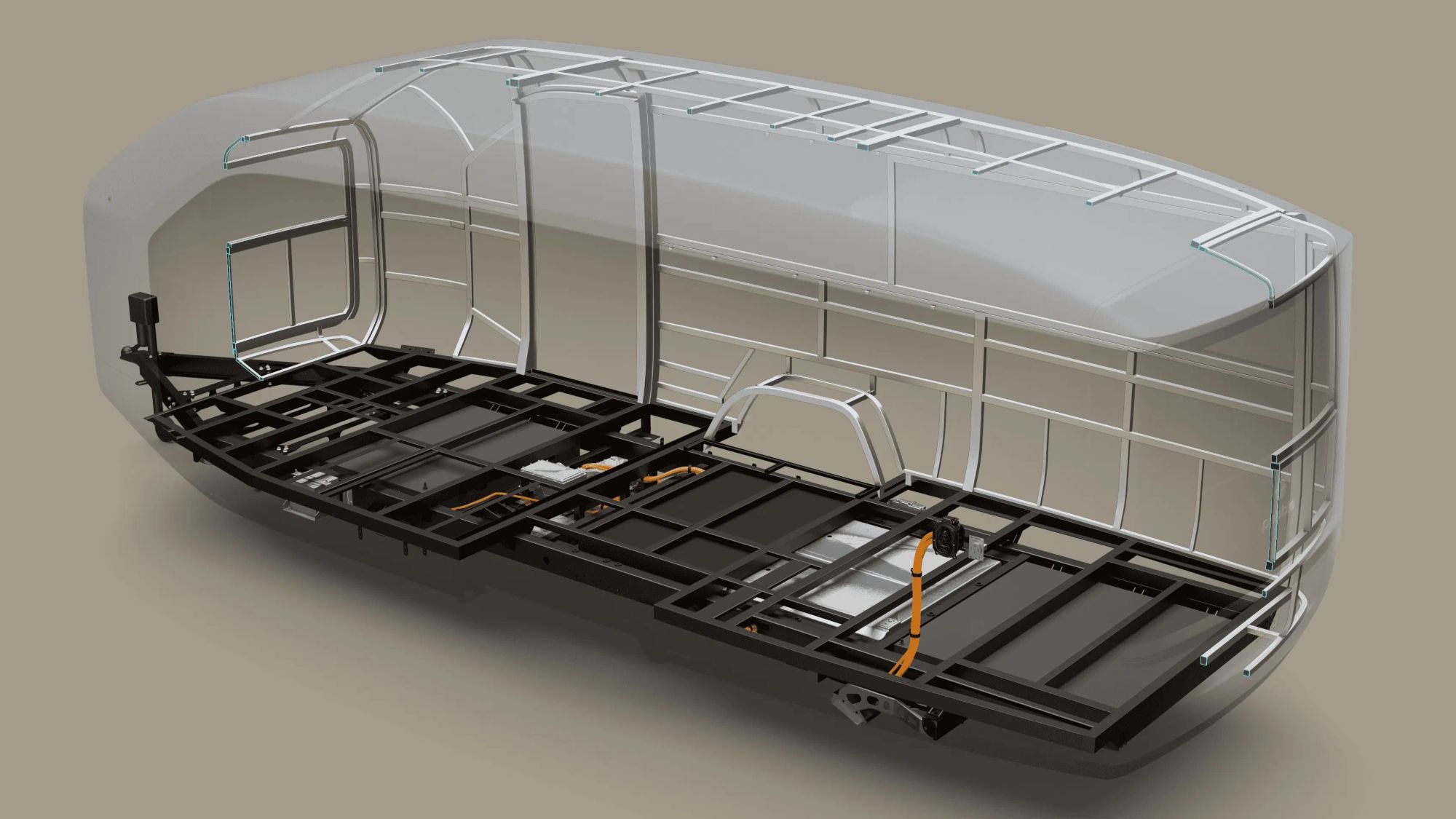
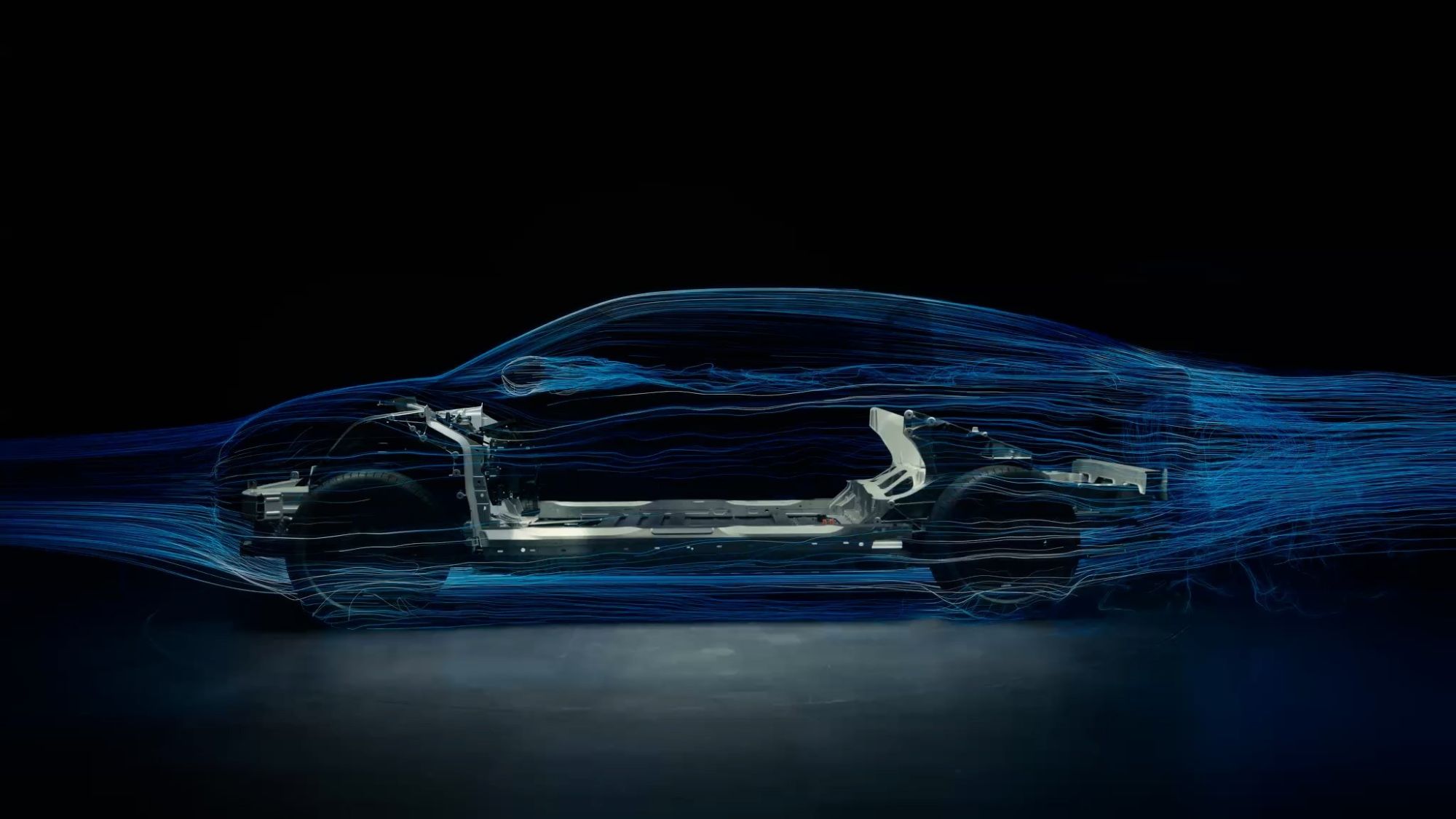
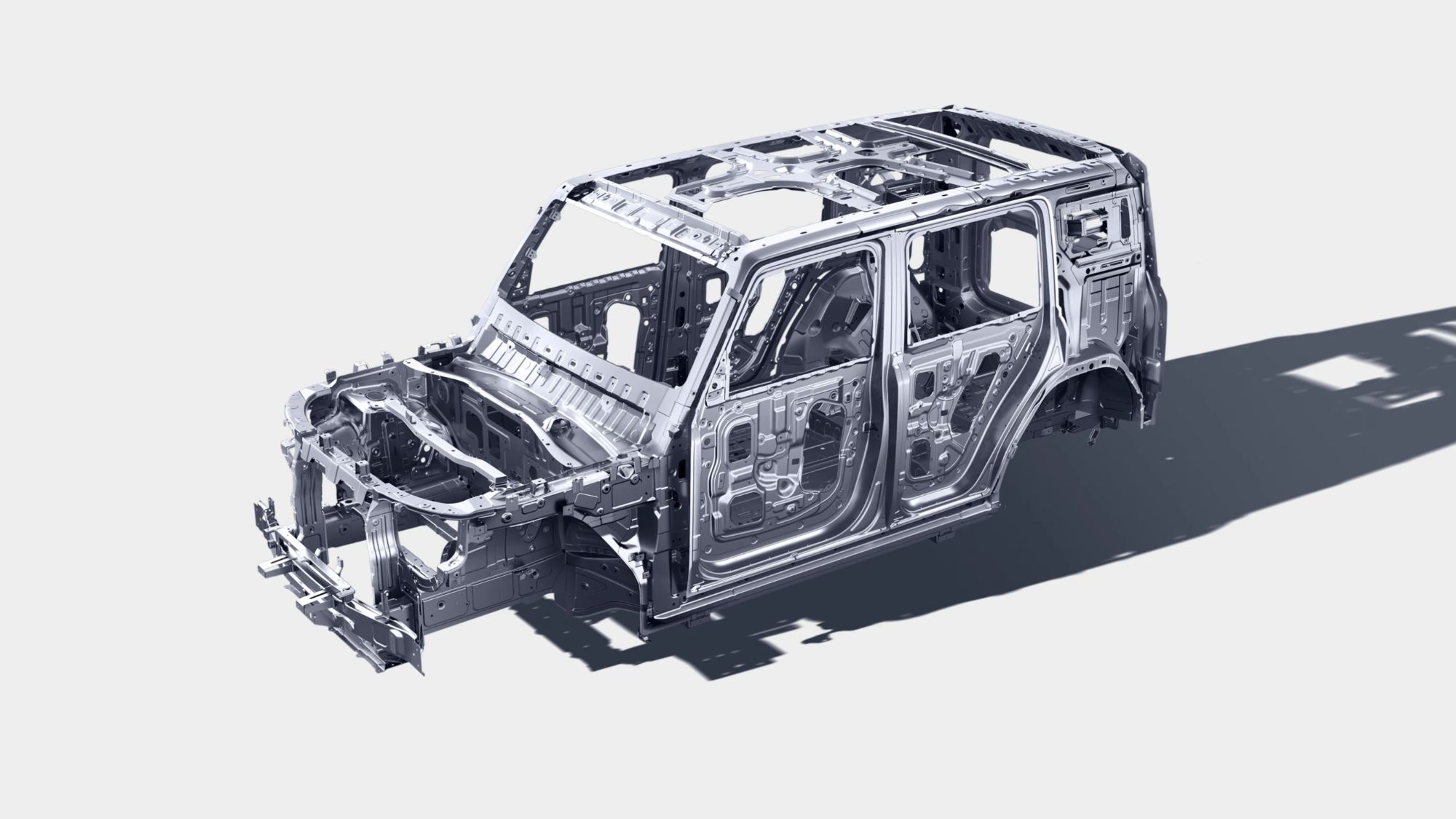
STLA One is designed to bring together five different platforms into one scalable architecture, reducing complexity and expanding coverage. The scalable architecture has common interfaces to reduce complexity, speed development, and target 20% cost efficiency, driven by modularity by design and new battery choices.
It supports the automaker’s platform optimization strategy that, by 2030, targets 50% of volume on three global platforms, with up to 70% component reuse. The platform strategy is designed to shorten time to market, strengthen supplier stability, and improve cost efficiency.
“STLA One is a clear example of a truly modular strategy, giving us the flexibility of a multi-energy platform without carrying inefficiencies from one propulsion system to another,” said Ned Curic, Chief Engineering and Technology Officer.
The platform covers B, C, and D segments with a design meant to optimize efficiency for each propulsion type. The company says it is a key step in its push to compete on cost, simplify operations, and strengthen competitiveness, closing the cost gap with best-in-class players operating in Europe.
Key strategic advantages of the approach include simplification at scale, with the advanced technology architecture designed to reduce complexity while expanding market coverage. STLA One is designed to grow into a mega platform supporting 30-plus models and targeting more than 2 million units by 2035. Its modular interfaces are designed to deliver the best possible performance for each type of energy use, supporting different powertrains.
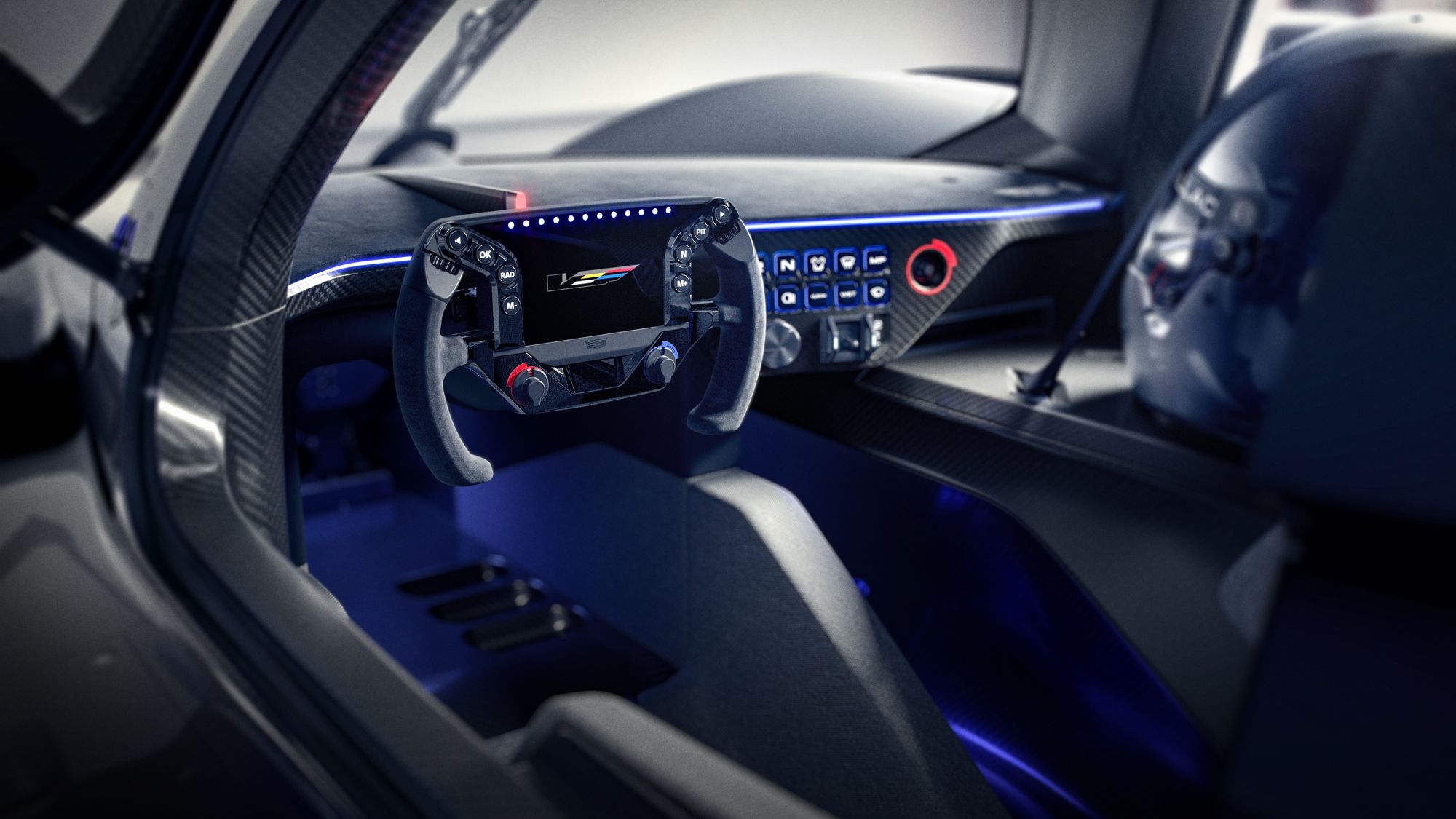
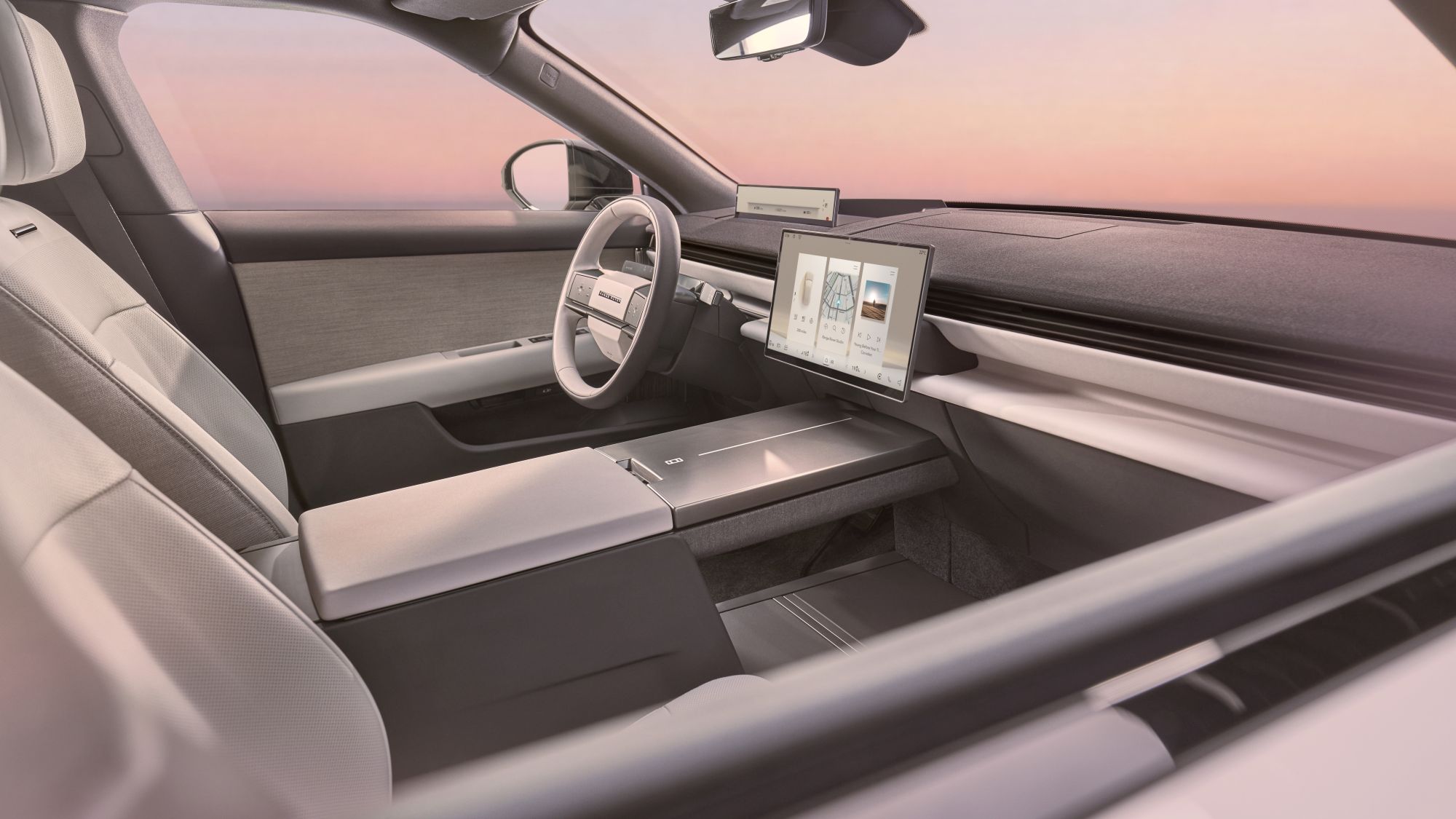
STLA One is the first Stellantis platform slated to integrate STLA Brain, STLA SmartCockpit, and steer-by-wire technology. The technology suite will support faster feature rollouts and enable each Stellantis brand to tailor the customer experience while reinforcing its distinct identity, with plans for the launch of STLA One in 2027.
The intelligent battery strategy behind it is intended to improve BEV economics over time, through reduced battery costs and simpler integration. It involves the scaling of LFP (lithium iron phosphate), with more batteries using the chemistry to support affordability and reduce exposure to critical raw materials.
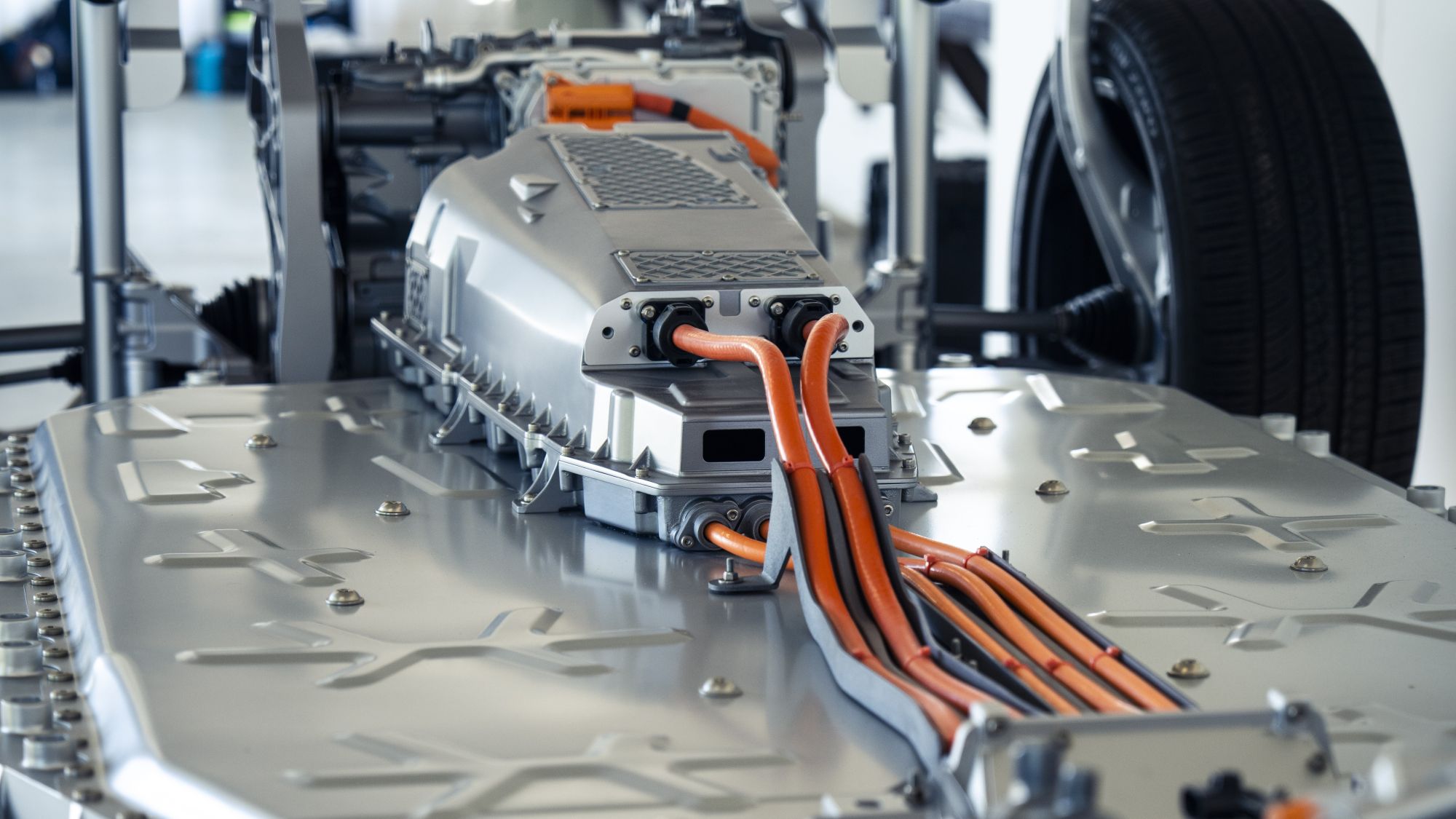
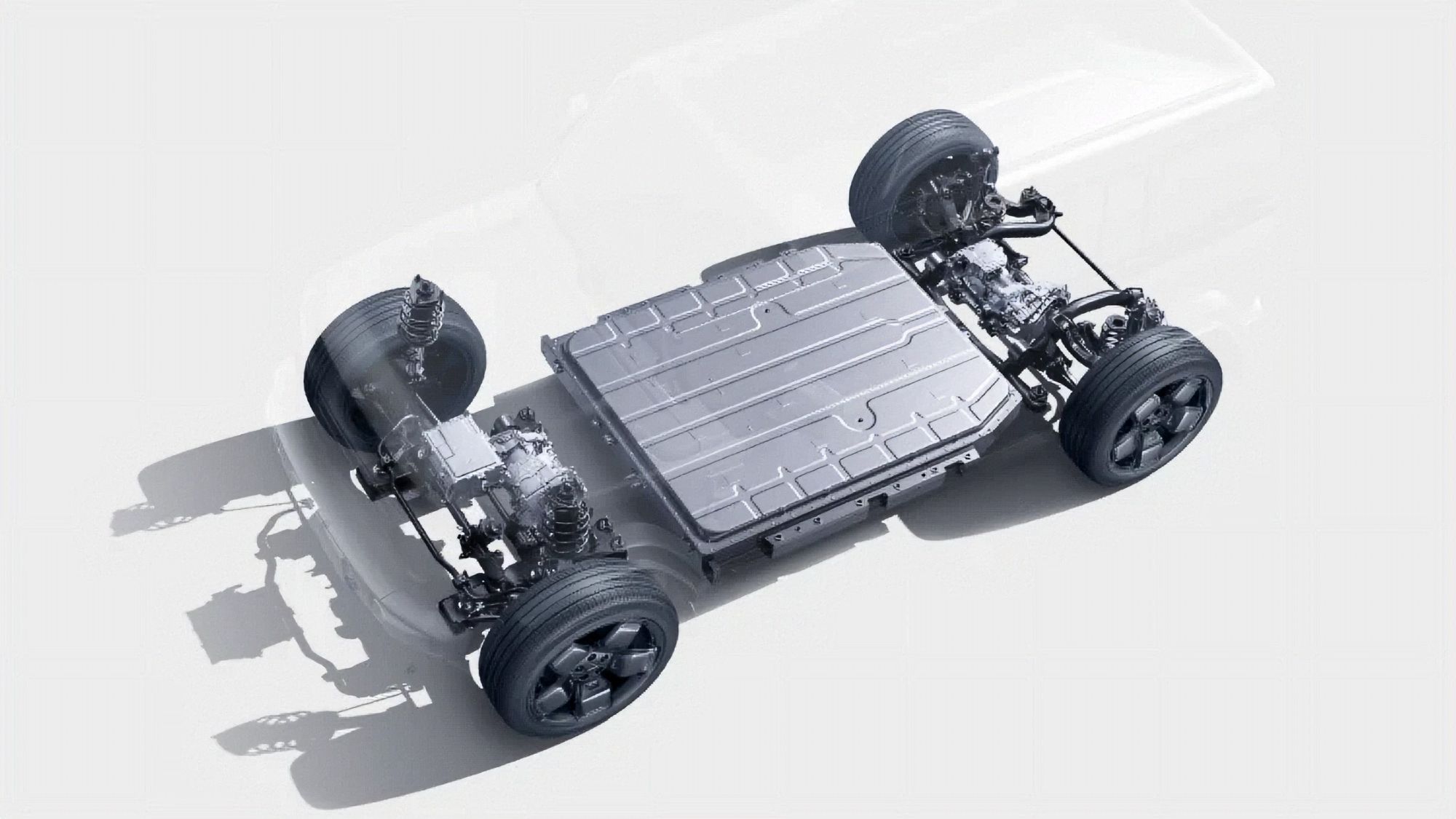
Its sell-to-body integration features a battery integrated into the vehicle structure to reduce cost, weight, and complexity, optimizing embedded energy. STLA One will also be 800-V capable, delivering very competitive charging time and a better real-world BEV experience.
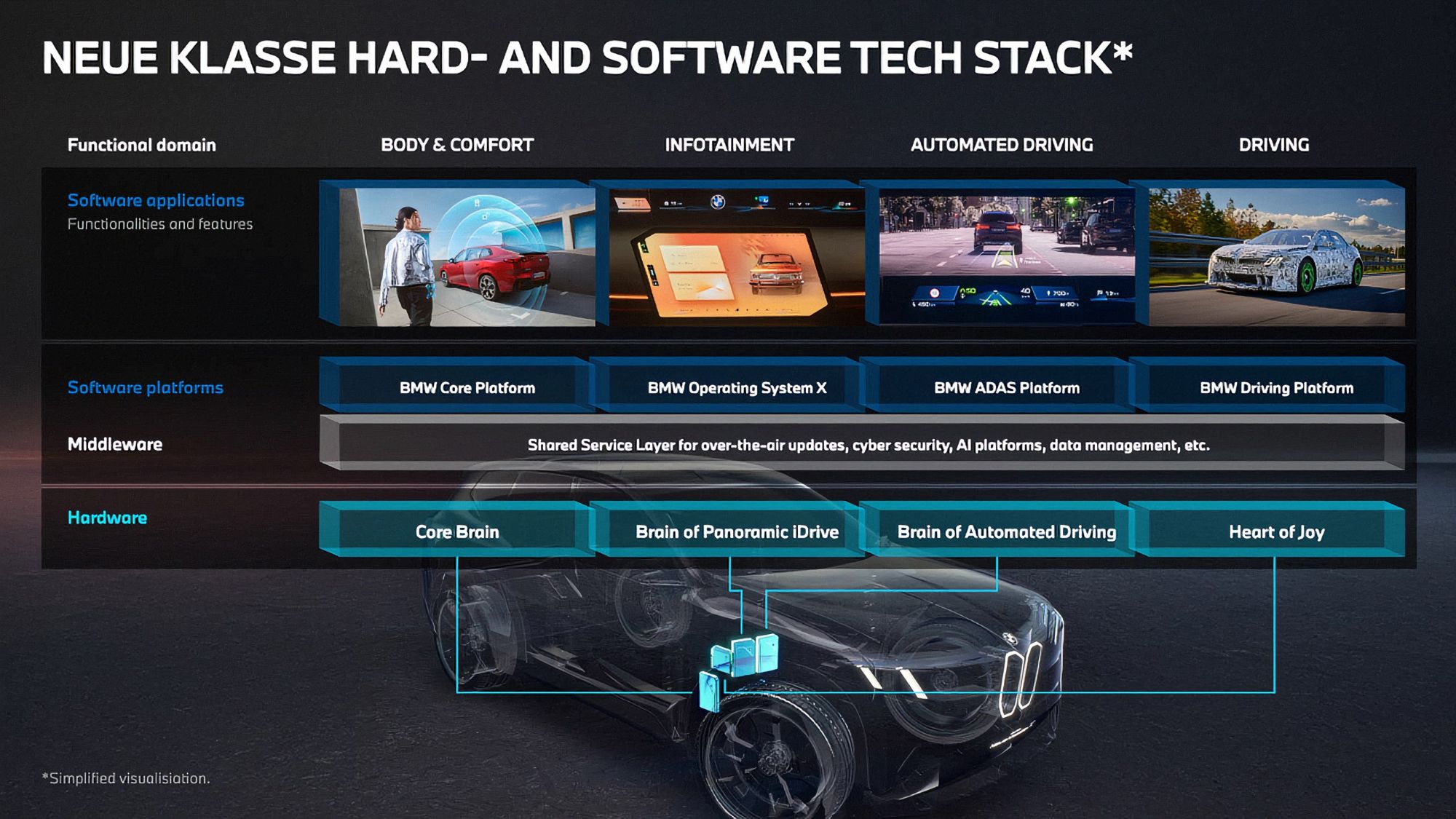
STLA One is part of Stellantis’ effort to align hardware and software on a shared technology stack. The platform’s modular design can help speed development, reduce complexity, and unlock scale efficiencies.
It follows an announcement earlier this week of a “groundbreaking,” small, and affordable E-Car project, with the first E-Cars expected to roll off the production line in 2028.
The “E” in E-Car stands for European, Emotion, Electric, and Environmental friendliness. The high-potential segment, to be produced in Europe for Europeans, has been recognized by the European Commission for its potential to boost European design and manufacturing jobs while playing a vital role in supporting the wider adoption of fully electric vehicles for convenient, everyday, city-centric mobility.
The E-Car is being developed in the “true tradition of European people’s mobility” to address the unprecedented contraction of the small, affordable car segment in Europe in recent years. It is the expression of Stellantis’ purpose to “move people with brands and products that they love and trust.”
Stellantis says its E-Car models will feature cutting-edge design and will be powered by world-class BEV (battery electric vehicle) technologies to be developed with selected partners to boost affordability and achieve an accelerated time-to-market.
“The E-Car is a concept that finds its natural match in the small car success that runs deep in our European Stellantis DNA,” said Filosa. “Our customers are calling for a revival of small, stylish vehicles, proudly produced in Europe, which are also affordable and environmentally friendly. Stellantis is answering their call with exciting new models for multiple brands. Production is expected to start in 2028 in our Pomigliano (Italy) plant.”
With the assignment of the E-Car to Pomigliano—and the potential of significant production volumes, the automaker is tapping into the plant’s long history of producing some of Europe’s most iconic and affordable cars, including the “much-loved” Fiat Panda.
-

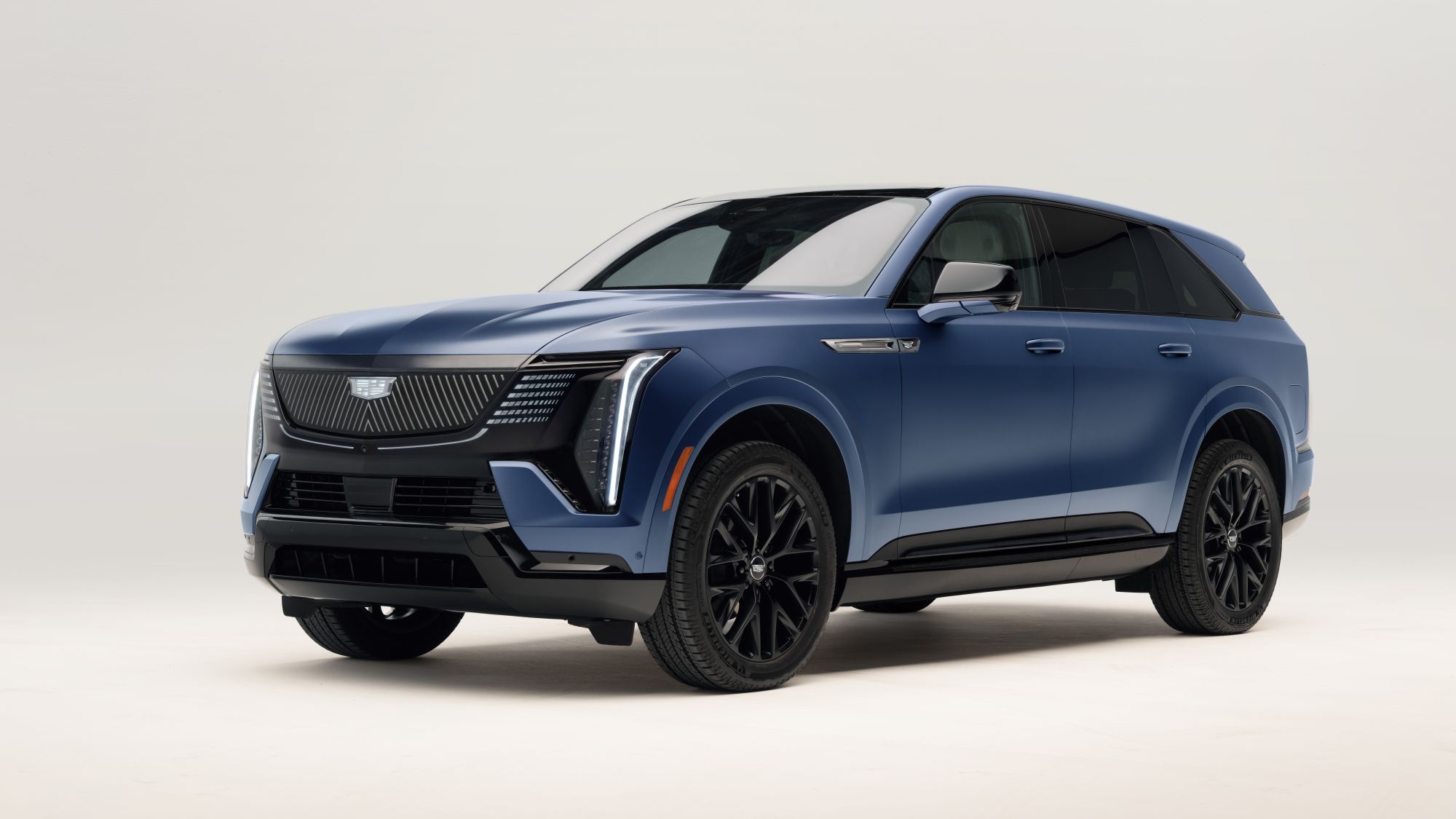
- Stellantis STLA One modular vehicle architecture in a larger format.
-

- CEO Antonio Filosa presents at Stellantis’ May 21, 2026 investor day.
-

- Stellantis STLA One architecture is designed to be flexible.
-

- Stellantis STLA One modular vehicle architecture base structure.