Porsche recently introduced what it calls a new chapter in all-electric motorsport, with the unveiling of its new 975 RSE Formula E race car. The new GEN4 car delivers up to 600 kW of power, permanent all-wheel drive, new tires, and significantly increased downforce compared to previous versions. These improvements make the 975 RSE one of the fastest single-seater race cars worldwide, capable of topping 205 mph (330 km/h), according to the company.
“The GEN4 shows how far electric vehicles have evolved,” said Thomas Laudenbach, Vice President, Porsche Motorsport. “When the championship started in 2014, every driver needed two cars per race. One battery alone was not enough to cover the full race distance. Those days are long gone. Since 2024, we have been developing a race car that puts us on the level of Formula 2 cars. EVs are not only catching up with the standards we are used to; their strengths are becoming increasingly evident—on the track and on the road.”
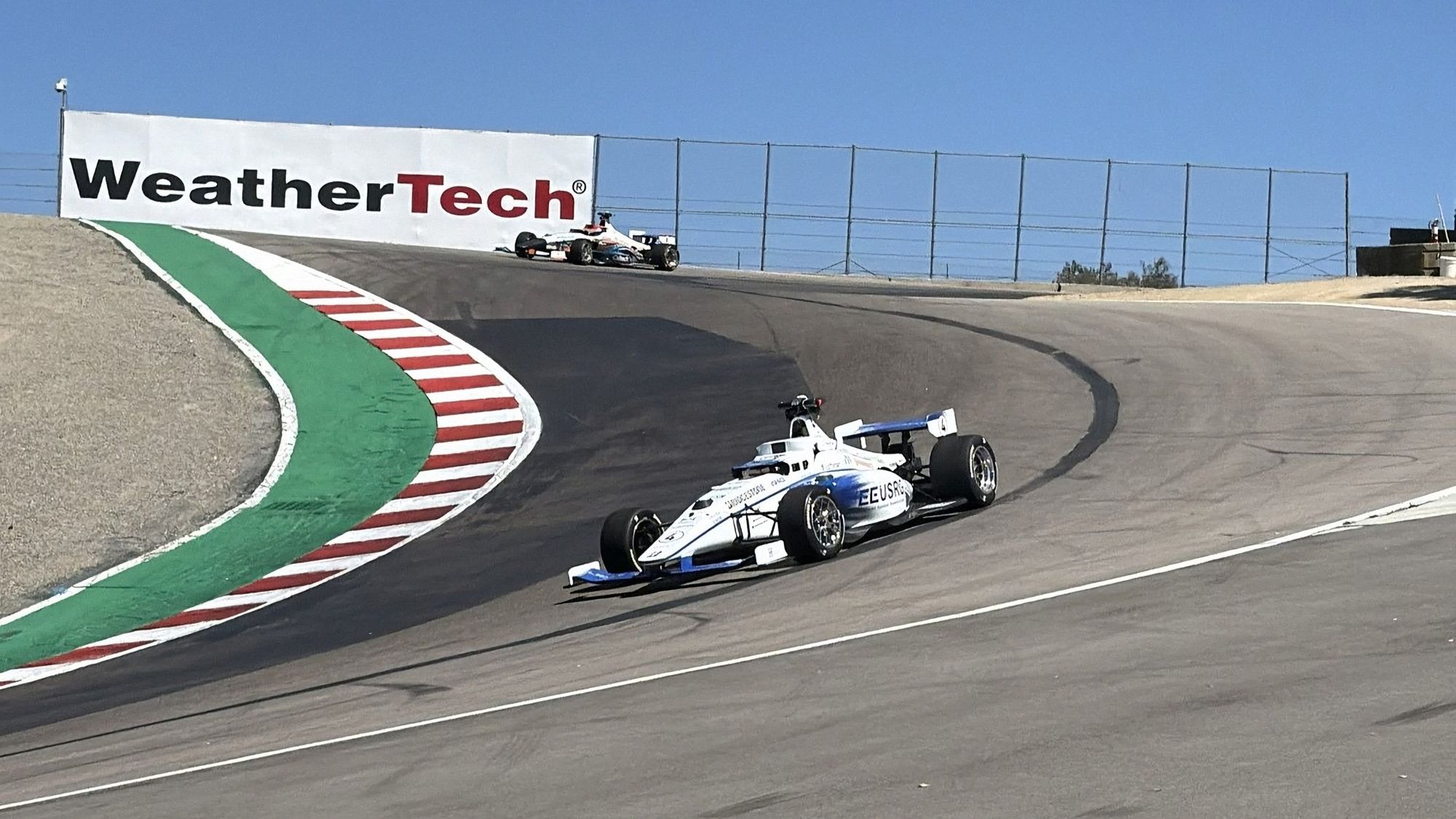
Formula E, which is officially known as the ABB FIA Formula E World Championship, is the highest class open-wheel, single-seater racing series for electric cars. The series began competition in 2014, and has held a world championship status by the FIA (Fédération Internationale de l’Automobile) since 2020. The series currently fields 10 teams, including some backed by major automotive manufacturers such as Porsche, Jaguar, Nissan, Citroen, and Mahindra.
For its new 975 RSE, Porsche released provisional specs, including drive power of 450 kW in normal race mode or 600 kW in Attack Mode, which is an additional boost of power available to each driver during a Formula E race. Acceleration from 0 to 62 mph (0 to 100 km/h) is listed at about 1.8 s. The car also features a brake energy recovery system that recuperates up to 700 kW, providing about 40-50% of drive energy per race. Pit stop charging is enabled by the CCS (Combined Charging System), which is designed for extremely fast charging at up to 600 kW.
The racecar weighs 2013 lb (913 kg) without a driver, and is 218.1 in (5540 mm) long, 70.8 in (1798 mm) wide, and 45.3 in (1151 mm) tall, with a wheelbase of 121.3 in (3081 mm).
For the first time in Formula E history, aerodynamic downforce will significantly increase the grip of competing cars. Together with new tires and all-wheel drive, the series will see higher cornering speeds than ever before, according to Porsche.
“Within roughly a decade, Formula E has become so fast that aerodynamic downforce is now a necessity,” said Olivier Champenois, Technical Project Leader for Porsche Motorsport. “However, downforce always comes with drag and increases energy consumption. To maintain a strong focus on efficiency, we use two different aero packages with distinct bodywork components: a low‑downforce package with reduced drag for the races, and a high‑downforce package for qualifying, where energy consumption isn’t relevant. We are talking about up to 150% more downforce compared to the GEN3 Evo.”
The 2025-26 Formula E season consists of 17 road and street course races between December 2025 and August 2026. Events take place at 11 sites around the world, including Mexico City, Miami, Madrid, and London.
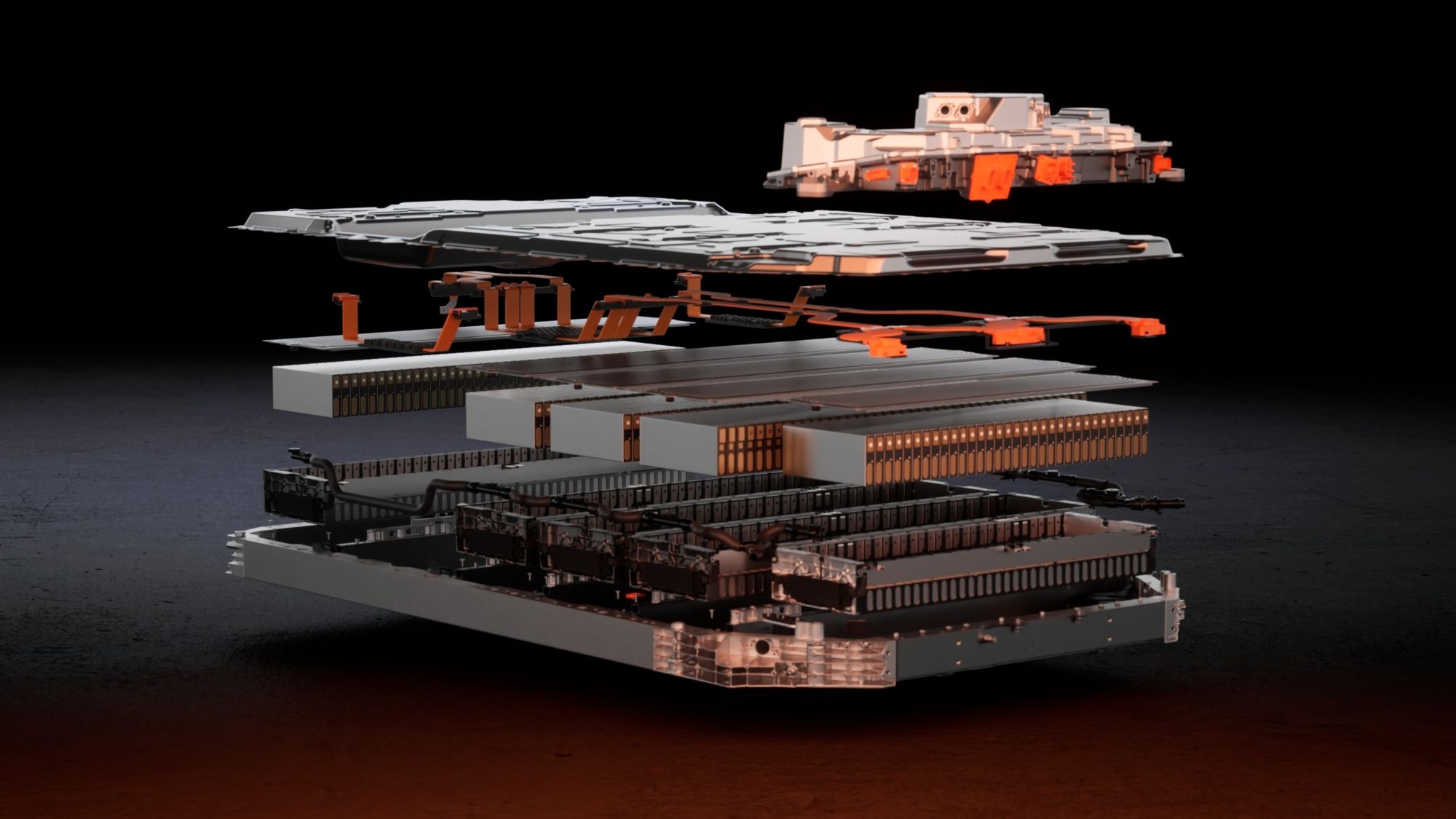
For cost reasons, battery packs are a standard-supplied component and may not be developed by manufacturers or racing teams. The RESS (rechargeable energy storage system) includes a lithium-ion accumulator and a usable energy capacity of 51.25 kW·h.
“The concept remains the same: the regulations force us to maximize the efficiency of our cars in every respect—because that makes us relevant for the road,” said Florian Modlinger, Director of Factory Motorsport for Formula E. “The races should become even more attractive, as the new cars are considerably faster. The acceleration is impressive, and we expect top speeds of up to 208 mph. I’m very curious to see how the fans will react.”
In an update over the weekend, Porsche said the GEN4 delivers the biggest performance leap seen in the championship to date, with the real boundaries being pushed by vehicle components developed in-house by the company’s race engineers. Despite an extended service life, they are designed to be lighter, deliver higher performance, and at reduced costs.
Until October, Porsche Motorsport will continue to develop its most extensive hardware package for Formula E to date. Thereafter, the focus will shift to the continuous optimization of the software.
“In Formula E, we primarily develop the technical components that are relevant for our production sports cars,” said Laudenbach. “That is one of the reasons why we compete in Formula E.” With the introduction of GEN4, these in-house developments have essentially expanded to include two additional components: the DC/DC converter and the brake-by-wire system.
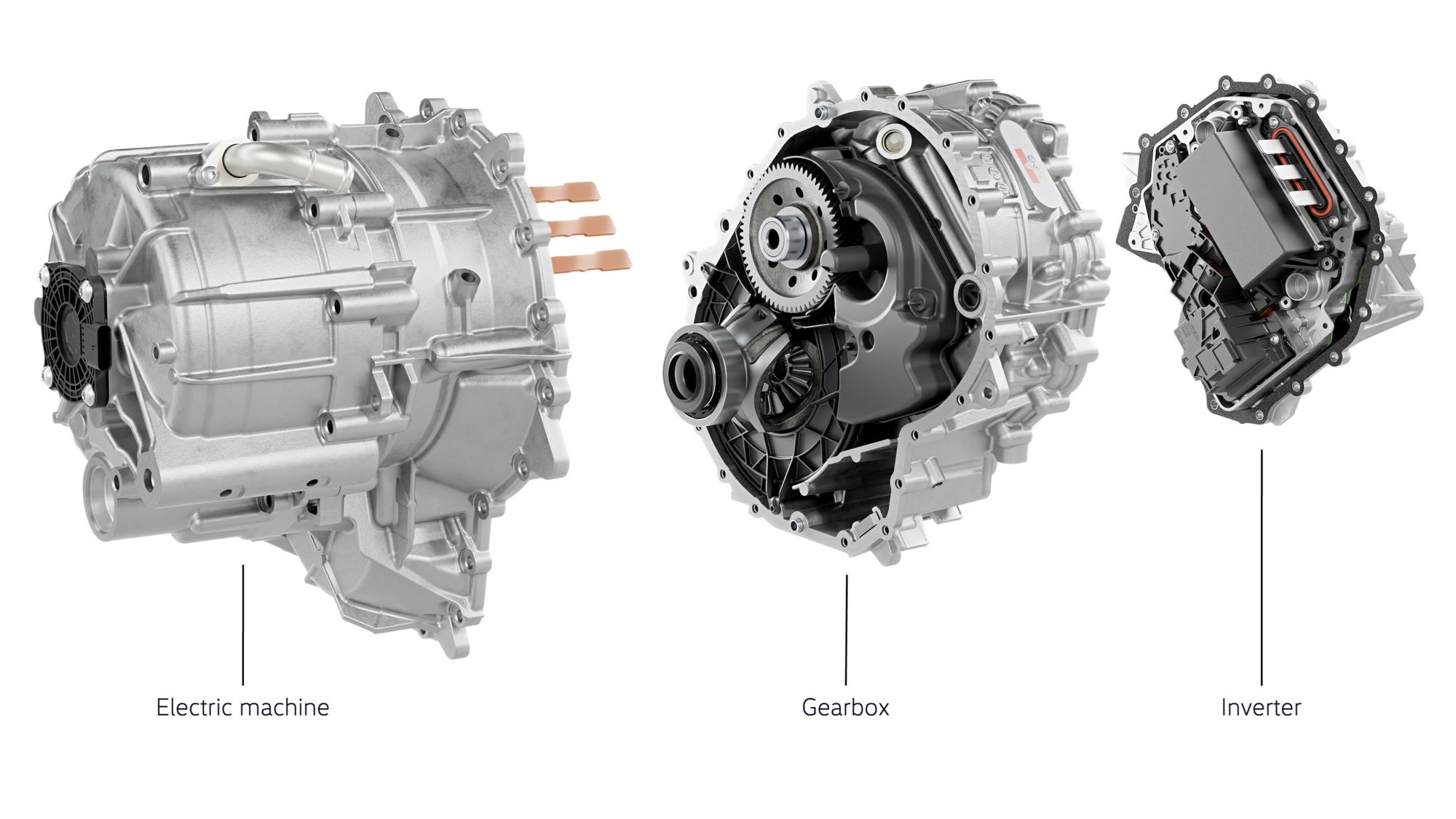
Porsche’s in-house developments to date already include the operating software, pulse inverter, electric motor, gearbox, differential, driveshafts, and other drivetrain components on the rear axle, as well as cooling, carrier, and suspension components at the rear.
“With the current car, the efficiency of our drivetrain is over 97%,” said Modlinger. “From the battery to the wheel, less than 3% of the energy used is lost—close to perfection and a key advantage of electric drive. In our development brief for GEN4, alongside further efficiency gains in the drivetrain components, we focused on potential in terms of weight, durability, and costs—similar to EVs for the road. At the same time, 600 kW represents a 71% increase in power in Attack Mode. Overall, I believe it is fair to speak of a revolution.”
By mid-January, the GEN4 Porsche had completed 1472 km of tests on the circuits of Monteblanco and Almería in Spain. However, a large proportion of the development and testing work has taken place in the simulator, saving resources and costs. The new Porsche 975 RSE will begin competition in the 2026-27 Formula E racing season, with drivers Pascal Wehrlein and Nico Müller at the wheel.
“The concept phase began in 2024,” added Modlinger. “In the same year, we moved into simulator work. The project, therefore, started during Season 10, when we were still racing the predecessor of the current GEN3 Evo, the GEN3. At the time, we fought for all three titles right to the end, secured the Drivers’ World Championship with Pascal, and at the same time developed the GEN3 Evo. We work in an agile way, similar to series-production projects: you run the existing vehicle, bring the facelift to market, and already design the next generation. The difference is that our cycles are shorter and our budgets smaller—with maximum pressure to succeed.”
In the early test phase, work on the development car focuses on reliable operation and the interaction of all components, but gradually, the emphasis shifts towards performance. Due to the strictly limited number of test days in Formula E, some findings are validated in the simulator. The Porsche customer team is also testing the new car before the FIA homologates the specification in the autumn.
-

- Porsche testing its GEN4 Formula E racecar in Almería, Spain.
-

- Porsche testing its GEN4 Formula E racecar in Almería, Spain.
-

- Thomas Laudenbach is Vice President of Porsche Motorsport.
-

- Olivier Champenois is the Technical Project Leader Formula E at Porsche Motorsport.
-

- Florian Modlinger is Director of Factory Motorsport for Formula E.
-

- Porsche 975 RSE in the pits.
-

- Porsche 975 RSE on the track.
-

- Porsche 975 RSE technical data.
-

- Pascal Wehrlein is a Porsche factory driver.
-

- Nico Müller is a Porsche factory driver.