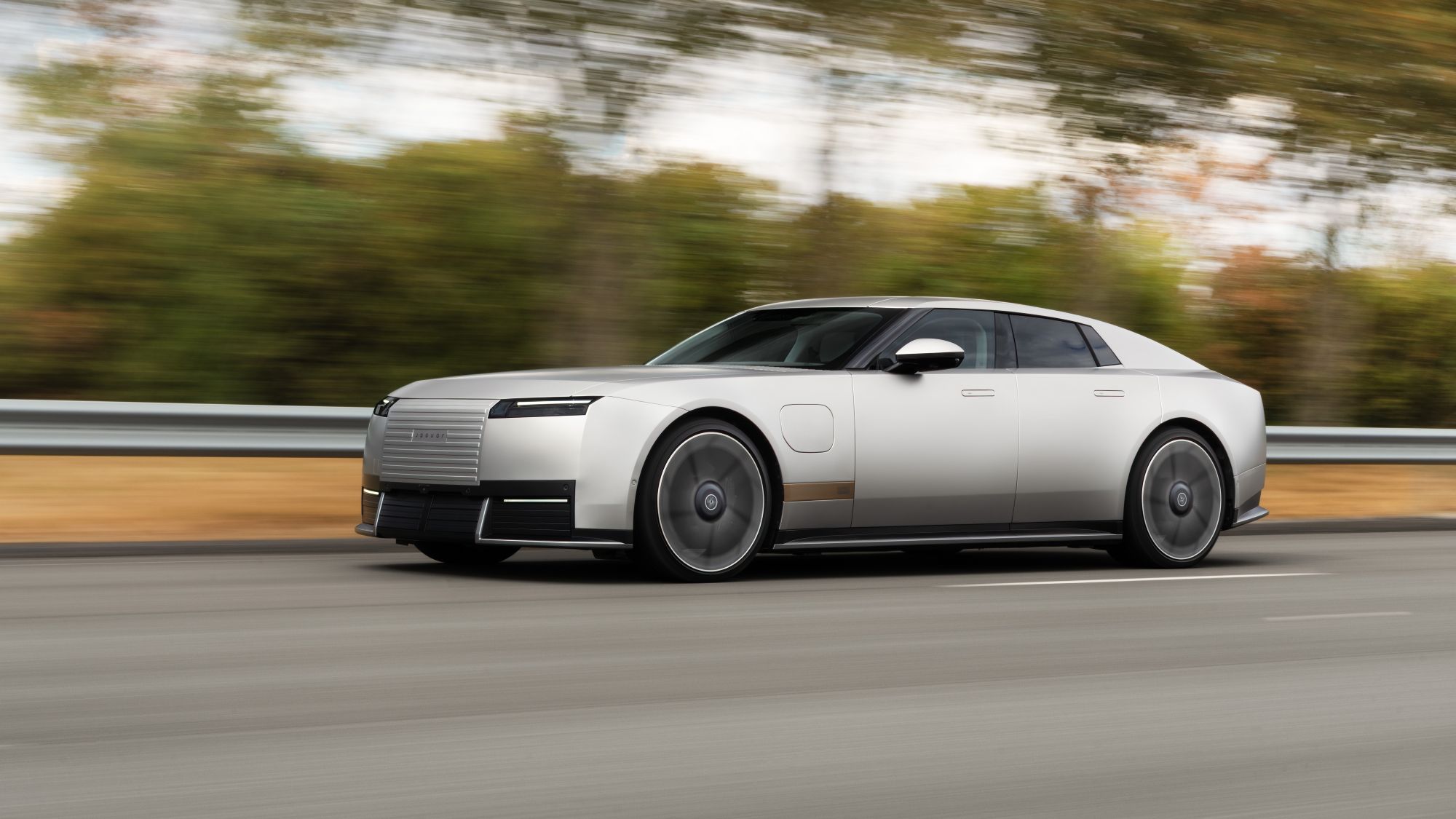
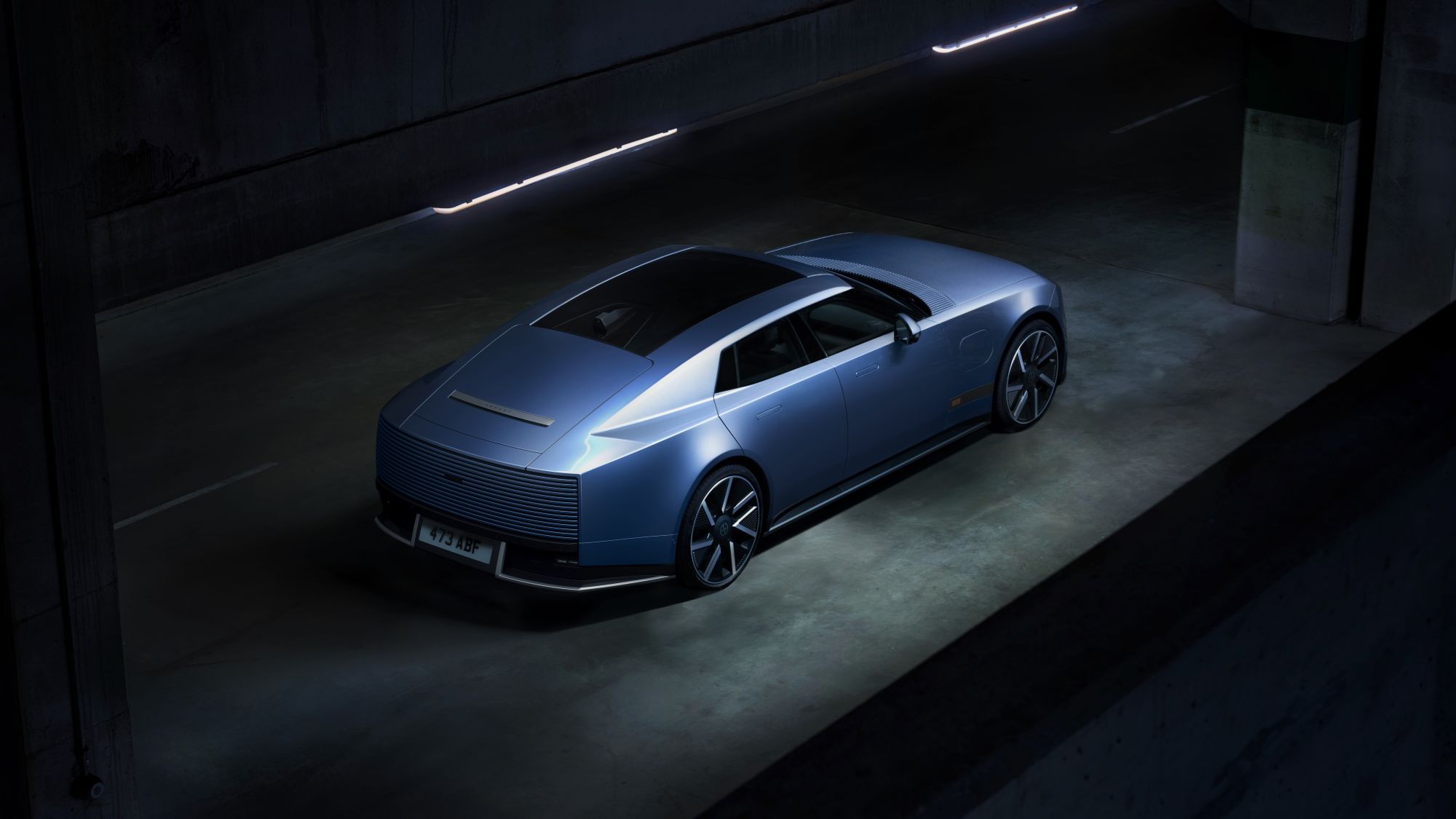
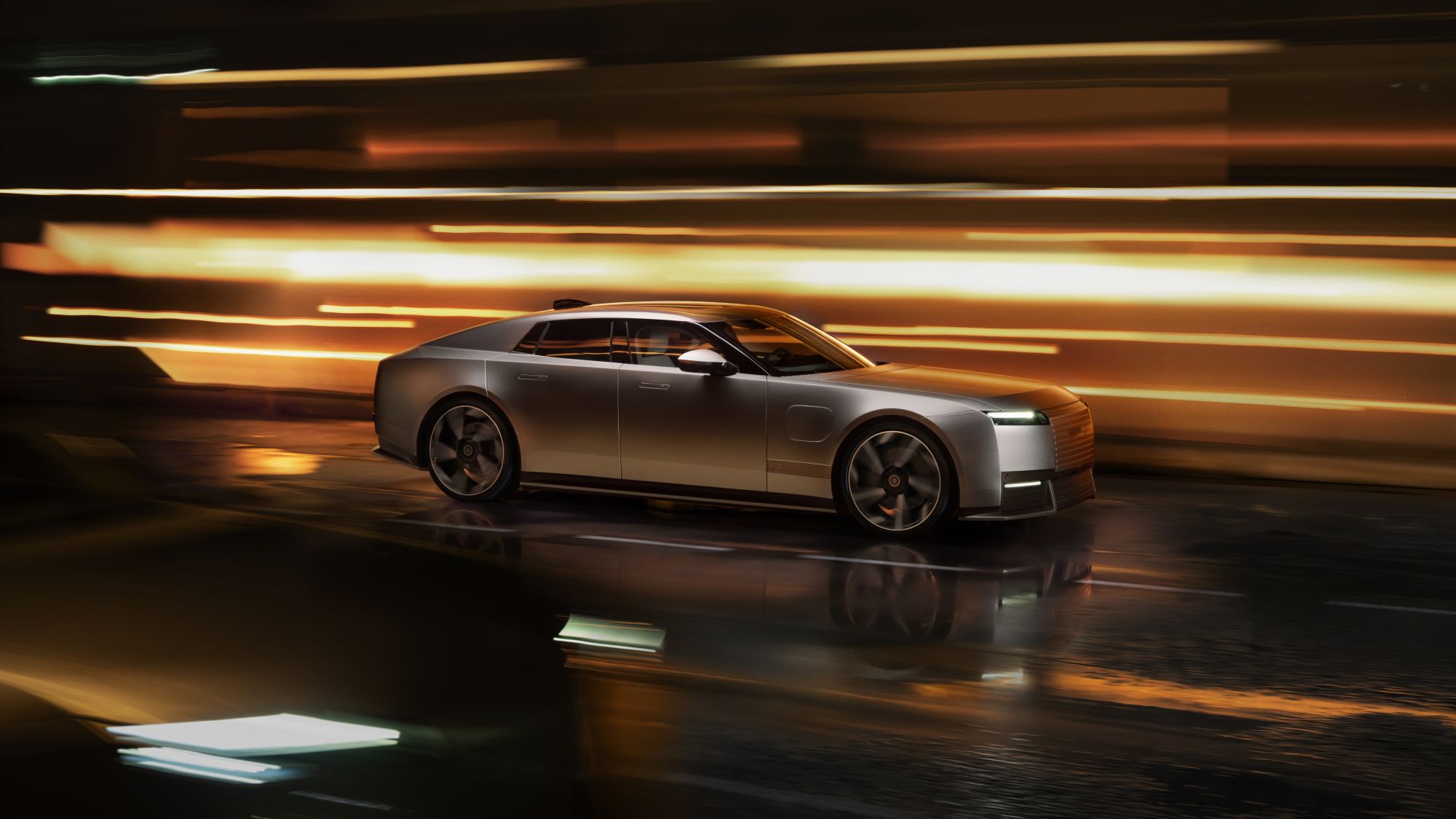
At the Auto China 2026 (aka, Beijing Auto Show) that ended earlier this month, Chinese EV (electric vehicle) technology leader Xiaomi EV showed the Vision Gran Turismo concept hypercar for the first time in Asia, after its debut earlier this year at MWC Barcelona 2026 (see our coverage here), and its full production vehicle lineup including the new-generation SU7 sedan, and shared launch plans for a GT version of its YU7 SUV.
In just two years, the new EV maker has delivered over 650,000 vehicles, with both the SU7 and YU7 becoming bestsellers in the Chinese market.
After two years of development, the new SU7 offers comprehensive upgrades in safety, handling, intelligence, and quality. During a recent livestream challenge, Lei Jun, the Founder, Chairman, and CEO of Xiaomi Group, drove a new SU7 Pro for 1313 km (815 mi) from Beijing to Shanghai with just one recharging stop, demonstrating its leading-edge range performance and energy efficiency.
In March, Xiaomi officially launched the new-generation SU7, its “driver’s car for a new era.” The electric sedan series is available only in Mainland China in three versions—Standard, Pro, and Max—starting from RMB 219,900, RMB 249,900, and RMB 303,900 (or about $32,400, $36,800, and $44,800), respectively.
The luxury C-segment sedan maintains the dimensions of the first-gen SU7, measuring 4997 mm (196.7 in) long, 1963 mm (77.3 in) wide, and 1445-1460 mm (56.9-57.5 in) tall, with a 3000-mm (118.1-in) wheelbase.
The main exterior updates are focused on color and craftsmanship for a more luxurious design while offering more extensive personalization choices. The most visible upgrade is a new air intake grille design, with enlarged C‑shaped decorative surround and wider brake‑cooling ducts, with now integrated 4D millimeter‑wave radar, enhancing both aerodynamics and intelligent sensing capabilities.
An electric front trunk comes to the entire lineup. Featuring a 105‑L (3.7-ft³) capacity and enough volume to accommodate a standard 20-in carry‑on suitcase, the trunk supports eight different opening methods.
However, under the slightly updated exterior are next-level upgrades to most vehicle systems.
Major interior refresh
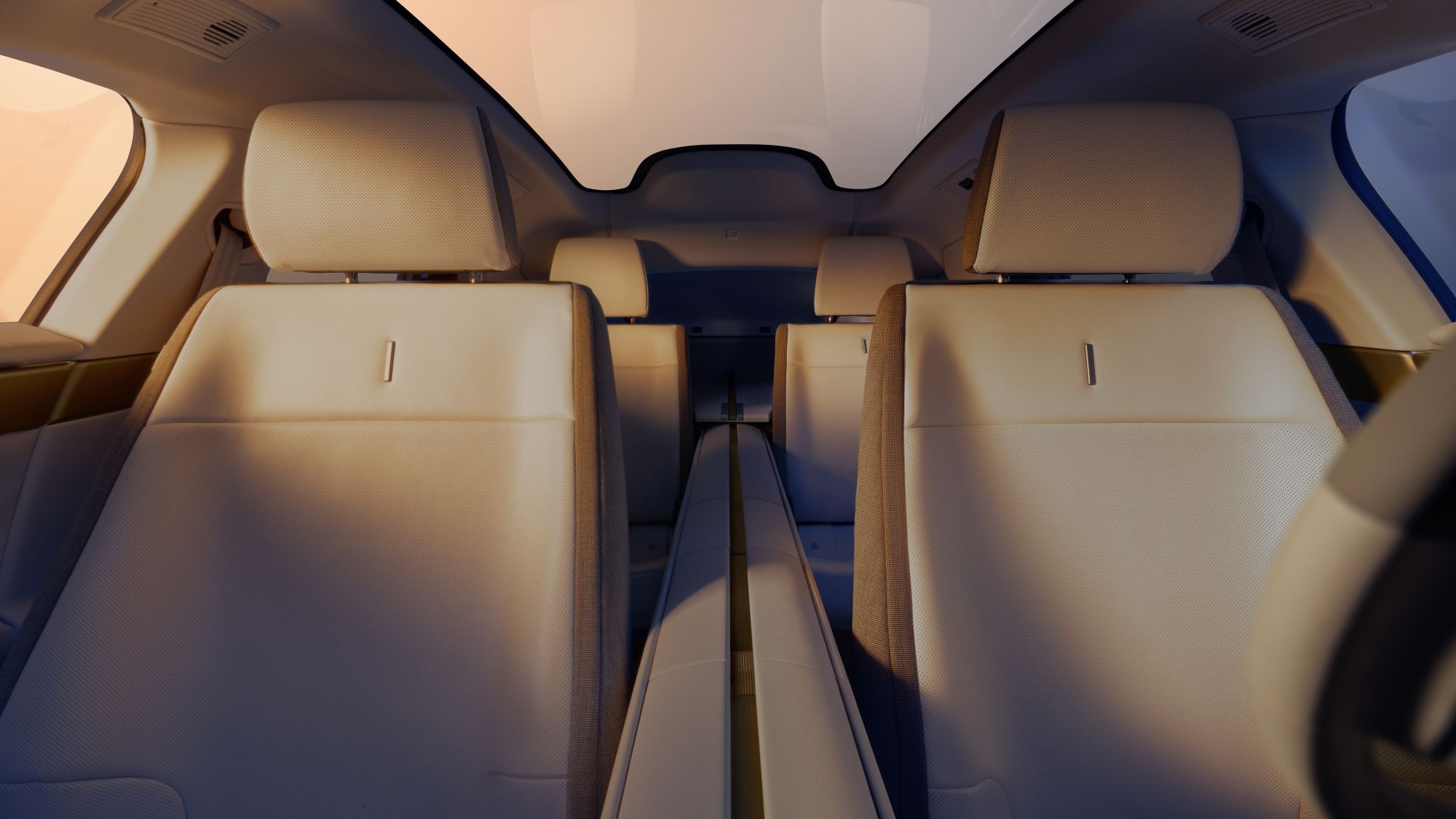
Comprehensive upgrades to the interior were meant to refine the car’s luxury focus through more premium materials and meticulous workmanship with a level of comfort above its class. The car’s cabin offers upgrades across interior color schemes, ambient lighting, and seat comfort for a more premium experience.
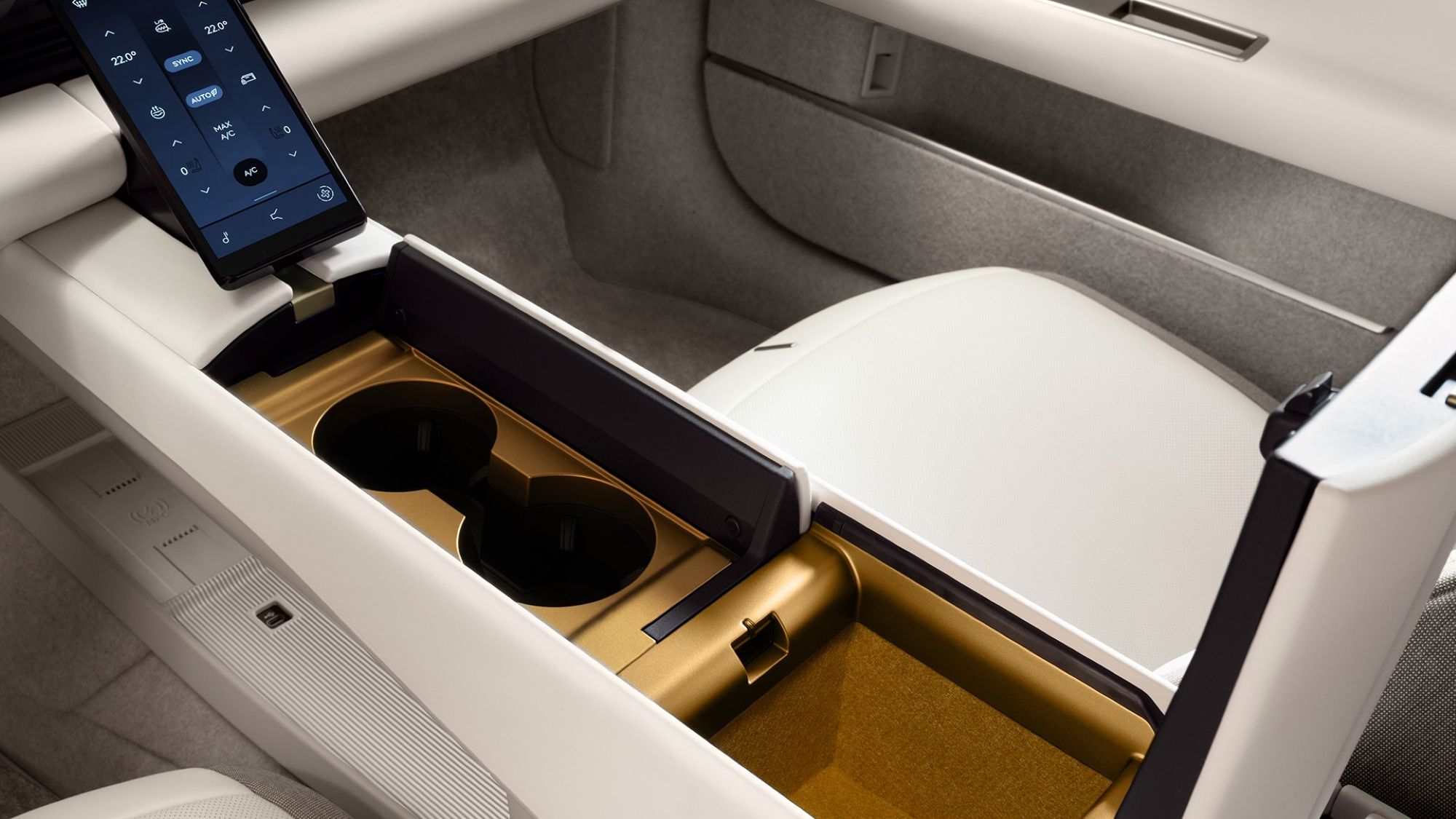
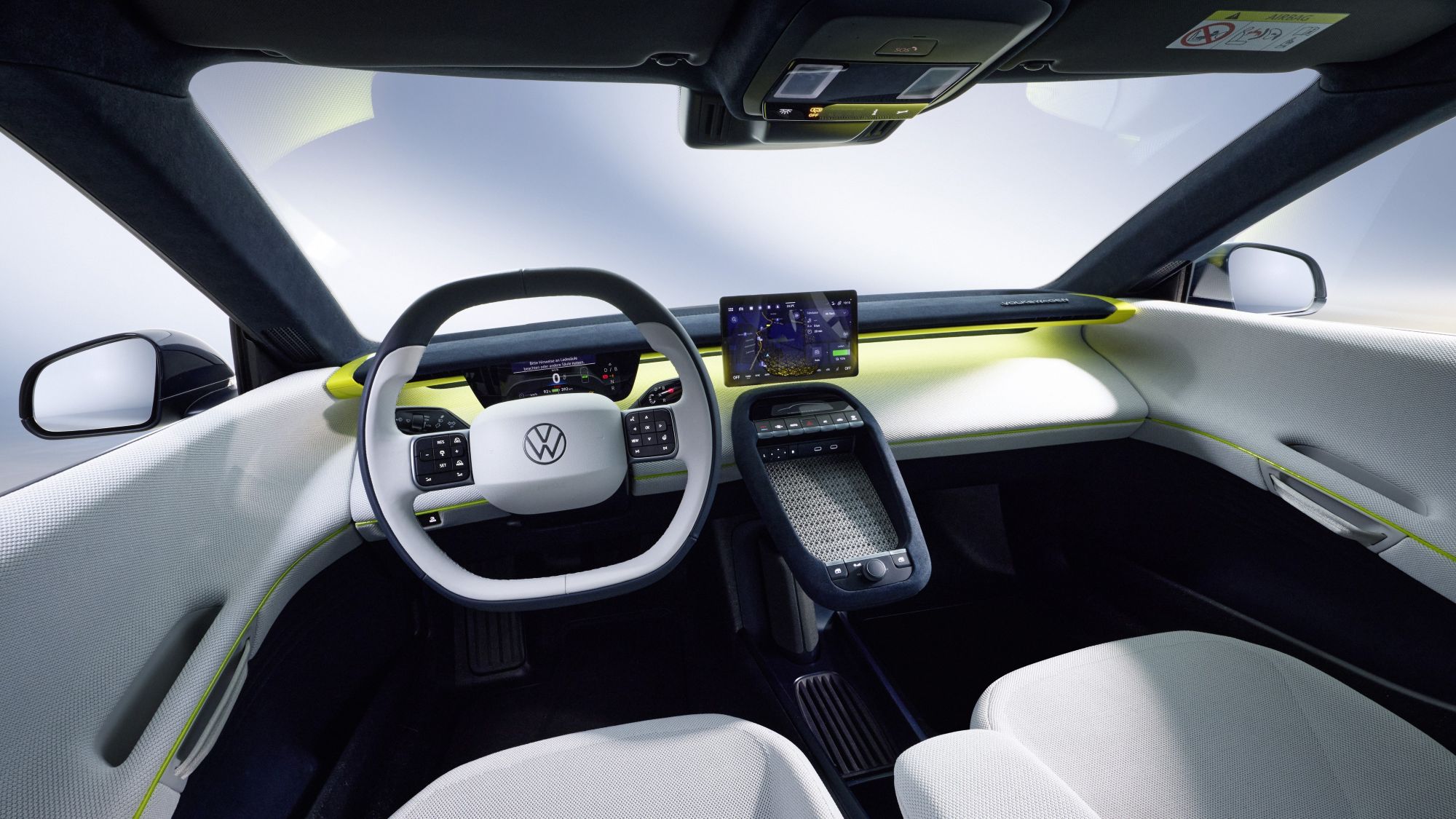
The central console gets a new symmetrical layout to improve visibility and operational convenience for both driver and front passenger, with “jewel‑like” electroplated buttons meant to elevate both tactile feedback and visual sophistication. Luxury quilting is applied to the door panels and seats, with additional metal nameplates and metal speaker grilles.
The wraparound ambient lighting is the longest in its class at 3636 mm (143 in). Extending from the central console to the rear row, it now forms a band of light encircling the cockpit. The lighting system has also been upgraded to a triple‑layer design, with direct light outlining the cabin’s contours and indirect lighting for an immersive ambience.
The front seats now feature a dual‑style design with three major improvements. Seat ventilation and heating are now standard across the lineup. The driver’s seat is now 18‑way power‑adjustable with newly added cushion extension, active side bolsters, and a 60-mm (2.4-in) power‑extendable leg rest. The front passenger seat is available with a new optional 123-degree “zero‑gravity” configuration with a dedicated massage mode optimized for recline and balanced full‑body support.
The rear seats received four key upgrades. They feature longer and thicker cushion side bolsters for enhanced lateral support; an additional 20 mm (0.8 in) of seat foam; an optimized recline angle of up to 121 degrees for a more relaxed posture to reduce fatigue; and widened, concave sleep-optimized headrests on both sides to securely support the head, ensuring greater stability and sleep quality during long journeys.
Xiaomi says that the new SU7 features the segment’s most extensive premium upholstered surfaces, with nearly 100% of high-frequency surfaces wrapped in soft materials. All materials are certified to the highest-grade OEKO-TEX Standard 100, guaranteeing they are free from over 1000 harmful substances and ensuring a safe and comfortable environment for all passengers, including pregnant women and children.
Acoustic laminated glass is now standard for all four doors, enhancing overall sound insulation, while the SU7 Max introduces an Ultra-Quiet Cabin with further noise and vibration reduction. These upgrades, along with the use of PVB acoustic laminated glass in both the windshield and panoramic roof and additional high-density soundproofing materials throughout the cabin, have improved the overall noise by over 4 dB, bringing cabin quietness to the level of D-segment luxury sedans.
Heat insulation and sun protection are significantly improved. All SU7 models now come with triple-silver coated windshields and double-silver coated roof glass as standard, while side windows feature heat-insulating glass for enhanced protection against both heat and sunlight. On top of these standard features, the SU7 Max debuts a new dual-zone silent EC dimming roof that allows independent brightness control between front and rear within 2 min.
The onboard refrigerator has been upgraded to a drawer-style unit with an independent compressor that enables faster cooling. It has three adjustable modes—Silent, Standard, and Performance—offering a wider temperature range, improved stability, and faster cooling.
The in-cabin sensory experience has been overhauled. In collaboration with the Chinese premium fragrance brand Documents, three exclusive new scents have been crafted for use with the in-car fragrance system.
Enriched multi-scenario experiences
The upgraded standard HyperOS-powered smart cabin system includes an updated rear remote control panel, enabling a more seamless user experience across all six in-car screens. This is complemented by a more advanced infotainment system and full compatibility with Xiaomi’s “Human x Car x Home” smart ecosystem.
The Hyper XiaoAi AI voice assistant has undergone a major overhaul with the addition of a new companion chat mode for more natural, intuitive interaction. The assistant now includes long-term conversation memory as well as extended scenario coverage and real-time web search. Updates to voice navigation improve understanding of vague or complex instructions and allow for multiple rounds of conversation, enabling drivers to easily plan routes and adjust waypoints with greater accuracy and flexibility.
The voice assistant can now perform tasks across multiple apps with a single command, leveraging its understanding of on-screen content to execute actions across popular in-car and phone apps. Its visual understanding also enables recognition of vehicles, buildings, road signs, and common plants and animals, making interactions faster and more intuitive.
The new cabin is designed to be more engaging for passengers, who can now select from five new virtual interactive animal companions to accompany them for the ride. Supporting voice interaction and personalization, the companions can also be used in tandem with two magnetic physical plushies (toys) that use NFC to integrate with the vehicle system. Dynamic photo capture has been added to the car cameras, expanding the range of shooting angles and improving content quality to help capture moments on the road.
Other vehicle intelligence upgrades include a new urban navigation system that supports full-scenario lane-level navigation and the display of landmarks and real-time traffic events in 3D for improved intuition and usability.
The customizable HUD navigation on the SU7 Max includes Immersive, Combined, and Persistent modes for more accurate and immersive navigation.
A new Transparency Mode enhances safety during low-speed driving and reversing, using omnidirectional sound penetration to enable communication between the interior and exterior without opening windows. The mode also provides 3D position alerts that can accurately identify hazard directions, improving car and pedestrian safety.
The upgraded off-board security protection includes a reconstructed vehicle vibration detection algorithm that identifies abnormal vibrations with claimed 100% accuracy. Sentry Mode adds real-time Exterior XiaoAi voice alerts, high-risk event playback, and intelligent annotation review to protect the vehicle when parked and unattended.
Powertrain and chassis upgrades
The new Xiaomi Smart Chassis 2.0 brings comprehensive upgrades across core electric and powertrain systems for more composed driving and better performance.
The car’s HyperEngine V6s Plus electric motor comes to the entire lineup alongside an upgraded high-voltage platform, delivering faster acceleration, lower energy consumption, quicker charging, and a CLTC range of up to 902 km (560 mi). With a maximum rotational speed of 22,000 rpm, it powers the car from 0–100 km/h (0-62 pmh) in as little as 3.08 s and to a top speed of 265 km/h (165 mph).
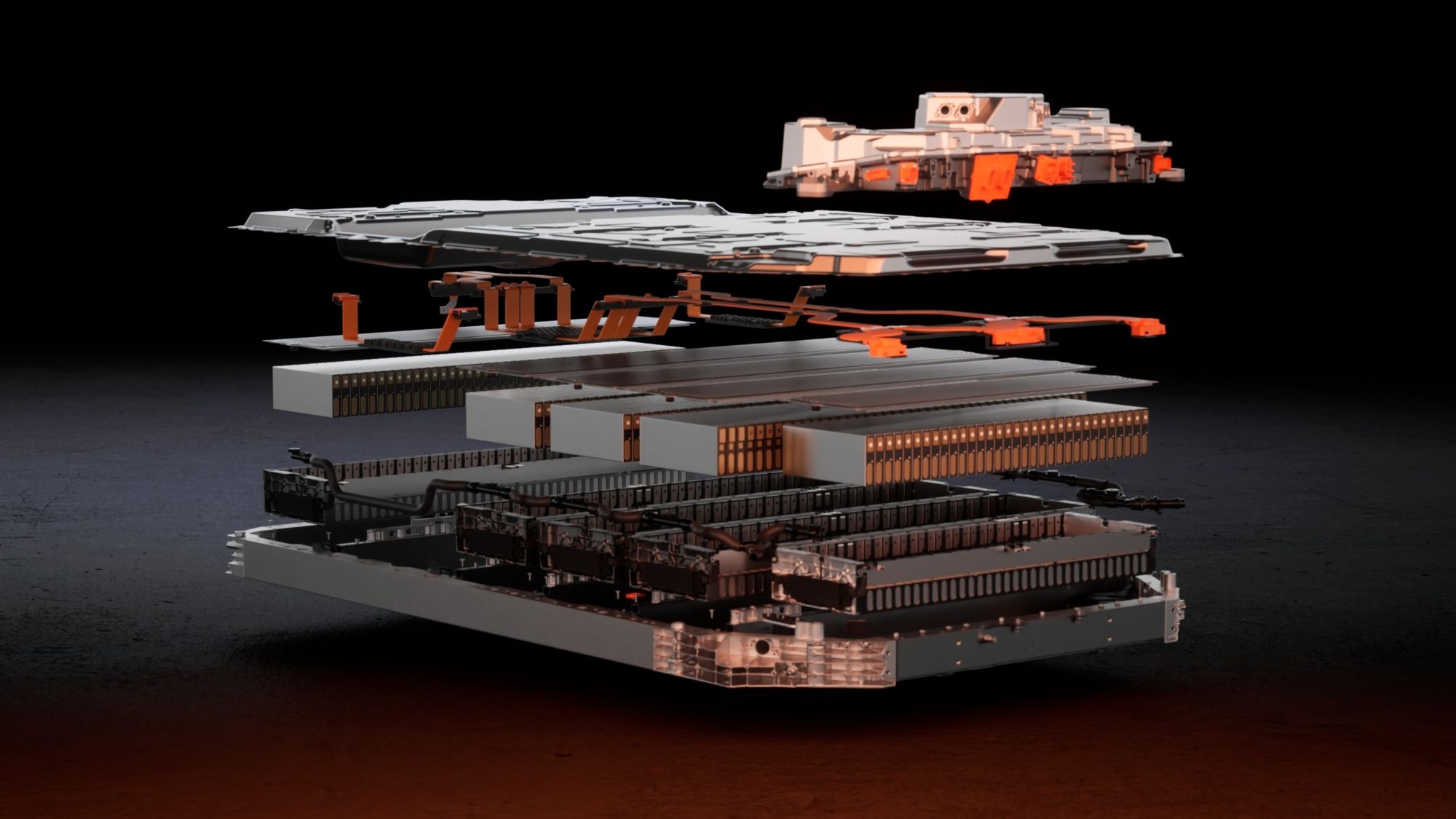
Range is said to be class-leading thanks to CTB (cell-to-body) integrated battery technology across the series, with a pack volumetric energy density of up to 83.9% that boosts energy capacity without increasing volume. This enables a CLTC range of 720 km (447 mi) on the Standard model, 835 km (519 mi) on the Max, and that 902 km on the Pro.
Further improvements to energy efficiency come from upgraded energy flow management that increases the battery-to-wheel energy transfer efficiency to 94%, with combined consumption as low as 11.7 kW·h/100 km for highly efficient energy utilization.
The ultra-fast charging has been upgraded, delivering up to 670 km (416 mi) of CLTC range in 15 min and charging from 10 to 80% in as quick as 12 min, with a peak charging rate of 5.2C.
The SU7’s new Xiaomi Smart Chassis 2.0 gets improvements across hardware, software, intelligence, and real-world driving experience. It features a double wishbone front and five-link rear suspension across all models.
The chassis automatically detects road conditions and actively adjusts the closed dual-chamber air-spring system and continuous damper control to absorb impacts and increase damping to stabilize the body for notable improvements in ride comfort. The system also supports variable suspension adjustment with location memory that automatically raises and lowers suspension based on GPS location for improved ride in variable terrain.
It offers three suspension modes (Comfort, Sport, and Sport+) with independently adjustable stiffness. Multi-mode tuning expands the chassis bandwidth, delivering both dynamic performance and daily comfort. Suspension height is also adjustable across four levels from -20 to +30 mm (-0.8 to +1.2 in) from normal for 50 mm (2.0 in) total, allowing for improved clearance on rough roads as well as better aerodynamics and reduced drag on the highway.
Refined tuning results in enhanced steering performance. The system gets reduced friction and a 12.5:1 steering ratio (vs. the typical 15:1 in “family cars”) ensures a quicker, more direct response.
The upgraded braking system now includes four-piston fixed front calipers across the lineup, maintaining consistent performance through 40 consecutive 100–0 km/h stops without fade on the Max version. Brake feel on all three trims is tuned to match the SU7 Ultra, delivering faster responses, stronger feedback, and improved pedal precision. With 265-mm-wide rear tires across the range, the vehicle delivers significantly enhanced stability and grip.
The Smart Chassis 2.0’s wet-road AI detection technology has been updated to include an automatically enabled enhanced stability control mode. Using data from rain sensors, external temperature sensors, microphones, and cameras, the system analyzes the environment in real-time to determine road grip. The system prompts the driver to switch to Wet Mode, which then automatically manages AWD torque distribution (on the Max version) and limits regenerative braking intensity.
Upgraded XLA architecture and assisted driving
More advanced intelligence is enabled by an integrated four-in-one domain control module. More compact and lightweight, it enables end-to-end optimizations that are more energy efficient while being built to durability standards more than twice the industry average.
It integrates two flagship 4-nm chips: Qualcomm‘s Snapdragon 8 Gen 3 for cabin computing and Nvidia Drive AGX Thor computing platform for assisted driving. Cutting-edge protocols, including UWB and Wi-Fi 7, are also supported for improved connectivity stability, while Sentry Mode boasts a large 40% increase in energy efficiency.
With up to 700 TOPS of computing power, the Drive AGX Thor computing platform delivers a 37.8% increase in power over the previous generation, while the Blackwell architecture enhances parallel computing performance and deep-learning capabilities. With support for higher-speed data transmission, more connectivity options, and a high-performance DDR cache, the system delivers significantly improved response speeds and efficiency.
Feeding into this system, the updated sensor suite features lidar, a 4D millimeter-wave radar, eleven high-definition cameras, and twelve ultrasonic sensors, enabling higher perception coverage and faster, more reliable assisted driving performance across virtually all scenarios.
Perception is further improved by upgraded ALD-coated ultra-transparent anti-glare cameras that reduce the effects of daytime backlight and nighttime glare to improve image capture accuracy and overall system stability.
All models come with front and rear camera dirt detection. Linked to the assisted driving system, the detection model compares consecutive frames captured by the camera to quickly identify dirt and runs an automatic 2.5-bar (36-psi) high-pressure wash.
The new XLA Architecture marks a major upgrade of Xiaomi’s assisted driving architecture, evolving from “imitating humans” to “truly understanding the world.” The company says that the MiMo-Embodied foundation model it is built on is the first to unify cognition across assisted driving and embodied robotics, the XLA enabling bidirectional knowledge transfer between the two domains.
To ensure coverage of rare events, the architecture moves beyond the limitations of traditional data-driven imitation learning, enabling contextual understanding and reasoning. It can infer and respond to corner cases, empowering the system to progressively develop human-like decision-making capabilities.
The XLA introduces voice-controlled assisted driving, allowing users to perform lane changes, adjust speed, and modify following distance via voice commands. With enhanced understanding of complex environments, the system supports defensive driving through real-time risk prediction and proactive response, identifying potential hazards in advance and improving overall driving safety.
A new voice parking feature enables users to set parking styles through in-car voice commands or initiate parking directly through exterior voice interaction.
The XLA architecture also achieves parking spot-level navigation in commercial parking garages. Said to be a first in the industry, it enables precise routing to specific destinations such as elevators and charging stations, completely redefining the standard for smart parking.
Enhanced safety with new UHSS
The new-generation SU7 exceeds both C-NCAP and C-IASI safety ratings, undergoing full-scenario, all-seat crash testing with female dummies. Xiaomi’s proprietary 2200-MPa (31.9-ksi) UHSS (ultra-high-strength steel) and aluminum alloy accounts for 90.3% of the body structure across the full lineup, significantly enhancing structural safety, while key structural upgrades further improve body safety performance.
The 2200-MPa steel features 40% greater tensile strength compared with 1500-MPa (21.8-ksi) steel, providing better resistance to deformation in extreme events such as underride collisions and rollovers.
Using hot gas forming technology, the high-strength steel has been molded to form a new integrated roll cage from the A-pillar to the C-pillar. On the sides, newly added 2200-MPa ultra-high strength steel four-door impact beams increase load-bearing capacity by over 28% compared with 1500-MPa materials, effectively reducing cabin intrusion during side impacts and improving occupant protection.
Rear passenger safety is upgraded, with nine airbags included as standard across the lineup for enhanced rear-passenger safety in side-impact scenarios and broader overall accident coverage.
The full lineup features an integrated mechanical cable mechanism for the door handles and a dedicated backup power supply that is fully compliant with the upcoming 2027 Chinese national safety standards. Even in extreme cases where the 12-V battery is disconnected after a collision, doors can still be unlocked from both sides, allowing occupants to exit the vehicle safely.
-

- Xiaomi SU7 front side.
-

- Xiaomi SU7 rear side from above.
-

- Xiaomi SU7 front detail.
-

- Xiaomi SU7 interior.
-

- Xiaomi SU7 triple-layer surround ambient lighting.
-

- Xiaomi SU7 features soft-touch OEKO-TEX high-contact interior surfaces.
-

- Xiaomi SU7 child-engaging magnetic plushies (toys).
-

- Xiaomi SU7 air suspension.
-

- Xiaomi SU7 steel-aluminum body structure.
-

- Xiaomi SU7 2200-MPa UHSS applications.