Hyundai Motor Co. unveiled the Ioniq 3, a fully electric and stylish compact CUV (crossover utility vehicle) designed for Europe at Milan Design Week two weeks ago, and late last week, the company debuted the vehicle’s Pleos Connect infotainment system at a media event at UX Studio Seoul.
The new model is the latest entry for the brand as it accelerates its electrification push in Europe, with every model in its regional range to be available in an electrified version by 2027.
“The new B-segment EV was designed specifically for Europe, by European designers, for European customers,” said José Muñoz, President and CEO of Hyundai Motor Co. “We did it in Milan, as design is one of the top reasons customers choose Hyundai.”
The B-segment is one of the most important segments on the continent.
“We are entering it with a product that competes on design, quality, and technology, not just price,” he added.
Muñoz said that Europe represents 15% of its global sales, but it is growing in strategic importance for the company. About 75% of Hyundai vehicles sold in Europe are designed, developed, and produced there. The company has made significant investments to expand its Technical Center, expand its Czech plant, and make its Turkish plant, which will produce the Ioniq 3, fully EV-ready.
More affordable option
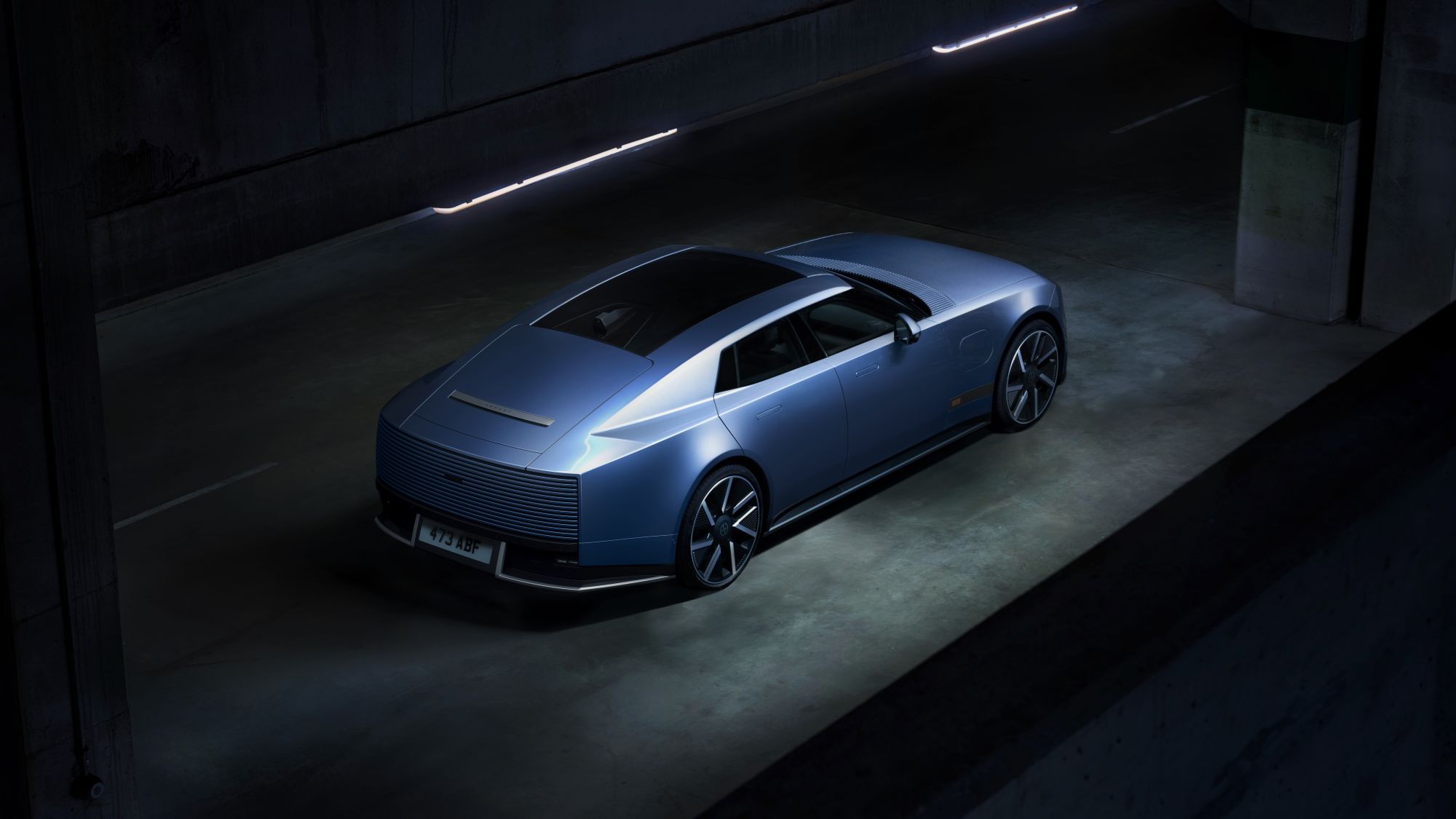
The smaller, more affordable option to the Ioniq 5 and 6 will be available in two versions—Standard and sportier N-Line—and features the company’s “Art of Steel” design approach, with more intuitive technology and ample interior space for its class.
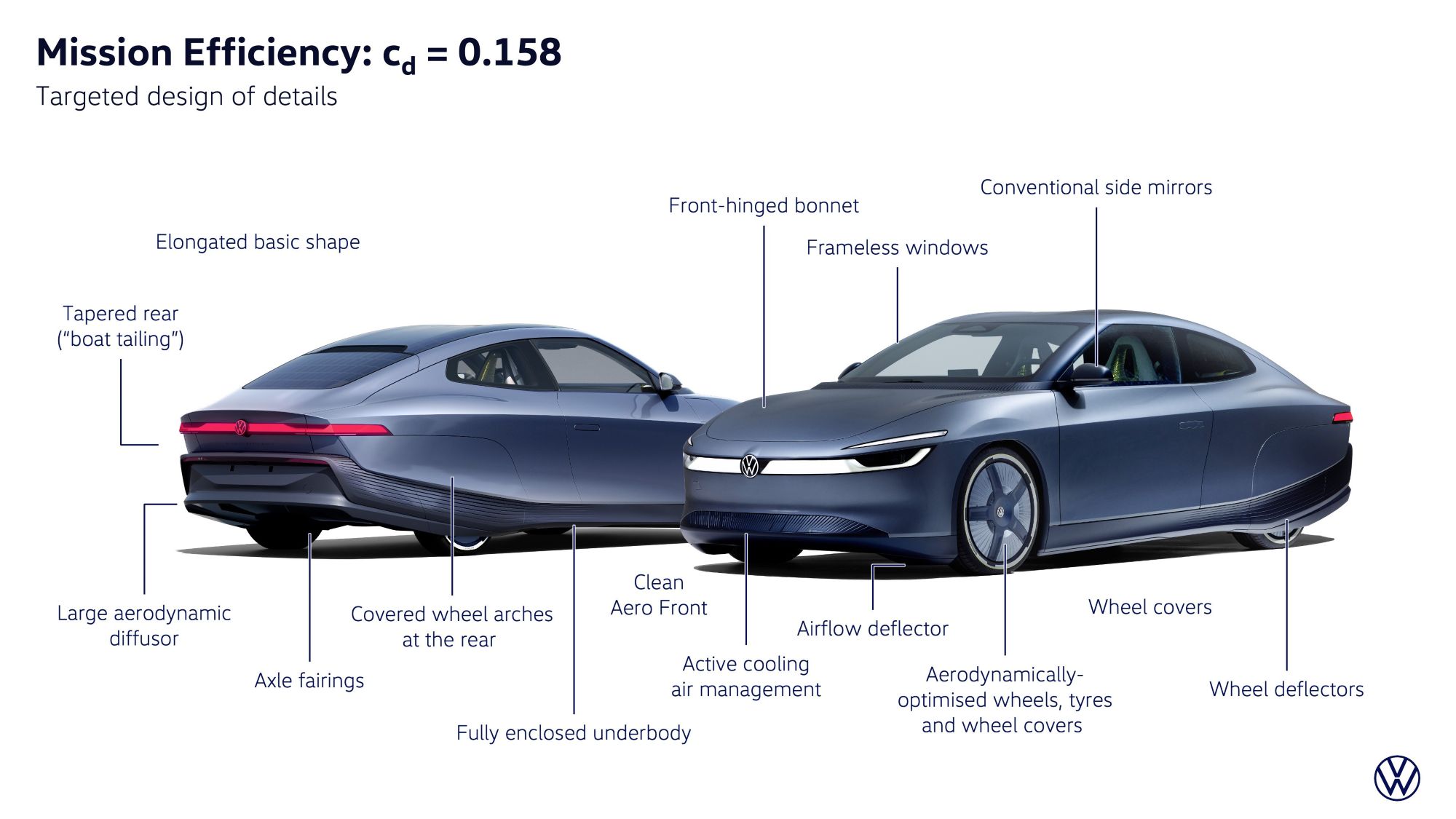
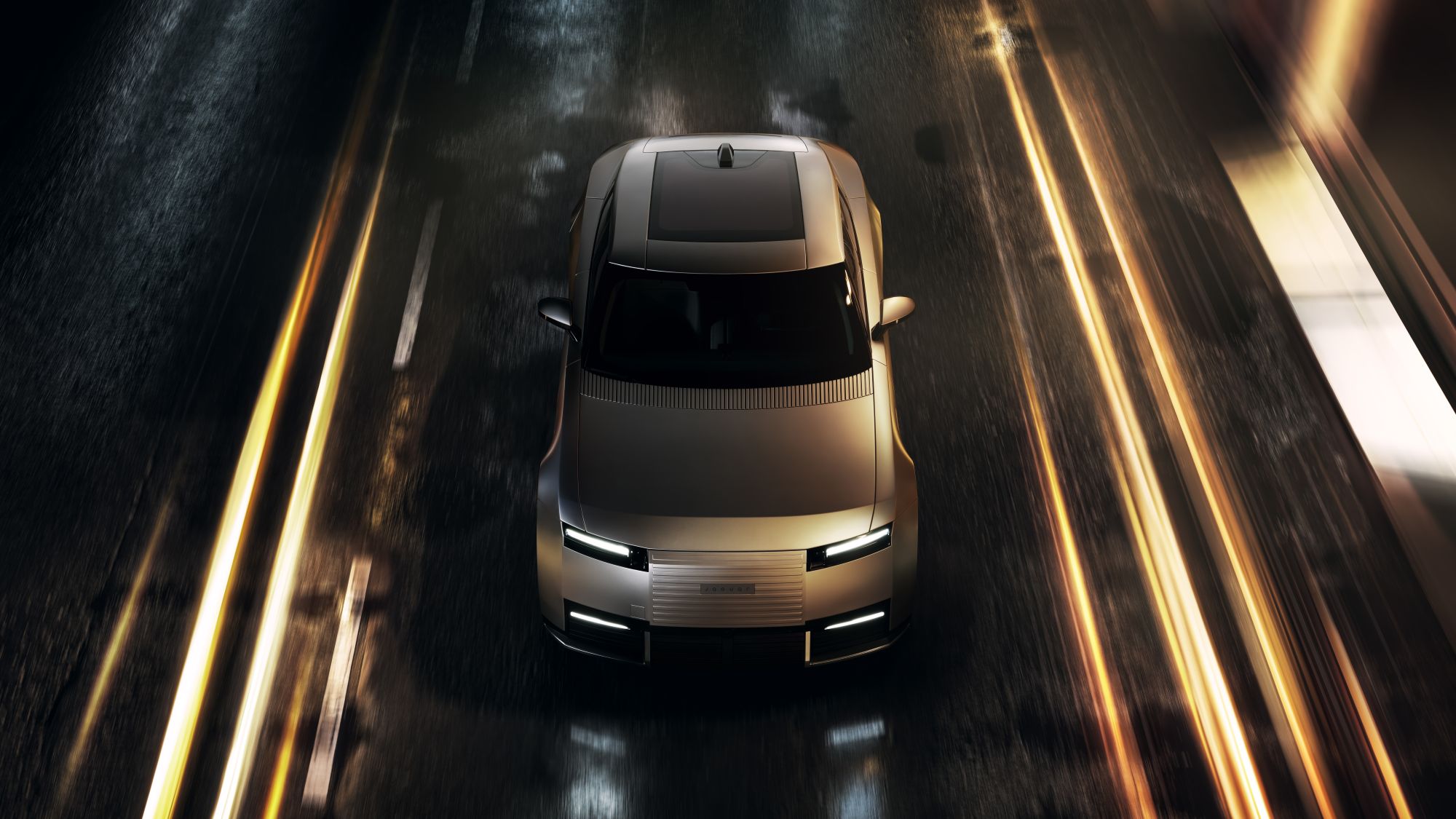
Sharing some visual similarities with its larger and more expensive siblings, the Ioniq 3 sets a unique design tone for Hyundai with its new “Aero Hatch” approach, which the company says provides a balance between interior space and aerodynamic efficiency. The approach gives the model a sportier look, compared to the other CUVs in the Hyundai portfolio, and an expected class-leading drag coefficient of 0.263.
“With Ioniq 3, we are bringing the bold design, driving enjoyment, and advanced features of the Ioniq brand to a broader range of customers across Europe,” said Xavier Martinet, President and CEO of Hyundai Motor Europe. “Built for people’s real everyday needs, Ioniq 3 combines an expected segment-leading driving range and aerodynamics with extraordinary levels of space, comfort, and practicality. Ioniq 3 also marks the debut of the Pleos Connect infotainment system, delivering sharp graphics, an intuitive user experience, and broad customization options, raising the bar for the segment.”
The car is built on Hyundai Motor Group‘s E-GMP (Electric-Global Modular Platform) with a lower-voltage 400-V architecture, which the company says can efficiently support everyday use. The 1550-1580 kg (3417-3483 lb) CUV is 4155-4170 mm (163.6-164.2 in) long, 1800 mm (70.9 in) wide, and 1505 mm (59.3 in) tall on a 2680-mm (105.5-in) wheelbase.
The front-wheel-drive crossover’s powertrain produces 108-100 kW and 250 N·m (184 lb·ft) for a top speed of 106 mph (170 km/h) and 0-62 mph (0-100 km/h) acceleration time of around 9.0-9.6 s.
Two battery options are available: a 42.2-kW·h Standard Range with a projected 214 mi (344 km) and a 61-kW·h Long Range capable of a class-leading 308 mi (496 km) measured by the WLTP protocol. Fast DC charging from 10% to 80% is about 29 min under normal conditions, and AC charging capability is available at up to 22 kW.
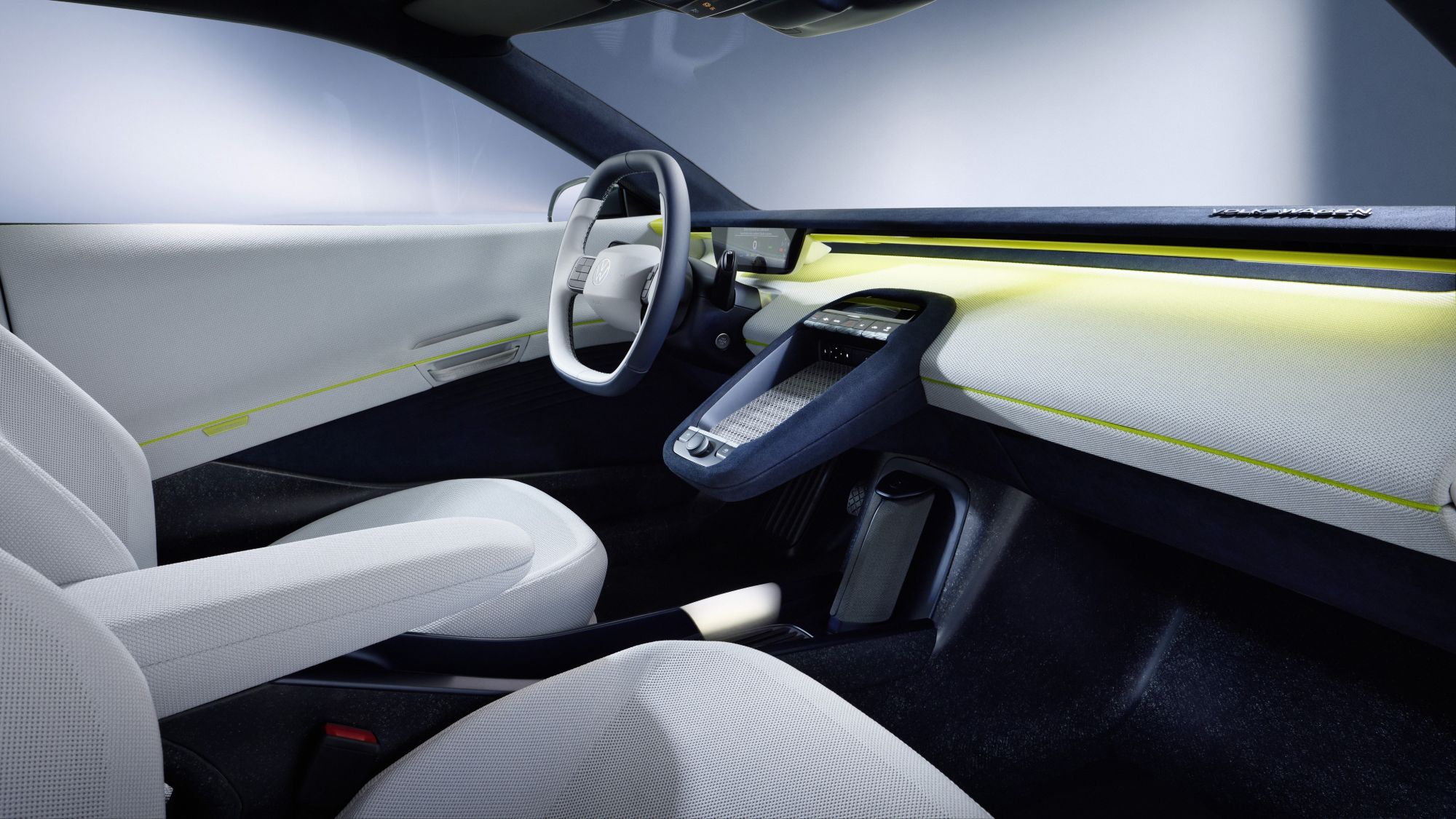
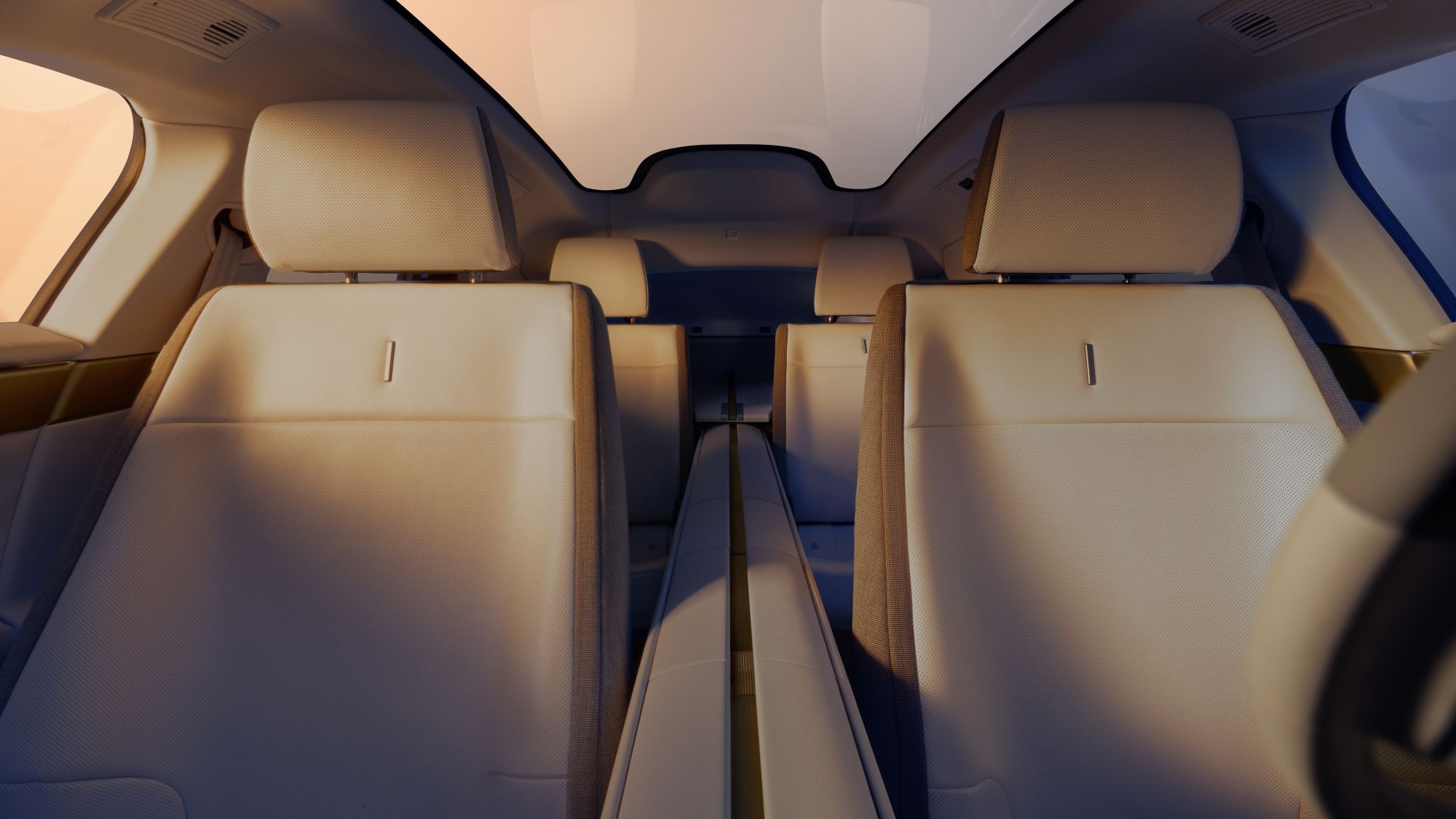
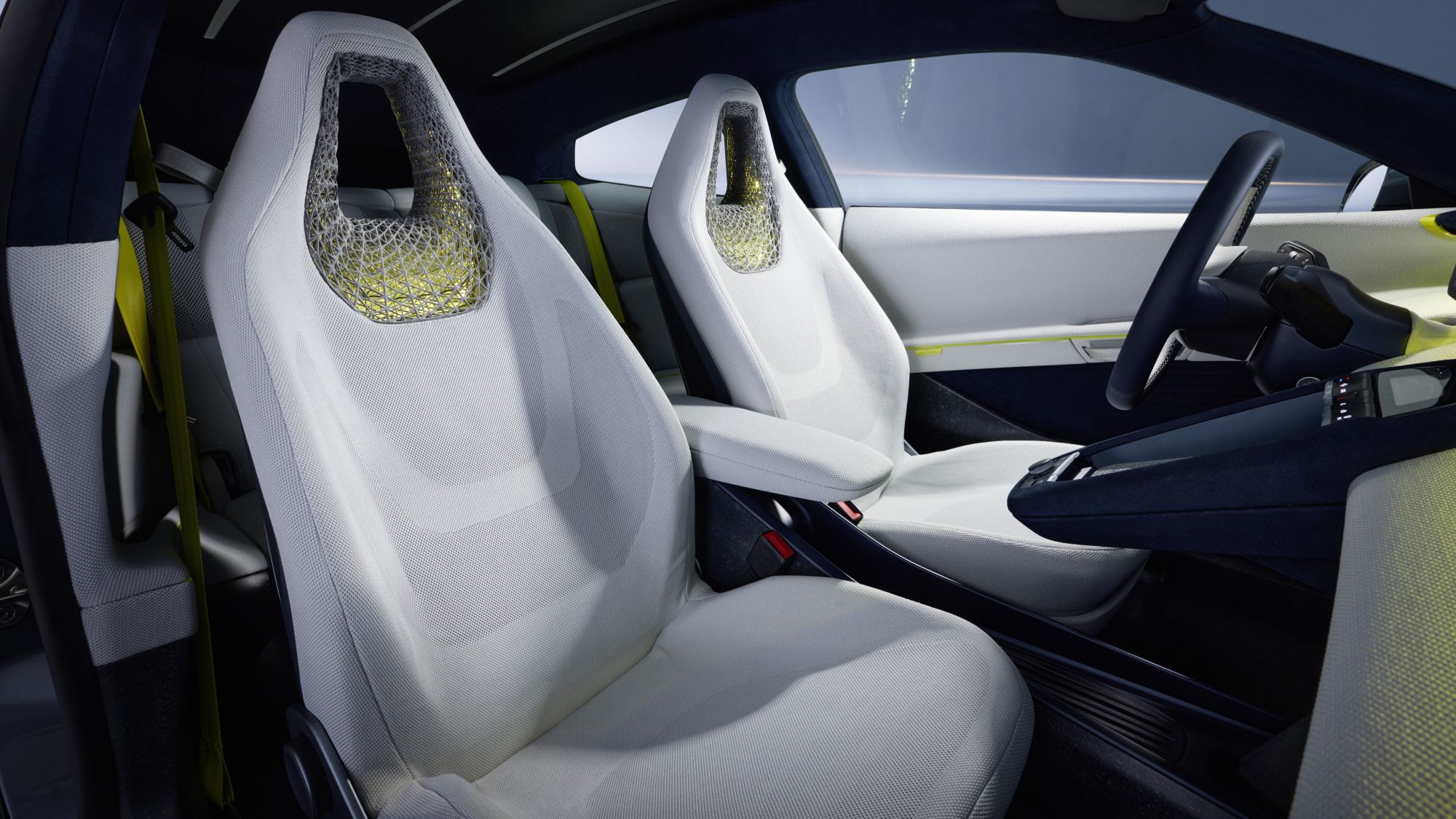
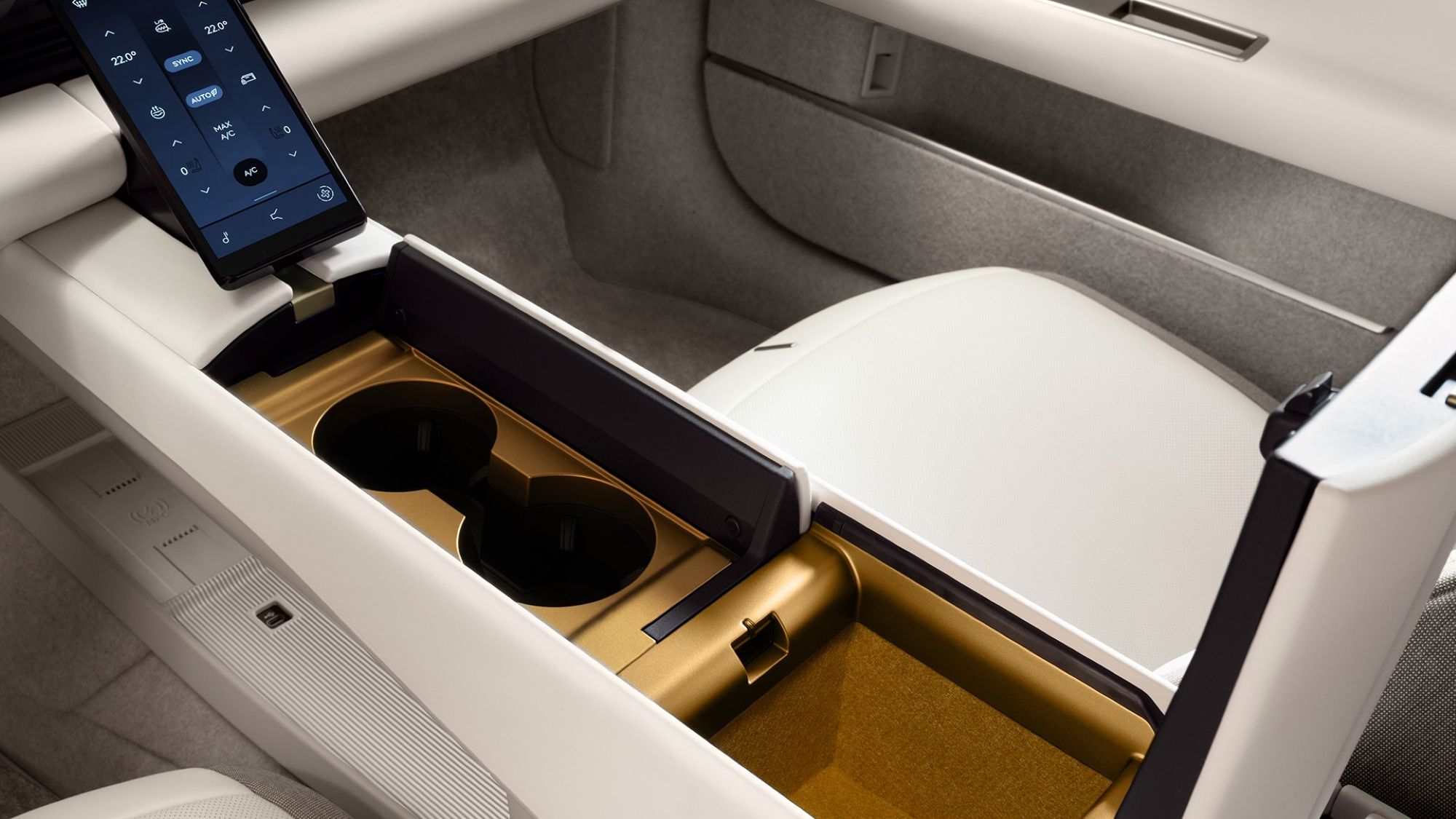
The Ioniq 3’s “Furnished Space” interior offers a flat-floor layout with “genuine” five-seat comfort. Hyundai says its two-row CUV will comfortably accommodate three adults in the rear and provide 15.6 ft³ (441 L) of luggage capacity split between the rear trunk and front Megabox.
Features such as Hyundai Digital Key 2 enable keyless access via smartphone or wearable devices, while Plug & Charge, an integrated EV route planner, and interior and exterior V2L (vehicle-to-load) functionality support the electric driving and charging experience.
Hyundai includes its latest SmartSense ADAS (advanced driver assistance system) to support safety and reduce driver workload. Key features are highway driving assist 2, remote smart parking assist, memory reverse assist, surround view monitor, and blind-spot view monitor, supported by seven standard airbags.
Prices are expected to be announced by Hyundai later this year. The company did not disclose any plans to make the Ioniq 3 available in other world markets.
European debut for Pleos Connect
With ease of use in mind, Hyundai made the Ioniq 3 its first European model to feature the Pleos Connect infotainment system based on the AAOS (Android Automotive OS). It comes with a 12.9-in or 14.6-in display for access to vehicle functions, navigation, and connectivity.
Hyundai Motor Group says Pleos Connect marks its first tangible step toward an SDV (software-defined vehicle) architecture, reinforcing the Group’s transition into a software-driven mobility technology company. The company says that the next-generation in-vehicle infotainment system is designed to fundamentally transform the customer mobility experience.
Debuted at a media event at UX Studio Seoul on April 29th, Pleos Connect represents the mass-production version of the research and development concept first unveiled at the Group’s Pleos 25 developer conference in 2025.
The system is built on three core development pillars—intuitiveness, safety, and openness—to combine a mobile-friendly user environment with advanced artificial intelligence (AI) to create a highly scalable and intuitive platform. It debuts on the new Grandeur in Korea this month, followed by a phased global rollout including the Ioniq 3. The Group aims to equip about 20 million Hyundai, Kia, and Genesis vehicles with Pleos Connect by 2030.
“Pleos Connect is a next-generation infotainment system that offers customers an elevated mobility experience by combining a mobile-friendly platform with advanced AI technology,” said Jongwon Lee, Senior Vice President and Head of the Feature & CCS Sub-Division at Hyundai Motor Group. “With the new Gleo AI and an open app market, users will experience the limitless potential of future mobility.”
The design of Pleos Connect is centered on intuitiveness and simplicity, featuring a combination of touch and physical controls. The system’s user experience (UX)—developed through extensive research into driver behavior by the Group’s UX Studios in Seoul, Irvine, Frankfurt, and Shanghai—mirrors the familiarity of a mobile device to enhance ease of use and minimize driver distraction.
“Pleos Connect is a platform born from our deep commitment to understanding customers’ mobility experiences,” said Changsub Kim, Senior Research Engineer on the UX Strategy Team at Hyundai Motor Group.
Group engineers significantly advanced the navigation system in Pleos Connect to be more convenient, efficient, and less complex with a data-driven layout, modular interface, and real-time route guidance.
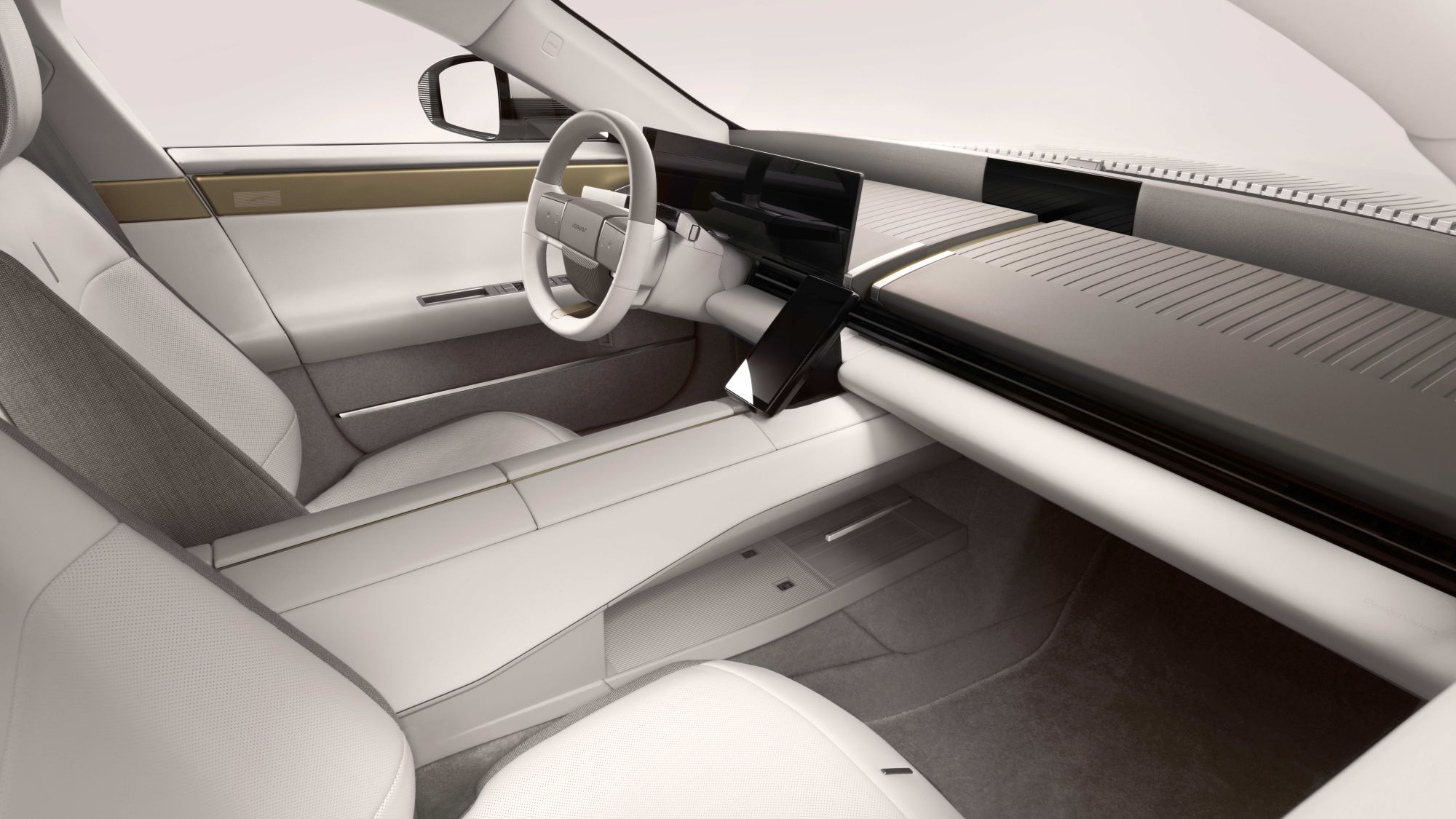
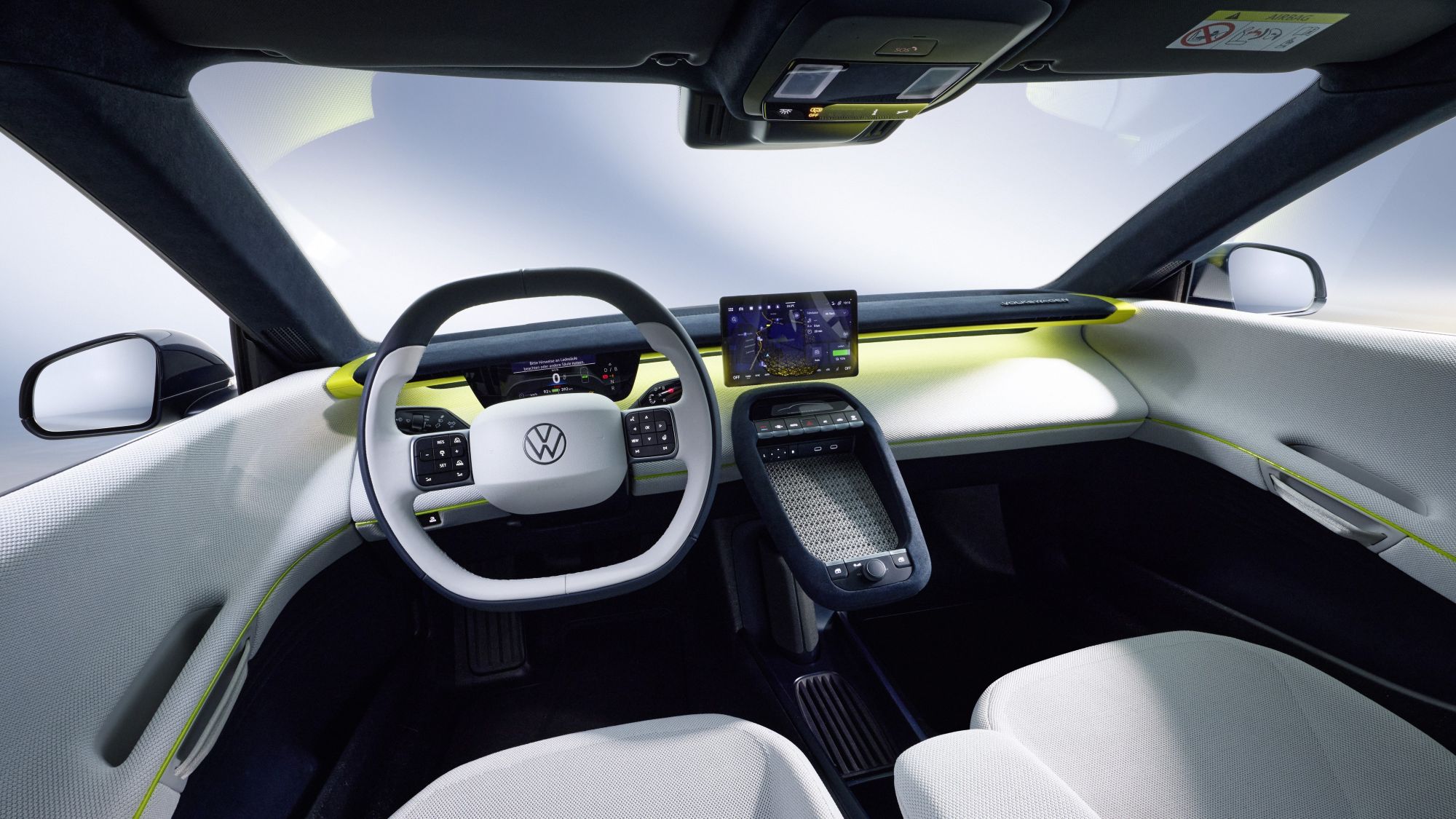
The Pleos Connect cockpit features two main displays. The large central wide-view display is divided into three main sections: the driving information screen, the app screen, and the bottom bar. A slim display positioned directly in front of the driver is designed to keep the driver’s focus forward.
The inclusion of physical buttons on the steering wheel and below the large central screen allows for quick and safe access to key controls without using the touchscreen. A three‑finger gesture allows drivers to easily reposition app windows or instantly close unnecessary apps, supporting safer and more convenient interaction with in‑vehicle applications.
Gleo AI voice assistant
At the heart of Pleos Connect is the Gleo AI, an advanced LLM (large language model) voice assistant. Currently, Gleo AI’s operations are centered on vehicle control and convenience features, but the system is scheduled to be linked with a variety of application services in the future.
With Gleo AI, users can manage navigation, adjust climate settings, and access vehicle manual information using natural language. It uses conversational and driving context to accurately interpret abstract commands like “navigate there” or “find a restaurant near here.”
It can recognize and execute multiple commands within a single request and respond to user questions on topics such as the news, weather, and sports through web searches. The system can identify the speaker’s location within the cabin to execute precise commands, such as “turn on my heated seat.”
“Gleo AI is an intelligent AI agent that engages in natural conversation like a companion in the passenger seat, understanding user intent and making holistic, context‑aware judgments,” said Jongho Lee, Team Lead of the Gleo AI Group at 42dot, the South Korean autonomous driving software and mobility AI startup acquired by Hyundai Motor Group in 2022. “Going forward, Gleo AI will continue to evolve with more advanced personalized services, helping deliver a more enjoyable and convenient mobility experience for customers.”
In addition, Pleos Connect introduces an App Market, an open platform for third-party services that extends the user experience beyond driving. The market enables a connected in-car experience that mirrors the user’s mobile life, with initial partners including Naver for maps and auto services. Services such as YouTube, Spotify, Essential, and Genie are available directly from the system without needing a smartphone connection.
“The App Market is a creative platform where any developer can completely reshape the paradigm of the mobility experience,” said Chee-Hyung Yoon, Group Lead of the Pleos Playground Group at 42dot.
The Group plans to expand offerings to include gaming, entertainment, and vehicle management services through external partnerships. The Pleos Playground platform provides developers with the APIs and tools needed to create and launch new services for the ecosystem.
In the future, the Group aims to expand beyond SDVs toward AIDVs (artificial intelligence-defined vehicles) for the next phase of intelligent mobility by enhancing human-vehicle interaction with the Pleos Connect infotainment, Gleo personalized AI voice assistant, and other advances.
Kevin Jost contributed to this article.