Analog Devices, Inc. today announced it has fully released to production the next evolution of its A²B (Automotive Audio Bus). Version 2.0 is designed to help automakers and Tier 1 suppliers deliver richer in‑cabin audio experiences through greater bandwidth and Ethernet connectivity while maintaining its low‑latency, simple architecture.
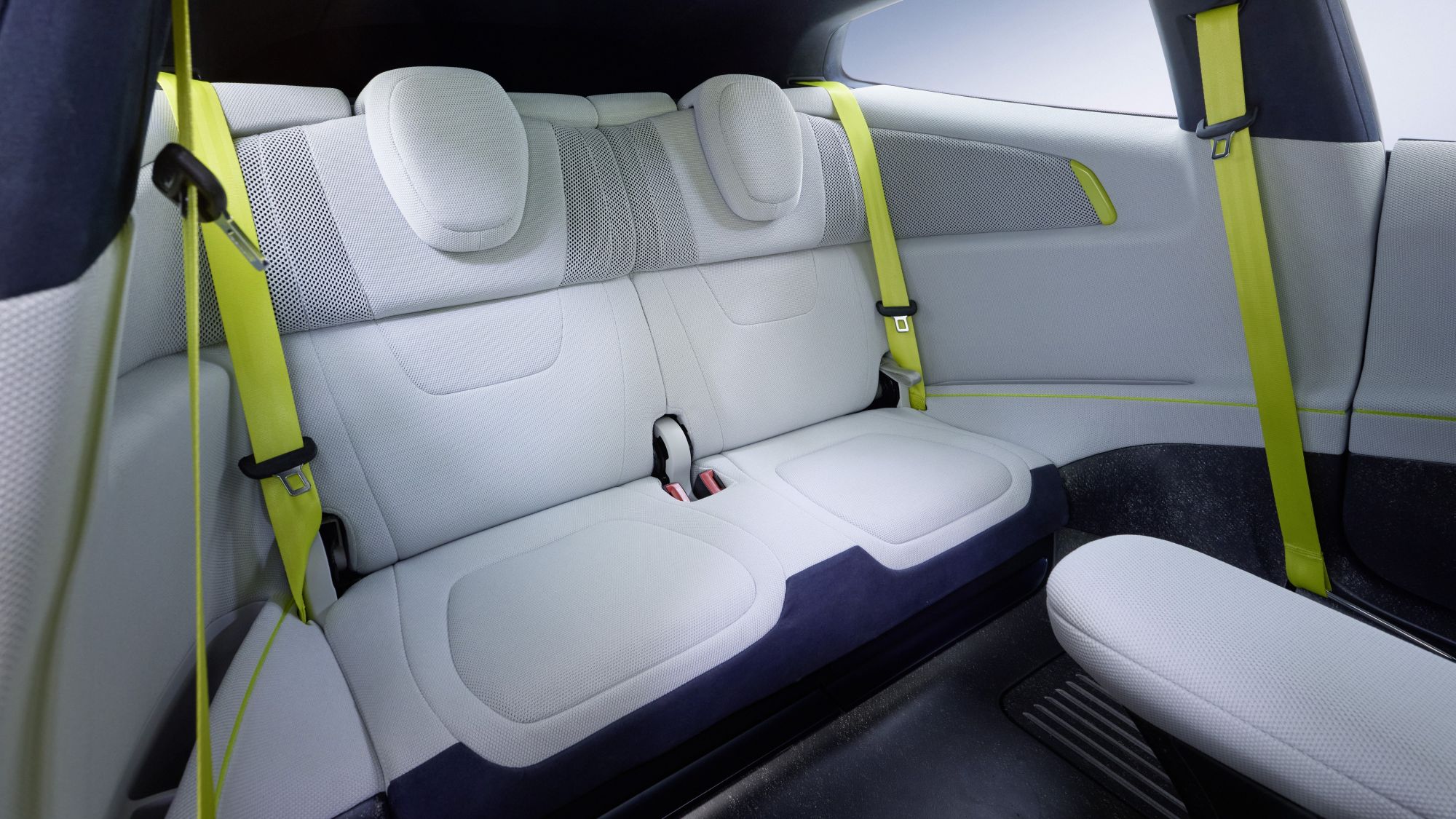
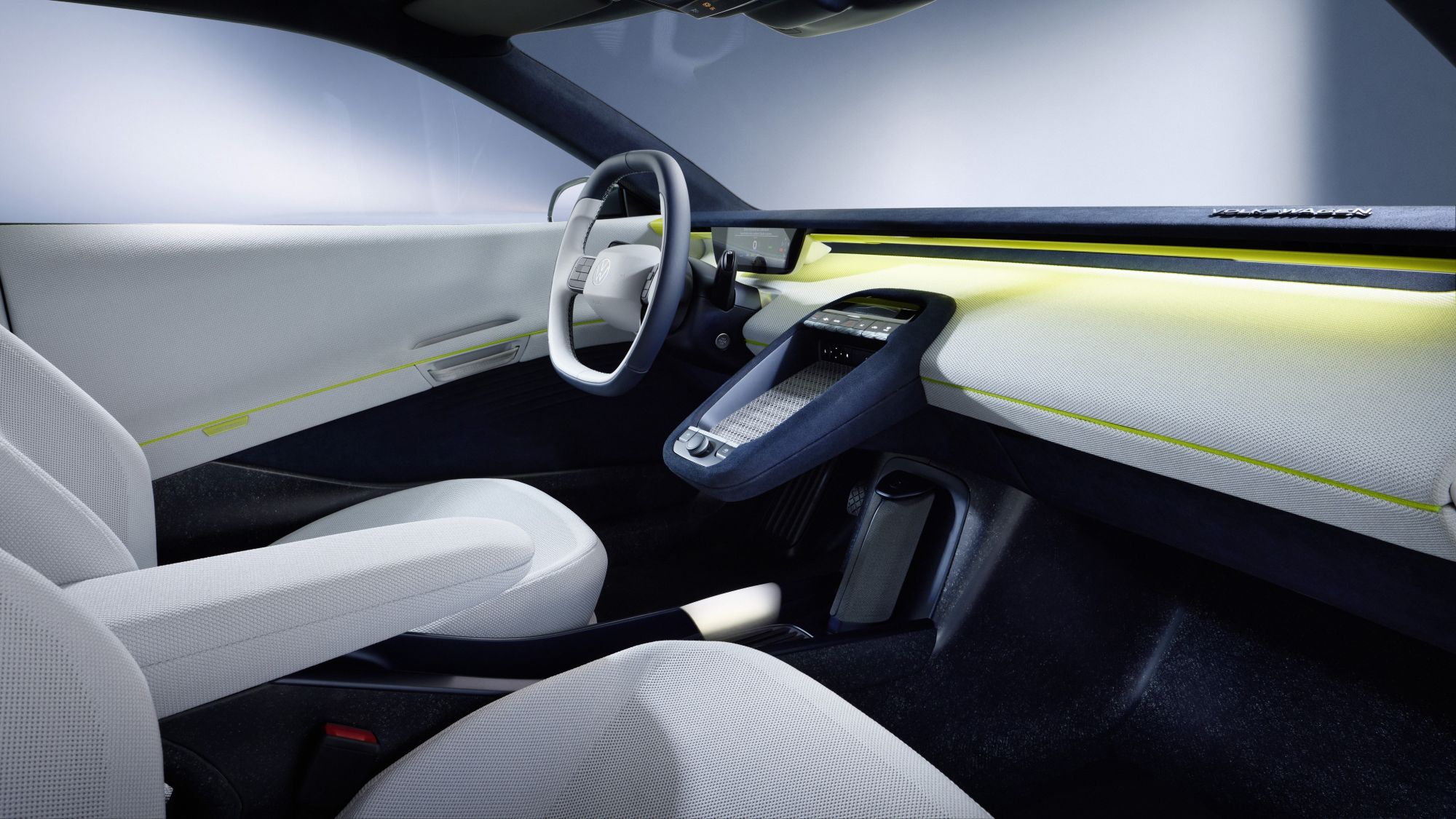
The new offering’s advanced feature set enables automakers to deploy more immersive audio experiences across all vehicle classes. For the consumer, it enables advanced features such as acoustic alerting, E-Call, DSP amplification, road-noise cancellation, and personal sound zones.
“Audio is central to how drivers perceive refinement, safety, and responsiveness inside the vehicle, especially as cabins become more software‑defined,” said Yasmine King, Corporate Vice President and Head of the Automotive Business Unit for Analog Devices. “In this new era, engineers need audio connectivity that integrates cleanly with the broader vehicle network. A²B 2.0 delivers higher bandwidth, low latency, and Ethernet tunneling without adding architectural complexity.”
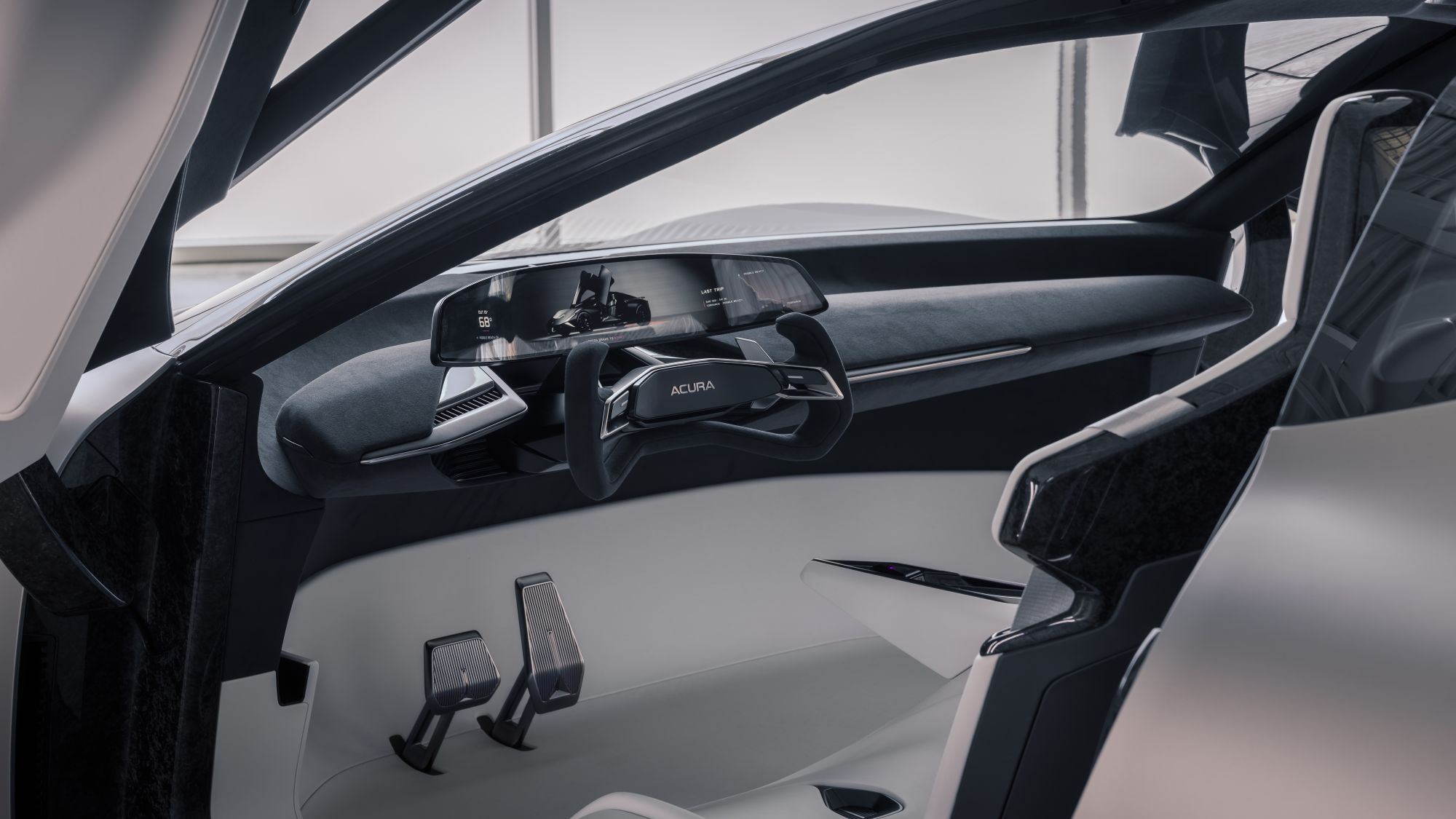
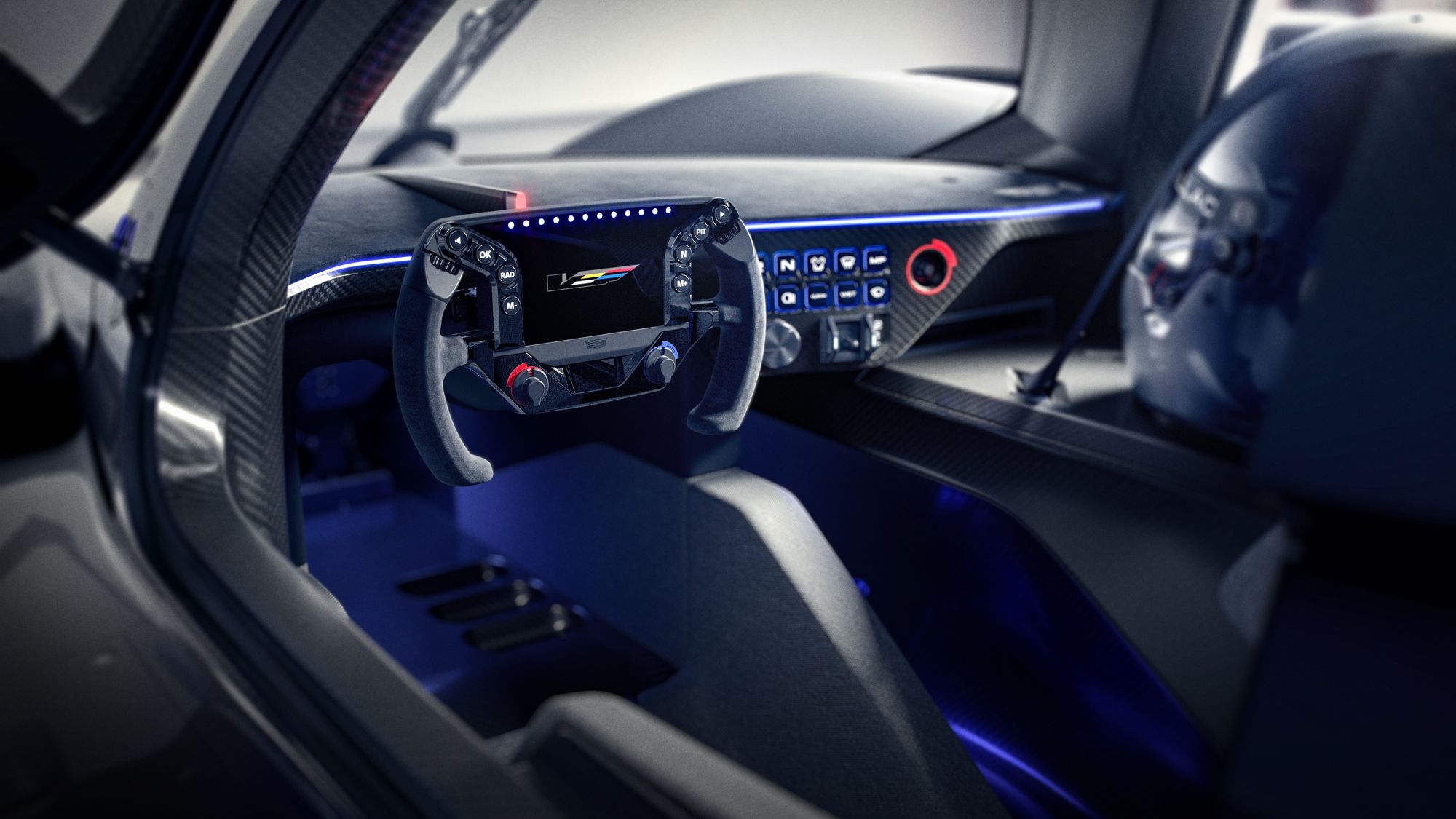
In the transition to SDV (software‑defined vehicle) architectures, in‑cabin features are increasingly delivered and improved through software, raising the bar for deterministic, high‑bandwidth connectivity that can integrate cleanly with modern in‑vehicle networks. As in‑cabin technology becomes a key differentiator for automakers, expectations for premium audio and infotainment continue to rise, ultimately driving demand for higher bandwidth, advanced connectivity, and seamless integration with today’s vehicle networks.
Over the past decade, A²B has been broadly adopted in the automotive industry, with hundreds of millions of nodes on the road from over 35 automakers. Built for applications in which low and deterministic latency is a key system requirement, it was designed to support demanding use cases, such as road-noise cancellation and in‑car communications, through a simple, flexible, and cost‑effective approach to audio connectivity.
Its single main, multiple sub‑node daisy‑chain architecture reduces wiring complexity and associated costs by up to 75%. The straightforward architecture with zero software overhead lowers overall development time and investment for OEMs and Tier 1 suppliers. A²B’s momentum is reinforced by an ecosystem that spans OEMs, silicon partners, and original design manufacturers, supported by an expansive set of development and test tools that accelerate time‑to‑market.
Key capabilities include a 4x bandwidth increase (up to 98.3 Mbps, full duplex) to support more advanced in-vehicle audio architectures. Up to 119 upstream and downstream audio channels are supported to enable advanced automotive audio system configurations.
Ethernet data tunneling via the industry-standard OPEN Alliance SPI interface provides enhanced connectivity and flexibility. Up to 30% system cost reduction is enabled through increased functional integration and reduced external circuitry and components. Low and deterministic latency includes a noted 62-μs low latency and an architecture designed for straightforward integration.
Compatibility with existing A²B 1.0 cabling and connector infrastructure supports a simple upgrade path. In addition, ADAA245x devices can easily branch to 1.0 networks, maximizing the reuse of existing modules.
-

- The A2B 2.0 launch boosts ADI’s audio experience offerings.
-

- ADI’s A2B 2.0 enables a more advanced audio feature set.
-

- ADI’s A2B 2.0 unites premium audio for future SDVs.