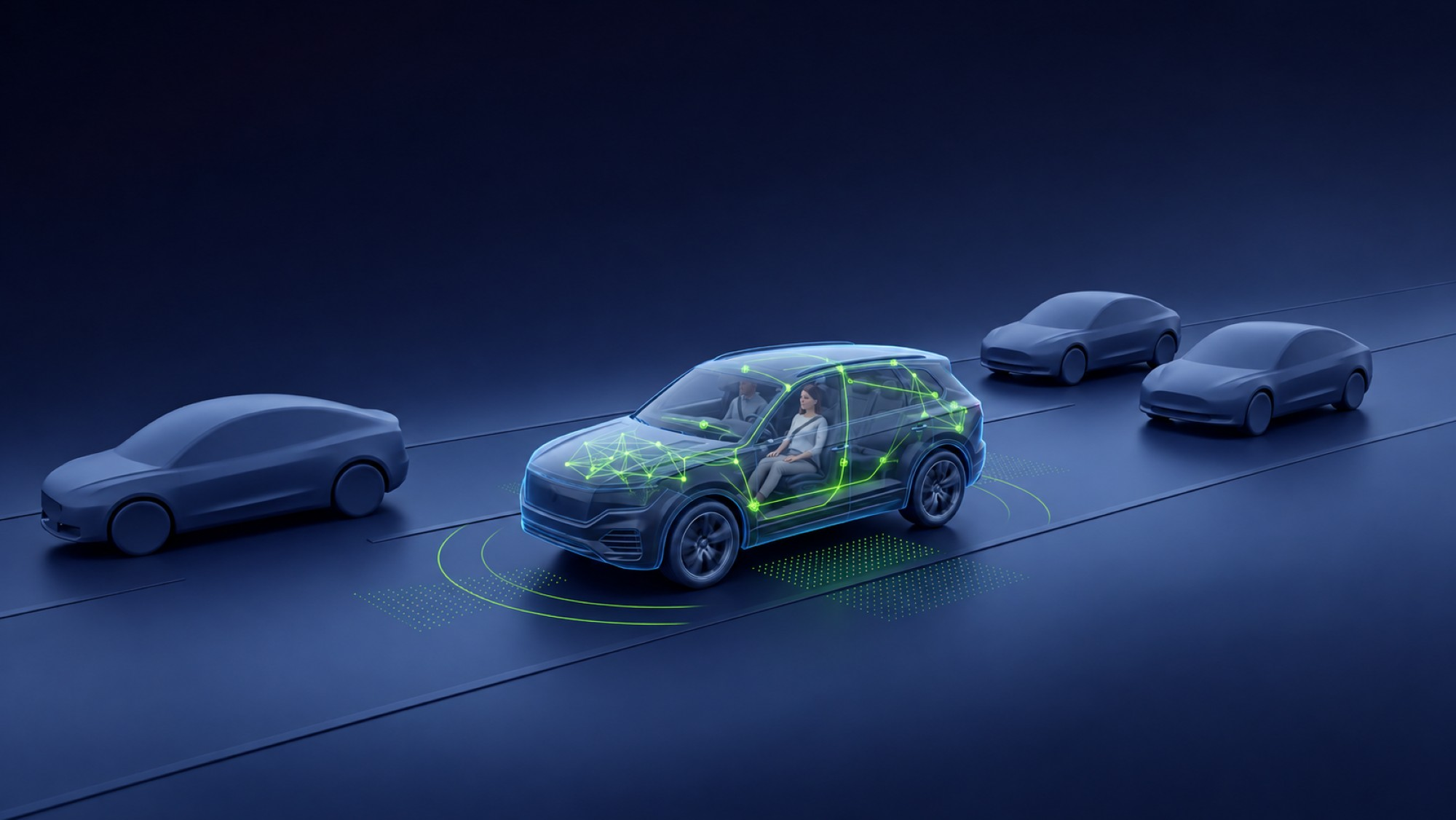
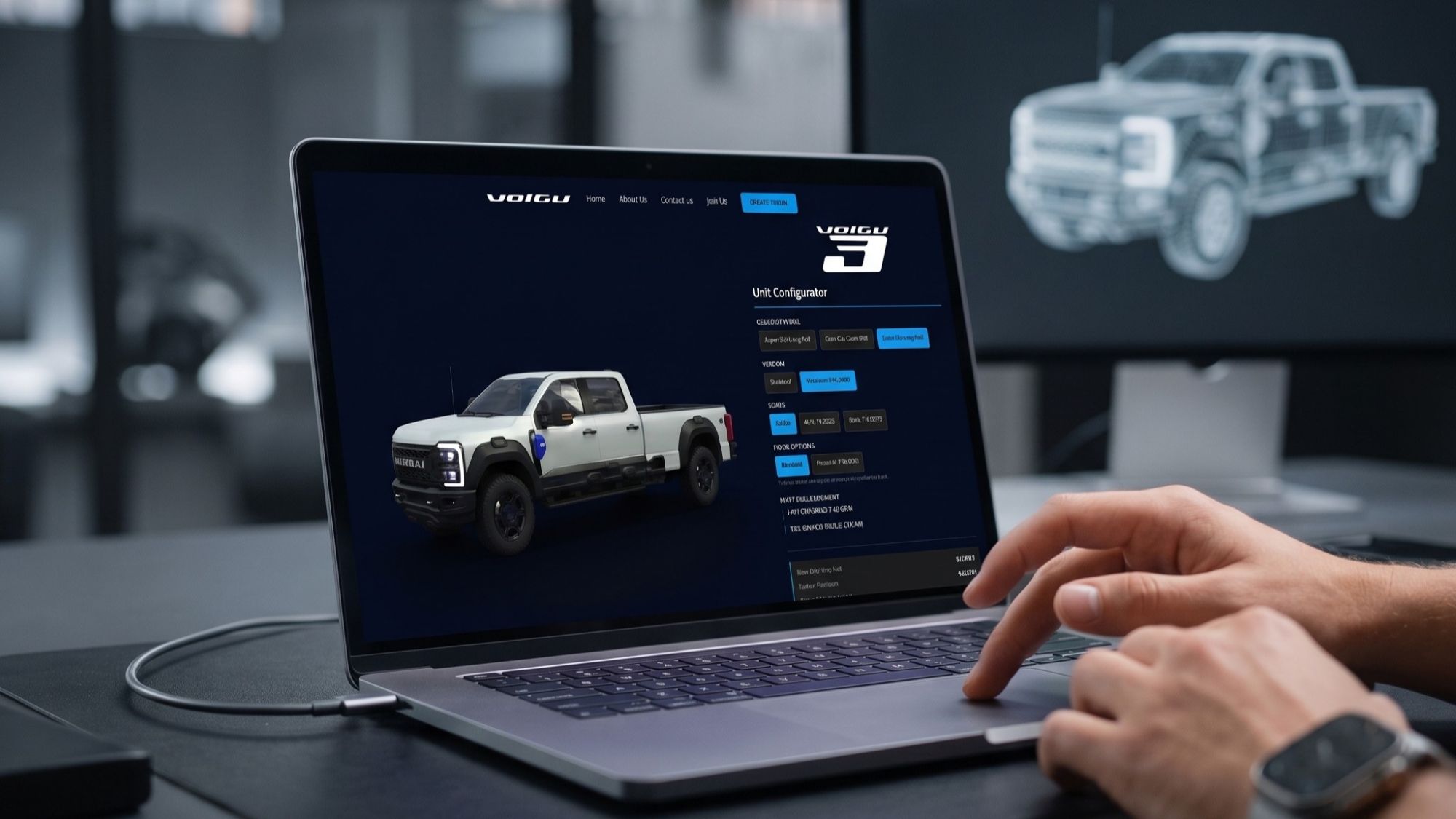
Sonatus today announced accelerating use of Fastlane Copilot, its plug-in gateway and software combination that brings AI-assisted data collection and edge AI into vehicles with minimal integration effort. Available now, it is in operational use at Nissan, Michelin, and other customers.
“Root-cause analysis of complex vehicle issues, and development of new AI analytics depends on real vehicle data and a way to gather that data from the vehicle,” said Jeff Chou, Co-founder and CEO of Sonatus. “In the past, too many teams have had to wait for production-level integration to get these insights. Fastlane Copilot enables engineers to find problems earlier and bring vehicles to market faster and at lower cost. Similarly, it enables easier development of in-vehicle AI models that can benefit diverse subsystems for problem detection, tuning, and value-added services.”
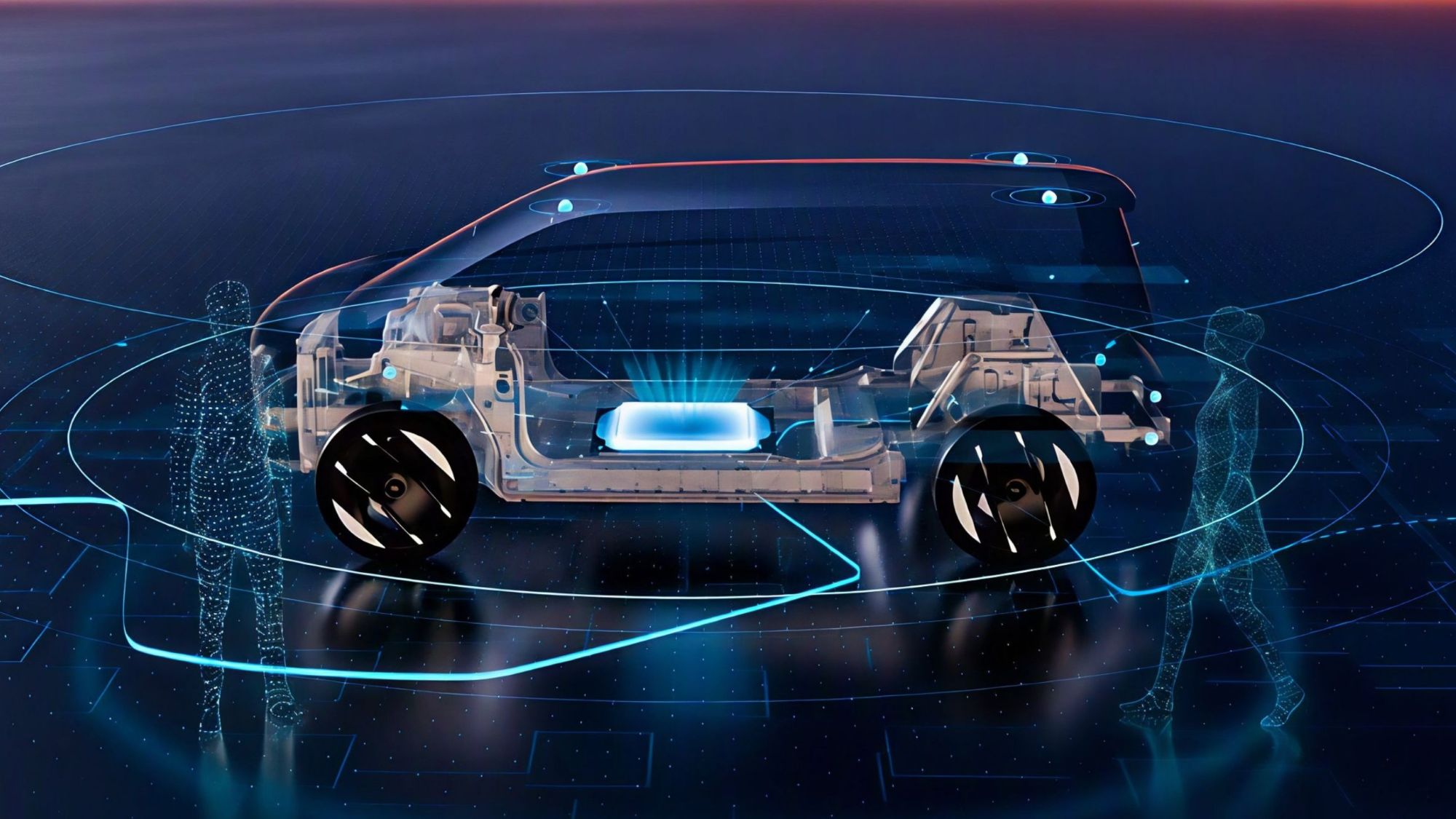
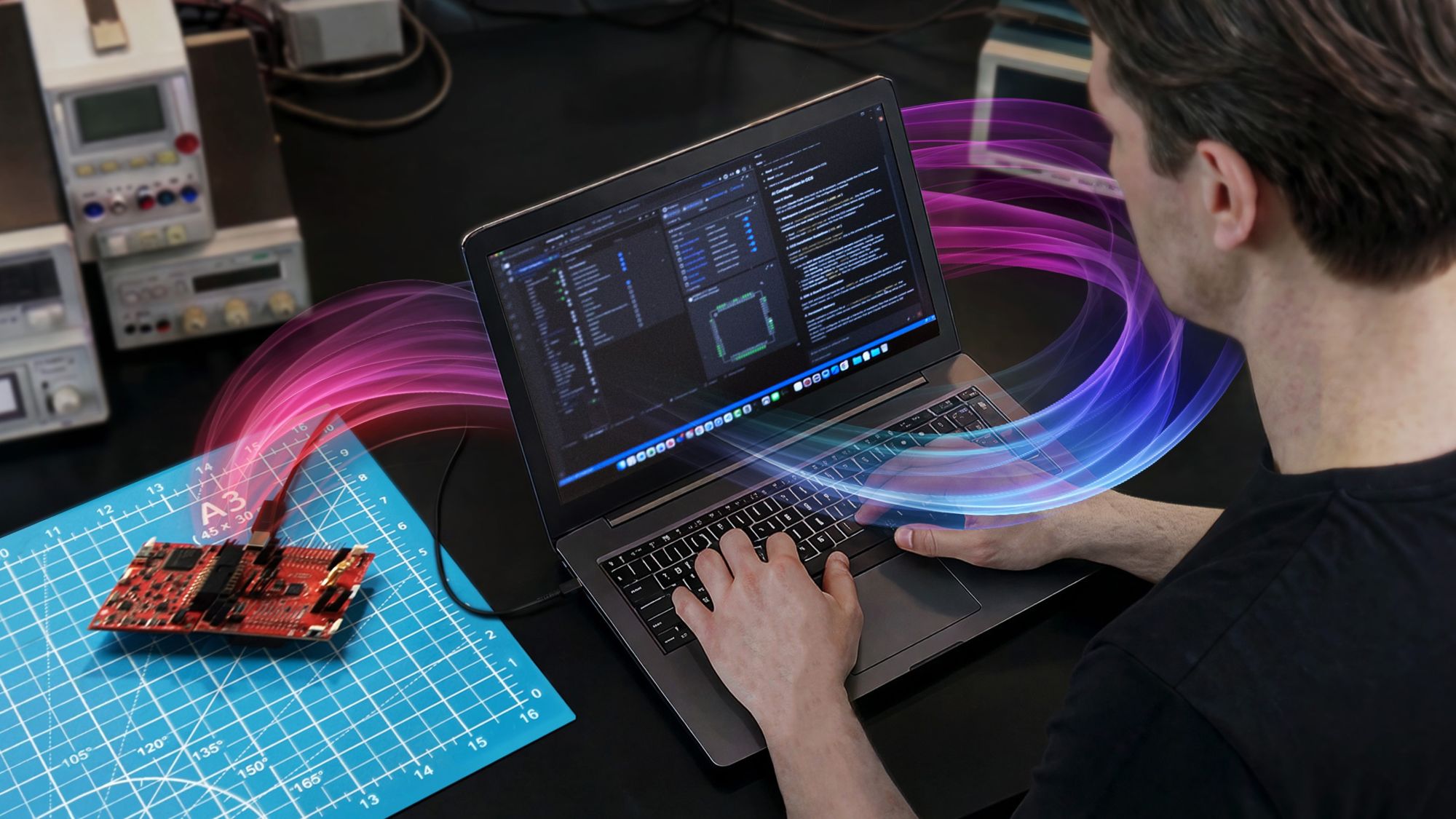
Fastlane Copilot gives engineering teams real-world vehicle data and in-vehicle AI without the need to modify the vehicle’s software or E/E architecture. It is a plug-in gateway that comes pre-integrated with Fastlane Collector, which captures the right vehicle data when and where it matters, and Fastlane Edge, which runs AI in the vehicle. Using the vehicle data captured by Fastlane Copilot, Sonatus Fastlane Insight in the cloud can provide AI root-cause analysis to speed vehicle validation and after-sales service.
Nissan vehicle test and validation
Following a successful proof of concept and ongoing engineering development over the past 12 months, Nissan Technical Centre Europe (NTCE), the OEM’s primary R&D hub for its global regions, announced in October that it was expanding its use of the Sonatus Fastlane Platform across its pre-start-of-production validation workflow.
“Our validation window runs about a year from the first full-scale vehicles to start-of-production, and the software we have to verify in that time keeps growing,” said Dipesh Solanki, NTCE’s Vice President of Vehicle Engineering. “With Sonatus’s Fastlane Platform, our engineers get the evidence they need without going back to the vehicle, and they are able to determine the root cause of an issue within days rather than weeks. That is why we are making it part of how we validate new models moving forward.”
The platform’s event-driven data collection and root-cause analysis have reduced the time NTCE engineers spend investigating vehicle software issues. NTCE plans to make the platform a standard part of validating future vehicle programs, including upcoming models such as the Nissan Juke. In NTCE’s deployment, Fastlane Insight is powered by Anthropic Claude running on the Amazon Bedrock platform for building generative AI applications and agents from Amazon Web Services.
NTCE’s expansion marks the first operational deployment of the Fastlane Copilot in-vehicle platform for validation. On each vehicle, Fastlane Copilot includes Fastlane Collector, which captures event-driven vehicle data, and Fastlane Edge, which deploys in-vehicle AI to detect issues directly on the vehicle as it is driven. Fastlane Copilot works with Fastlane Insight in the cloud, which analyzes that data to identify the most likely root cause.
“Validation teams rarely lose time because they can’t fix a problem,” said Alexandre Corjon, Senior Vice President of Engineering at Sonatus. “They lose it waiting for the right data from the vehicle and rapid understanding of what it means, especially as vehicles become more complex. Using our vehicle AI solutions, Fastlane Insight delivers faster root cause analysis across every vehicle subsystem and proves it with Nissan’s own sources of truth, letting them deliver high-quality vehicles to market sooner.”
At NTCE, use of the Sonatus solution enabled investigation time to be reduced from two weeks to two days, with engineers receiving data tied to the moment a fault occurs. Vehicle setup time decreased from over an hour to minutes, using a harness that connects without disassembling the vehicle.
The solution reduced vehicle re-tests, since captures are shared through the cloud with engineers wherever they are located, they can get the data they need the first time in real time. It enabled parallel investigations on a single vehicle, so ADAS, infotainment, body control, and powertrain teams no longer compete for vehicle time.
Michelin Tire Digital Twin
At CES 2026, Michelin demonstrated the latest developments in predictive tire health and maintenance, highlighting how Sonatus AI Director helped it deliver real-time insights into tire performance directly within the vehicle. The tiremaker’s SmartLoad and SmartWear models analyze the high-frequency vehicle signals to provide continuous, accurate insights into the health of a vehicle’s tires, enabling fleets and drivers to optimize tire usage, improve safety, and reduce operational costs.
Software-based tire monitoring has the potential to replace legacy sensor hardware and associated costs, effectively virtualizing the sensors and reducing the bill of materials, which the analyst firm Frost & Sullivan estimates could contribute to cost savings of $1.68 billion by 2030.
Michelin’s expertise in tire physics, modeling, and data, combined with Sonatus’s in-vehicle AI orchestration, demonstrates how the Michelin Tire Digital Twin, being used for predictive maintenance, can be operationalized at scale. Sonatus Collector AI enables Michelin to calibrate its algorithms for new automakers, while Sonatus AI Director provides secure, containerized deployment across diverse electronic control units. The technologies allow Michelin’s proprietary models to run at the edge, meaning in the vehicle, and reduce reliance on the cloud and protect sensitive data.
“Michelin SmartLoad and SmartWear showcase how our expertise in tire physics and modelling turns complex data into clear, predictive insights,” said Ali Rezgui, Michelin’s Vice President of Embedded Tire Digital Twin. “These solutions help automakers and fleets extend tire life, improve safety, reduce costs, and support sustainable mobility. Michelin SmartWear and SmartLoad are the first building blocks of a full portfolio that will enable the OEMs to have a tire digital twin in their vehicles. As the tire is the vehicle’s only link to the road, its digital twin must be unique, versatile, and integrated with most vehicle dynamic software functions.”
Michelin’s predictive tire intelligence was shown at CES with a 1970 Ford Bronco retrofitted with Sonatus technology. Visitors saw how SmartLoad and SmartWear move beyond traditional monitoring with real-time insights and, via Michelin’s MyTires application, how the models transform raw vehicle data into actionable insights that enable safer travel, longer tire life, and reduced operating costs.
Arm-based gateway from NXP Semiconductors
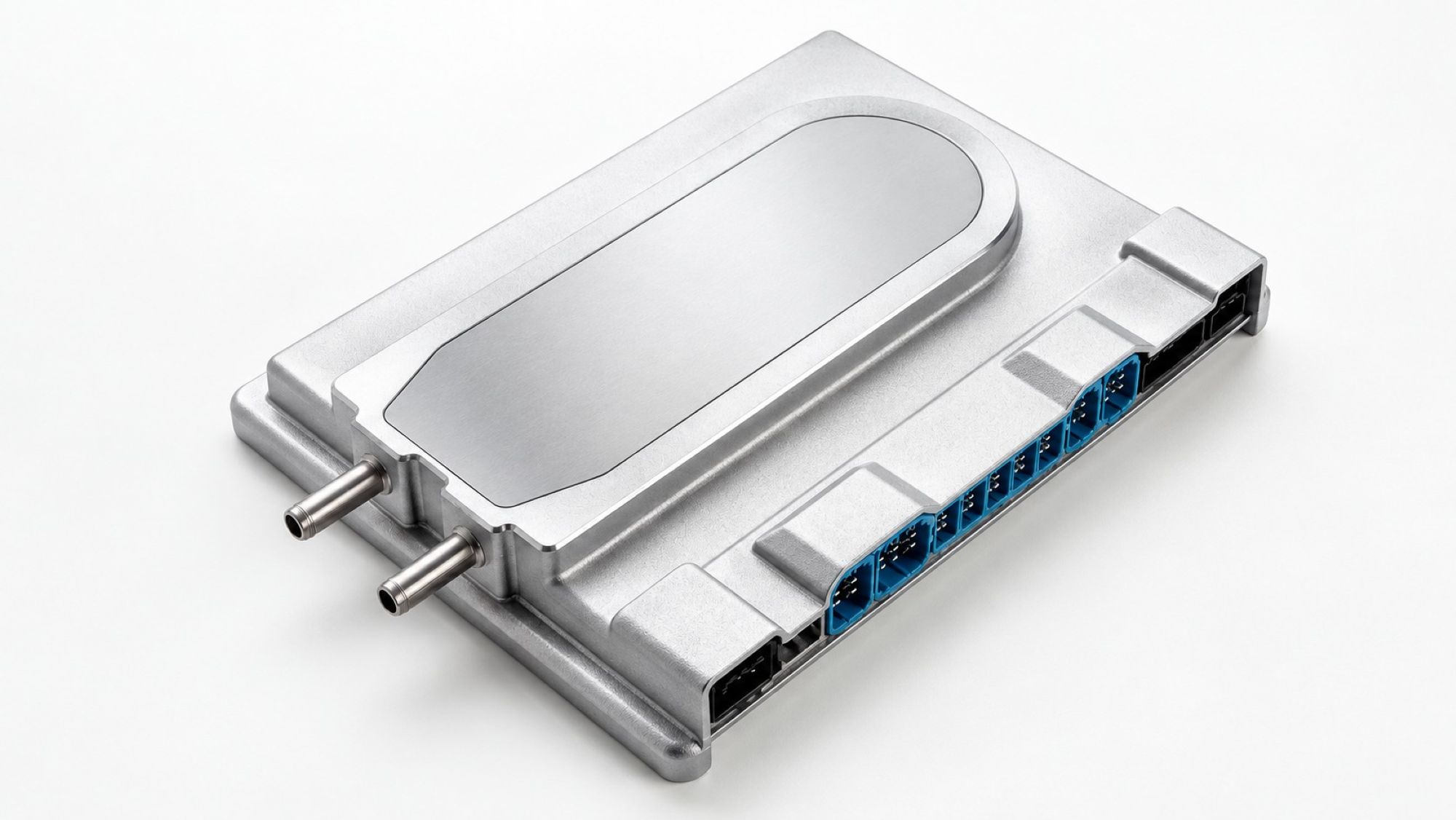
The new Fastlane Copilot platform pairs an automotive-grade, Arm-based gateway from NXP Semiconductors with pre-integrated Fastlane Collector and Fastlane Edge software. Fastlane Copilot-1000 is based on the NXP S32G SoC (system-on-chip), developed in collaboration with NXP’s TrustMotion, formerly TTTech Auto.
“Modern vehicles are only beginning to take full advantage of AI across every vehicle subsystem,” said Robert Moran, Senior Vice President and General Manager of Automotive Processors at NXP Semiconductors. “Sonatus Fastlane Copilot offers OEMs and their suppliers a powerful new tool to develop and validate models, reach root cause faster, and prototype capabilities before deploying them into production. NXP automotive solutions are enabling OEMs to deploy edge AI across all domains in the vehicle, where performance, power, and latency optimization are critical to deliver intelligent and agentic capabilities.”
Fastlane Copilot Connectivity highlights are CAN-FD, automotive Ethernet, and LIN support; a Gigabit Ethernet port; an additional 100 Mbps port for infotainment log capture; integrated 4G/5G with dual SIM, Wi-Fi, and GNSS/GPS. Data are collected on vehicle signals, diagnostics, logs, and network traffic, with configurable triggers, sampling rates, and capture duration.
Edge AI enables anomaly detection, virtual sensors, and software-defined feature validation, running on local compute and storage. On the operations side, it provides remote policy deployment and updates, rapid installation in prototype, test, and production vehicles with minimal modification, and support for distributed, multi-team programs.
-

- Sonatus today announced production usage of Fastlane Copilot.
-

- Sonatus Fastlane Copilot 1000.
-

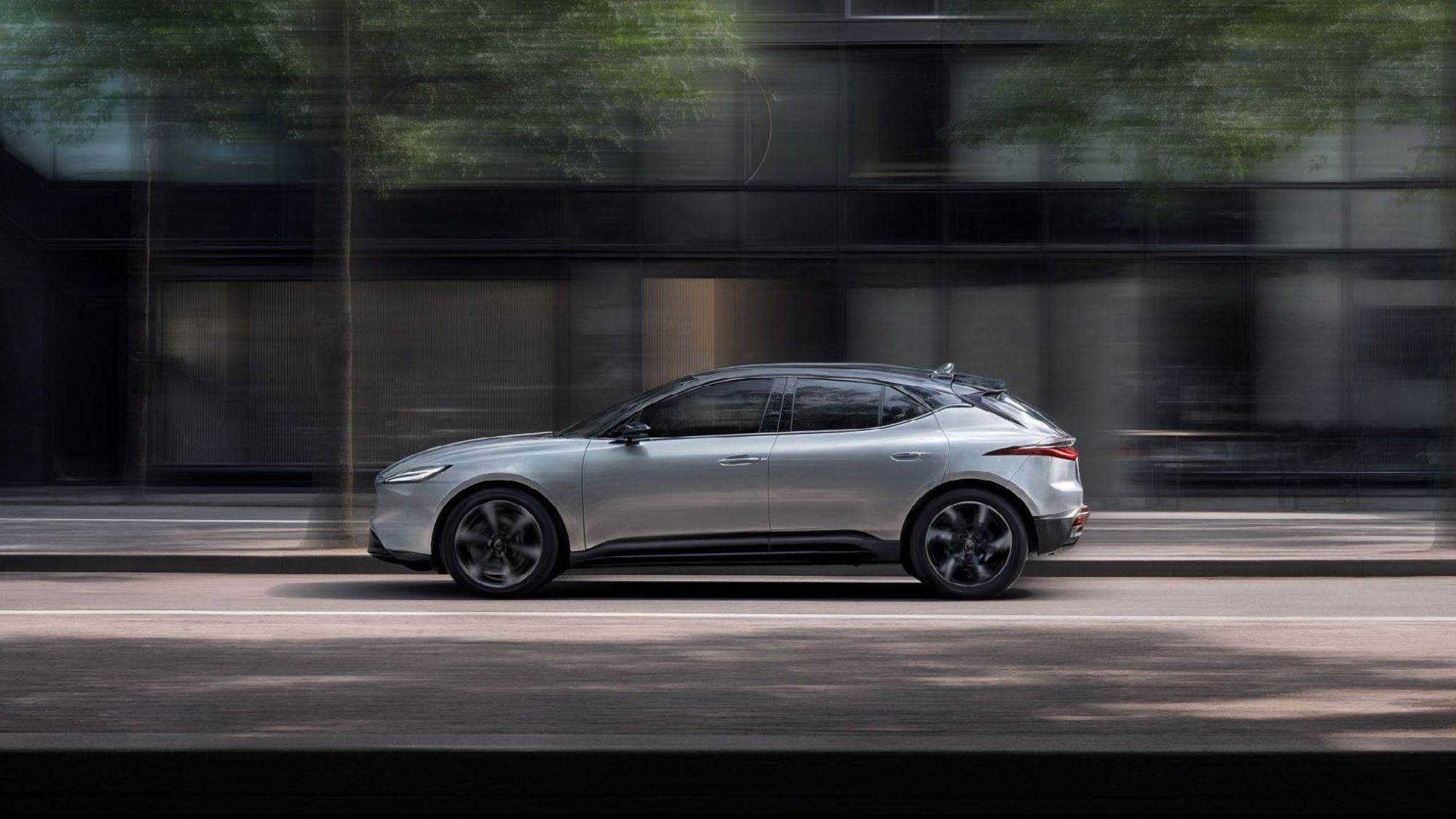
- NTCE plans use of the Sonatus platform to validate future vehicles such as the Nissan Juke.
-

- Nissan is using Sonatus to accelerate testing and validation with AI.
-

- Michelin’s SmartWear was developed using Sonatus AI Director.
-

- Michelin’s SmartLoad and SmartWear technologies were deployed via the Sonatus AI Director.