At a global technology launch event held at Jewel Changi Airport’s Canopy Park in Singapore, Omoway announced that its flagship product, the “world’s first” mass-produced self-balancing motorcycle, has officially entered mass production. The company says that the rollout of the Omo X marks a pivotal transformation of traditional motorcycles into “motorobots” endowed with awareness.
“Only embodied intelligence can truly serve humanity,” said Todd He, Omoway’s Co-founder. “By coupling intelligent algorithms with hardware, the Omo X solves the age-old issues of instability and handling, giving the machine an instinctive sense of balance.”
Founded in 2024 by He, an original co-founder of XPeng Motors, and John Jiao, former XPeng Vice President, the Singapore-based smart mobility technology startup’s core team brings together top-tier recruits from the diverse fields of automated driving, automotive design, tech, and the Internet. They include Darwin Xiao, an XPeng veteran (employee No. 10) and former head of automated driving; Robin Zhang, former director of XPeng Styling Design Center and Design Director behind the XPeng P7; and Yulong Chen, former head of Vivo for the Indonesia Market.
In January, the company announced it had successfully closed consecutive Pre-A and Pre-A+ funding rounds, raising tens of millions of dollars in investments led by Hongshan Capital Group and Rocket Capital, with continued co-investment from existing backers including ZhenFund, Hui Capital, and Founder He. The funding is supporting the mass production and delivery of the Omo X, continued development of its core intelligent technologies, and global market expansion.
Beyond its function and financing, the Omo X is getting recognition for its form. In March, it won a 2026 Design Award from the iF Design Foundation in Germany.
As the world’s first mass-produced self-balancing electric motorcycle, the Omo X won for its “form follows function” philosophy, integrating intelligent hardware, user-centric utility, and avant-garde aesthetics. Its bold geometric lines and minimalist surfaces create a distinct futuristic silhouette. To meet the diverse demands of daily riding, it features another “world’s first” multi-transformable module, allowing the vehicle to switch between Scooter, Street, and GT modes.
Self-balancing for proactive safety
By addressing traditional safety hazards such as loss of balance, rolling, and sideslipping, Omoway says it has achieved a paradigm shift from “passive protection” to “active safety.” The Omo X integrates a sophisticated perception-computing and balance-control system, enabling the vehicle to maintain stability during low-speed cruising or temporary stops, the innovation significantly reducing rider fatigue. Based on the self-balancing tech, the e-motorcycle further incorporates smart features like ACC (Adaptive Cruise Control), Auto Hold, and Hill Hold Control.
The technology integrates aerospace-grade gyroscope stabilization, ensuring safety, stability, and reliability. Using the principle of conservation of angular momentum, it implants a robust “core muscle group” into the motorcycle. Under the Omo-Robot Universal Architecture, the system deepens its understanding of hardware-software synergy through millions of reinforcement learning iterations in virtual environments, transforming vehicle self-balancing into real-time active perception.
Powered by vision-based sensing and deep simulation, the Omo X is said to possess human-like situational awareness. The vehicle’s “brain” orchestrates its “limbs” (motor, steering, and braking) into a unified response system. Whether navigating slippery roads or complex curves, the system predicts and preempts risks in milliseconds, instantaneously correcting the vehicle’s posture. The company says this marks a fundamental leap from reactive “passive protection” to active safety.
The Omo-Robot Universal Architecture is a closed-loop system for perception, decision, and execution. It “sees with insight (eyes), thinks in depth (brain), acts with precision (limbs), and reacts with lightning speed (nerves).”
The eyes are the “prophetic” sensing, with millions of cloud simulations enabling the Omo X to foresee risks and master its surroundings. The brain makes millisecond-level AI decision-making, transitioning from mechanical response to proactive, intelligent collaboration. The limb hardware evolves by data, with precision motor-system synergy bridging the gap between intent and action. The nerves, via a high-efficiency E/E architecture, ensure that data flows between perception, decision, and execution with “silk-smooth” precision.
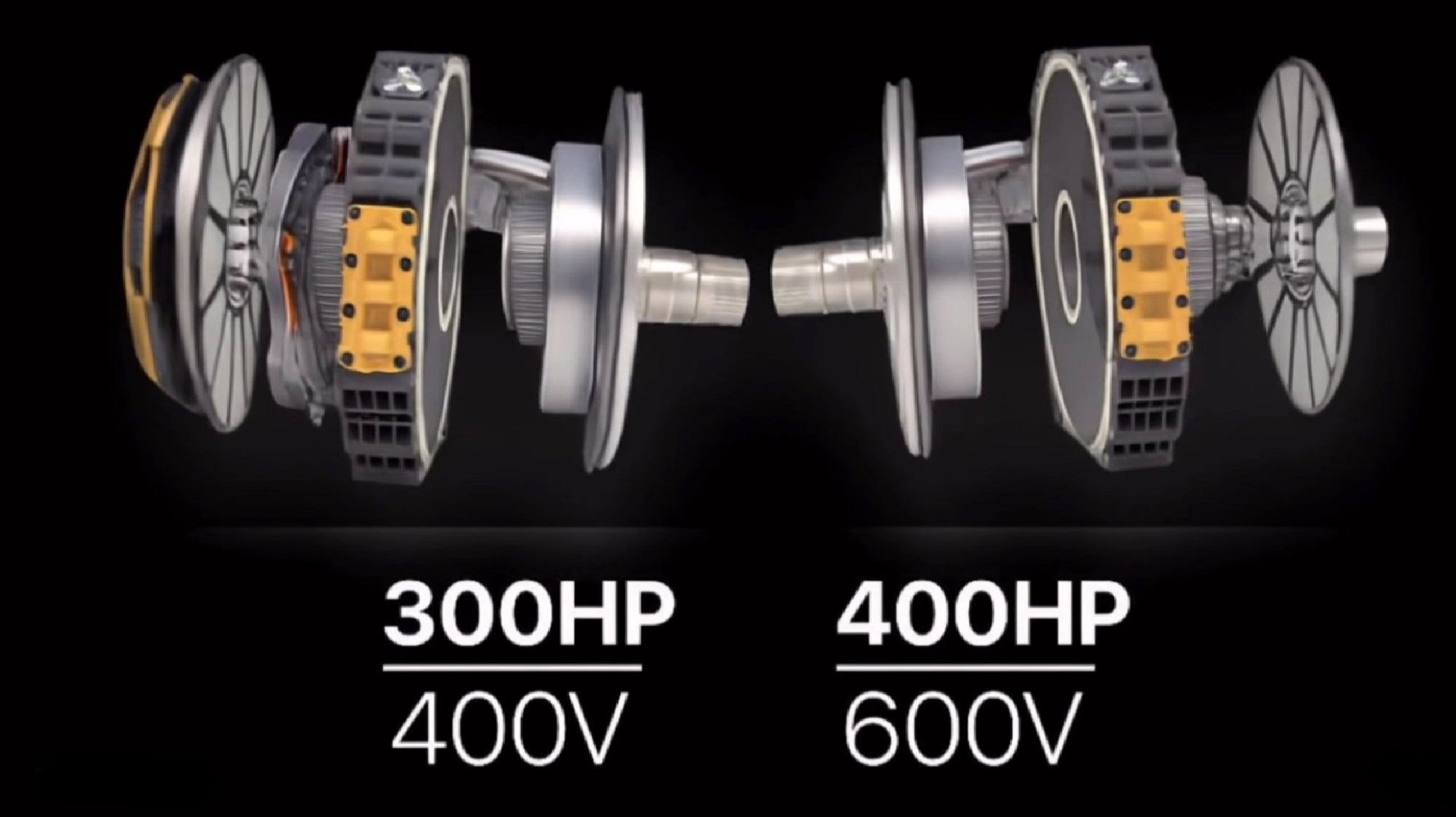
Powertrain details are scarce, but the Omo X has a top speed over 110 km/h (68 mph) and a WMTC (World Motorcycle Test Cycle) range over 200 km (124 mi).
From motorcycle to “motorobot”
To make this Moto 3.0 revolution—from motorcycle to motorobot—a reality, Omoway is accelerating its delivery process. The Omo X will first open for pre-orders in Indonesia in late April, followed by an official sales launch in late May.
“The mass production of the Omo X signifies that AI is no longer just code behind a screen; it has a physical carrier to perceive the world,” said Ricky Yu, Omoway’s Head of Product and Global Brand. “This is what we define as ‘embodied AI’, the core of the Moto 3.0 era. This is more than a leap in vehicle morphology; it is a critical milestone in Omoway’s mission to make Embodied AI an accessible part of human life.”
The Omo X will launch first in Indonesia. Omoway has partnered with more than ten local distributors, establishing a foundation for entry into one of the world’s most demanding motorcycle markets.
“Established local dealers know exactly what the market needs,” said Yulong Chen, General Manager of Omoway Indonesia.
Omoway sees Southeast Asia as a key region for real-world rollout. Currently, it has established a network of dozens of local distributors, each with decades of expertise in the motorcycle industry. Covering core regions across East and West Java—including Jakarta, Bandung, and Surabaya—as well as Bali, these outlets will allow users to experience the disruptive riding performance firsthand.
Mobility One robot up next
At the Omo X launch event, Omoway unveiled an ambitious roadmap for embodied AI. The company offered a glimpse into its future with the debut of its second product built on the Omo-Robot Universal Architecture.
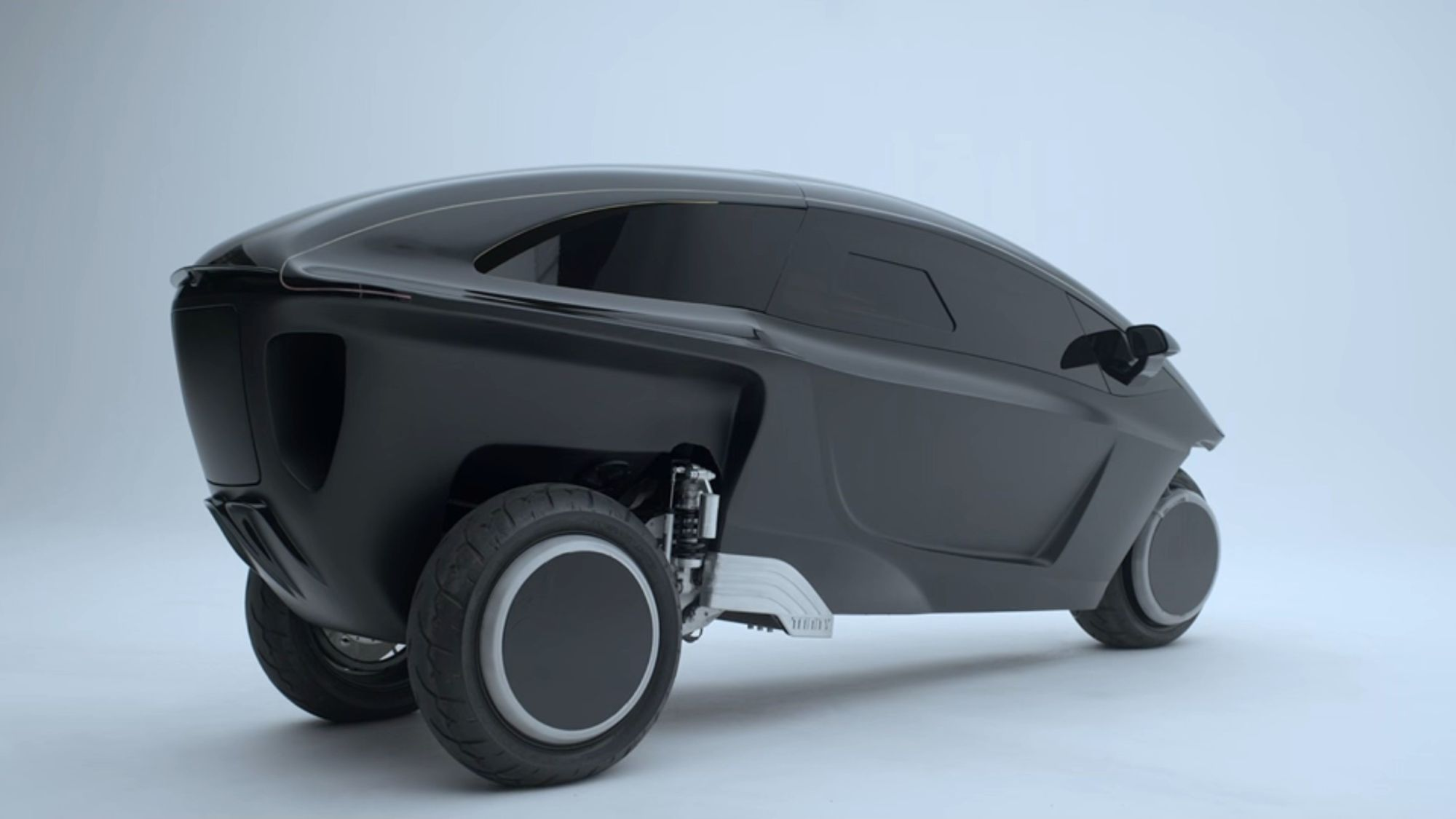
The Mobility One, a multipurpose wheeled robot, is the first non-motorcycle platform on the architecture. The company says that Mobility One marks a strategic leap for the Omo-Robot universal framework—shifting from “personal mobility” to “intelligent service”—and demonstrating the potential of embodied AI.
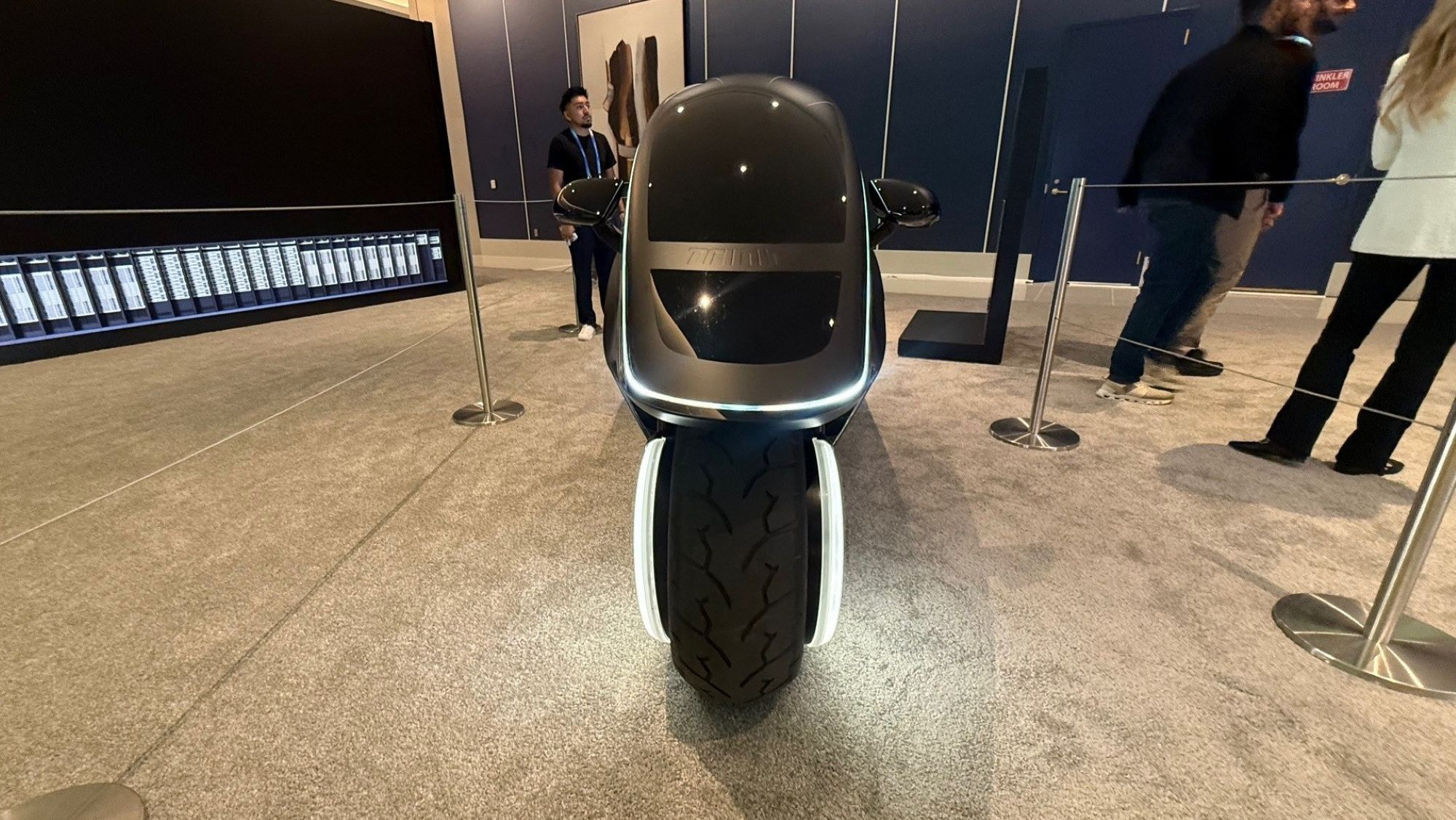
With its unique two-wheel architecture, Mobility One offers flexibility—surging at high speeds on open roads while remaining nimble enough to navigate hallways, narrow alleys, and office elevators. The company says it doesn’t just get “close” to the destination; it arrives right at the doorstep.
“Omoway is validating a core logic: a unified technical foundation can grow diverse robotic ‘bodies’ for different scenarios,” said Yu. “Starting with motorcycles, Omoway looks toward a broader horizon—from domestic life and logistics to public services—bringing the vision of ‘Smart for Life’ into reality.”
Powered by core algorithms tested over millions of kilometers by Omo X, the Mobility One could arrive with industry-leading balance control and obstacle avoidance capabilities right out of the box. Its modular design further allows for reconfiguration, unlocking possibilities across diverse scenarios.
-

- Omoway’s Omo X in the studio.
-

- Omoway’s Omo X out for fun.
-

- Omoway’s flagship product, the Omo X, on the street.
-

- The ability of the Omoway Omo X to switch between Scooter, Street, and GT modes helped int win a 2026 iF Design Award.
-

- At Omoway’s brand launch (l-r) are Co-founders John Jiao and Todd He with Head of Design Robin Zhang.
-

- Omoway’s Omo-Robot Universal Architecture underpins the Omo X.
-

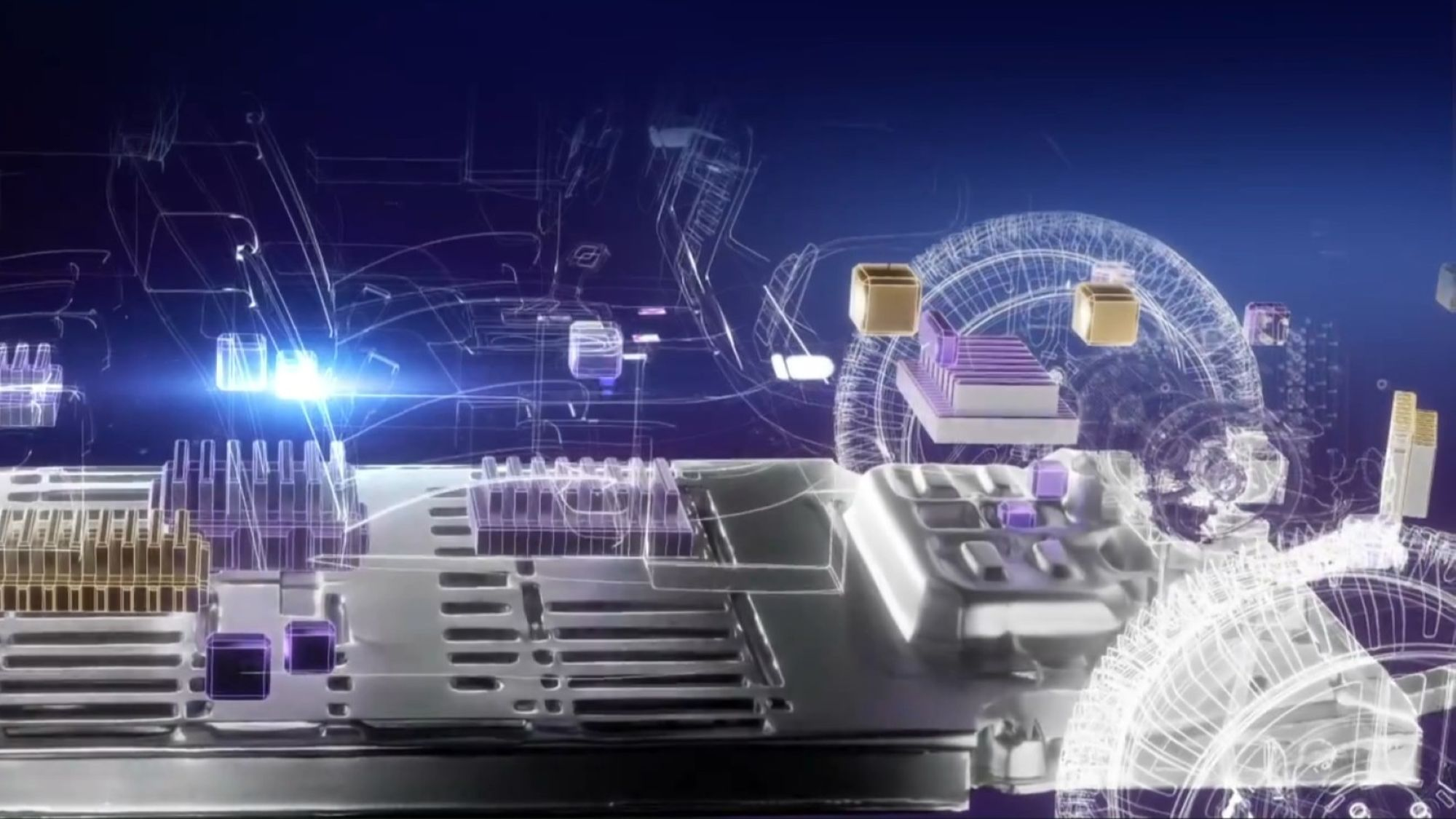
- Omoway’s Omo-Robot Universal Architecture sensing.
-

- Omoway’s Omo-Robot Universal Architecture electric powertrain.
-

- The Mobility One robot is built on the Omo-Robot Universal Architecture.
-

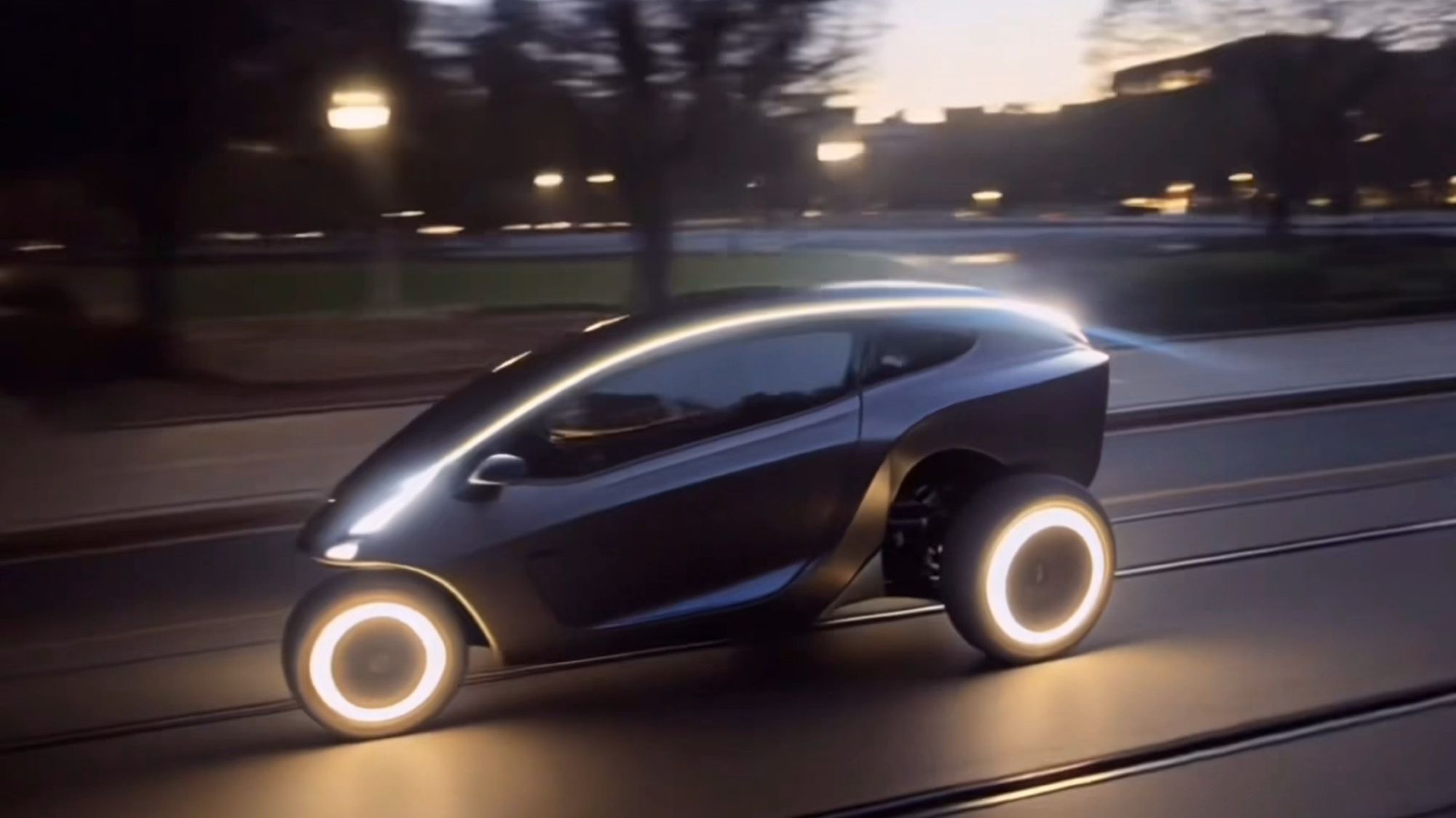
- Omoway’s Mobility One robot in simulated action.