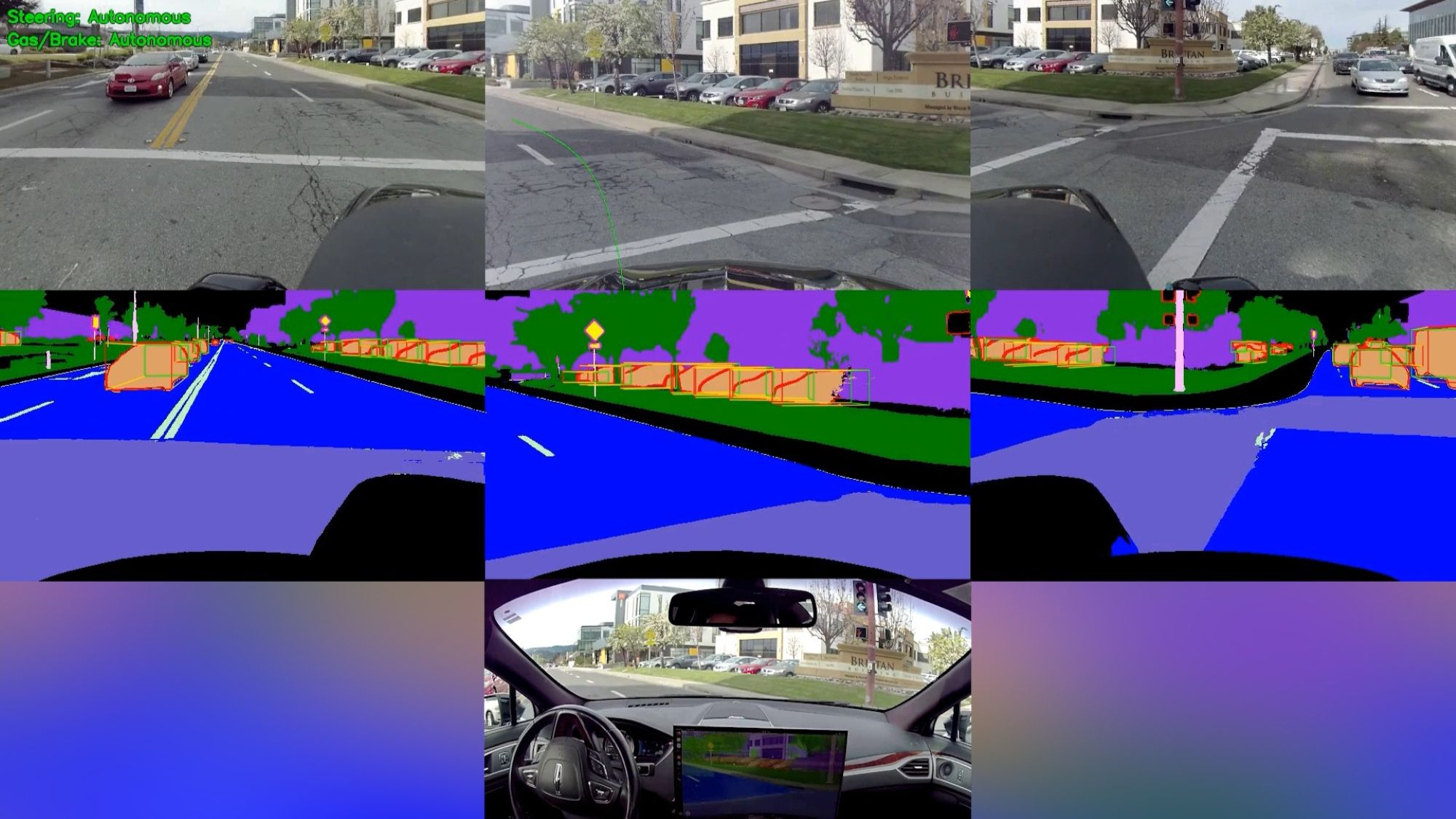
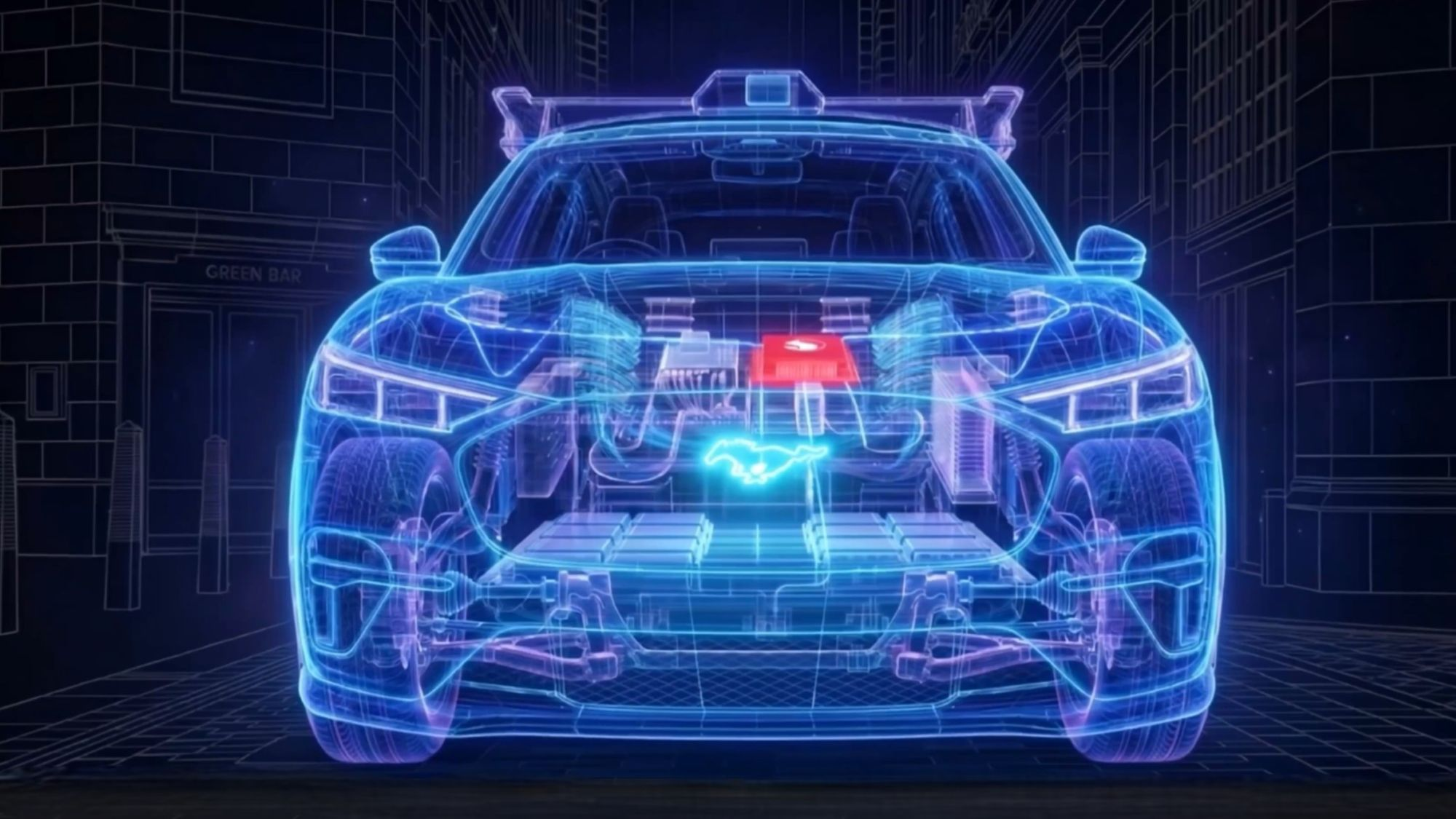
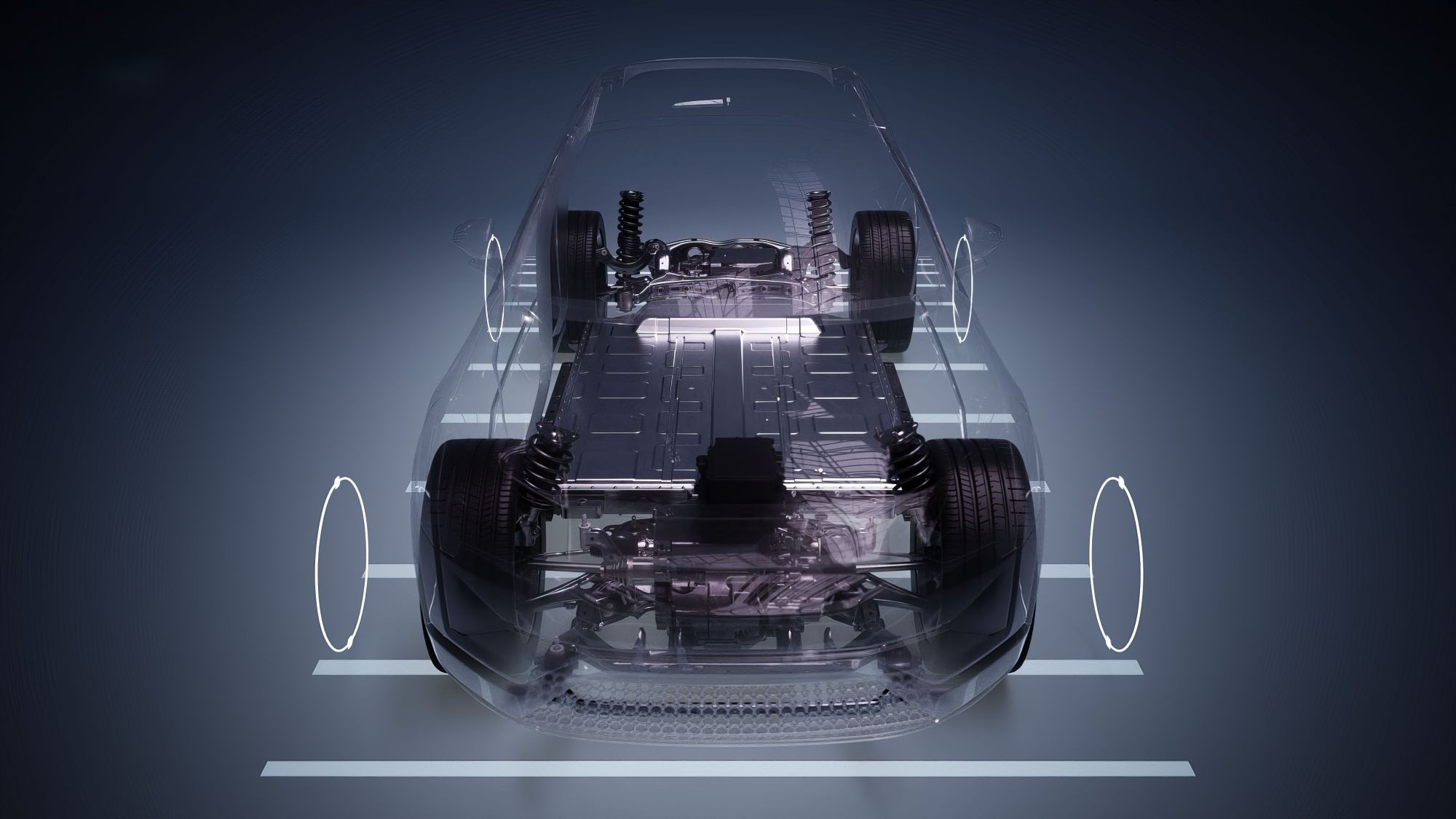
At its GTC event this week in San Jose, CA, Nvidia received some heavy-duty support for its AI-powered suite of offerings, such as Alpamayo, Drive Hyperion, and Halos. Innovative AV software startups and some of their forward-thinking truckmaker partners, from long-haul trucking to middle-mile logistics and autonomous transit buses, are embracing those Nvidia solutions primarily for improved safety and productivity.
Alpamayo is an open portfolio of AI models, simulation frameworks, and physical AI datasets. Built for Level 4 autonomy, it lets vehicles perceive, reason, and act with human-like judgment, while providing the interpretability and openness required for safety validation and regulatory collaboration.
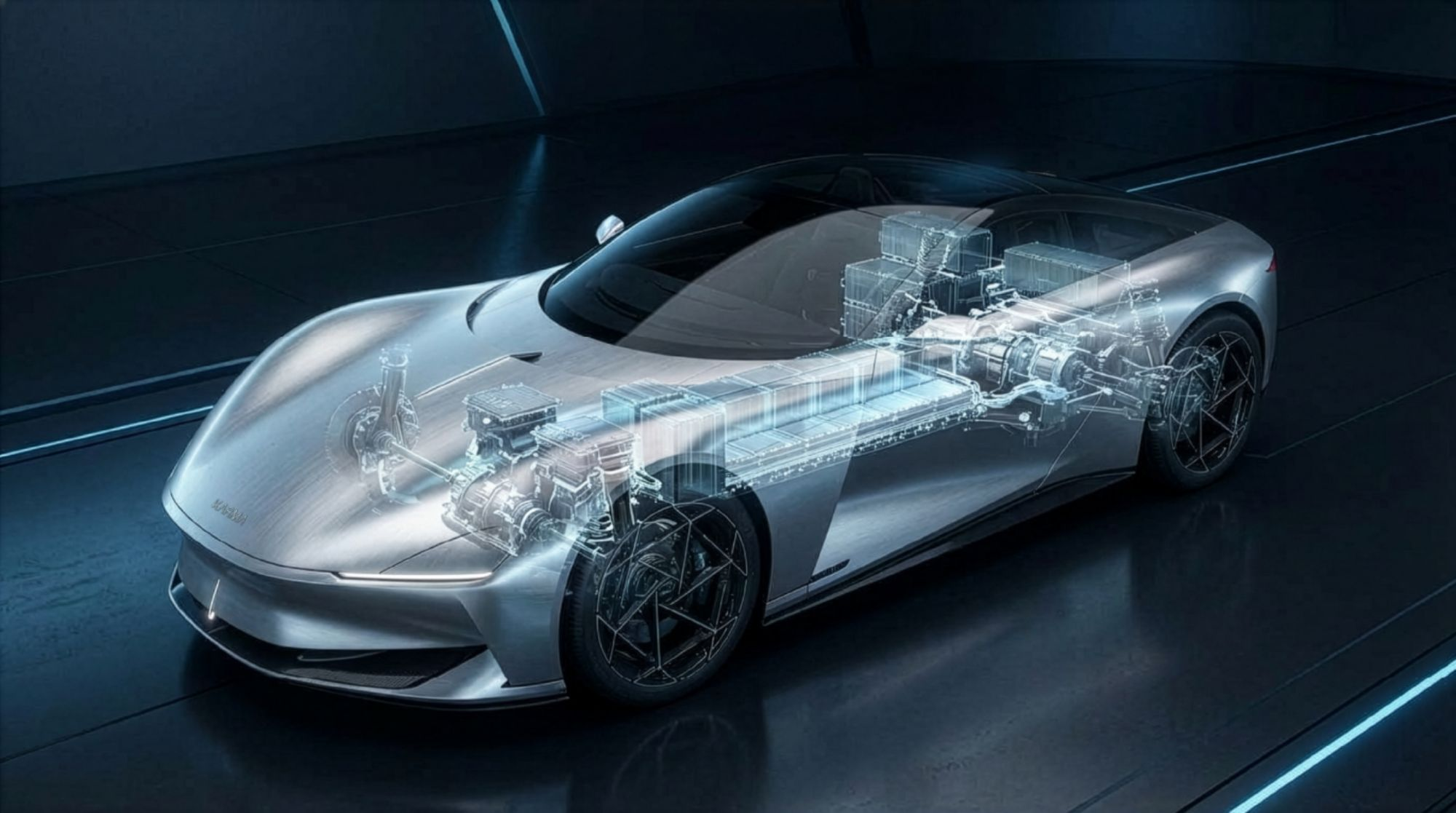
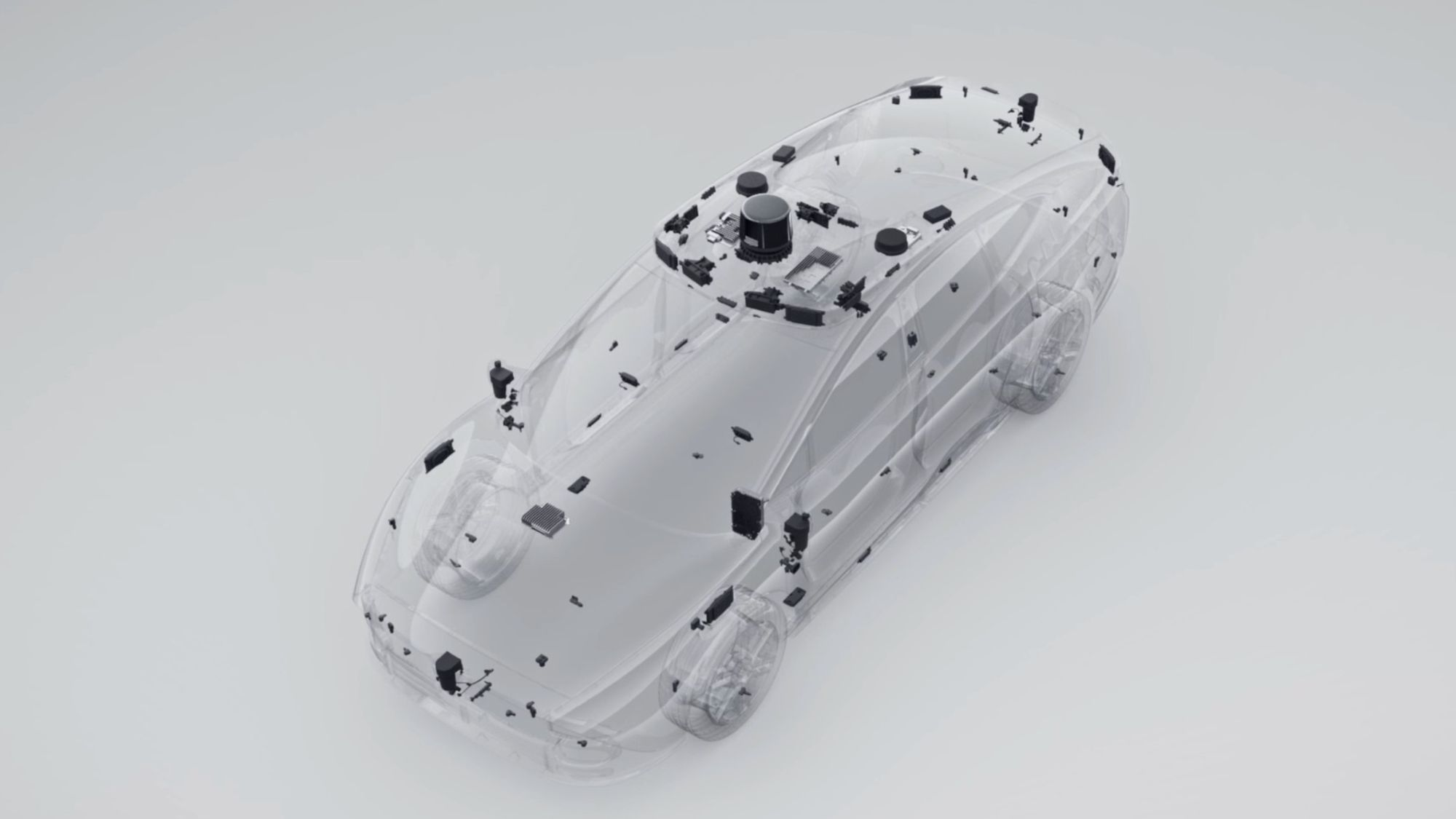
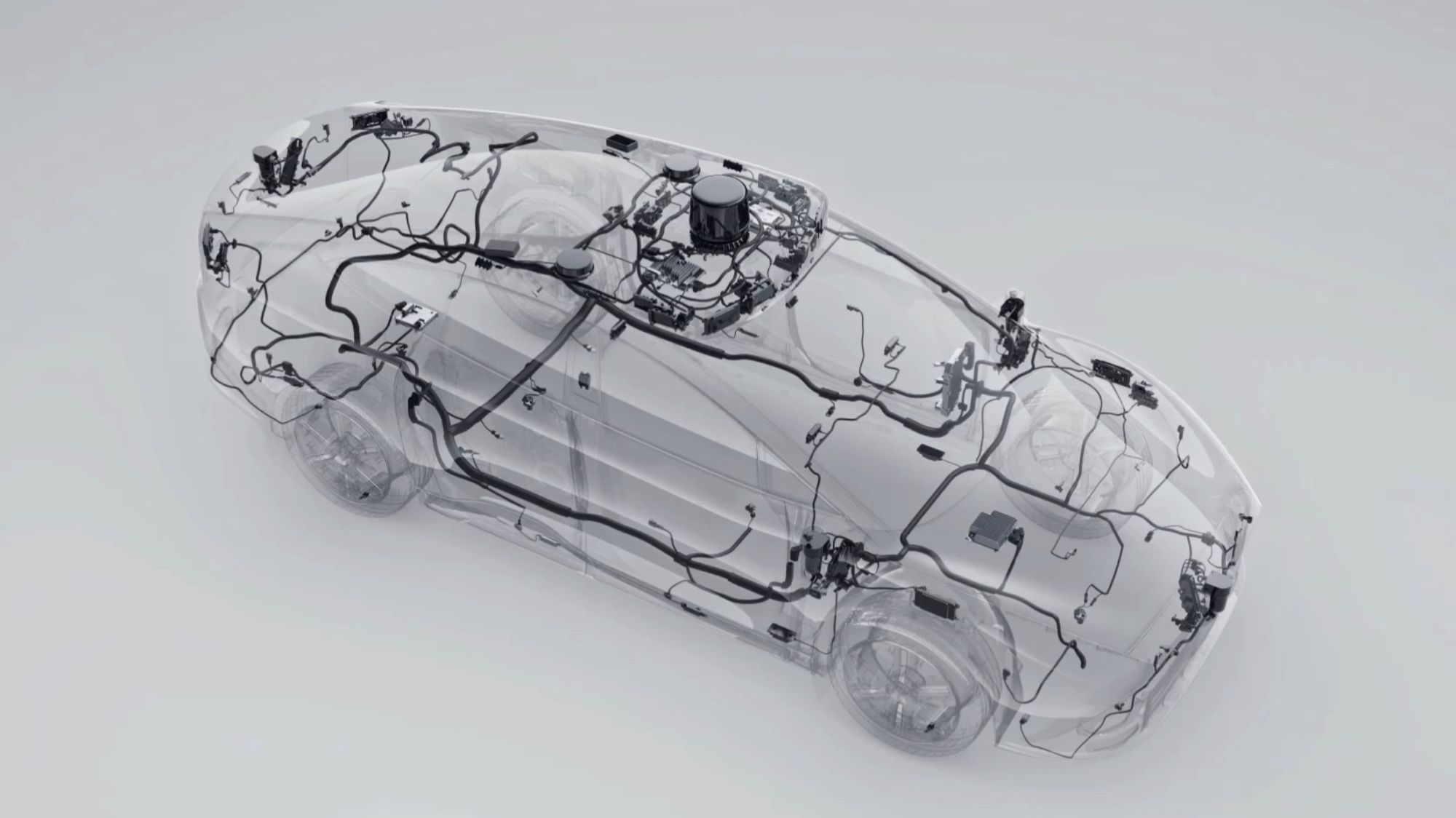
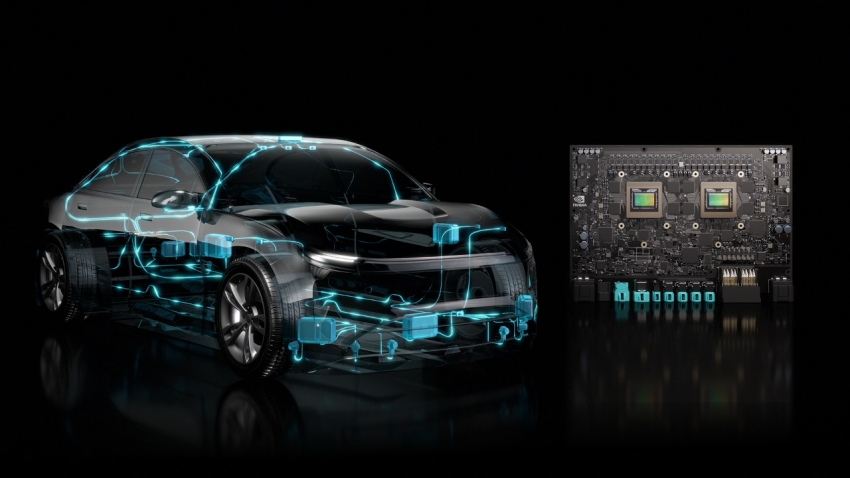
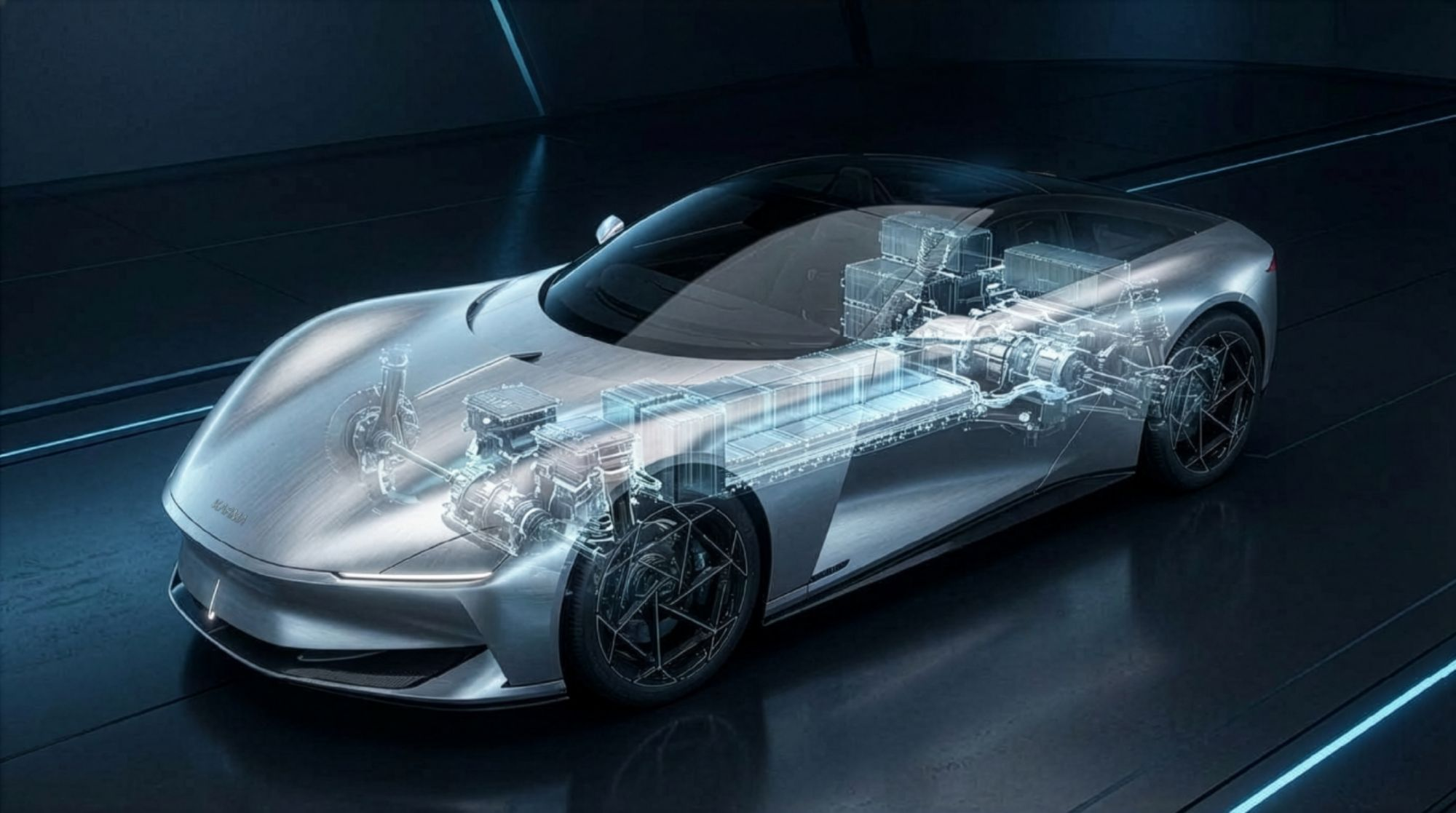
Drive Hyperion is a production-ready autonomous driving development platform and reference architecture, combining a standardized sensor suite, high-performance compute, and a software stack. This helps AV tech and vehicle makers develop, validate, and deploy next-generation driver-assist and autonomous driving capabilities.
Halos is a full‑stack system for physical AI that unifies safety elements across vehicle and robotics architectures and their underlying AI models. It combines hardware and software components, tools, models, and design principles to safeguard AI‑based, end‑to‑end AV and robotics stacks.
Here Futurride highlights four of the most significant GTC announcements from the commercial-vehicle sector.
PlusAI announced that it was bringing Nvidia’s Alpamayo foundation model to autonomous trucks. Kodiak AI, Inc., announced that it is scaling autonomous driving with Nvidia Drive Hyperion, using the AV architecture in its next-generation driverless solutions. Gatik announced that it is joining the Nvidia Halos AI Systems Inspection Lab to support the scaling of driverless freight operations across North America. Tier IV and Isuzu announced that they are advancing autonomous transit with the deployment of Level 4 buses powered by Drive Hyperion.
PlusAI brings Alpamayo, Hyperion, and Halos to autonomous trucks
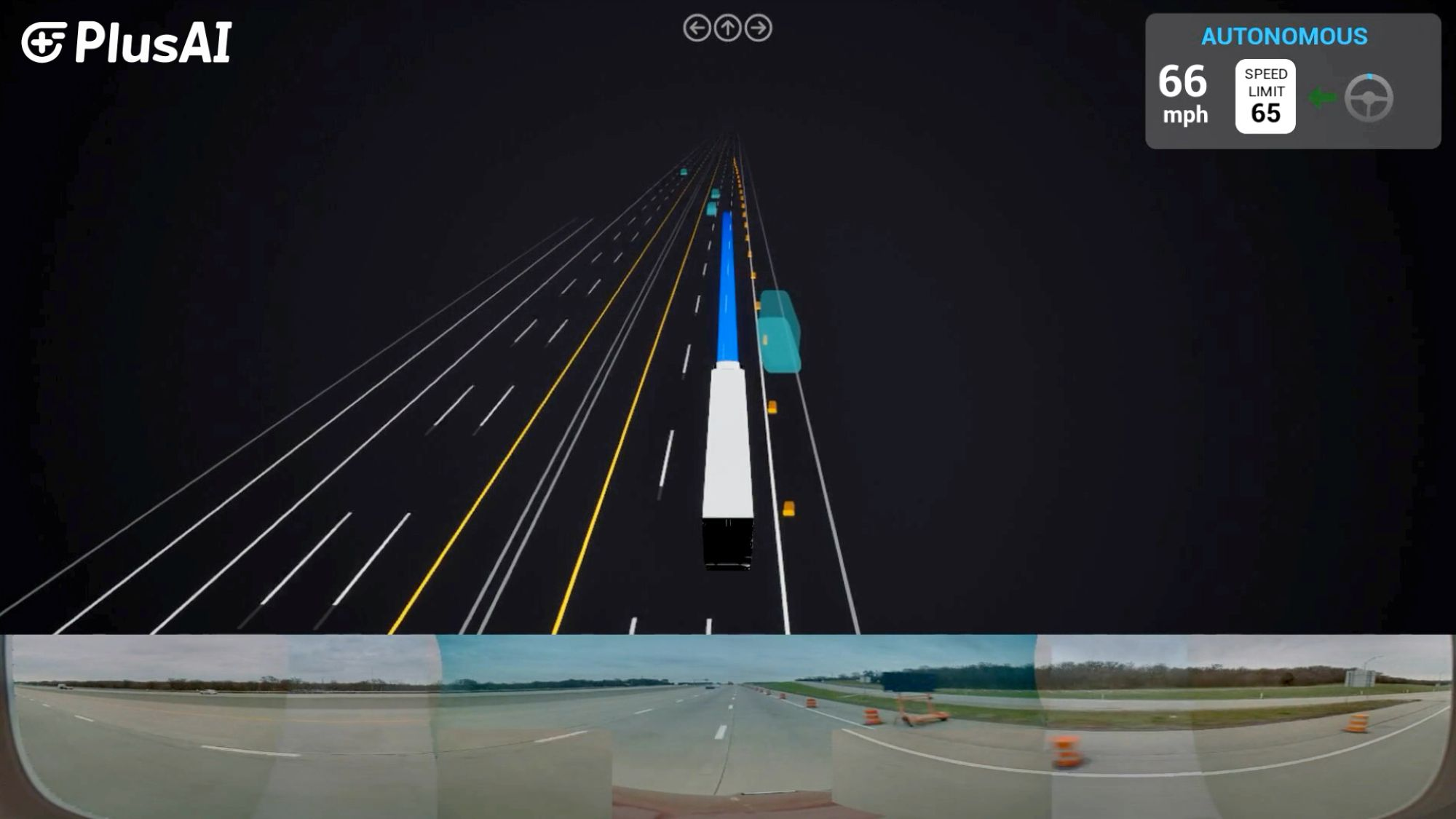
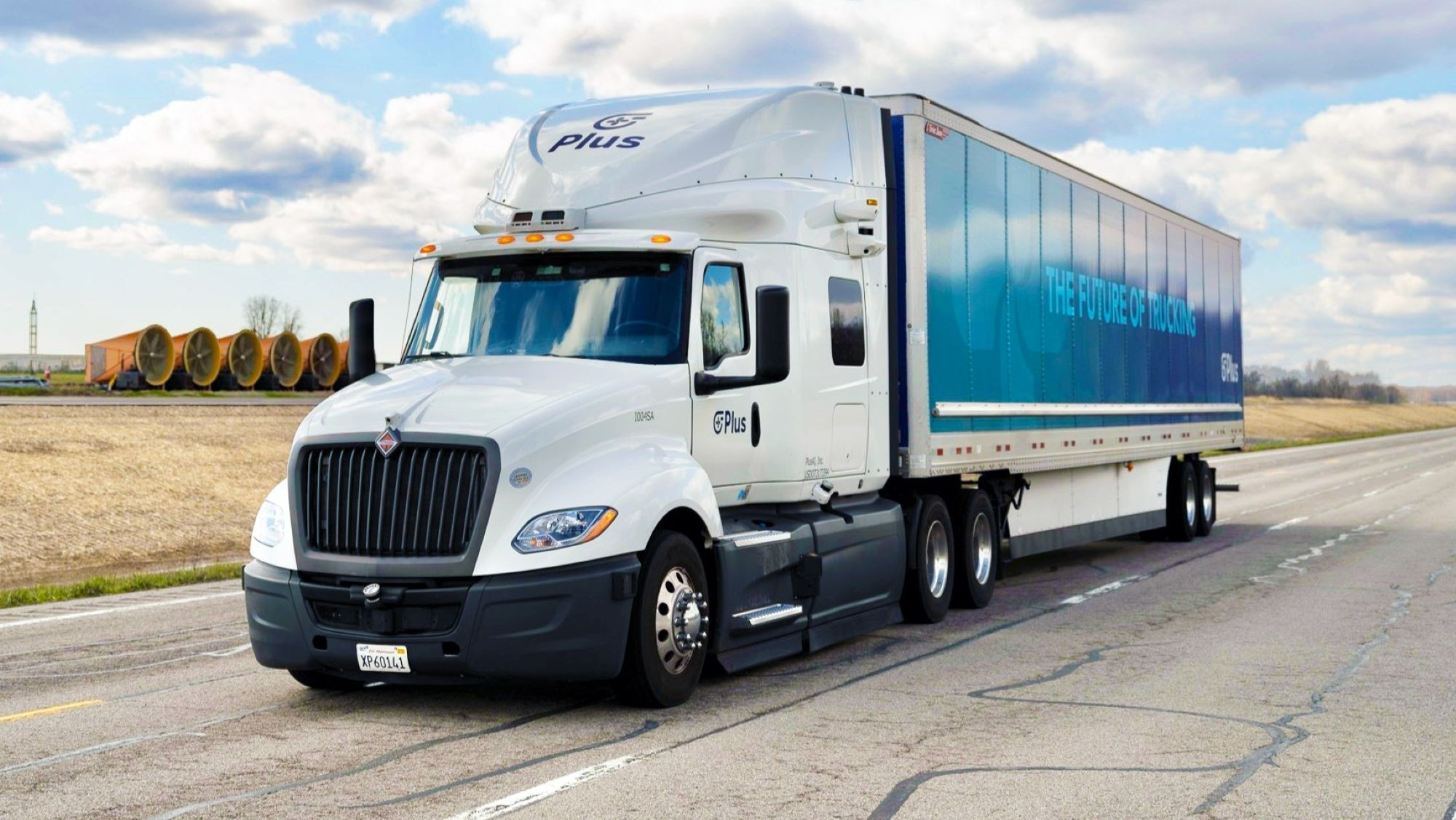
PlusAI announced an expanded collaboration with Nvidia that supports the commercialization of its SuperDrive virtual driver for fully driverless commercial operations on factory-built autonomous trucks expected to begin in 2027. The collaboration is extensive, advancing three interconnected capabilities in the self-driving system: AI reasoning through the Alpamayo foundation model, hardware-level integration through Drive Hyperion, and safety through Halos.
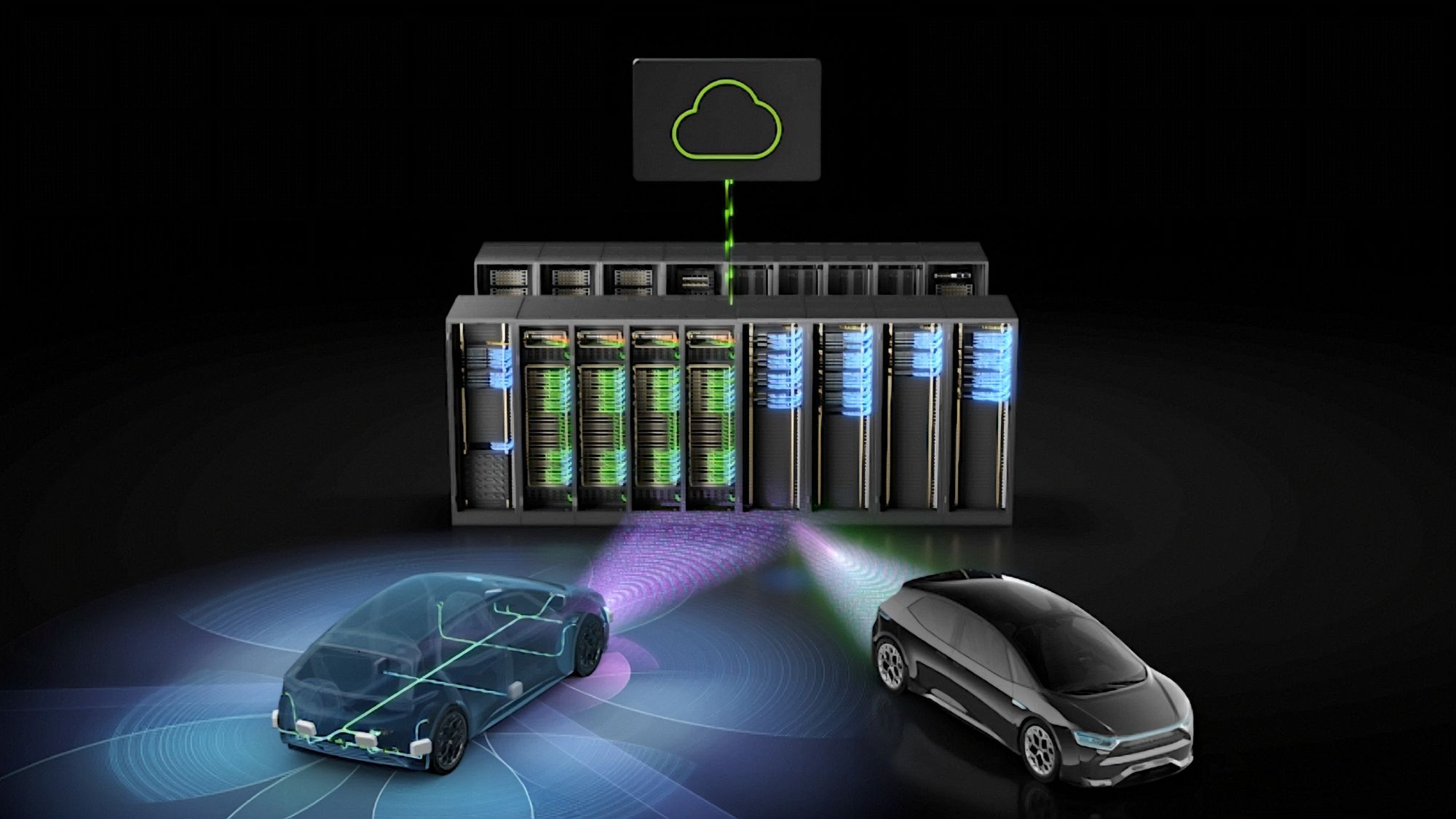
“By working with Nvidia as one of the first partners to apply Alpamayo to autonomous trucking, we are building on an AI foundation that spans cloud reasoning to edge deployment,” said David Liu, CEO and Co-founder of PlusAI. “This continued collaboration between PlusAI and Nvidia across Alpamayo, Hyperion, and Halos ensures that, as AI evolves, PlusAI remains at the forefront, delivering a certifiable, autonomous trucking solution that can redefine global freight.”
PlusAI’s integration of the Nvidia AI stack, from training foundation models with Alpamayo to deployment on the Hyperion platform, marks a significant milestone in the partners’ long-term collaboration, said Rishi Dhall, Vice President of Automotive at Nvidia.
“By being one of the first to adapt Alpamayo for the unique demands of heavy-duty trucking, PlusAI is demonstrating how generative AI can move from the data center to the driver’s seat,” he said. “This comprehensive approach across our Alpamayo, Hyperion, and Halos platforms provides the end-to-end framework that can accelerate the deployment of safe, production-ready autonomous trucking to the global market.”
The tightly integrated approach is expected to better enable scalable manufacturing and position PlusAI and its OEM partners for large-scale freight deployment of autonomous trucks.
PlusAI’s move into the next generation of AI reasoning by adapting the Alpamayo foundation model begins with the sensor setup because a semi-truck sees the world differently, with distinct sightlines, blind spots, and spatial requirements that must be considered in the model’s foundational representations. To deploy that capability within the strict compute limits of automotive-grade hardware, the company uses a teacher/student architecture.
A large 10-billion-parameter reasoning VLA (vision language action) model is trained using reinforcement learning against safety constraints and traffic rules to develop advanced reasoning capabilities. A “compact” 0.5-billion-parameter model then learns from it, inheriting that reasoning while running efficiently at the edge, where latency is measured in milliseconds.
The reasoning model works in conjunction with other models running onboard vehicles. The result is a system that can reason about complex, novel driving situations without requiring “a data center on wheels.”
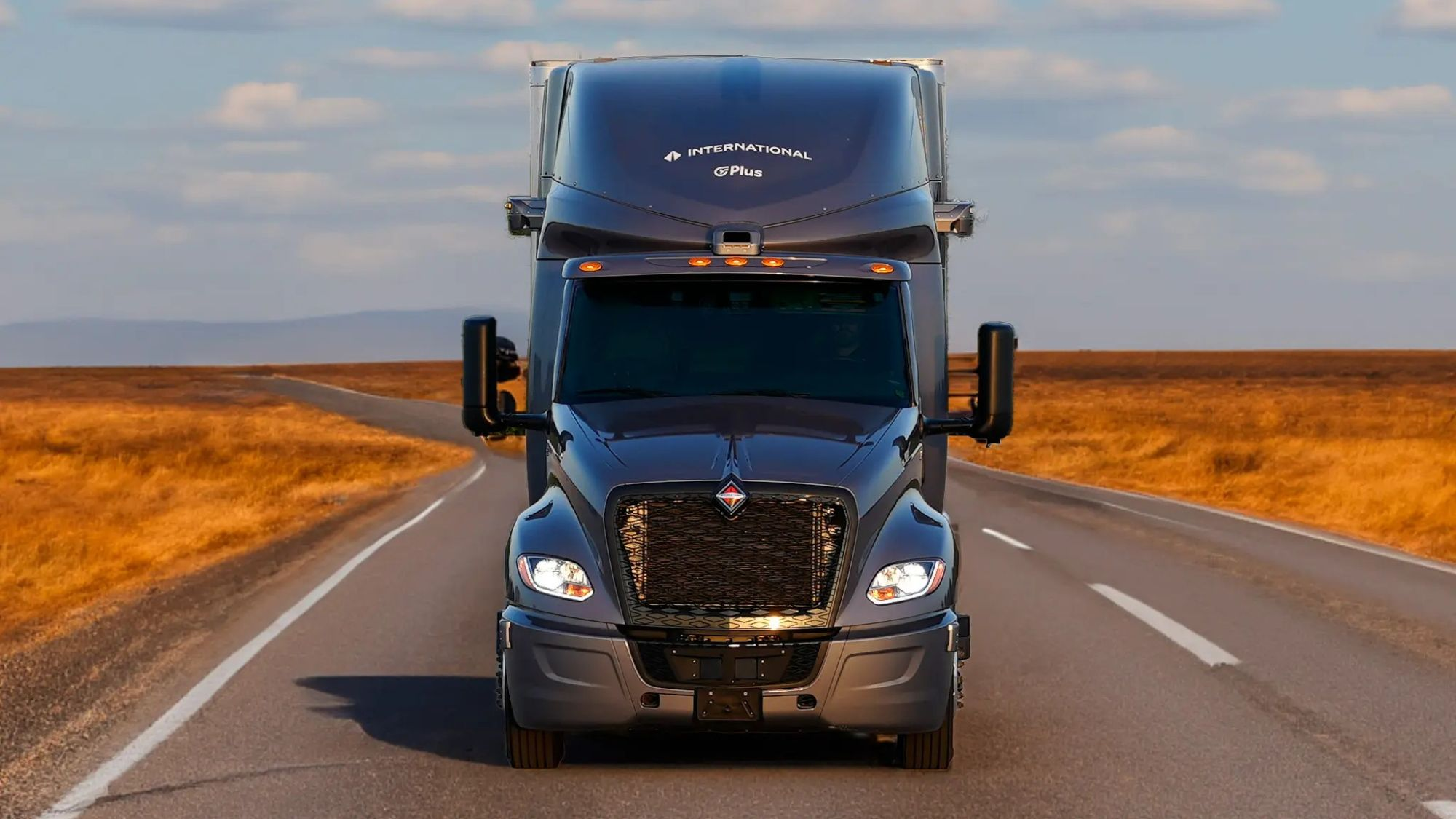
In collaboration with truck maker International Motors, PlusAI, and Nvidia are advancing production-ready Level 4 autonomous trucks built on the Drive AGX Hyperion platform. The factory-built vehicles will integrate International’s vehicle architecture and manufacturing expertise, PlusAI’s SuperDrive virtual driver, and Nvidia’s Drive AGX Thor SoC (system-on-a-chip) and DriveOS based on the Halos safety system.
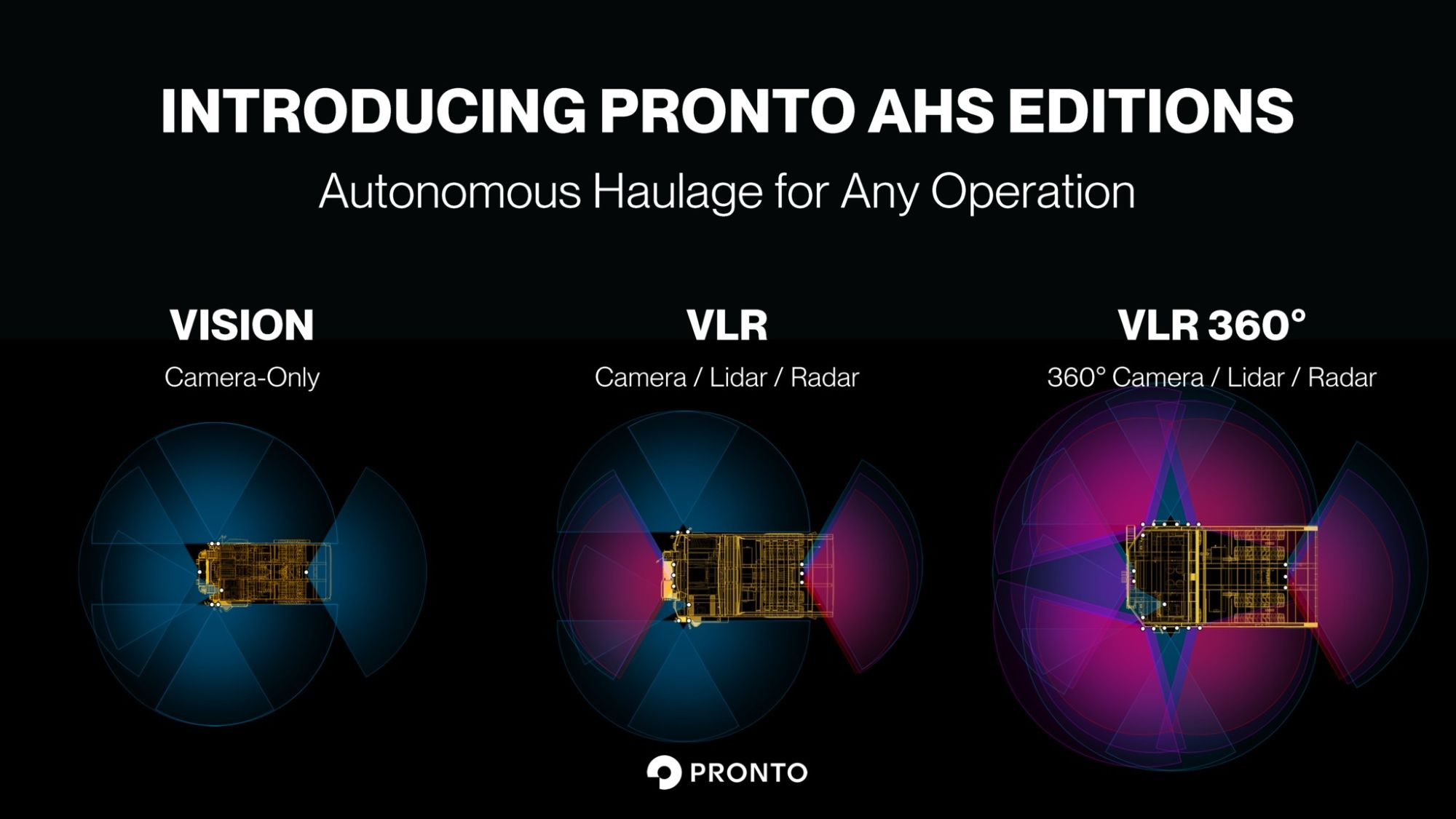
Engineered from the factory floor up, the trucks feature a combination of sensors including lidar, radar, and cameras which provide 360-degree awareness surrounding the vehicle. Paired with high-performance AI computing from Nvidia, the platform delivers the redundancy, sensor fusion, and high-speed inference required for safe driverless operation in complex, long-haul freight environments.
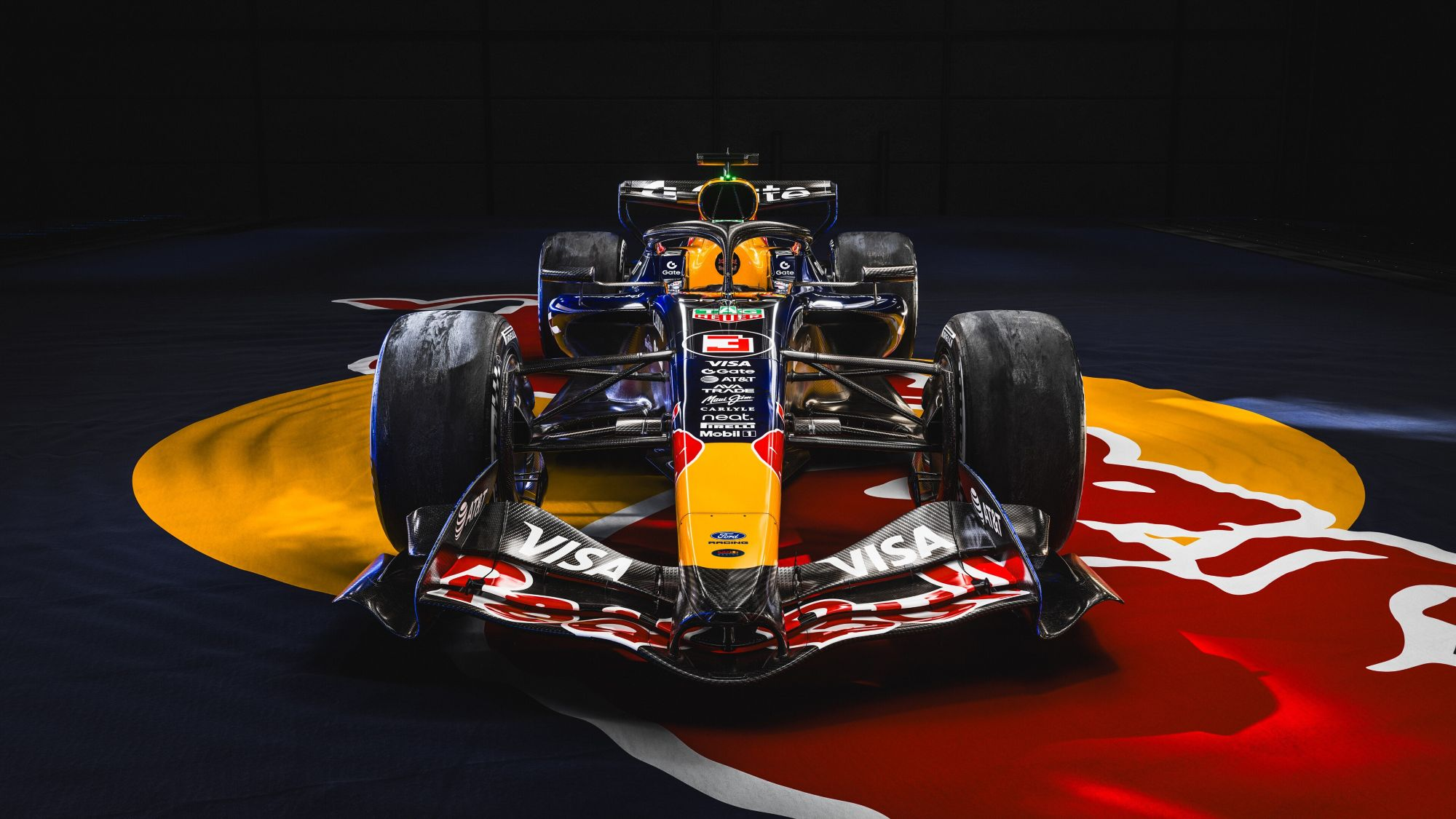
In January, PlusAI and International’s parent company, the Traton Group, announced an expanded partnership to accelerate autonomous truck commercialization, reinforcing a commitment to accelerate scaled commercial deployment of SuperDrive-enabled, factory-built autonomous trucks in the U.S. and Europe. It also builds on 2025 milestones across Scania, MAN, and International, including fleet trials in Texas, a precision demonstration with Red Bull, the Nvidia Level 4 development, and driverless safety maneuver validation.
To ensure the safe scaling of fully driverless commercial operations, PlusAI has joined the Halos AI Systems Inspection Lab. Nvidia is the first company to establish an ANSI National Accreditation Board (ANAB)-accredited AI Systems Inspection Lab, integrating functional safety, cybersecurity, AI, and regulations into a unified safety framework.
In addition to third-party certifications PlusAI said it obtained February, its integration of SuperDrive with the Nvidia platform is scheduled to undergo independent assessment against three international standards—functional safety (ISO 26262), cybersecurity (ISO/SAE 21434), and AI safety (ISO PAS 8800)—as part of Halos AI Systems Inspection Lab scope.
Earlier this month, PlusAI released SuperDrive 6.0, the latest version of its autonomous driving software engineered for commercial-scale deployment. The new release introduces crucial capabilities for commercial freight operations, including night driving and construction-zone handling. By boosting the speed of its AI model training by ten times, it also enables rapid feature deployment and validation.
Built on over 7 million miles of real-world driving across the U.S., Europe, and Asia, SuperDrive 6.0 is a major advancement that moves the company closer to scalable fully driverless commercial deployment targeted for 2027 with factory-built trucks.
-

- The PlusAI and International Level 4 autonomous truck is powered by the Nvidia Drive AGX Hyperion platform.
-

- Plus AI-equipped International Level 4 autonomous truck on the road.
-

- PlusAI’s latest SuperDrive 6.0 unlocks night driving and construction zone handling.
Kodiak AI to scale autonomous trucking with Hyperion
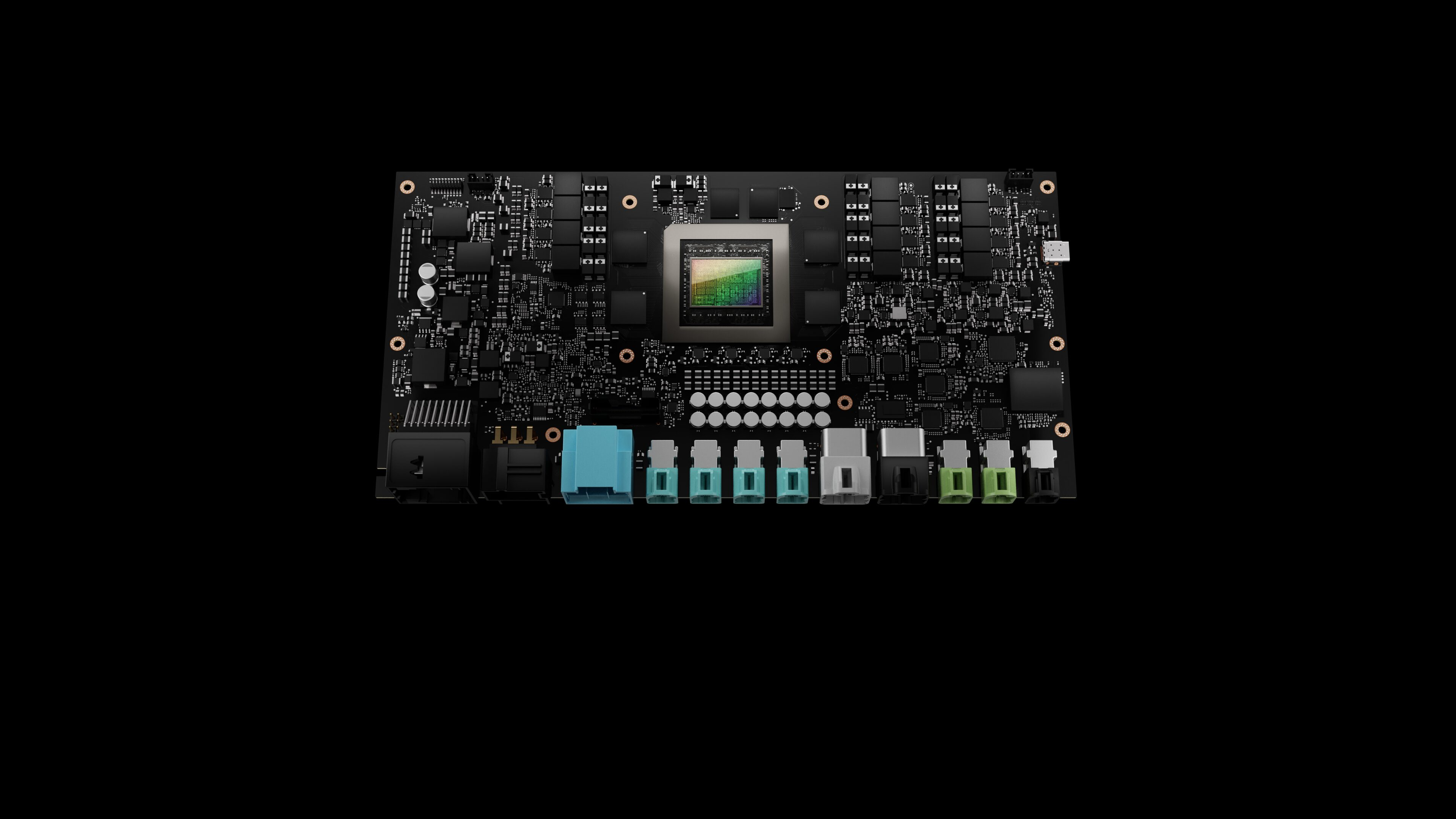
Kodiak intends to accelerate the deployment and scaling of driverless vehicles with the Hyperion production-ready reference platform underpinned by two Nvidia Drive AGX Thor centralized computers.
Built on the Blackwell architecture, Thor delivers up to 1000 INT8 TOPS and 2,000 FP4 TFLOPS of AI compute. The massive compute headroom is optimized for the latest generative AI, transformer, and VLMs (vision language models), enabling the Kodiak Driver to interpret nuanced and unpredictable real-world conditions in real time to enable safe and verifiable driving behavior.
“The key to deploying Physical AI is harnessing the power of datacenter-scale AI and optimizing it to run at the edge,” said Don Burnette, Founder and CEO of Kodiak. “At a time when our core AI capabilities and product footprint are rapidly expanding, Nvidia Drive Hyperion delivers robust performance across a wide range of platforms for meeting the challenge of scaling autonomous vehicles.”
With the Kodiak Driver deployed in 20 trucks as of the end of 2025, the company is already providing driverless service on customer-owned Class 8 trucks with no humans in the cab. Its trucks operate 24/7 in West Texas’s Permian Basin, navigating bumps, potholes, cattle guards, oncoming vehicles, and dust storms without a human on board.
Kodiak’s virtual driver combines advanced AI-powered software with modular and vehicle-agnostic hardware, built to harness best-in-class technologies from across the AI ecosystem. By incorporating the Nvidia platform into its stack, the company says it is continuing its strategy of technical agility, ensuring its customers benefit from the most advanced accelerated computing available.
“Nvidia Drive Hyperion is the backbone of the AI-defined vehicle era,” said Nvidia’s Dhall. “By collaborating with Kodiak, we are providing a scalable, safety-first architecture that allows their sophisticated L4 stack to operate seamlessly across a wide range of platforms, from the highway to the most challenging off-road and industrial environments.”
Kodiak AI is working to launch long-haul driverless service in the second half of 2026. The company announced at CES 2026 that it is working with Bosch to collaborate on and scale the manufacturing of a production-grade, redundant autonomous platform, which contains the hardware, firmware, and software interfaces that enable the Kodiak Driver to automate trucks—either on a vehicle production line or through an upfitter.
Through the agreement, Bosch will support the development of a redundant autonomous platform that combines the integrated automotive-grade hardware, firmware, and software interfaces. Bosch will supply Kodiak with hardware components, including sensors and vehicle actuation components such as steering technologies.
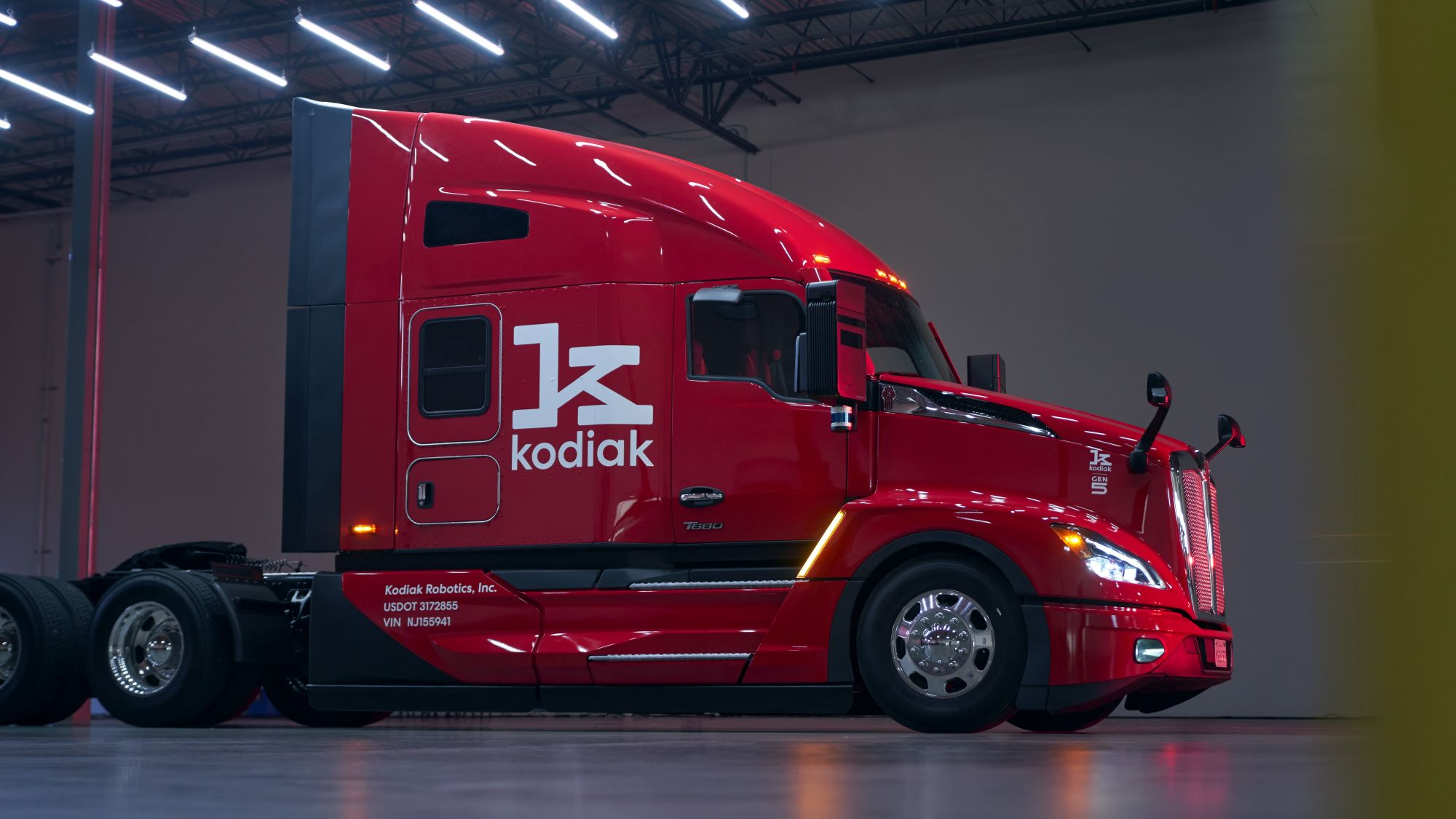
One of Kodiak’s key differentiators are its SensorPods, which combine lidar, radar, and camera sensors in a unit designed to be swapped in the field—quicker than changing a tire, with no specialized training—to keep vehicles moving and maximizing uptime. Purpose-built for manufacturing, maintenance, and daily operational use, they are easy to integrate across different vehicle types and engineered to perform in unforgiving environments.
-

- Kodiak’s mirror-mounted SensorPods are designed to keep vehicles moving and maximize uptime.
-

- Kodiak’s Gen5 virtual driver combines advanced AI software with modular and vehicle-agnostic hardware.
Gatik joins Halos AI Systems Inspection Lab
During GTC, Gatik announced it is joining the Nvidia Halos AI Systems Inspection Lab ecosystem. The move reflects a shared commitment between the two companies at the operational frontier of autonomous trucking.
“We’re excited to welcome Gatik to the Nvidia Halos AI Systems Inspection Lab,” said Riccardo Mariani, Nvidia’s VP of Industry Safety. “Gatik’s leadership in autonomous transportation and commitment to safety innovation align with our mission to advance safe physical AI systems. Together, we look forward to accelerating the development of rigorous inspection methods that strengthen reliability across autonomous platforms.”
Since launching fully driverless operations in 2025, Gatik has been safely operating round-the-clock for multiple customers across Texas, Arkansas, and Arizona in the U.S., and Ontario in Canada, connecting dense regional networks of warehouses and retail stores. The company completes daily freight deliveries for Fortune 50 retailers and major consumer packaged goods companies, with no human driver or safety observer.
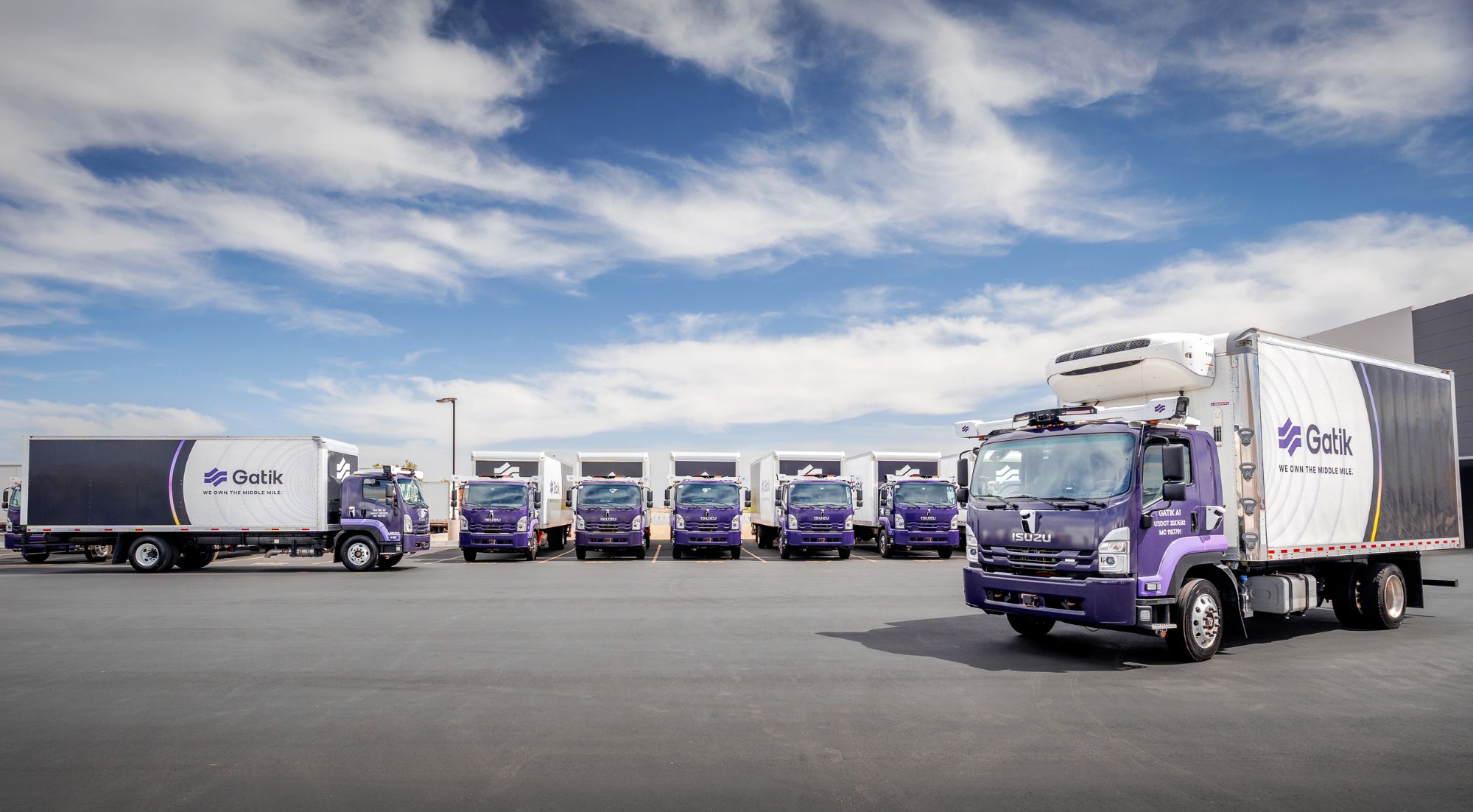
Operating in the Dallas-Fort Worth region of TX, the Phoenix Metro area of Arizona, and in Northwest Arkansas, Gatik’s 26- and 30-ft trucks run nearly 24 hours a day, moving ambient, refrigerated, and frozen goods between distribution centers and stores to boost delivery frequency, cut costs, and keep shelves stocked. The company is now preparing to expand its driverless operations to new U.S. markets, helping retailers meet rising demand while addressing persistent driver shortages and delivery costs through safe, scalable automation.
Gatik says that progress is backed by $600 million in contracted revenue and its plans to scale to hundreds of driverless trucks by the end of 2026.
“Autonomous trucking is no longer a promise; it’s a business,” said Gautam Narang, CEO and Co-founder of Gatik. “With more than $600 million in contracted revenue, Gatik has proved that autonomous trucking is not only possible but commercially viable, and the fierce demand for our solution reflects how quickly this new model will reshape the future of logistics.”
It also makes the company a good, real-world proving ground for the Halos framework and for the validation infrastructure needed to scale driverless fleets safely to hundreds of trucks.
“Our work with Nvidia has been central to bringing autonomous trucking into real-world operations,” said Apeksha Kumavat, Co-Founder and Chief Engineer of Gatik. “Expanding that collaboration with Halos reflects Nvidia’s trust in the systems Gatik has built over the years and our shared commitment to strengthening the safety foundation that makes driverless freight possible at scale.”
Gatik’s third-generation Driver combines state-of-the-art AI architecture with reasoning and automotive-grade hardware designed for high-frequency commercial logistics.
Before launching driverless operations, the company completed an exhaustive independent review of key components of its Safety Assessment Framework conducted by globally recognized testing, inspection, and certification organizations with experience in autonomous system safety assurance. It also maintains active engagement with the U.S. Department of Transportation, including the Federal Motor Carrier Safety Administration and the National Highway Traffic Safety Administration, as well as state agencies and local stakeholders across its operating markets.
Gatik’s successful launch of fully driverless operations is enabled by its ongoing collaboration with Isuzu Motors Ltd., for which it integrates its Level 4 autonomous driving system with Isuzu’s medium-duty platforms. The collaboration supports Gatik’s current autonomous operations, while Isuzu and Gatik continue to advance preparations for a mass-production, autonomous-ready vehicle program to support scalable autonomous logistics.
“This represents an important step in bringing autonomous driving technologies into commercial logistics operations,” said Hiroshi Sato, Senior Executive Officer and Vice President, Engineering Division, Isuzu Motors Ltd. “Through our collaboration with Gatik, Isuzu is contributing reliable vehicle platforms to support this progress and continuing preparations for future autonomous-ready vehicle programs.”
-

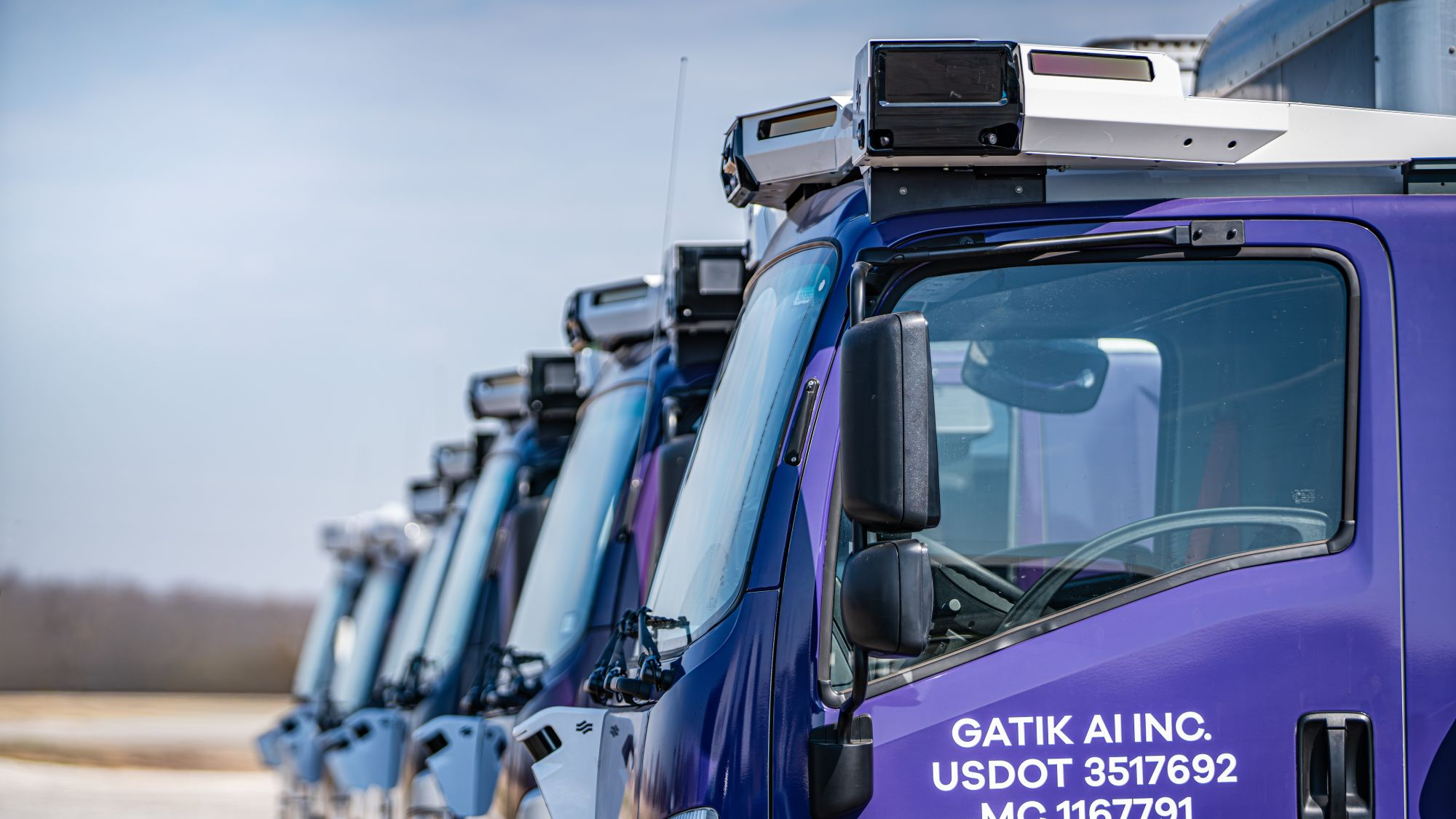
- In January, Gatik started operating fully driverless trucks at scale for commercial deliveries.
-

- Gatik’s Isuzu medium-duty trucks up close showing sensor array.
Tier IV and Isuzu buses powered by Hyperion
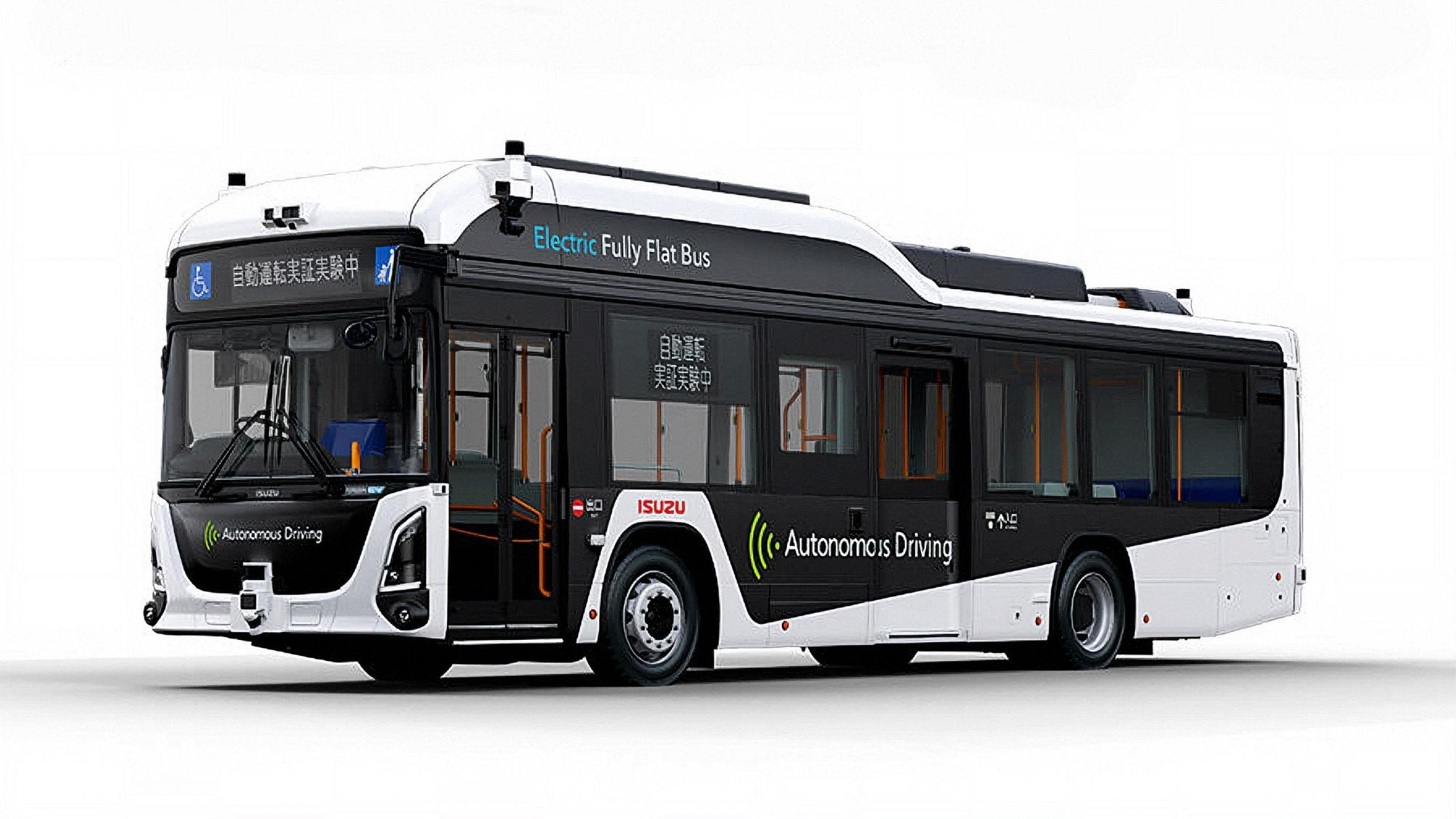
Coinciding with GTC, Isuzu Motors also announced, with its partner Tier IV, Inc., the deployment of Level 4 autonomous buses.
The announcement marks a major step toward the partners’ ambition to safely and scalably deploy autonomous transit. This effort combines Tier IV’s Level 4 software stack based on Autoware, open-source software for autonomous driving, Isuzu’s advanced bus platforms, and Nvidia’s AI compute, to create Level 4 autonomous buses optimized for high-capacity public transit.
“This collaboration marks a definitive milestone for autonomous transit,” said Shinpei Kato, Founder and CEO of Tier IV. “By fusing Isuzu’s legendary engineering with Nvidia’s Thor AI compute, we have built an unmatched foundation for Level 4 transit driven by Autoware.”
The ERGA electric and diesel models leverage the Nvidia Drive Hyperion complete, production-ready autonomous driving development platform and reference architecture, which combines a standardized sensor suite, high-performance AI computing, and a robust software stack.
“Our partnership with Tier IV and Nvidia represents a significant leap in commercial vehicle intelligence,” said Isuzu’s Sato. “Deploying Level 4 autonomous driving on both our ERGA EV and diesel models ensures that we provide versatile, sustainable, and highly efficient solutions for any fleet.”
They will feature Nvidia Drive AGX Thor automotive-grade system-on-chip that delivers up to 2000 TOPS of performance, with ASIL-D compliance and redundancy for essential safety and performance.
The “scalable solution addresses critical real-world needs, such as Japan’s national driver shortage, while delivering the operational rigor necessary for essential public services,” said Nvidia’s Dhall.
Key highlights of the Tier IV and Nvidia collaboration include the integration of the Alpamayo open portfolio of AI models, simulation frameworks, and physical AI datasets, and Nvidia Cosmos, a platform with open, world foundation models, guardrails, and data processing libraries. These technologies will be integrated into Autoware’s open-source software for autonomous driving and Tier IV’s Co-MLOps collaborative data platform for AI development.
By integrating Cosmos with the Co-MLOps platform, Tier IV aims to expand the open-source software’s capabilities to address the long tail of autonomous driving—rare, unpredictable edge cases that fall beyond predefined rules and conventional training scenarios.
The core functions include Cosmos-Predict, which generates edge cases from multimodal prompts, creating the high-fidelity synthetic data needed to solve detection challenges that are difficult to capture in the real world. Cosmos-Transfer provides advanced data augmentation by transforming labeled data into various environmental conditions, such as heavy rain, snow, or different times of day, based on images generated by the automated labeling infrastructure. Cosmos-Reason rapidly searches, validates, and summarizes vast amounts of driving data, using a vision-language model that captures the essence of the physical world.
-

- Tier IV and Isuzu are deploying Level 4 buses powered by Hyperion.