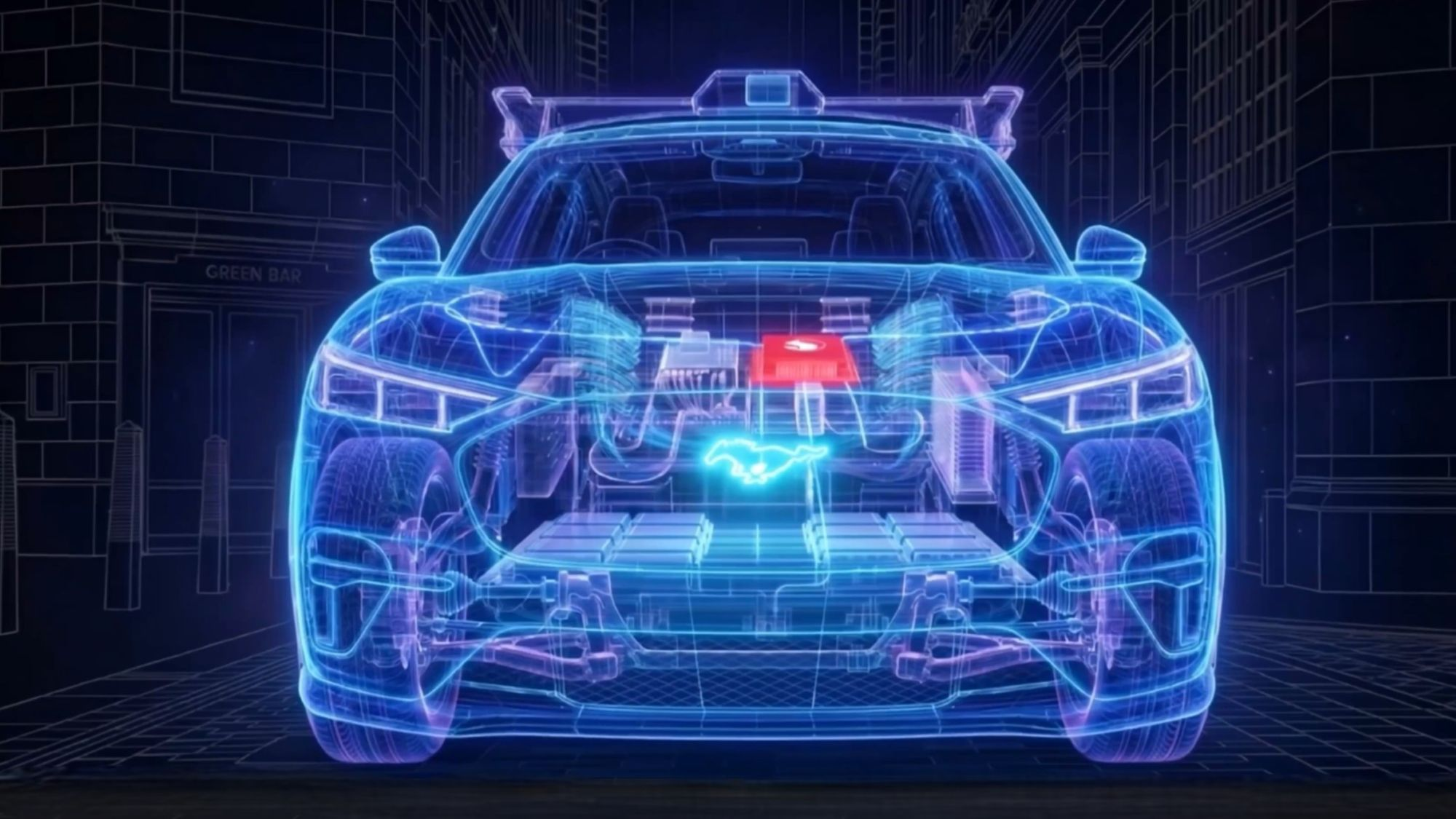
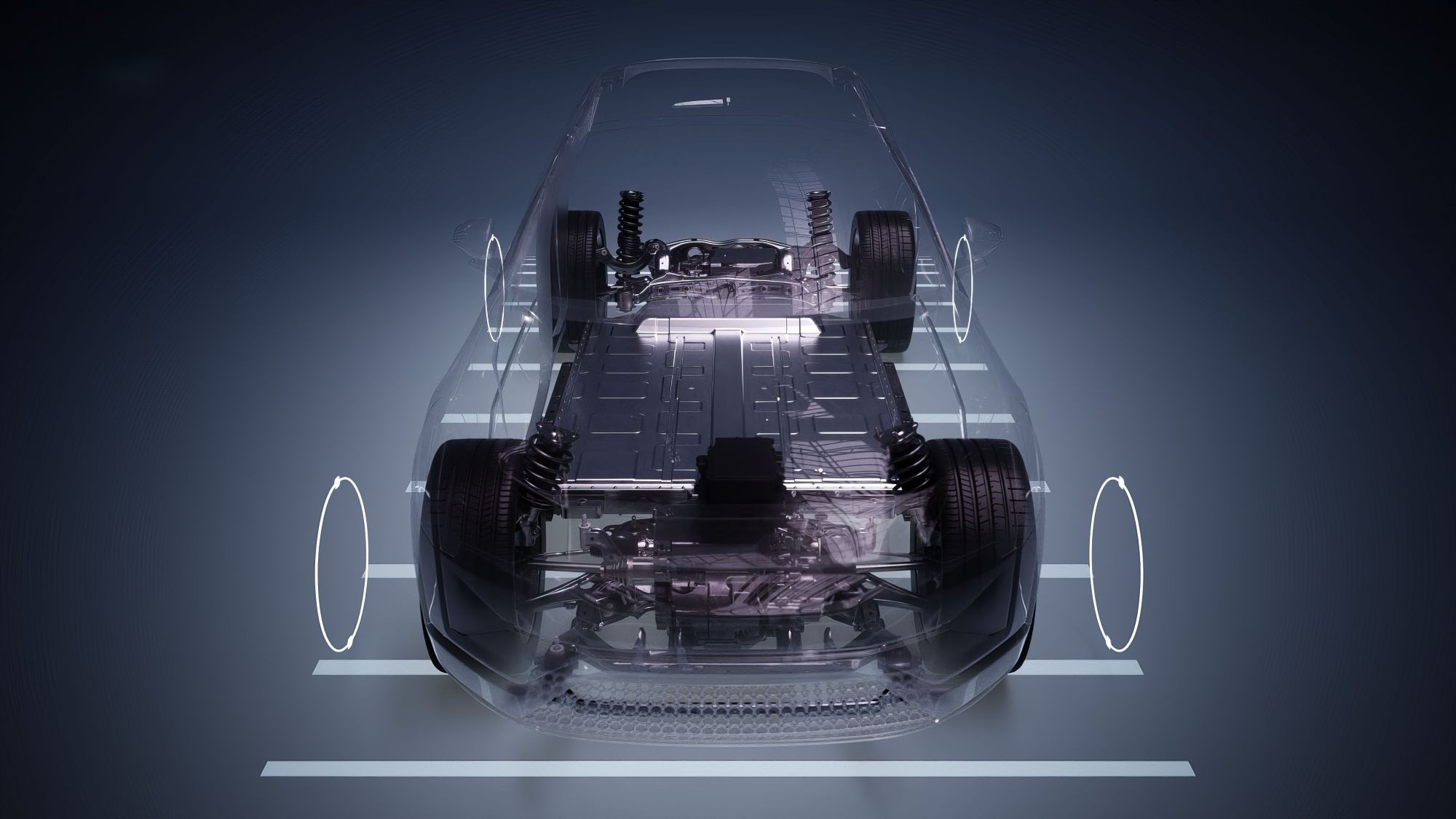
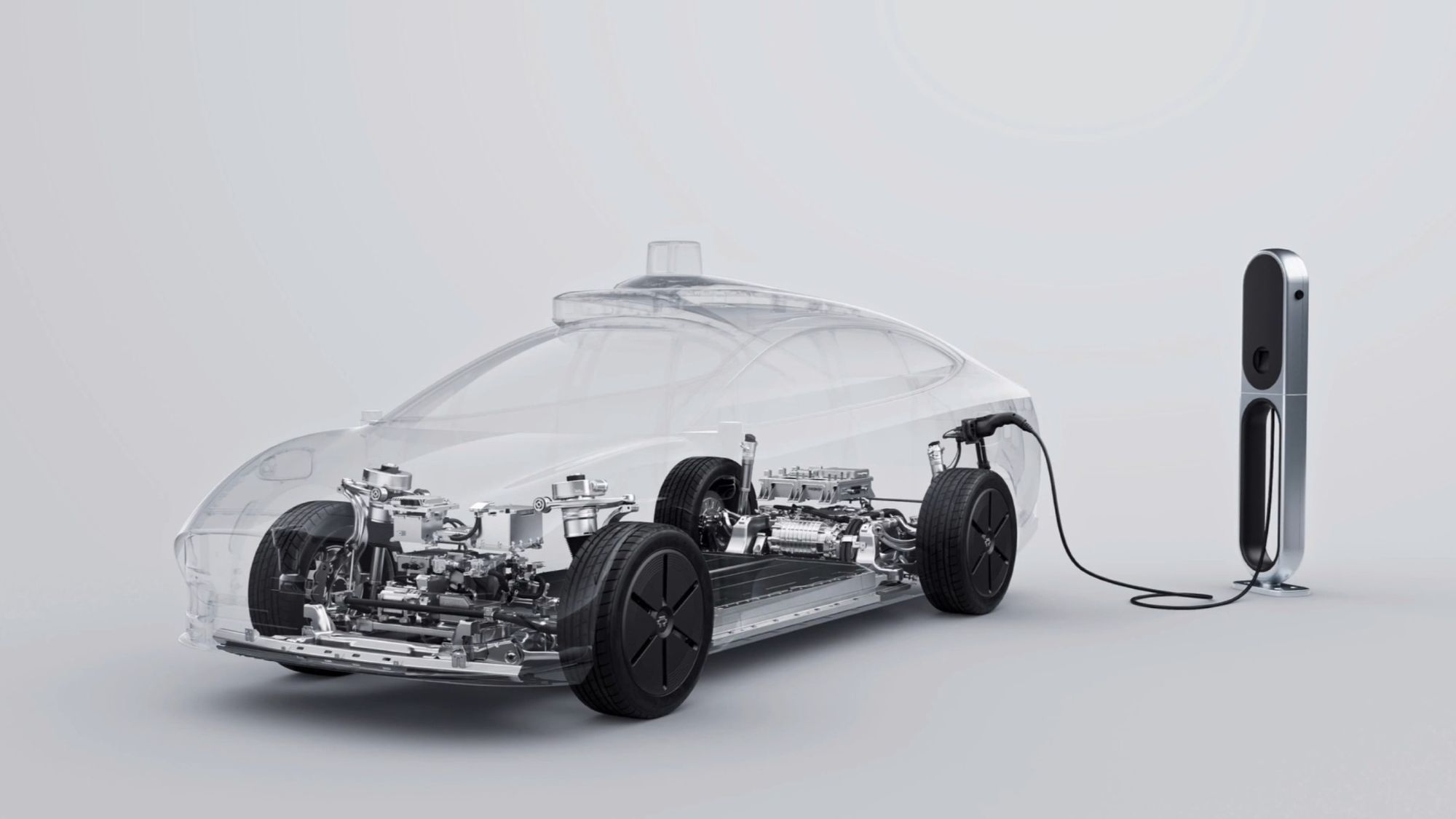
Renault Group and Ford today announced a strategic partnership aimed at expanding Ford’s EV (electric vehicle) offering to European customers, a cornerstone of the collaboration being the development of two Ford-branded EVs based on Renault’s Ampere platform. In addition, the two OEMs signed an Letter of Intent for a European LCV (light commercial vehicle) collaboration, with the partners exploring the joint development and manufacture of Renault- and Ford-branded LCVs.
“This partnership shows the strength of our partnership know-how and competitiveness in Europe,” said François Provost, CEO of Renault Group. “In the long term, combining our strengths with Ford will make us more innovative and more responsive in a fast-changing European automotive market.”
By combining their expertise in Europe, for innovation, design, software, and service delivery, the partners are aiming to address industry challenges and better serve customers in both the retail and commercial vehicles segments.
“The strategic partnership with Renault Group marks an important step for Ford and supports our strategy to build a highly efficient and fit-for-the future business in Europe,” said Jim Farley, President and CEO of Ford Motor Co. “We will combine Renault Group’s industrial scale and EV assets with Ford’s iconic design and driving dynamics to create vehicles that are fun, capable, and distinctly Ford in spirit.”
Designed by Ford, and developed with Renault Group, the two cars are expected to feature “distinctive driving dynamics, authentic Ford-brand DNA, and intuitive experiences.” They mark the first step in a new product offensive for Ford in Europe. The first of the two vehicles is expected in showrooms in early 2028.
Building at Ampere ElectriCity
The Ford models will be produced in the North of France, illustrating the Ampere ElectriCity’s “state-of-the-art” manufacturing capabilities and expertise.
Just last week, Renault announced that the Ampere ElectriCity plant in Douai had reached a milestone of 100,000 5 E-Tech EVs built in 15 months since the launch in October 2024. The 100,000th vehicle was a Techno version with a 52-kWh battery, the most common combination of level trim and battery, celebrated by employees at the Hauts-de-France site.
“A little over a year after its launch, the production of the 100,000th Renault 5 E-Tech electric in Douai stands as a testimony to the dedication of our teams and the trust of our customers,” said Pierre-Emmanuel Andrieux, the Douai Plant Director at Ampere. “The Ampere site in Douai has undergone a profound transformation toward full electrification, driven by the passion and expertise of its workforce. Today, we celebrate far more than a number: we honor our collective ability to write a new chapter in sustainable innovation.”
On a single line, the Ampere ElectriCity plant builds six electric models: Renault 5, Renault Megane and Renault Scenic E-Tech electric, Alpine A290, Nissan Micra, and Mitsubishi Eclipse Cross. Around 900 vehicles are built every day, of which two-thirds are the 5 E-Tech electric, the winner of the European Car of the Year 2025 award. To achieve this, the workforce now operates in three daily shifts.
Renault decided to build most of its EVs at the Ampere ElectriCity complex, where two-thirds of its suppliers (including the Cléon plant for electric motors) are within a 300-km (186-mi) radius and most of its customers are within a 1000-km (621-mi) radius. The complex includes the Maubeuge plant, assembling Renault 4 E-Tech electric, and the Ruitz plant, specializing in the manufacture of pinions for hybrid and electric gearboxes, and also in the production of battery cases through the Minth Electricity Technology joint venture.
“Renault 5 E-Tech electric stands as a flagship of our ability to transform an iconic model into a driver of competitiveness and French industrial sovereignty,” said Anne-Catherine Brieux, VP Industrial Operations of Ampere and Alpine. “This achievement is built upon the strength of a unique and efficient local ecosystem spanning the entire value chain, bringing together Douai, Cléon for electric motors, Ruitz, as well as our partners and suppliers rooted in the heart of the Hauts-de-France region.”
The 5 E-Tech electric has enjoyed considerable success since its launch. For several months, the car was number one in the electric B-segment in Europe. It also ranks number two on the retail market in Europe, for all segments combined. In France, it established itself as number one on the EV market overall at the start of the year.
Ford’s next European strategy phase
Beyond the Renault tie-up, Ford today announced the next phase of its European transformation, reinforcing its commitment to the region for both retail and commercial customers with a strategy focused on agility, cost efficiency, and a sharpened brand promise. Its strategy for Europe is built on three pillars: further strengthening its successful Ford Pro commercial vehicle division, expanding the Ford passenger-car range with distinctive new vehicles, and optimizing its industrial system to drive scale and cost efficiencies.
Earlier this year, the electric Puma Gen-E and E-Tourneo Courier were added to Ford’s electric passenger vehicle lineup in Europe, joining the Ford Explorer, Capri, and Mustang Mach-E in European showrooms. In the commercial vehicle segment, the E-Transit Courier completed the offering from Ford Pro that includes E-Transit, E-Transit Custom, and E-Tourneo Custom.
To build a more sustainably profitable business in Europe, its latest plan calls for a new product offensive driven by the introduction of new multi-energy, affordable cars and commercial vehicles designed to support customer choice on their journey to electrification and boost the company’s competitiveness in an aggressive market.
“As an American company, we see Europe as the frontline in the global transformation of our industry,” said Farley. “How we compete here—how we innovate, partner, and invest—will write the playbook for the next generation. We are committed to a vibrant future in Europe, but that future requires us to move with greater speed and efficiency than ever before.”
The strategic partnership with Renault Group is a first step in accelerating the plan. The partnership combines the expertise, industrial scale, and supply base of two major brands, delivering the efficiency and manufacturing scale needed to compete in a highly dynamic region.
“We are leveraging strategic partnerships to ensure competitiveness, but we are obsessing over the product,” said Jim Baumbick, President of Ford Europe. “These will be fun-to-drive, fully connected vehicles that stand out from the crowd.”
On the commercial vehicle front, Ford Pro continues to be the engine of the company’s European business. The division is moving beyond hardware to offer a comprehensive ecosystem of software and services. By turning billions of vehicle data points into actionable intelligence, the FordLiive Uptime system delivered an estimated 820,000 additional days of vehicle uptime to European businesses in 2024 alone.
Today’s announcement with the Renault Group builds on Ford’s history of partnerships in Europe, including with Koç Holding and Volkswagen, leveraging partner platforms to develop products that are “unmistakably Ford.”
Ford Otosan, the joint venture with Koç Holding, is a significant value driver for Ford’s commercial vehicle business in Europe. Its plants are supplied with electric drive units produced in Halewood, UK, following a £380 million investment in the plant, and advanced engine technology from Ford’s Dagenham plant in the UK.
Ford says its cooperation with Volkswagen is delivering significant contributions to strengthening both its commercial vehicle and passenger car businesses. The company’s current range of EVs from the alliance are produced at its new Electric Vehicle Centre in Cologne, Germany.
It is also evolving its industrial operations in Europe, designed to support the shift to multi-energy vehicles and deliver customer choice. Its Valencia plant will continue to play a critical role in realizing its plan for an enhanced passenger vehicle portfolio in Europe.
Ford calls for policy alignment
Ford’s strategy for Europe is designed to navigate the continent’s evolving CO2 emission regulations, providing customers with a range of affordable, multi-energy options during the transition to electrification. The company says the current share of EVs in Europe is steady at 16.1%, far below the required 25% of new vehicle registrations required to meet Europe’s strict CO2 targets by 2025.
“We need to enable everyone to benefit from electrification and letting customers choose—whether that’s fully electric or hybrid vehicles,” said Baumbick. “It is about making the transition more attractive and more affordable for all consumers and businesses, stimulating demand rather than stifling it.”
Ford proposes three steps to ensure a successful transition:
Align targets with reality: CO2 targets should align with actual market adoption and provide automakers with a realistic and reliable 10-year planning horizon. This includes giving consumers the option to drive hybrid vehicles for longer, bridging the gap rather than forcing a leap they aren’t ready to take.
Incentivize the transition: European manufacturers have invested hundreds of billions into EVs. Governments must match that commitment with consistent purchase incentives and a charging infrastructure that extends beyond wealthy urban centers into the rural heartland.
Support the working economy: The current approach to commercial vehicles is an economic tax on the backbone of Europe. Only 8% of new vans are electric. These vehicles are tools for plumbers, florists, and builders. Aggressive CO2 targets on commercial vehicles unfairly penalize the small- and medium-sized businesses that generate more than 50% of Europe’s GDP.
-

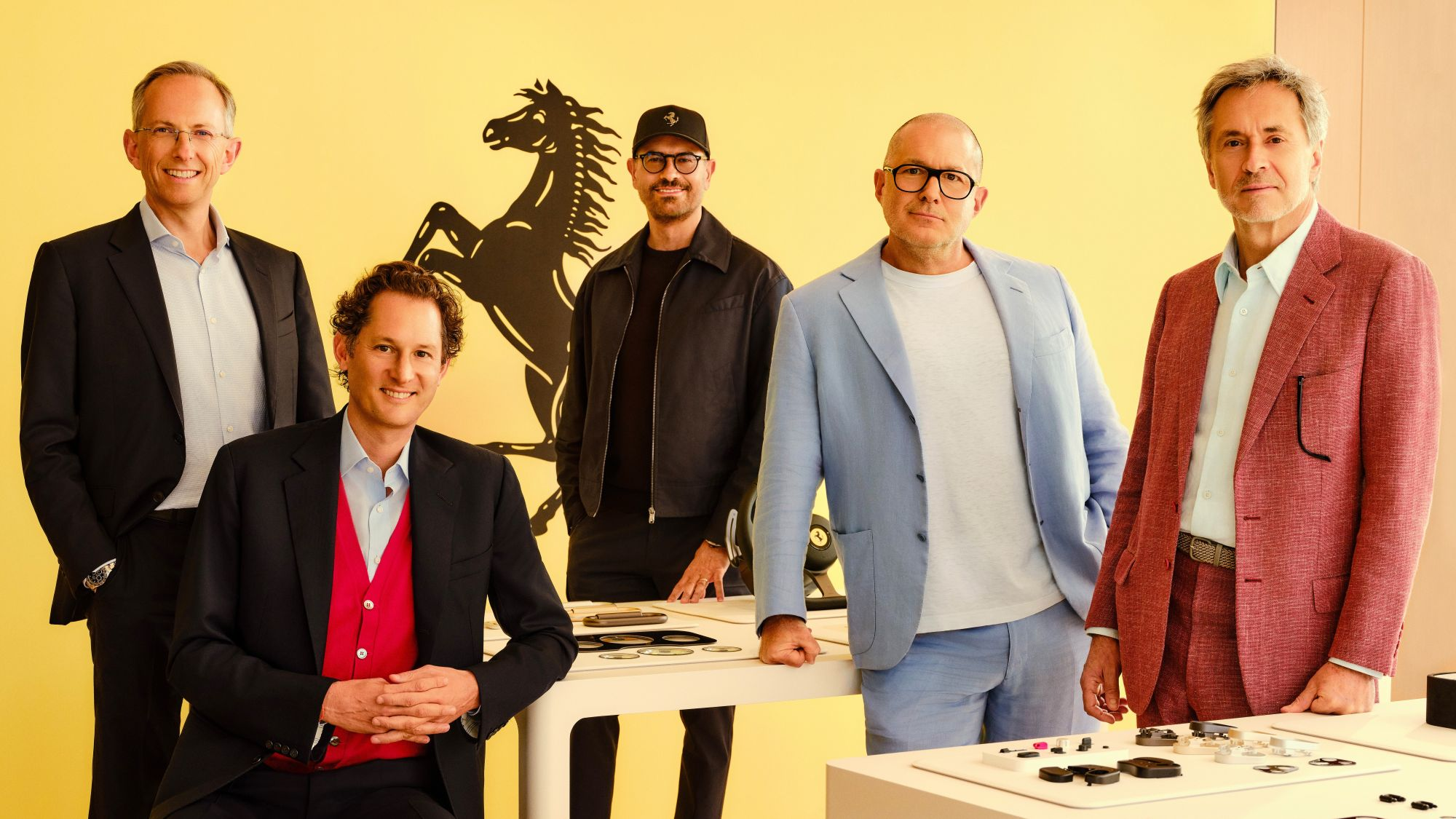
- From L to R, Ford’s Baumbick and Farley, Renault’s Provost, and Ampere’s Josep Maria Recasens.
-

- Renault’s Ampere platform.
-

- Ampere ElectriCity has produced over 100,000 Renault 5 E-Techs.
-

- Ford’s European EV lineup in March 2025.