At CES 2026 in January, Neural Concept launched its AI Design Copilot, which the company describes as the first solution to combine spatial reasoning, physics awareness, and CAD-ready geometry generation at enterprise scale. The company says the function marks a change in thinking toward engineering intelligence as the central AI layer steering the entire design process.
Last month at Nvidia’s GTC, we caught up with Thomas von Tschammer, the company’s U.S. General Manager, to discuss how AI-powered co-designers are transforming engineers’ workflows from tool-based to collaborative, accelerating innovation. He explained how AI-native environments are reducing late-stage redesigns by 30-50% by integrating directly into CAD and simulation workflows.
“We are an end-to-end modular platform that is Python-based and can operate across all the engineering tools that are out there,” von Tschammer told Futurride. “We are agnostic to whatever the companies are using.”
Neural provides the artificial intelligence layer on top of the traditional tools from Synopsys and Ansys to speed up work, he elaborated.
Improving JLR aerodynamics
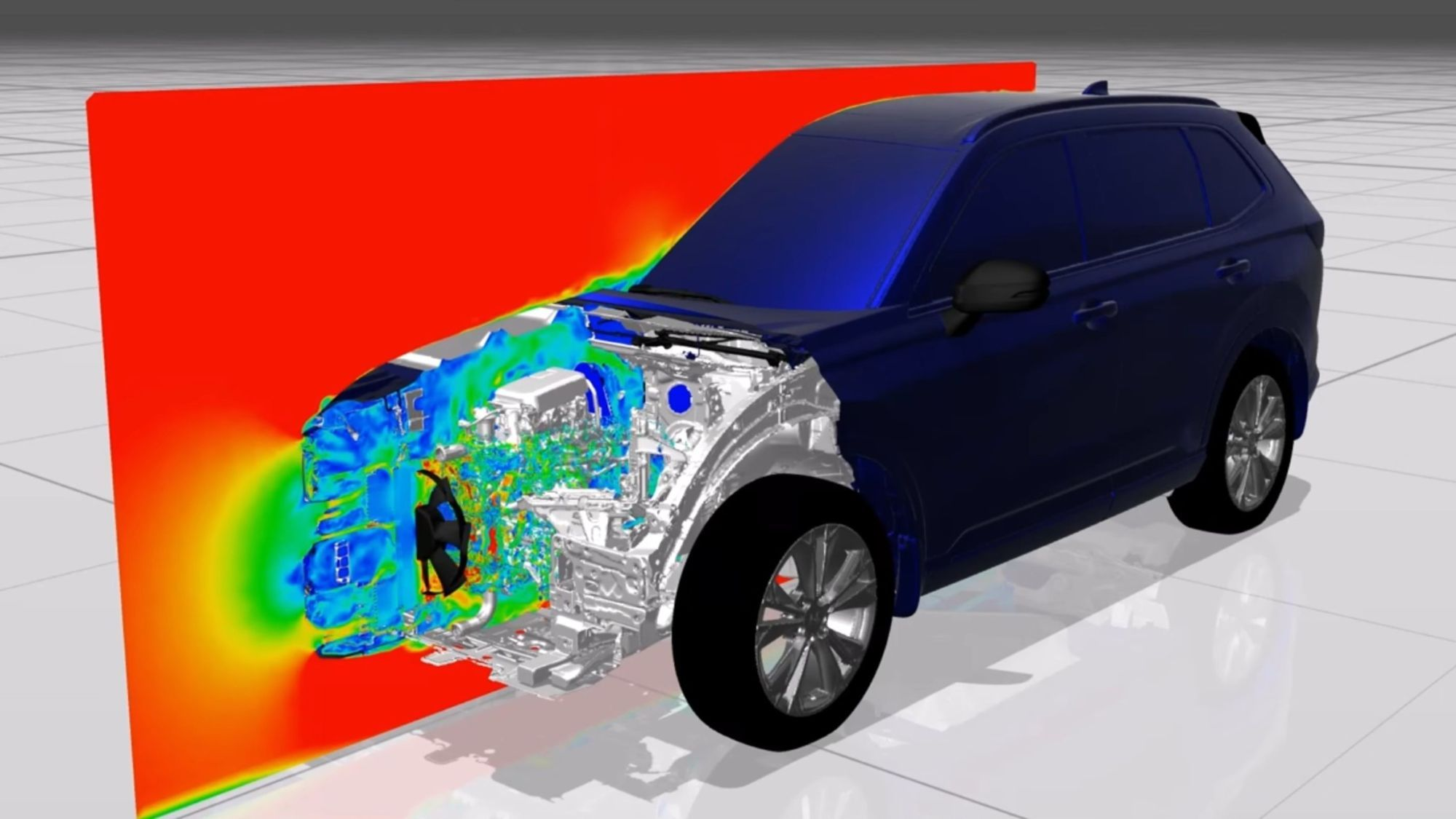
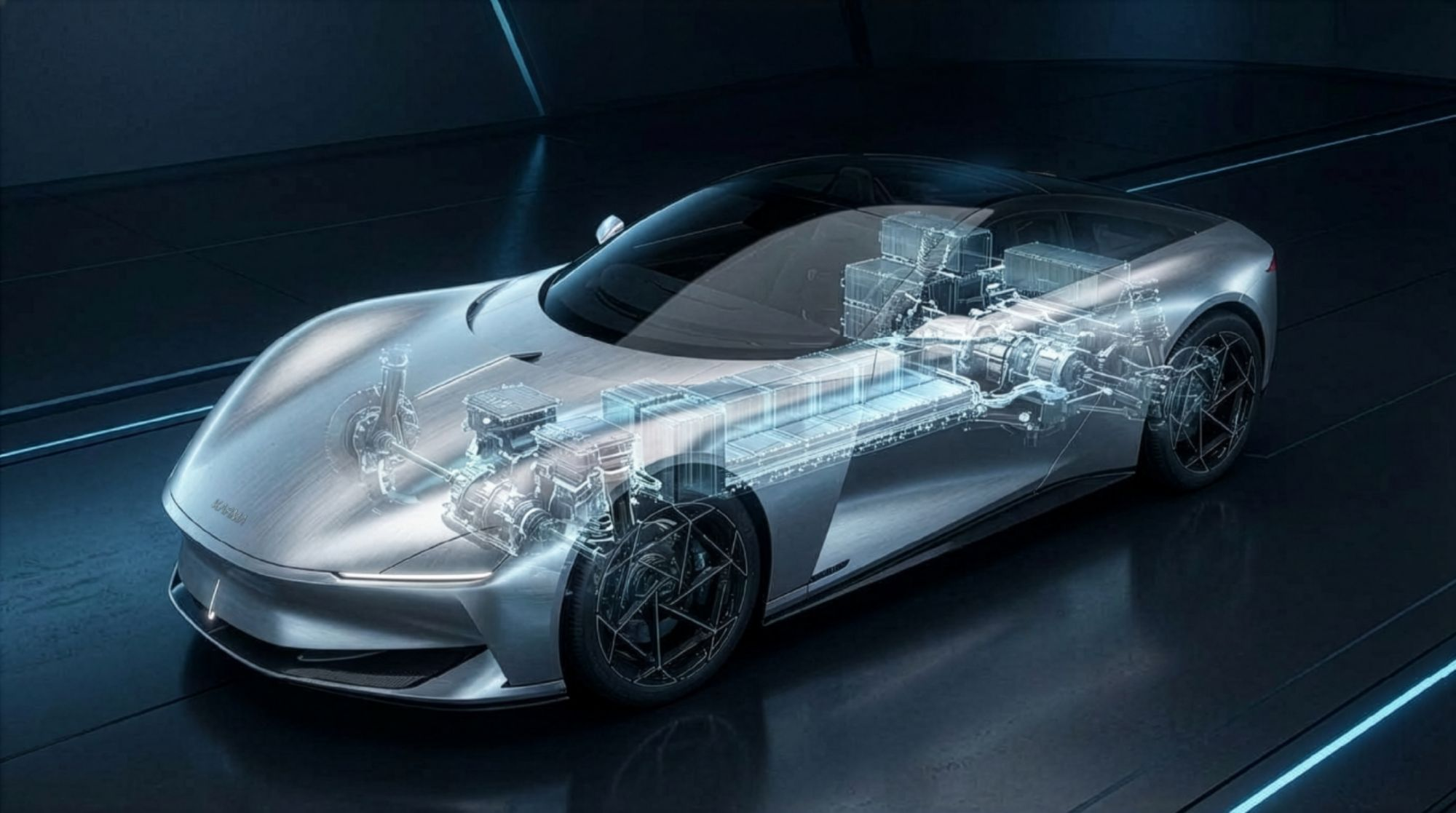
Across the industry, AI is moving from experimentation to production-grade engineering infrastructure inside CAE environments. Its latest announced automotive customer, Jaguar Land Rover, also showcased at GTC how AI is already operating inside its aerodynamic engineering workflows, powered by Neural Concept and visualized through Nvidia Omniverse. This is one of the first public examples of a major OEM using AI in production to support real engineering decisions, an example of the shift toward AI-native engineering.
At GTC, Chris Johnston, Senior Technical Specialist at Jaguar Land Rover, presented how JLR has deployed AI within aerodynamic engineering, showcasing both the results achieved in practice and the challenges of scaling these approaches across engineering, as teams move from experimentation toward production-scale deployment and organizational transformation.
AI is production-ready for aerodynamic engineering at JLR, delivering results aligned with CFD and wind tunnel validation, enabled by models trained on industrial-scale simulation data of up to 20,000+ simulations and up to 1 billion data points per case. This unlocks a step-change in design iteration and exploration, increasing the number of evaluations from about 50 to about 1500 per day.
The challenge is no longer model performance, but scaling AI across engineering systems, with data fragmentation and manual workflows still limiting integration. This shift is redefining engineering workflows, moving from sequential execution toward continuous, data-driven decision-making across the design-simulation-decision loop.
For a deeper dive on the JLR collaboration, you can watch the full Nvidia GTC session: From concept to capability: how JLR is scaling AI surrogates across real CAE workflows. Von Tschammer also had an on-site conversation with Johnston about how AI-driven aerodynamic workflows are deployed in practice, and how teams are approaching the challenge of scaling AI across engineering.
Funding AI-accelerated product development
The launch of its AI Design Copilot follows the company’s recent $100 million Series C funding round, led by Growth Equity at Goldman Sachs, with existing investors Forestay Capital, Alven, HTGF, D.E. Shaw Ventures, and Aster Capital. This latest funding milestone follows a $27 million Series B raise in 2024. It says the new investment underscores the surging demand for enterprise AI that drives real-world impact.
“Neural Concept’s technology represents a rare leap forward in enterprise engineering AI,” said Lambert Diacono, Executive Director for Growth Equity at Goldman Sachs.
“As demand accelerates for AI that drives real impact in complex industrial workflows, Neural Concept is emerging as one of the leading companies in the market,” added Christian Resch, Partner and Head of EMEA for Growth Equity at Goldman Sachs.
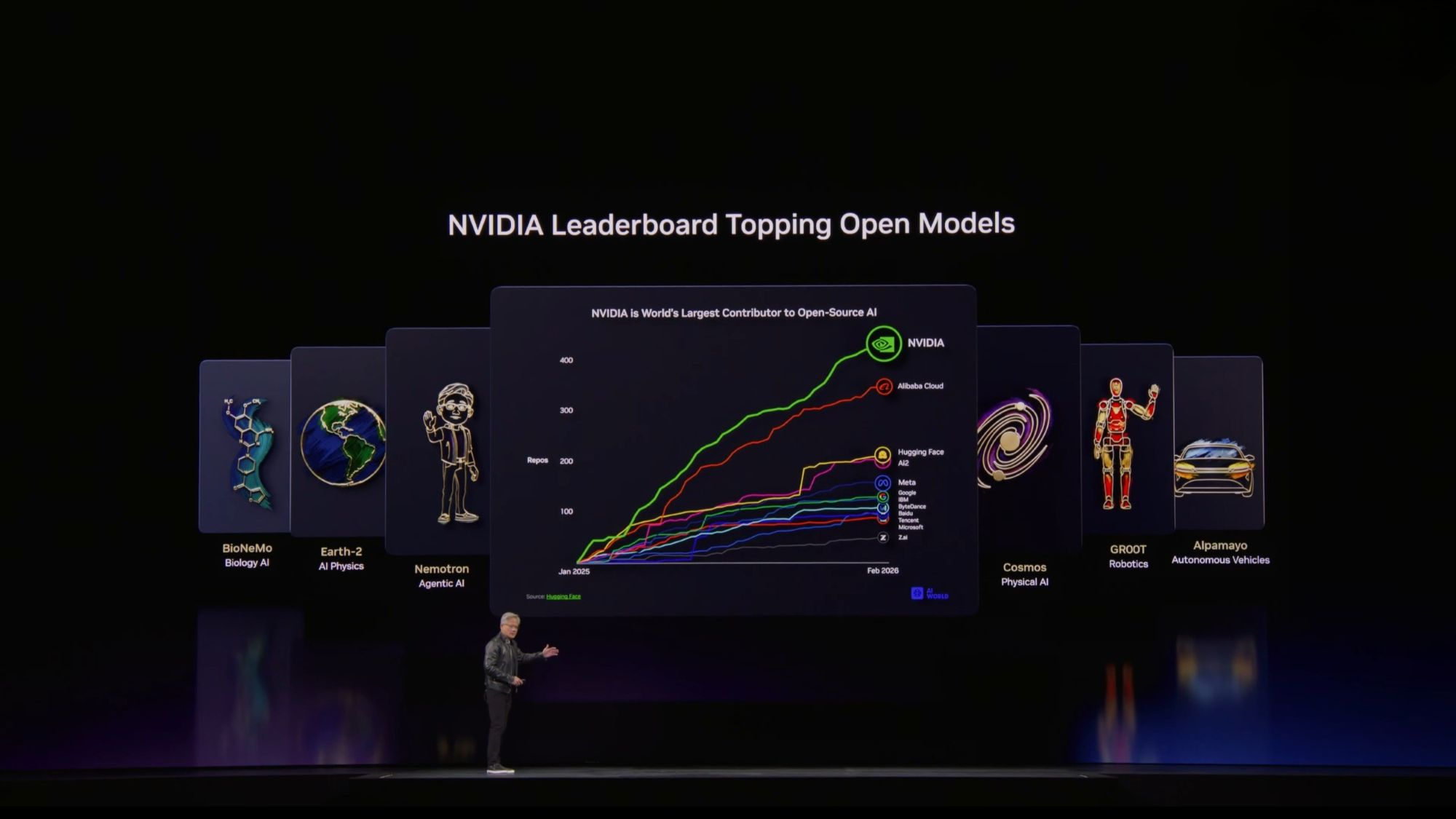
The Neural team is using the funding to accelerate product development, including unveiling a breakthrough generative CAD AI Design Copilot capability, expanding global teams, and strengthening its position as the intelligence layer across engineering systems, deepening partnerships with industry leaders such as Nvidia, Siemens, Ansys, Microsoft, and AWS.
“We founded Neural Concept with the ambition to enable complete AI-driven design of advanced systems like tomorrow’s cars and spacecraft,” said Pierre Baqué, CEO and Founder of Neural Concept. “Advances in AI are transforming engineering from a process of trial and error into a data-driven workflow where tradeoffs and constraints can be understood and optimized from the start. This investment enables us to fast-track our progress toward establishing the intelligence layer powering every engineering team worldwide.”
Neural Concept’s AI Design Copilot eliminates these constraints by allowing engineers to iterate on full design sets, explore millions of variants across multi-physics systems, and shift work from individual concepts to continuous, comparative discovery across automotive, aerospace, semiconductors, consumer electronics, and energy and industrial systems. The AI Design Copilot is launching as a new capability within the Neural Concept platform, with expanded access planned later this quarter.
“Our AI Design Copilot closes the loop from concept to decision, enabling engineers to explore, test, and refine designs at a scale that simply wasn’t possible before,” said Baqué. “What we’re seeing across our customers is a fundamental change in how teams work: evaluating more design scenarios in parallel, uncovering optimizations earlier, and moving faster from concept to validation. This is engineering AI emerging as the next great industrial shift that will empower engineers to focus on the hardest problems and deliver more efficient, safer, higher-performing products that will transform the world for the better.”
Maximizing engineering throughput
The company says that today’s engineers face unprecedented complexity as products now span multiple physics and domains, and the number of viable design options far exceeds what engineering teams can manually explore. Meanwhile, manual CAD workflows can’t keep pace, and generic LLMs (large language models) break down due to insufficient geometric and physical understanding.
Founded in 2019 and headquartered in Switzerland, Neural has a global footprint, including offices in Munich, New York, and the Asia-Pacific region. The scale-up now employs about 120 people, according to von Tschammer.
The company drives product development across major industries, including automotive, aerospace, energy, consumer electronics, semiconductors, and defense. Over the past 18 months, it has quadrupled its enterprise revenue and now serves more than 50 global enterprise customers, including Subaru, General Motors, General Electric, Leonardo Aerospace, and four Formula 1 teams.
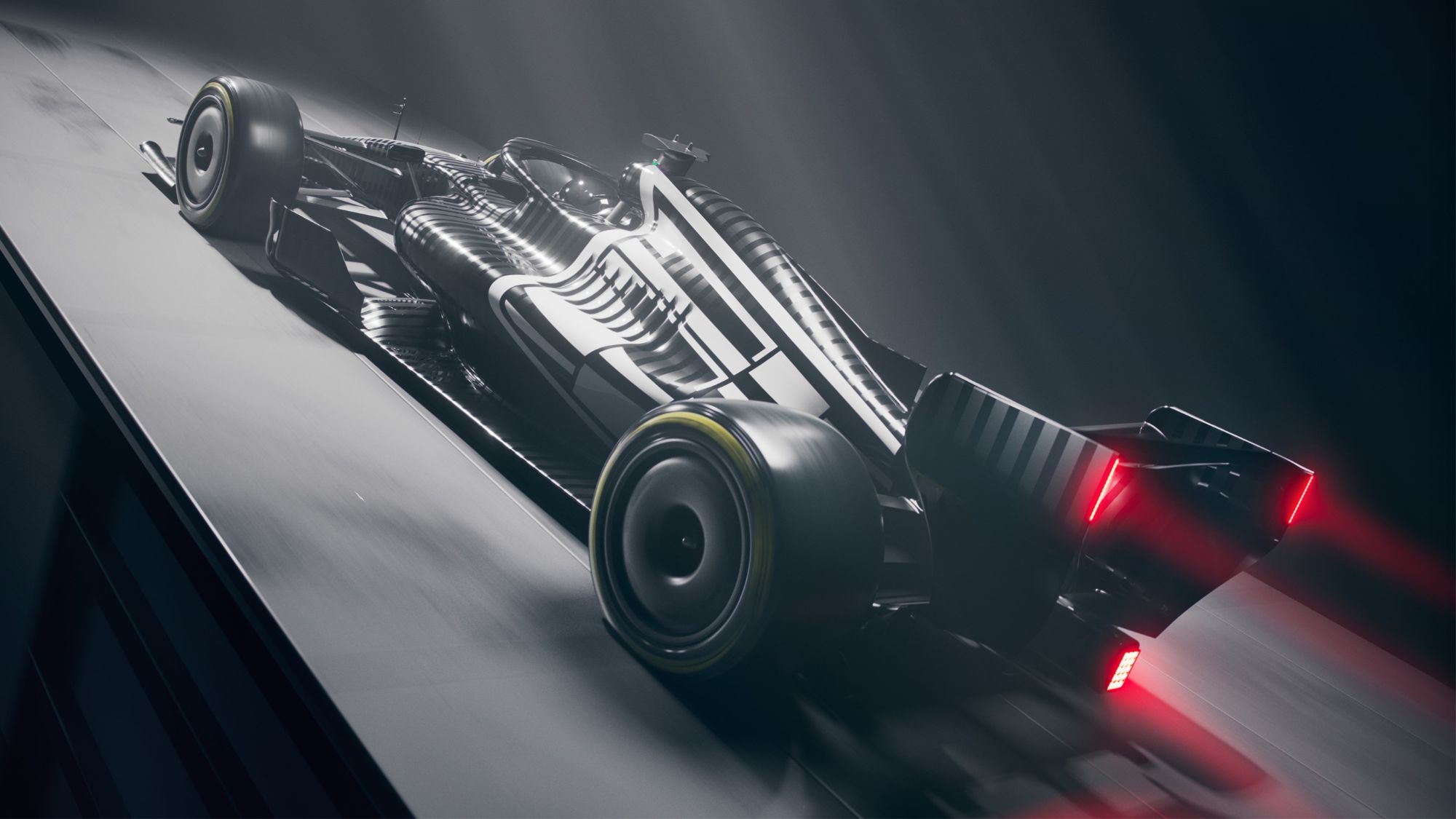
According to von Tschammer, Neural works across many different disciplines and physics. For Formula 1 and automotive, there is a lot of focus on external aerodynamics to evaluate many different design variations very quickly.
Other areas of physics are thermal management, with many examples including EV batteries, powertrain design, and safety. For that last area, Neural announced a collaboration with GM at GTC 2025, showcasing how deep-learning models can predict, in seconds, complex crash physics, including head injury risks for adults and children.
Neural Concept announced at CES 2025 that its platform, featuring Nvidia Omniverse Blueprint, enabled the design of a radical new hydrofoil for the SP80 sailboat.
The company is redefining engineering workflows with CAD-native enterprise AI that understands geometry, constraints, and design intent. By helping customers build and deploy physics-aware design copilots, the company’s platform enables teams to explore millions of design options earlier and avoid costly late-stage changes, accelerating the entire product development cycle, helping companies bring better products to market faster.
Unlike other AI solutions that offer limited design-generation tools and text-based reasoning, Neural Concept’s platform is physics and geometry-aware. The company cites key capabilities such as instant generation of CAD-ready geometry from high-level design ideas, exploration of 10 to 1000 times more design variants per iteration, and seamless integration with multi-physics simulations. AI copilot extends the Neural Concept Platform’s proven intelligence into the first step of design, cutting manual workload by up to 90%, and enabling faster, smarter decisions within existing workflows.
“One of the key topics in all of these companies here is how to maximize engineering throughput—how can we do more with the same resources?” said von Tschammer, relating it to the company’s work with the automotive industry. “If you think about AGM (AI-generative mathematics), how can we reduce [time-to-market] from the first concept to the manufacturer of the next car. The Chinese are doing it in one and a half years, the legacy OEMs in three to four years.”
The lagging automakers are asking Neural Concept to help them get closer to China-speed: “’How can we get there?’ That’s really the question that we are answering,” he concluded.
-

- JLR says that 95% of aerothermal simulations are on GPUs. (Nvidia)
-

- JLR says that 95% of aerothermal simulations are on GPUs. (Nvidia)
-

- JLR says that 95% of aerothermal simulations are on GPUs. (Nvidia)
-

- Neural Concept’s platform enabled the design of a hydrofoil for the SP80 sailboat. L