Arriving as the second model of the Neue Klasse after the iX3 crossover, the new all-electric BMW i3 sedan builds upon the legacy of the brand’s 3 Series, and it previews the technological quantum leap of that iconic model and its future variants. The i3 design premiere was led by Chairman of the Board of Management of BMW AG, Oliver Zipse, and Head of BMW Group Design, Adrian van Hooydonk.
The i3 sedan launches with the 50 xDrive model, which is powered by an electric motor per axle with a combined system output of 345 kW and 645 N·m (475 lb·ft). It is capable of covering up to 900 km (560 mi) in WLTP range on a charge, and it can be charged at speeds of up to 400 kW at an 800-V DC charging station to drastically reduce charging times, the result being up to 400 km (248 mi) in just 10 min.
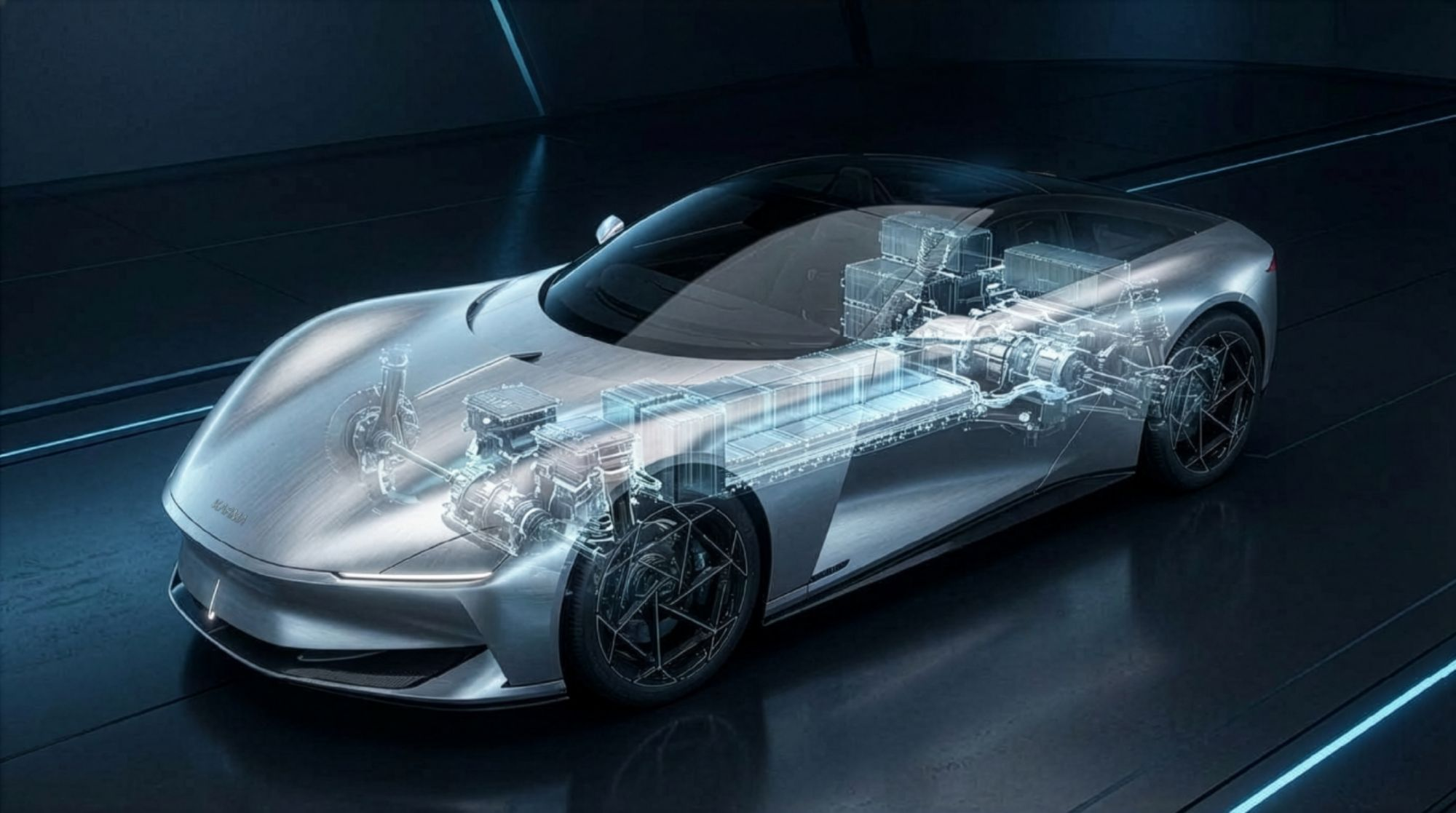
This capability is enabled by sixth-generation (Gen6) BMW eDrive technology, which teams highly efficient electric motors, 800-V technology, and new high-voltage batteries with energy-dense cylindrical cells.
Design reduced to the essentials
The new car offers a modern interpretation of hallmark BMW sedan design with a new “2.5-box silhouette” reduced to the essentials, according to the automaker. The design is characterized by a long wheelbase with short overhangs and a sloping roofline and deck, with expansive glass surfaces to flood the cabin with natural light. The new i3 is 4760 mm (187.4 in) long, 1865 mm (73.4 in) wide, and 1480 mm (58.3 in) tall, on a 2897-mm (114.0-in) wheelbase.
The front “shark-nose” design is centered around a reimagined and more horizontal BMW kidney grille and twin headlights that integrate with the front sensors, creating one unified visual element. The light signature, arranged horizontally, spans nearly the whole front. Two daytime driving lights on the left and right with integrated turn-signal function create a new BMW “four-eye” face.
As the driver approaches the vehicle, a customizable welcome light animation begins on the exterior and continues into the interior. The welcome and goodbye animations vary depending on the equipment level. An optional Iconic Glow lighting exterior package enhances the visual depth effect of the grille. It offers three lighting animations: balanced, relaxed, and excited.
A distinctive design feature is the tapering greenhouse in combination with flared wheel arches, creating an athletic shoulder area. The low character line brings the car’s visual center of gravity closer to the road. Concealed seals simplify the transition between the glass and bodywork. When the BMW Digital Key Plus is near, the flush-mounted door handles automatically extend, and they connect to electrically operated door openers.
In the rear, nearly full-width horizontal taillights in an L-shaped design flank a refreshed BMW roundel and extend far into the shoulder area to emphasize the vehicle’s wide stance. To increase efficiency and range, the four-door saloon has a completely closed, smooth underbody and new 21-in M 1067 M aerodynamic wheels.
A total of eleven exterior colors will be available at market launch. The new metallic M Le Castellet Blue is exclusive to the range. Solid, “frozen,” and metallic finishes are available.
For the i3’s interior, designers focused on optimal driver orientation, a redesigned user interface, and “a harmonious interplay of geometry, light, and sound.” The optional panoramic roof with climate comfort glass, in combination with the large window areas, is designed to create a feeling of space and light.
The steering wheel has a center spoke in its upper section, thumb rests for improved ergonomics, and multifunction buttons for “particularly intuitive” operation. An M Sport steering wheel with a flattened design and spokes at the four and eight o’clock positions is available.
The standard seats have electric adjustment options and a Travel & Comfort system. Options include multifunction and M Sport seats, which feature distinctive side sections for more secure lateral support. Interior materials run the gamut from the standard Essential interior design with Econeer, the Contemporary version with Veganza seat covers in leather-like material used in BMW M Design World seats, to the BMW Individual versions that feature Merino leather.
Sixth-generation e-drive with round cell battery
The car’s sixth-generation BMW eDrive technology features a new high-voltage battery concept. As one of the standout innovations of the Neue Klasse, the 800-V technology brings significant range improvements, faster charging, and bidirectional charging functionality. Compared to Gen5, both range and charging speed are increased by 30%.
For the battery, a cell-to-pack design enables high energy densities at the pack level, reducing weight and costs. The pack’s cylindrical cells, with a 46 mm (1.8 in) diameter and 95 mm (3.7 in) height, bring a 20% increase in volumetric energy density compared to Gen5’s prismatic cells.
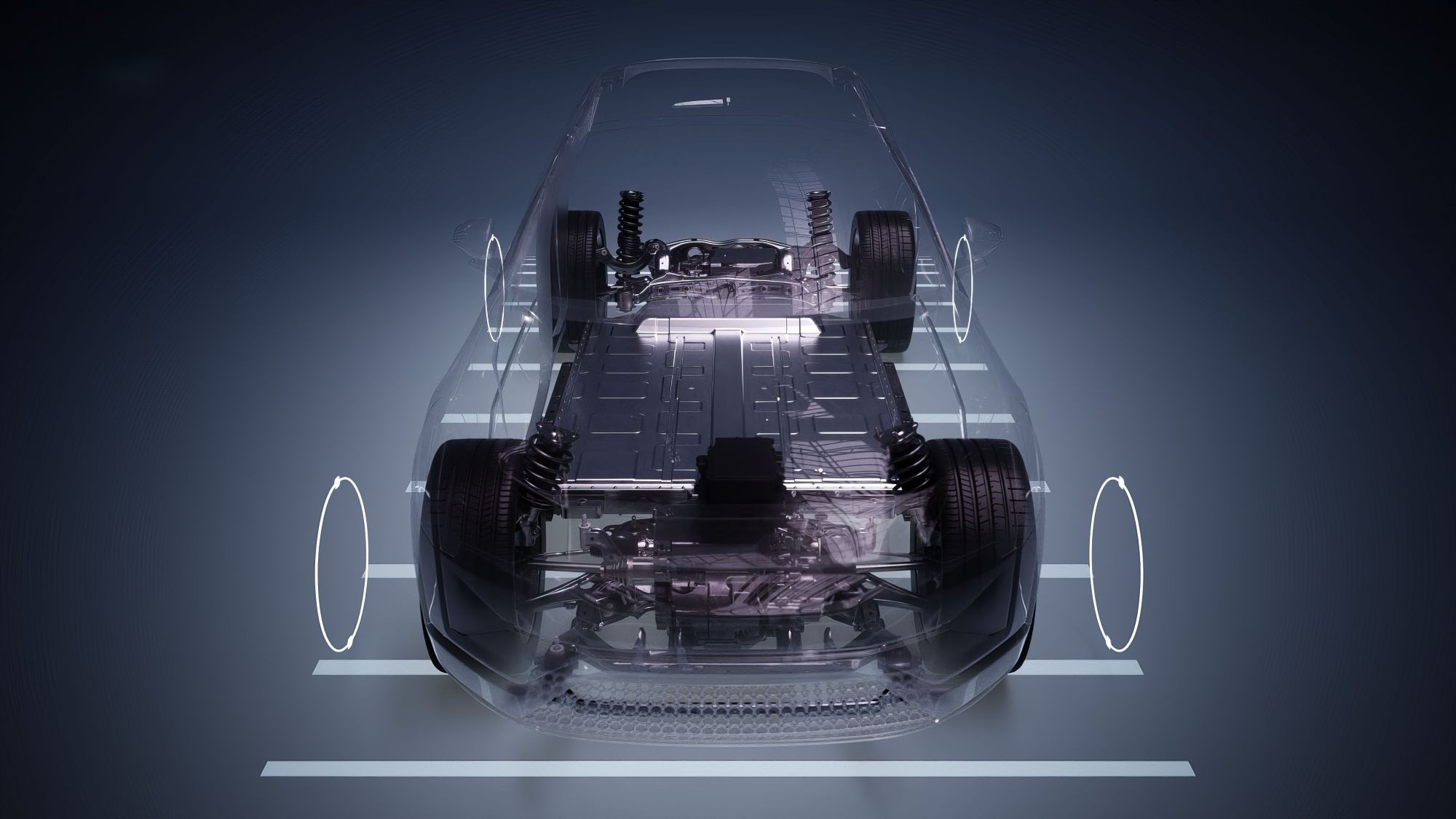
The battery housing is a structural component, assuming the function of the vehicle’s underbody. This saves weight, enables a flat and aerodynamically efficient battery design, and improves body torsional rigidity for better driving dynamics.
An in-house-developed Energy Master control module positioned on top of the battery houses the high-voltage electrical and electronic components. It provides electricity to the motors and the vehicle’s electrical system and manages all data from the high-voltage battery to ensure intelligent, efficient, and safe battery operation.
An electrically excited synchronous motor (EESM) is integrated into the rear primary-drive axle. Since its rotor magnetic field can be flexibly regulated, its magnetic field at low load can be reduced to avoid losses, and under high load, strengthened for high torque and constant power output up to maximum motor speed.
An asynchronous motor (ASM) on the front axle is a compact and lightweight supplement to the EESM. Instead of magnets or electrical excitation, its rotor consists of aluminum rods connected via short-circuit rings. Torque is generated by induced currents that occur with a difference in speed or slip between the stator field and rotor. The ASM is robust, resistant to heat, and made from iron and aluminum.
The combination of motor types enables a technological quantum leap over Gen5, reducing energy losses by 40%, reducing drive system weight by 10%, and reducing manufacturing costs by 20%.
As with all future BMW Gen6 EVs, the i3 will have bidirectional charging functionality. The energy stored in the battery can be used as a mobile power bank to provide electricity for many external use cases.
The EESM is manufactured at the BMW Group plant in Steyr in Upper Austria; the high-voltage battery at the BMW Group plant in Debrecen, Hungary; and the Energy Master at the BMW Group’s Landshut plant.
Four superbrains and zonal architecture
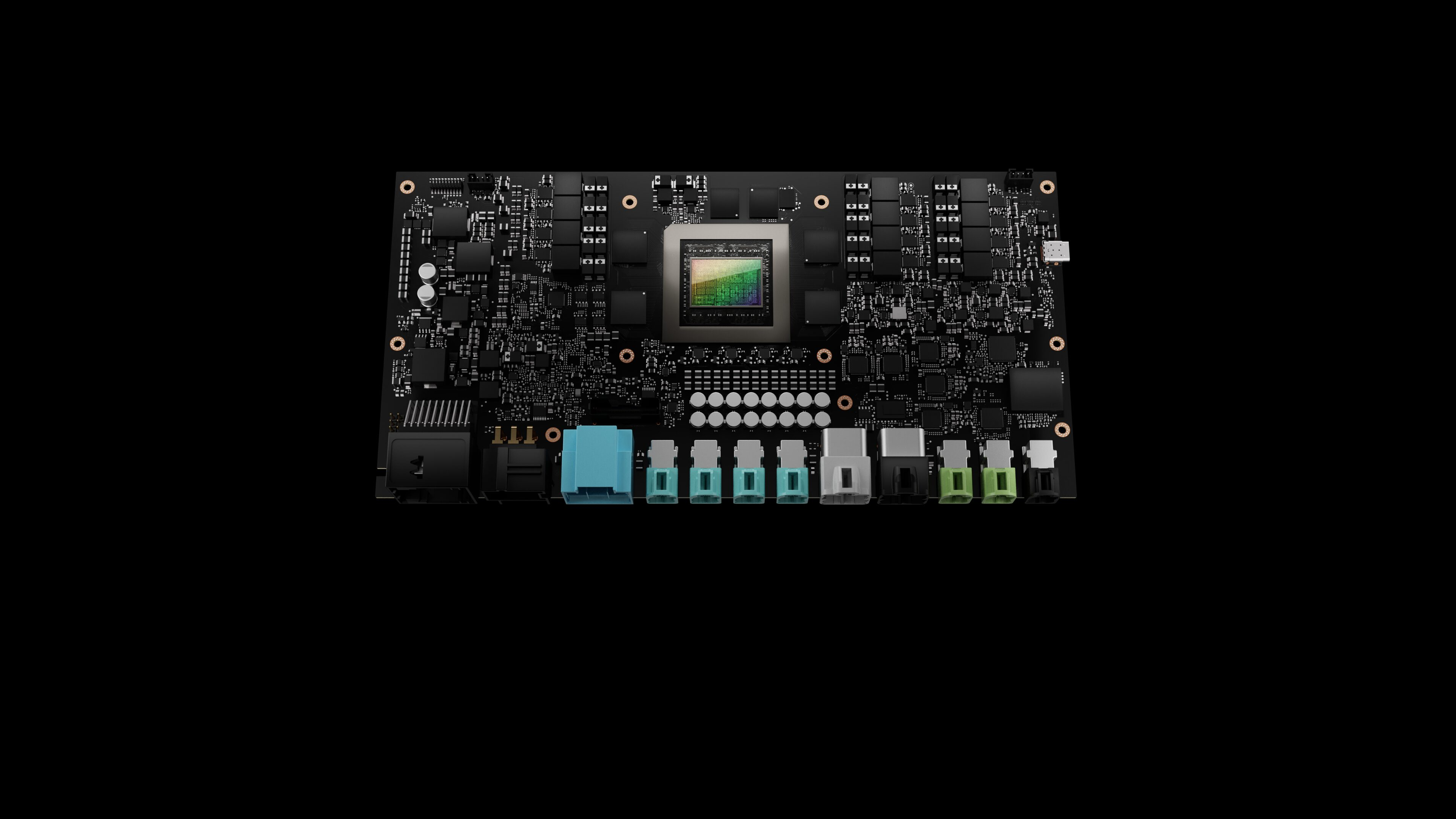
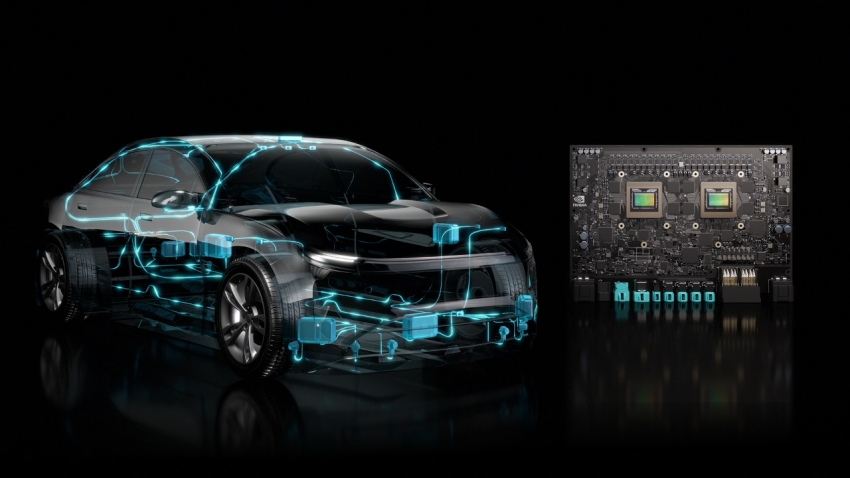
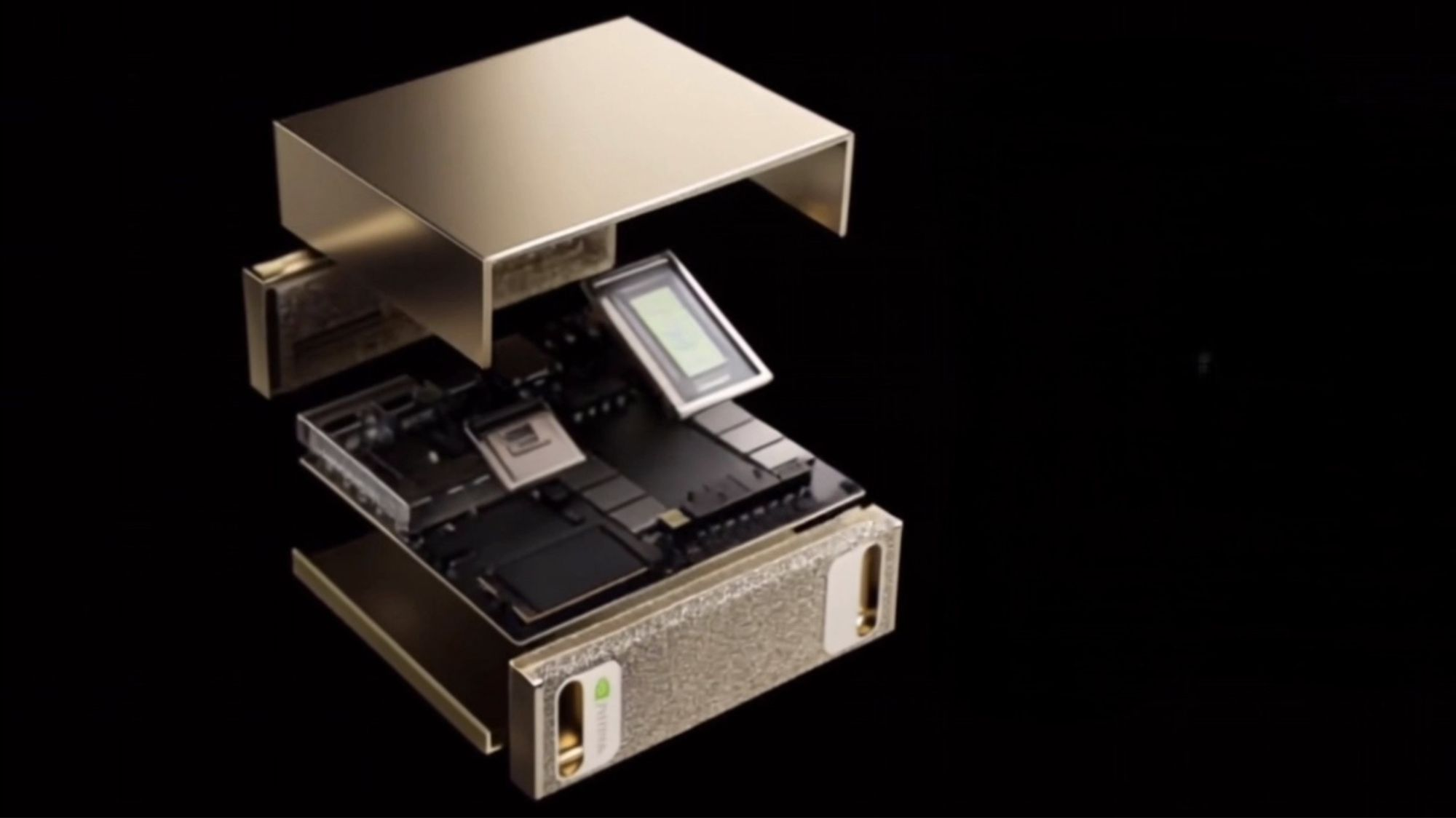
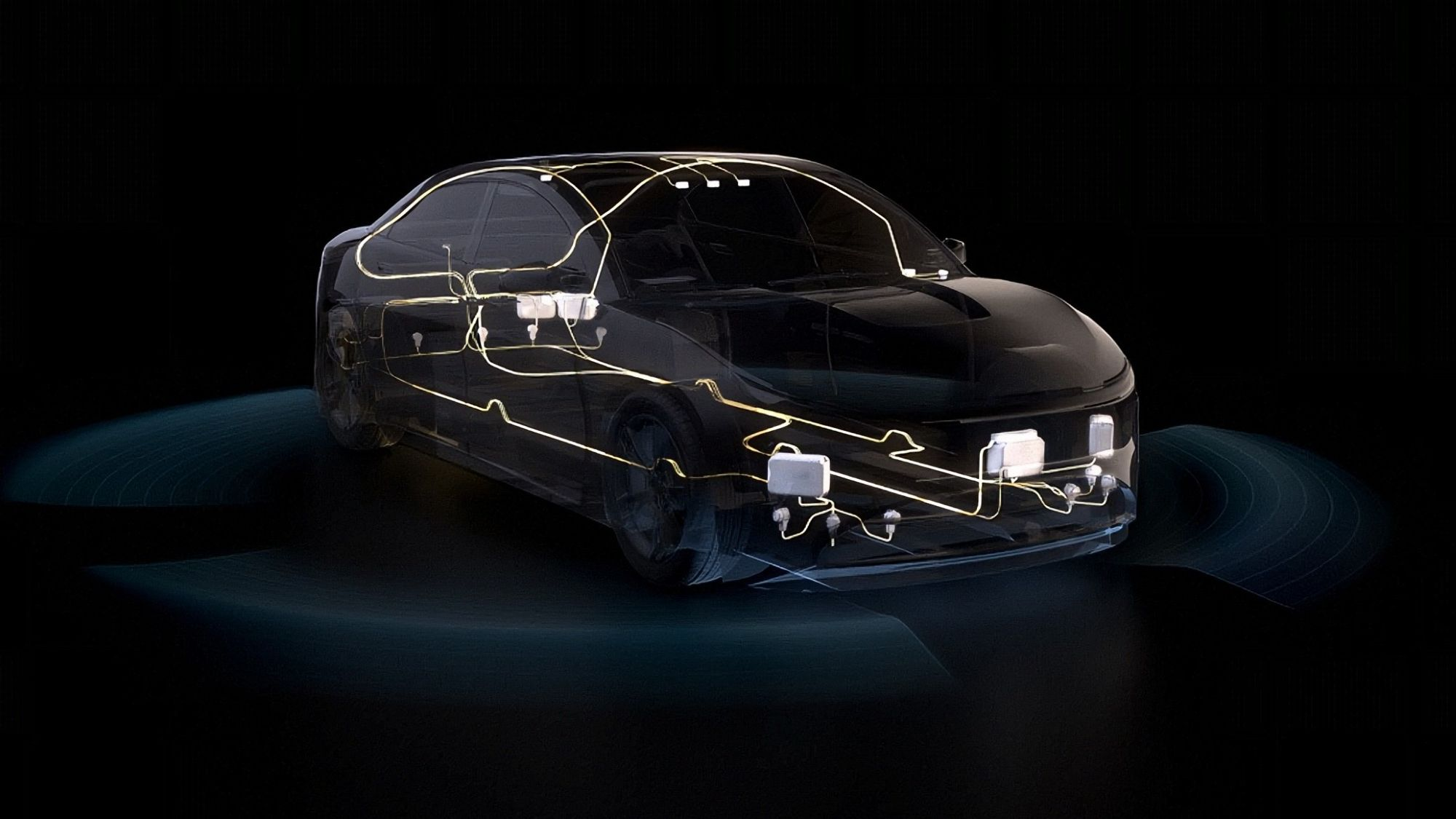
At the heart of the new vehicle architecture are four superbrain high-performance computers, each having a core function. They offer up to 20 times higher computing power compared to previous BMW models.
The new car uses smart efuses instead of classic fuses. This intelligent and flexible power protection, combined with the zonal architecture, enables shorter and thinner cables, saves weight, reduces energy consumption thanks to intelligent power distribution, and increases overall vehicle efficiency.
The Heart of Joy computer primarily manages driving dynamics, while separate computers are dedicated to automated driving and parking, infotainment, and essential and comfort functions like vehicle access and climate control. It is engineered to define a new driving experience, delivering greater accuracy, improved assurance, and heightened agility. In combination with more advanced suspension, it is said to create a completely new dimension of driving pleasure.
The computer controls driving, braking, some steering functions, charging, and recuperation. It responds ten times faster than previous systems, enabling the i3 to navigate corners with precision and agility for greater accuracy.
BMW says the i3 is distinguished by its hallmark high driving dynamics paired with long-distance comfort. It takes advantage of an architecture designed for electric mobility, with a flat high-voltage battery enabling a low center of gravity.
As standard, the i3’s suspension has stroke-dependent shock absorbers, a two-joint spring strut front axle, and a new five-link rear axle. Front and rear anti-roll bars with highly preloaded bearings are used for more dynamic handling.
An adaptive M suspension is available in all-wheel-drive i3s to boost dynamics while maintaining ride comfort.
New Panoramic iDrive user experience
One of the defining features of the i3 is the BMW Panoramic iDrive, providing a completely new experience. It consists of four key components: the below-windshield Panoramic Vision display, the “Free-Cut Design” central display with matrix backlight technology is angled towards the driver, the multifunction steering wheel, and the optional 3D headup display. The system is controlled by ergonomically optimized analog and digital elements, with many of the innovations in display and control technology protected by the BMW Group with patent applications.
The Panoramic Vision and 3D headup display project relevant information directly into the driver’s line of sight, eliminating the need for a traditional cockpit display. The latest Panoramic iDrive display and Operating System X are engineered to provide “the right information, in the right place, at the right time.” The operating system is based on the Android Open Source Project (AOSP) and offers a high level of update and upgrade capability.
Panoramic Vision projects content across the entire lower section of the windscreen from A-pillar to A-pillar. Key driving information is displayed on the right-hand side, clearly structured and in the driver’s line of sight, without restricting their view of the road. The contents shown in the central and left-hand areas of the display can be personalized and are visible to all occupants.
The central display with 3340 x 1440 pixel resolution is designed to be easy to read in all lighting conditions. Its specific shape allows for ergonomically optimal positioning, and its menu structure with QuickSelect is said to offer comfortable, simple, and intuitive operation via touch.
The steering wheel uses Shy Tech buttons that are only illuminated when the corresponding functions are available. Controls for driving assistance and parking functions are on the left side, and those for infotainment functions are on the right. These functions can be operated via a special control panel that provides haptic feedback so drivers can control key functions safely and accurately without needing to take their eyes off the road.
Contents, widgets, and displays are individually configurable, allowing users to select colors, display schemes, and background images to create a personalized digital experience. Up to six central display widgets can be moved to the Panoramic Vision by drag and drop to enable quick access to frequently used functions. Using the multifunction steering wheel, further contents and submenus of the widgets can be displayed in the Panoramic Vision.
The multimodal operating logic of Panoramic iDrive combines touch, haptic, and voice-based interactions. A key role is played by the BMW Intelligent Personal Assistant, which enables the control of numerous vehicle functions, navigation destinations, and media content using natural language (vs. defined voice) commands. The self-learning voice assistant can be activated with the prompt “Hey BMW” or by pressing a button on the steering wheel’s right-hand control panel.
The integration of Amazon Alexa+ (see our iX3 coverage here.) into the assistant is said to be a technological quantum leap focused on adding customer value. An Alexa Custom service that enables automakers to create their own intelligent AI assistants built on top of the Alexa+ architecture, which combines over 70 different LLMs (large language models) and agentic capabilities powered by AWS and Amazon Bedrock, a fully managed AWS service that makes it easy to build and scale generative AI applications.
Linking the assistant to an Amazon account allows the user to easily search for and stream music, access the latest news, and use a range of other content. Availability will be gradually expanded after starting with the Germany and U.S. markets.
Sustainability and reduced CO₂e emissions
BMW says it took a more holistic approach to sustainability with the new i3, with the focus on life-cycle decarbonization, from product development, supply chain, to production and use phase. Depending on the model variant, annual distance driven, and source of charging electricity, the initial 50 xDrive variant achieves a CO₂e benefit over a comparable internal-combustion-engine model after just 1-2 yr of use.
Renewable energy, increased use of secondary materials, and product and process innovations contribute to a significant reduction in emissions in the supply chain of all drive variants. CO₂e emissions in the supply chain were reduced by around 33% during i3 product development.
A “design for circularity” approach resulted in an enhanced use of secondary materials, strategic selection of materials, and the optimization of dismantling capabilities.
For instance, the front bumper uses 30% recycled plastic. Compared to the preceding 3 Series, the variety of bumper materials was reduced from 15 to 7. The proportion of recyclable plastics was increased from about 46% to about 85%.
The “Essential” Econeer seat covers consist of a recyclable textile composite. Their base contains 100% recycled polyester. Using recycled PET (polyethylene terephthalate) for the polyester yarn significantly cuts down CO₂e emissions and water usage in production compared to using primary materials.
The i3 consists of around 30% secondary materials. The proportion of secondary aluminum is high in the cast components of the swivel bearings and hub carriers (80%), the cast wheels (70%), and the housing of the Gen6 motor on the rear axle (about 67%).
The Gen6 battery cells use a proportion of secondary cobalt, lithium, and nickel. Energy from renewable sources is used in the production of anode and cathode material and in cell production. Compared to a Gen5 cell in BMW’s i4, the CO₂e footprint in the cell supply chain is reduced by around 33% per W·h.
The BMW Group publishes the TÜV-certified greenhouse gas emissions of its vehicles as part of the Vehicle Footprint initiative. A report is publicly available here for all drives of the new 3 Series at the start of production and can also be accessed in the My BMW App.
The car will be built at the home of the BMW Group, Plant Munich, which has been producing vehicles for over a century. In the past four years, the facility has seen significant modernization, with the construction of a new body shop, cutting-edge assembly facility, and logistics space.
Now in its final stages of expansion, the plant will commence i3 production in August. A year later, Munich’s production portfolio will switch exclusively to fully electric Neue Klasse vehicles.
-

- BMW i3 50 xDrive in new metallic M Le Castellet Blue.
-

- BMW i3 50 xDrive rear side view.
-

- BMW i3 front design features a reimagined and more horizontal BMW kidney grille and twin headlights.
-

- BMW i3’s rear features a nearly full width horizontal taillights in an L-shaped design.

-

- BMW i3 50 xDrive design sketches.

-

- BMW i3 50 xDrive door panel lighting.
-

- One of the defining features for the i3 is the BMW Panoramic iDrive providing a completely new experience.
-

- The i3 interior features interesting lighting effects.
-

- BMW i3 50 xDrive rear seating.
-

- BMW i3 50 xDrive front trunk.