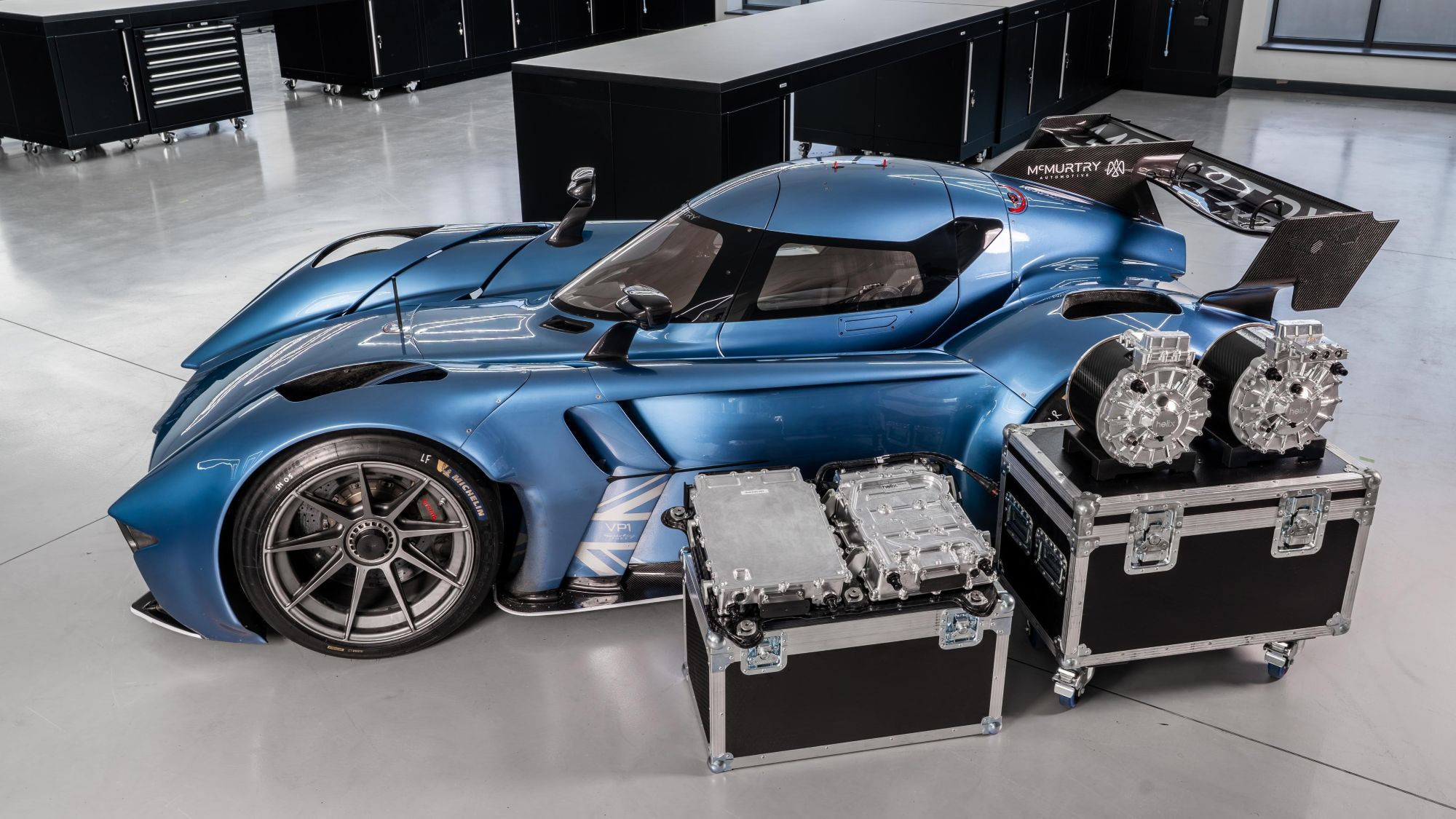
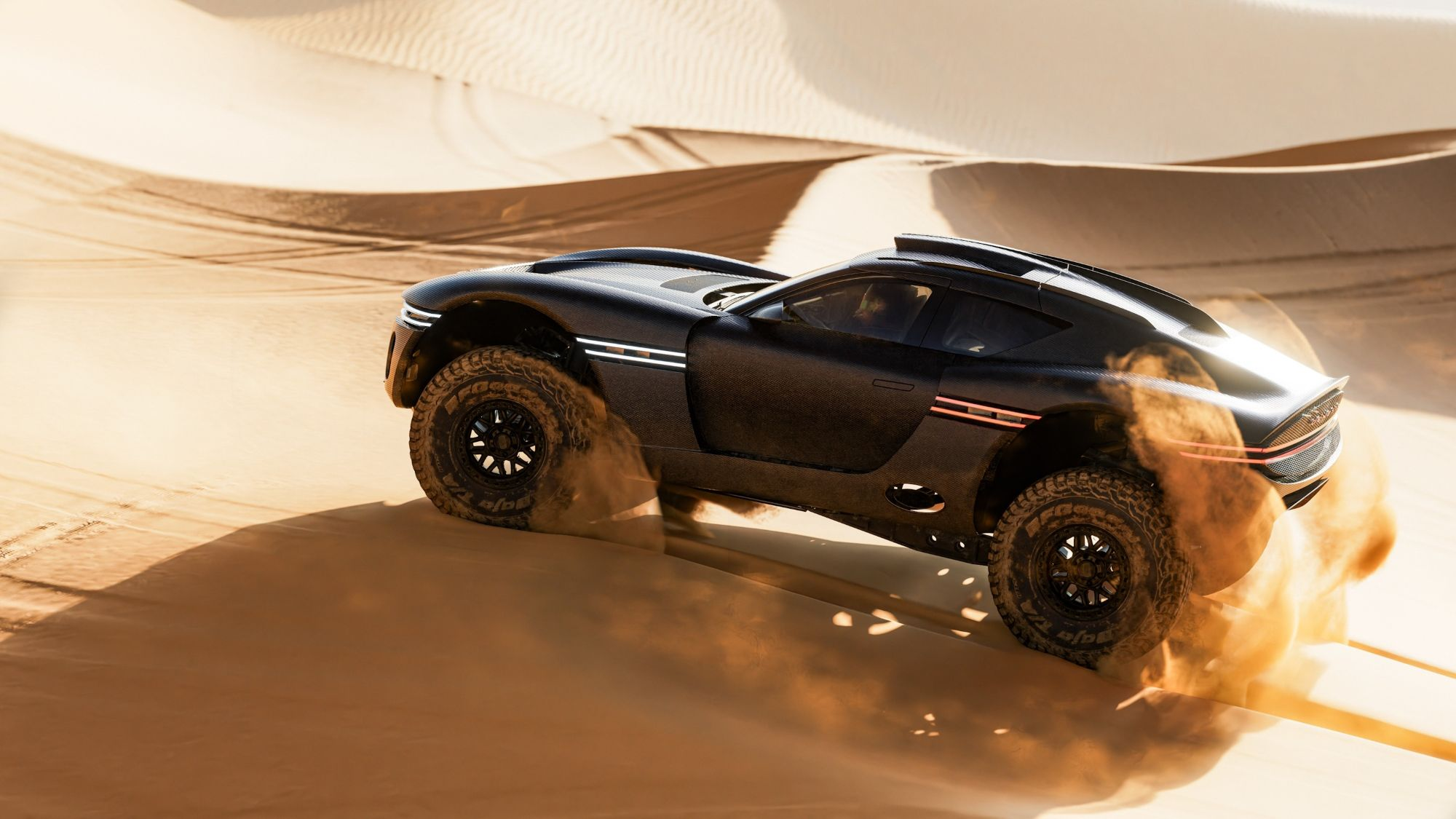
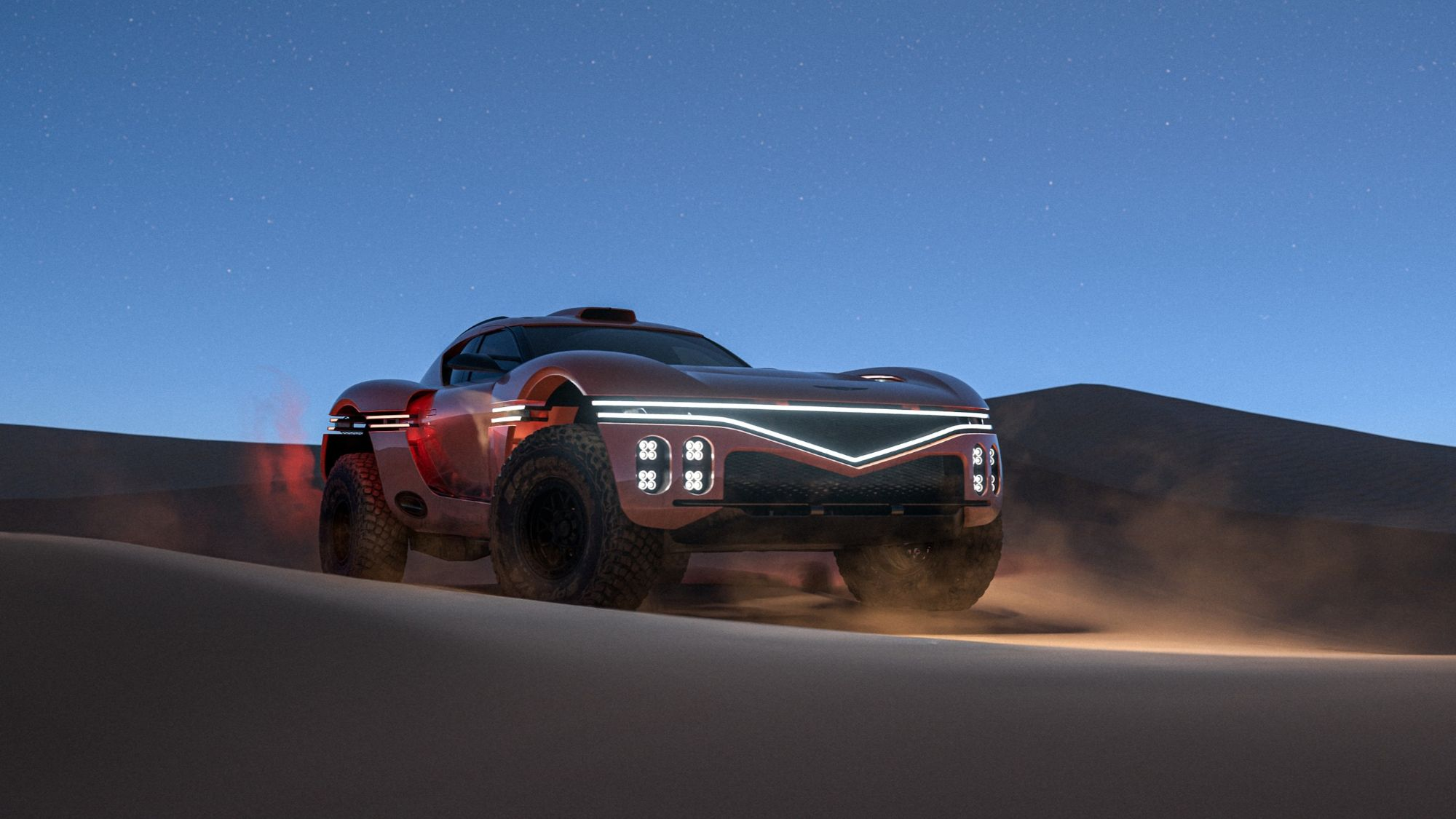
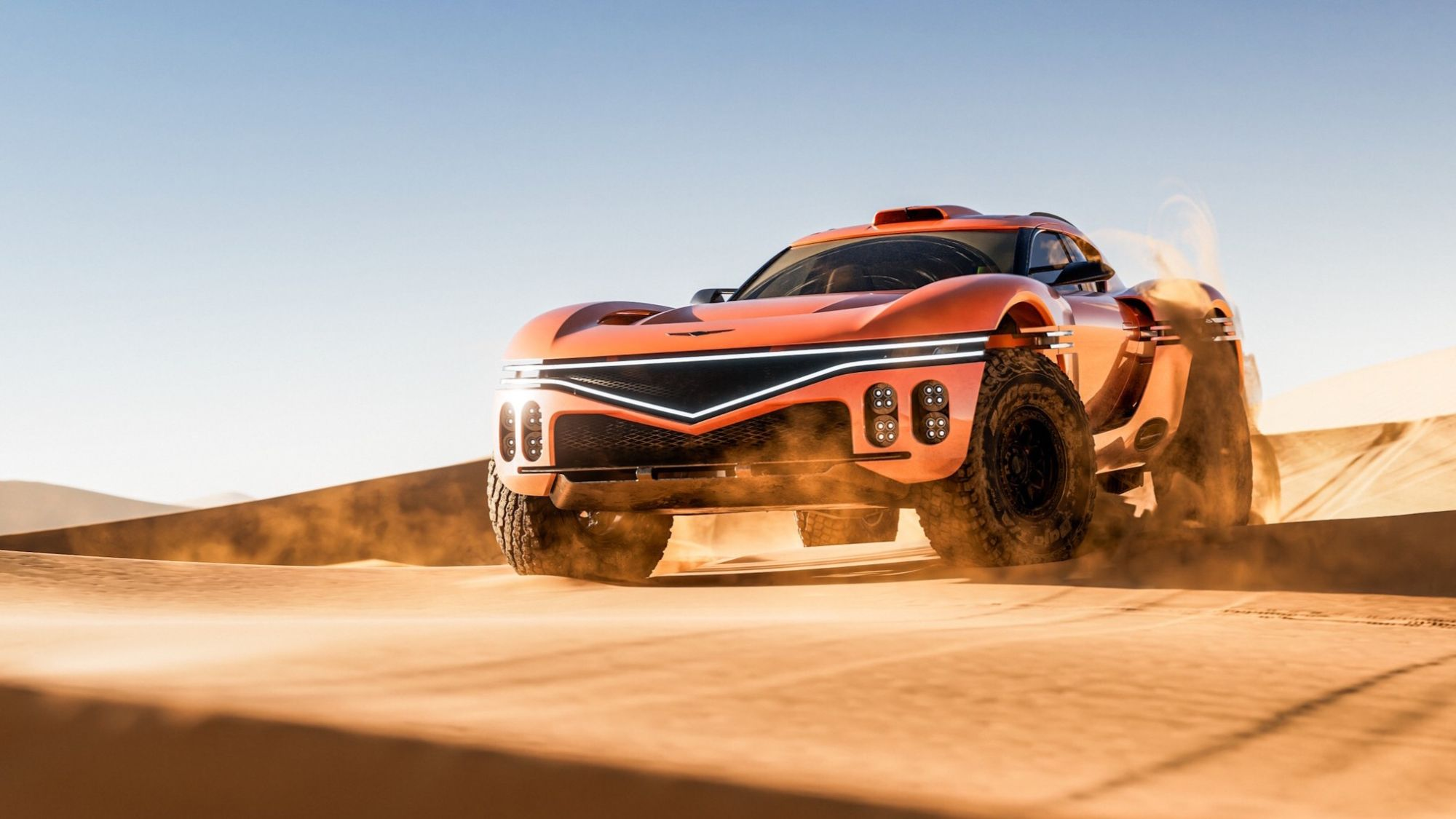
Helix, the trading name of Integral Powertrain Ltd., has partnered with McMurtry Automotive to develop a custom drive motor system for the electric hypercar maker’s Spéirling Pure electric fan hypercar that mates with the company’s gearbox. The electric motors are confirmed for application on the production car set for first customer deliveries in 2026.
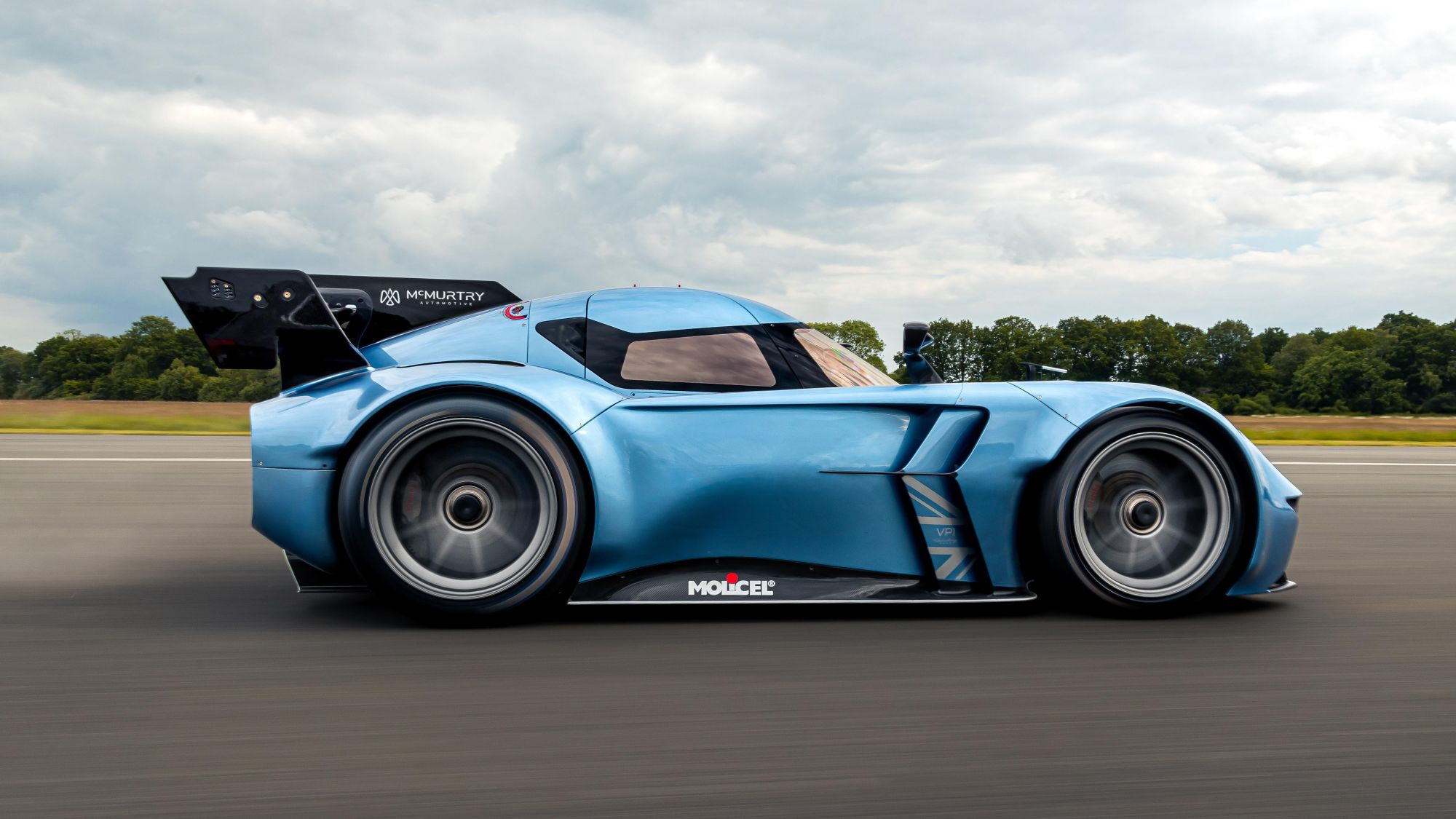
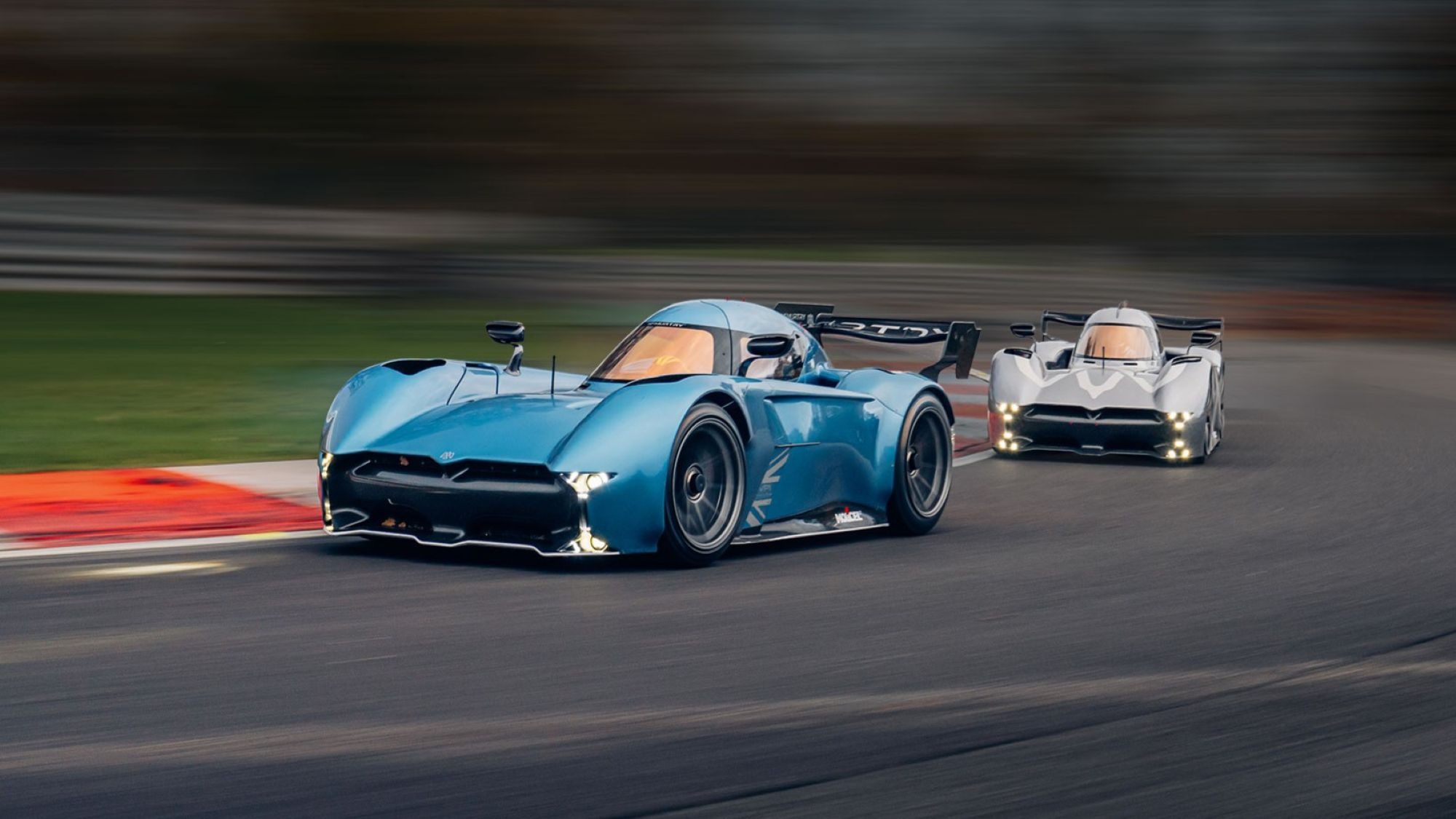
Founded in 2016 by engineering pioneer Sir David McMurtry, the company’s vision is to build vehicles focused on delivering exhilaration not just for professional racers but also for anyone passionate about pushing limits. His elite team created the record-breaking Spéirling fan car, delivering 3-g cornering via 2000 kg (4410 lb) of “confidence-inspiring” downforce available from 0 mph. Lightweight, agile, and shockingly quick in corners, it puts pro-level performance in the hands of any passionate driver.
Building on the success of the Spéirling program, a new division called McMurtry Technology now offers other OEMs access to its technologies, including fan downforce systems to improve both performance and safety, high-performance batteries using tailored designs or modules already developed for the Spéirling, and e-axles to deliver that powertrain performance.
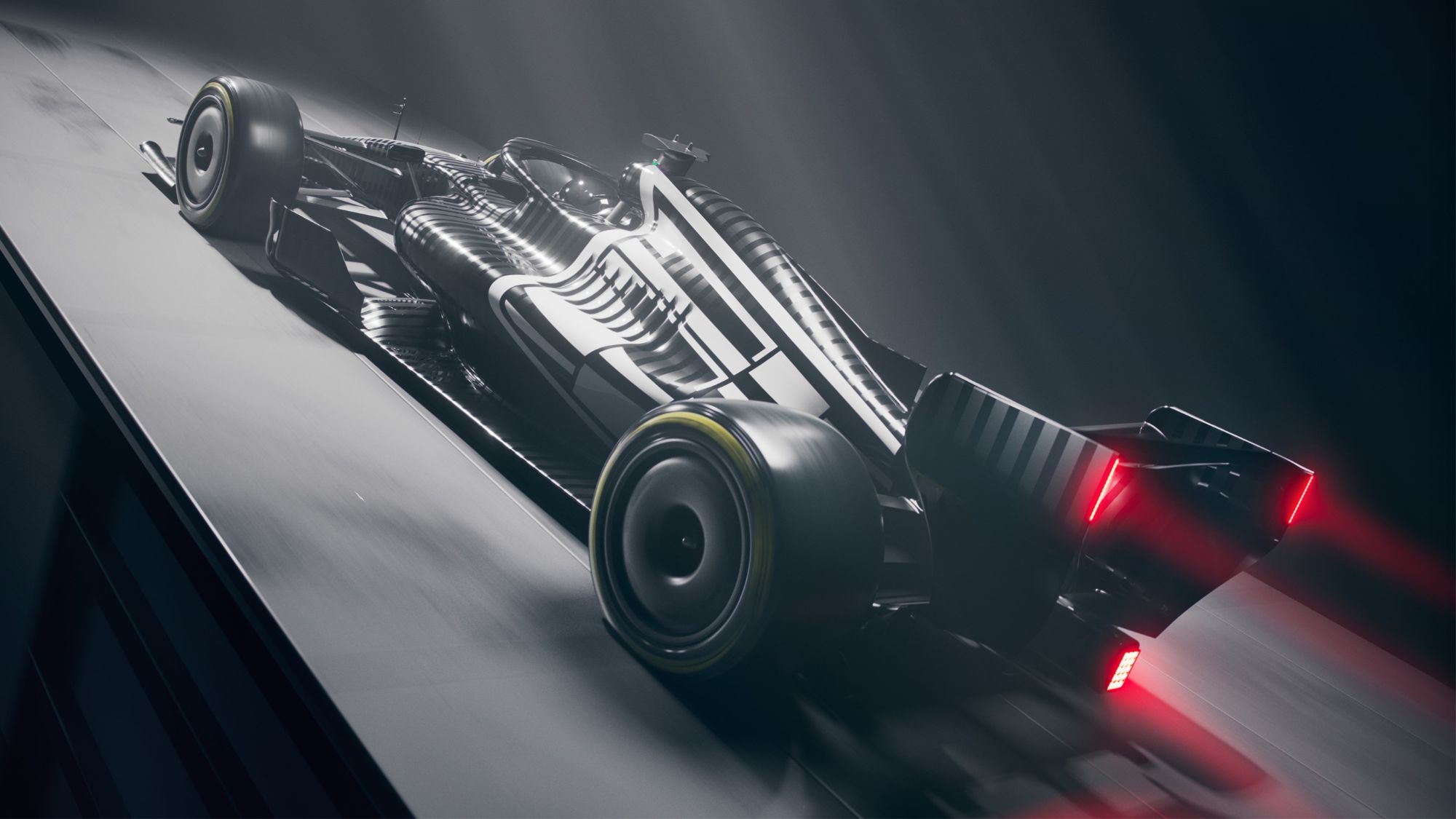
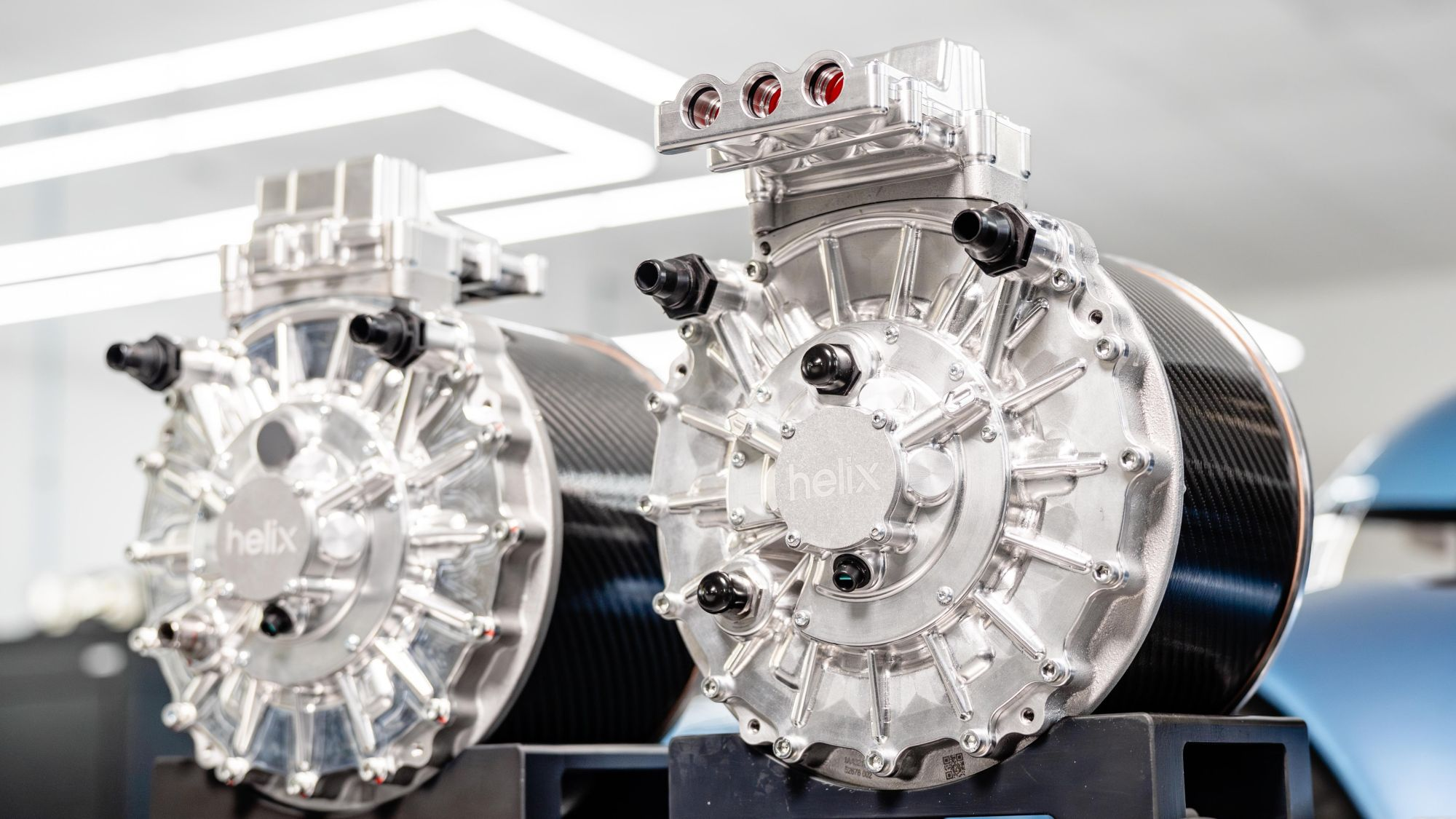
Featuring two Helix SPX242-94 motors in the rear, and working with McMurtry’s proprietary Downforce-on-Demand fan system, the Spéirling can deliver up to 1000 hp. The car, capable of accelerating from 0-60 mph (0-97 km/h) in 1.5 s and covering a standing quarter of a mile in 8 s, has already achieved records at the Goodwood Festival of Speed and Laguna Seca Hill Climb, along with setting the fastest-ever lap of the Top Gear test track.
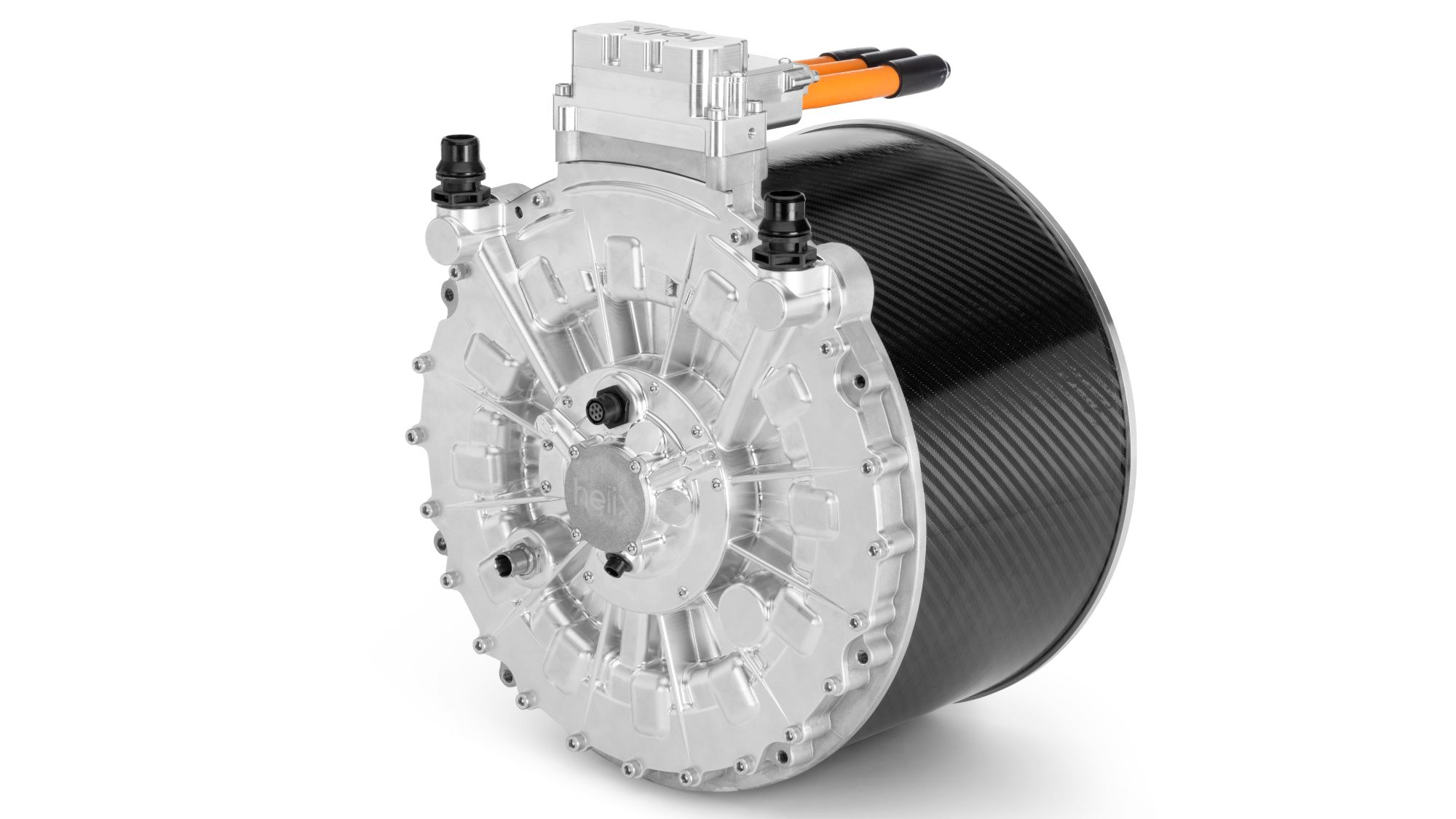
The SPX242-94 is one of the most powerful motors the company has ever produced. Developed from Helix’s scalable core technology range, each unit provides 500 N·m (369 lb·ft) all in an ultra-lightweight package of just 33 kg (73 lb). Their packaging unlocks new automotive design possibilities, allowing for the most effective use of space within the Spéirling’s compact, single-seat configuration.
“The McMurtry Spéirling is an exceptional example of British engineering and demonstrates one of the most effective applications of advanced electric motor technology,” said Simon Mead, Automotive Chief Engineer at Helix. “We are proud to have been involved in its journey from an early stage, with Helix drive motor propulsion systems featuring throughout the evolution of this groundbreaking hypercar, from prototype to production.”
Established in 1998 as an ICE (internal combustion engine) consultancy, Helix has been recognized as a designer and manufacturer of electric motors and inverters since 2009. The company has around 200 employees and has engineering and manufacturing space across three sites in Milton Keynes, UK.
With roots in motorsport, Helix’s motors, inverters, and electric propulsion units are an established staple in Formula E and other racing series. The company’s technology also powers hypercars such as the Aston Martin Valkyrie, Lotus Evija, and Czinger 21C.
In recent years, the power density of Helix’s systems has seen the company also play a role in the electrification of other industries, such as aerospace, defense, and marine. Current and past partners include vertical take-off and landing vehicles, space launch providers, racing boats and yachts, and defense platforms spanning land, sea, and air.
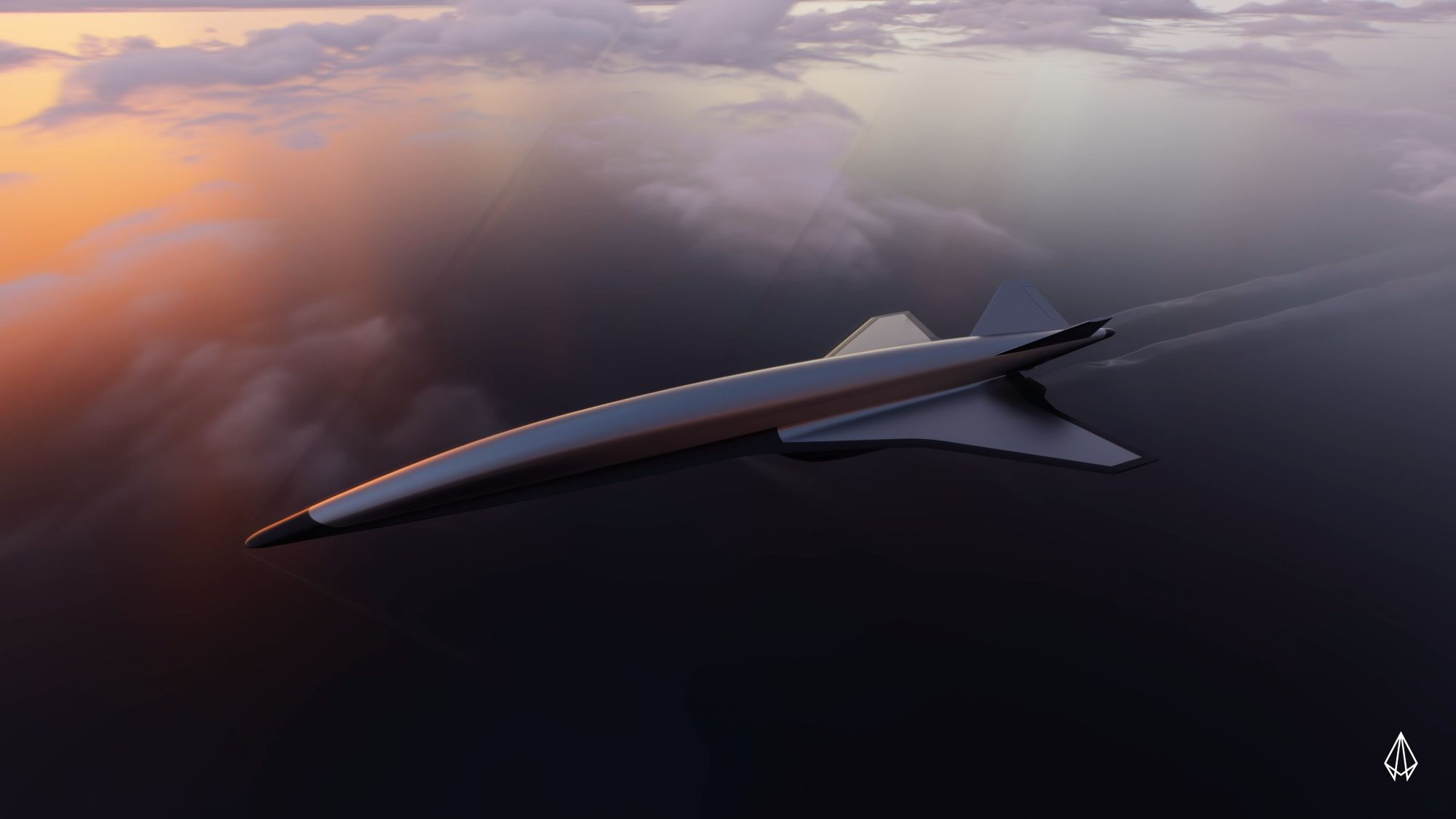
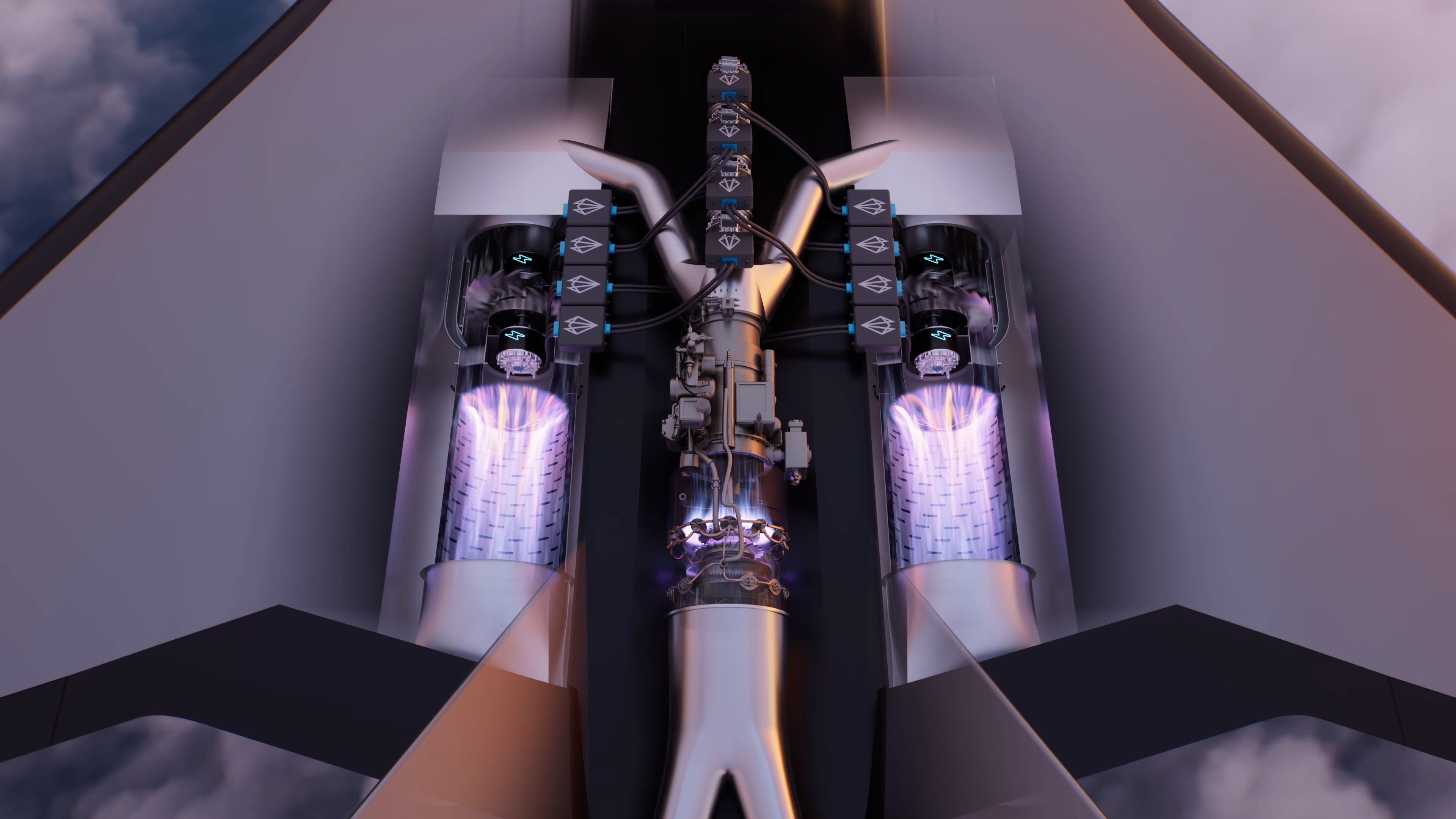
Just a few months ago, Helix announced it had partnered to provide electric motors for California-based vertically integrated aerospace startup Astro Mechanica and its adaptive engine concept. Currently, four of the same Helix SPX242-94 motors are used in the proprietary dual-use propulsion system designed to improve fuel efficiency, the biggest economic challenge facing supersonic flights.
Astro Mechanica’s Duality engine and advanced airframe design have the potential to unlock supersonic aircraft with near-term military and civilian applications, including national defense, orbital launch, and long-range cargo delivery. It uses power-dense electric motors to separate the propulsion unit from the turboshaft core. The turbogenerator uses a gas turbine to generate electricity via two motors, which power the four Helix motors in the propulsors that control the fan and compressor.
This hybrid-electric architecture enables it to mimic a turbofan at subsonic speeds, a turbojet at lower supersonic speeds, and transition to a ramjet at very high supersonic speeds. This adaptability optimizes performance across a range of flight speeds and profiles, creating a combined-cycle turboelectric adaptive engine that is efficient from takeoff to Mach 3+.
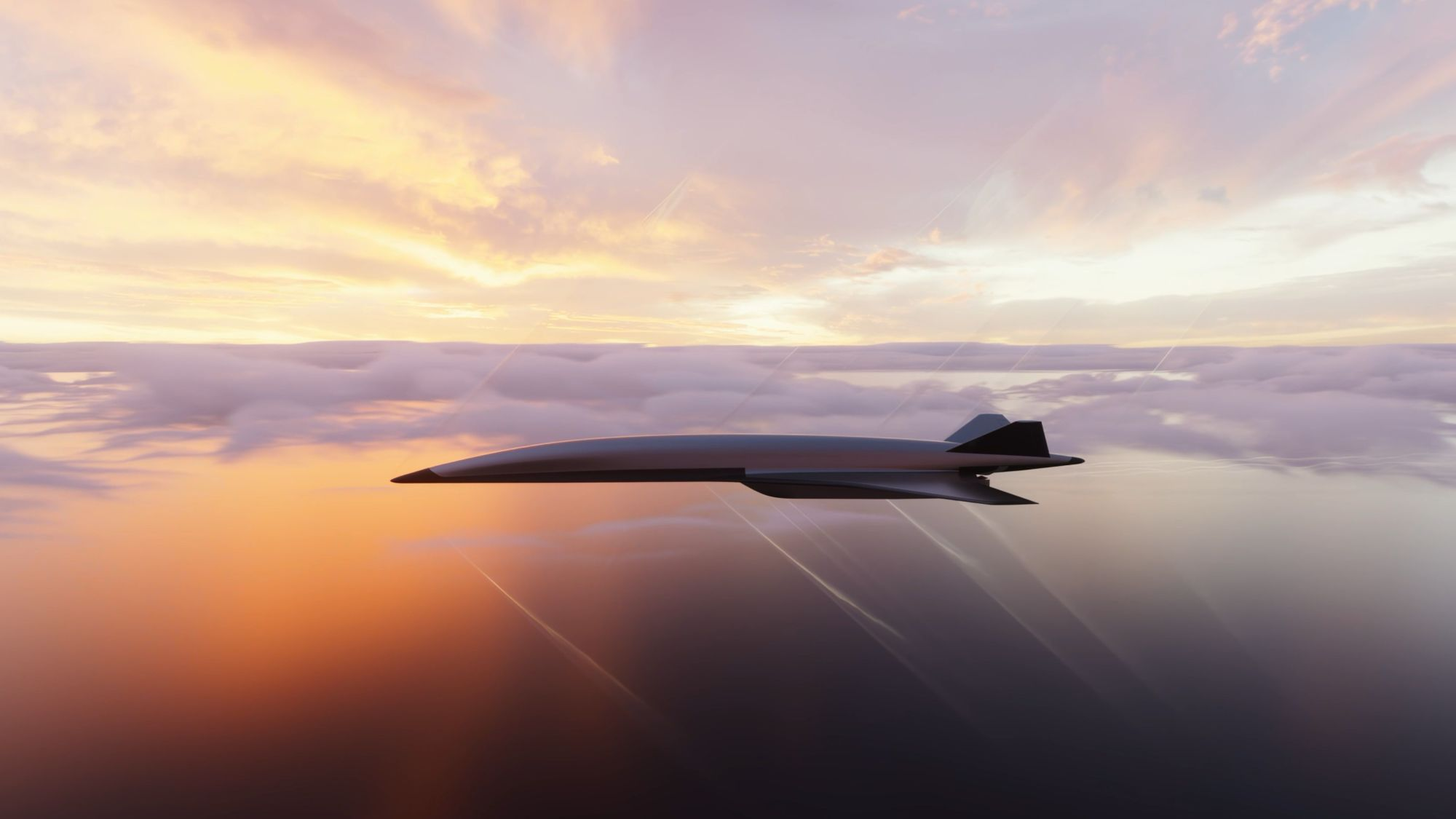
Paired with an advanced airframe design, Astro Mechanica is developing the world’s first supersonic aircraft that has transpacific capability.
At the heart of its fourth-generation engine prototype are four Helix SPX242-94 motors powering the two-stage compressor of the propulsor unit. Capable of peak outputs of 400 kW and 470 N·m (347 lb·ft), they can produce a continuous 300 kW and 286 N·m (211 lb·ft). Critically, this is achieved in a power-dense package of just 31.3 kg (69 lb) each.
“We are incredibly proud that our electric motors are powering Duality, given its potential to reshape aviation and aerospace,” said Derek Jordanou-Bailey, Aerospace Chief Engineer at Helix. “For decades, Helix has worked at the very cutting-edge of electric powertrain technology and are now a critical enabler in the electrification journey of many high-performance sectors. Astro Mechanica’s engine shows that our unrivalled power density stands to completely transform the engineering and economics of whole industries.”
Helix is also designing custom motors for the fifth-generation Astro Mechanica propulsion system. These motors will be used to power the turbogenerator in this full-scale engine and feature a new motor isolation system designed for extreme-altitude operation.
The new 61.5-kg (136-lb) motors are expected to output 900 kW continuous power in either generator or propulsion modes. Operating at up to 20,000 rpm, peak outputs are 950 kW and 575 N·m (424 lb·ft).
Astro Mechanica is currently testing the fourth generation of its engine prototype and targeting first flight within three years. Within a decade, the startup aims to make on-demand, supersonic passenger travel as accessible and affordable as commercial air travel is today.
-

- McMurtry’s Spéirling Pure electric fan hypercar.
-

- McMurtry’s Spéirling Pure VP1 at the Top Gear test track.
-

- McMurtry’s Spéirling Pure with Helix EV technology in the workshop.
-

- Helix electric motor closeup for McMurtry’s Spéirling Pure.
-

- Astro Mechanica supersonic airframe design render.
-

- Astro Mechanica supersonic airframe design render.
-

- Astro Mechanica’s Duality engine with Helix e-motor render.
-

- Helix SPX242-94 motor for Astro Mechanica.