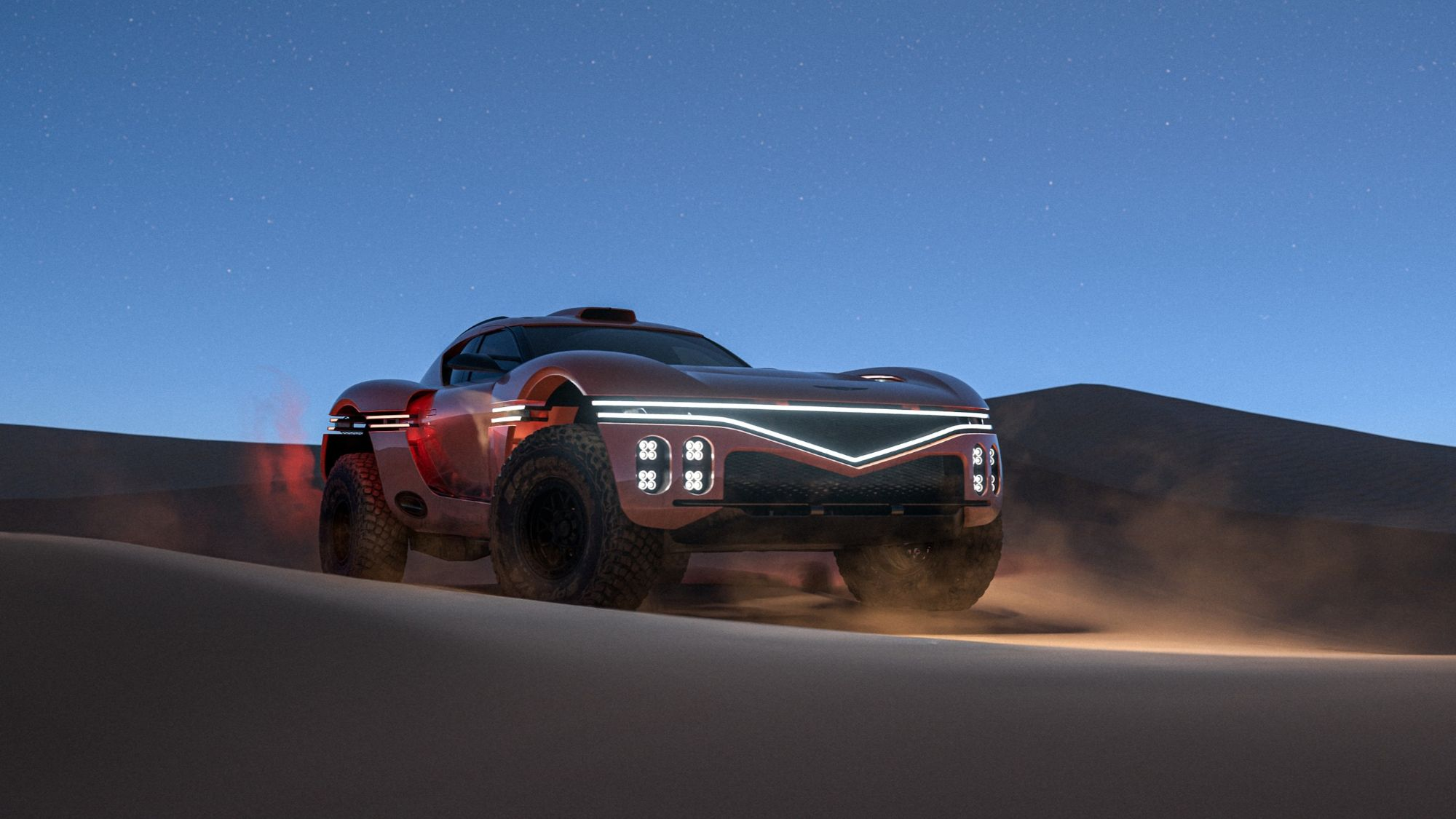
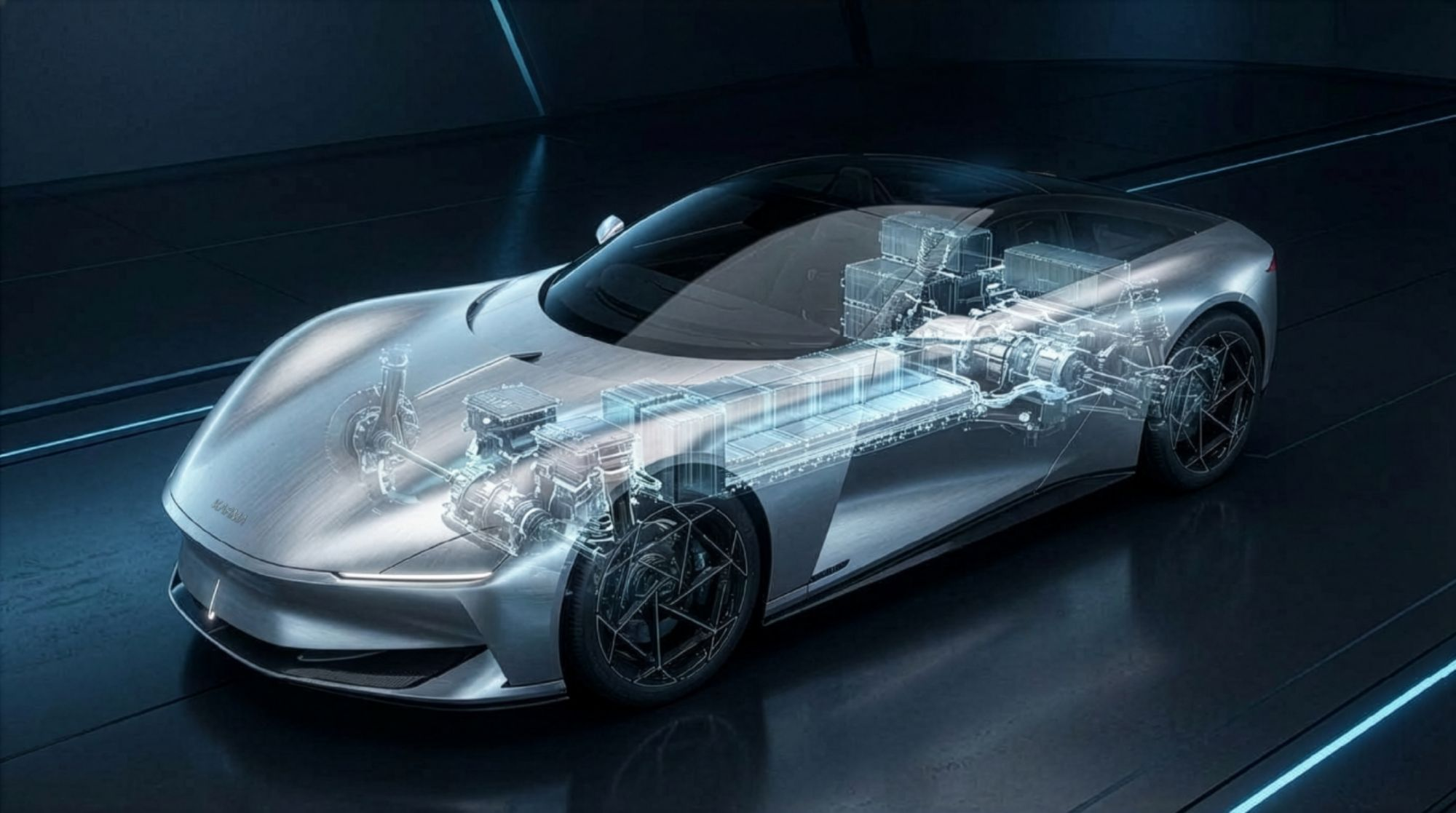
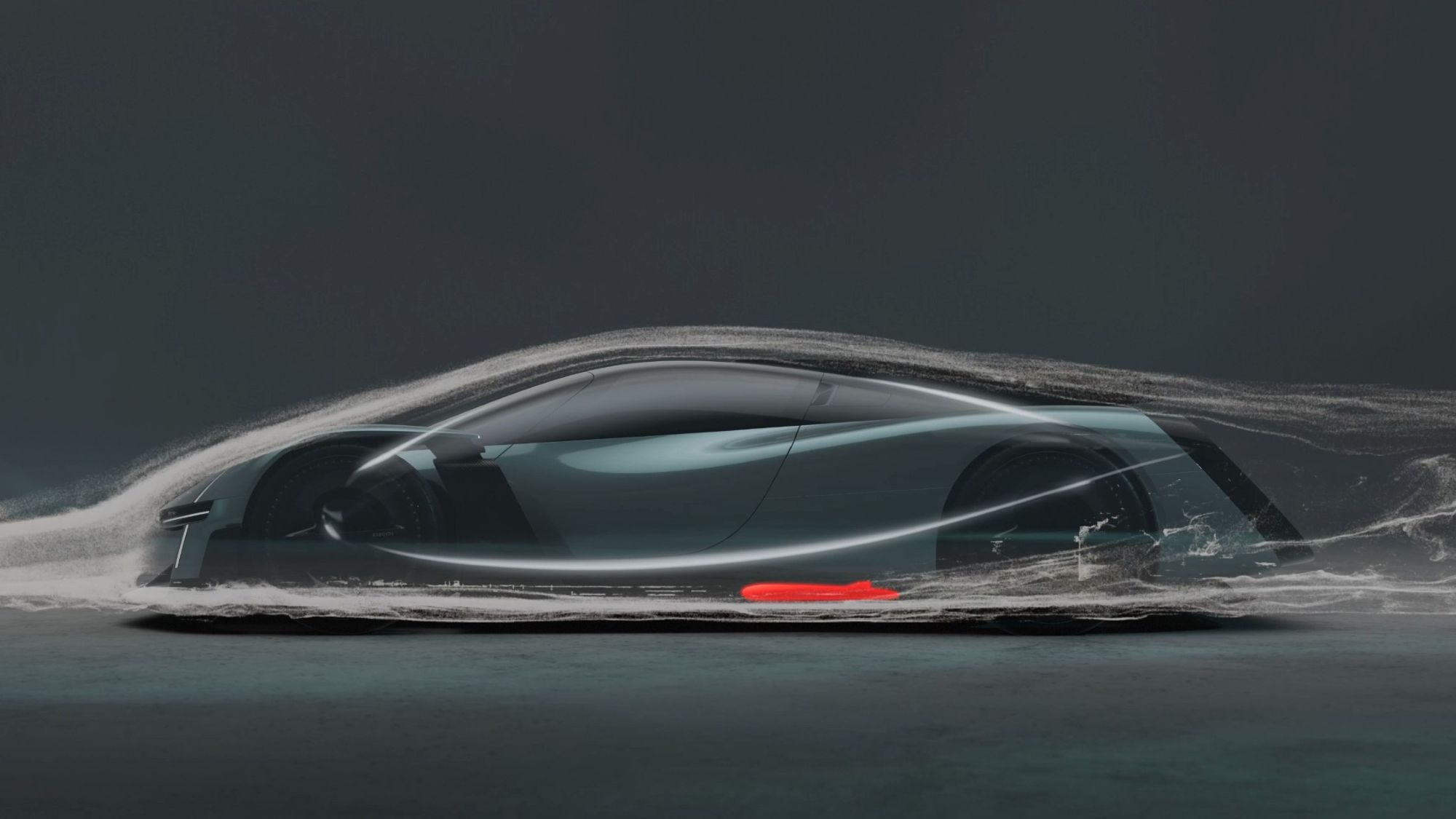
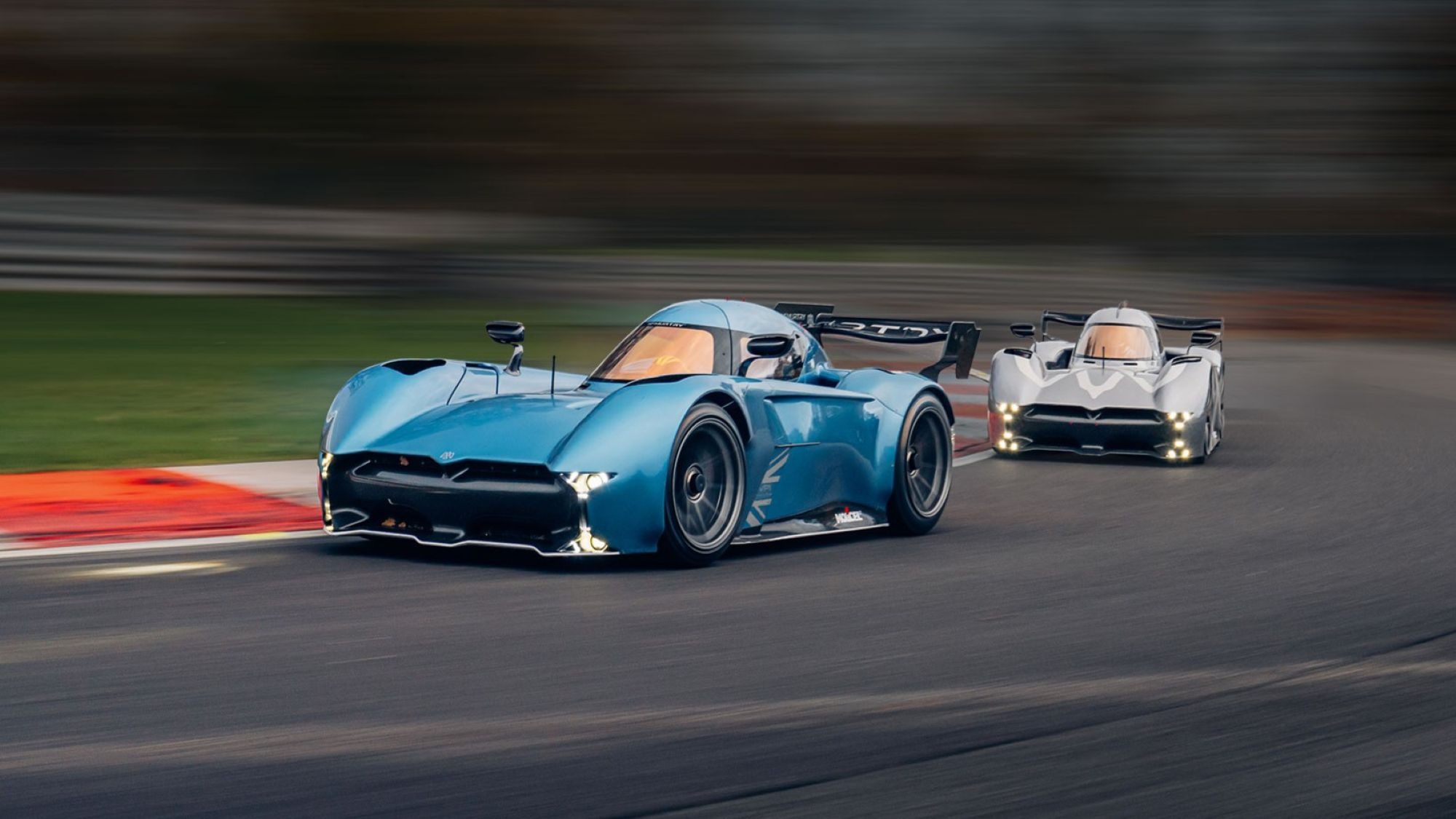
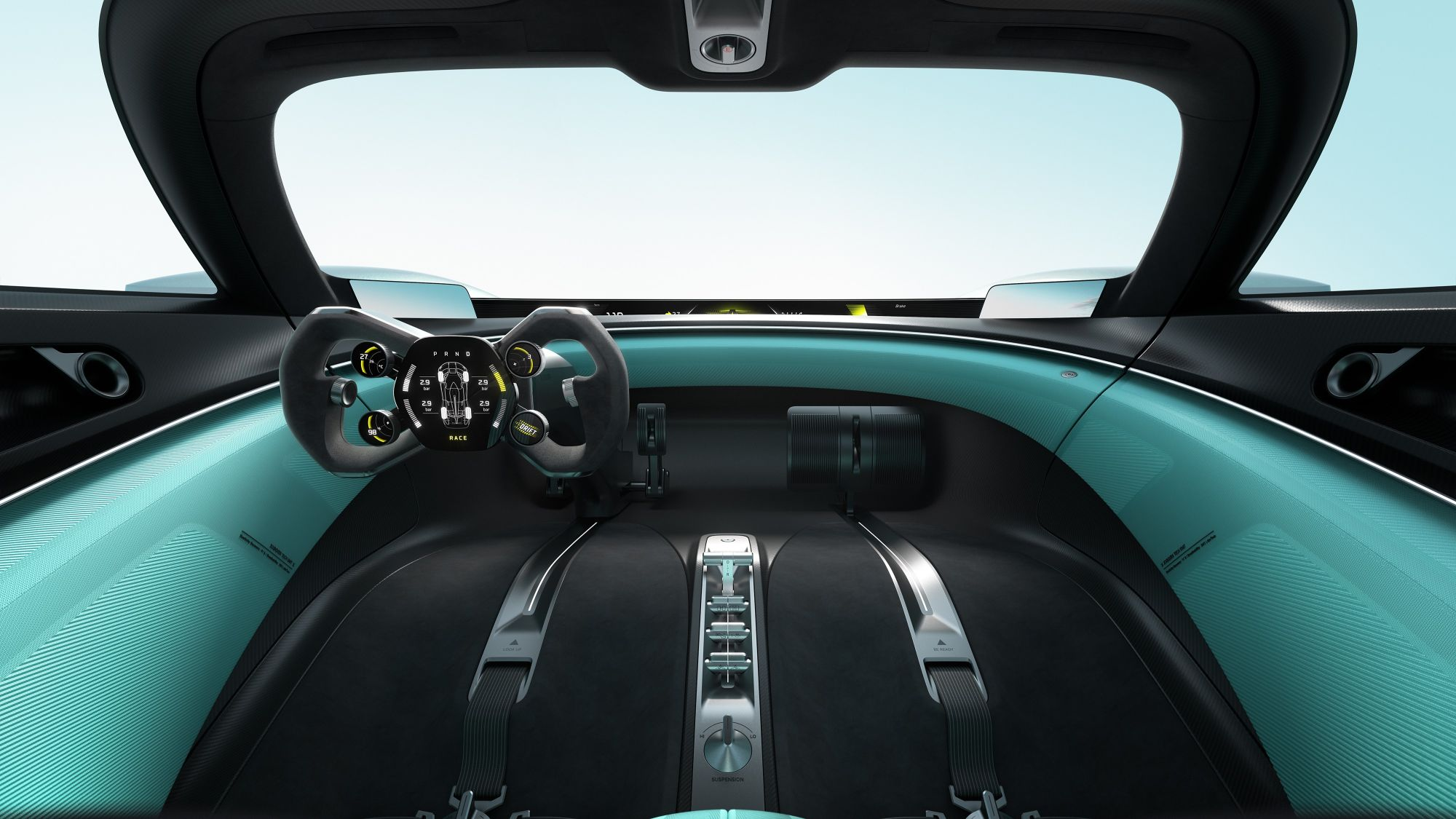
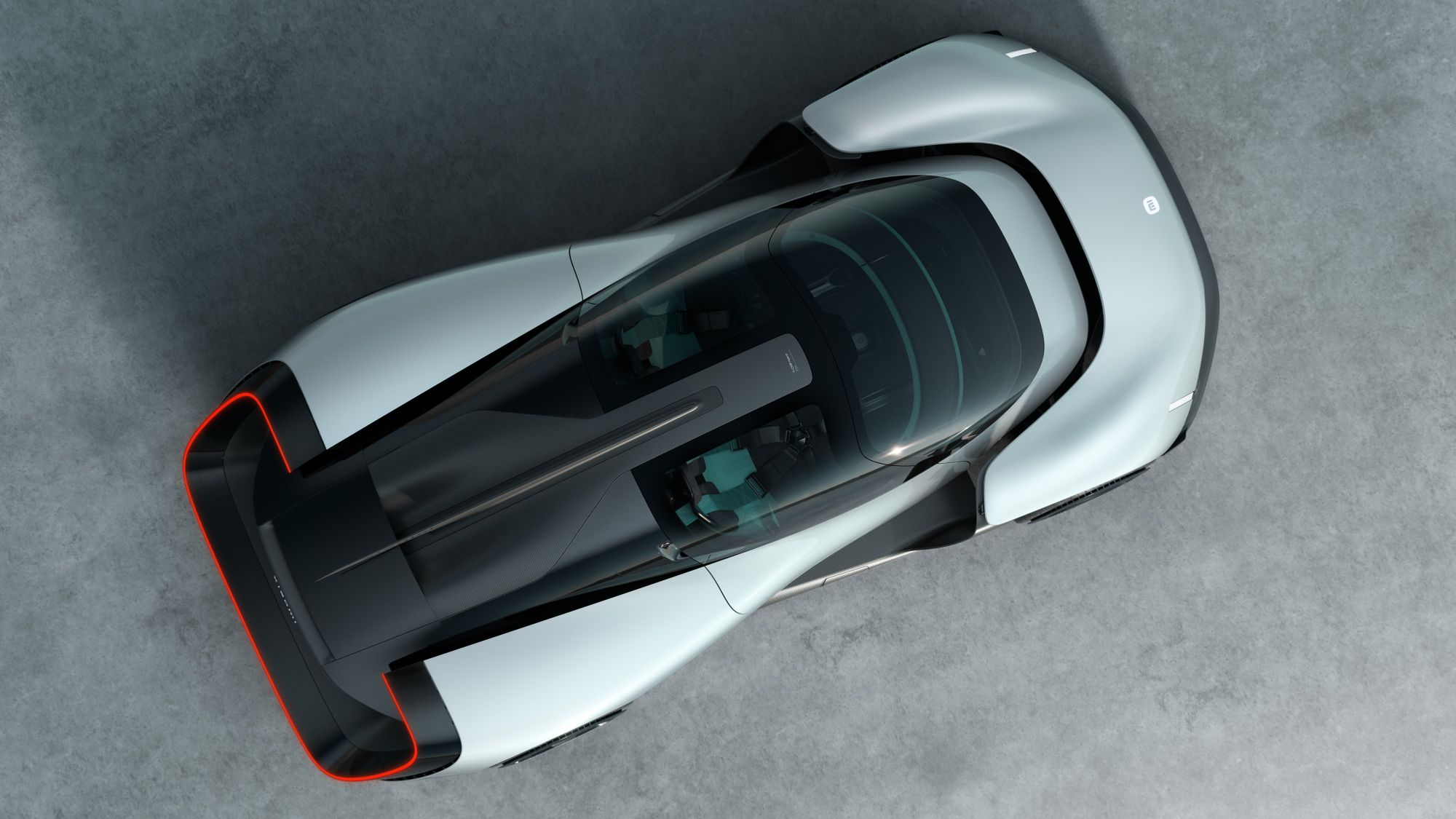
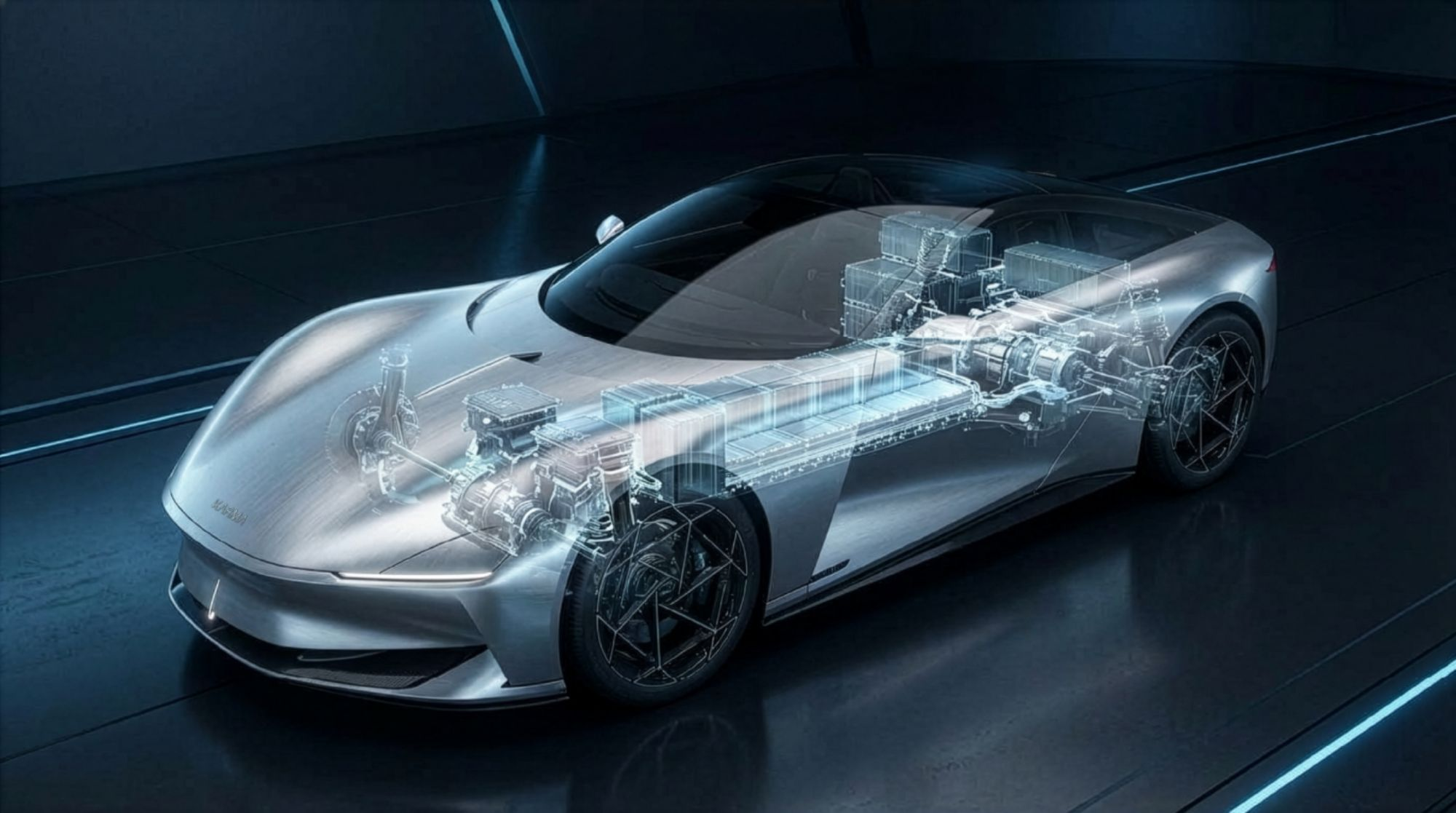
Irvine, CA-headquartered ultra-luxury automaker Karma Automotive Inc. and Boston-based solid-state battery tech supplier Factorial Inc. today announced a collaboration to integrate Factorial’s FEST solid-state battery technology into Karma’s next-generation vehicle platform, beginning with the all-electric Kaveya super-coupe scheduled to arrive in late 2027. With the technology, the supercar is expected to deliver over 1000 hp (746 kW) and have a top speed in excess of 200 mph (322 km/h).
According to Factorial, the agreement marks the first commercial solid-state battery program from a U.S.-based OEM integrating solid-state cells into a production-bound vehicle platform. It builds on the company’s prior solid-state battery validation milestones with Stellantis and Mercedes-Benz.
By pairing Karma’s 100% America-based engineering, vehicle design, and production with Factorial’s U.S.-developed solid-state battery platform, the partners say the collaboration strengthens the local manufacturing ecosystem and domestic innovation for next-generation electric mobility. The companies aim to accelerate U.S.-led electric and hybrid vehicle technology advancements while validating solid-state technology in a production passenger vehicle environment.
“Karma Automotive was imagined to push the boundaries of what the ultra-luxury vehicle experience can be, and Kaveya is the vehicle that reintroduced Karma to the market in November 2023,” said Marques McCammon, President and Chief Executive, Karma Automotive. “However, in 2025, we delayed launch because we did not yet see a clear path to fully delivering the uncompromising driving experience that should be expected from an American ultra-luxury vehicle company. Now, through the partnership with Factorial and the integration of FEST, we cannot only deliver that experience, but also open a pathway to stronger, more stable electrified drive systems for Karma owners and the broader industry.”
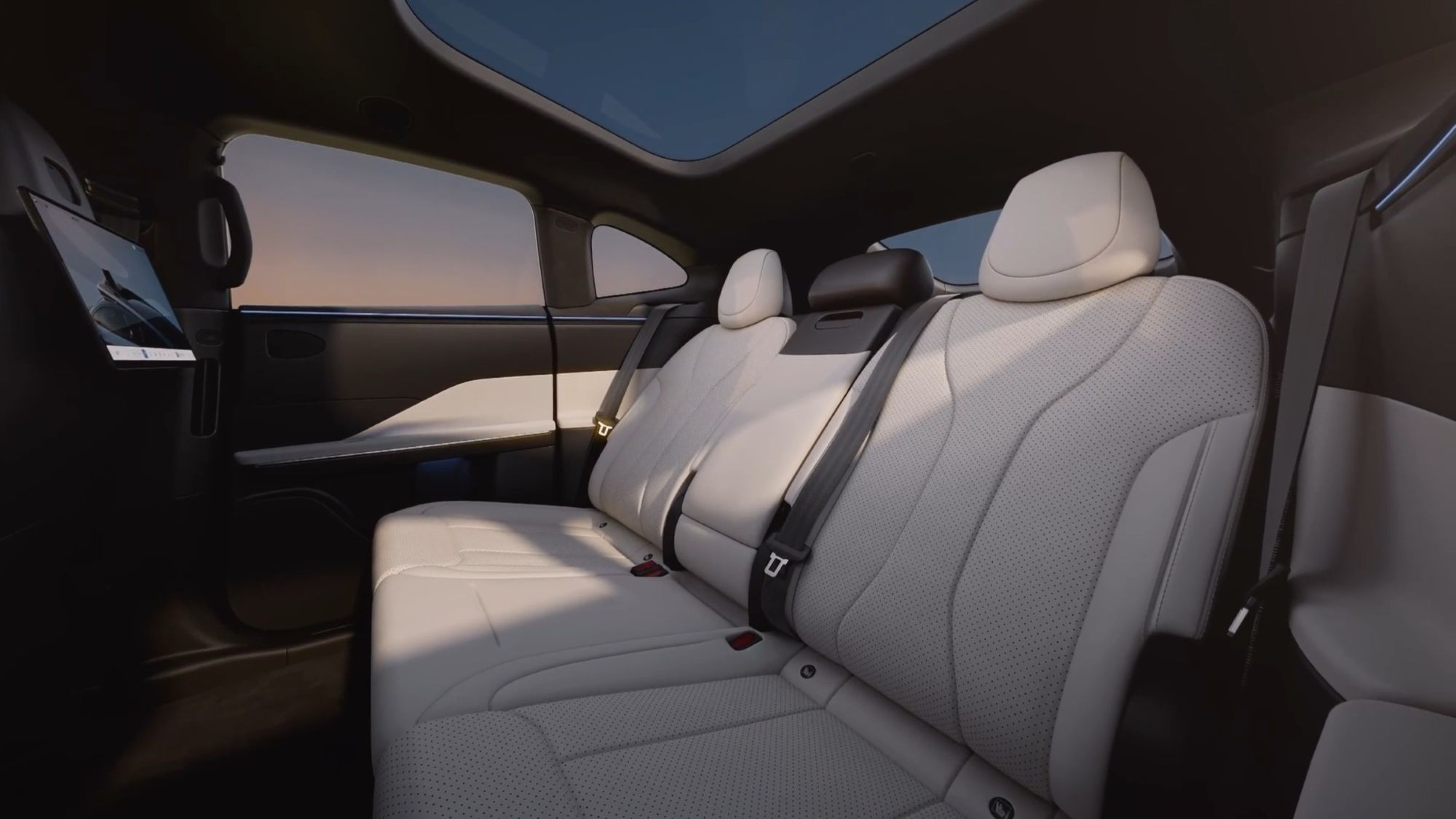
Karma’s website says the Kaveya features aluminum spaceframe construction, carbon-fiber body panels, and aluminum SLA suspension for an estimated curb weight of 5300 lb (2404 kg). The car is 187.7 in (4768 mm) long, 78.8 in (2002 mm) wide, and 49.4 in (1255 mm) tall on a 107-in (2718-mm) wheelbase.
Its powertrain’s combined torque of 1270 lb·ft (1722 N·m) contributes to 0-60 mph (0-97 km/h) acceleration in less than 3.0 s. Its high-voltage 120-kW·h capacity battery provides a projected range of greater than 250 mi (402 km) and a charging time for 10-80% of 45 min. Futurride expects the Factorial technology to improve some of these numbers.
“Launching our first U.S. passenger-vehicle program with Karma is a meaningful milestone for Factorial,” said Siyu Huang, CEO of Factorial. “FEST was built to scale, and this milestone not only highlights the energy and performance solid-state technology can deliver but also underscores the global leadership of U.S. technology innovators. High-performance luxury vehicles require cutting-edge innovation, and this collaboration showcases what’s possible when performance leads.”
Compared to conventional lithium-ion batteries, the FEST solid-state technology enables higher performance through a high-energy electrolyte system designed to support extended driving range and enhanced overall vehicle efficiency. These attributes make it particularly well-suited for the performance and design requirements of the Kaveya.
The technology is engineered to easily integrate into today’s lithium-ion battery factories. Rather than relying on entirely new production lines, FEST cells work with up to 80% of existing lithium-ion manufacturing equipment. This compatibility enables rapid scale-up of commercial production.
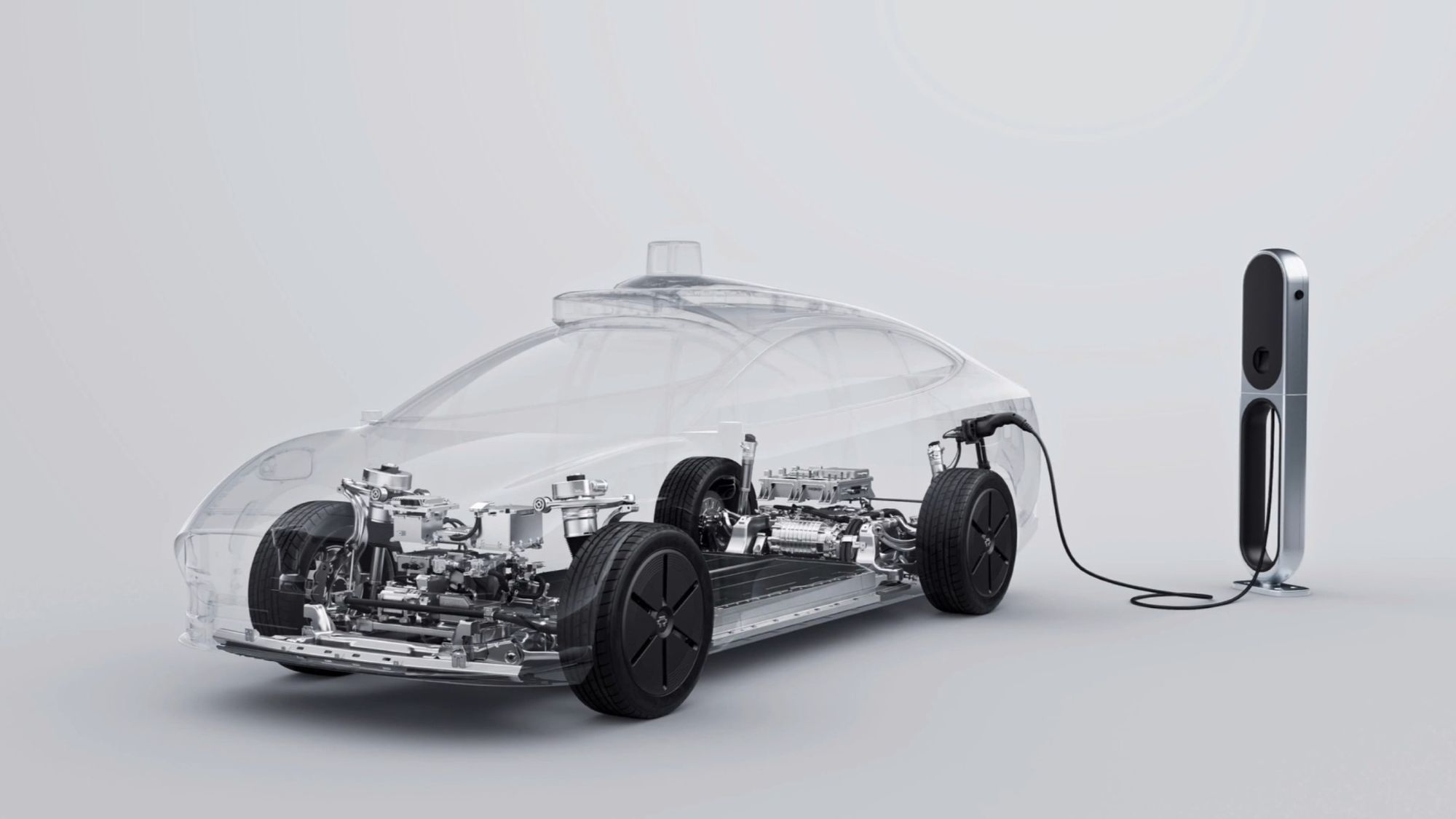
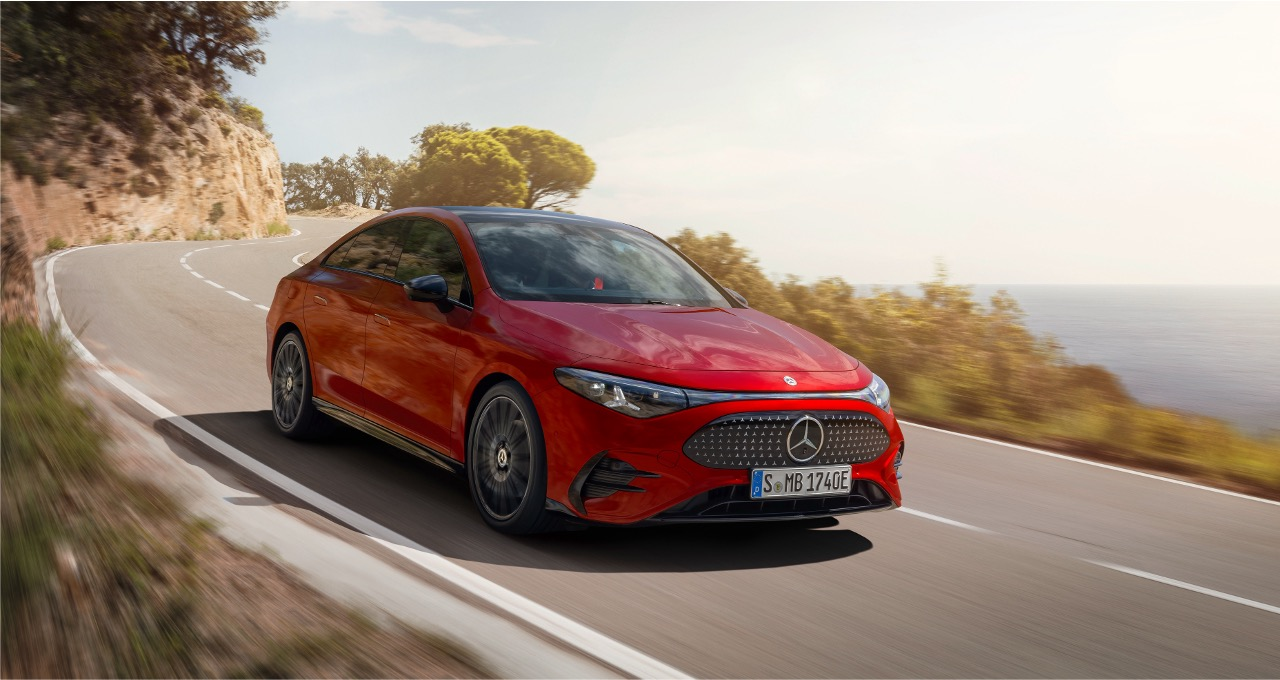
The previous FEST progress update came in September, when Factorial OEM partner Mercedes-Benz announced a milestone in its solid-state battery testing program. An EQS prototype equipped with FEST cells completed a 1205-km (749-mi) drive across three countries—from Stuttgart, Germany, via Denmark to Malmö, Sweden—on a single charge, arriving with 137 km (85 mi) of range remaining.
According to the partners, the achievement underscored the real-world potential of solid-state technology to dramatically extend EV range while maintaining everyday usability. Factorial developed the lithium-metal solid-state cells in collaboration with Mercedes-AMG High Performance Powertrains, with the system delivering a 25% increase in usable energy content compared to the standard EQS battery.
-

- Karma with Factorial battery cells.
-

- Factorial’s Siyu Huang sitting in Kaveya with Karma’s Marques McCammon.
-

- Factorial’s Siyu Huang with FEST battery cell in front of Kaveya.
-

- Mercedes-Benz EQS prototype with Factorial FEST-based battery covered 1205 km on a charge.