Silicon Valley-based Ethernet networking startup Ethernovia today announced the close of a Series B funding round of over $90 million led by Maverick Silicon with participation from Socratic Partners, Conduit Capital, and CDIB-TEN Capital. The boost for the semiconductor company aiming to ease networking for software-defined autonomy and AI (artificial intelligence) across vehicles, robots, and intelligent machines included additional funding from Ethernovia’s existing investors, such as Porsche SE, Qualcomm Ventures, and Fall Line Capital.
“The industry is entering the era of physical AI—where intelligence must sense, reason, and act in the real world with predictable, real-time performance,” said Ramin Shirani, CEO and Co-founder of Ethernovia. “Legacy in-vehicle and industrial networks were never designed for AI-driven workloads. However, our packet processor platform is purpose-built to eliminate these constraints, enabling zonal and centralized architectures that scale autonomy and dramatically simplify vehicle system design.”
The company will use the new funding to accelerate development and production of its next-generation packet processor family; expand software and systems capabilities that enable flexible, programmable networking; and support customer engagements across its target markets.
“As autonomous systems become more complex, latency, power efficiency, and architectural flexibility are no longer optional—they are essential,” said Kenneth Safar, Managing Director of Maverick Silicon. “Ethernovia has fundamentally reimagined the nervous system of intelligent machines with its packet processing platform, solving a critical networking bottleneck in automotive, robotics, and industrial AI.”
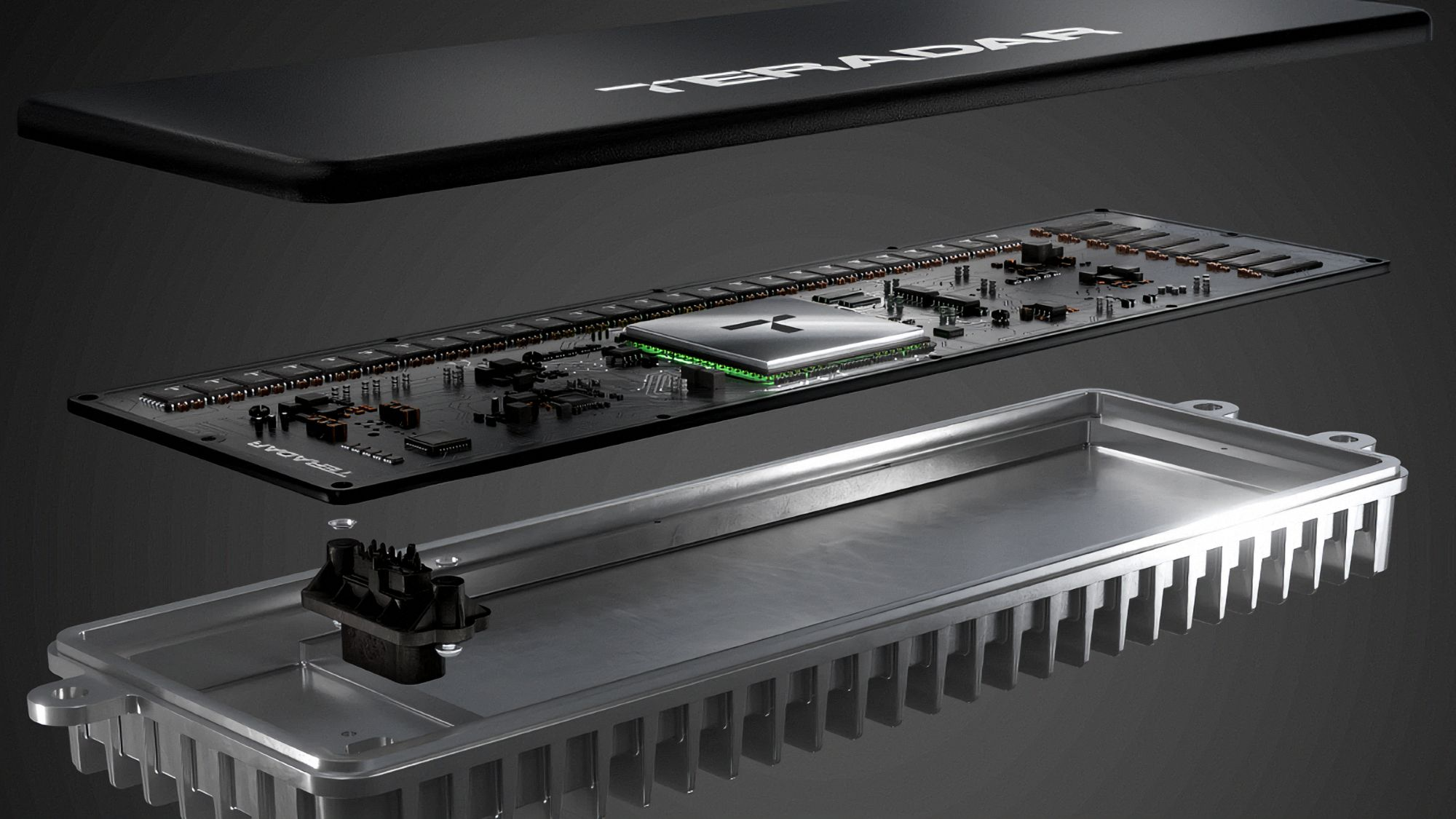
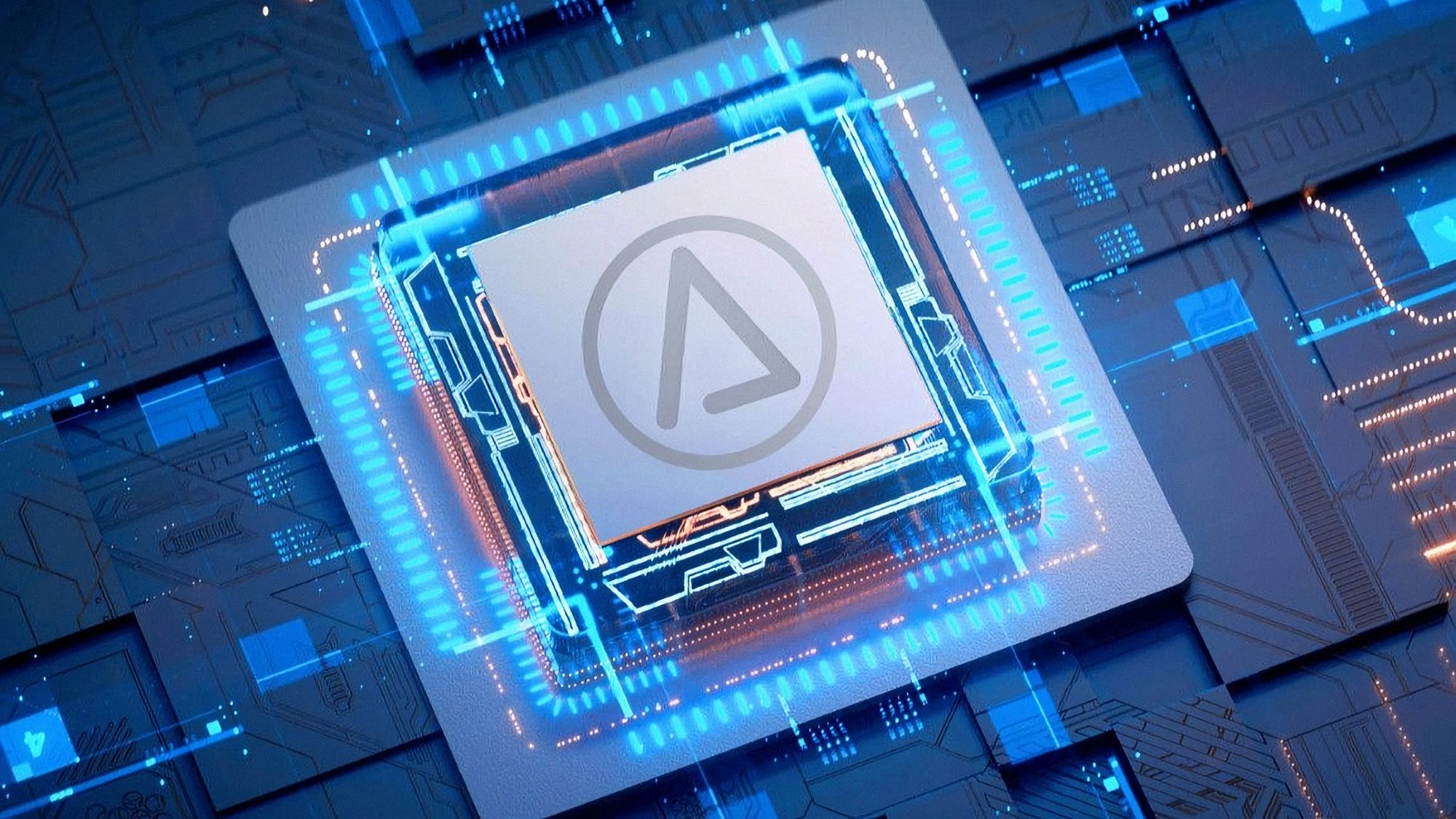
At the core of Ethernovia’s platform is a family of first-of-their-kind packet processors engineered to aggregate, route, and intelligently manage high-bandwidth sensor, vision, and AI data streams with deterministic latency and industry-leading power efficiency. These processors provide the real-time data fabric required for autonomous driving, ADAS (advanced driver assistance systems), robotic perception and control, and emerging AI-defined features—while reducing complexity, system weight, and cost.
“Ethernovia is addressing one of the most important infrastructure challenges facing physical and edge AI today,” said Rick Clemmer, Founding Partner at Socratic Partners. “They enable OEMs to simplify system design while supporting scalable, software-defined platforms that can evolve over time. We see a strong demand across automotive, robotics, and industrial markets – and this investment reflects our confidence in the company’s ability to become an important technology provider in the space.”
In vehicles, Ethernet was initially employed in limited areas such as diagnostics and infotainment systems, where its high-bandwidth capabilities relative to legacy protocols were advantageous, Christopher Mash, VP Business Development at Ethernovia, wrote in a recent blog post.
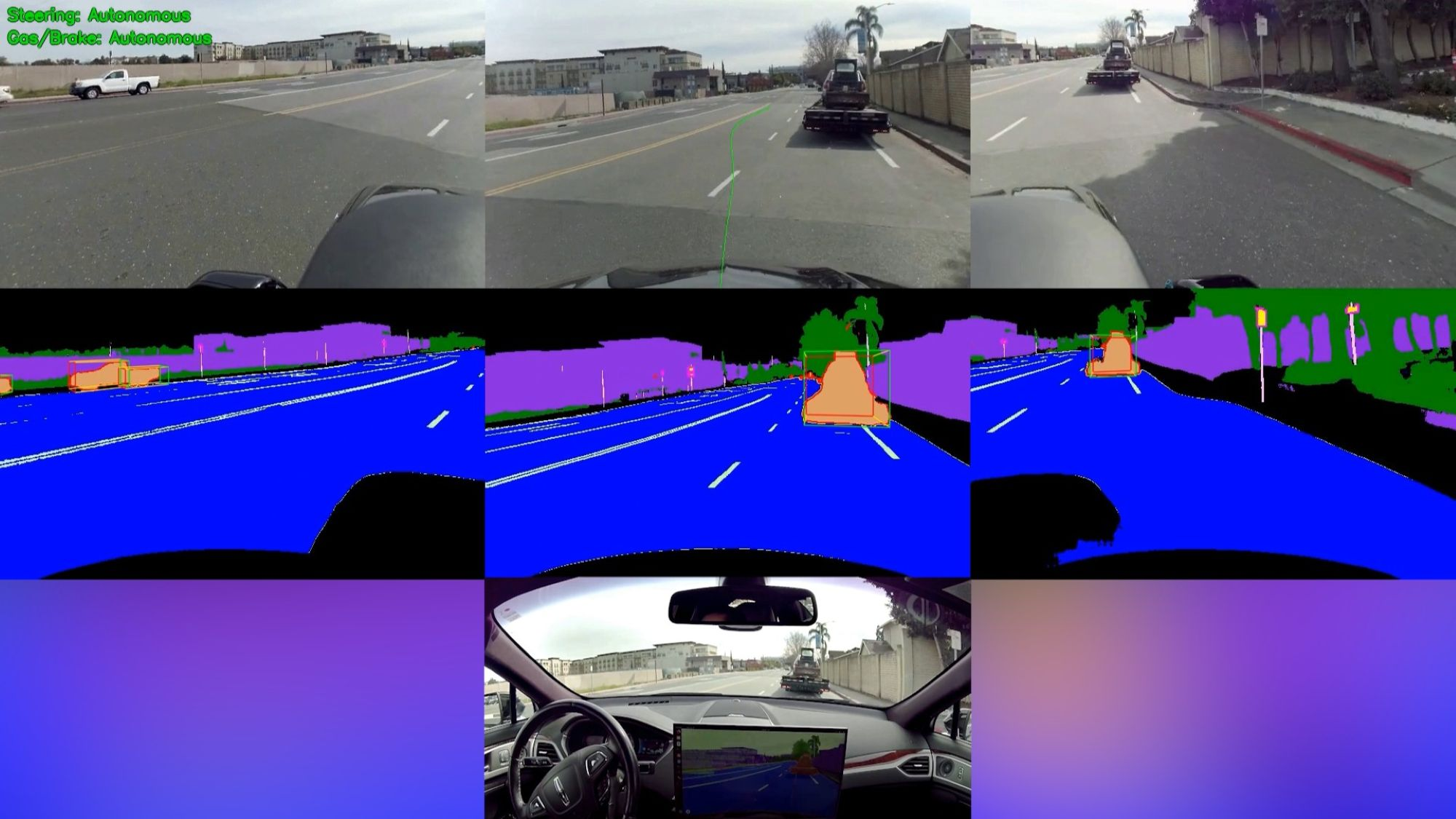
With the advent of ADAS, autonomous driving features, rich data-intensive applications, and high-speed mobile connections, data demands have increased. The developments have highlighted the limitations of legacy systems and underscored the necessity for a more capable networking solution, he added.
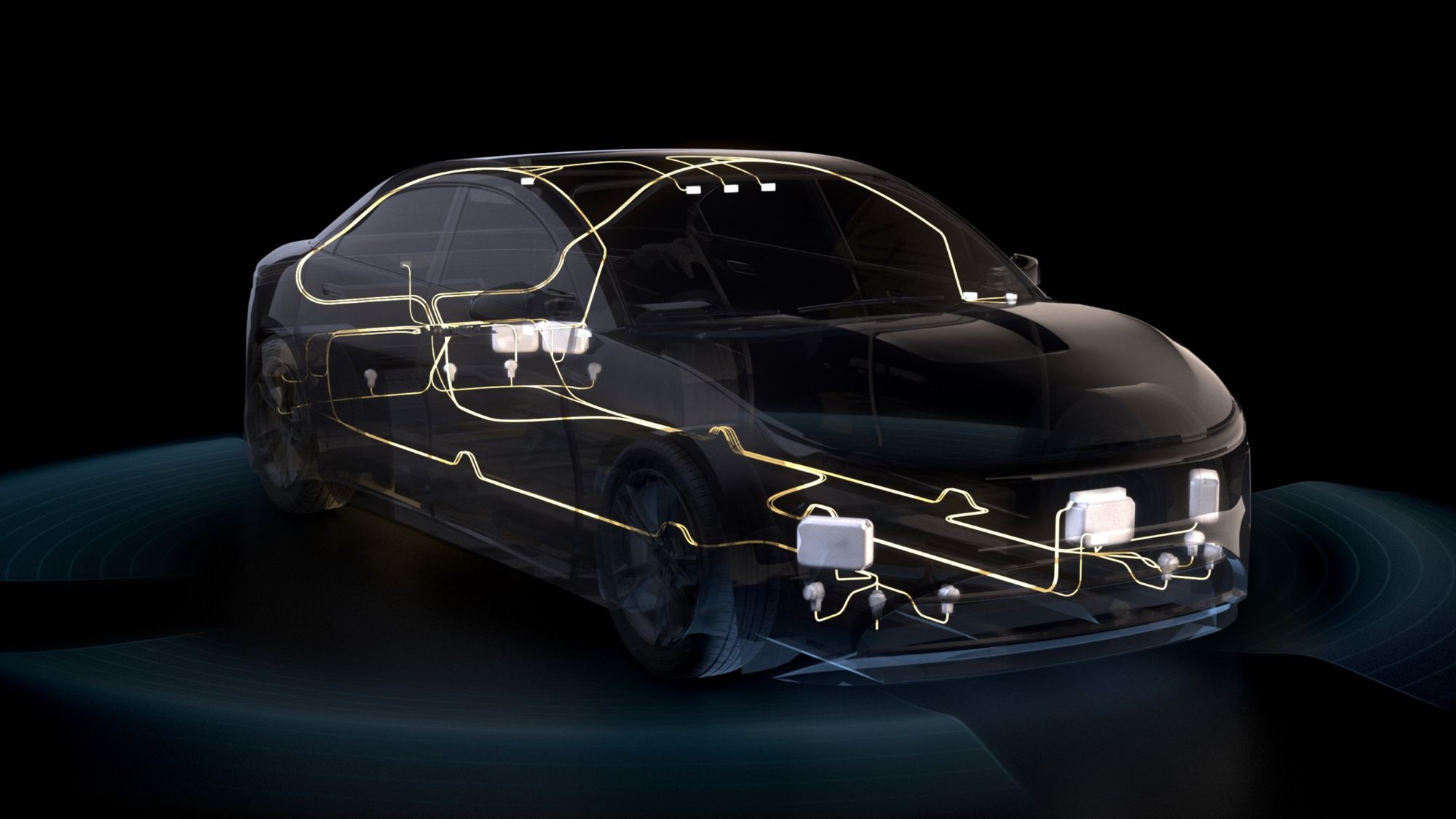
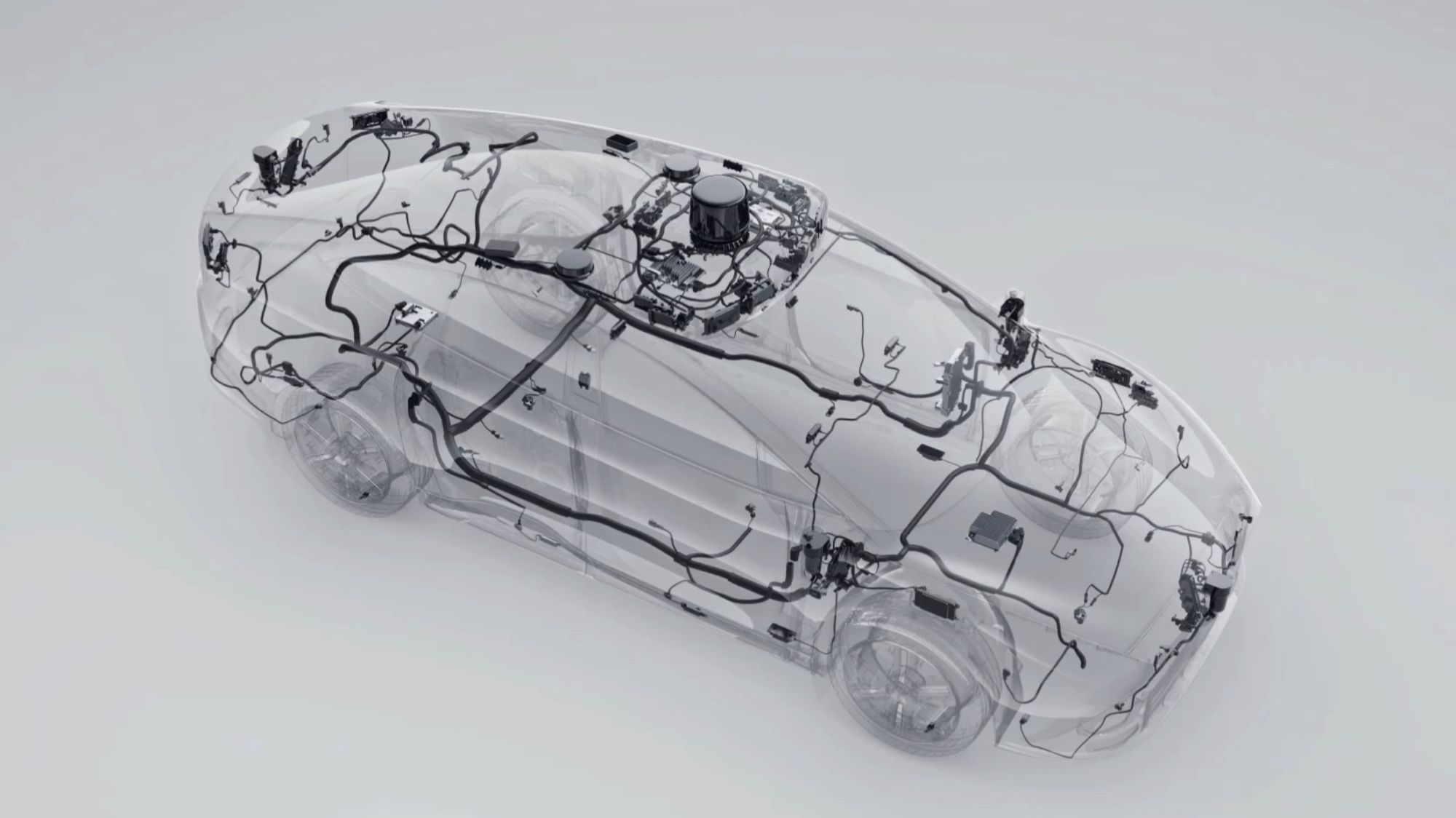
Over the last decade and a half, Ethernet’s proven automotive reliability and scalability have led to its broader adoption across various vehicle domains. For instance, the implementation of zonal architectures to streamline wiring and reduce complexity relies heavily on Ethernet to manage communication between different zones within the vehicle.
“The adoption of Ethernet in automotive networks has been remarkable,” Mash wrote. “Over the past decade, hundreds of millions of automotive Ethernet ports have been shipped, reflecting the industry’s confidence in this technology—so much so that every global high-volume car manufacturer has deployed Ethernet in their vehicles.”
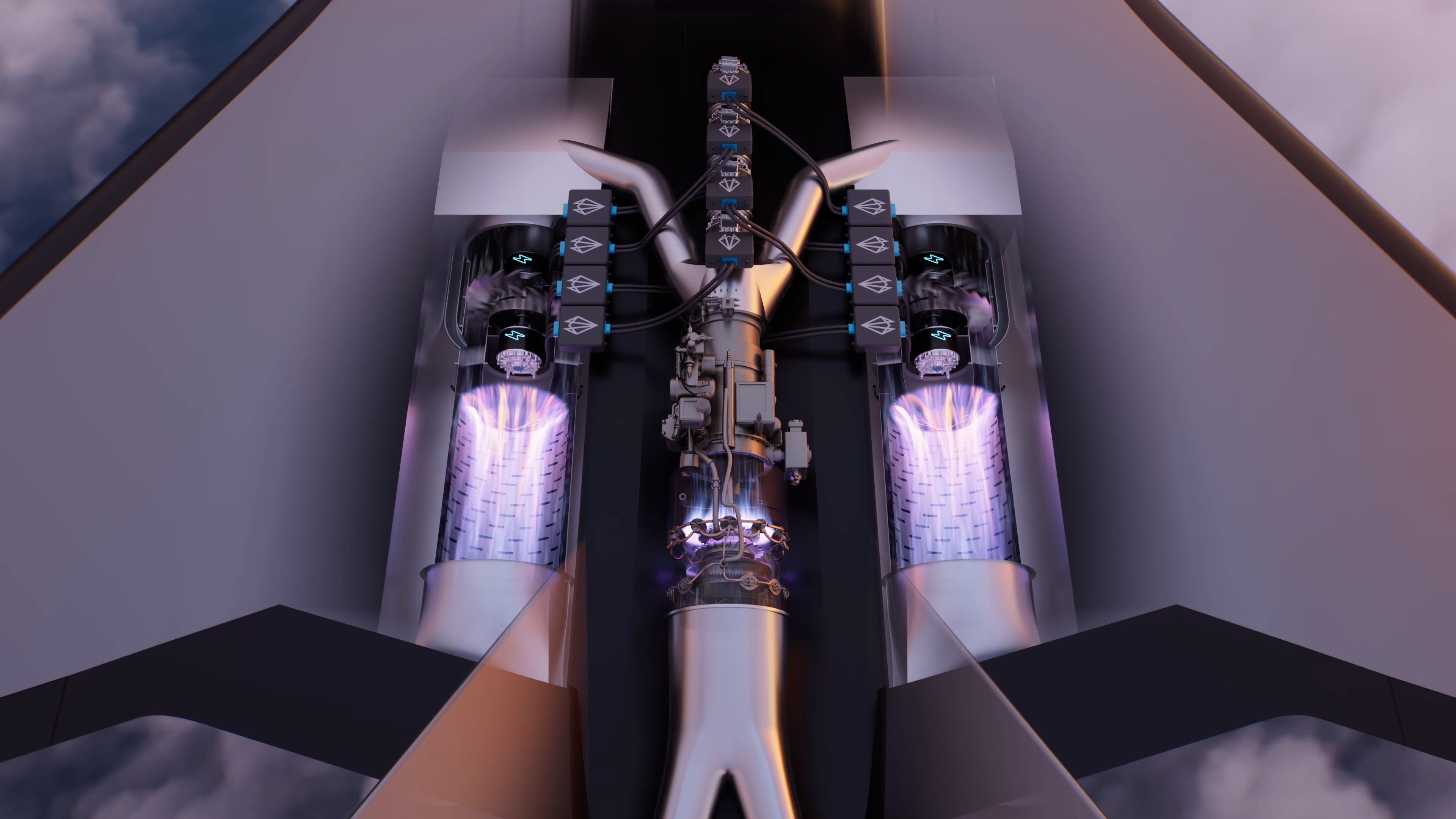
Designed for edge and physical AI workloads, Ethernovia’s packet processors support programmable data paths and scalable Ethernet architectures that span vehicles, robots, and mobility systems. This flexibility allows OEMs and system developers to deploy software-defined platforms that continuously evolve through over-the-air updates while maintaining safety-critical performance.
-

- Ethernovia high-performance CPU.
-

- Ethernovia-enabled zonal architecture.
-

- Typical domain architecture, according to Ethernovia.
-

- Ethernovia intelligent machine nervous system for automotive and robotics.