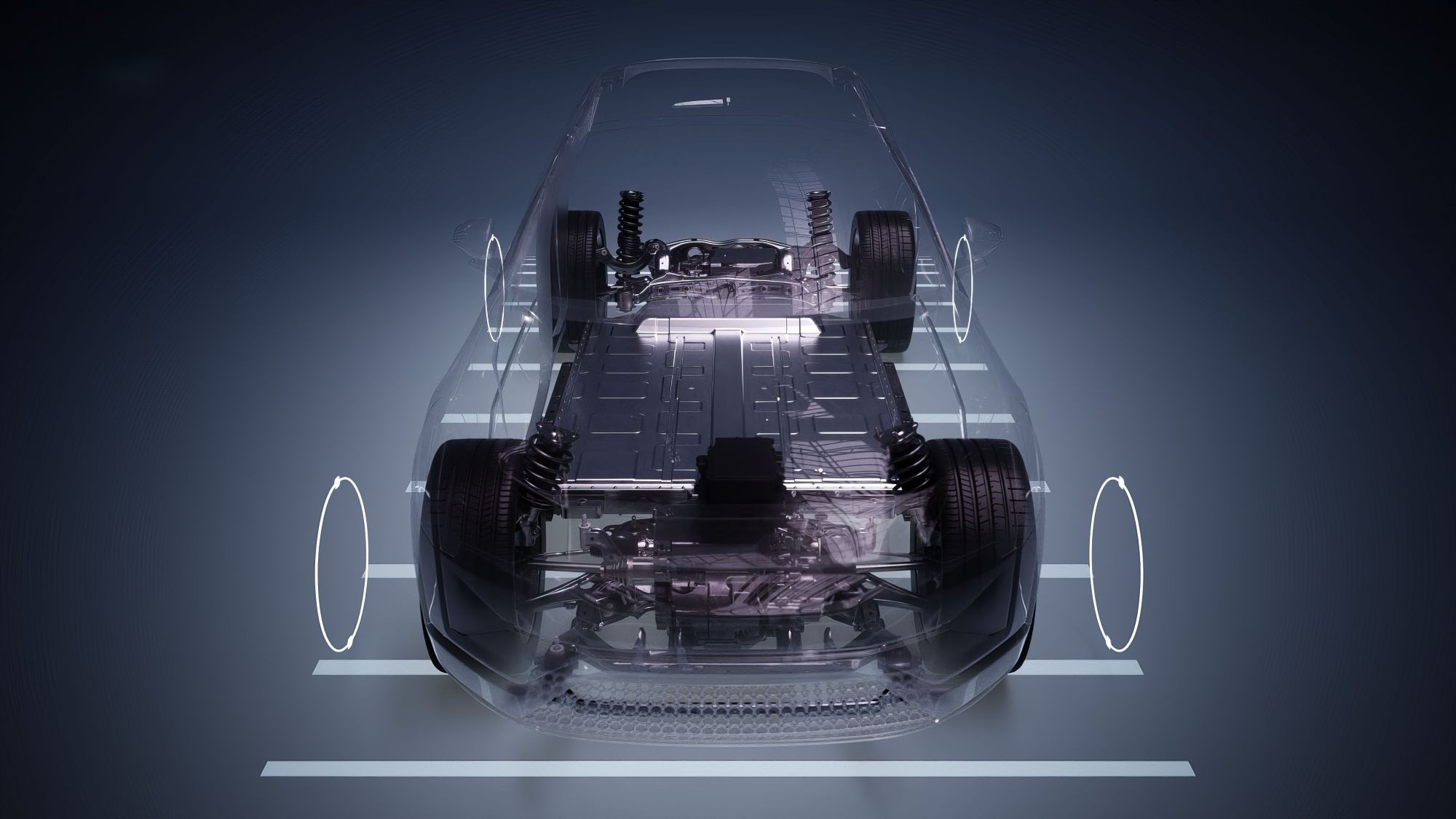
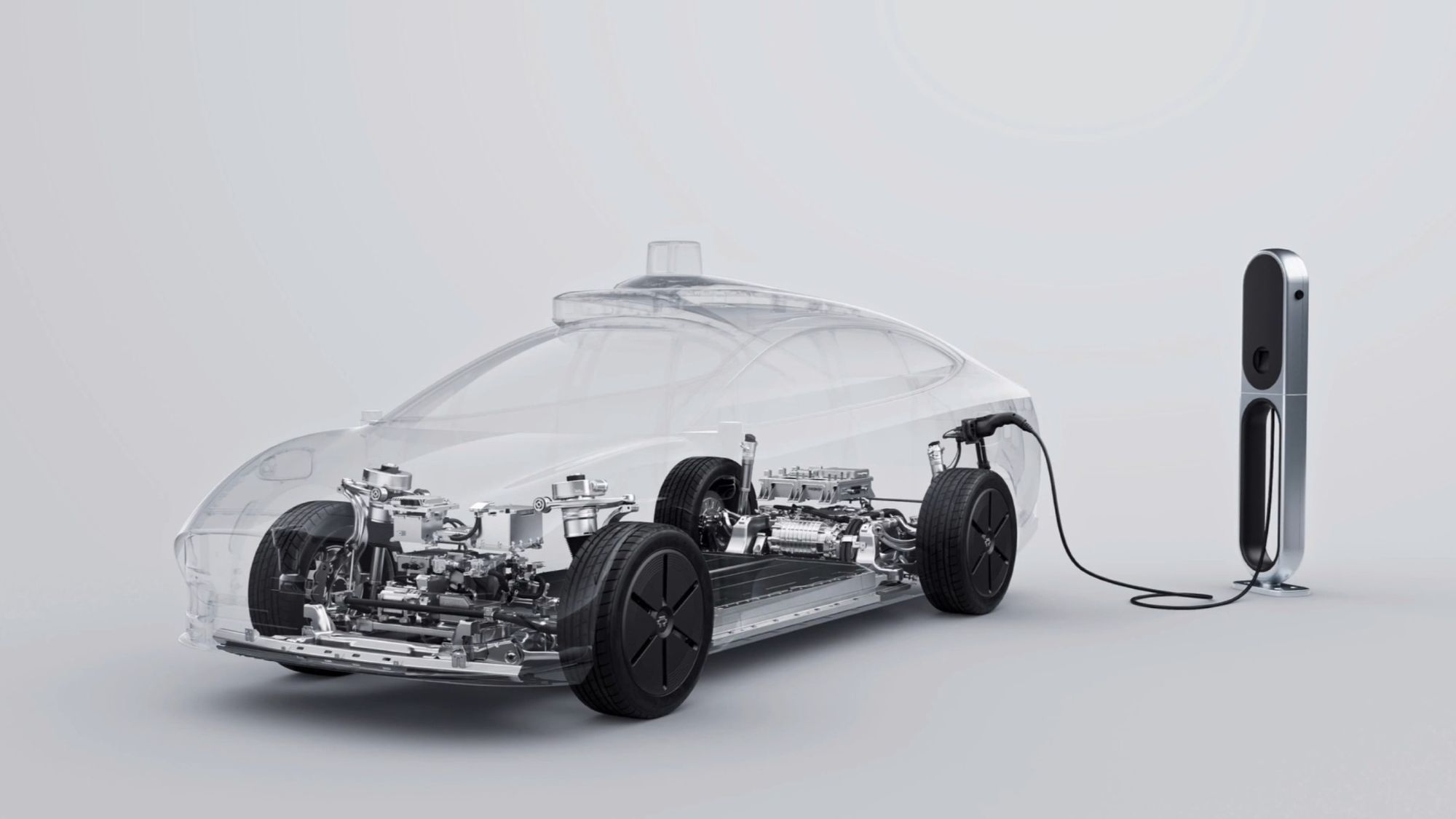
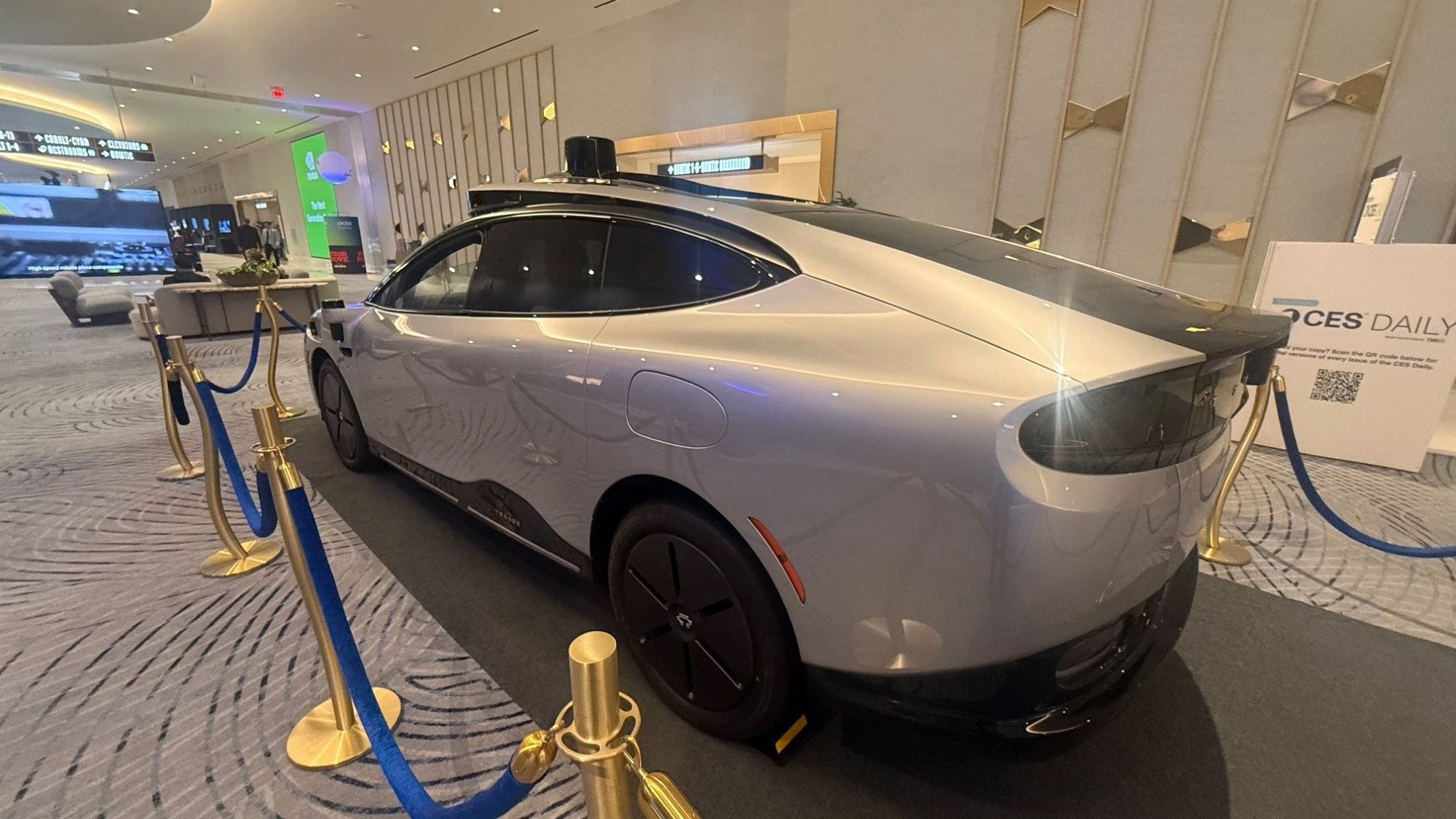
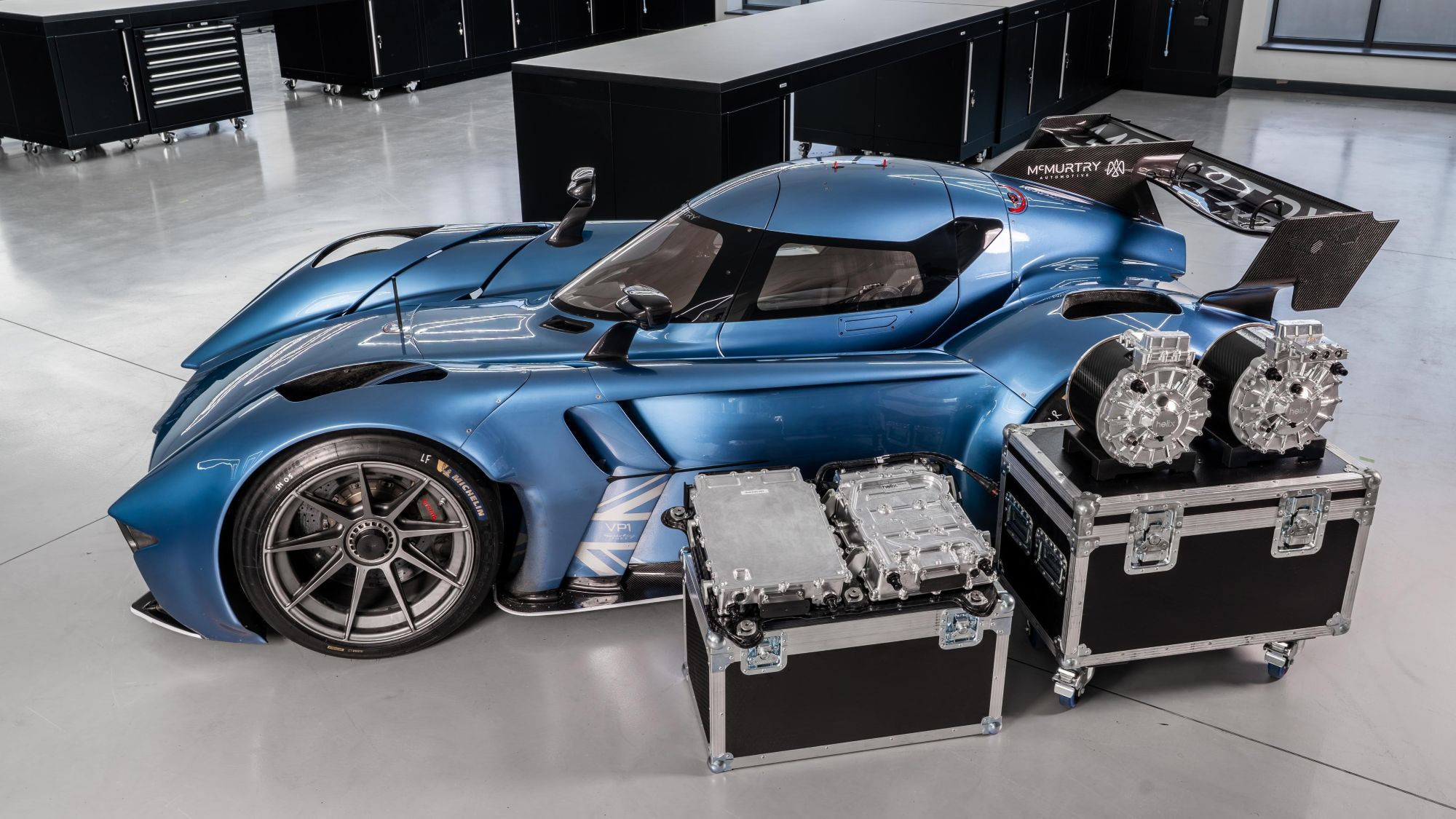
Donut Lab and Watt Electric Vehicles today announced a partnership that combines Watt’s “module-to-chassis” integrated battery platform with Donut Lab’s in-wheel motors and inverters. The two companies will show a functional prototype skateboard platform in Donut Lab’s CES 2026 booth next month.
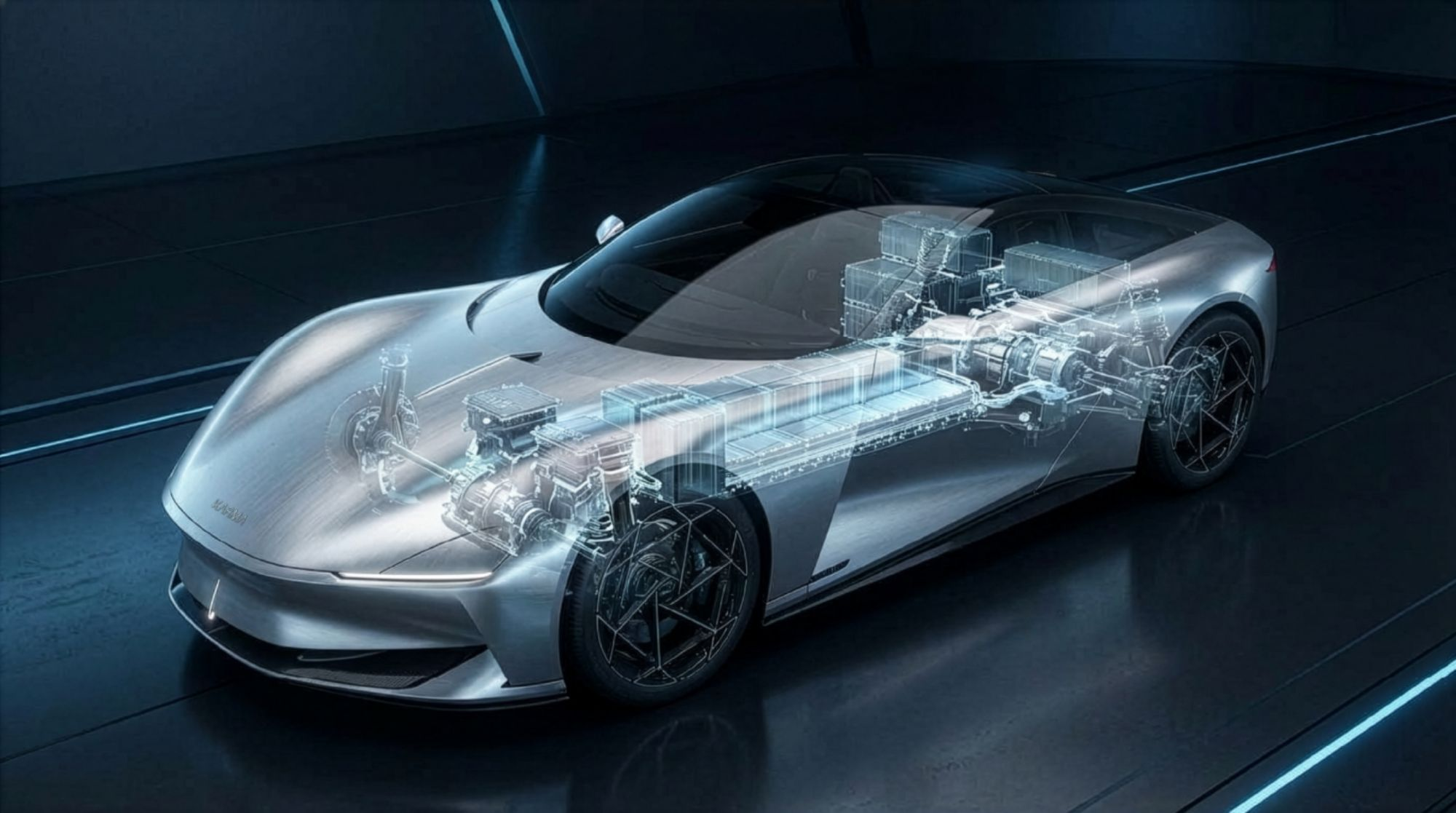
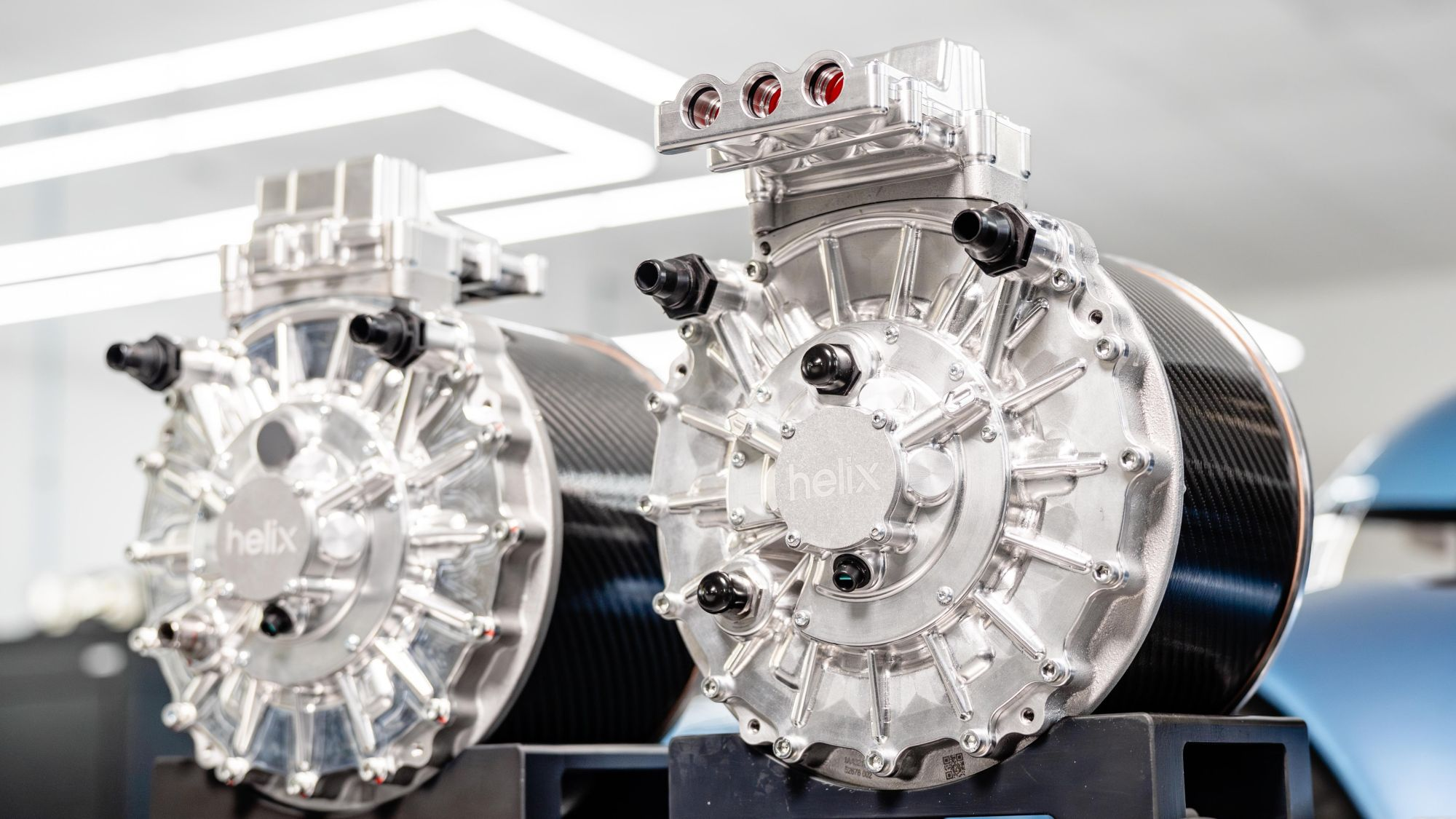
The collaboration centers on Watt’s PACES (Passenger And Commercial EV Skateboard) low-volume aluminum platform with two Donut Lab direct-drive motors at the rear axle, with a four-wheel-drive variant promised for later in 2026. The modular approach is intended to dramatically lower the barrier to entry for new vehicle development.
“The integration of Donut Lab’s revolutionary in-wheel motor technology represents a significant leap for what PACES can offer the automotive world,” said Neil Yates, CEO of Watt Electric Vehicles. “Its motors, inverter, and software systems perfectly complement our lightweight platform philosophy. The direct, fine control of the individual wheel speeds brings an agility, and that is perfectly complemented by the low mass and inertia of our chassis technology.”
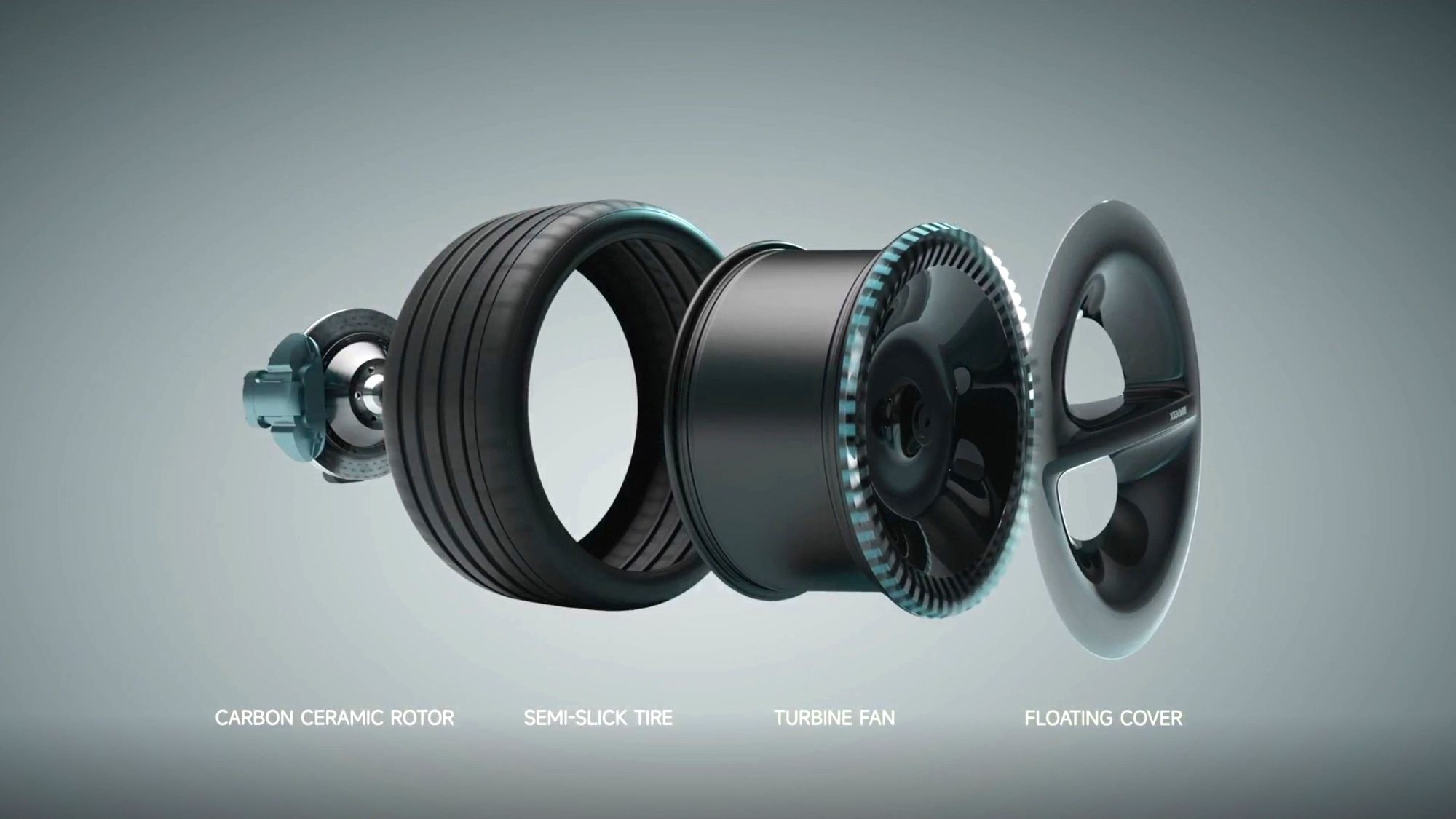
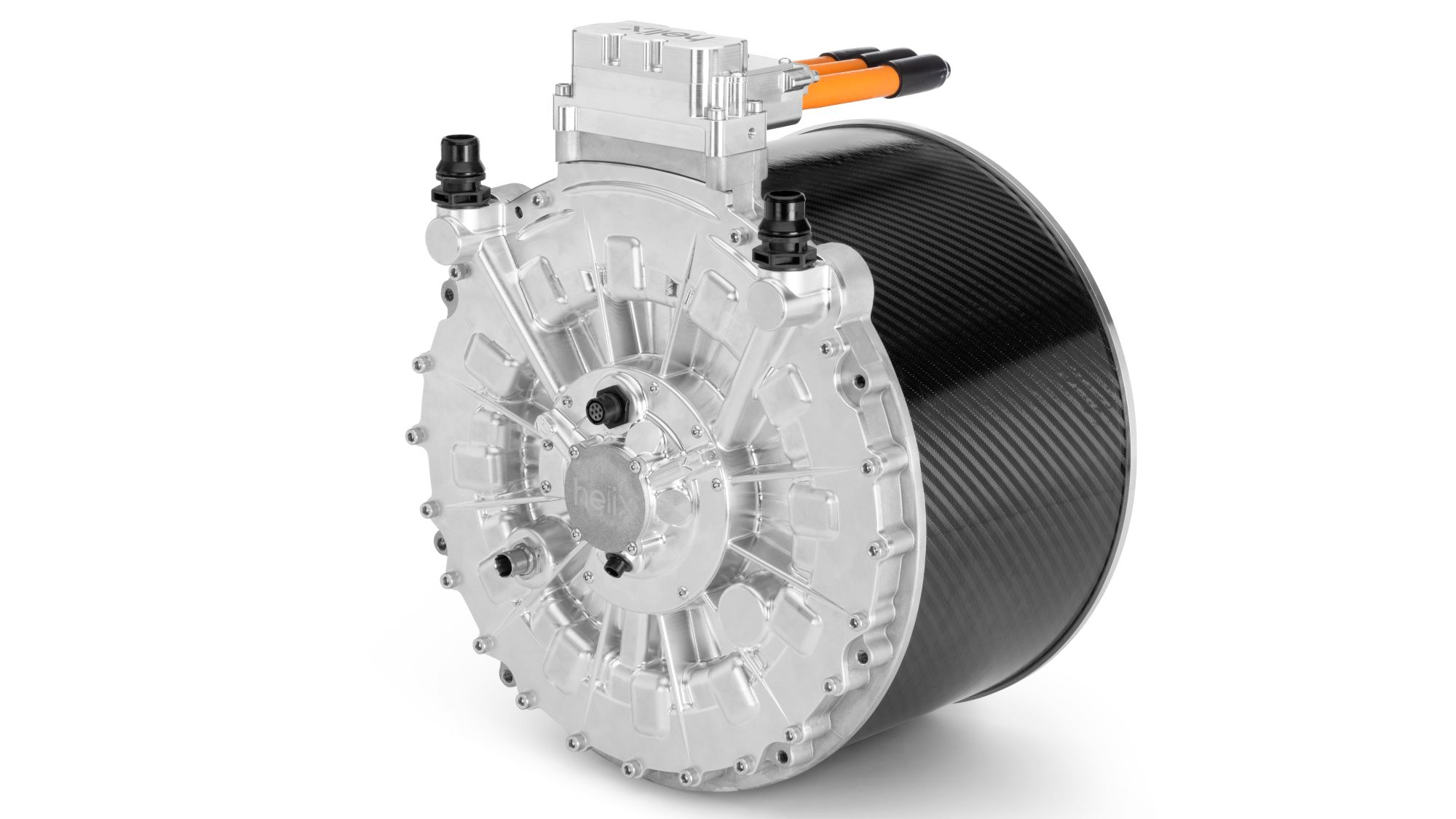
By eliminating traditional drivetrain components, the direct-drive architecture removes unnecessary weight, frees up package space, and reduces complexity while dramatically improving energy transfer efficiency.
“The exceptionally low mass of PACES allows our high-torque, high-power-density in-wheel motors to truly shine, delivering a driving experience that would be impossible with heavier platforms,” said Marko Lehtimäki, CEO of Donut Lab. “When you combine our direct-drive precision control with Watt’s lightweight engineering expertise, you create something genuinely transformative, a vehicle architecture that’s lighter, more efficient, more powerful, and infinitely more engaging to drive.”
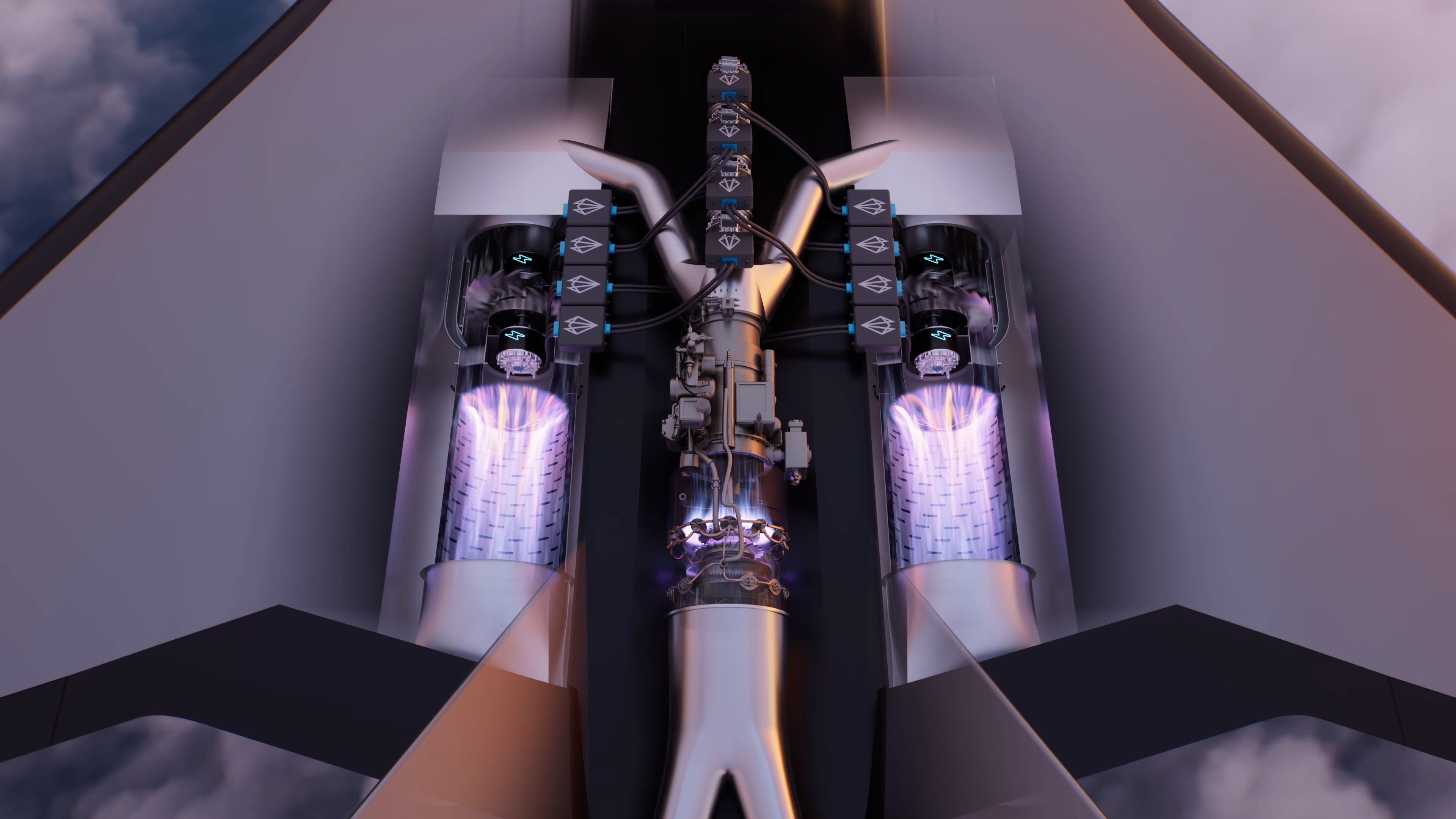
The system’s real-time control capabilities provide levels of accuracy, stability, and traction control far beyond what conventional systems can achieve, transforming the driving experience. Independent control of each Donut Lab in-wheel motor with millisecond precision enables torque vectoring during cornering on or off road.
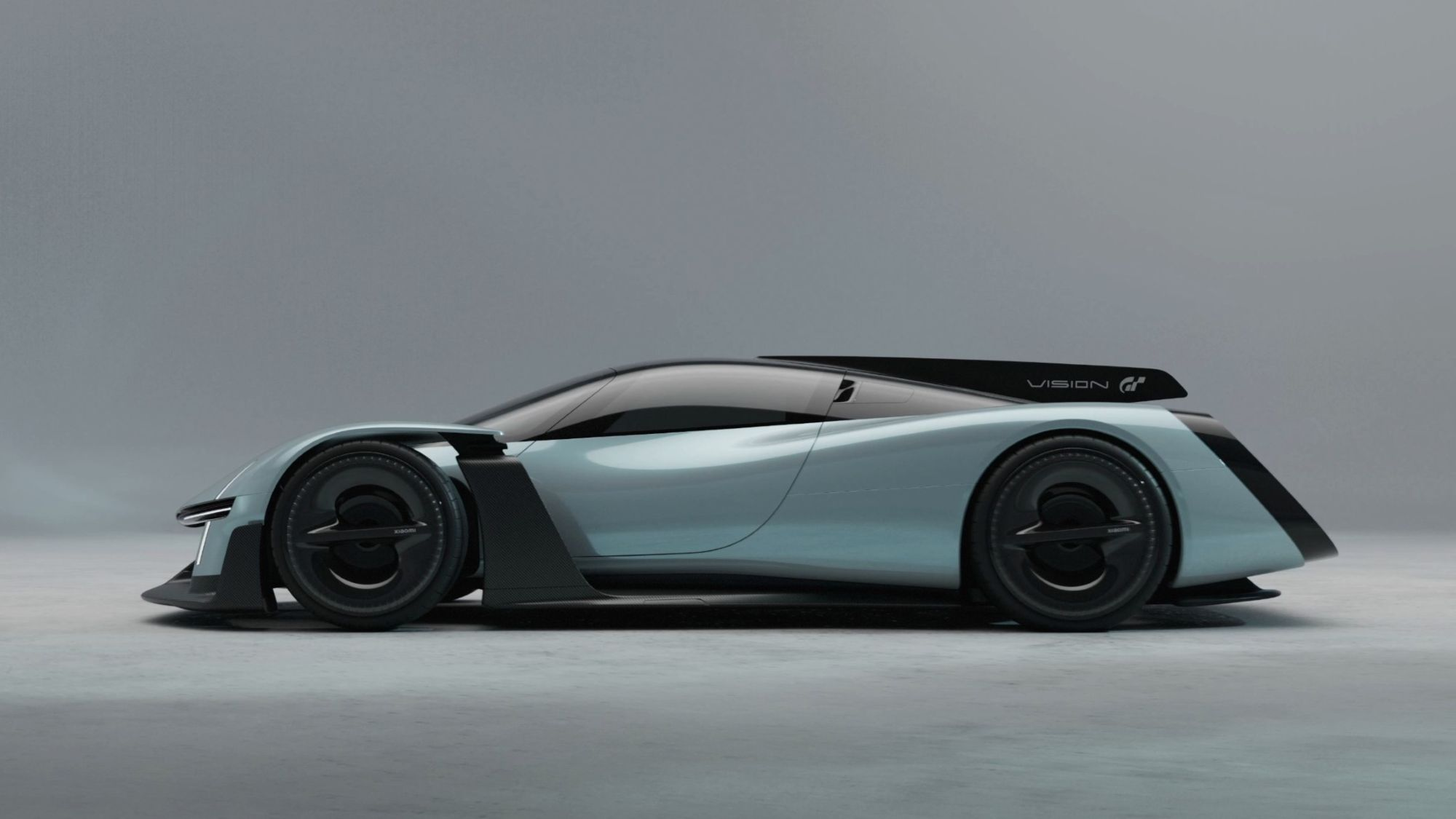
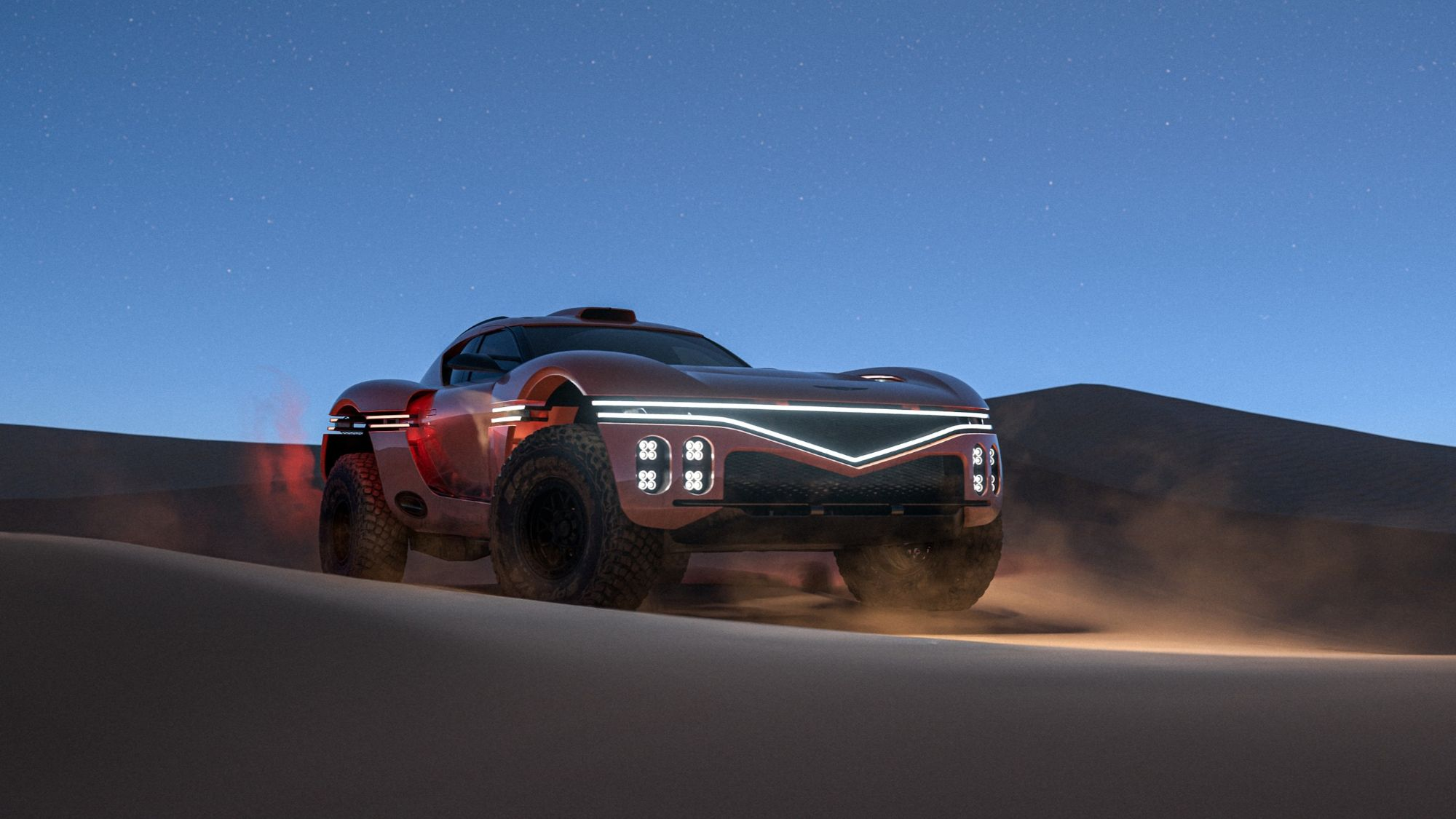
The Watt-Donut Lab skateboard platform’s modular nature opens doors to an extensive range of vehicle types and applications across multiple segments. The result is said to be an exceptionally lightweight EV platform that delivers high performance and agility for vehicle configurations as varied as beach buggies, high-performance sports cars, and commercial delivery vehicles.
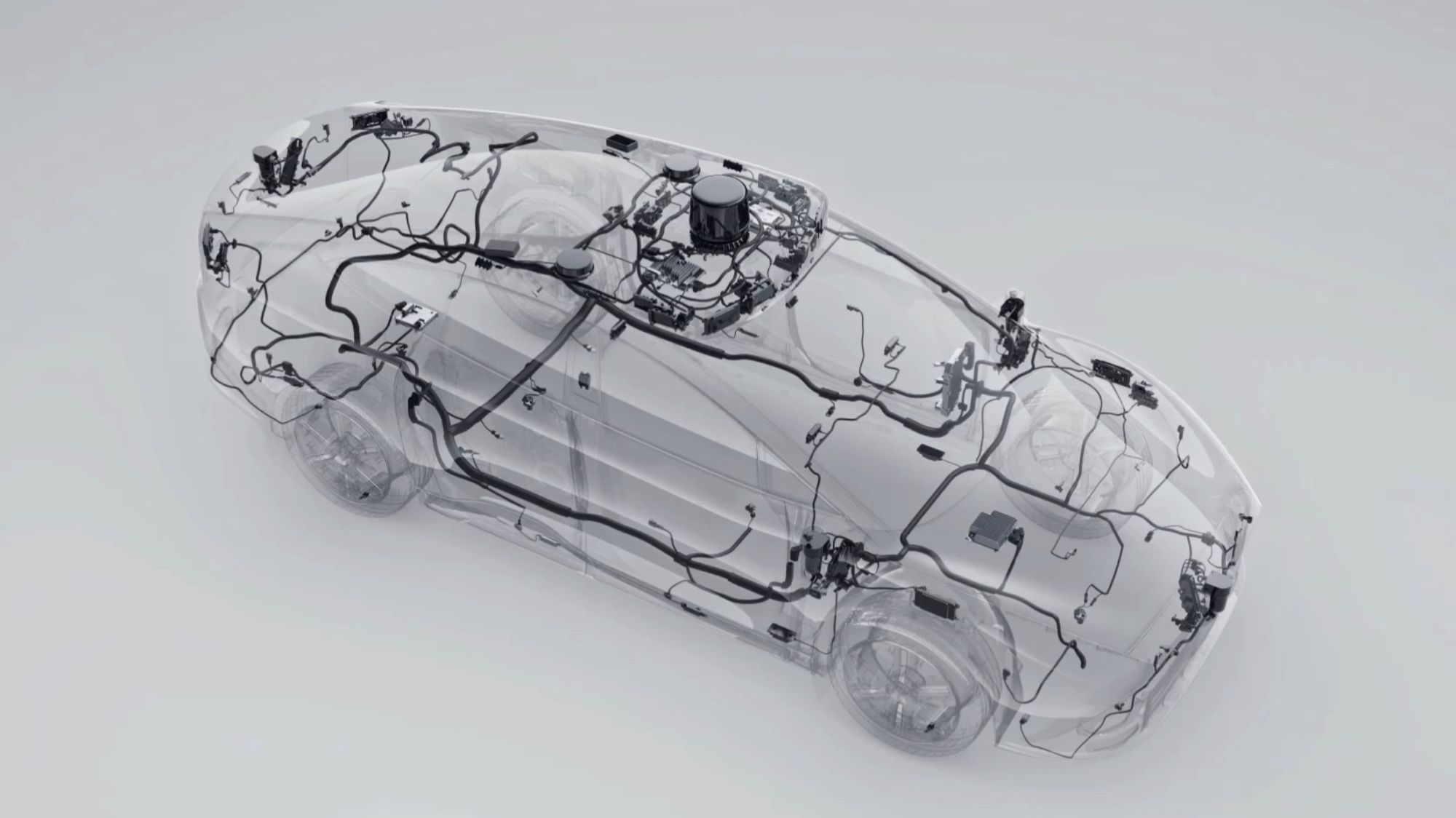
The simplified architecture also reduces manufacturing complexity, minimizes lifetime maintenance requirements, and lowers overall costs compared to traditional electric powertrains, making high-performance electric vehicles more accessible to smaller manufacturers and niche markets.
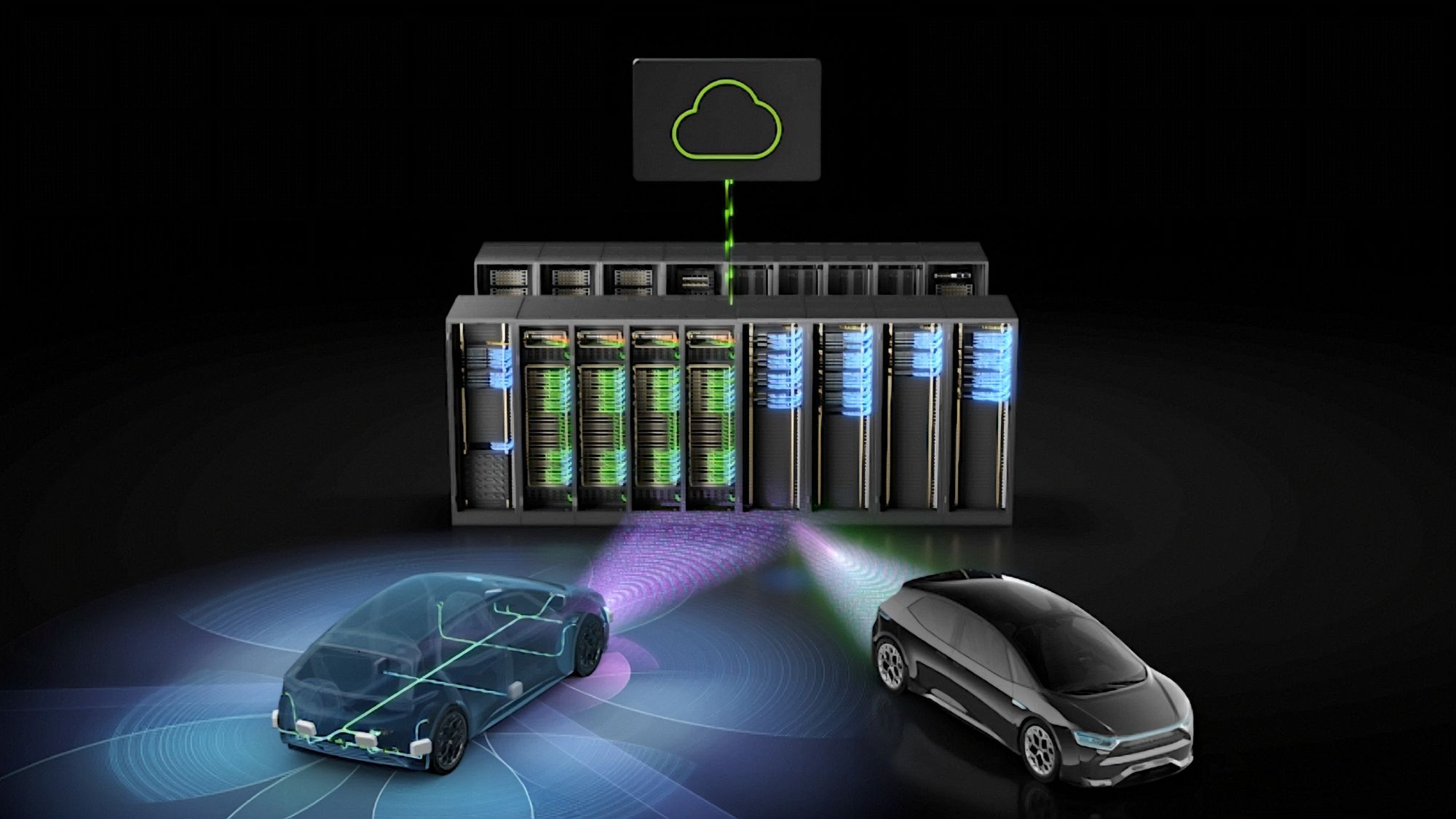
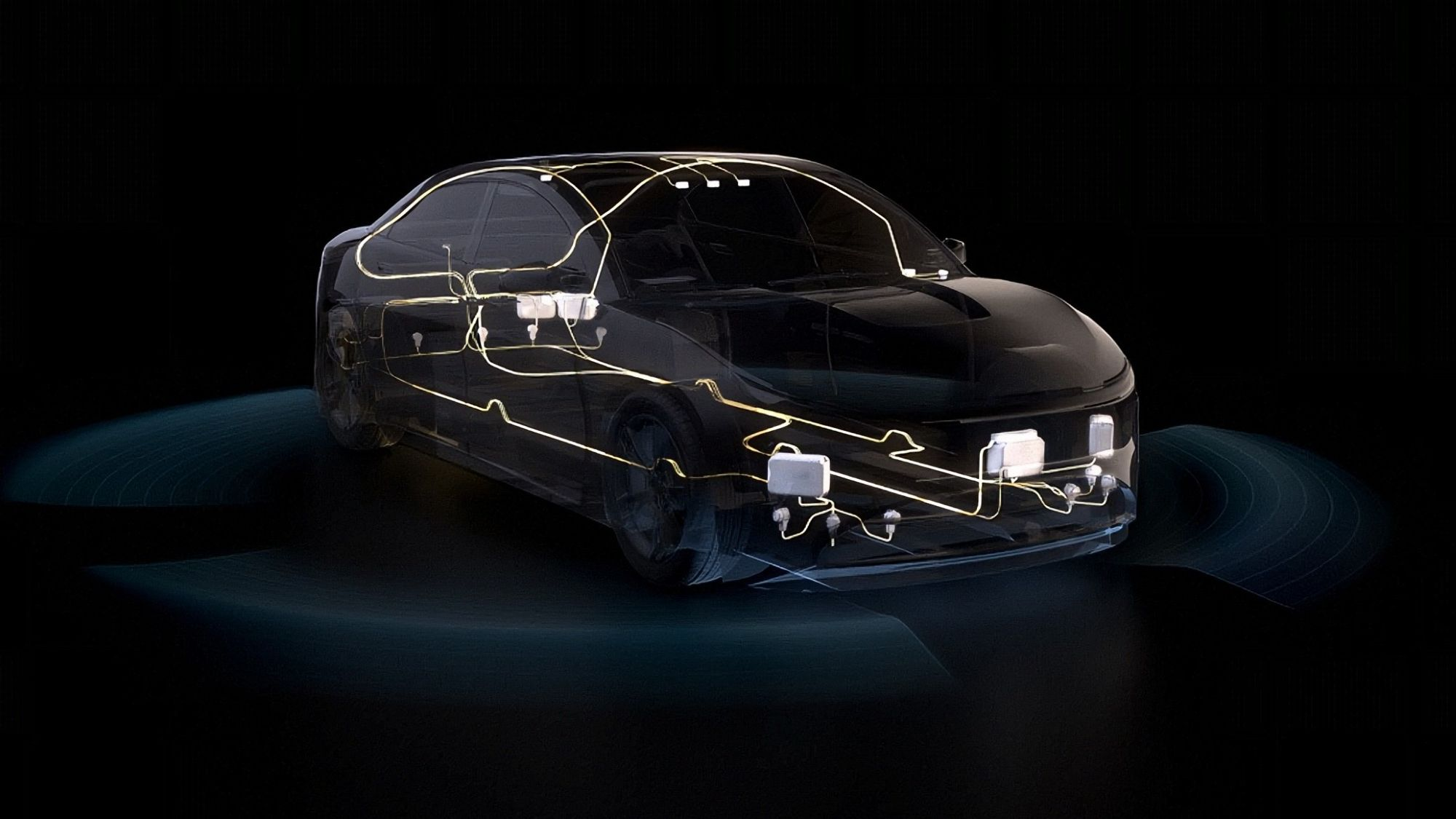
With next-gen software-defined driving dynamics, the OEM can control the desired drive experience for the end-product. In November, Donut Lab released its DonutOS software platform to change how EVs are conceived and engineered. It links virtual modelling with real vehicle behavior to create what the company calls Digital Twin 2.0.
“DonutOS gives manufacturers the ability to design the entire vehicle—hardware, software, and behaviour—as a single digital organism,” said Lehtimäki. “The goal is to help smaller mobility companies move faster, even when they don’t have the same resources as the big OEMs.”
The OS gives small teams access to advanced development tools, while larger OEMs can reduce internal complexity by working from one shared model.
As part of the launch, Donut Lab has introduced the Global Innovators Program, providing select EV companies with early access to new technology, tailored engineering support, and preferential pricing at low volumes. General availability for DonutOS will be announced later.
-

- Watt and Donut Lab lightweight aluminum torque-vectoring chassis.
-

- Watt and Donut Lab in-wheel motor closeup.
-

- Donut Lab’s DonutOS.