Qualcomm Technologies, Inc. and Wayve today announced a technical collaboration that expands market choice with an advanced production‑ready ADAS (advanced driving assistance system) and AD (automated driving) system.
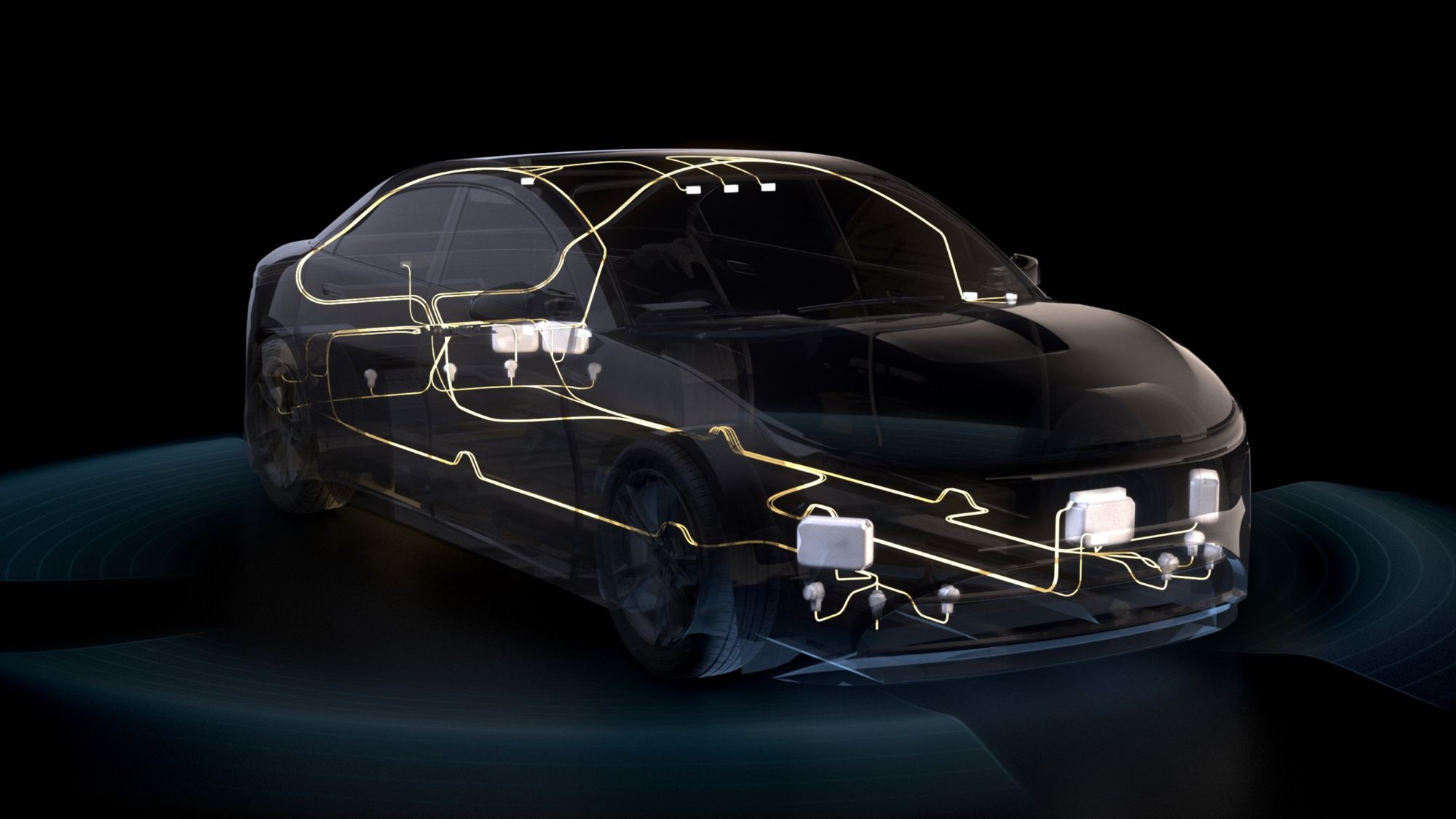
The collaboration brings Wayve AI Driver as an end‑to‑end AI driving intelligence layer to Qualcomm Technologies’ high‑performance Snapdragon Ride, consisting of SoCs (system-on-chips) and tightly integrated active safety software. The pre‑integrated system enables regulatory and hands-off ADAS deployment intended to expand to broader driving environments and hands-off, eyes-off capabilities.
Focused on simplifying implementation and meeting automaker priorities around safety, reliability, scalability, and time-to-market, the collaboration is said to be generating strong interest from automakers.
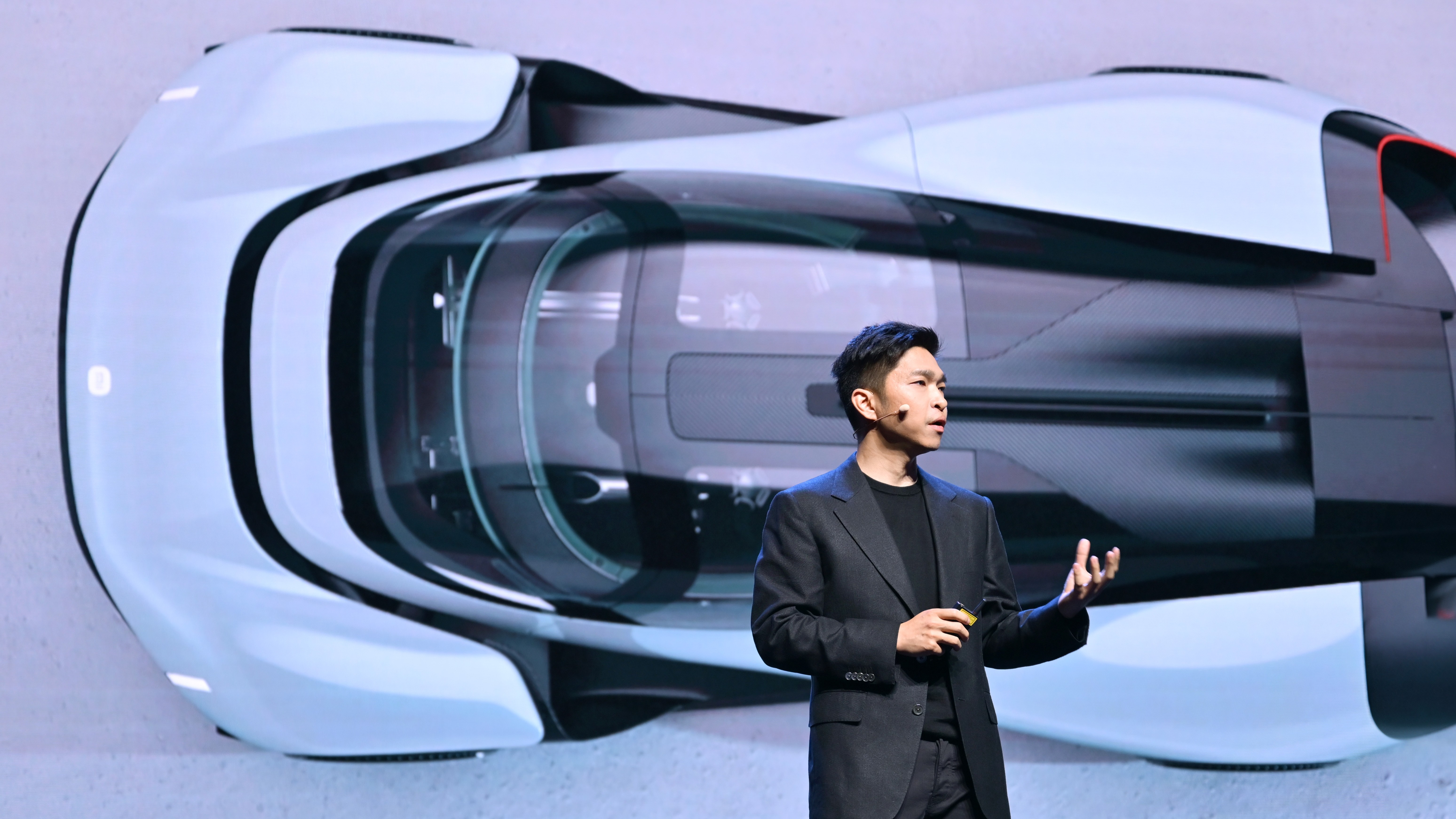
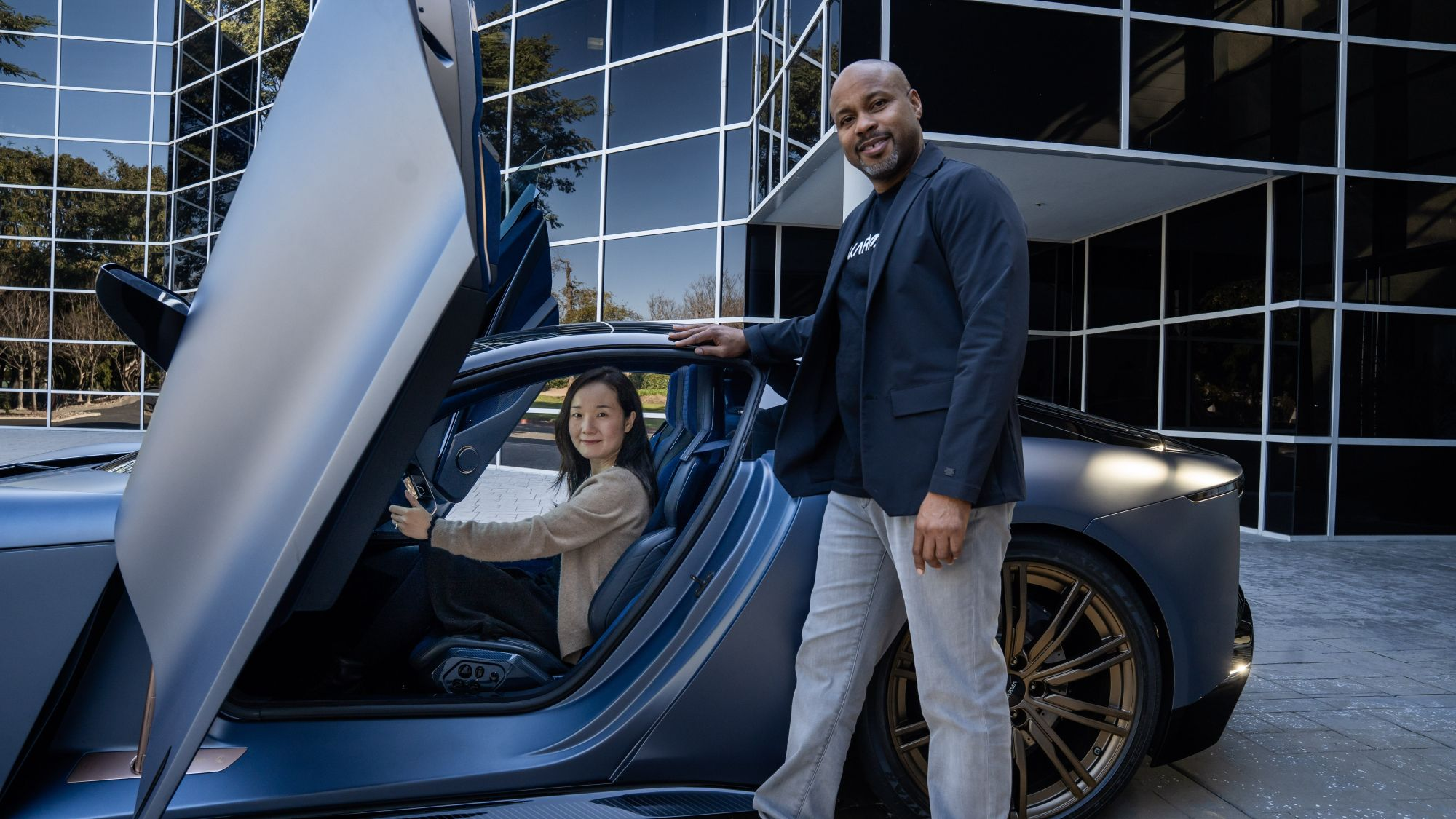
“ADAS is where scale, safety, and real‑world impact matter most for automakers today,” said Anshuman Saxena, Vice President & GM, ADAS and Robotics, Qualcomm Technologies, Inc. “Snapdragon Ride is built to support the widest range of long‑term platform strategies, enabling automakers to standardize across programs and regions while retaining flexibility. Together with Wayve, we’re empowering automakers with more choice for how advanced driving systems are developed, deployed, and scaled, while also helping them reduce development cycles, effort, and risk.”
The Wayve AI Driver is designed as a flexible, vehicle-agnostic software that serves as the intelligence layer for autonomy for any vehicle.
“Our collaboration with Qualcomm Technologies provides global automakers building on Snapdragon Ride with a streamlined path to deploy market-leading, end-to-end AI automated driving capability alongside Qualcomm’s Active Safety stack,” said Alex Kendall, Co‑founder and CEO of Wayve. “By combining our embodied AI driving intelligence with Qualcomm Technologies’ compute performance, platform maturity, and global scale, we are expanding choice and delivering immediate value to automakers across ADAS and automated driving systems, with natural progression from hands-off to eyes-off operation.”
Designed to serve as an advanced ADAS/AD foundation, the platform enables automakers to deploy advanced features quickly while also enabling customization, future scaling, and upgrading. By reducing the integration complexity of bringing together the SoC, active safety systems, and the AI Driver, automakers can implement advanced, reliable ADAS/AD faster and with less time and effort. The system is engineered to support global deployment and long‑term vehicle lifecycle and platform strategies.
The open approach aims to increase flexibility while reducing cost, complexity, and risk—compared to fragmented and closed approaches. This flexibility, combined with scalability, enables automakers to standardize across platforms and regions while retaining the ability to differentiate brand experiences and model tiers.
As part of the collaboration, Qualcomm Technologies and Wayve intend to explore opportunities to leverage Qualcomm Technologies’ SoCs in future SAE Level 4 robotaxi applications.
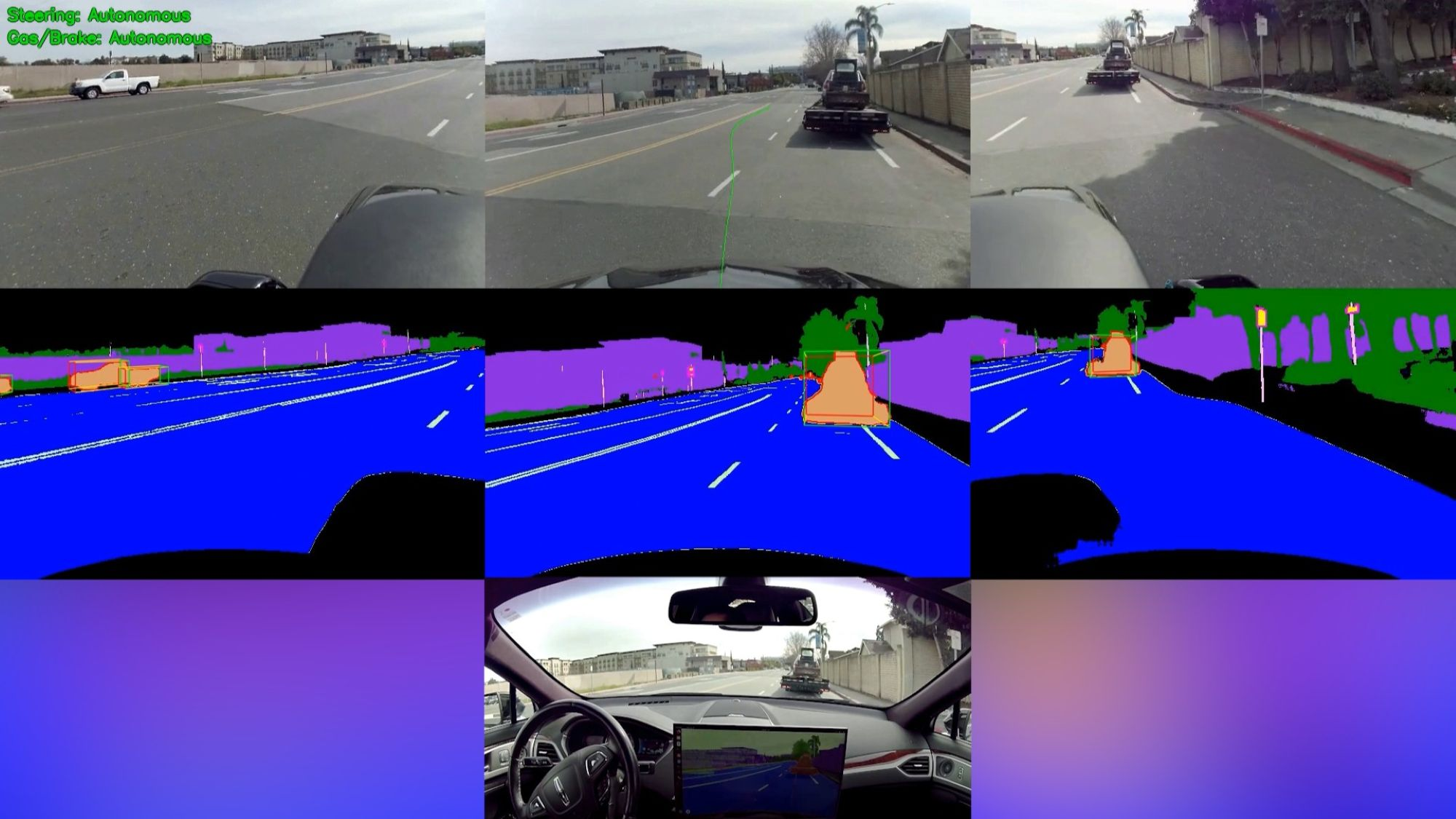
The Wayve AI Driver, as a data‑driven AI driving software stack, learns driving behavior directly from large‑scale real‑world data, enabling adaptable performance across regions, road types, and driving environments. The Snapdragon Ride with Active Safety stack combines Qualcomm Technologies’ automotive compute and high‑performance, energy‑efficient processing for on‑device AI within a safety‑certified architecture that includes redundancy, real‑time monitoring, and secure system isolation.
Snapdragon Ride is built on an open, unified architecture that scales from premium Snapdragon Ride Elite systems to mainstream vehicle platforms. This design helps give automakers consistent, high-performance, and robust AI acceleration across different vehicle programs and levels of driving capability. It is also designed to provide flexibility in system design and integration, while supporting the growing need for software and AI portability and reuse across platforms, tiers, and model years.
The Qualcomm deal comes just after another significant milestone for Wayve. Last month, the AV tech company announced it had raised $1.2 billion in a Series D investment round, bringing its post-money valuation to $8.6 billion. The funding will help to accelerate the company’s shift from AI research leadership to scaled commercial deployment of its end-to-end AI platform.
Wayve pioneered the application of end-to-end AI to autonomous driving in 2017 and has since industrialized its architecture into a production-ready autonomy platform. From 2026, consumers will experience Wayve-powered robotaxis through commercial trials with Uber. From 2027, they will be able to buy passenger vehicles equipped with Wayve’s AI Driver, starting with L2+ “hands-off” capability that allows the vehicle to steer, navigate, and respond to traffic under driver supervision.
In December, Nissan Motor Co., Ltd. and Wayve announced they were collaborating on integrating the next-generation ProPILOT series with Wayve AI technology across a broad range of Nissan vehicles. This partnership will combine Wayve’s embodied AI software with Nissan’s advanced driver-assistance systems to support both ADAS and point-to-point advanced driving.
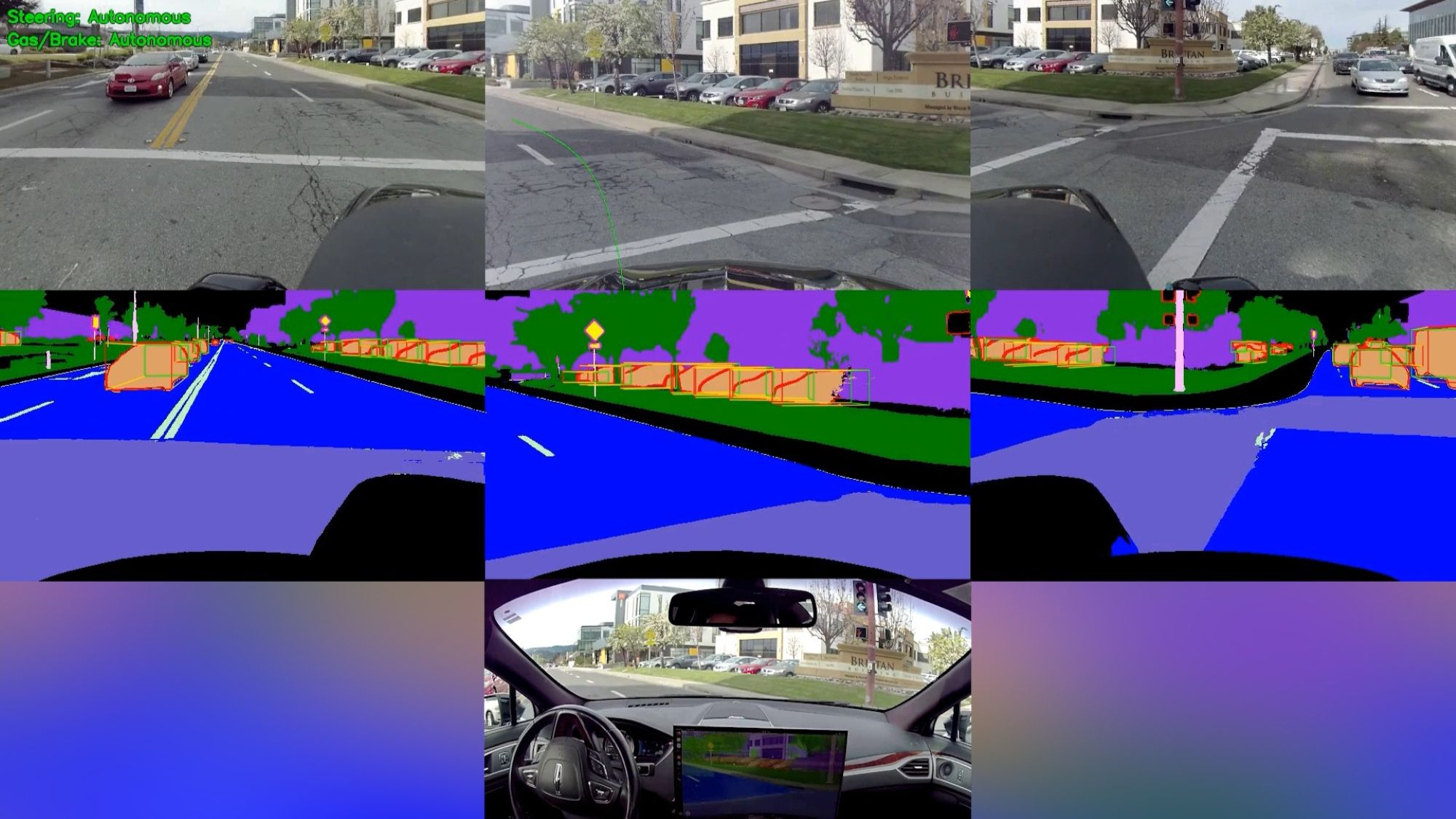
Wayve licenses its AI Driver directly to automakers, providing tools to customize driving models for specific vehicles and brands. The system runs entirely on onboard vehicle compute and embedded sensors, and it doesn’t rely on high-definition maps or location-specific engineering.
In the past year, the company says it became the first AV developer to drive zero-shot—meaning without city-specific fine-tuning—before deployment in more than 500 cities across Europe, North America, and Japan. That performance is enabled by Wayve’s foundation model trained on globally diverse data spanning over 70 countries and a range of vehicle platforms, creating data diversity that allows autonomy to generalize to new markets.
-

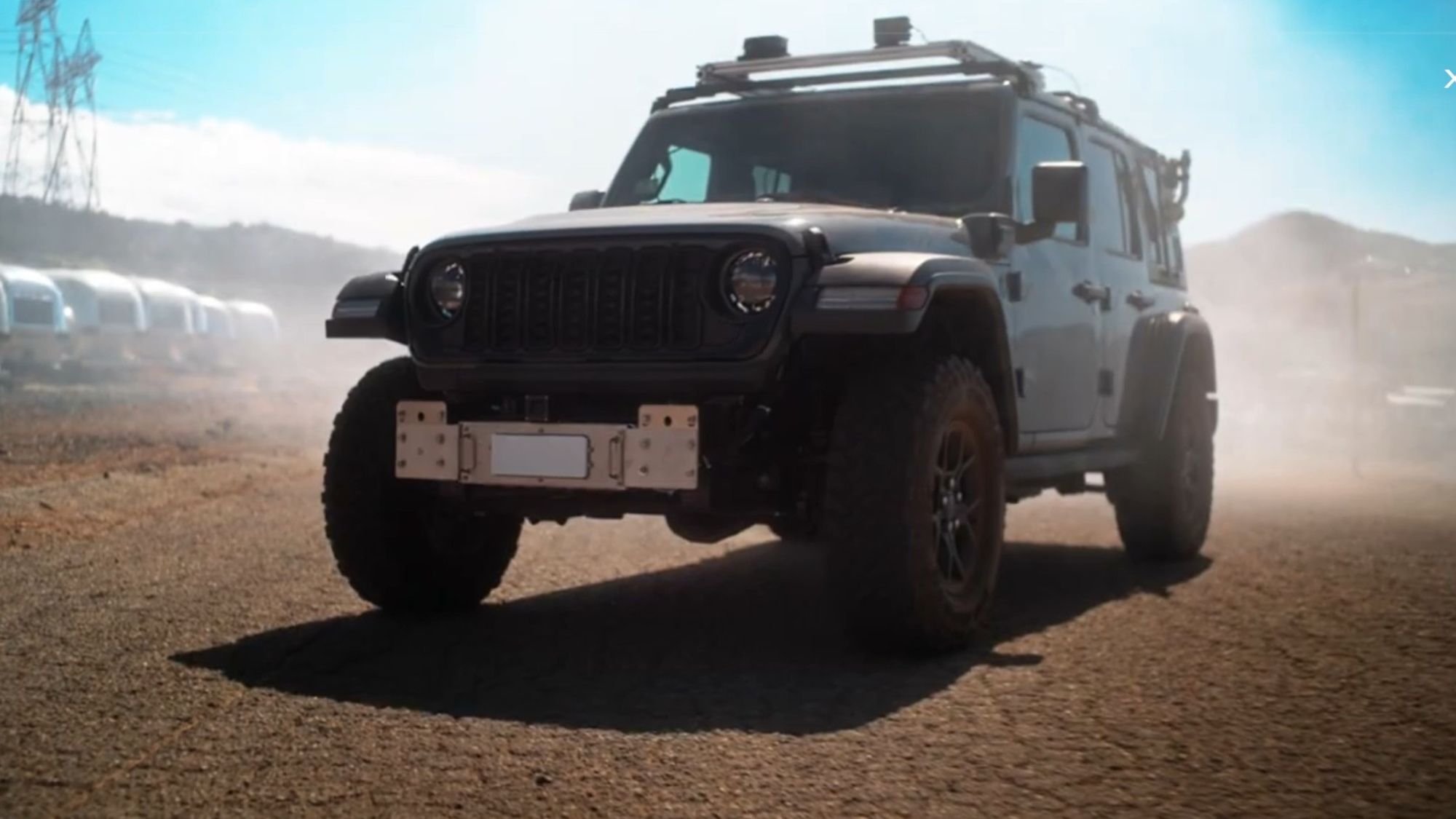
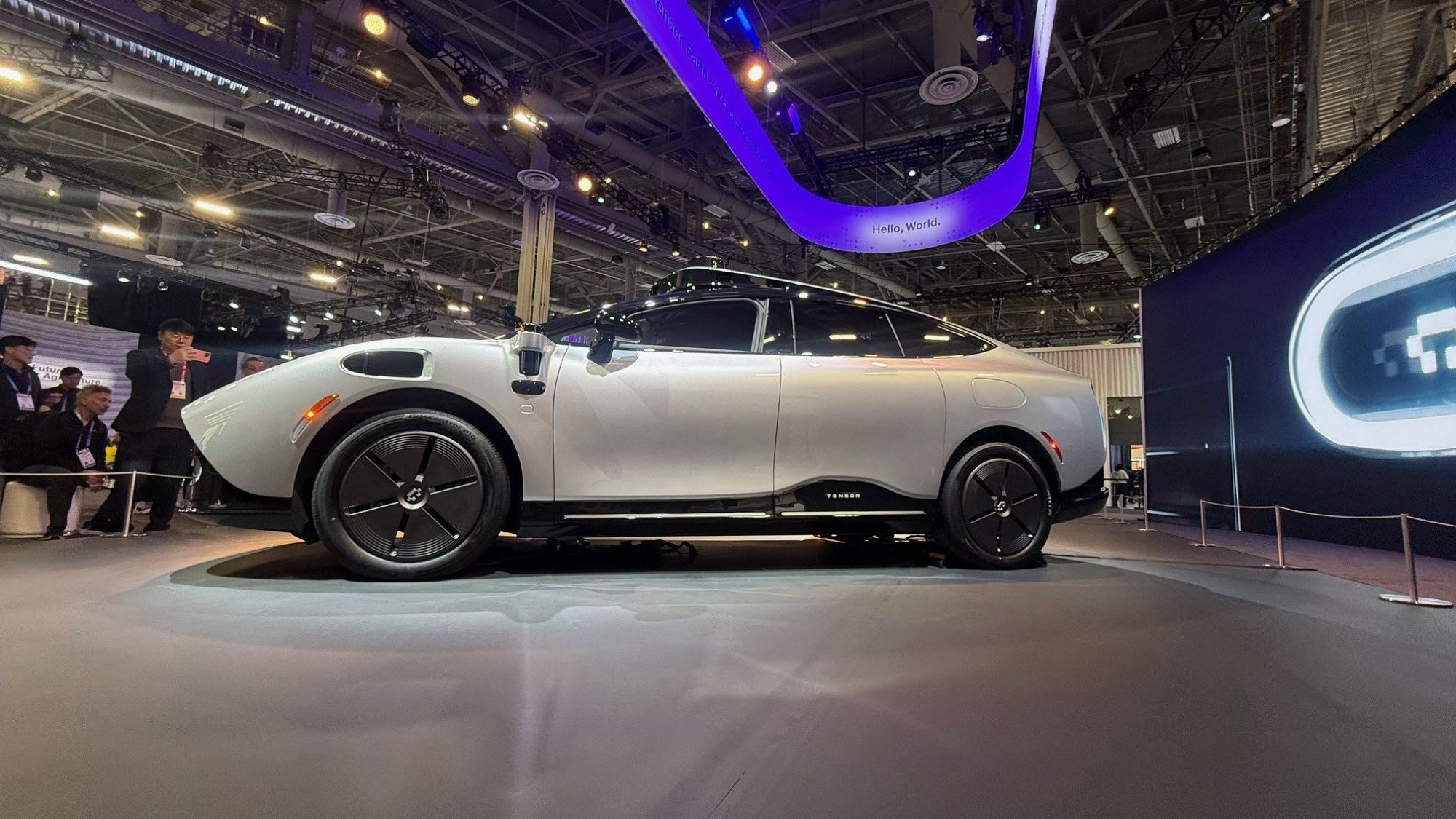
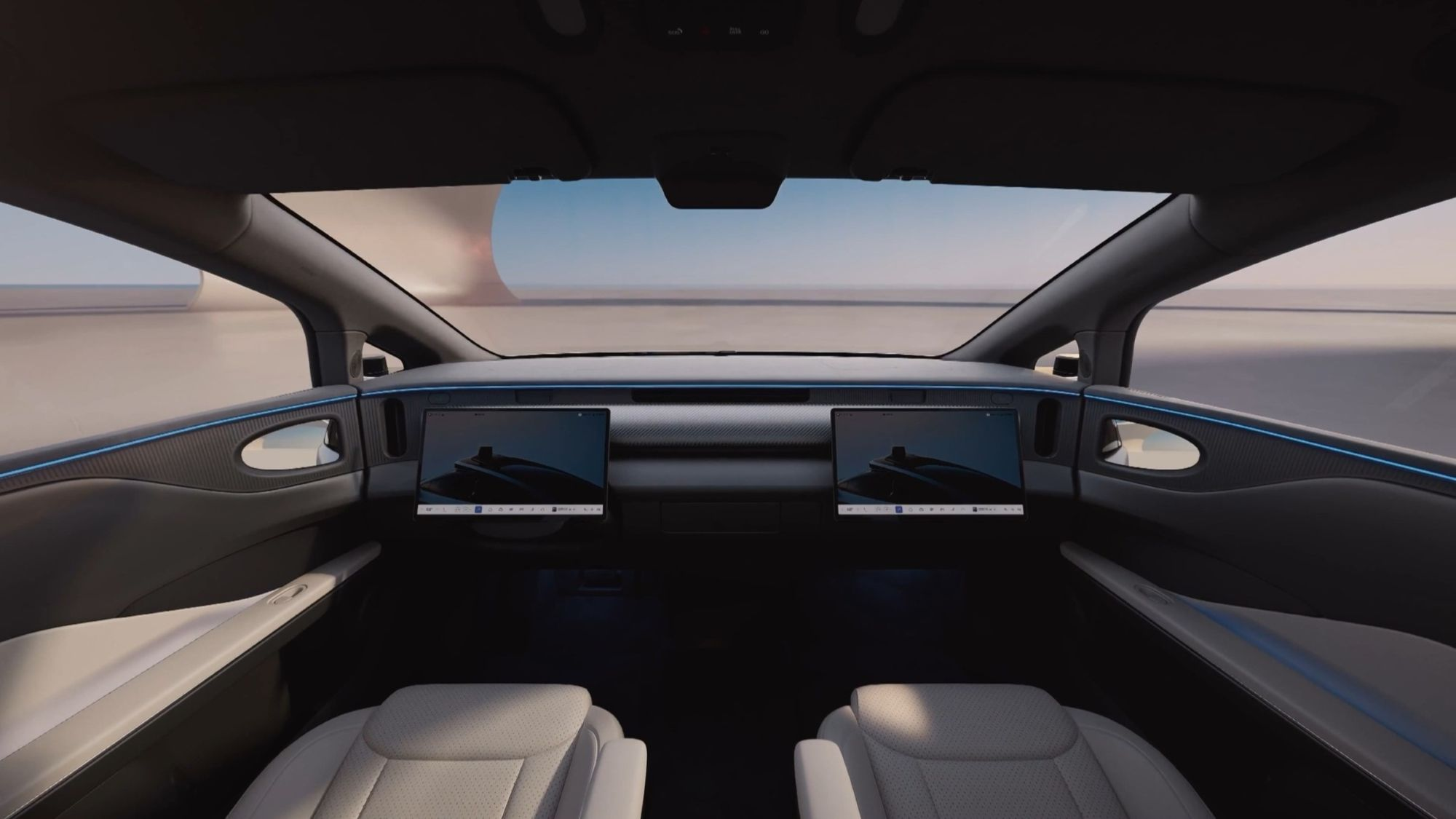
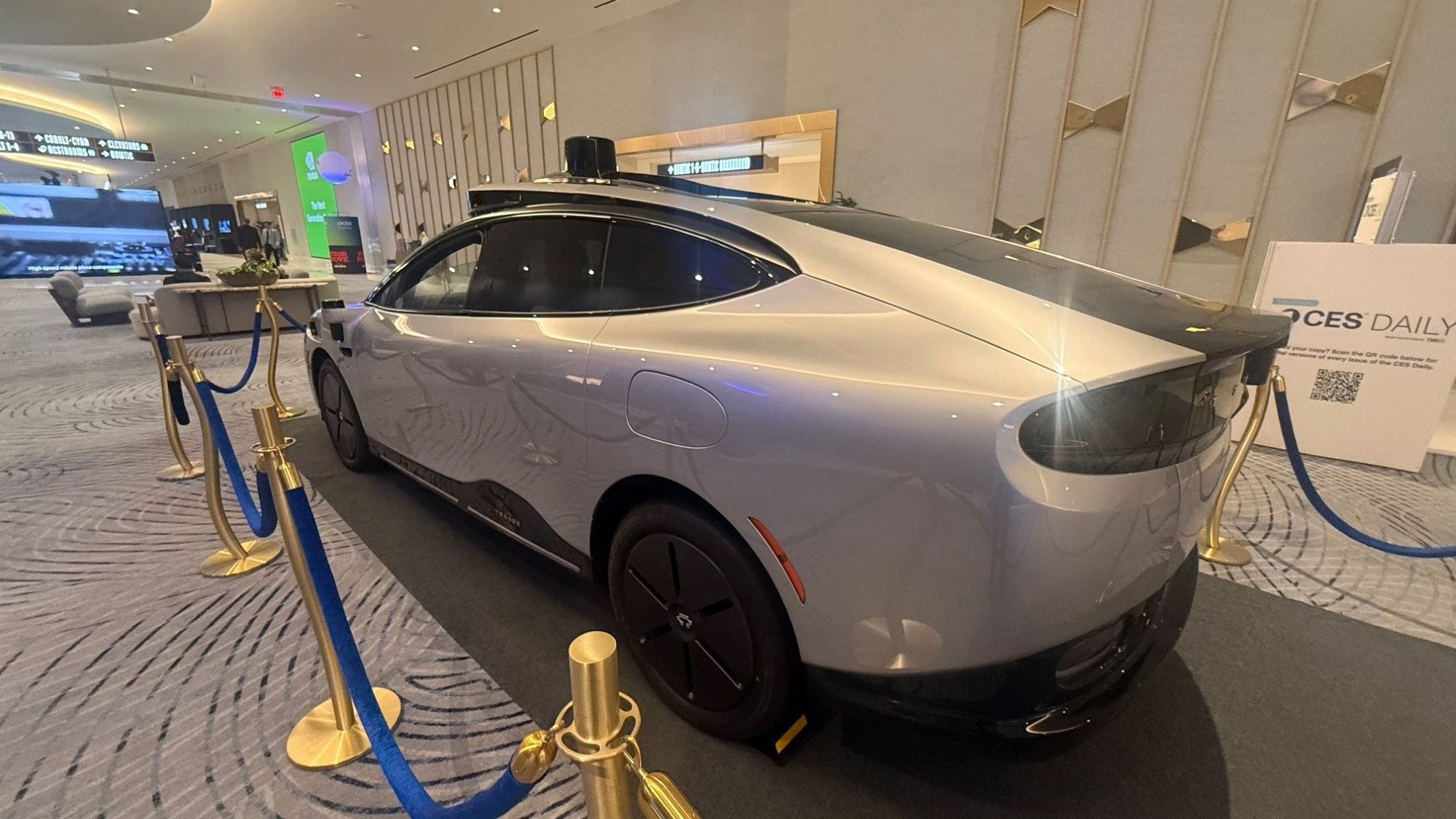
- Wayve AV with Qualcomm ADAS-AV compute.
-

- Qualcomm’s Anshuman Saxena and Wayve’s Alex Kendall discuss collaboration.
-

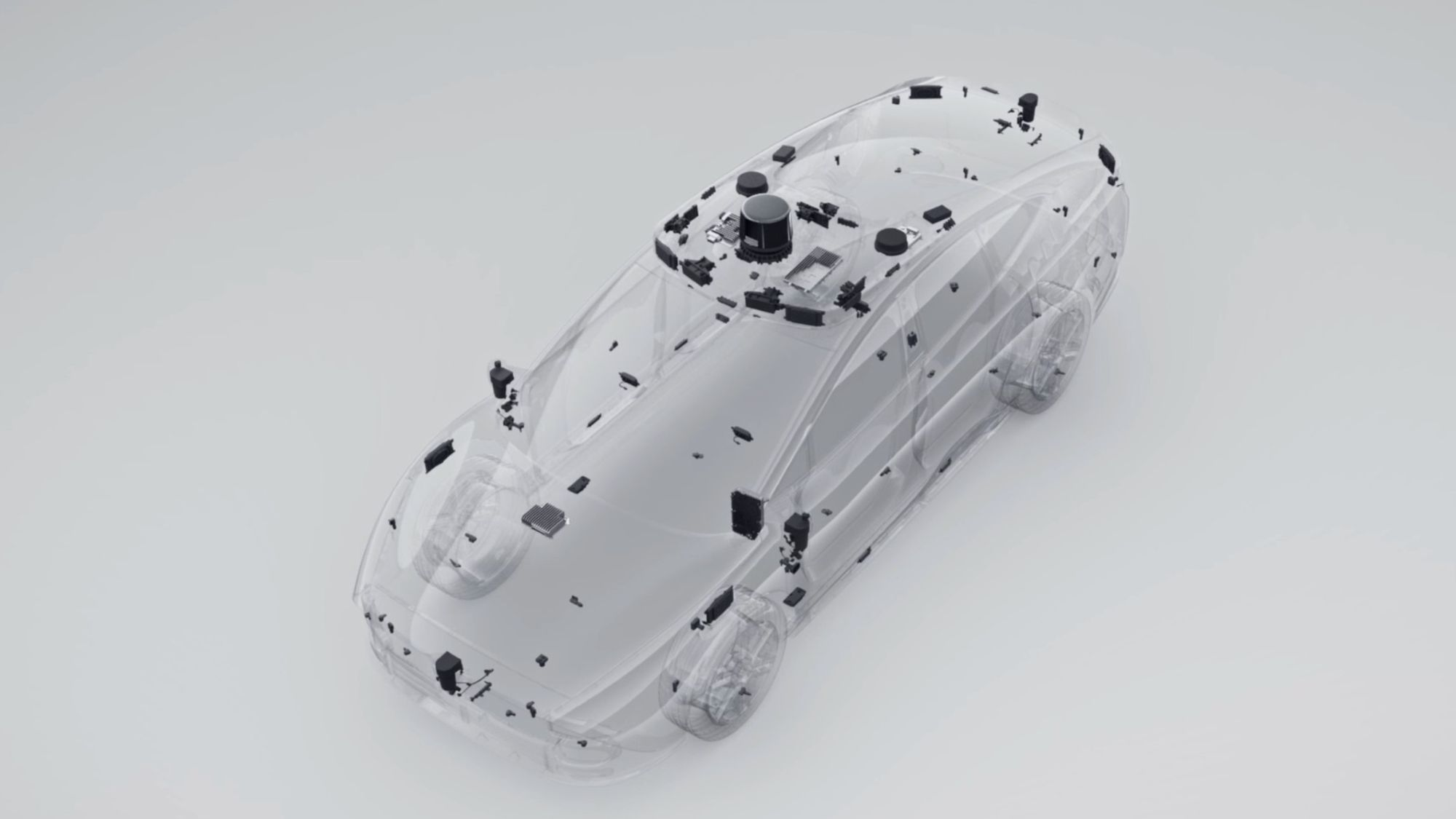
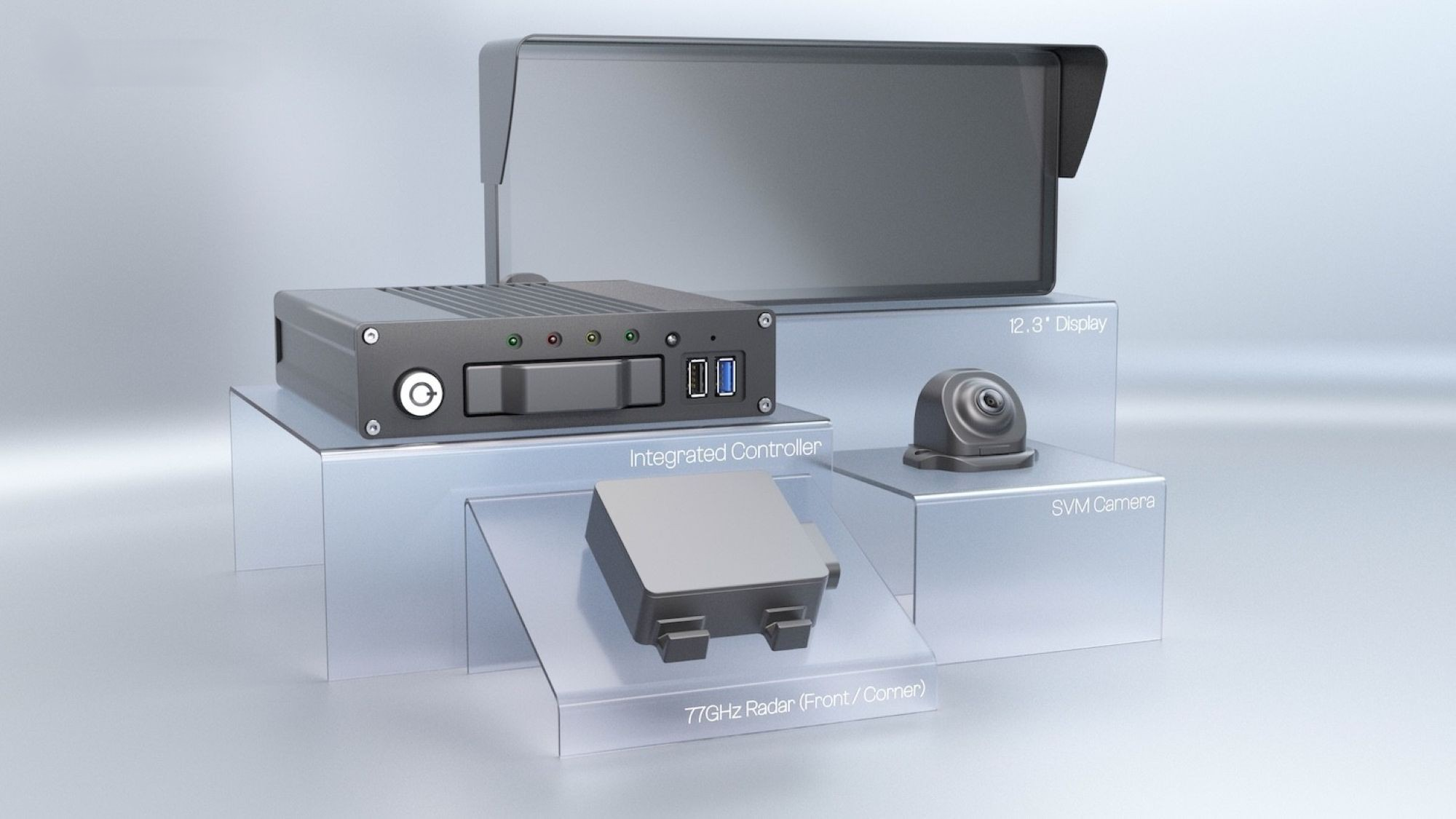
- The Qualcomm and Wayve ADAS & AD solution.
-

- Wayve’s Ford Mustang Mach-E-based AV in London.