Gravis Robotics, which is developing a physical AI platform for heavy industry, today announced its full commercial expansion into the U.S. as it brings its live, production-scale autonomy tech to CONEXPO-CON/AGG 2026 in Las Vegas. In collaboration with its partners Develon and Hitachi, Gravis will be demonstrating its systems’ earthmoving capabilities—including autonomous trenching and bulk excavation—enabled by its retrofit hardware currently in use on construction sites around the world.
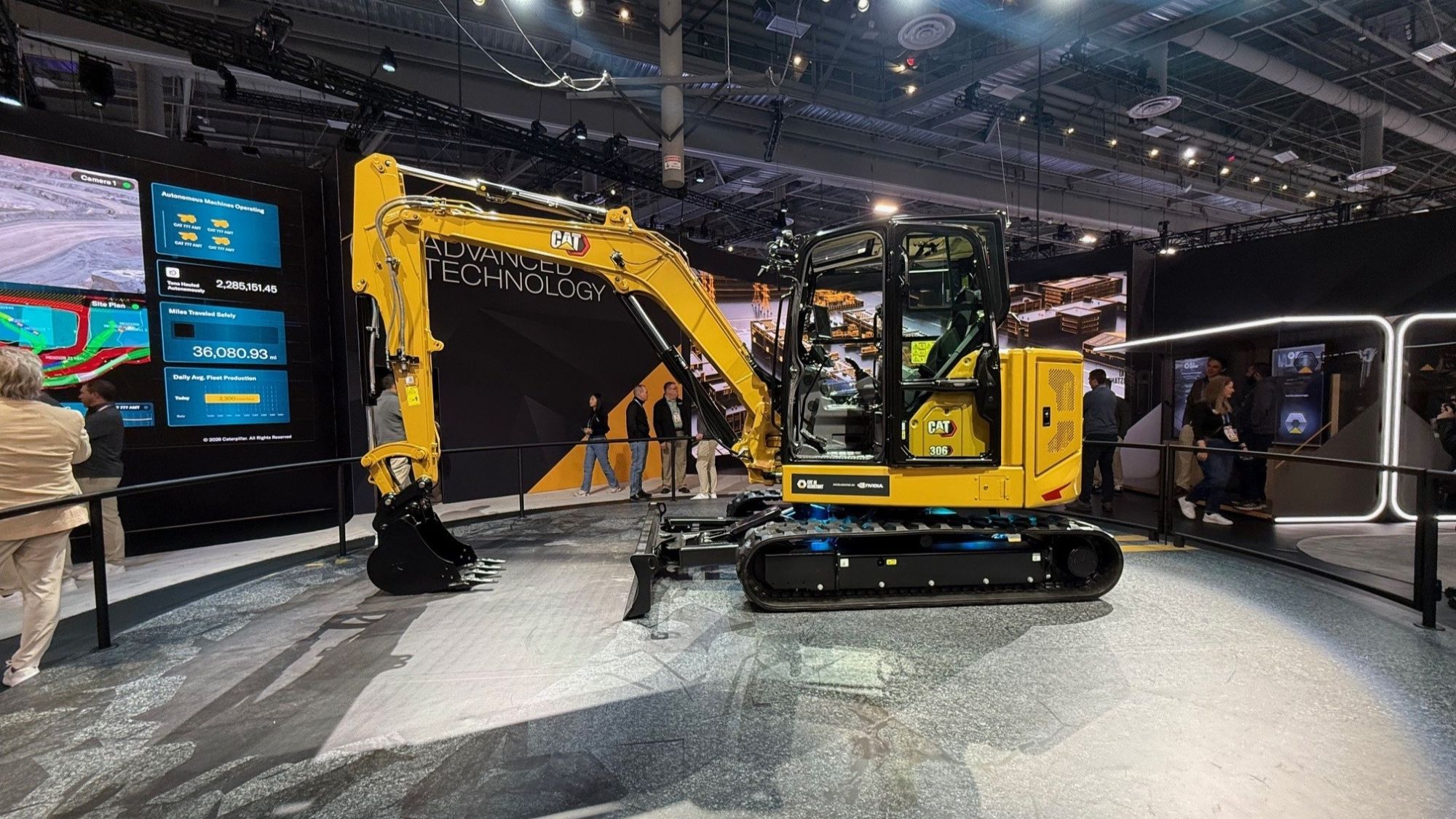
“Showcasing Gravis Robotics as a live demo in our ConExpo booth is not only exciting for our attendees to see, but also a terrific example of how Hitachi Construction Machinery is partnering with leading-edge technology companies as part of our brand transition to LANDCROS,” said Gabe Weiss, Head of Marketing, Americas at Hitachi Construction Machinery Americas. “AI and digitally-guided control systems, augmented machine guidance, and earthmoving autonomy solutions that Gravis is demoing on our ZX135-7H highlight how new and current Hitachi machinery will bring innovative solutions to the modern job site.”
The U.S. expansion follows Gravis Robotics’ recent $23 million funding round and builds on live deployments, including autonomous excavation at Manchester Airport with Taylor Woodrow, quarry automation projects with Holcim, and integrations across multiple OEM platforms.
Founded in 2022 as a spin-out of ETH Zurich’s renowned Robotics Systems Lab, the company builds “robotic teammates” that amplify human potential. Its manufacturer-agnostic platform combines computer vision, machine learning, and ruggedized hardware to deliver safe, predictable, and autonomous operations for the construction, mining, and aggregates industries.
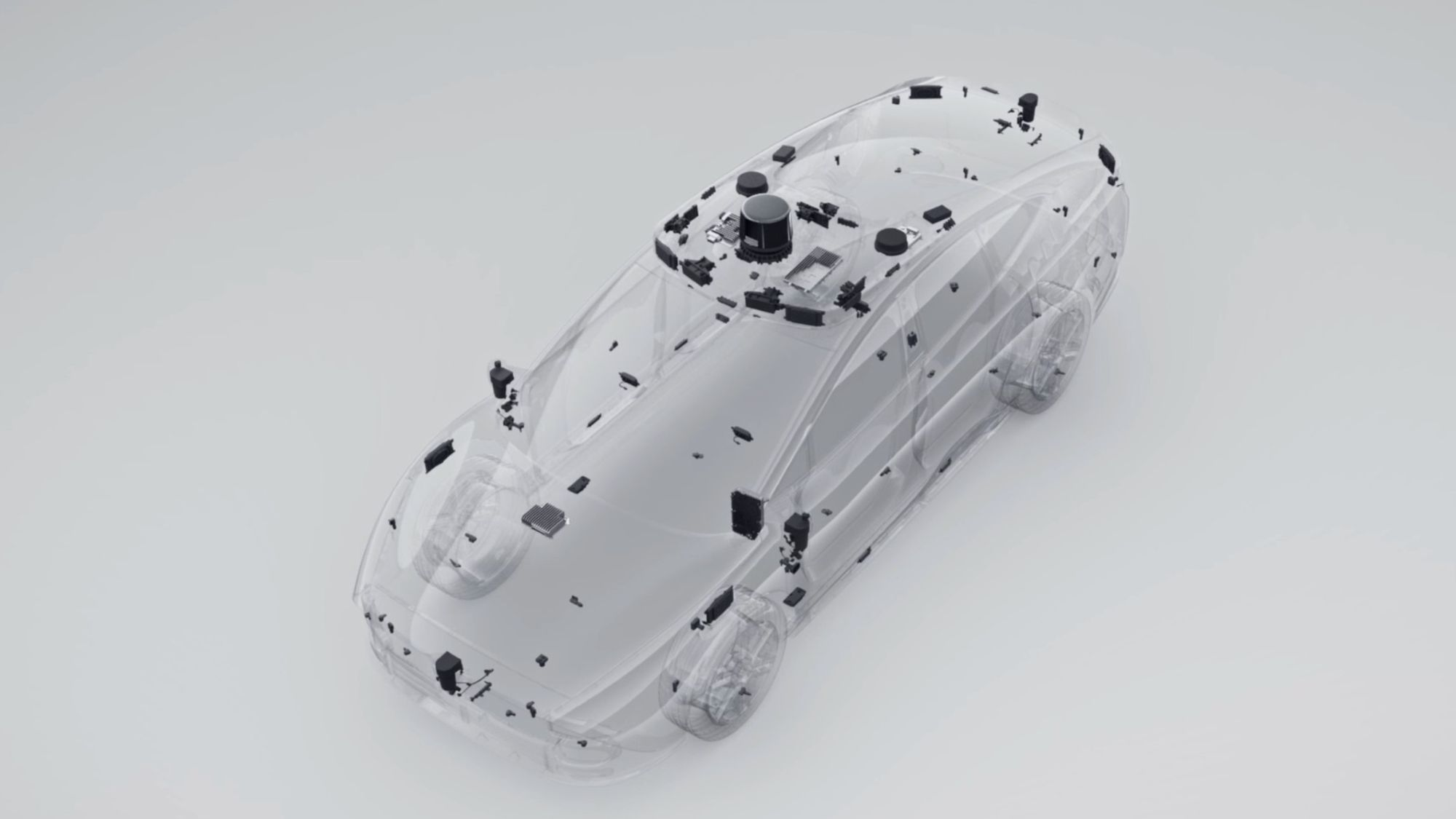
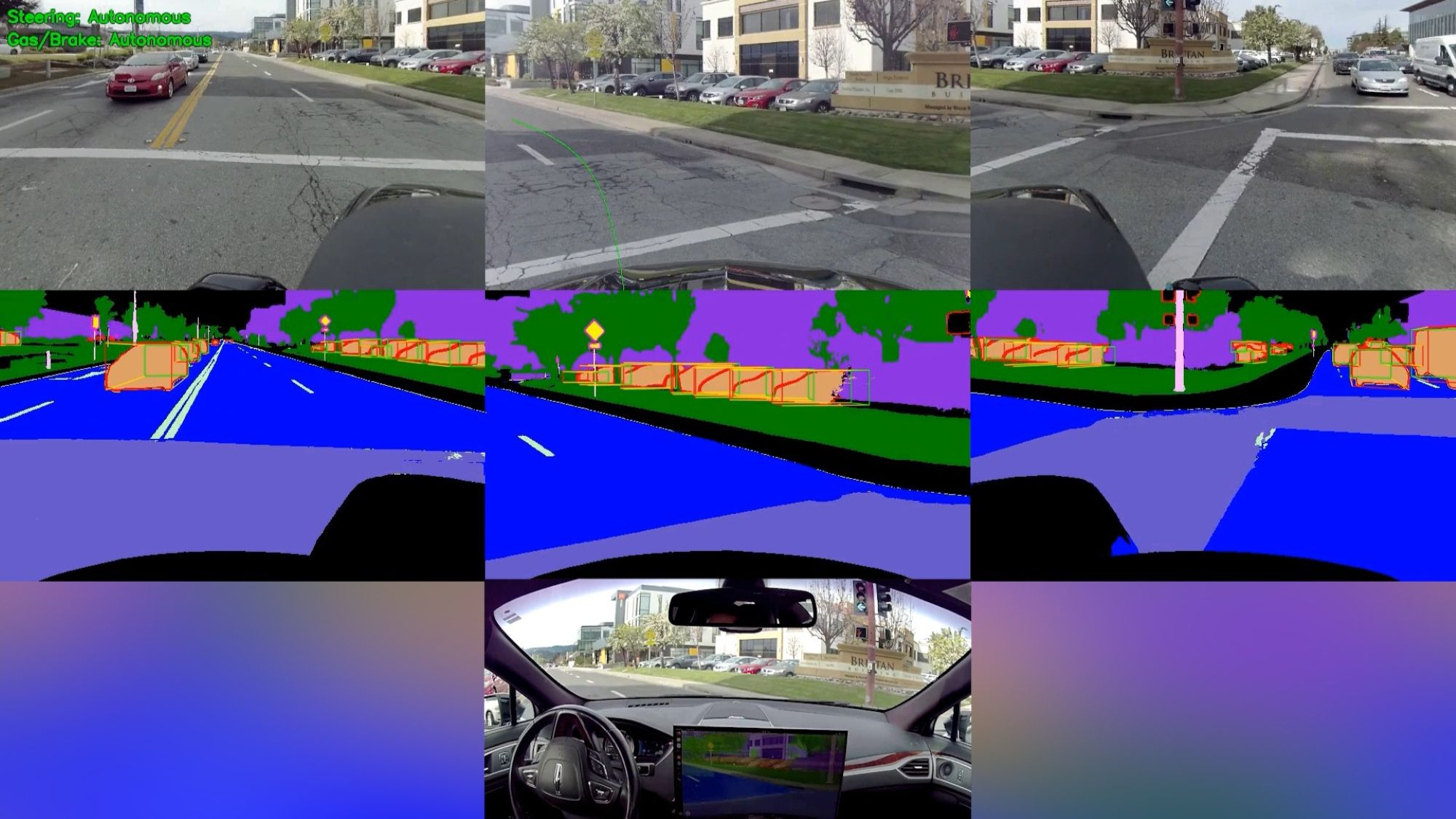
More specifically, its platform fuses physical perception from a range of sensors such as lidar, cameras, and GNSS with hydraulic feedback, online learning, and control. The company says that this allows the machines to “feel the soil” and adjust in real-time to changing ground conditions, and helps teams execute tasks with consistency to boost productivity and safety.
Gravis-powered machines are already deployed across infrastructure and materials projects in seven countries spanning the UK, Europe, Latin America, Asia, and now the U.S. Industry partners, including Holcim, Boskalis, and Taylor Woodrow, already use Gravis’ manufacturer-agnostic systems across mixed fleets and OEM-integrated equipment to support earthmoving, trenching, grading, and material handling.
Across its multiple global deployments, the company says its partners have benefited by up to a 30% increase in operator productivity, with 97% bucket fill rates, and estimated annual net savings of up to $74,000+ per machine.
Most significantly for the company, at CONEXPO, it is debuting Gravis Copilot, which it calls the industry’s first commercially available machine-guidance platform that is autonomy-ready for operators. Copilot is intended to serve as an immediate force multiplier, bringing productivity, safety, and consistent quality job execution to operators as the U.S. construction sector confronts a historic labor shortage, with 41% of the workforce projected to retire by the early 2030s, according to McKinsey.
“CONEXPO 2026 marks the moment where physical AI moves from the R&D lab to the American jobsite,” said Ryan Luke Johns, CEO and Co-founder of Gravis Robotics. “We are bringing the field-proven platform that is already moving millions of cubic feet of earth. With Gravis Copilot, we give contractors a system that delivers massive utility today while building the data foundation for the fully autonomous worksites of tomorrow.”
Designed to be the fastest way for contractors to get started with autonomy, Copilot combines real-time terrain visualization, excavation depth guidance, and human form recognition with operator control. It works inside existing workflows, meaning no process changes or regulatory delays, and it keeps operators in control, while still benefiting from sensor-fused perception and autonomy-level onboard AI and compute. This allows contractors to unlock immediate productivity gains while preparing their business for a future with ever-increasing levels of autonomy.
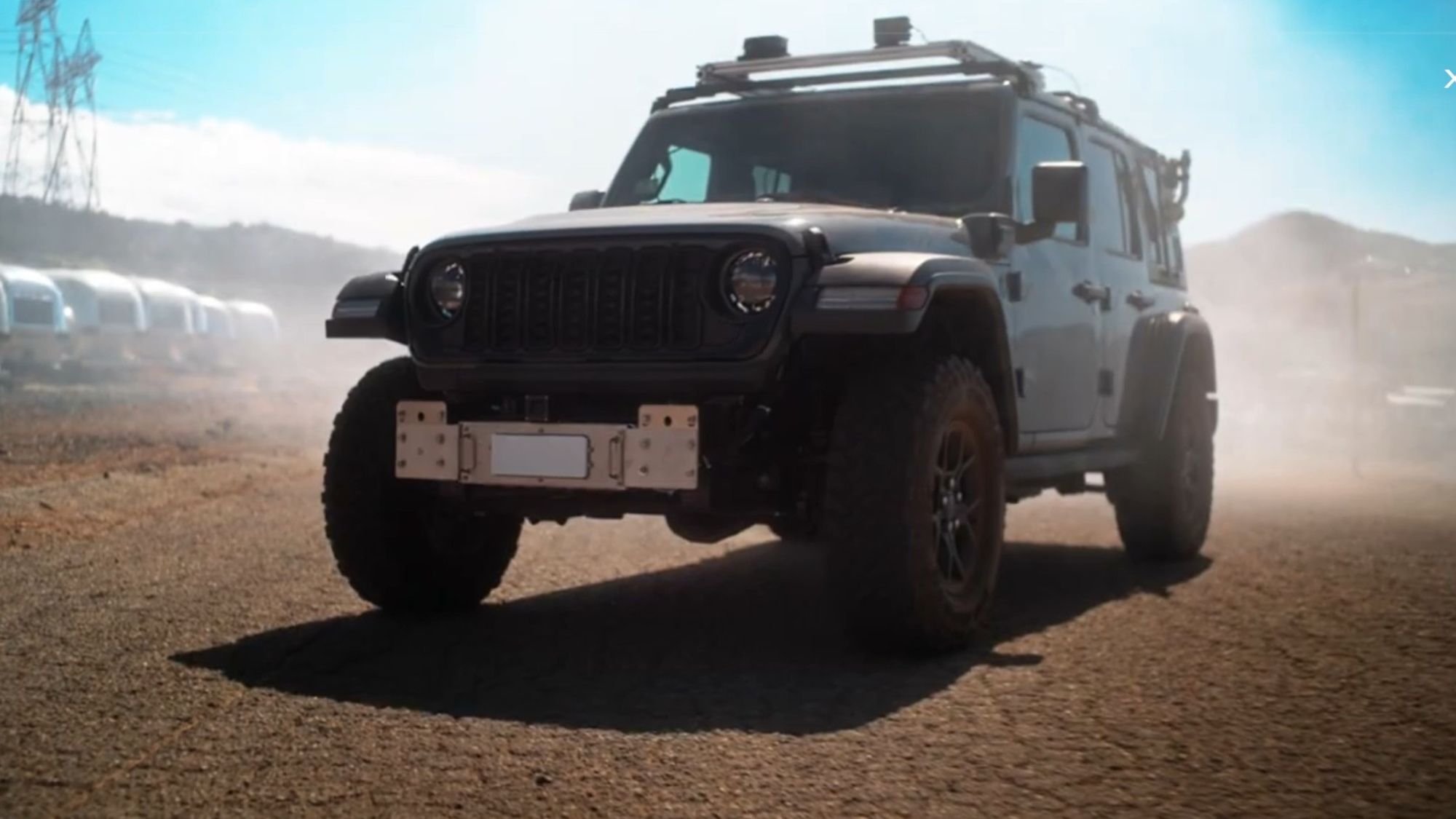
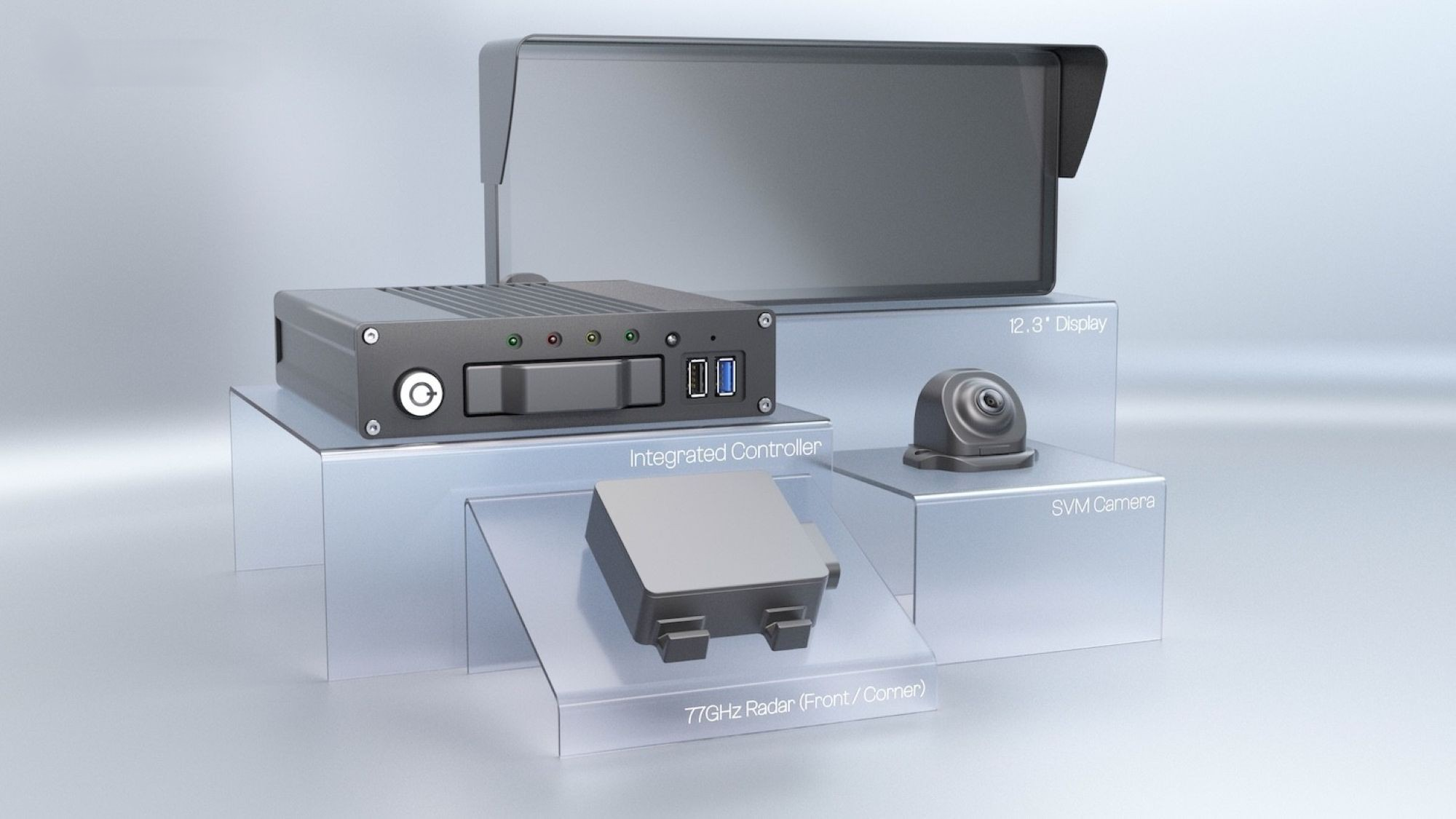
Because Copilot is built on Gravis’ platform perception and compute RACK (rooftop autonomous control kit), every machine equipped today is autonomy-ready. Contractors can unlock fully autonomous tasks, such as trenching and truck loading, with a simple software upgrade. This allows contractors to adopt autonomy at their own pace—starting with one system, and scaling across machines, fleets, and crews when ready.
-

- Gravis Robotics builds “robotic teammates” that amplify human potential.
-

- Gravis Robotics is working with Develon on autonomy.