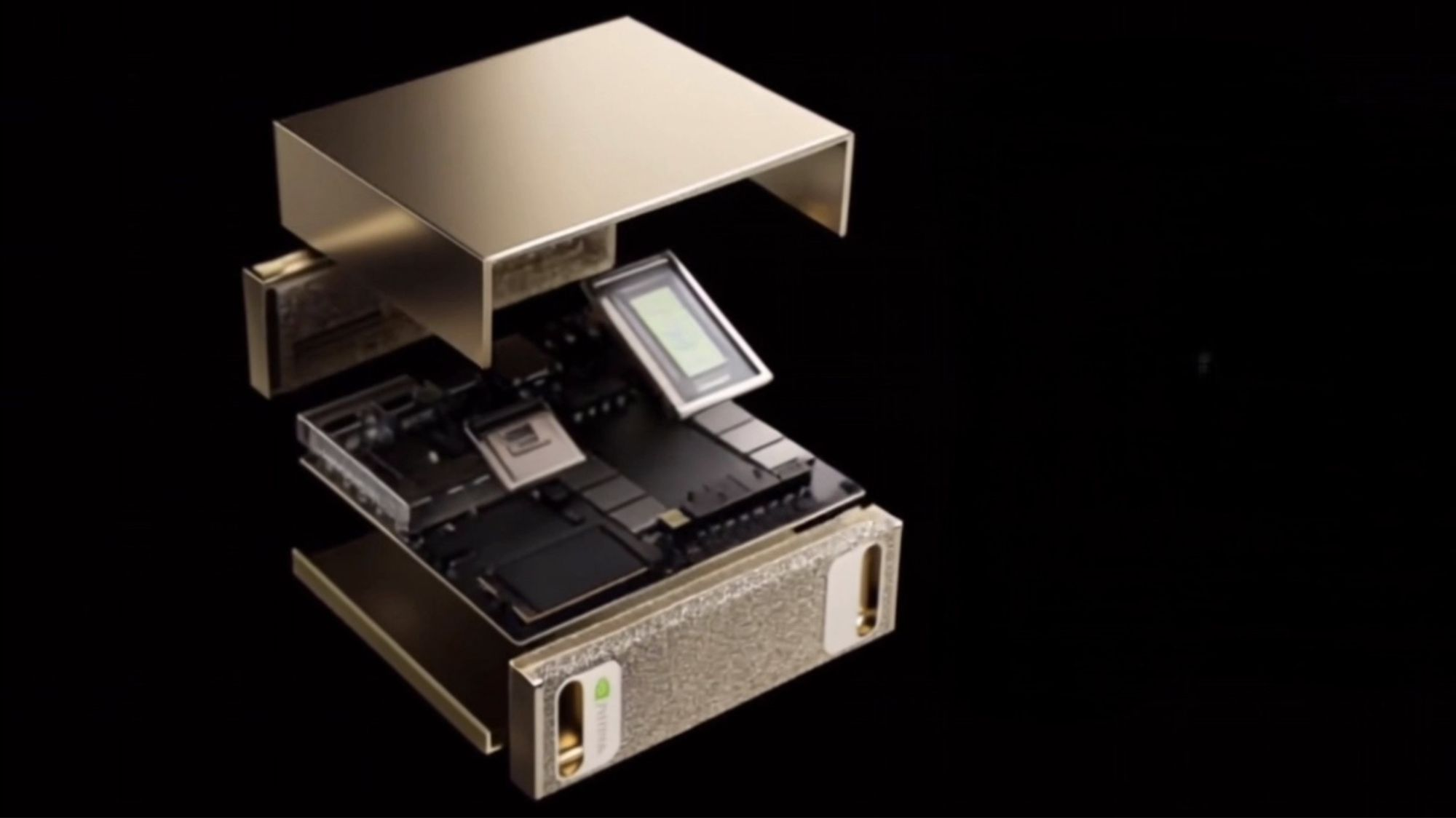
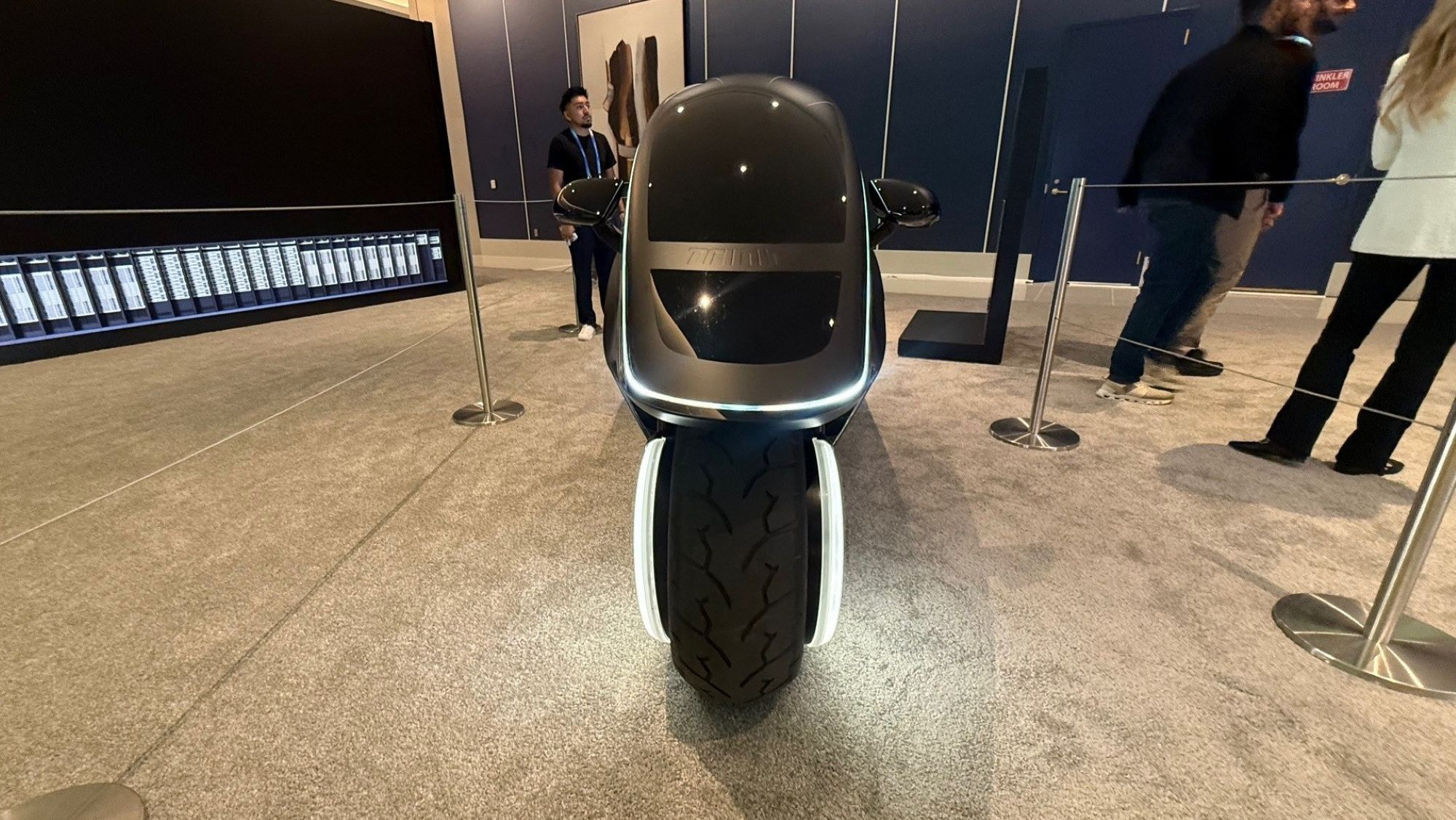
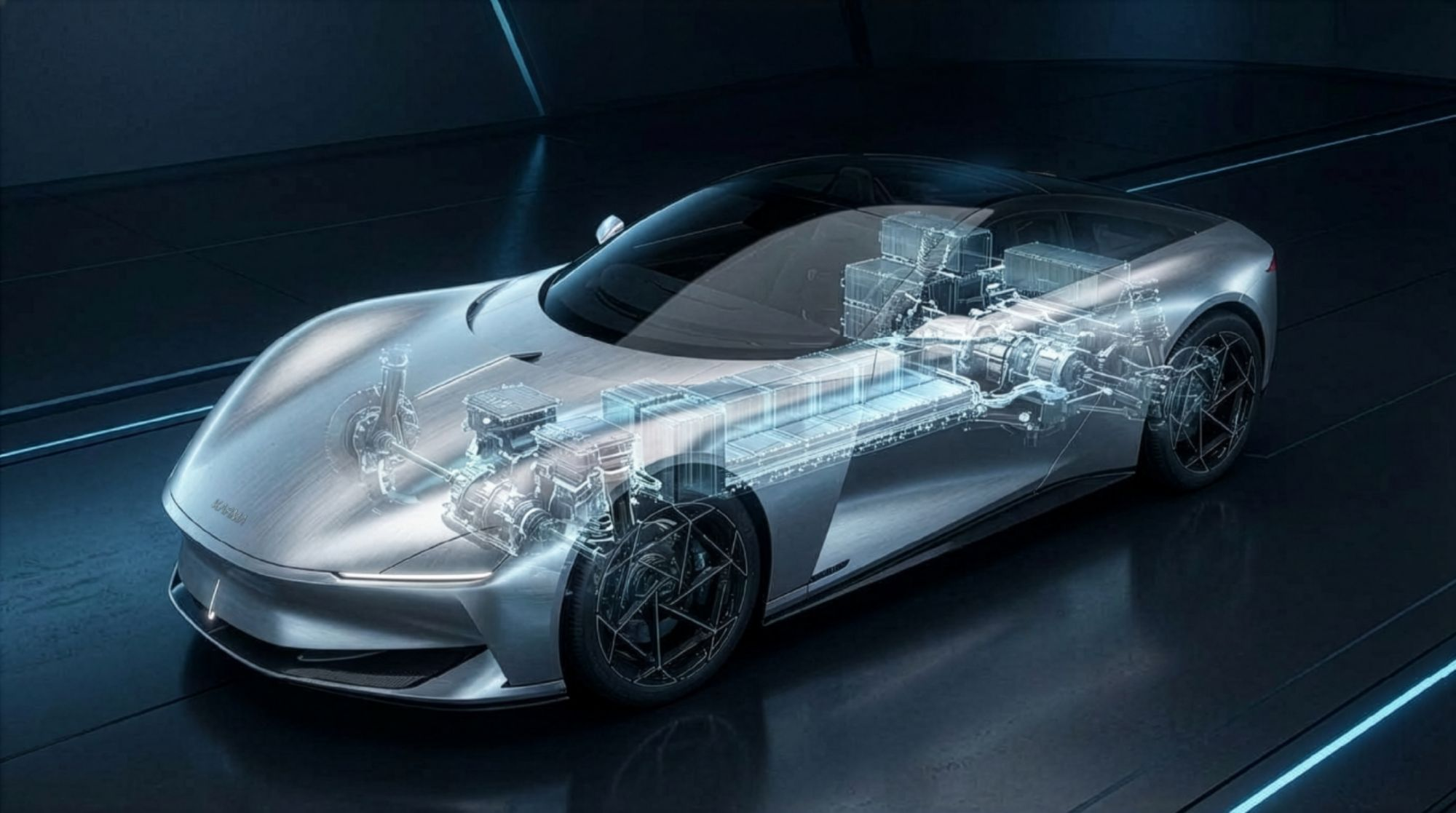
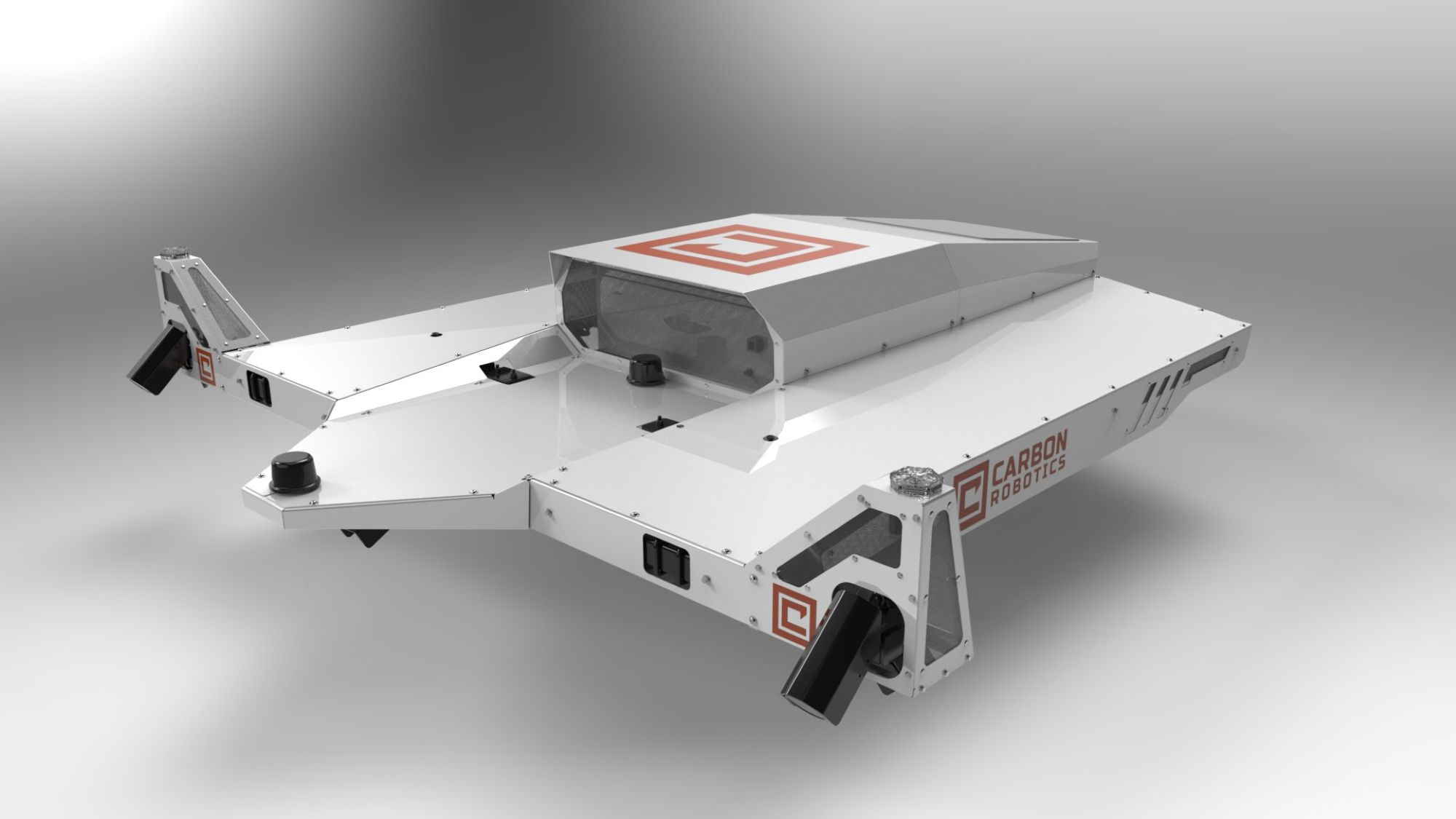
Texas Instruments (TI) today introduced new automotive semiconductors and development resources to enhance safety and autonomy across vehicle models. Debuting these products at CES 2026 in Las Vegas this week, they join TI’s broader automotive portfolio for next-generation advanced driver assistance systems (ADASs) and software-defined vehicles (SDVs).
“The automotive industry is moving toward a future where driving doesn’t require hands on the wheel,” said Mark Ng, Director of Automotive Systems at TI. “Semiconductors are at the heart of bringing this vision of safer, smarter, and more autonomous driving experiences to every vehicle.”
The three headlining launches are a scalable TDA5 high-performance computing system-on-a-chip (SoC) family that offers power- and safety-optimized processing and edge artificial intelligence (AI) and supports up to SAE Level 3 vehicle autonomy. The AWR2188 is a single-chip, eight-by-eight 4D imaging radar transceiver designed to help engineers simplify high-resolution radar systems. It also debuted the DP83TD555J-Q1 10BASE-T1S Ethernet physical layer (PHY) device.
“Every vehicle contains thousands of semiconductors that are actively transforming advanced driver assistance systems, EV powertrains, immersive infotainment systems, and in-cabin intelligence,” added Ng. “What we are working on today inside of TI basically defines what we will see in vehicles from 2030 onward. Our latest products span advanced sensing, reliable in-vehicle networking, and efficient, high-performance processing, giving engineers the tools to innovate what’s next in their automotive systems.”
High-performance compute SoC
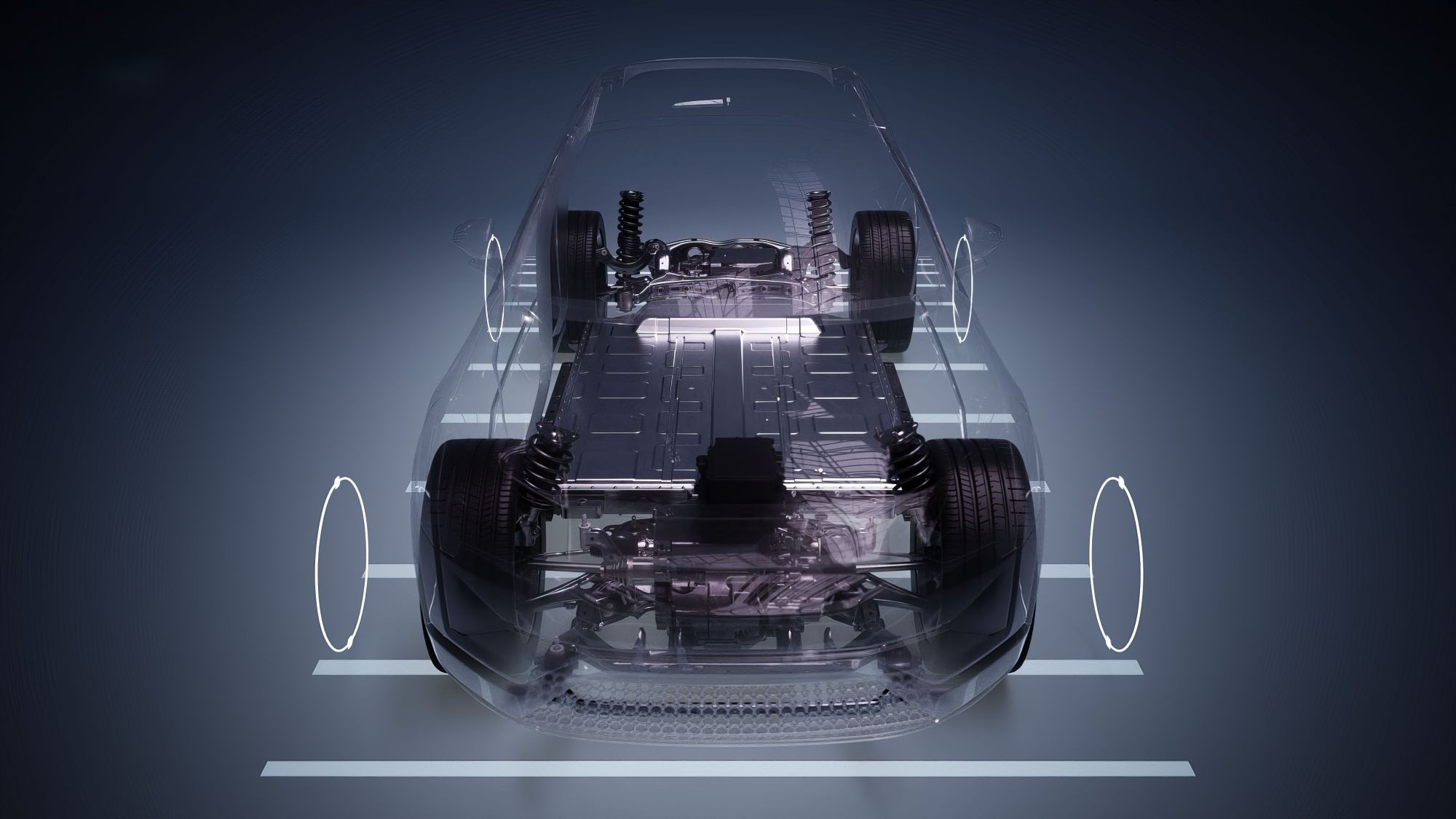
To enhance safety in next-generation vehicles, automakers are adopting central computing systems that support AI and sensor fusion for real-time decision-making.
“As processing requirements continue to increase, automakers are adopting zonal architectures with centralized computing,” said Roland Sperlich, Vice President of Processors at TI. “Having one central compute allows for advanced sensor fusion and dynamic resource allocation. At the heart of this evolution is a high-performance SoC, which integrates most computing components—like CPUs, NPUs, GPUs, accelerators, memory, and interfaces—onto one chip.”
Designed for high-performance computing, the TDA5 SoC family offers edge AI acceleration from 10 to 1200 TOPS (trillion operations per second), with power efficiency better than 24 TOPS/W.
“Another key point of TDA5 SoCs is their ability to process over 24 TOPS per watt of electricity,” said Sperlich. “This is super important. This industry-leading power efficiency allows TDA5 SoCs to perform tasks faster while consuming substantially less power than other solutions on the market.”
Scalability of the family isn’t limited to AI performance, he added: “The SoCs also are chiplet-ready. This means that you can, through industry-standard UCIe interconnects, add additional features so you can add more computing power, more TOPS, more graphics, more memory, and more interfaces. All of these can be effectively scaled through a modular expansion of our ICs.”
The family expands the performance of TI’s existing portfolio to enable automakers to centralize their computing architectures and process advanced AI models.
By integrating the latest generation of TI’s C7 NPU (neural processing unit), TDA5 SoCs provide up to 12 times the AI computing of previous generations with similar power consumption, eliminating the need for costly thermal solutions. This performance supports billions of parameters within language models and transformer networks, increasing in-vehicle intelligence while maintaining cross-domain functionality. The family features the latest Arm Cortex-A720AE cores, allowing automakers to integrate more safety, security, and computing applications.
TDA5 SoCs reduce system complexity and costs by supporting cross-domain fusion of ADAS, in-vehicle infotainment, and gateway systems within a single chip. Their safety-first architecture further simplifies systems by helping automakers meet ASIL-D (Automotive Safety Integrity Level D) safety standards without external components.
To simplify complex vehicle software management, TI is partnering with Synopsys to provide a virtual development kit for TDA5 SoCs. The kit’s digital-twin capabilities are said to help engineers accelerate time-to-market for their SDVs by up to 12 months.
The TDA54-Q1 SoC, the first device in the family, will be sampling to select automotive customers by the end of 2026. A software development kit is now available on TI.com to help engineers get started with TDA54 virtual development.
4D imaging radar transceiver
TI believes radar is a fundamental technology for sophisticated ADAS and greater vehicle autonomy.
“Radar is a key technology for more advanced ADAS use cases and greater vehicle autonomy with its resilience in all weather conditions,” said Yariv Raveh, Vice President of Radar for TI.
Designed to meet global market needs, its AWR2188 4D imaging radar transceiver integrates eight transmitters and eight receivers into a single launch-on-package chip. The integration simplifies higher-resolution radar systems because eight-by-eight configurations do not require cascading, while scaling up to higher channel counts requires fewer devices.
“Implementing 4D imaging radar has historically presented a design challenge: engineers have to cascade—or connect together—multiple chips to achieve a large enough antenna array,” explained Raveh. “Today, customers need 2 discrete sensors to achieve an 8×8 configuration, while a 16×16 configuration requires 4 chips cascaded together. With our AWR2188, an 8×8 radar configuration can be achieved using a single chip, while a 16×16 only needs two chips. As you can see, this greatly simplifies the PCB design, reduces power consumption, and lowers system costs.”
The transceiver supports both satellite and edge architectures, offering automakers the flexibility to simplify and accelerate the global deployment of ADAS features across entry-level to premium vehicles.
The AWR2188 features enhanced analog-to-digital converter data processing and a radar chirp signal slope engine to support 30% faster performance than currently available solutions. This level of performance powers advanced radar use cases such as detecting lost cargo, distinguishing between closely positioned vehicles, and identifying objects in high-dynamic-range scenarios.
The transceiver can detect objects with greater accuracy at distances over 350 m, enabling safer, more autonomous driving.
Preproduction quantities of the AWR2188 transceiver and an evaluation module are now available at TI.com.
Extending Ethernet to vehicle edge nodes
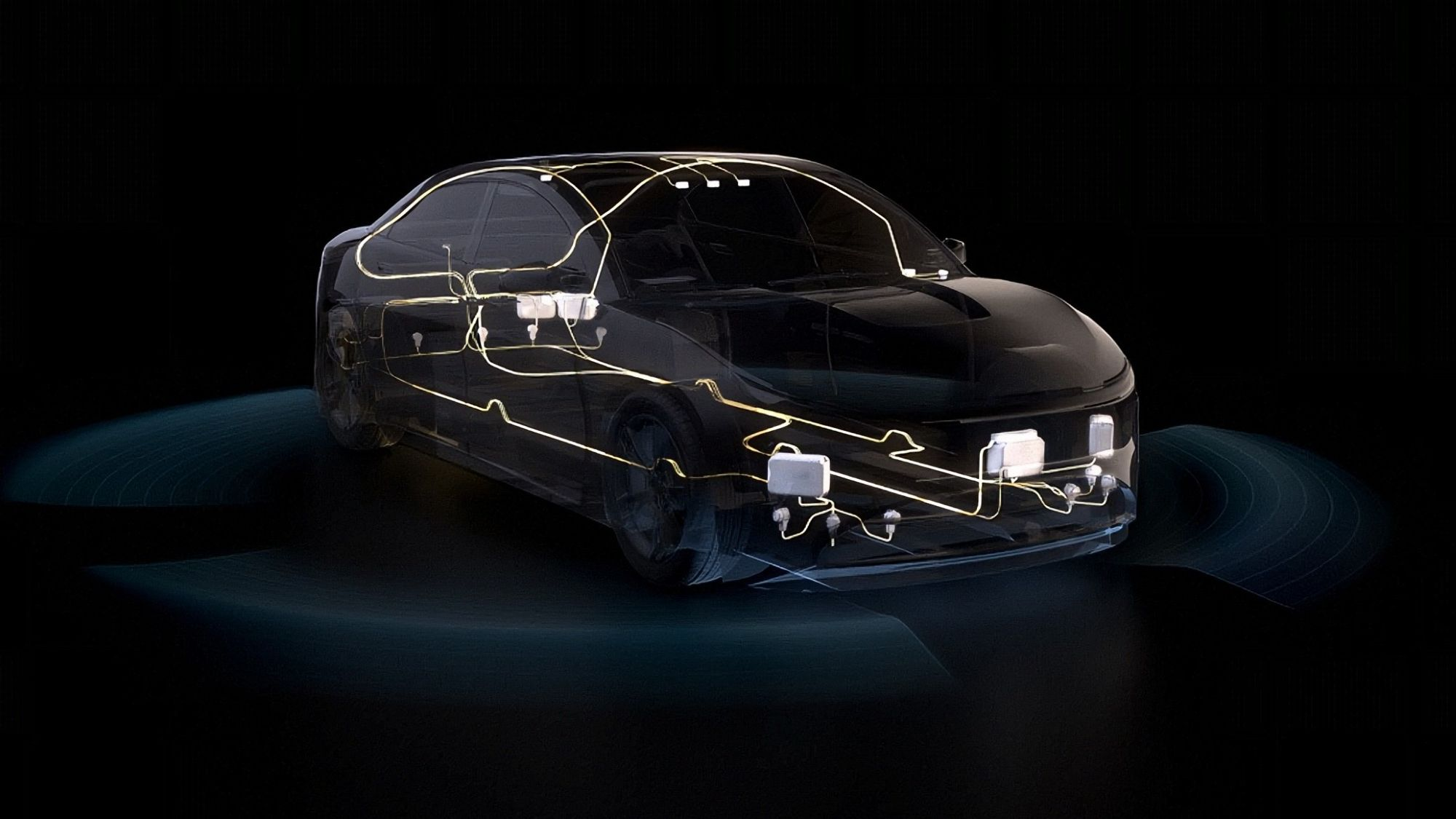
The acceleration toward SDVs and higher levels of autonomy is prompting a fundamental shift in subsystem architectures. According to TI, Ethernet is an important enabler for this evolution, as it allows systems to collect and transmit more data across vehicle zones in real time through a simple, unified network architecture.
The company’s new DP83TD555J-Q1 10BASE-T1S Ethernet Serial Peripheral Interface PHY with an integrated media access controller offers nanosecond time synchronization, claimed industry-leading reliability, and power-over-data-line capabilities. It says that these features enable engineers to extend high-performance Ethernet to vehicle edge nodes while reducing cable design complexity and costs.
Preproduction quantities of the Ethernet PHY and an evaluation module are now available at TI.com.
-

- TI’s TDA5 SoCs support L1 to L3 autonomy.
-

- TI is collaborating with Synopsys on a Virtualizer Development Kit for TDA5 SoCs.
-

- TI’s AWR2188 can simplify higher resolution edge radar systems.
-

- TI’s DP83TD555J-Q1 can help accelerate Ethernet adoption at vehicle edge nodes.