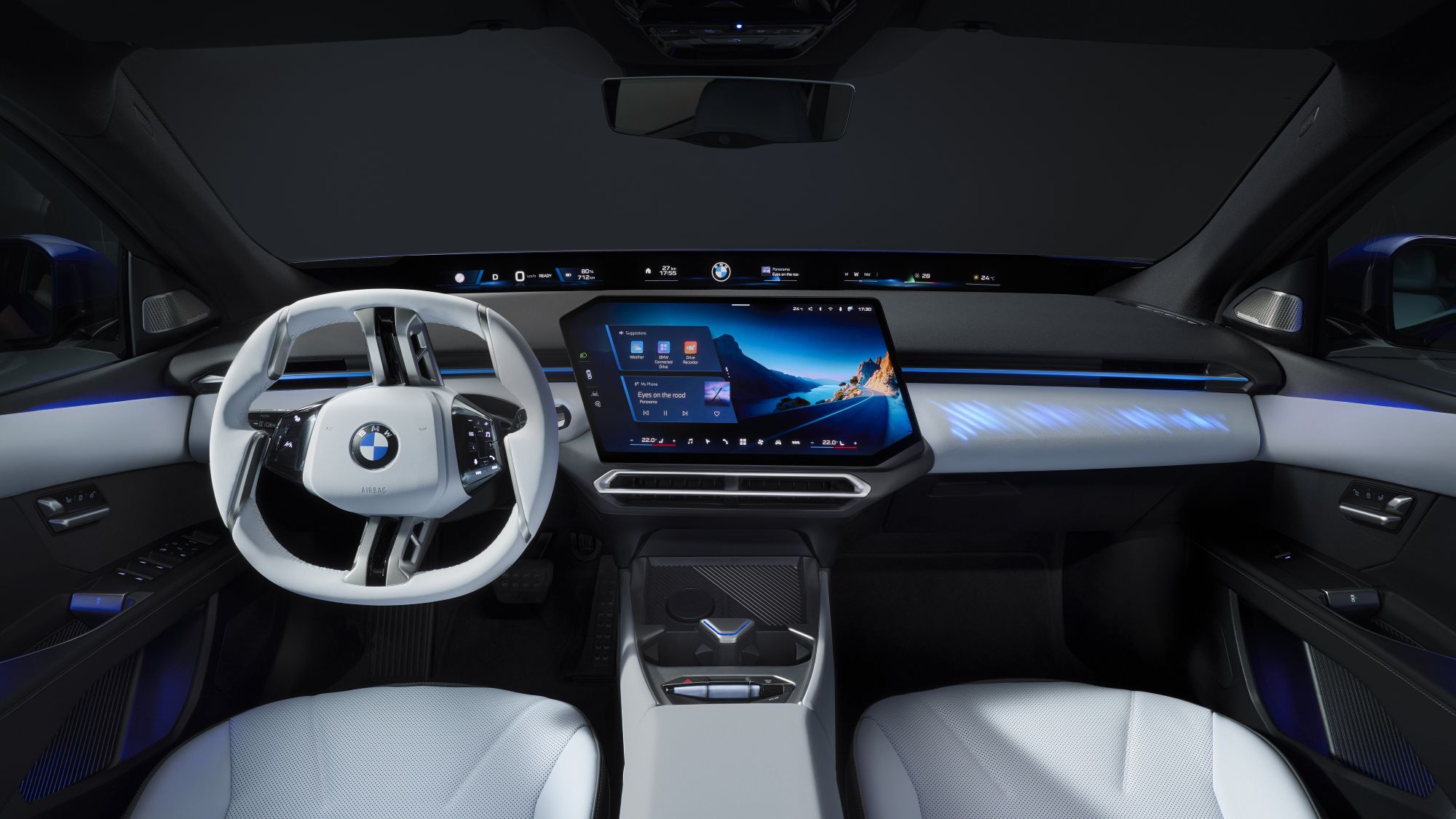
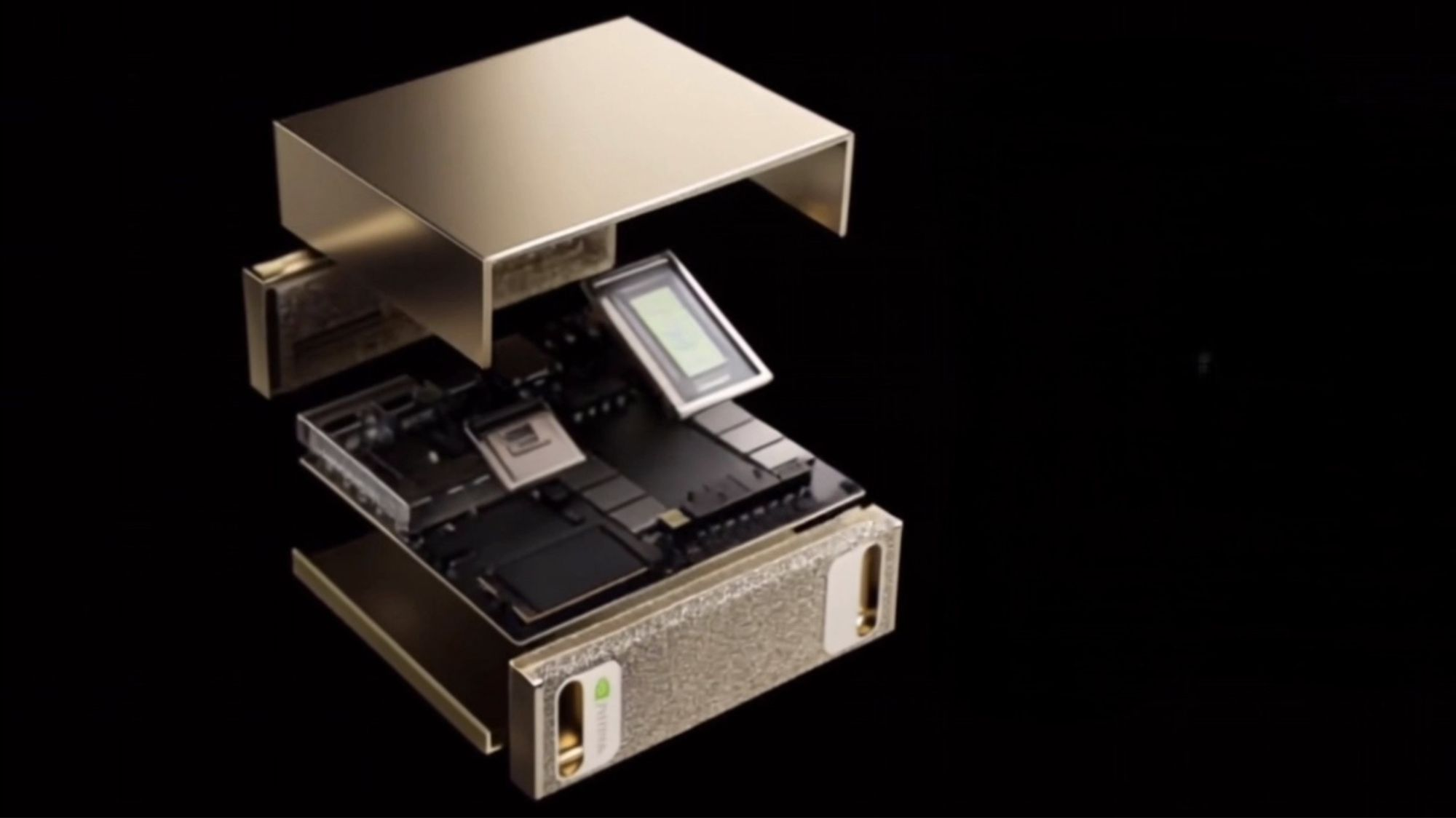
NXP Semiconductors N.V. today unveiled the S32N7 super-integration processor series for the intelligent vehicle core. Building on the same 5-nm foundation as the S32N55, the new series being shown at CES 2026 represents the latest evolution and a cornerstone in NXP’s S32 automotive processing platform for software-ndefined vehicles (SDVs). It delivers advanced “super-integration” capabilities to address the complexity of intelligent architectures, enabling automakers to accelerate their shift to AI-powered vehicles.
“The S32N7 allows carmakers to innovate and monetize data while maintaining full control of the vehicle’s core,” said Robert Moran, Vice President Automotive Processors at NXP. “The new series remains always on, enabling instant vehicle activation and fast deployment of AI capabilities even when the car is parked. Its super-integration capabilities empower carmakers to rapidly roll out software updates and to differentiate across vehicles, models, and markets without rearchitecting the vehicle platform.”
The S32 automotive processing platform is designed to accelerate the shift toward intelligent, next-generation vehicles. It enables faster development cycles, streamlined software reuse, and flexible hardware integration across multiple vehicle systems, while optimizing the vehicle’s performance and power efficiency. It is intended for the solution to bring real-time safety, security, scalability, and sustainability to every vehicle.
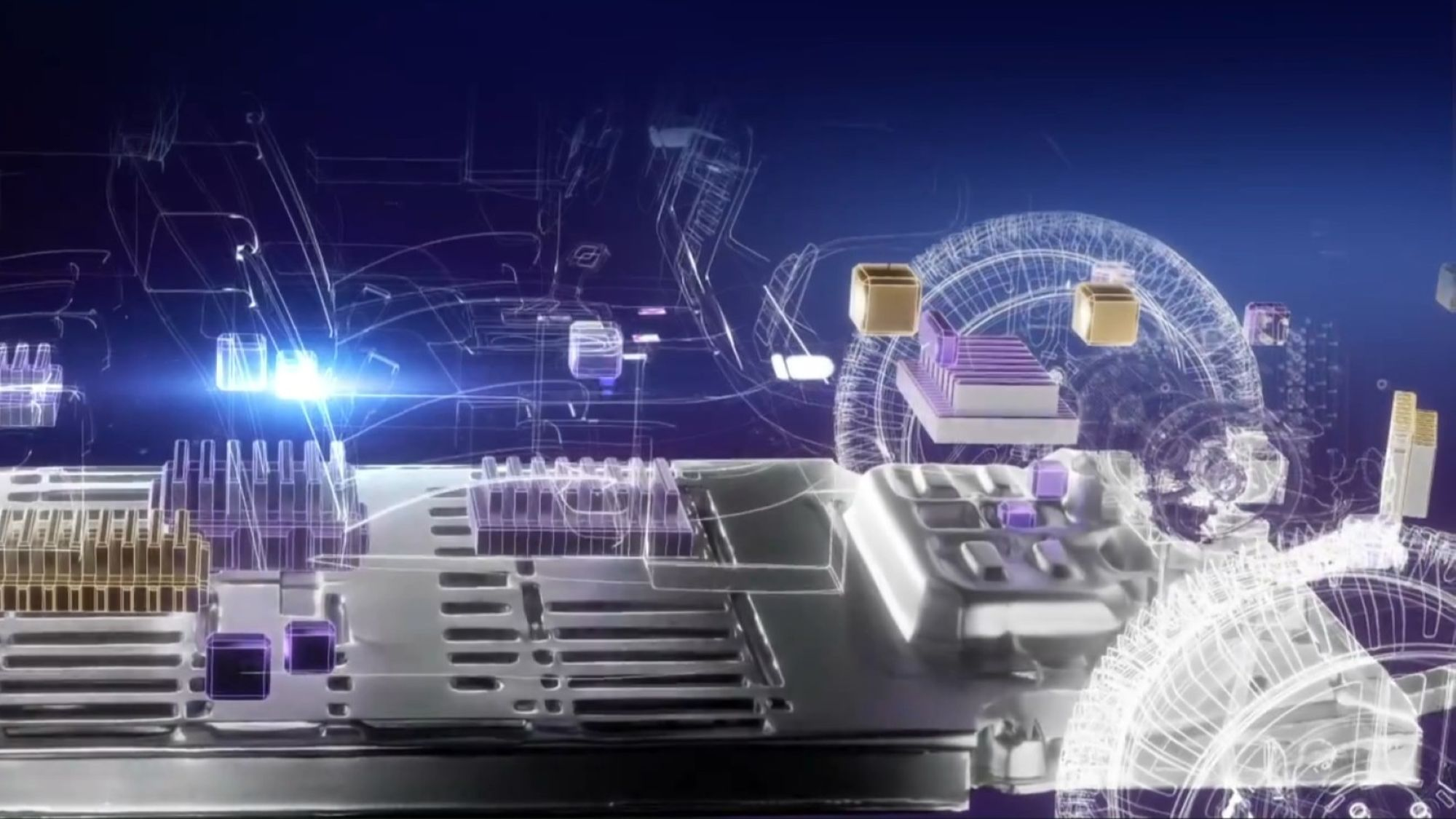
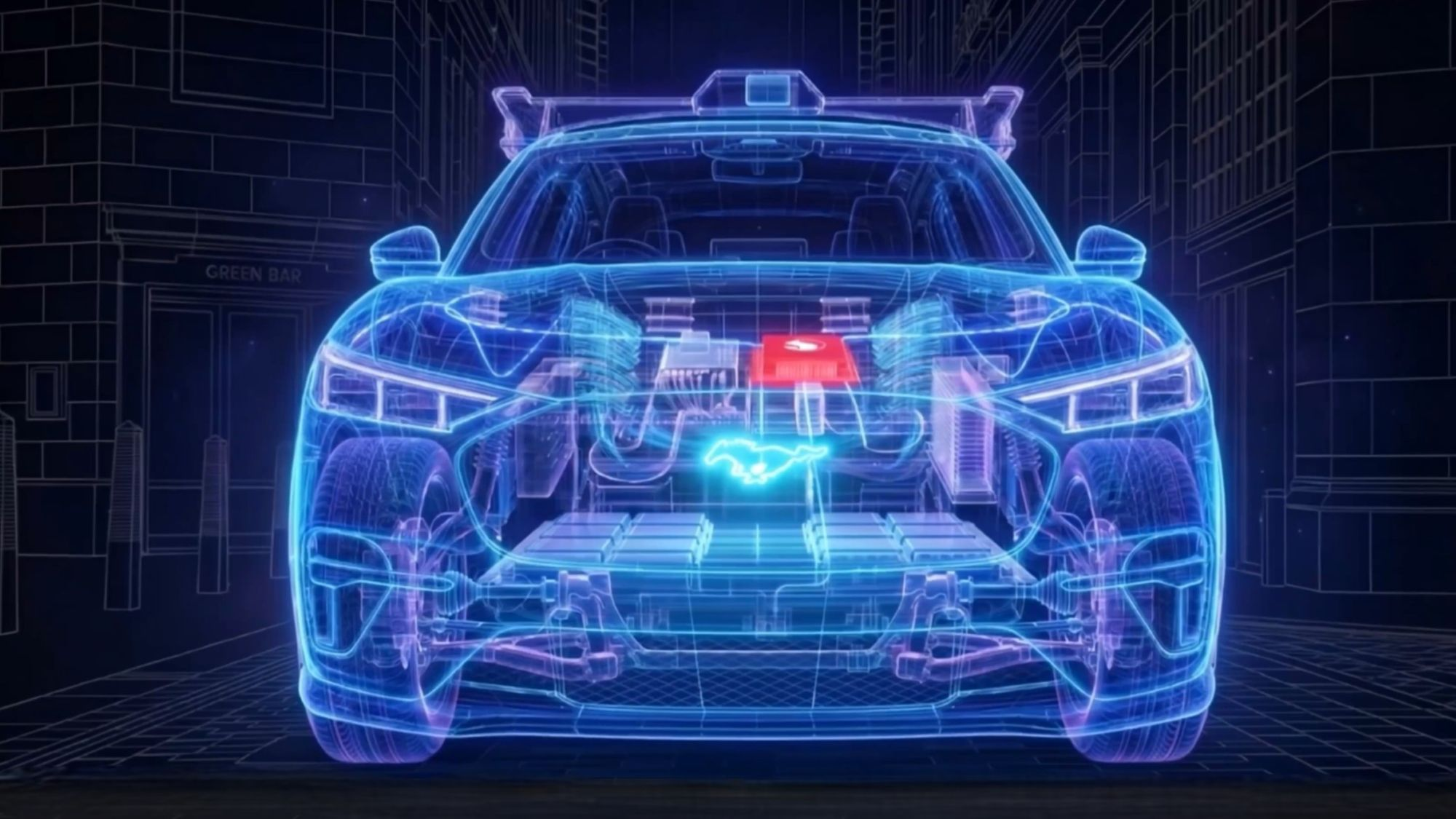
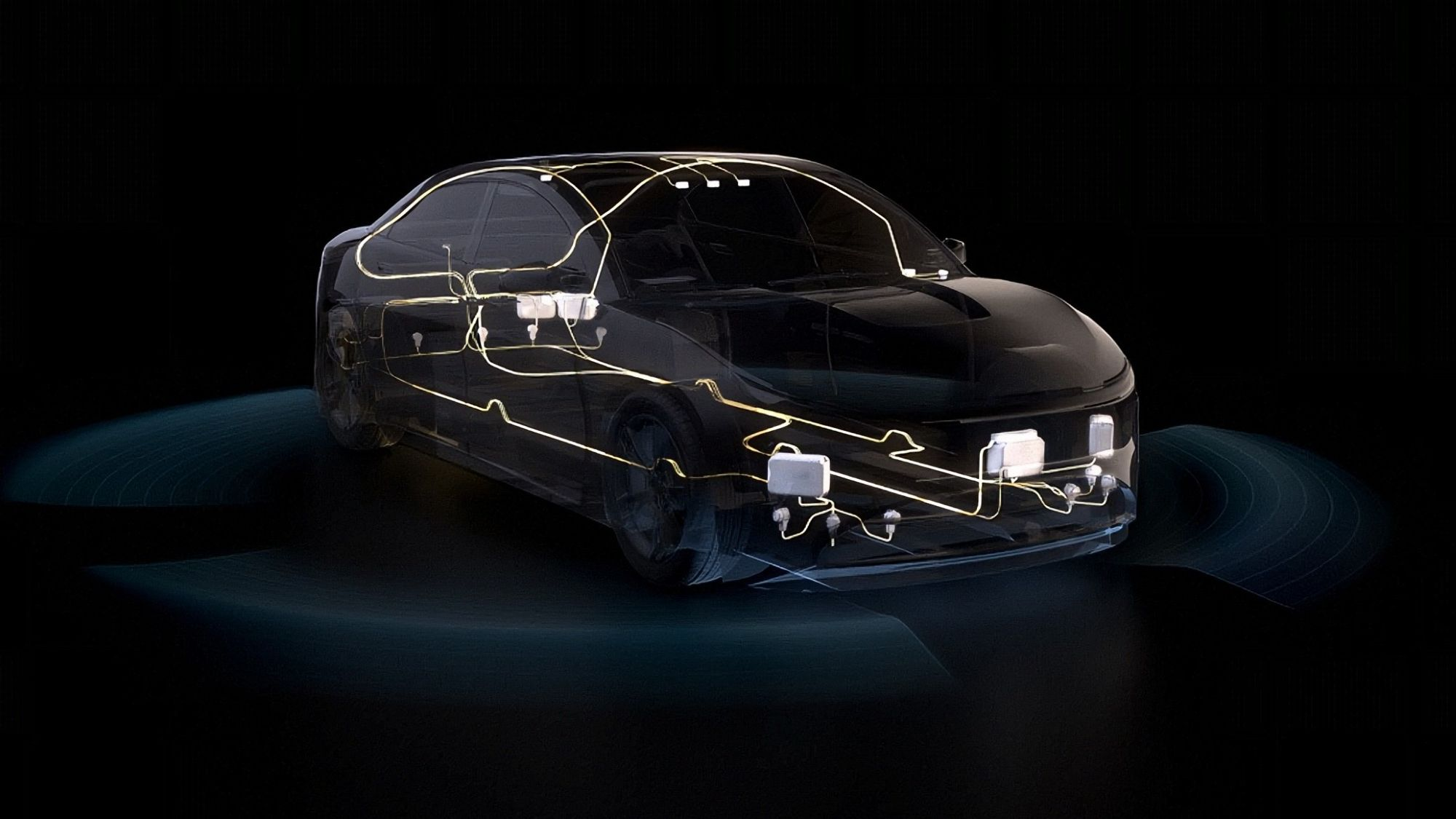
The S32N7 integrates with NXP’s system portfolio, combining PMICs (FS04, PF54, PF09) for optimized power and the S32J family for Ethernet expansion, enabling a modular, efficient vehicle-compute architecture. S32N79, the superset of the series, is sampling now to lead customers and partners.
Bosch is the first to deploy the S32N7 in its vehicle integration platform. Together, NXP and Bosch have co-developed reference designs, safety frameworks, hardware integration, and an expert enablement program, accelerating system deployment and reducing integration effort for early adopters.
“Bosch’s vehicle-integration platform is at the heart of new E/E architectures enabling truly software-defined vehicles,” said Matthias Breunig, SVP Compute Enhanced, Bosch Mobility. “Our intensive collaboration with NXP on their S32N7 processor series demonstrates how we combine leading semiconductor technology with our deep system expertise and highest standards of safety and security. By having Bosch ECU samples ready with the first NXP S32N7 silicon, we deliver to our customers a significant head start for development, ensuring rapid implementation and robust performance for next-generation vehicle computers.”
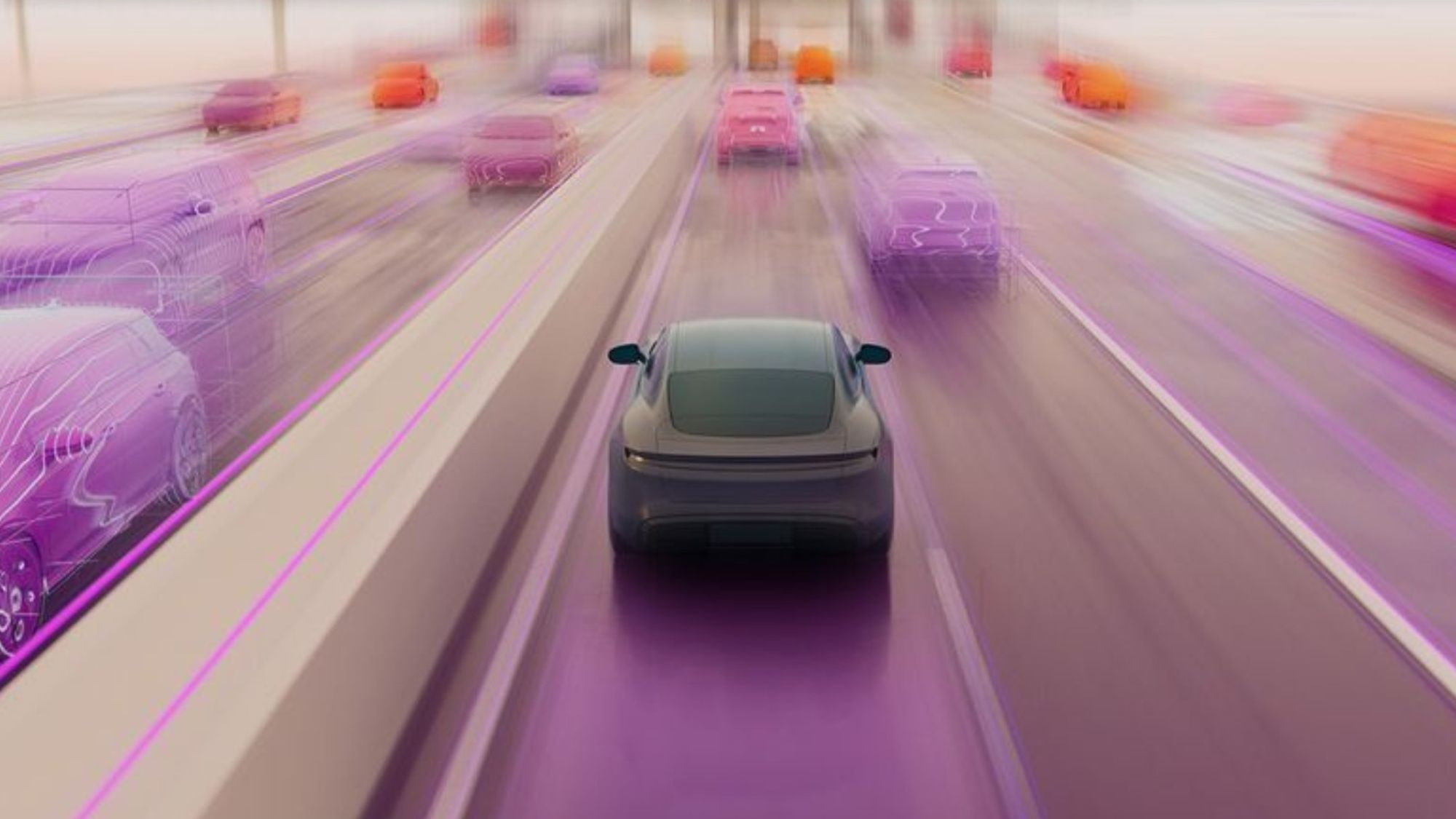
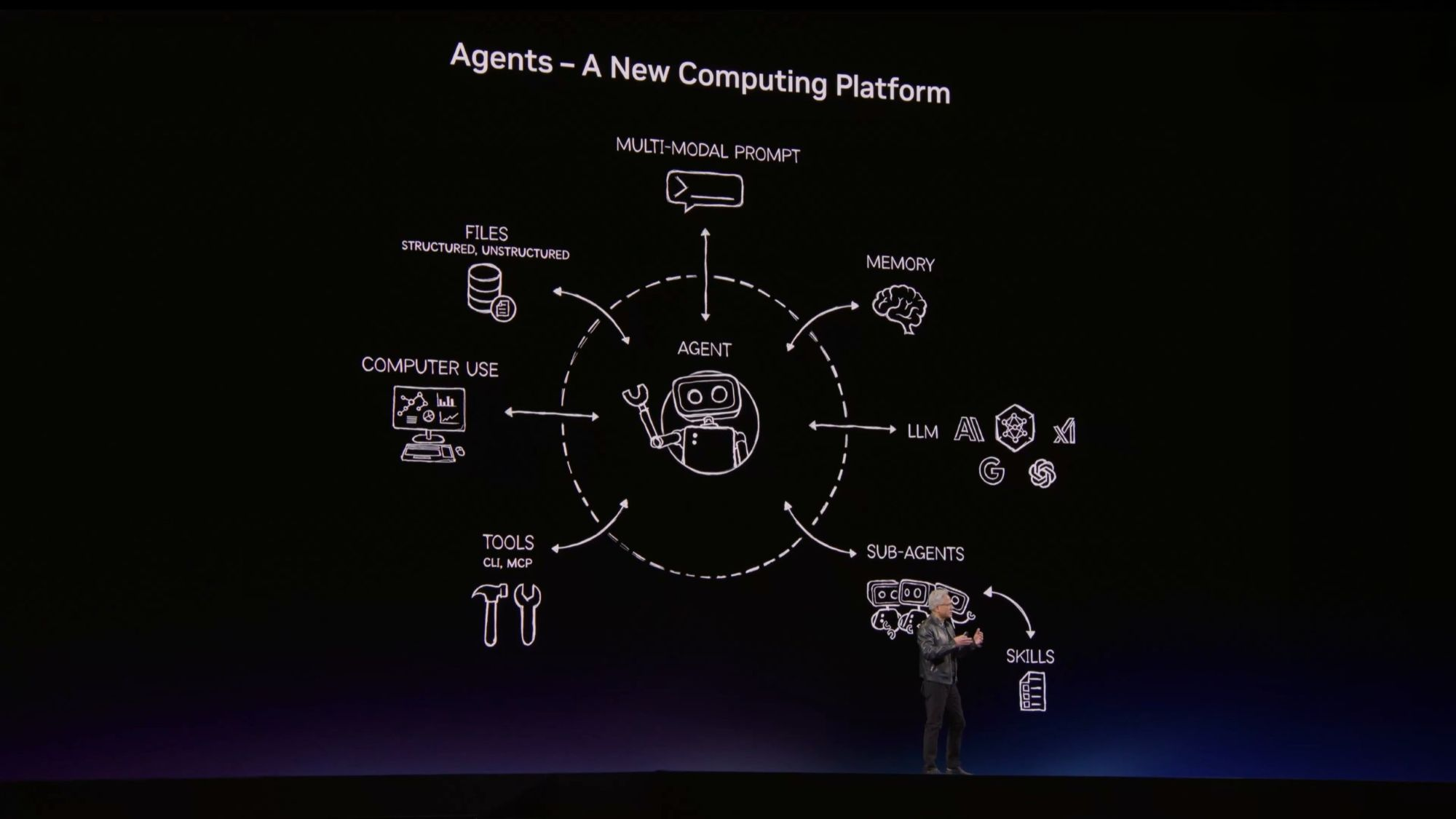
The new series delivers safe, modular computing with hardware-enforced function isolation, enabling OEMs to securely consolidate multiple vehicle core functions, including body, motion, chassis control, and vehicle dynamics. The S32N7 extends these features by adding integrated functions for gateway, data management, and ADAS support up to Level 2 autonomy. It further supports agentic AI capabilities, advanced networking, and ultra-low power operation, empowering carmakers to develop secure, differentiating features at the heart of their vehicles.
The S32N7 brings simplicity by consolidating up to eight domains onto a single platform. The streamlined architecture cuts material and integration costs, delivering up to 20% lower total cost of ownership. It also includes a range of compatible SoCs (systems-on-chip), allowing OEMs to efficiently scale the performance and features of their vehicles. A unified software environment ensures code reuse and simplified integration across the entire S32N family.
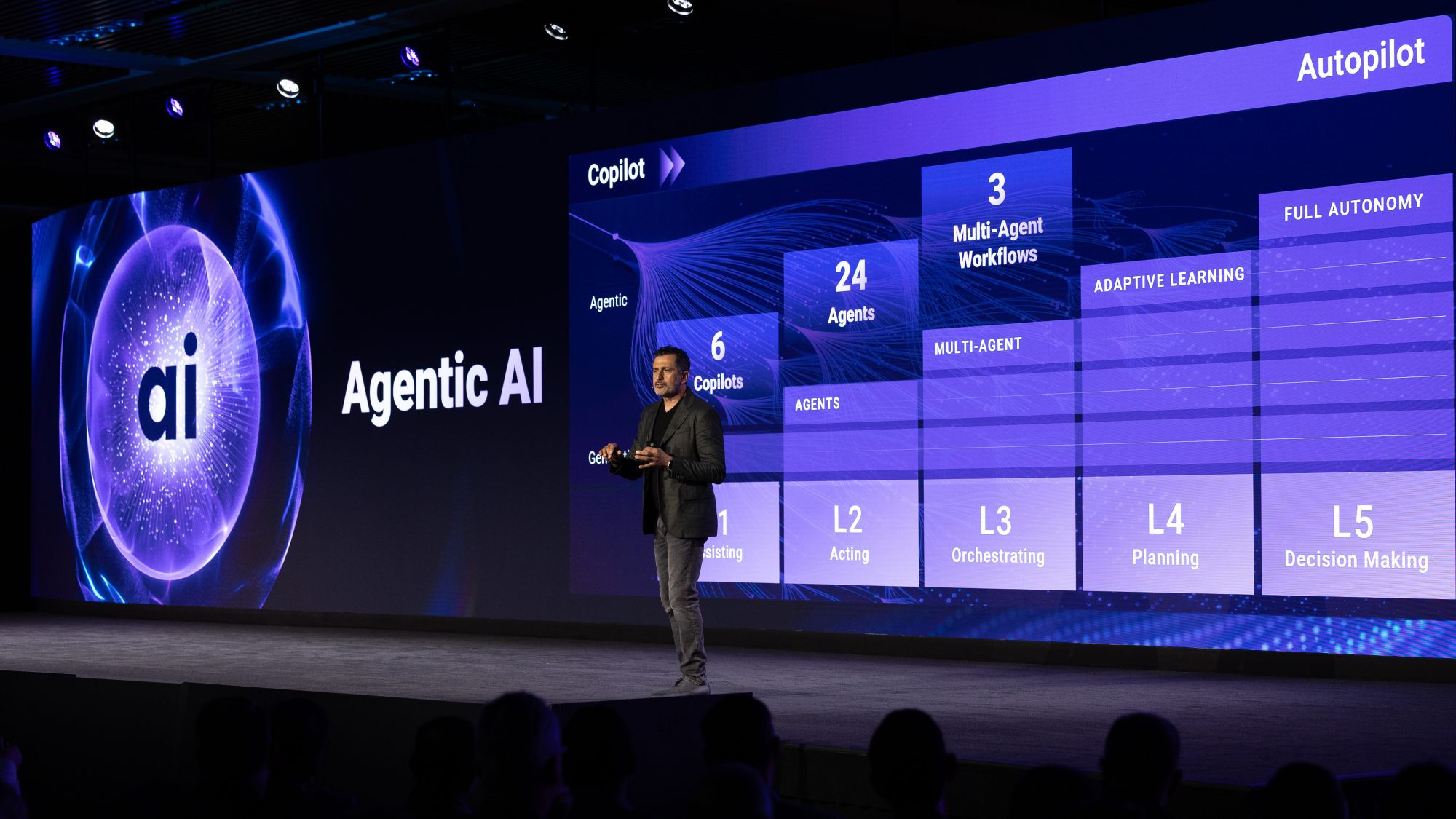
Additionally, the new series empowers OEMs with comprehensive edge capabilities, enabling advanced data collection, real-time processing, and orchestration to drive faster, data-driven decisions. This creates the intelligence foundation for AI and agentic AI solutions at all vehicle states, including parked, charging, or driving.
-

- NXP’s S32N7 for SDVs.