The Euro NCAP organization is making major changes in how it evaluates the safety of new cars to better represent modern driving conditions and address the road hazards faced by today’s drivers, passengers, and other road users. The largest revision since the introduction of the overall rating system in 2009, the update that will go into effect in 2026 features an overhaul of vehicle testing and scoring procedures along with a new rating methodology built around four key stages of safety: safe driving, crash avoidance, crash protection, and post-crash safety.
Drawing on the principles of the Haddon Matrix, the new approach tests safety technologies by stage, yet also enables evaluation of those solutions that operate across multiple stages. The organization calls the rating-system updates transformational, delivering enhanced structure, clarity, and flexibility as safety technologies grow increasingly complex and interconnected. The test protocols will be updated every three years.
Several of the changes to Euro NCAP’s testing program were made in response to consumer feedback. Dr. Michiel van Ratingen, Secretary General of Euro NCAP, says the updated protocols ensure cutting-edge safety technology is deployed where it matters most—saving lives and preventing serious injuries on Europe’s roads.
“Every three years, we re-examine our star rating criteria with the simple aim of reducing vehicle-related deaths and serious injuries,” said van Ratingen. “The 2026 protocols further strengthen the rigour and relevance of our tests, rewarding vehicles that perform well across all stages of safety – before, during, and after a crash. The updates to protocols ensure that Euro NCAP’s testing, analysis, and ratings remain the definitive guide for consumers who value an impartial guide to the safety of the latest cars.”
Established in 1997 and backed by several European governments, motoring, consumer, and insurance organizations, Euro NCAP has rapidly become a catalyst for encouraging significant safety improvements to new vehicle design. The organization carries out safety assessments on new cars, trucks, and vans, offering consumers, policymakers, and the industry independent insights into the safety performance of some of the most popular vehicles sold in Europe. While its ratings apply only to vehicles offered in Europe, they influence global trends in automotive engineering.
“Euro NCAP continues to advance safety standards across all aspects of vehicle design, and the 2026 protocols embody this commitment by encouraging manufacturers to adopt and enhance life-saving technologies,” added van Ratingen. “The intended outcome is improved protection for vehicle occupants and all road users through more effective driver assistance, robust accident prevention, enhanced crash protection, and improved post-crash management.
From 2026, Euro NCAP’s assessments will be structured around the four stages of safety, each scored out of 100 points and expressed as a percentage. Minimum thresholds continue to apply for each stage and will determine the overall star rating.
Stage one: safe driving
Euro NCAP will place greater emphasis on driver-monitoring technologies that maintain attention and engagement behind the wheel, focusing on improved system reliability and user acceptance. Points will be awarded for advanced systems that monitor driver performance in real time.
To achieve the highest ratings, vehicles must not only employ continuous eye- and head-tracking but also link driver state information to the sensitivity of driver-assistance systems. Additional credit will be given to technologies that can identify signs of drug or alcohol impairment and those capable of safely bringing the vehicle to a halt if the driver becomes unresponsive.
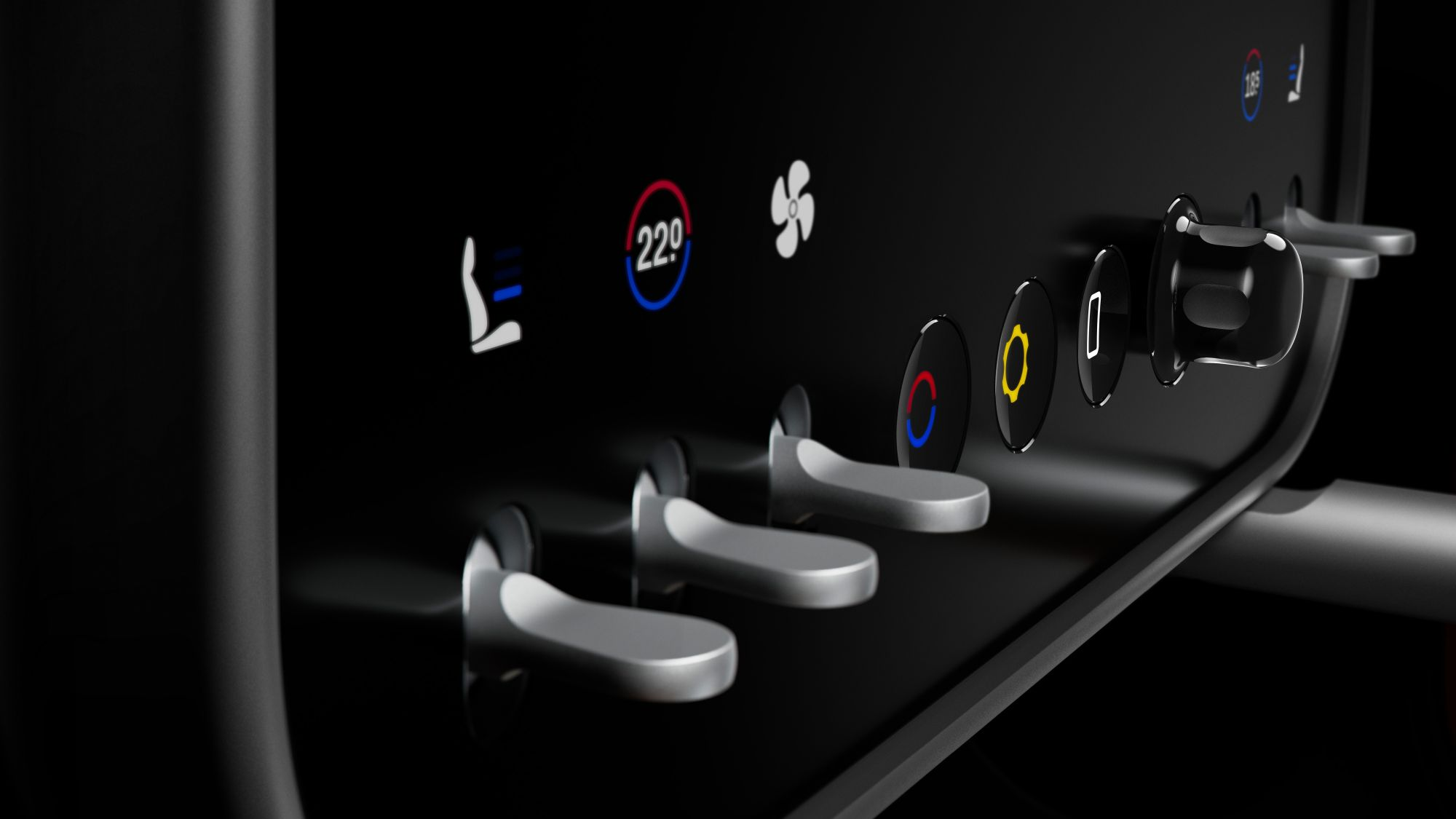
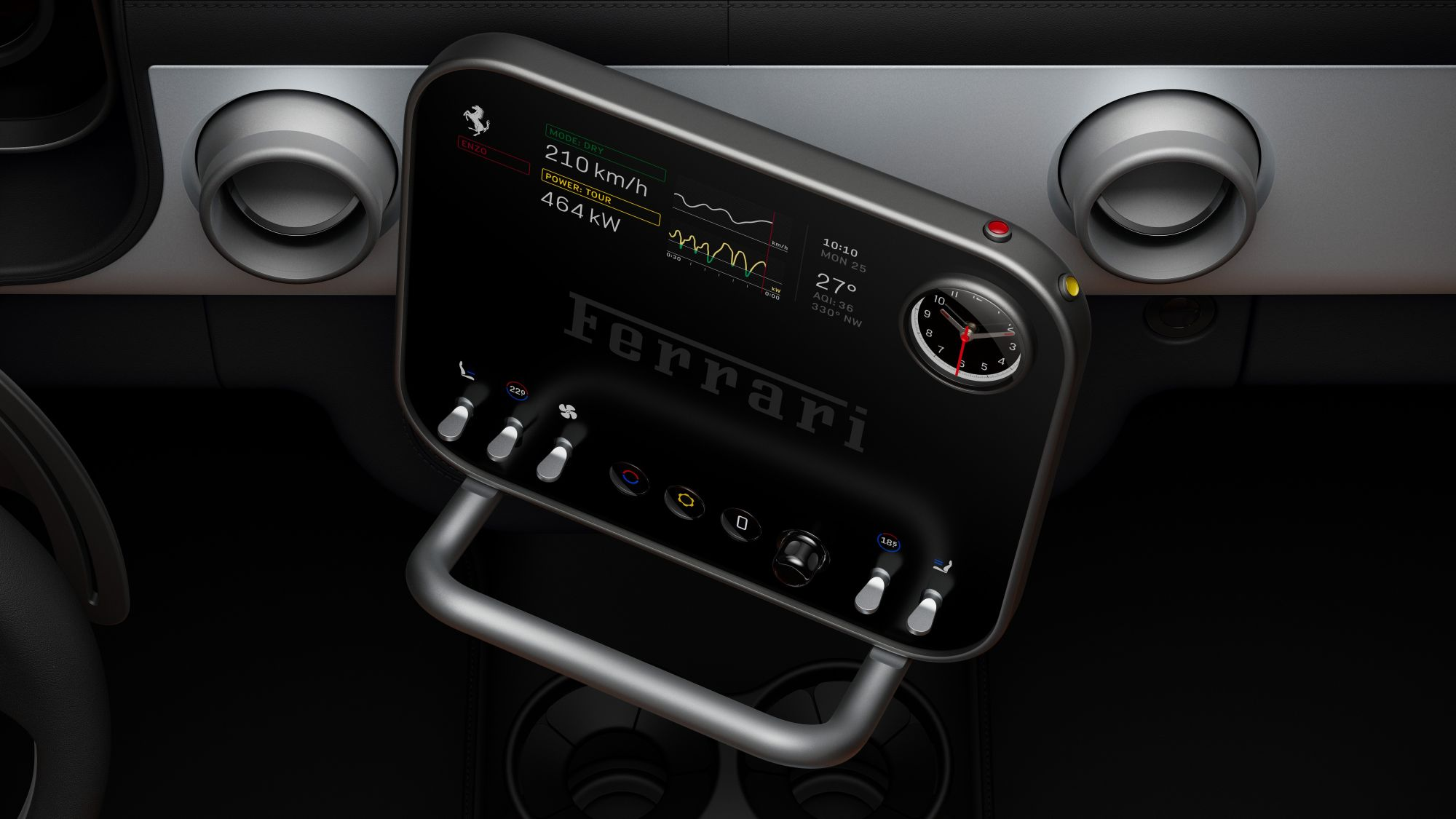
New assessments of human-machine interfaces are being introduced, evaluating the placement, clarity, and ease-of-use of essential controls—including the availability of physical buttons for commonly used functions, which consumer feedback suggests can reduce distraction. Vehicles able to detect whether seatbelts are being worn correctly—and optimize restraint and airbag systems for different driver and passenger physiques—will earn higher scores.
For the first time, verification of speed-limit information accuracy will be conducted during on-road driving tests.
Stage two: crash avoidance
The updated protocols introduce a more rigorous approach to crash-prevention system testing, covering technologies such as autonomous-emergency-braking and lane-support systems.
Drawing on long-term test experience, Euro NCAP will expand the scenarios to reflect real-world accident patterns, including urban situations where vehicles routinely encounter powered two-wheelers, cyclists, and pedestrians.
Smoothness and intuitiveness of operation in everyday driving, in particular for lane-support systems, will now contribute to scoring, addressing consumer concerns about intrusive or unpredictable interventions.
Cars capable of recognizing and reducing the risks of pedal misapplication, such as accidentally pressing the accelerator instead of the brake, will also be rewarded. This will be assessed as part of the new “low speed collisions” tests that also include cyclist dooring.
Stage three: crash protection
Euro NCAP will continue to enhance its well-established crash-testing program with a renewed focus on passive protection. From 2026, frontal crash testing will consider a wider range of driver and passenger body types, including older occupants and children, supported by sled testing and advanced virtual simulations.
Evaluation of side impact protection will include near-side barrier, pole, and far-side sled testing, also supported by advanced virtual simulations. There will be increased scrutiny of pedestrian-injury risk— particularly in structural areas around the windscreen.
Stage four: post-crash safety
New post-crash requirements include ensuring that electrically powered exterior door handles remain operable after an impact, enabling easier access for first responders. Electric vehicles must also correctly manage the isolation of their high-voltage battery.
Automated emergency notifications will need to provide details on the number of occupants in the vehicle, requiring reliable detection even when seat belts are not fastened. These changes aim to support faster, more accurate emergency responses following a collision.
With the rise of electric vehicles, cars must be able to communicate battery-fire risk to the driver after a crash and issue a warning promptly if a battery fire begins during charging or after a crash.
-

- Euro NCAP making big changes for 2026.